Spelling practice Normal Worksheets for Ages 4-9 - Page 2
102 filtered results
-
From - To
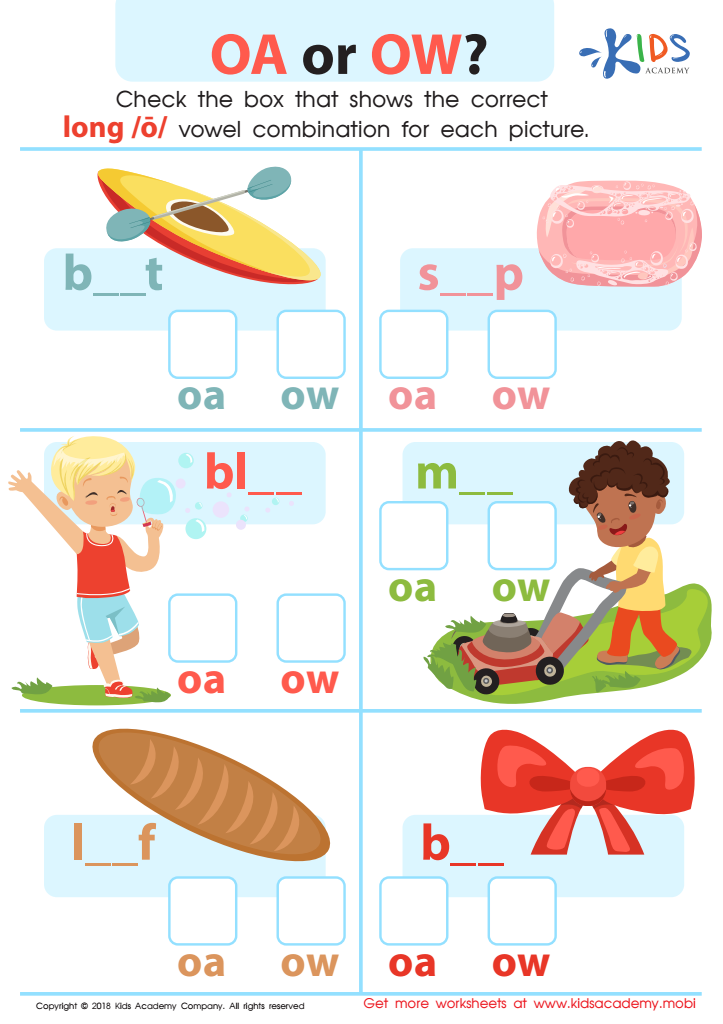
Reading: OA or OW Worksheet
 Assign to My Students
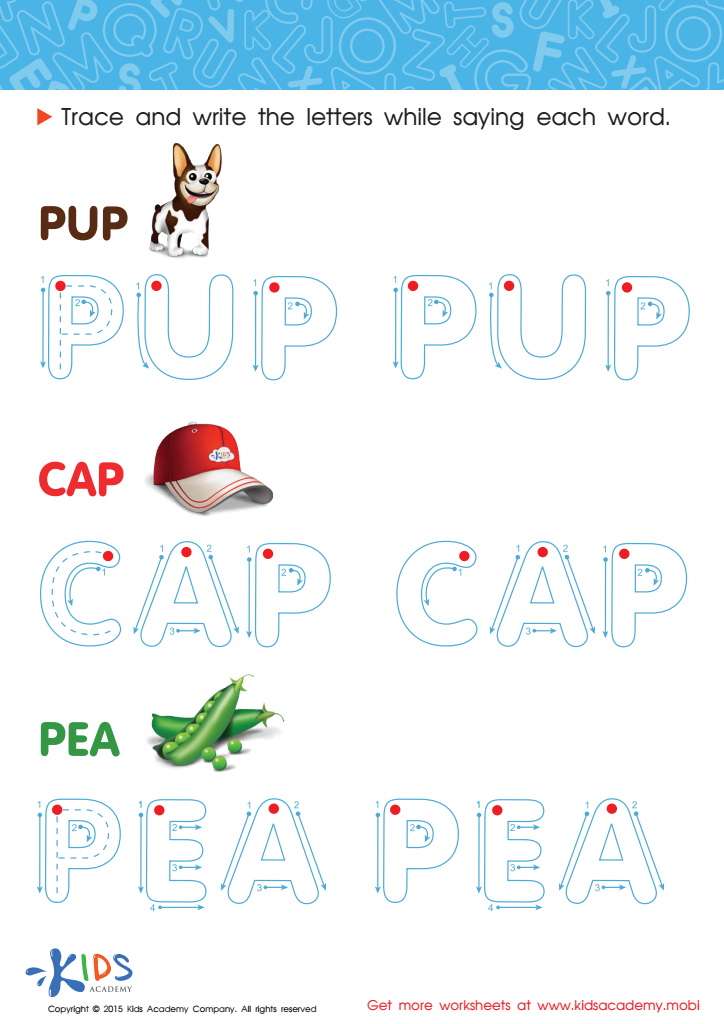
A Pup, a Cap and a Pea Spelling Worksheet
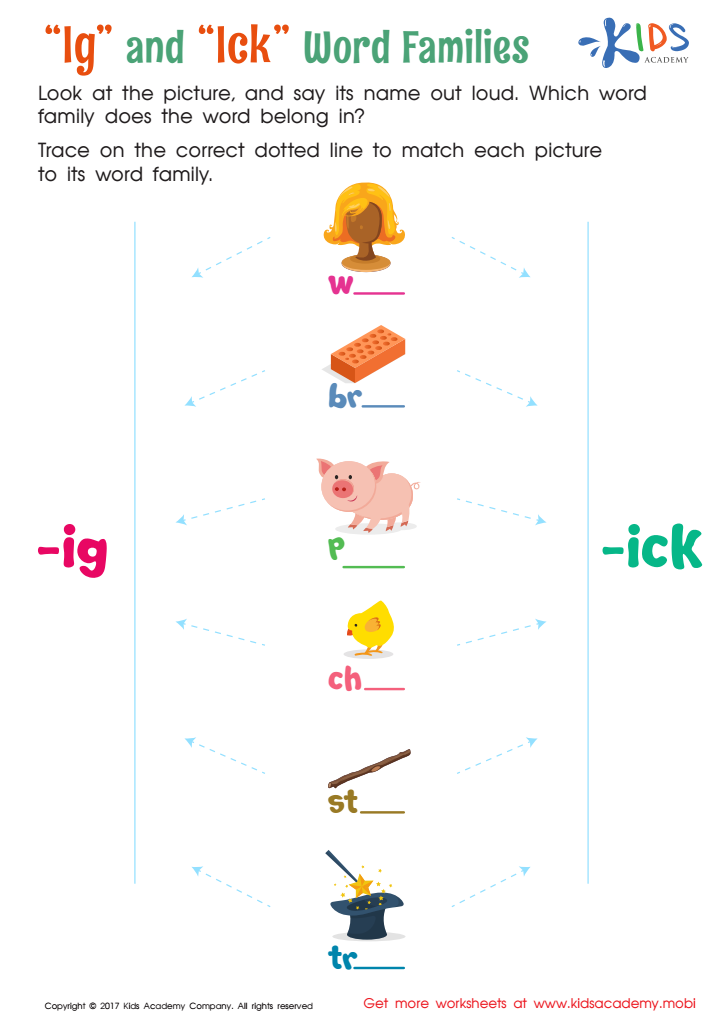
Words Families "ig" and "ick" Spelling Worksheet
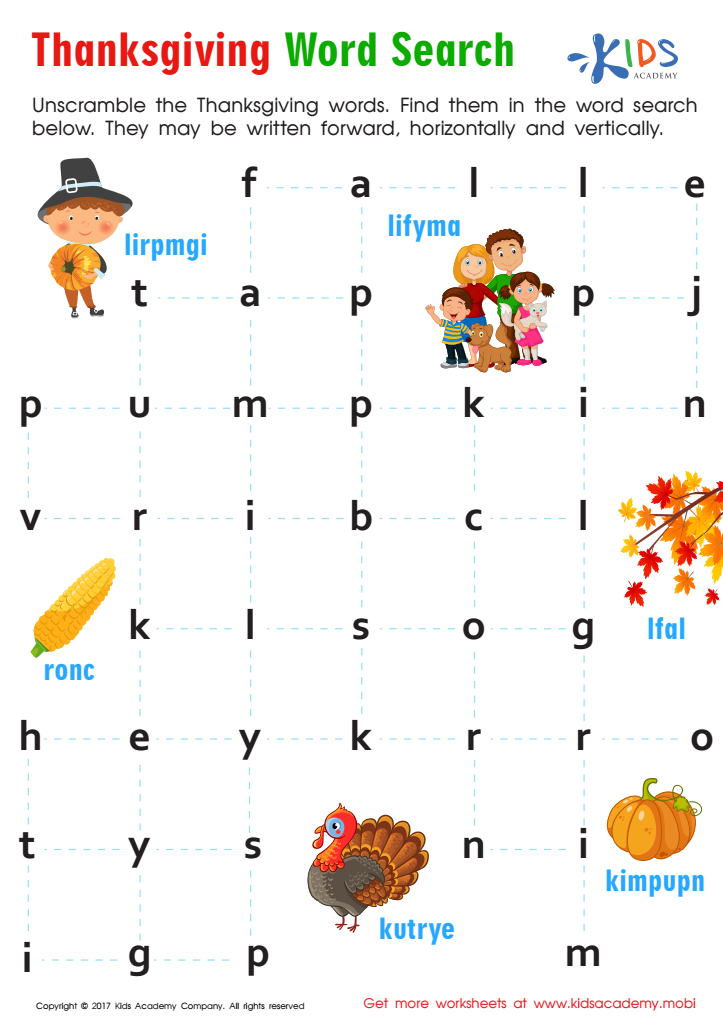
Thanksgiving Word Search Sight Words Worksheet
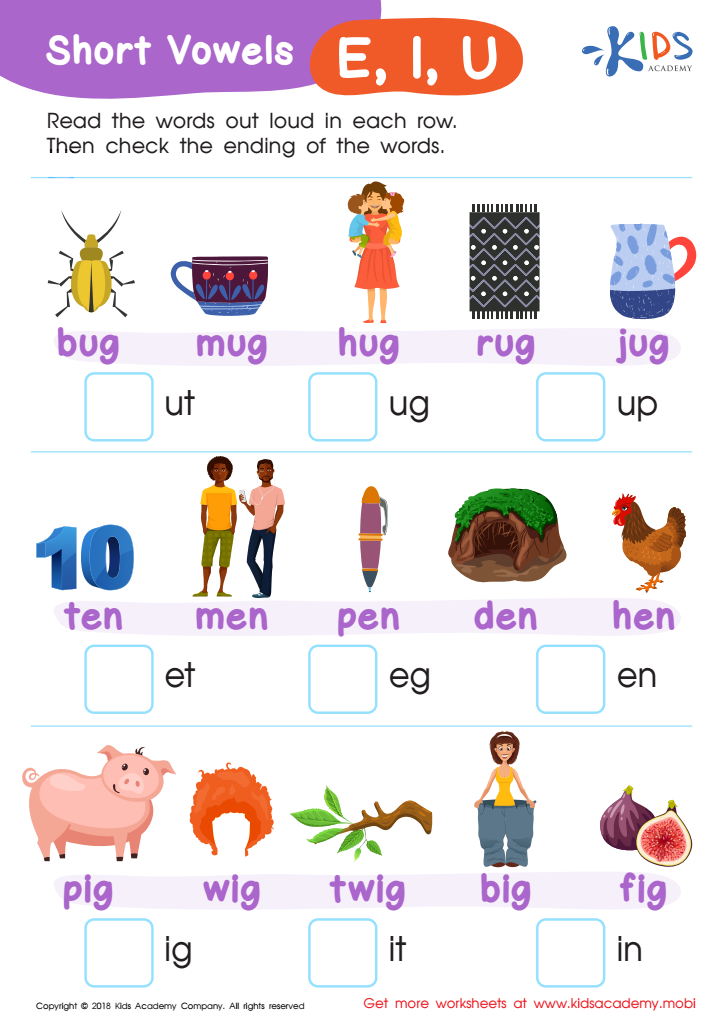
Short Vowels /e/, /i/, and /u/ Worksheet
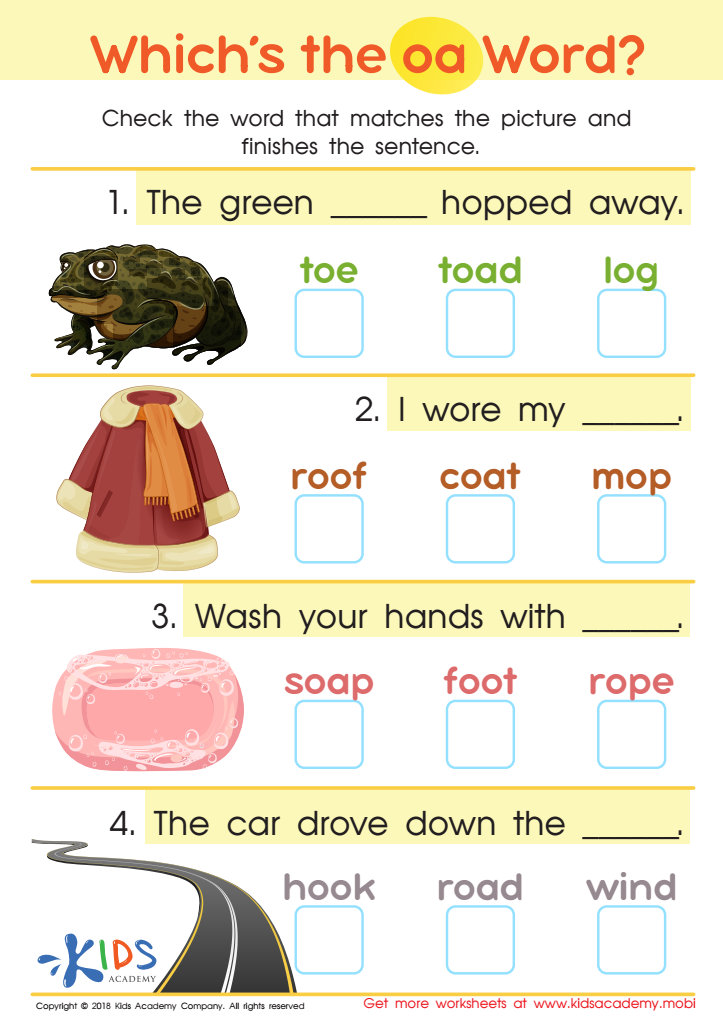
Which's the OA Word? Worksheet
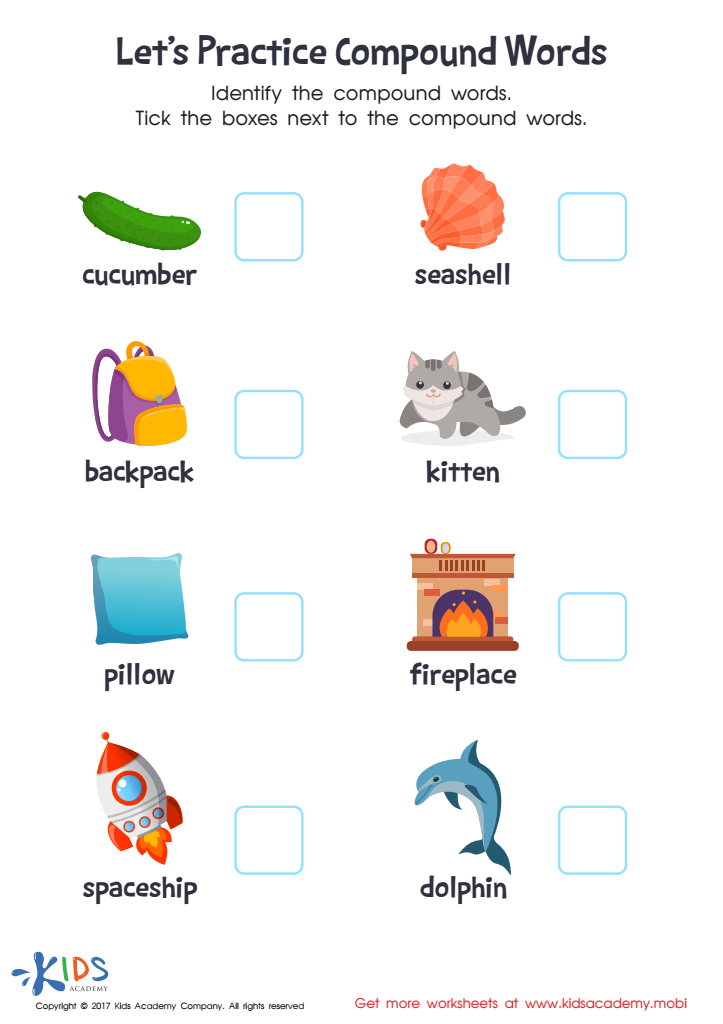
Let's Practice Compound Words Word Structure Worksheet
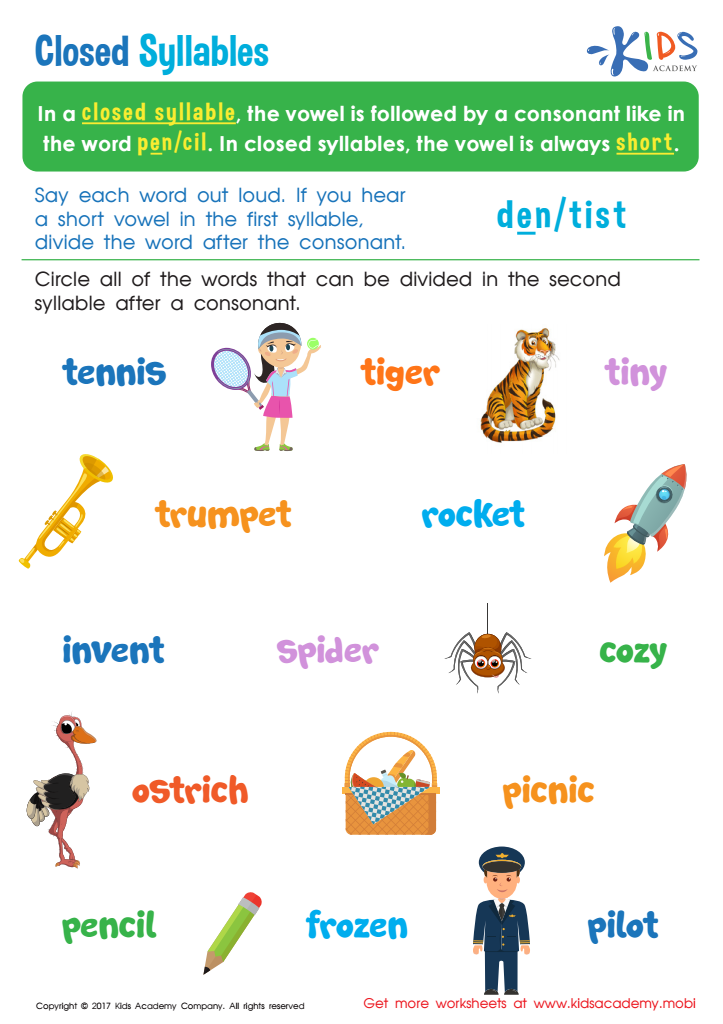
Closed Syllable Spelling Worksheet
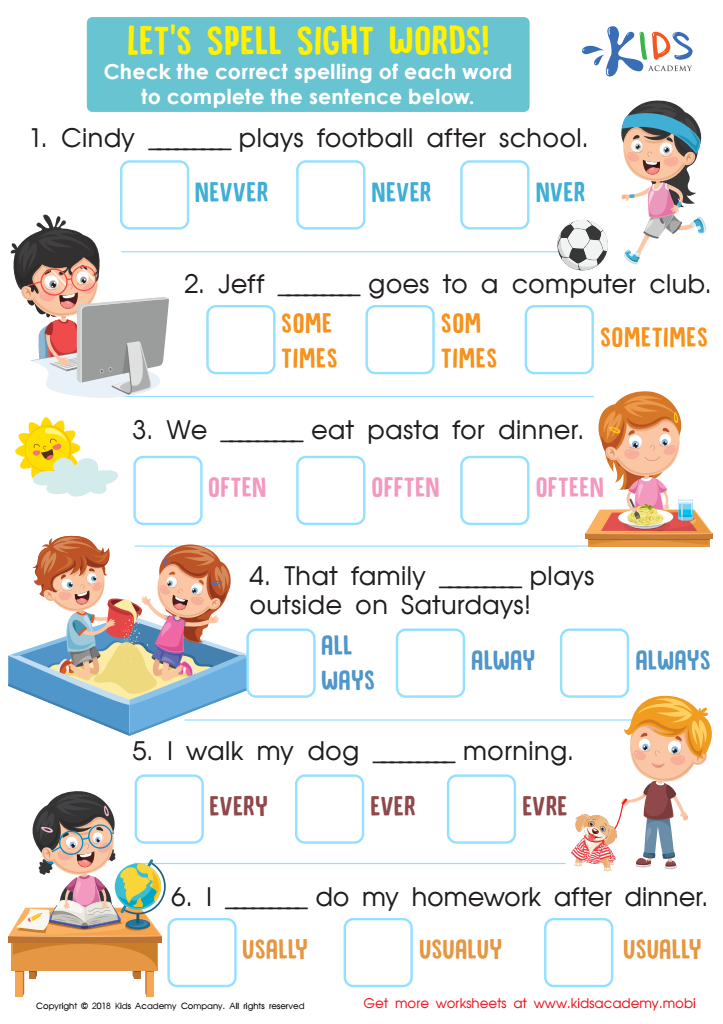
Let's Spell Sight Words Worksheet
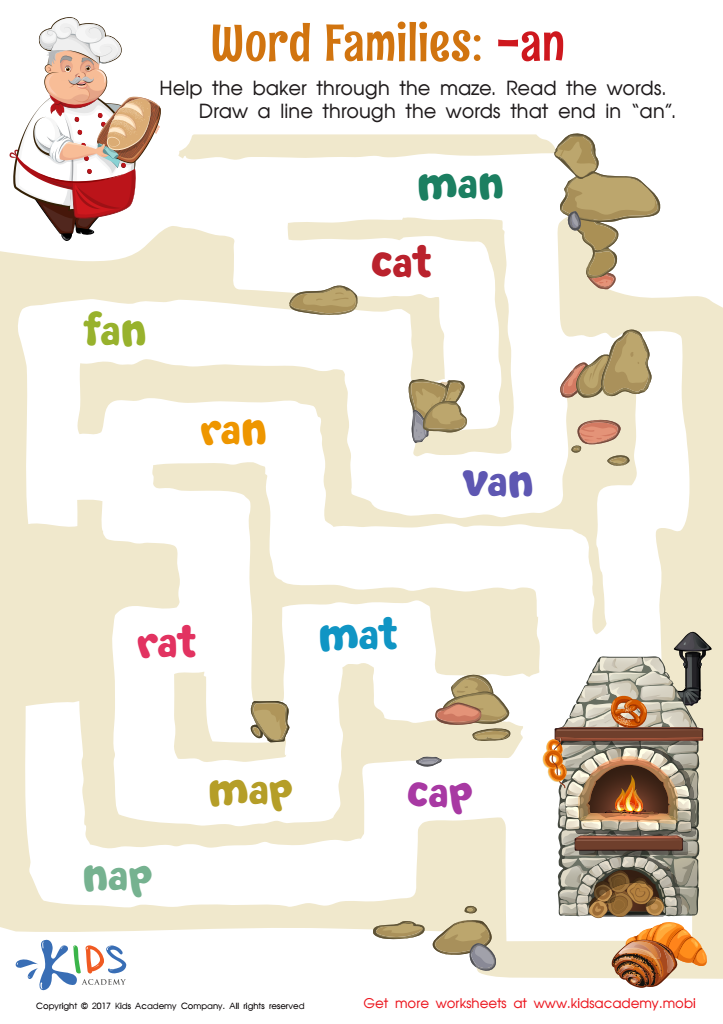
Words Families "an" Spelling Worksheet
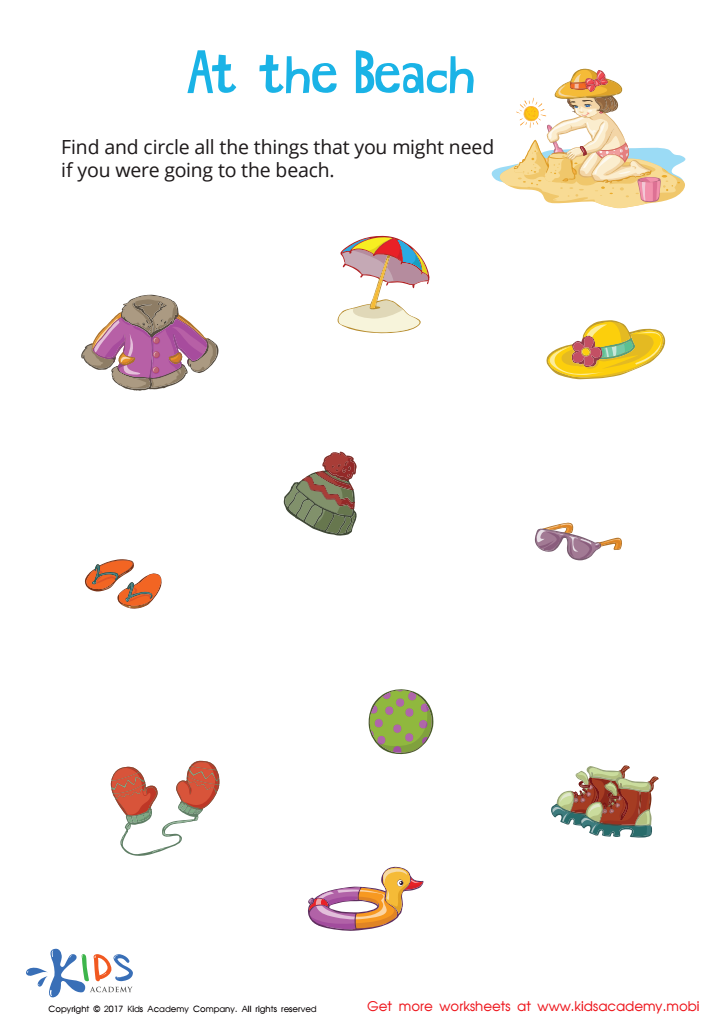
At the Beach Sorting Worksheet
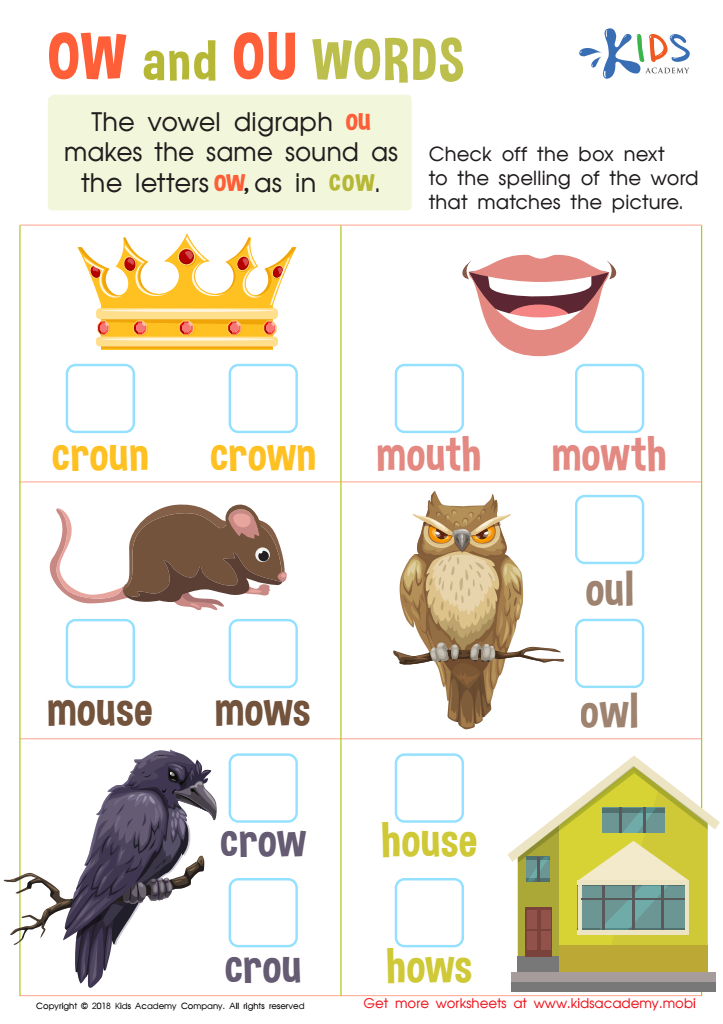
Reading: OW and OU Words Worksheet
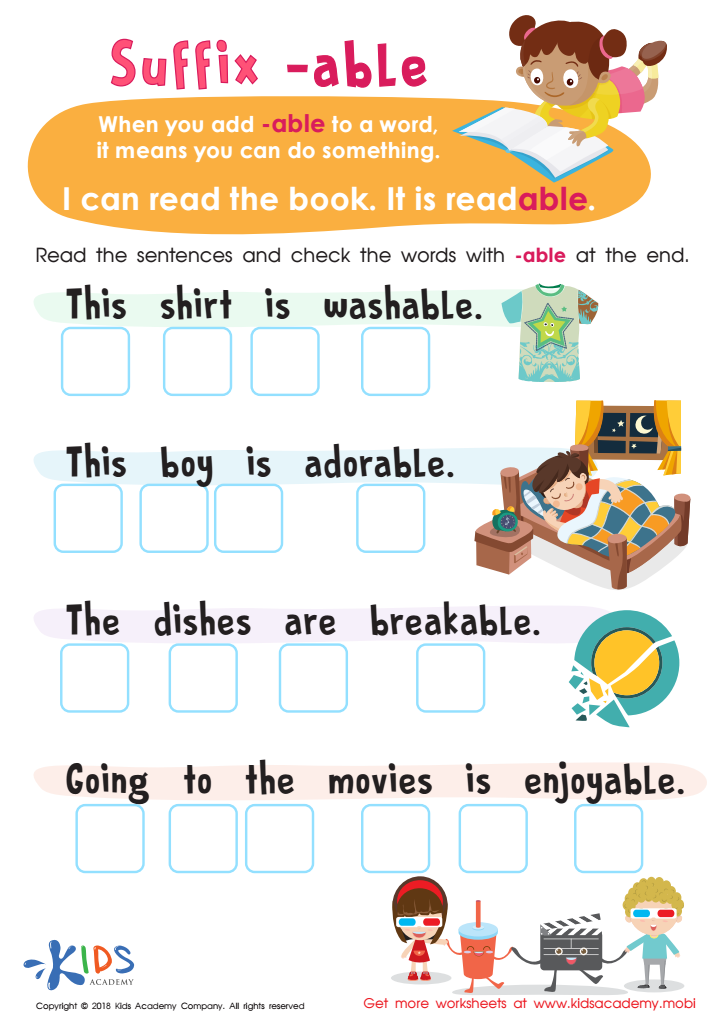
Suffix -Able Worksheet
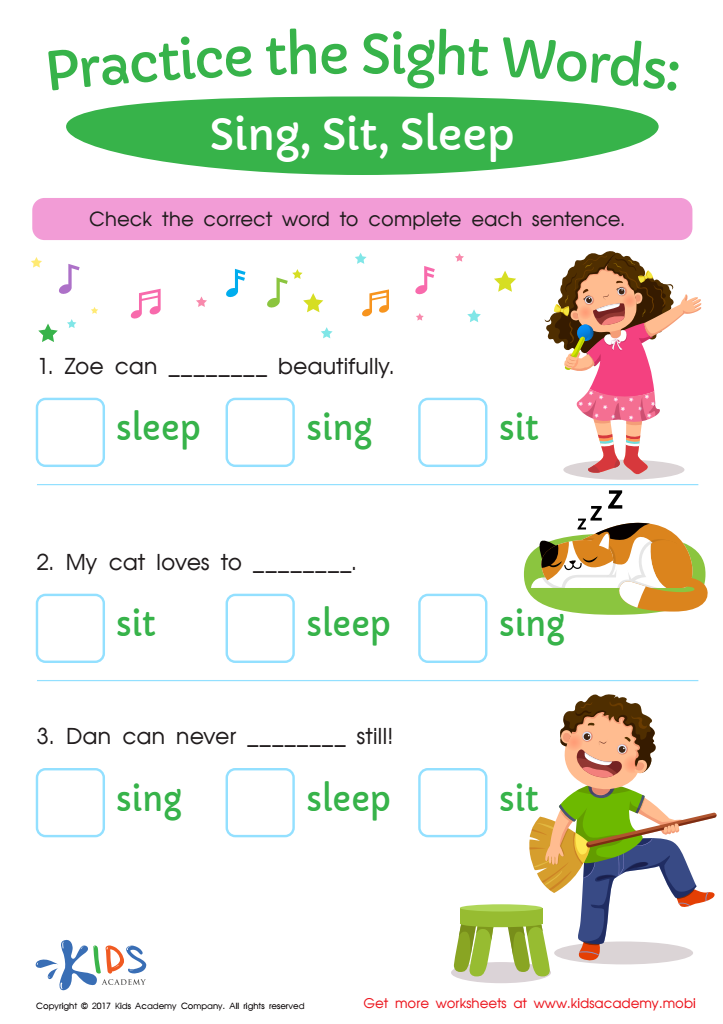
Sing, Sit, Sleep Sight Words Worksheet
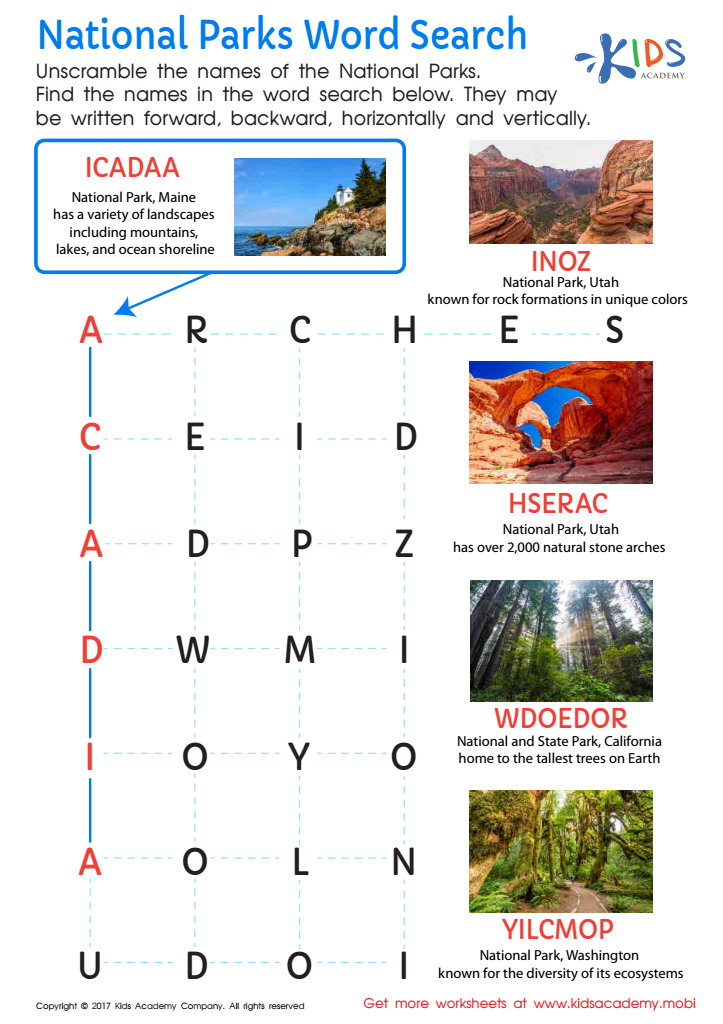
National Parks Word Search Worksheet
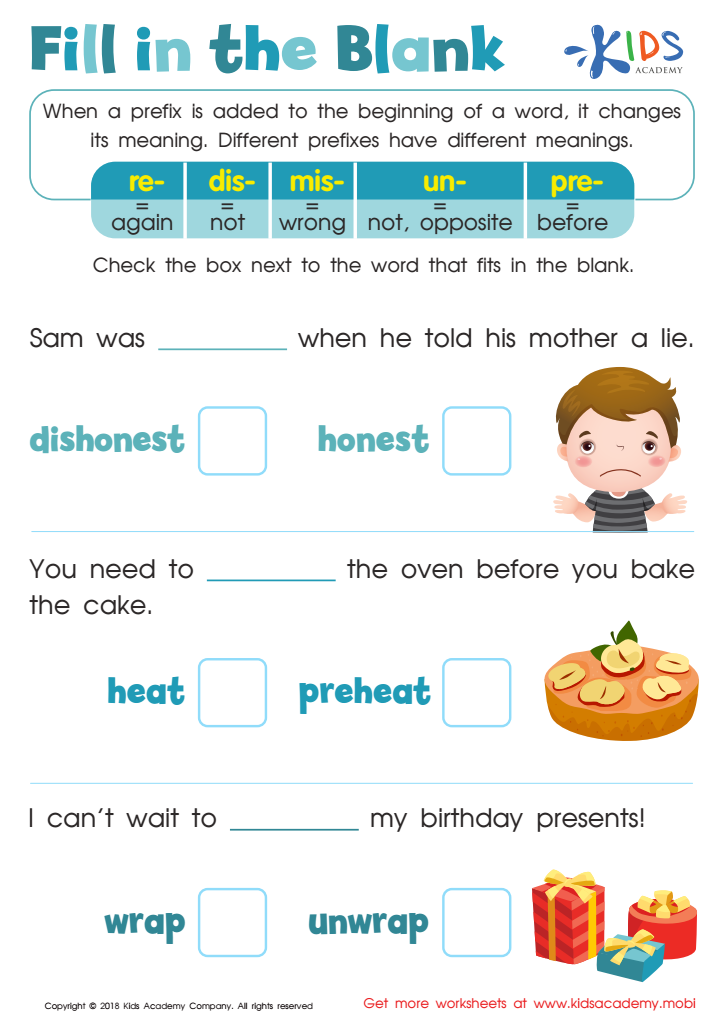
Reading: Fill in the Blank Worksheet
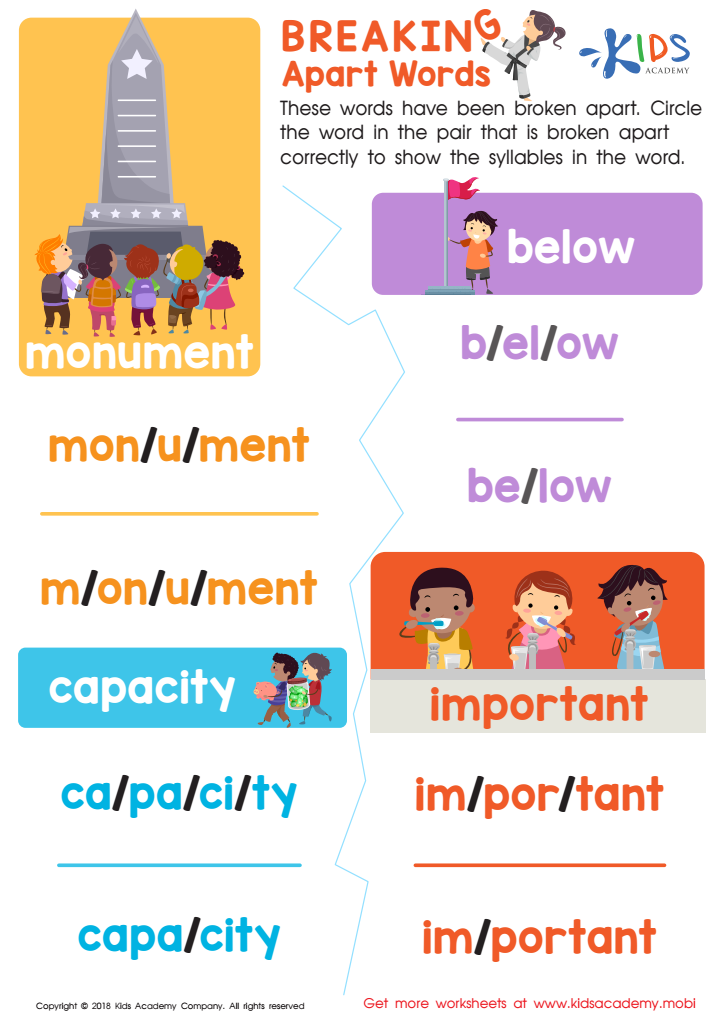
Breaking Apart Words Worksheet
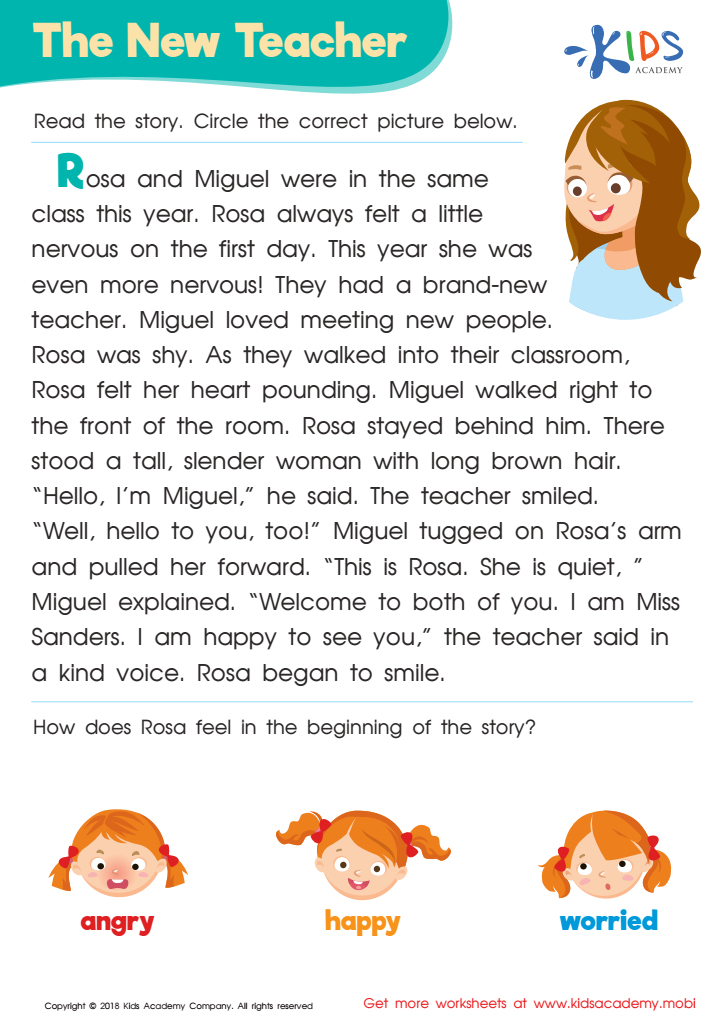
The New Teacher Worksheet
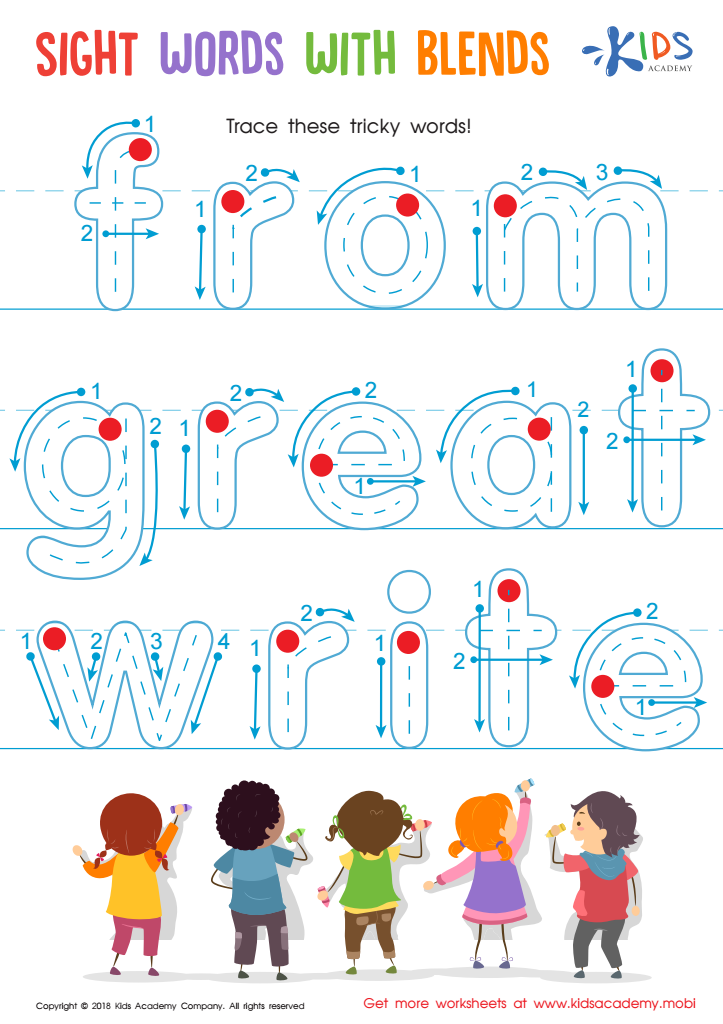
Sight Words with Blends Worksheet
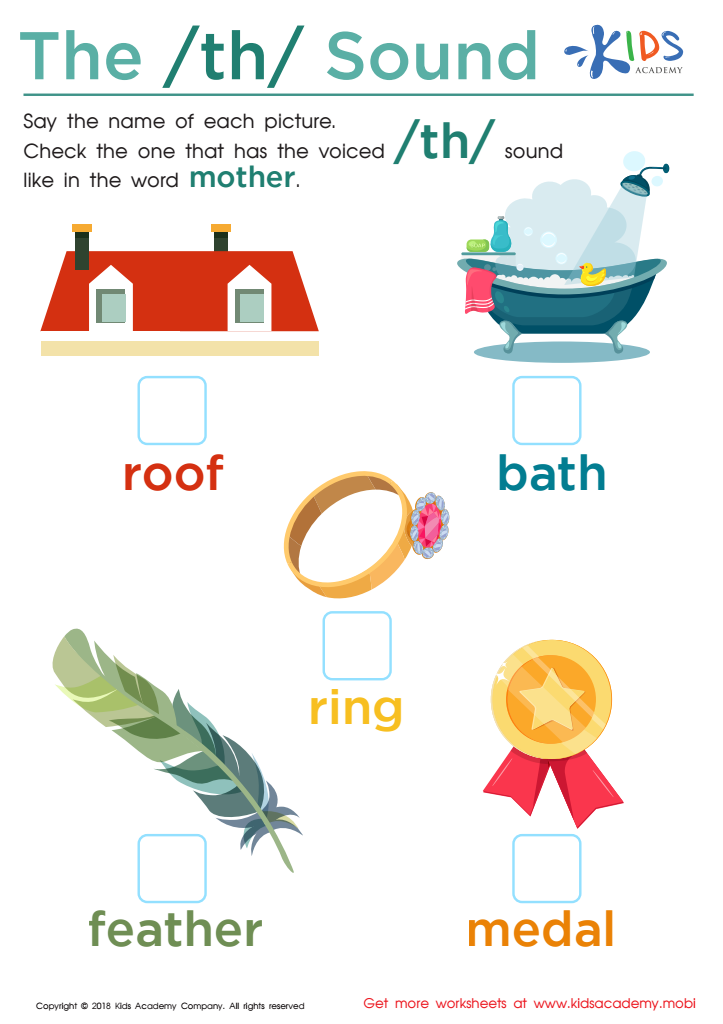
The /th/ Sound Worksheet
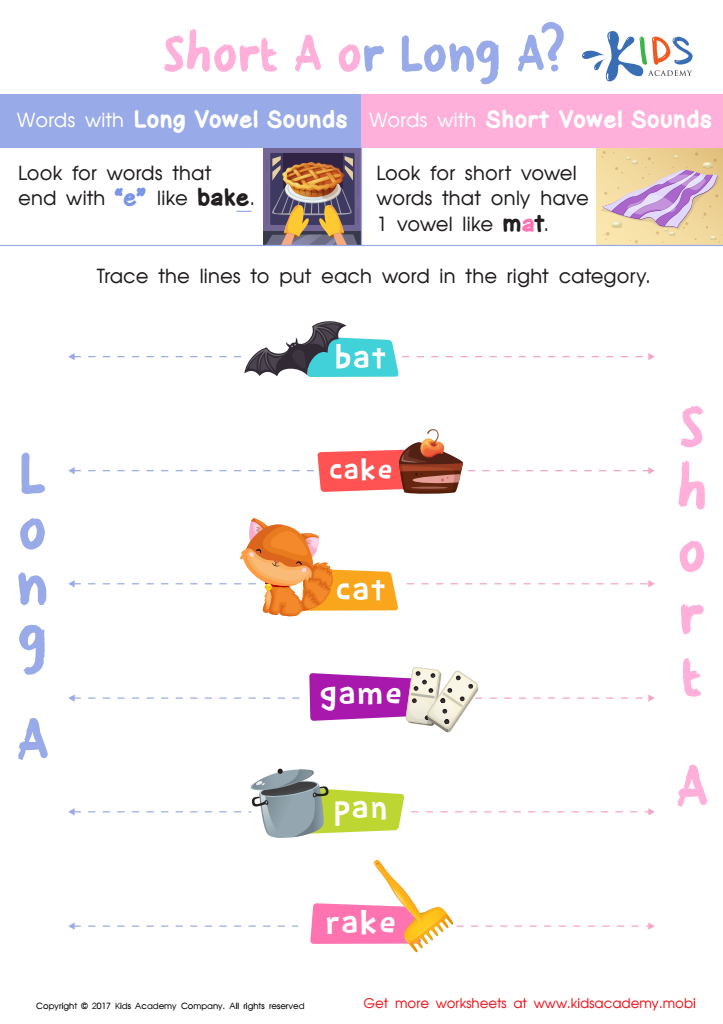
Short /a/ or Long /a/? Worksheet
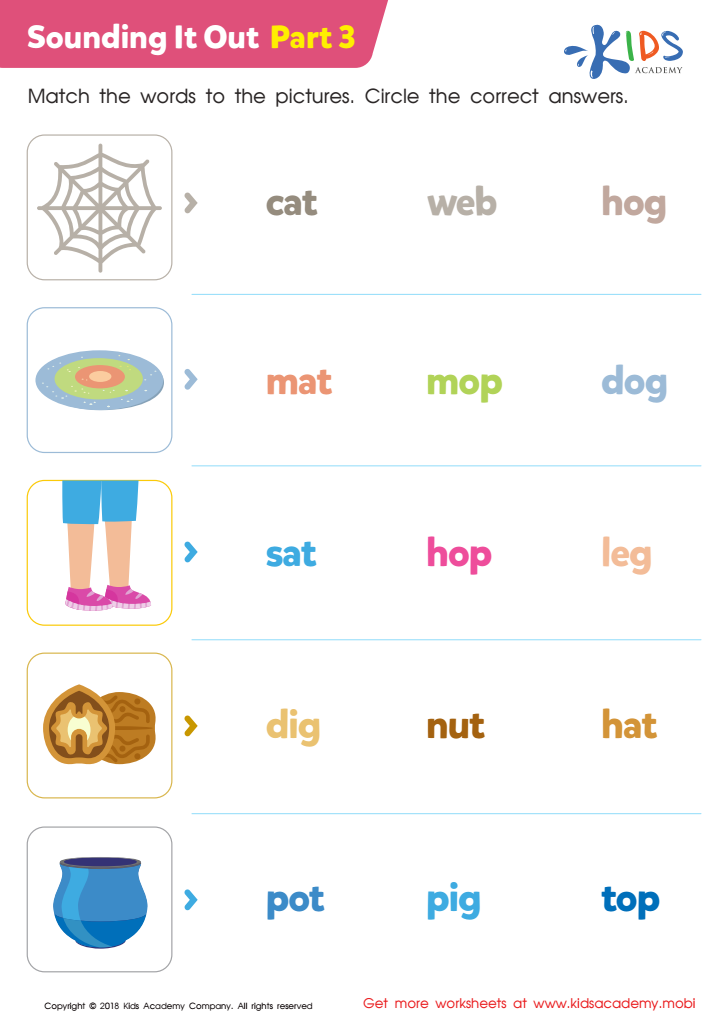
Sounding it Out: Part 3 Worksheet
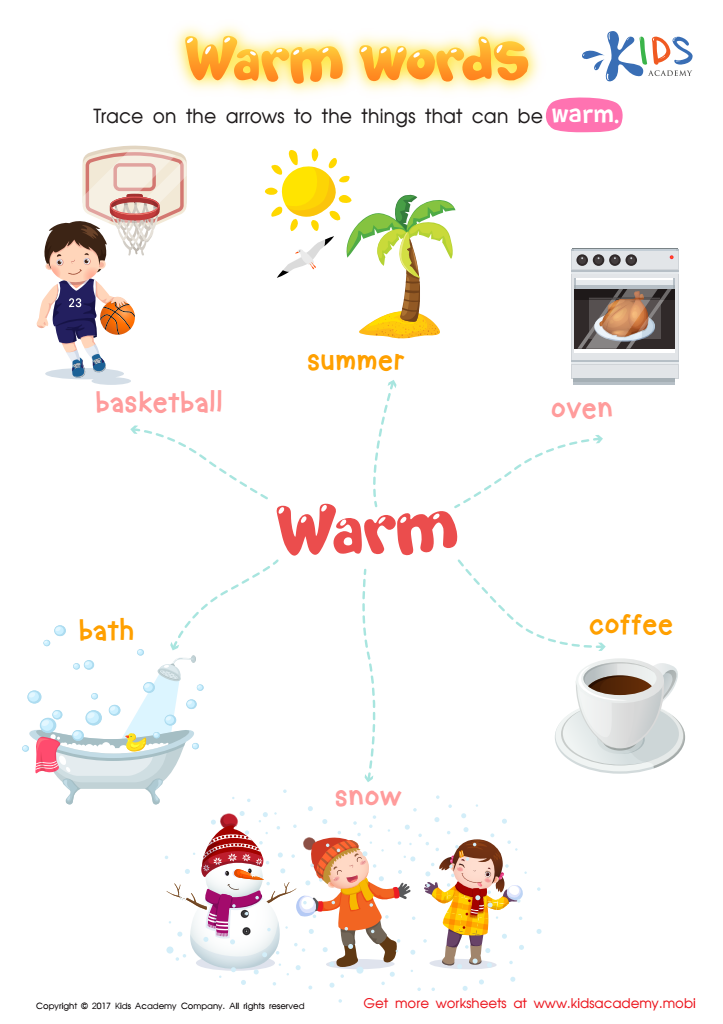
Warm Words Worksheet
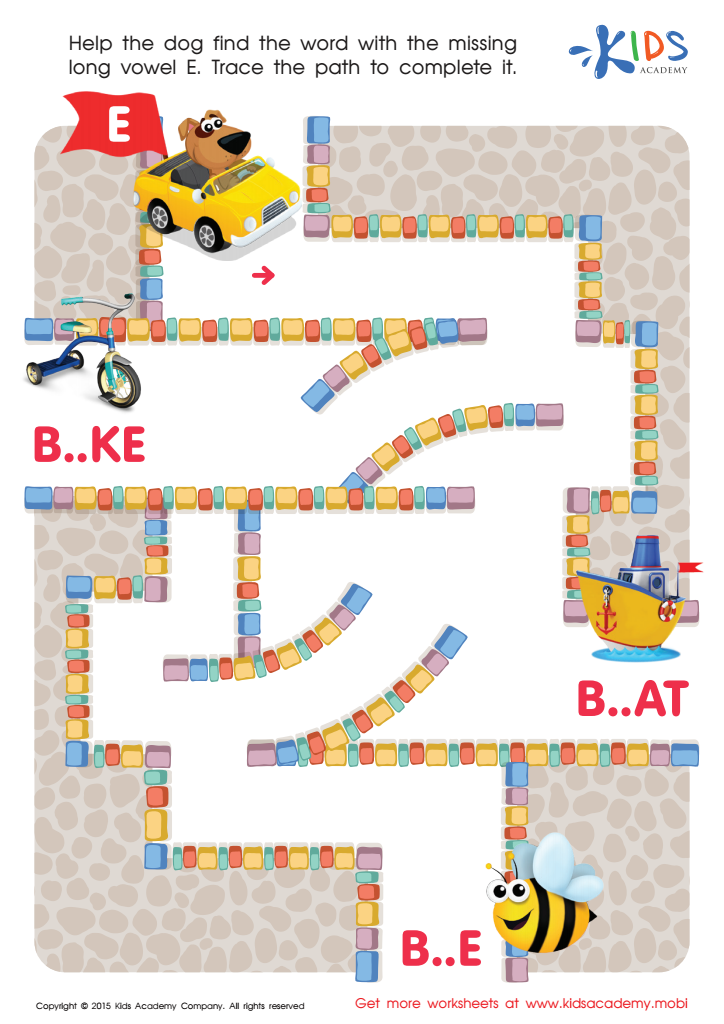
Long Vowel Sound E Worksheet








Spelling practice is crucial for children aged 4-9 because it lays the foundation for effective communication and literacy skills. During these formative years, young learners are particularly receptive to language acquisition. Regular spelling practice helps them understand the structure of words, enhancing their reading and writing abilities. It aids in phonemic awareness – the understanding that words are composed of individual sounds – which is a fundamental skill for learning to read.
For parents and teachers, investing time in spelling practice cultivates a child's confidence in their language skills. It helps prevent future literacy issues by addressing and correcting mistakes early on, ensuring that these don't become bad habits. Good spelling skills contribute to a child’s vocabulary expansion as they learn new words and their meanings, fostering a richer, more detailed expression of their thoughts in both written and spoken forms.
Moreover, spelling practice promotes cognitive development. It involves memory exercise, problem-solving, and critical thinking, enhancing overall academic performance. For teachers, structured spelling lessons can reveal the specific areas where a child may need additional support or intervention. Therefore, prioritizing spelling practice is not just about correctly arranging letters; it's about setting up a solid foundation for future educational success and communication proficiency.








