Explore the fascinating world of ecosystems with our "Understanding Ecosystems Normal Worksheets," designed specifically for ages 4-9. These engaging worksheets introduce young learners to the basic concepts of ecosystems, including plants, animals, and their interdependence. Our resources are filled with colorful illustrations and interactive activities that make learning fun and relatable. Kids will develop foundational knowledge about habitats, food chains, and the importance of biodiversity. Perfect for home or classroom use, these worksheets encourage curiosity and critical thinking, equipping children with essential skills for the future. Dive into the wonders of nature today and inspire the next generation of environmental stewards!

Check out this FREE "Understanding ecosystems" Trial Lesson for age 4-9!

Animal Adaptations

Favorites
With answer key
Interactive
  • 4-9
  • Understanding ecosystems
  • Normal
Changes to the Amazon Worksheet

Changes to the Amazon Worksheet

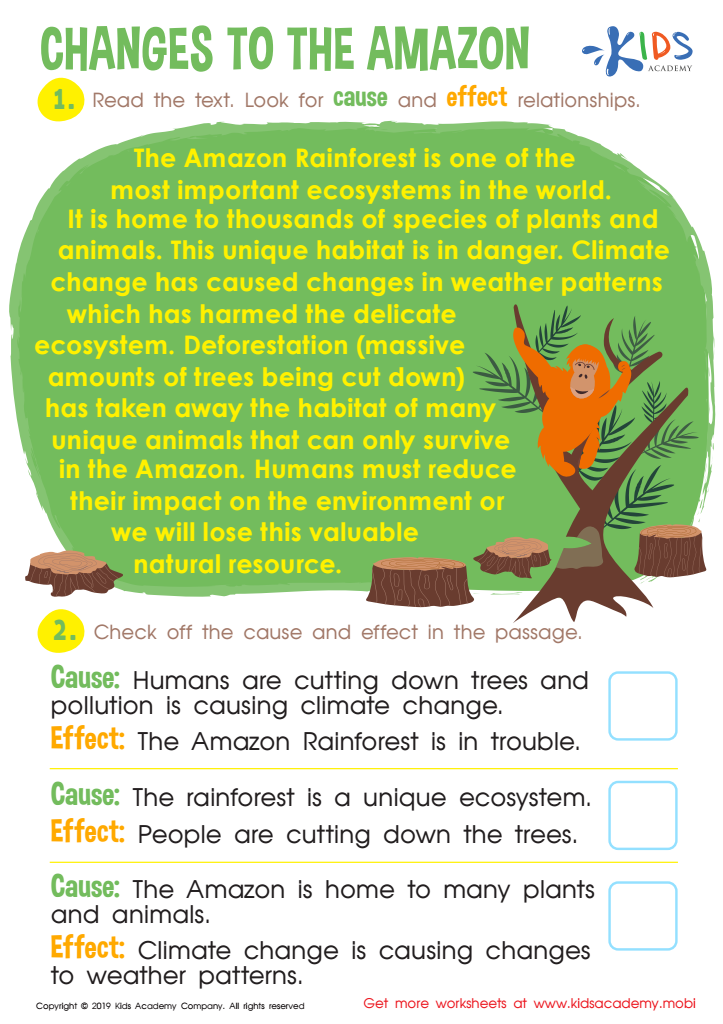
If your kids are interested in protecting the planet, they should know about the Amazon. Use this worksheet to teach them about it. Read it with them and help them find the cause and effect relationships, then check them off. It explains the situation in the Amazon, why it's happening and the results.
Changes to the Amazon Worksheet
Worksheet
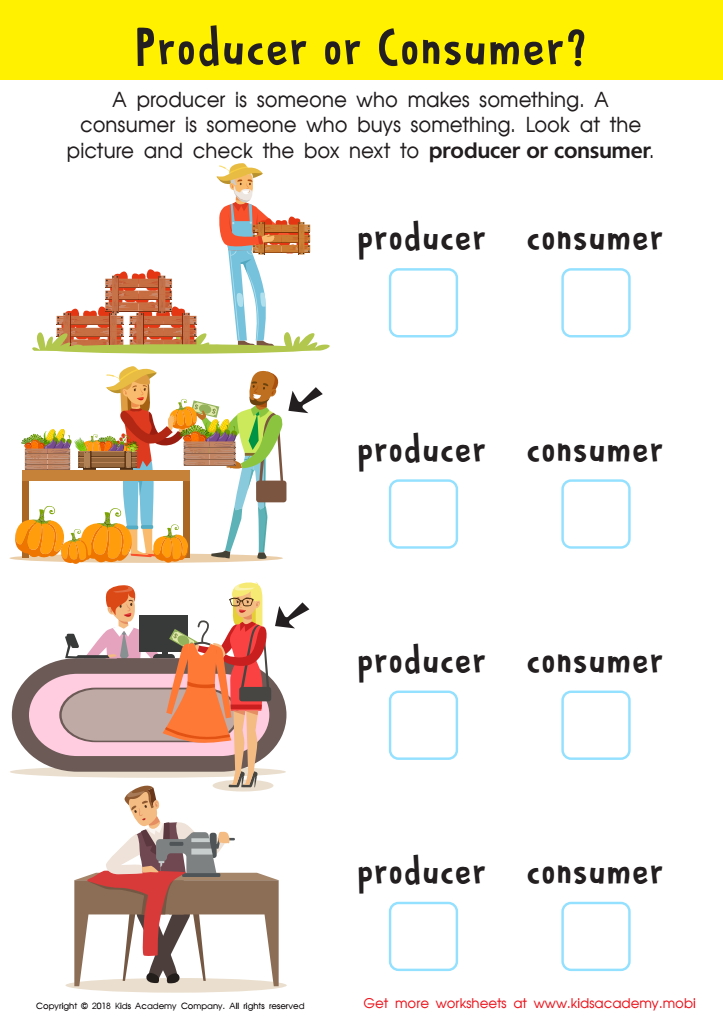
Producer or Consumer? Worksheet

Producer or Consumer? Worksheet

Test your child's knowledge by asking who's a producer and consumer. Explain producer makes things and consumer buys them. Use a snack example. Look at the picture with your kids and help them check the box next to producer or consumer.
Producer or Consumer? Worksheet
Worksheet
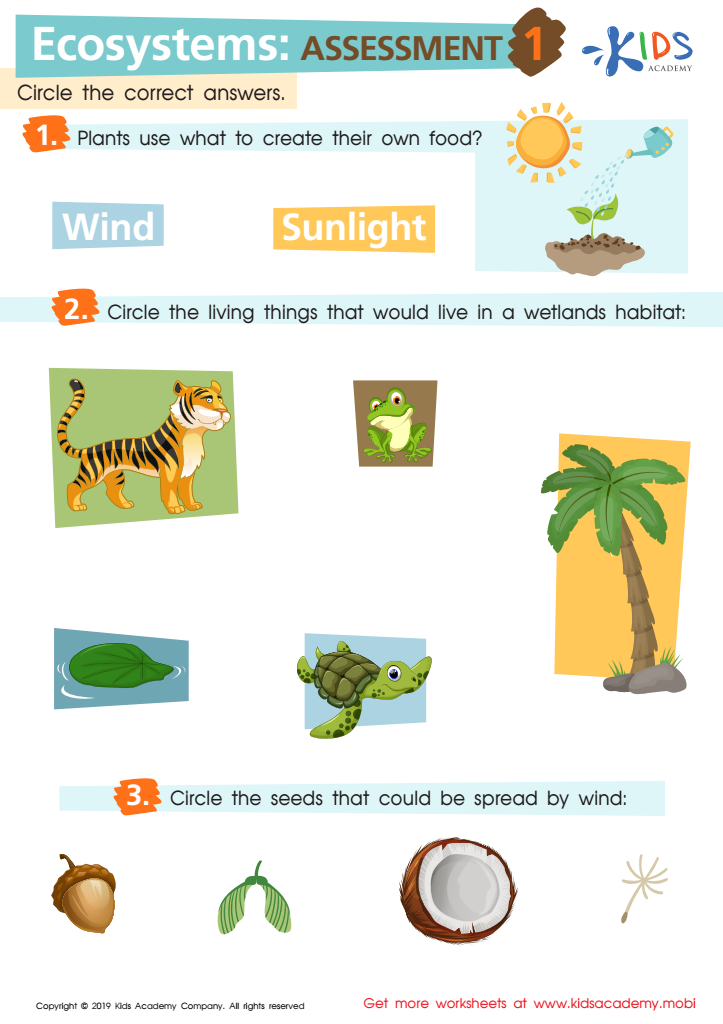
Ecosystems: Assessment 1 Worksheet

Ecosystems: Assessment 1 Worksheet

Before starting the worksheet, remind your child of the basics of the ecosystem, e.g. plants need light and winds carry small seeds. Encourage them to identify the images in the colorful printout. Ask them the questions and help them circle the correct answers.
Ecosystems: Assessment 1 Worksheet
Worksheet
Arctic World Worksheet

Arctic World Worksheet

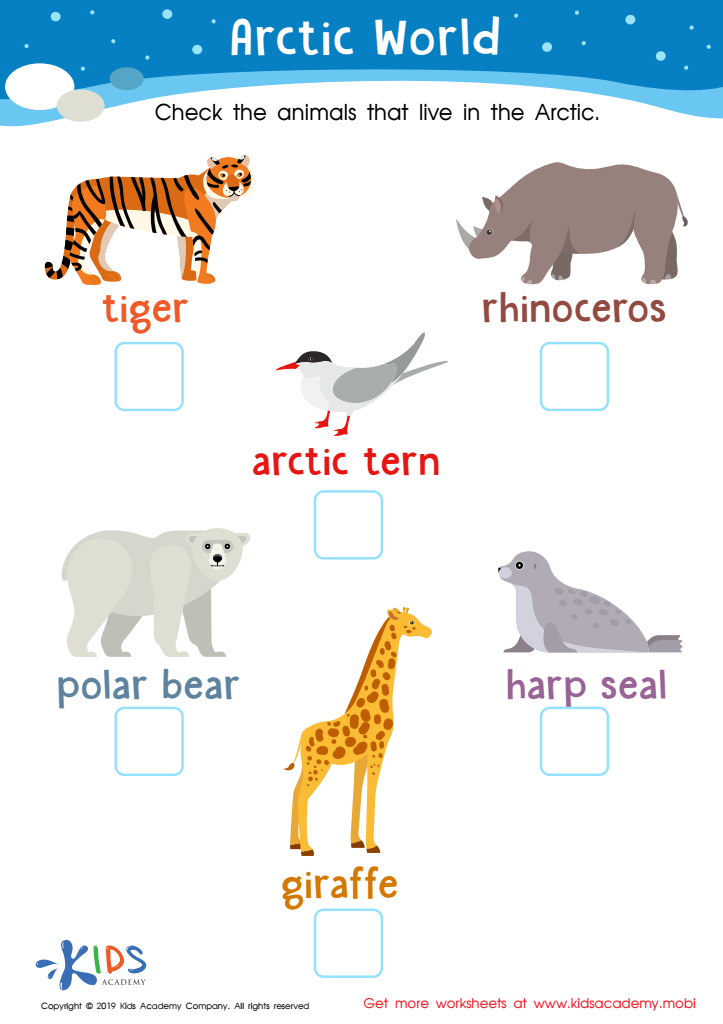
Ask your students if they know where the Arctic is located and what lives there. If not, use a world atlas to show them. The Arctic is very cold and snow-covered; native animals have adapted to survive the harsh conditions. Look at the animals in the worksheet and help your students decide which ones live in the Arctic.
Arctic World Worksheet
Worksheet
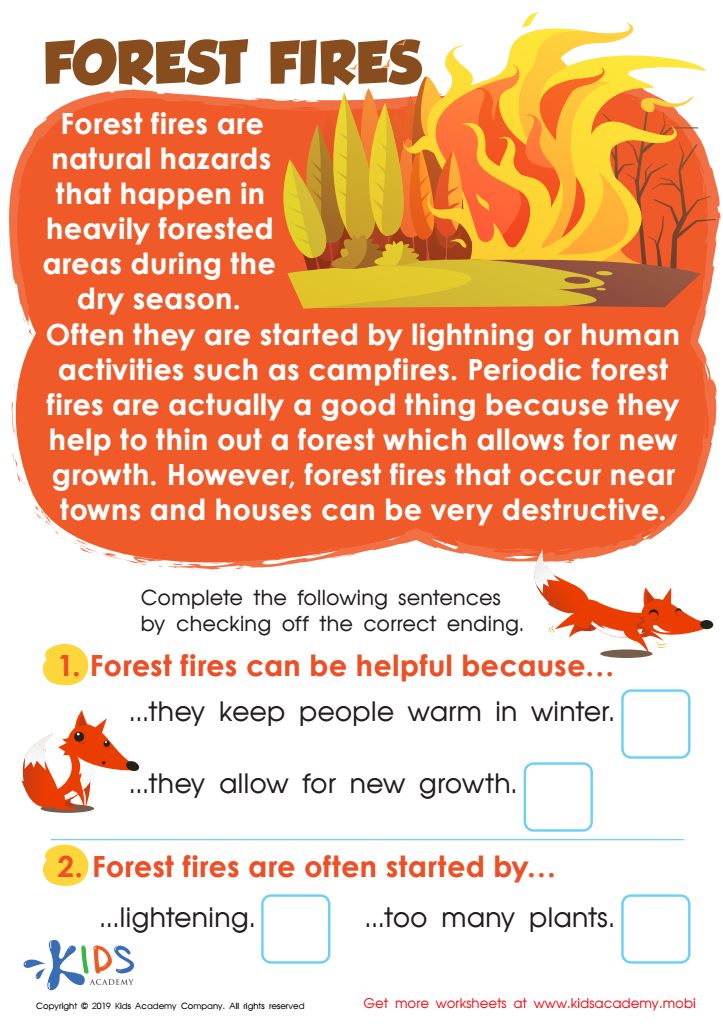
Forest Fires Worksheet

Forest Fires Worksheet

This free worksheet helps kids learn about forest fires. It encourages critical thinking by allowing them to answer multiple-choice questions. It is an important opportunity for children to develop reading skills, as understanding text is essential for further academic success. Download the PDF to give them the chance to practice comprehension and strengthen their knowledge.
Forest Fires Worksheet
Worksheet
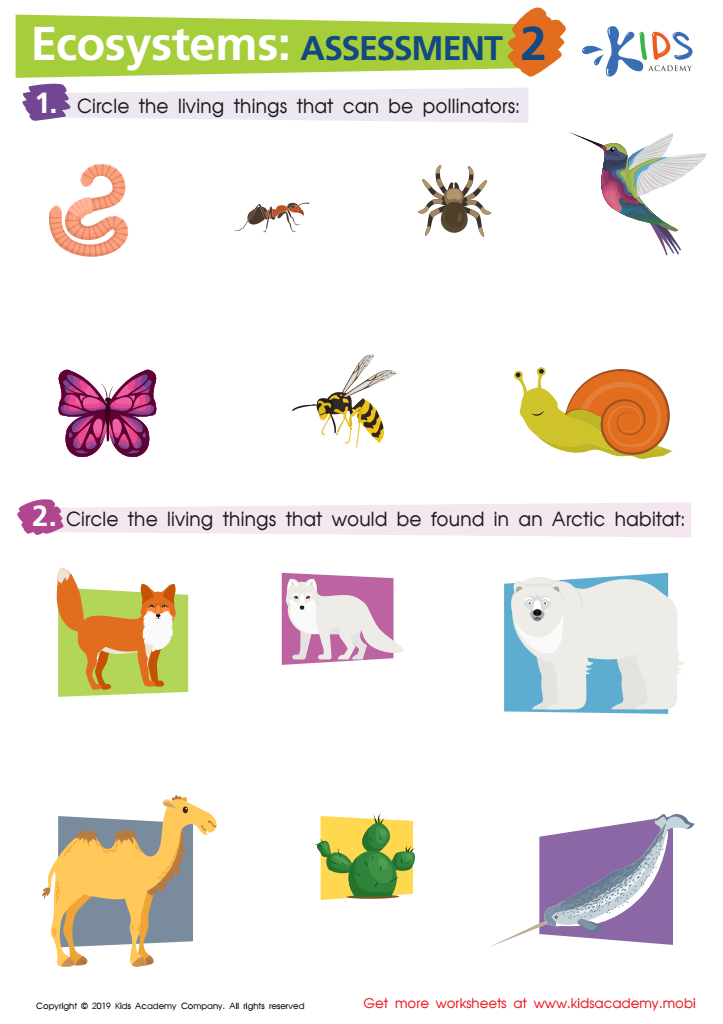
Ecosystems: Assessment 2 Worksheet

Ecosystems: Assessment 2 Worksheet

Pollinators are living or non-living things that help pollen spread. Test your child's knowledge of the ecosystem with this worksheet. Point out animals in the picture, then ask the simple questions. Help your child circle the right answers.
Ecosystems: Assessment 2 Worksheet
Worksheet
Water World Worksheet

Water World Worksheet

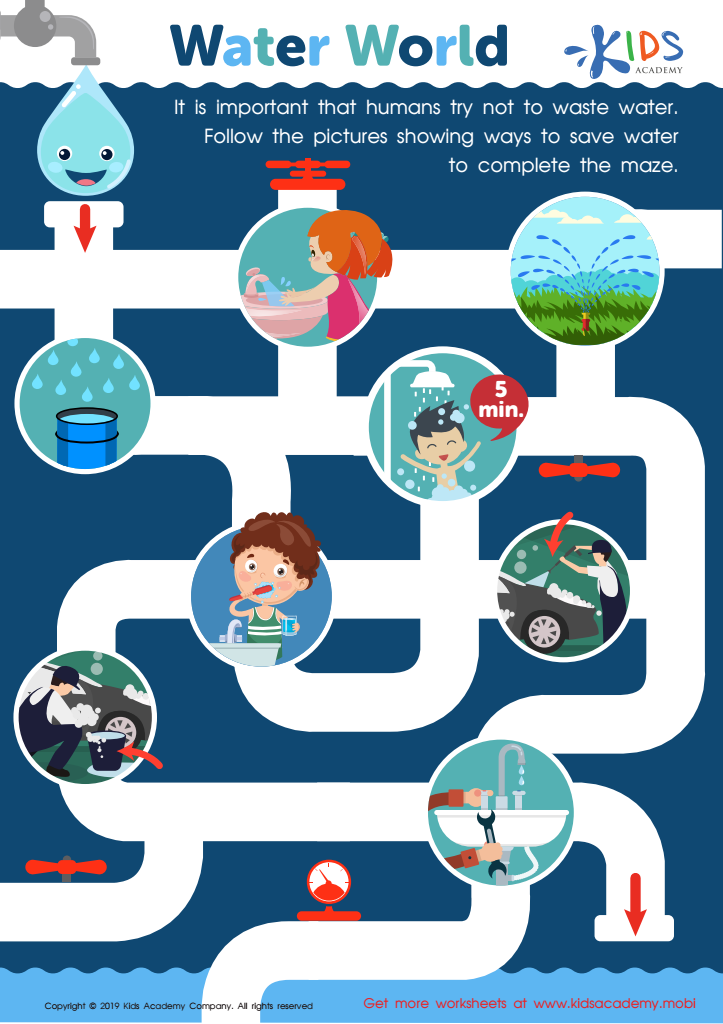
Water is a vital necessity for living. Our bodies depend on it to stay healthy and survive. When we don't drink enough water, we become thirsty and run the risk of getting sick. Luckily, our planet is full of water and natural sources to stay hydrated. To prevent water waste, use this worksheet to teach your students how to conserve it and complete the maze.
Water World Worksheet
Worksheet
Animals and Plants: Assesment 1 Worksheet

Animals and Plants: Assessment 1 Worksheet
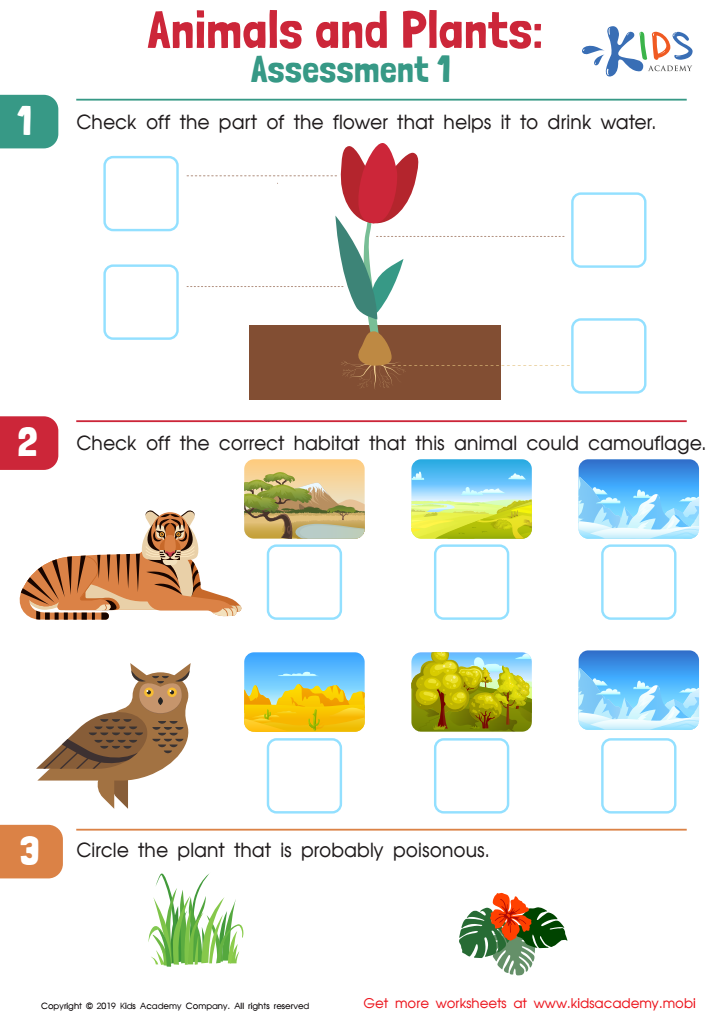
Do you want to easily assess your child's understanding of basic science concepts? This colorful PDF offers a free opportunity for them to test their knowledge about parts of a flower, poisonous plants, animal habitats and more! Bright pictures make it fun and easy for you to see what they know.
Animals and Plants: Assessment 1 Worksheet
Worksheet
Producers and Consumers: Sequencing Worksheet


Producers and Consumers: Sequencing Worksheet

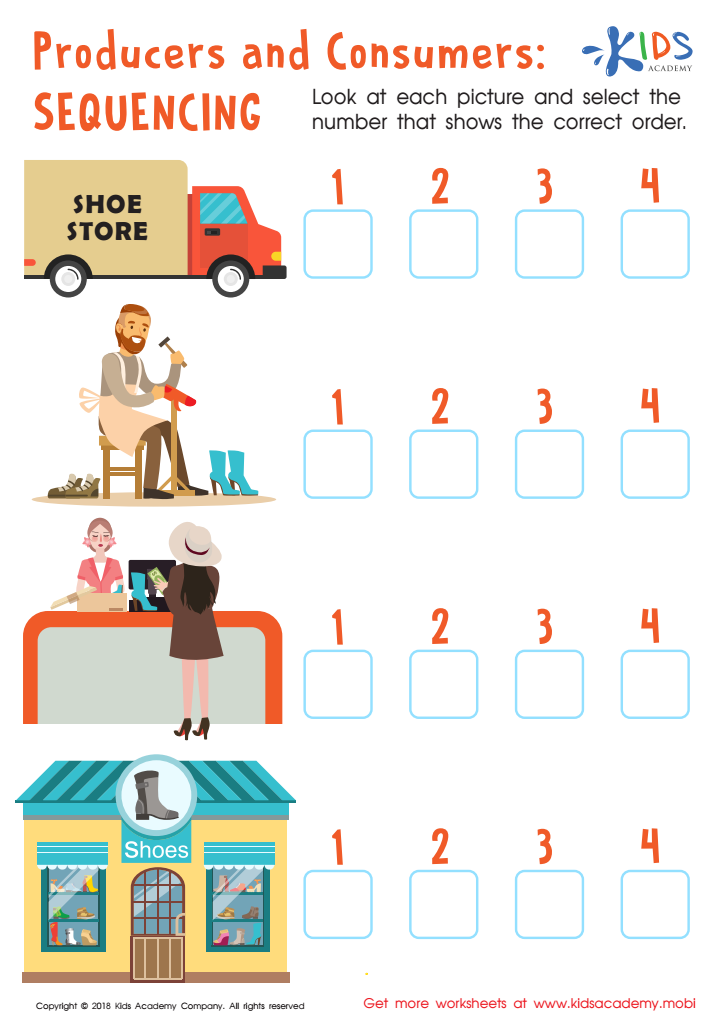
Ask your child: Who are producers? Can you give an example? Here's one: a shoe maker. What's happening in each picture? Can you arrange them in the right order? Select the number that shows the correct answer.
Producers and Consumers: Sequencing Worksheet

Worksheet


Understanding ecosystems is crucial for children aged 4-9 as it lays the foundation for their awareness of the environment. At this age, children are naturally curious about the world around them, making it the perfect time to introduce them to how living things interact in their surroundings. Parents and teachers should care about this because teaching about ecosystems helps kids develop an appreciation for nature and all its inhabitants, from trees and animals to the tiniest insects.

By exploring ecosystems, children learn about the importance of balance in nature, how each organism plays a role, and the significance of biodiversity. They become aware of topics such as food chains, habitats, and the impact of human activities on the environment. This knowledge encourages a sense of responsibility and stewardship, motivating them to care for their local surroundings.

Additionally, understanding ecosystems can spark critical thinking, problem-solving skills, and creativity as children engage in hands-on activities like observing plants and animals or participating in nature-based projects. In essence, instilling this knowledge in young learners fosters a generation that is environmentally conscious, equipped to tackle ecological challenges, and committed to making a positive difference in the world.