Visual perception Normal Worksheets for Ages 4-9
18 filtered results
-
From - To
Enhance your child’s visual perception skills with our expertly designed worksheets for ages 4-9. Our collection at Kids Academy offers engaging activities that focus on improving visual discrimination, pattern recognition, and spatial awareness. These worksheets are crafted to make learning fun and interactive, helping your child develop critical skills needed for reading, writing, and everyday tasks. With age-appropriate exercises, children can progress at their own pace while building confidence and cognitive abilities. Visit our website to explore a variety of worksheets that support early development and lifelong learning. Start now to nurture a keen and perceptive mind!
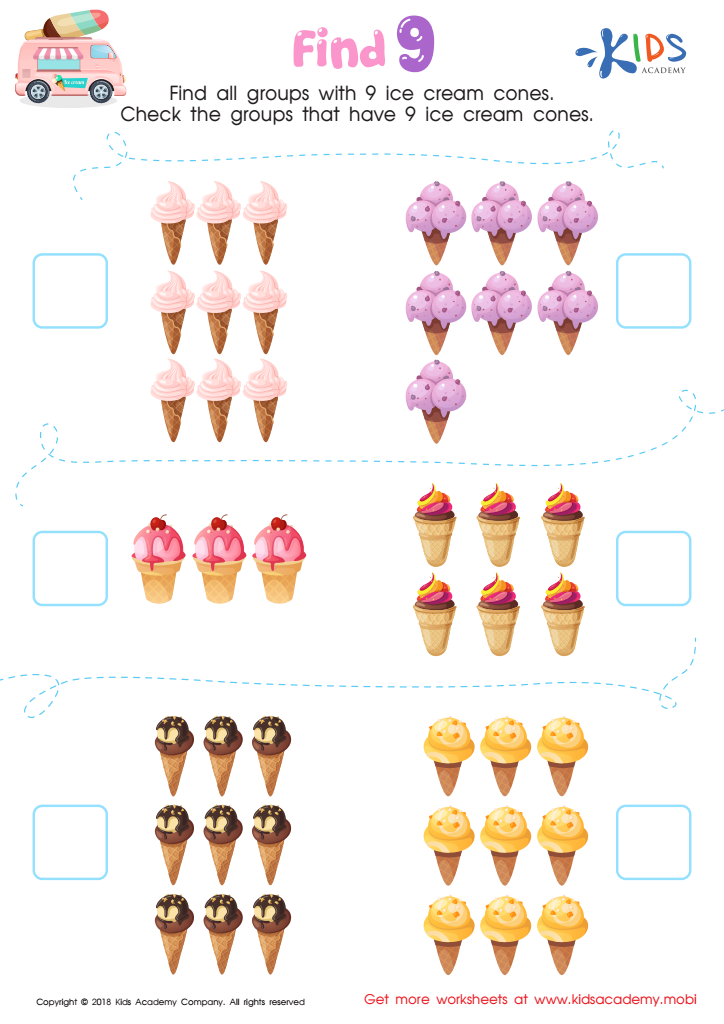
Find 9 Worksheet
 Assign to My Students

Count and Match Boxes with Vegetables
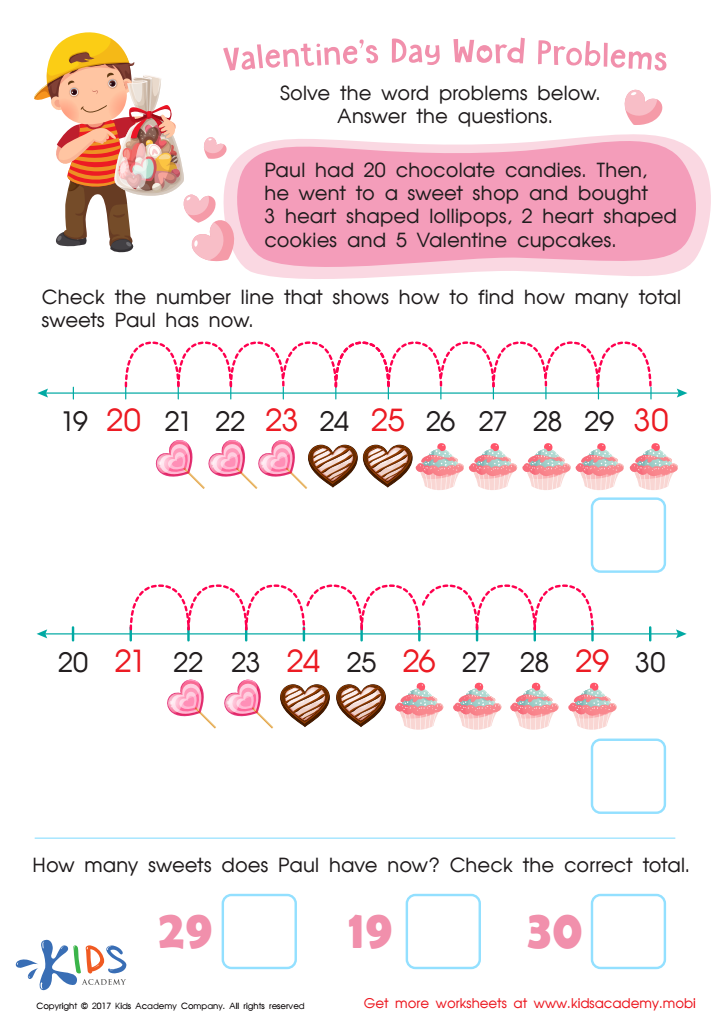
Valentines Day 2 Printable
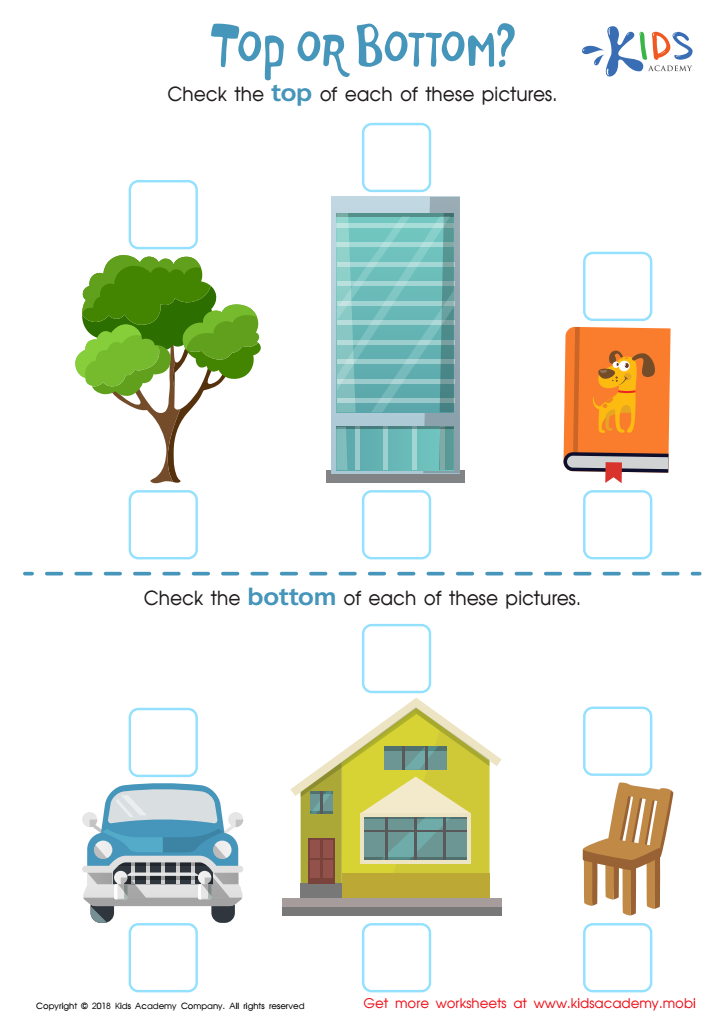
Top or Bottom Worksheet
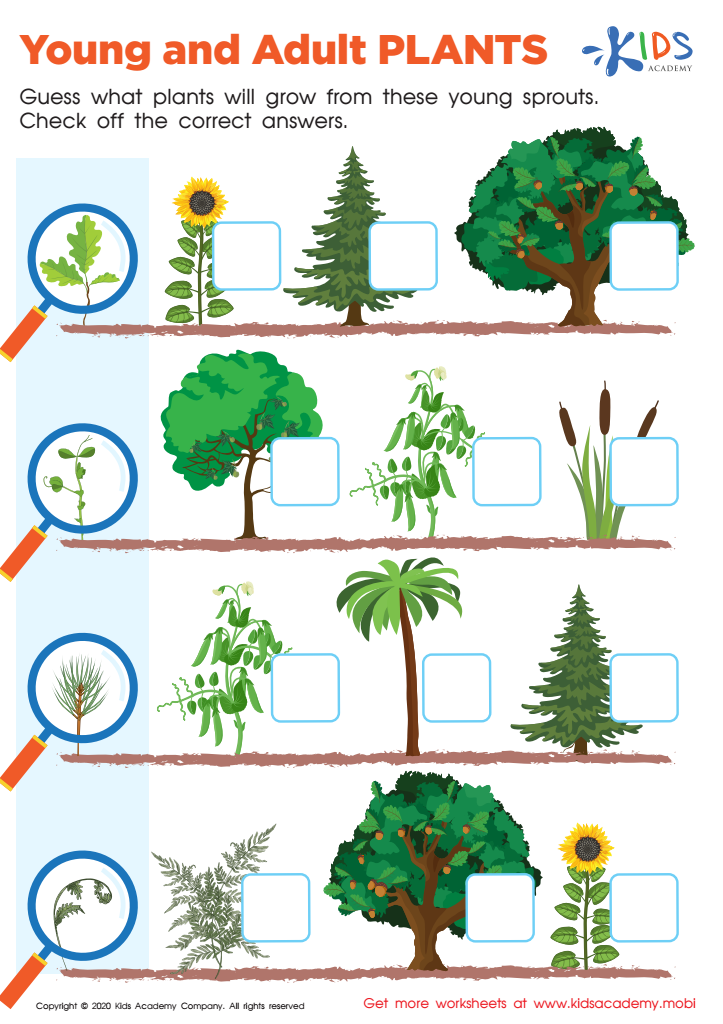
Young and Adult Plants Worksheet
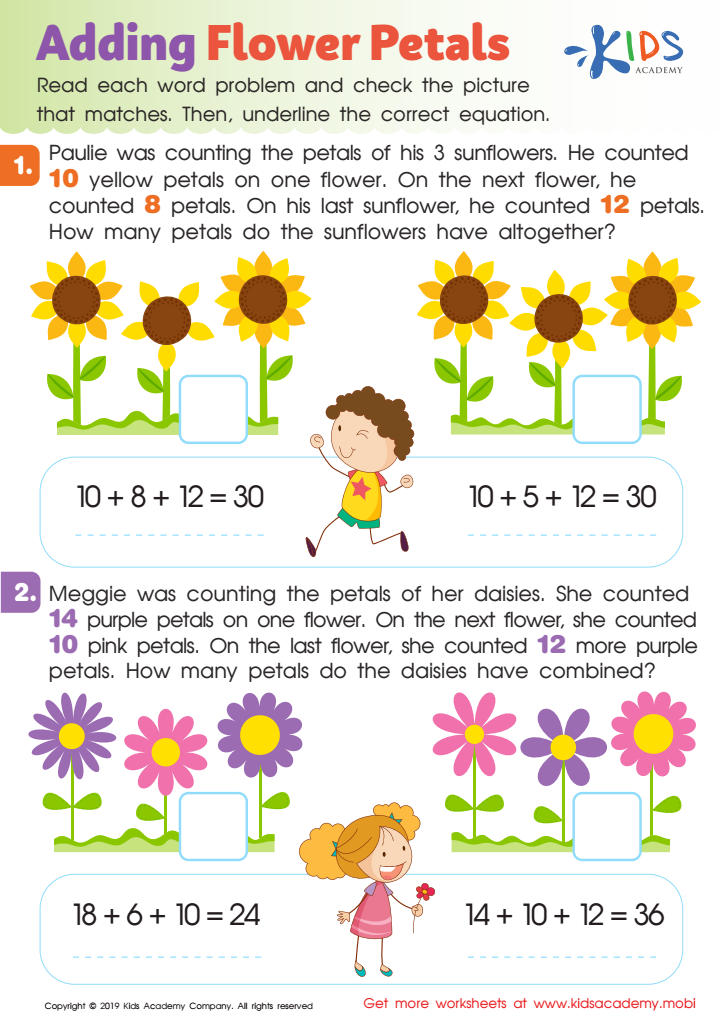
Adding Flower Petals Worksheet
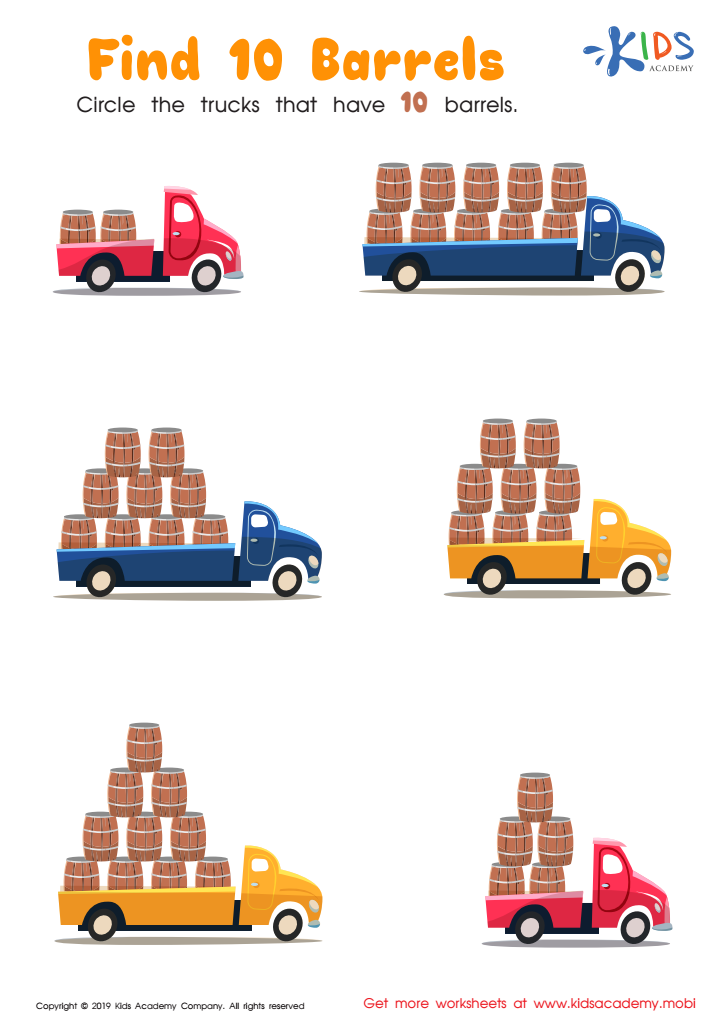
Find 10 Barrels Worksheet
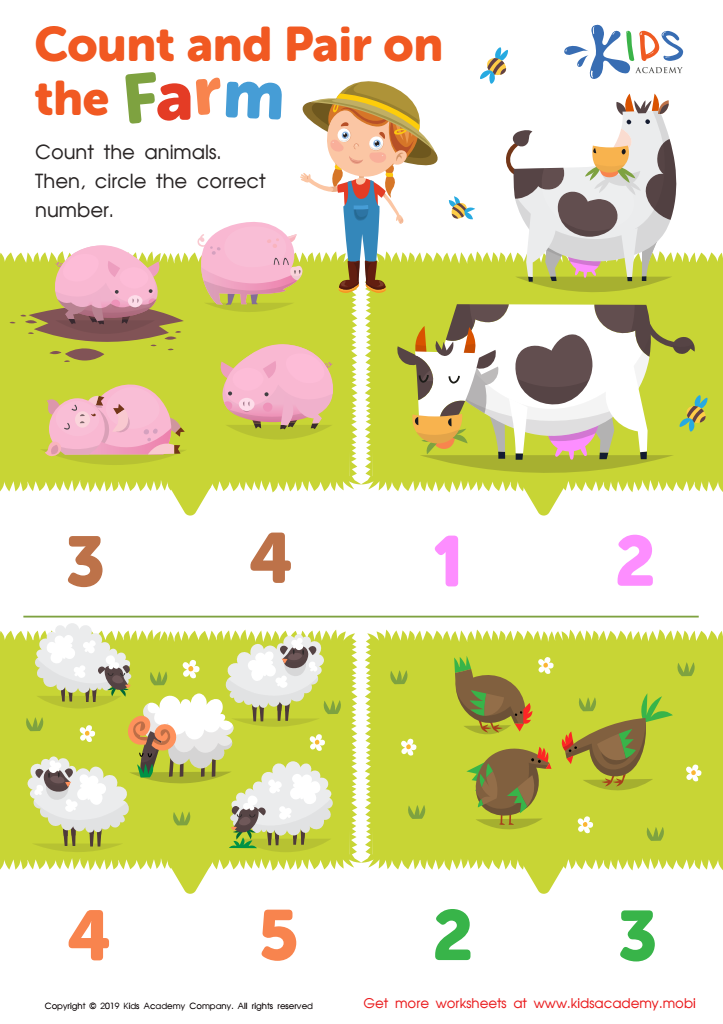
Count and Pair on the Farm Worksheet
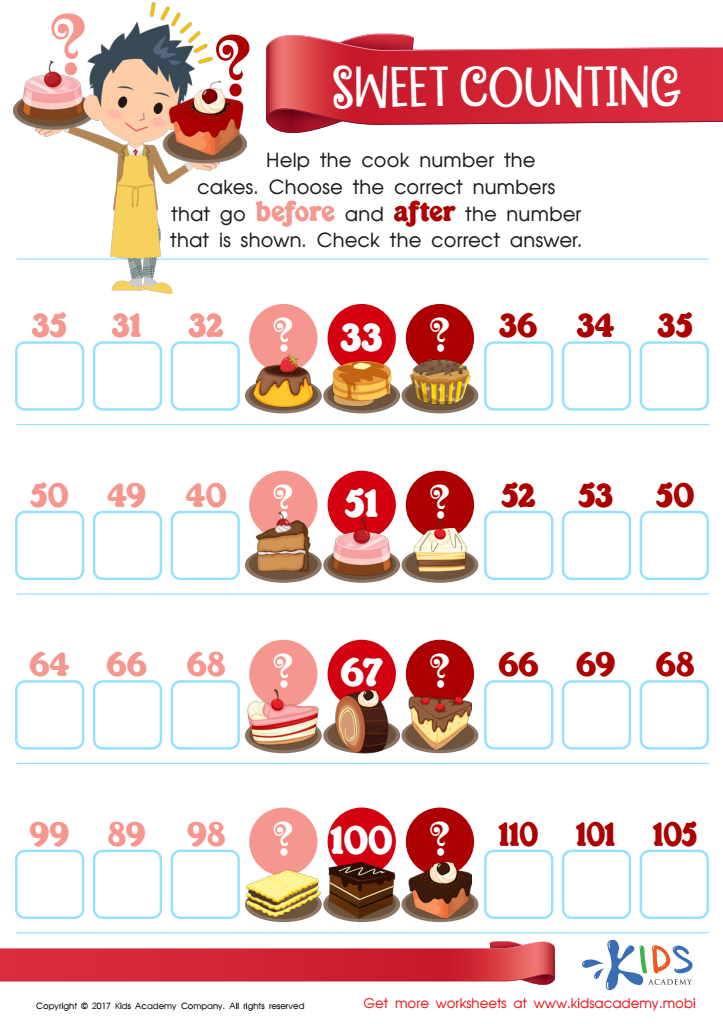
Sweet Counting - Part 1 Worksheet
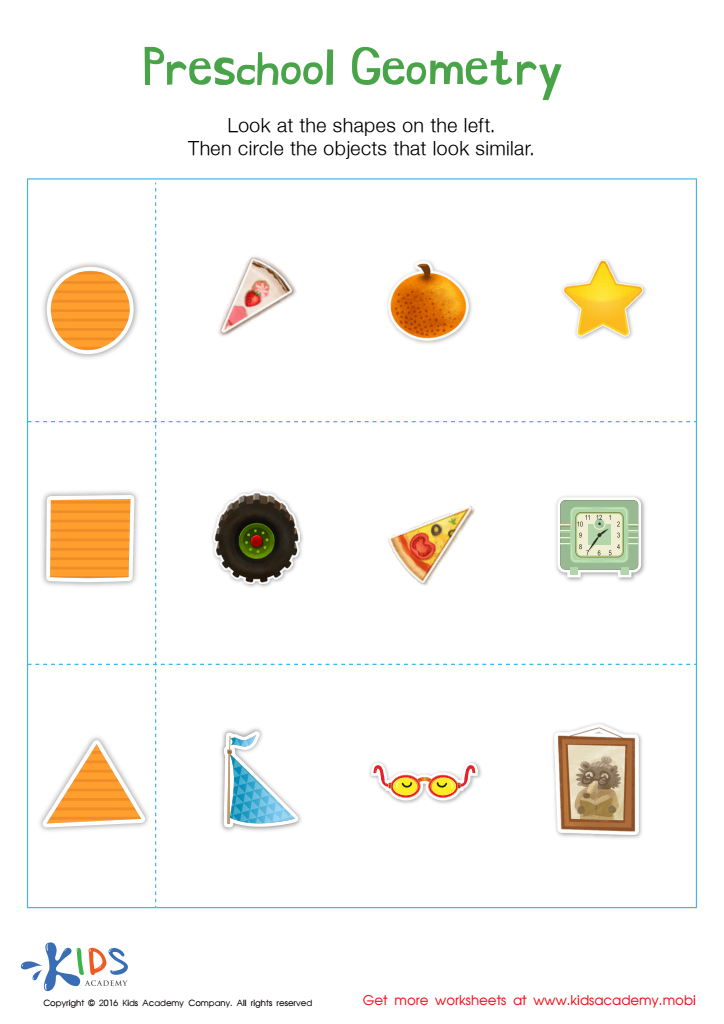
Preschool Geometry Match Up Worksheet
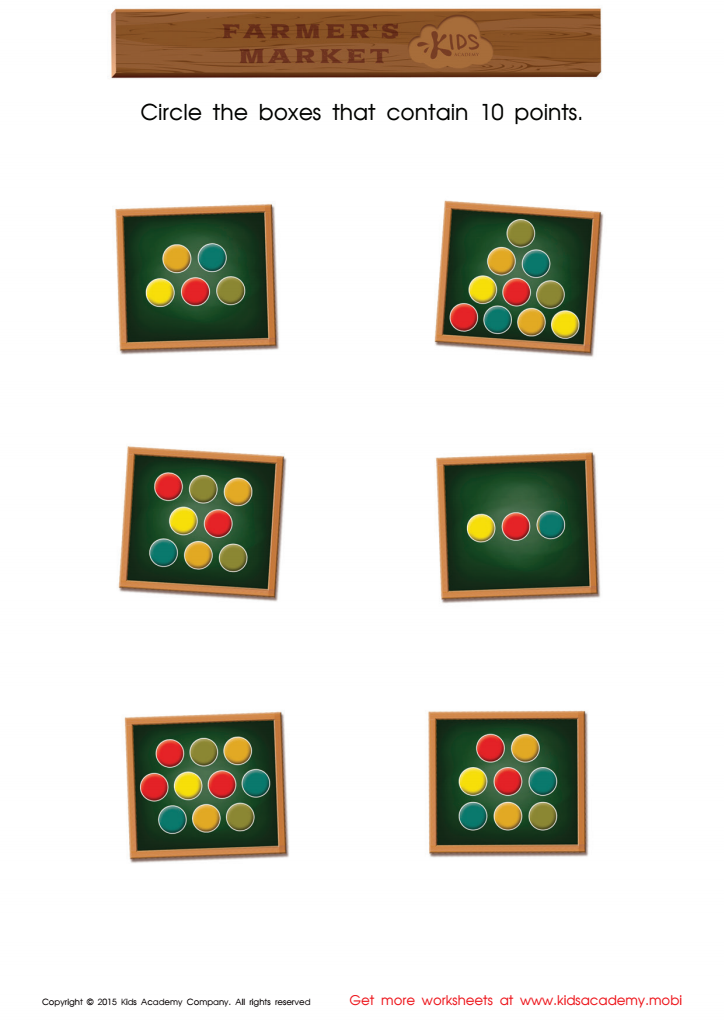
Count and Match Points 10 Math Worksheet
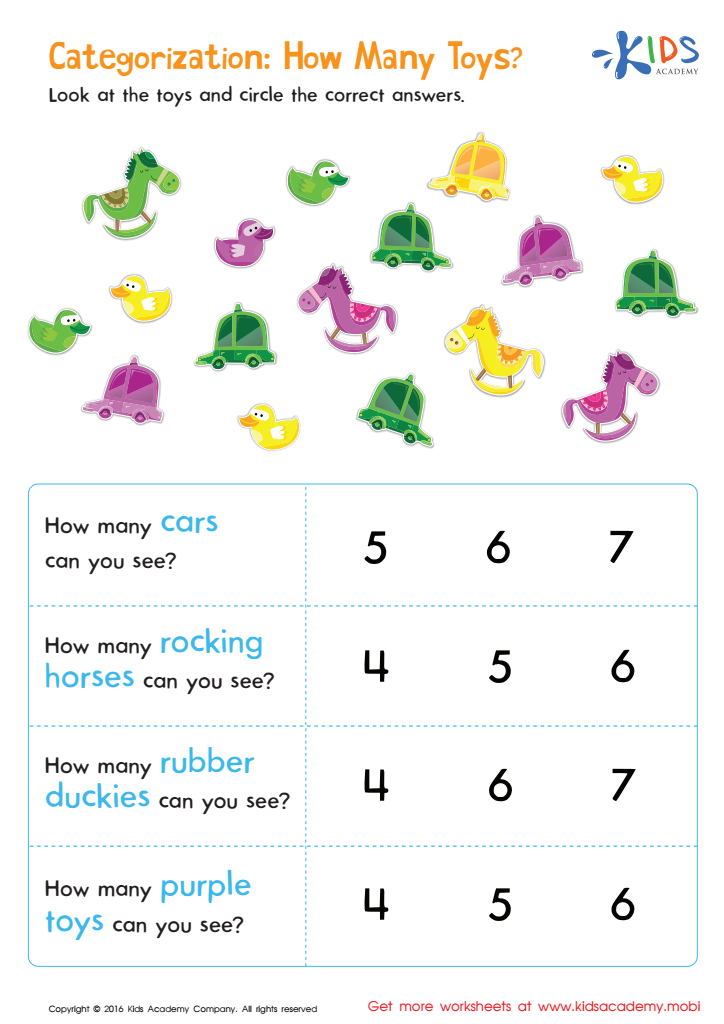
Classifying Toys by Type and Color Sorting Worksheet
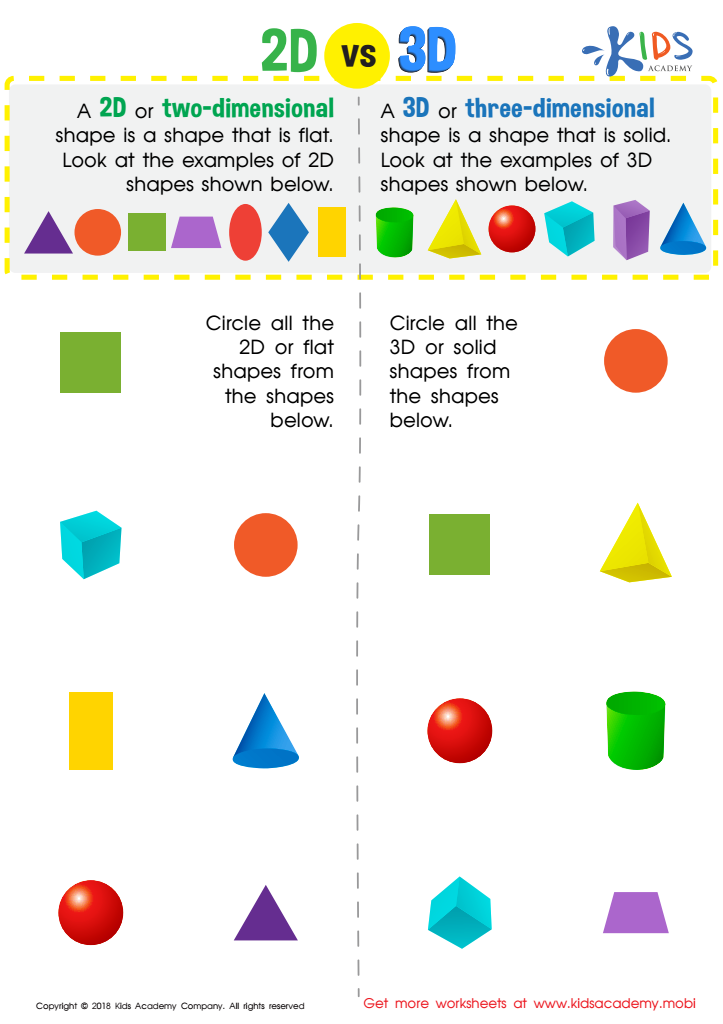
2D vs 3D Shapes Worksheet
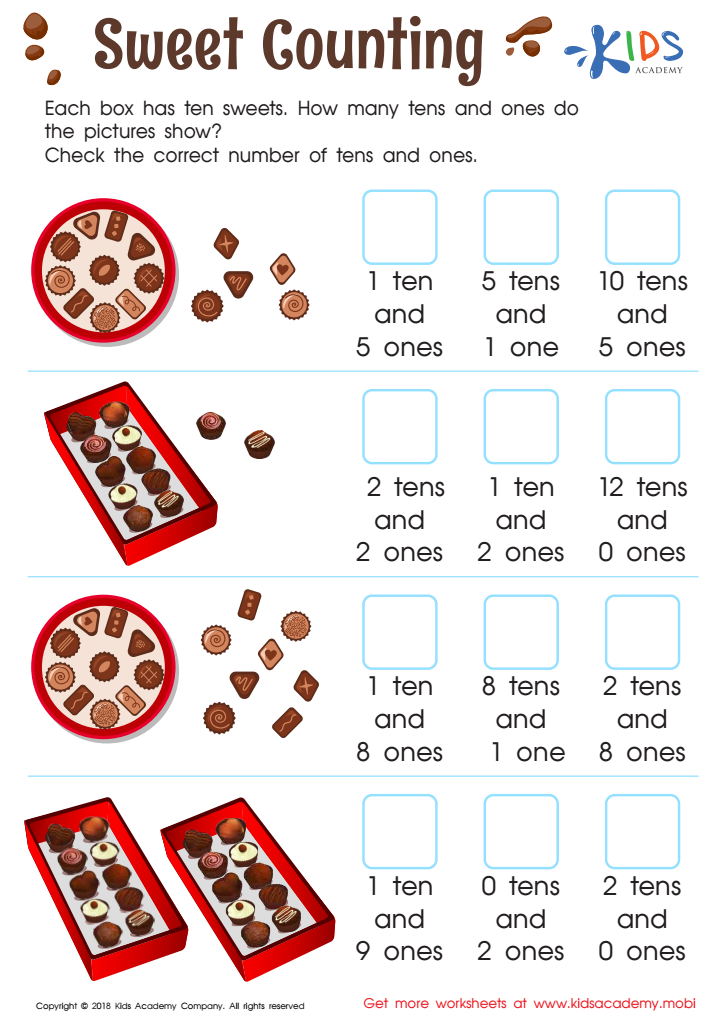
Sweet Counting - Part 2 Worksheet
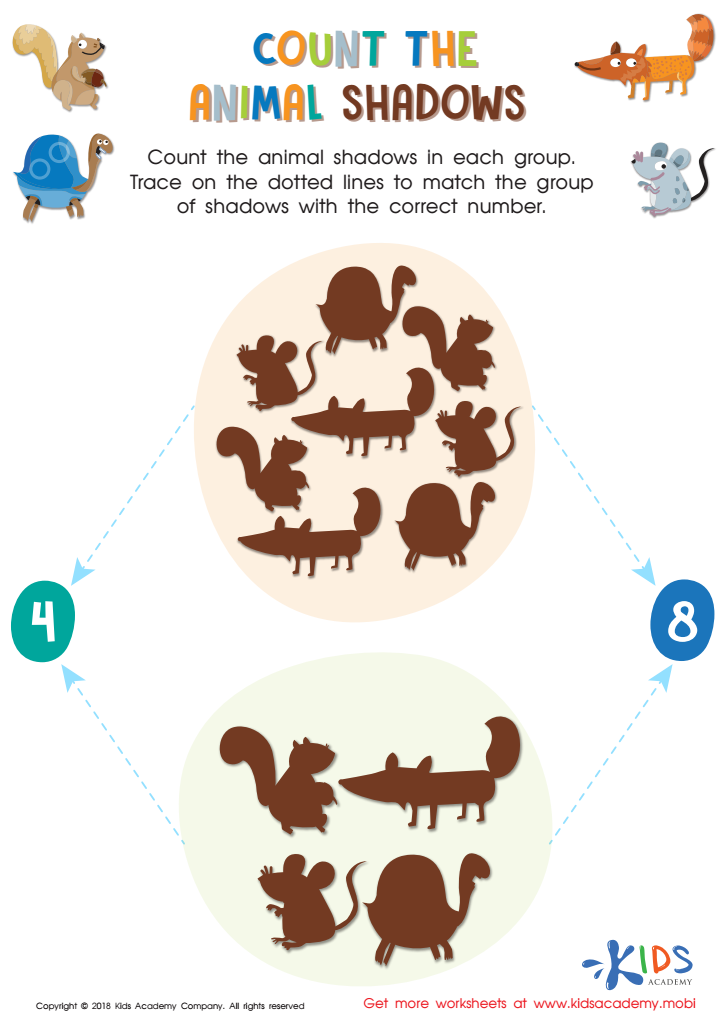
Count the Animal Shadows Worksheet
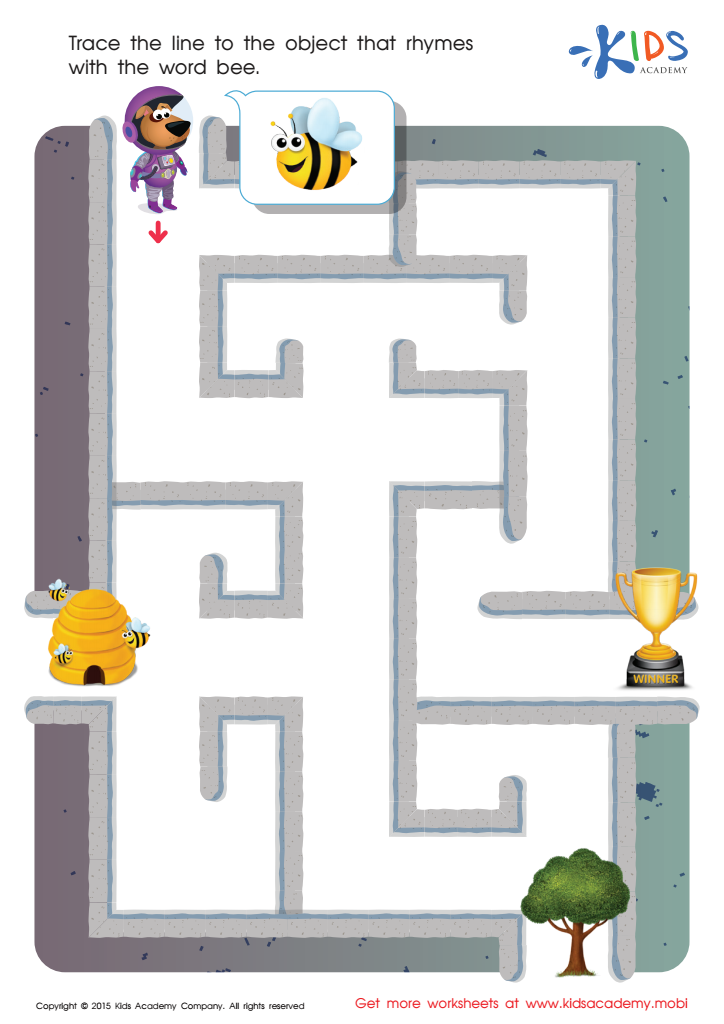
Bee Rhyming Words Worksheet

Count and Match Vegetables 1 – 5 Math Worksheet
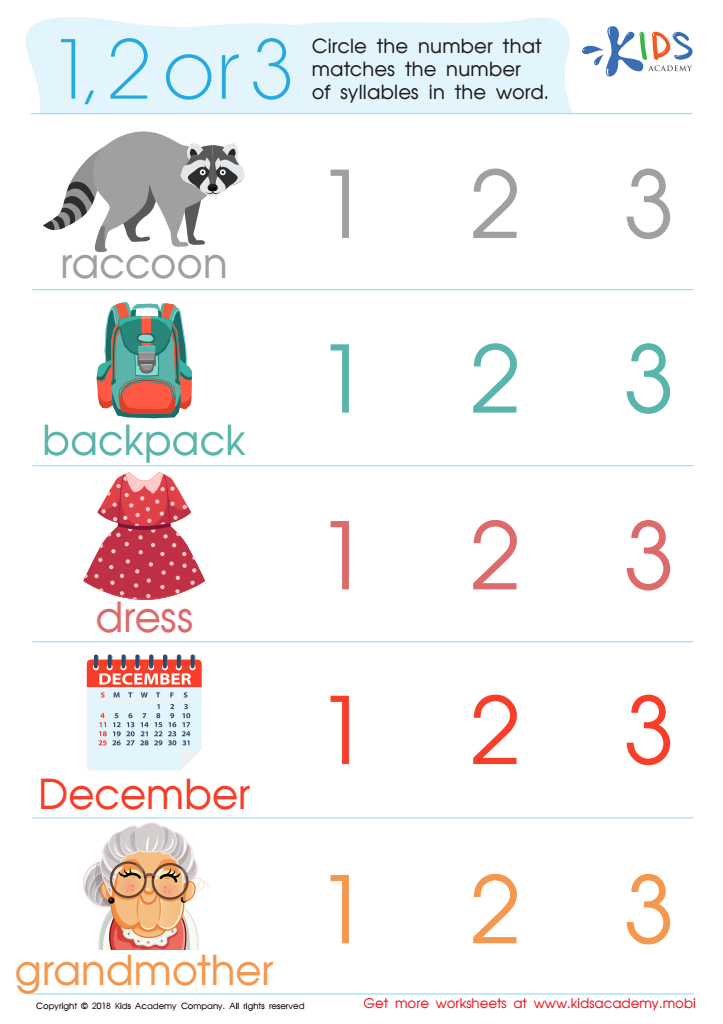
1, 2 or 3? Worksheet








Visual perception plays a crucial role in a child's overall development and learning. For children ages 4-9, acquiring strong visual perception skills is foundational for their academic success and everyday functioning. This includes abilities such as visual discrimination, spatial relationships, visual memory, and form constancy.
Parents and teachers should pay close attention to visual perception development for several reasons. Firstly, numerous activities in the classroom, such as reading, writing, and mathematics, rely heavily on effective visual perception. Children need to be able to recognize letters and numbers, understand spatial orientations, and remember visual information. For instance, distinguishing between a "b" and a "d" is a matter of visual discrimination, critical for reading fluency.
Moreover, developing strong visual perception skills is essential for fine motor tasks like cutting with scissors, tying shoes, and hand-eye coordination in sports. Early challenges in these areas, if not addressed, can lead to frustration and decreased self-esteem in children.
Lastly, since early childhood is a period of rapid brain development, identifying and supporting any visual perceptual difficulties early can prevent long-term academic and social difficulties. Early intervention through targeted activities and educational support can help bridge gaps, enabling children to reach their fullest potential.
In essence, caring about a child's visual perception skills ensures they have a solid foundation for learning, development, and confidence.








