Visual perception improvement Normal Worksheets for Ages 4-9
12 filtered results
-
From - To
Enhance your child's visual perception skills with our engaging Normal Worksheets, specially designed for ages 4-9. These worksheets provide a fun and interactive way for young learners to develop critical visual processing abilities, including pattern recognition, figure-ground discrimination, and visual sequencing. Our easy-to-use printables promote cognitive development and boost confidence while fostering an enjoyable learning experience. Perfect for parents and educators alike, these worksheets can be incorporated into daily routines or used for extra practice. Unlock your child’s potential and watch them thrive as they sharpen their visual perception skills. Explore our collection today and nurture a lifelong love for learning!
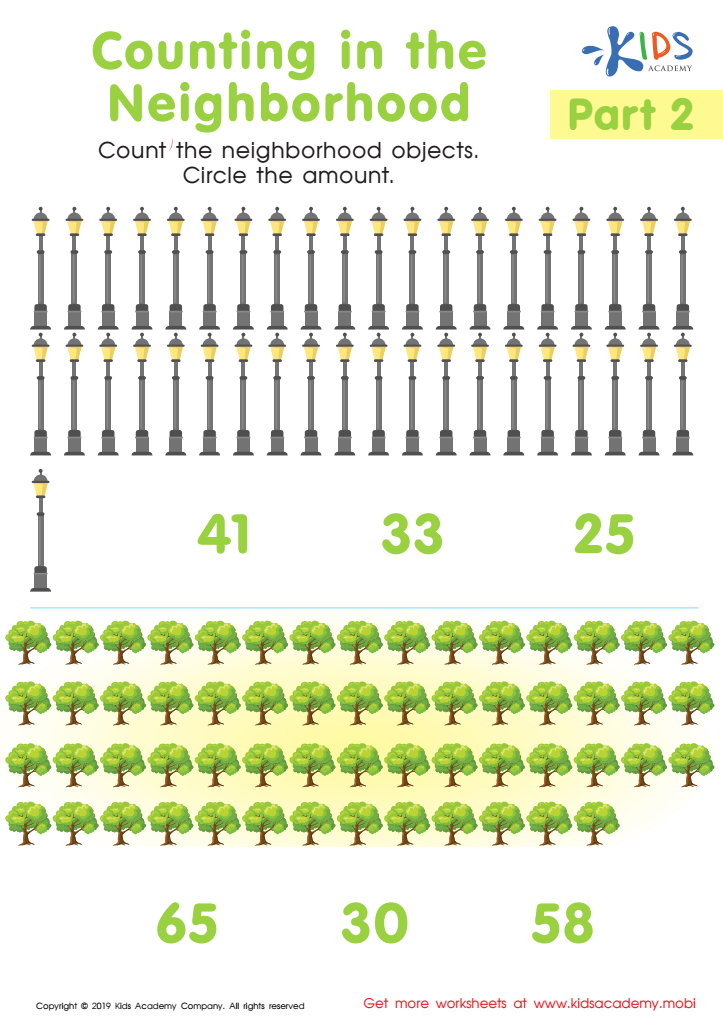
Counting In The Neighborhood Part 2 Worksheet
 Assign to My Students
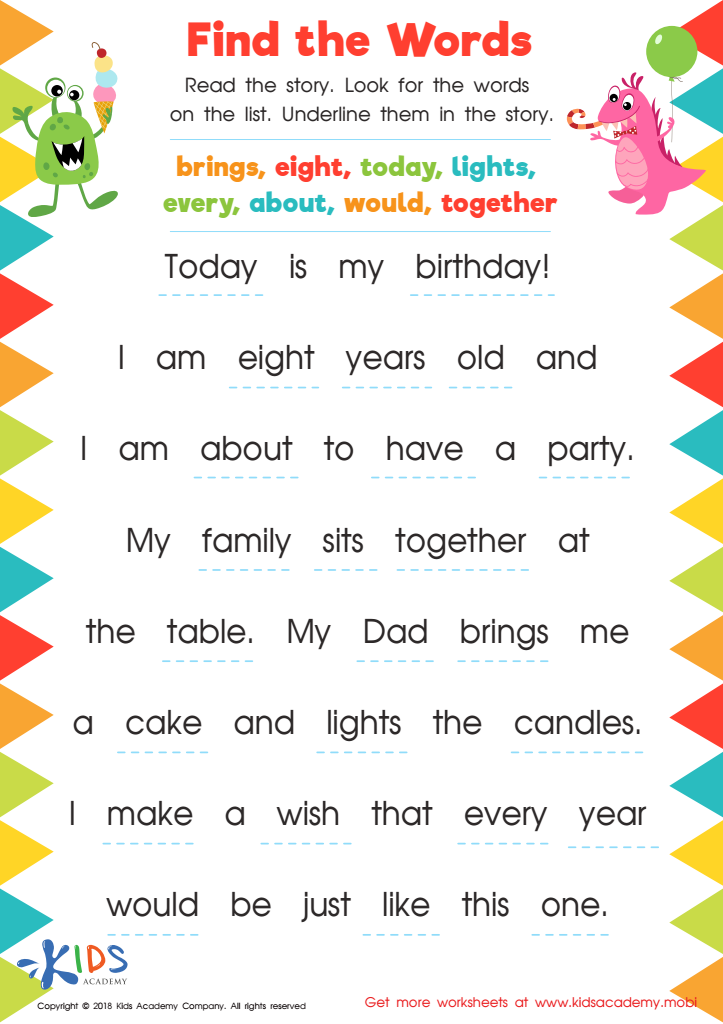
Find The Words Printable Worksheet
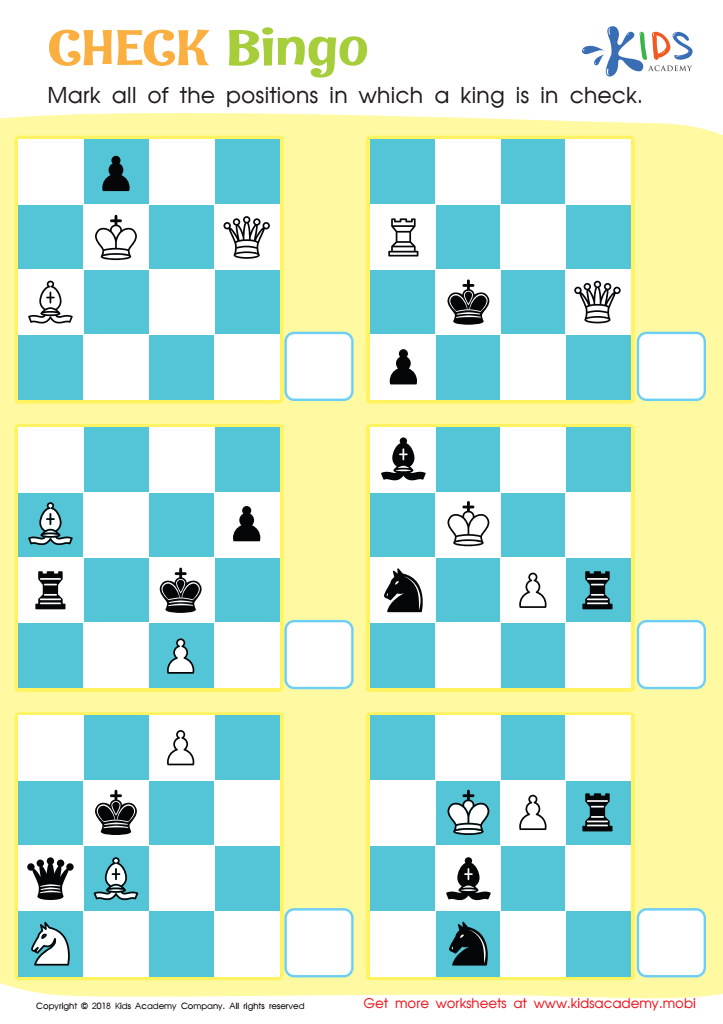
Check Bingo Worksheet
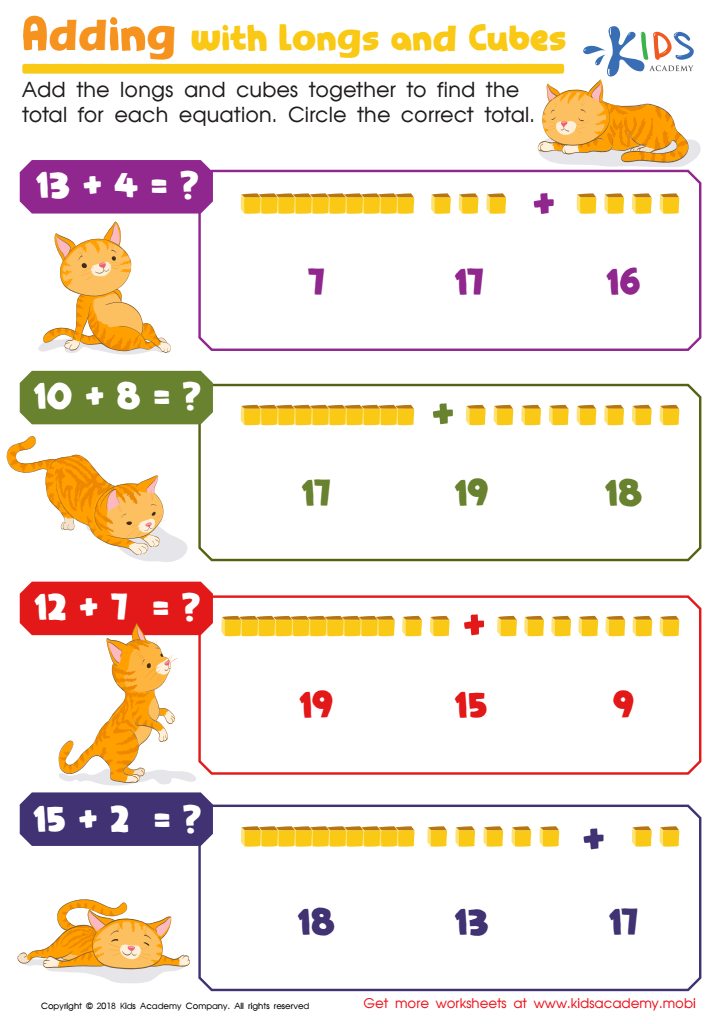
Adding With Longs and Cubes Worksheet
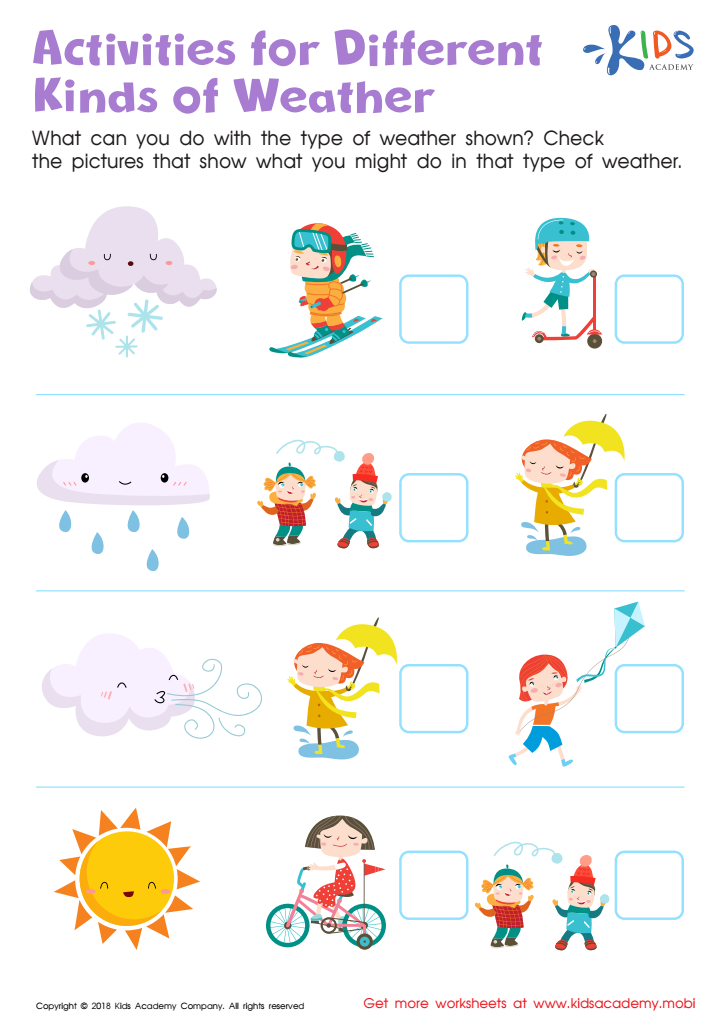
Activities for Different Kinds of Weather Worksheet
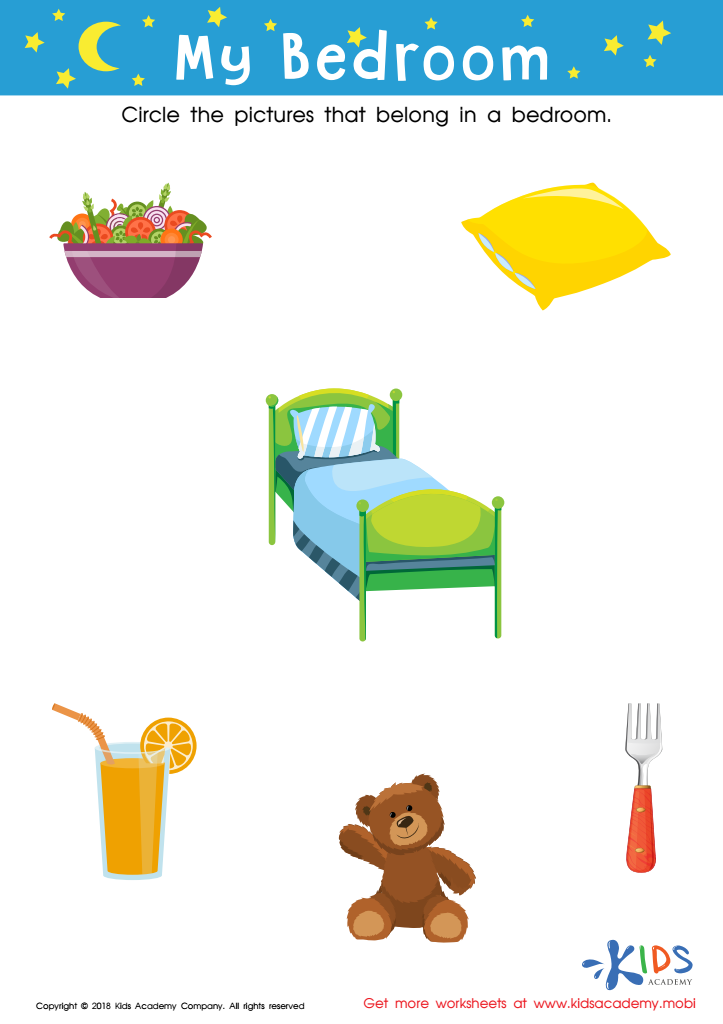
My Bedroom Worksheet
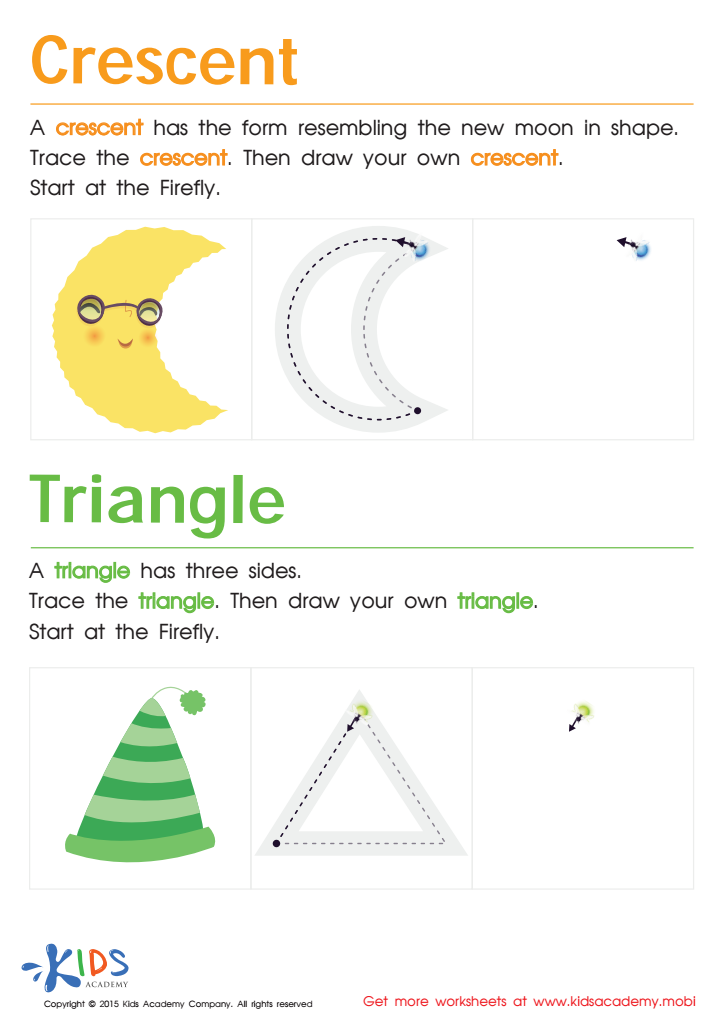
Learning to Draw Crescents And Triangles Worksheet
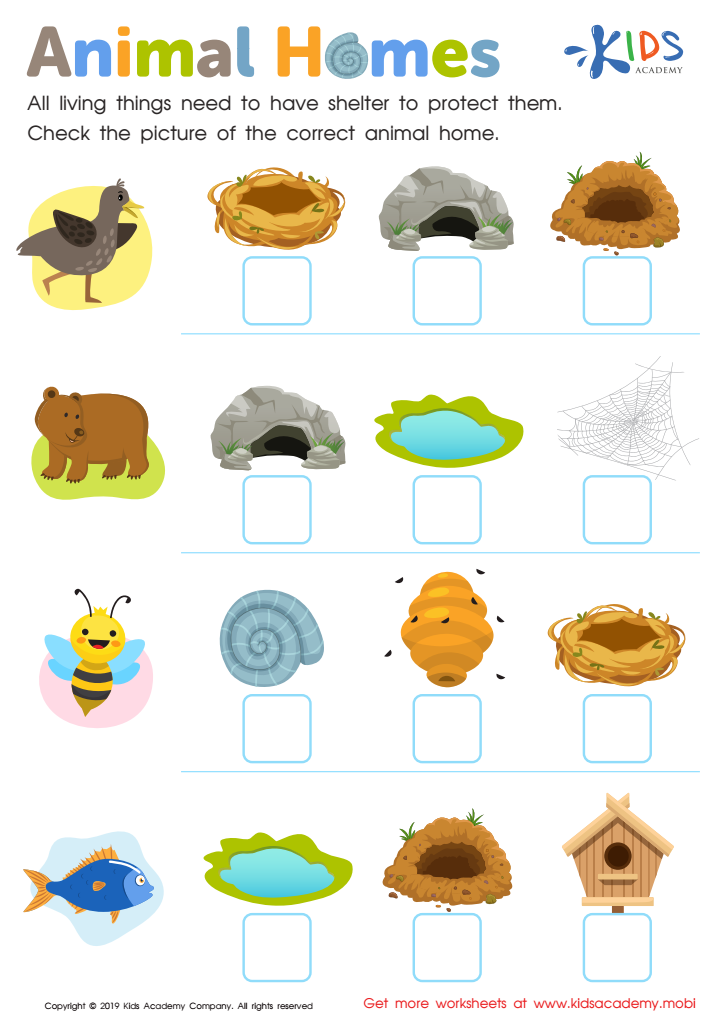
Animal Homes Worksheet
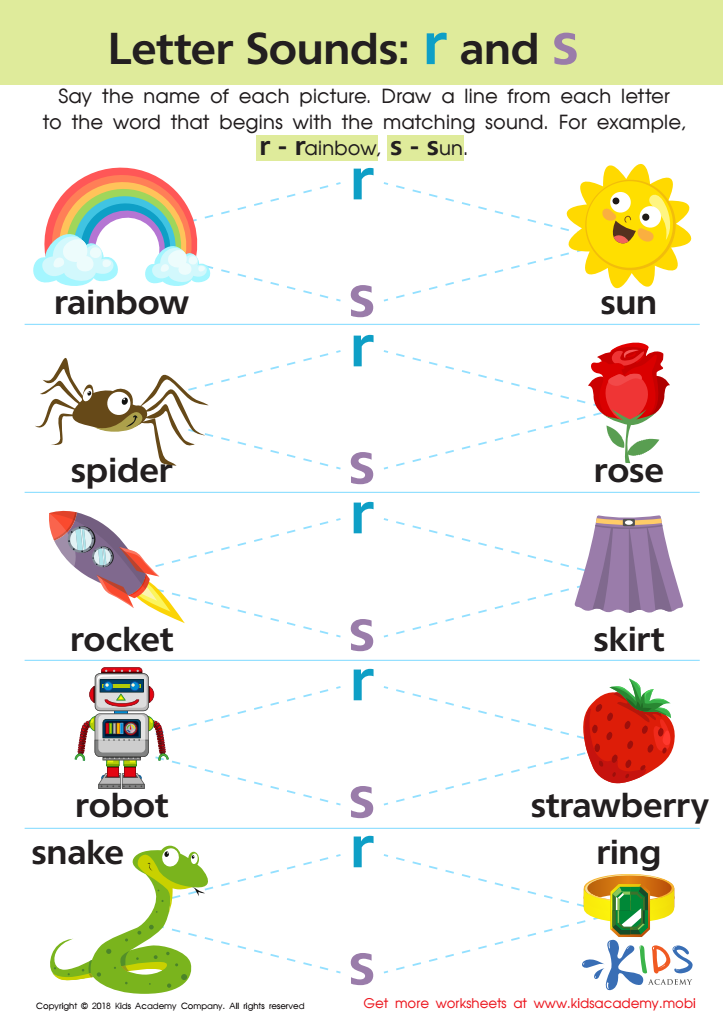
Letter R and S Sounds Worksheet
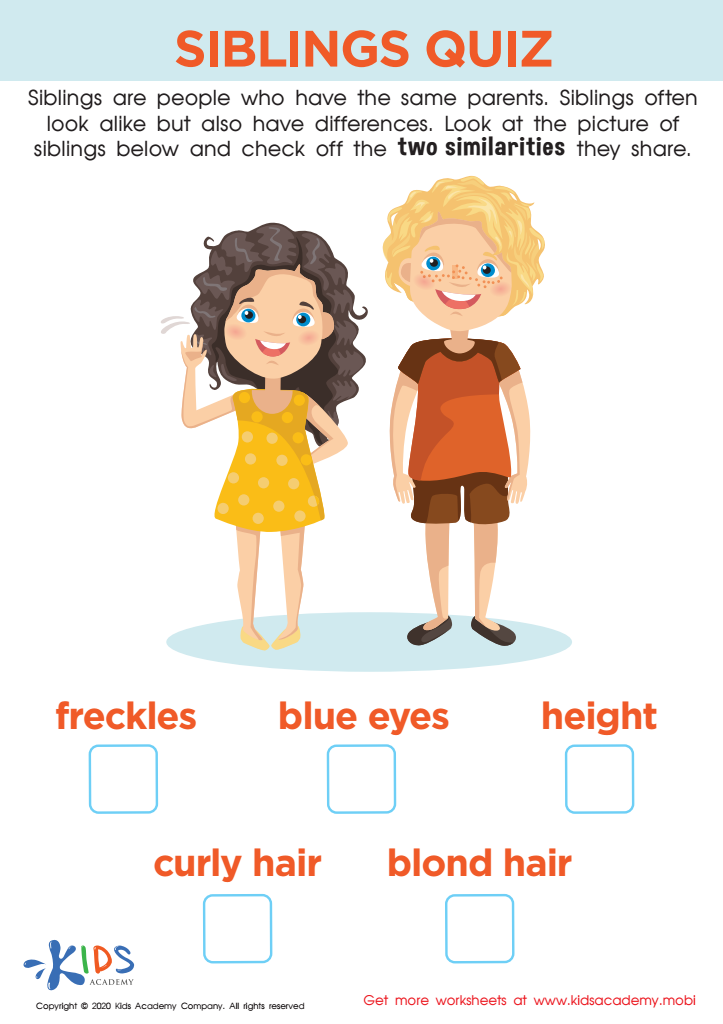
Siblings Quiz Worksheet
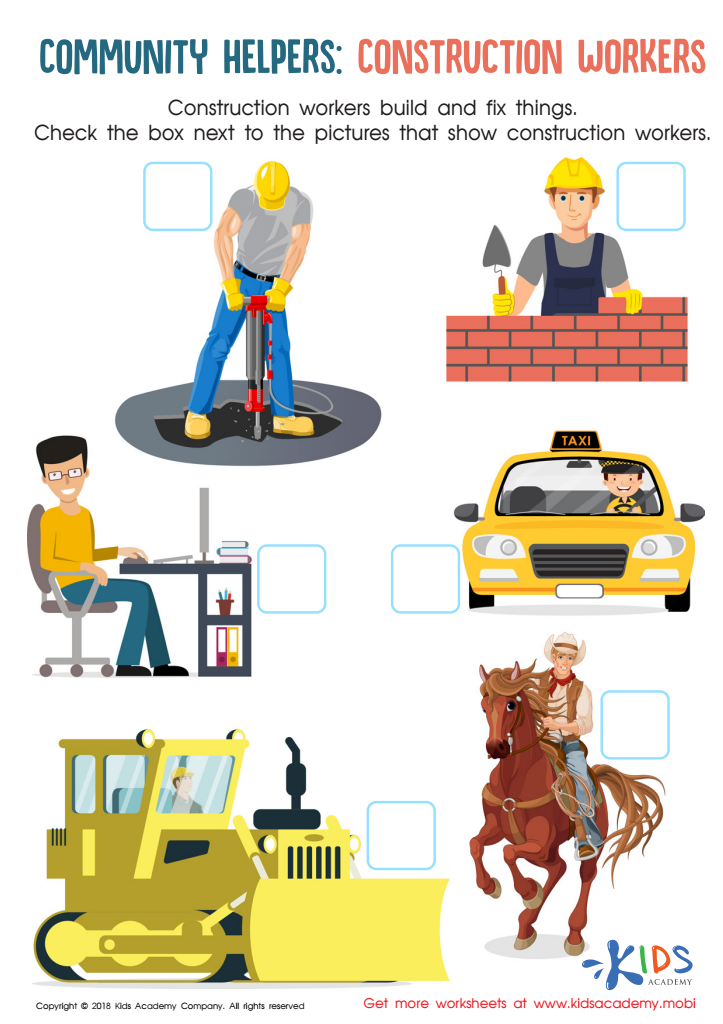
Construction Workers Community Helpers Worksheet
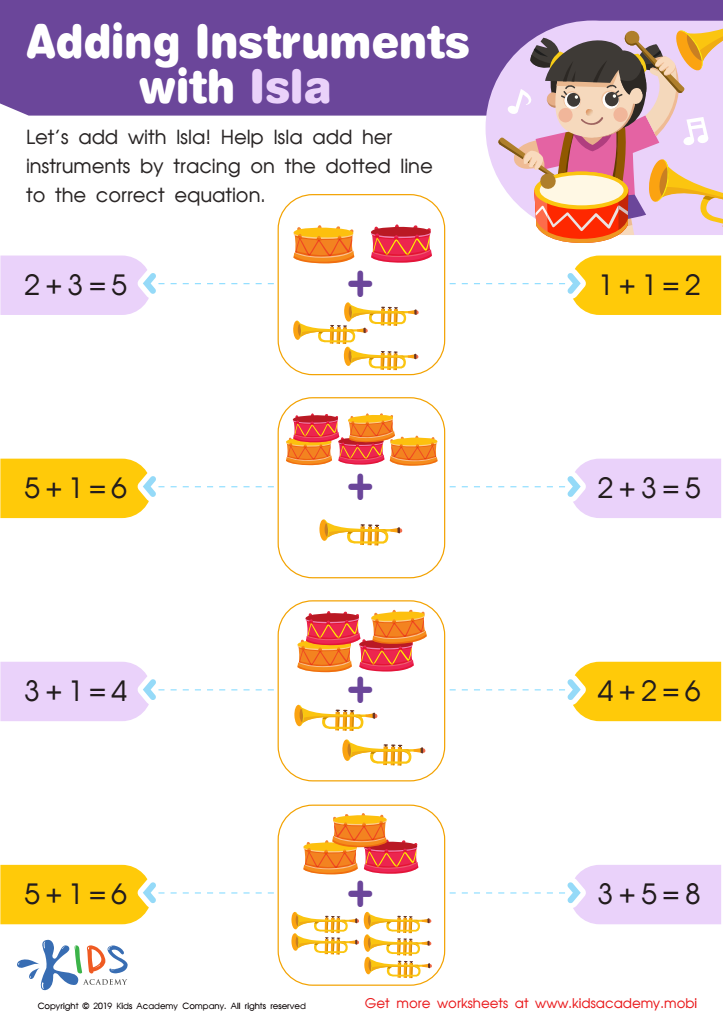
Adding Instruments with Isla Worksheet


.jpg)


Visual perception is a critical skill that significantly impacts a child's learning and development, especially between the ages of 4-9. This developmental stage serves as a foundation for future academic success and daily functioning. Parents and teachers should care about improving visual perception because it directly affects essential skills like reading, writing, and problem-solving.
Children with strong visual perception can better visualize letters and numbers, leading to improved literacy and numeracy skills. They can also analyze and interpret visual information, which is vital in grasping concepts in subjects such as math and science. When a child's visual perception is enhanced, they can follow multi-step processes and engage more effectively in hands-on learning activities.
Moreover, improved visual perception contributes to greater confidence and reduced frustration in academic settings. Children who struggle with these skills may feel overwhelmed, leading to negative self-esteem and disengagement from learning. By implementing activities and strategies that promote visual perception, parents and teachers can foster a supportive learning environment that boosts children's capabilities, ensuring they achieve their full potential and lay a solid foundation for lifelong learning. Ultimately, investing in visual perception improvement benefits not only the individual child but also creates a more positive and effective educational atmosphere.








