Cognitive Development Normal 2D Shapes Worksheets for Ages 4-9
5 filtered results
-
From - To
Discover our “Cognitive Development Normal 2D Shapes Worksheets” tailored for children ages 4-9, designed to enhance their understanding of basic shapes. These engaging worksheets encourage kids to identify, classify, and create 2D shapes through a variety of fun activities. Each worksheet promotes cognitive skills such as critical thinking, problem-solving, and spatial awareness, essential for early mathematical concepts. Ideal for both classrooms and home learning, these resources align with educational standards to support your child's developmental milestones. Foster a love for math and nurture your child's cognitive growth with our comprehensive collection of 2D shape worksheets. Download now to start exploring!
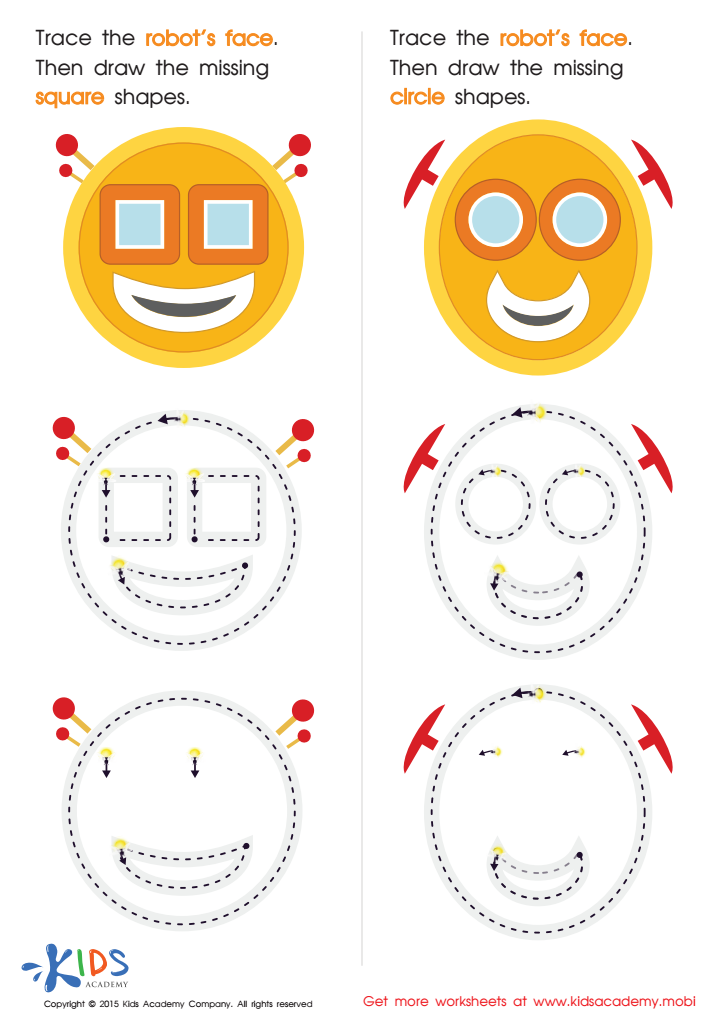
Practicing to Draw Circles And Squares Printable
 Assign to My Students


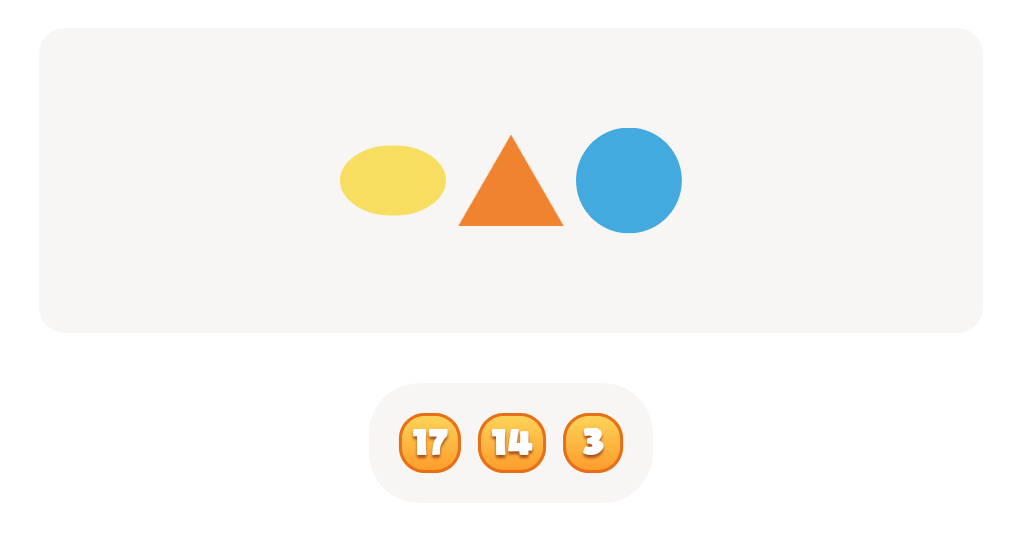

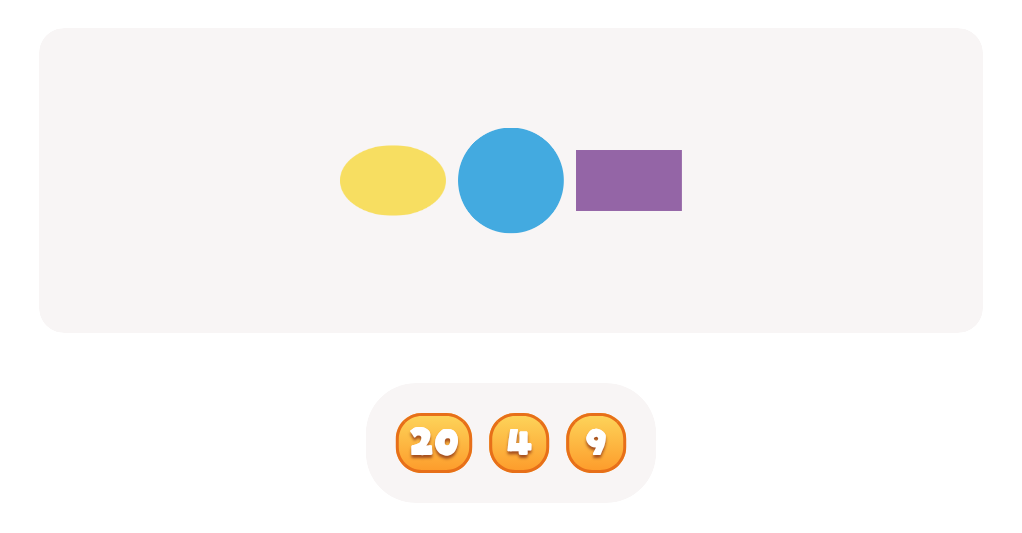
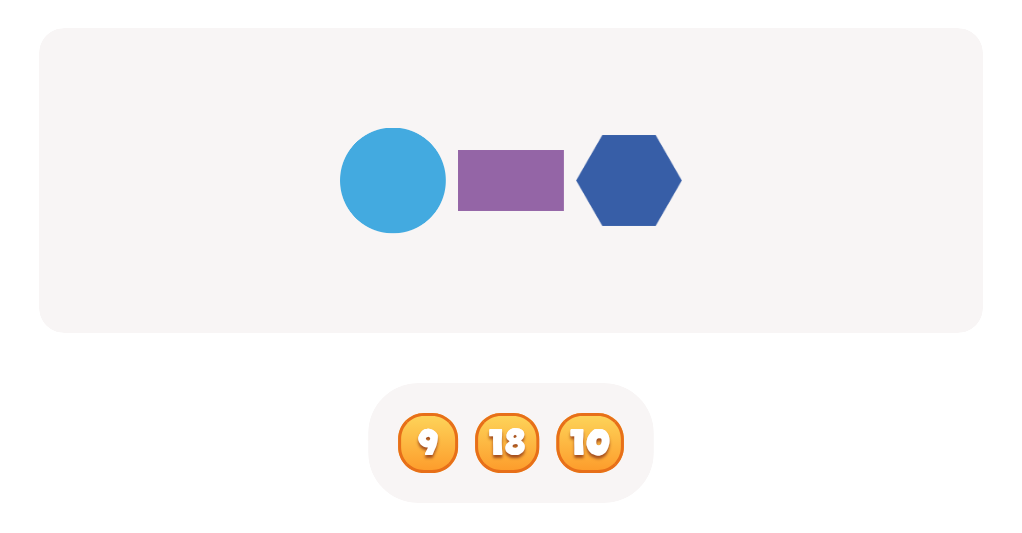
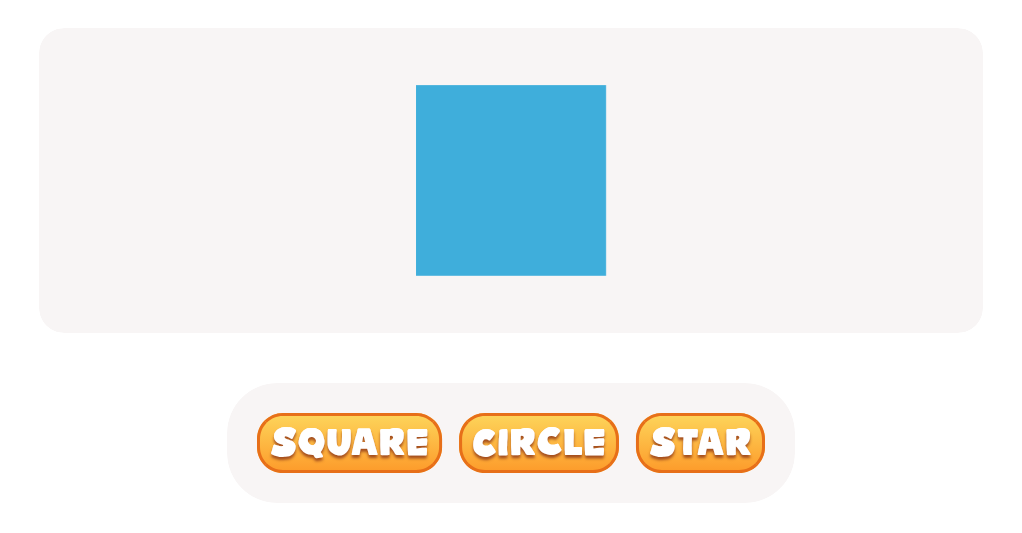
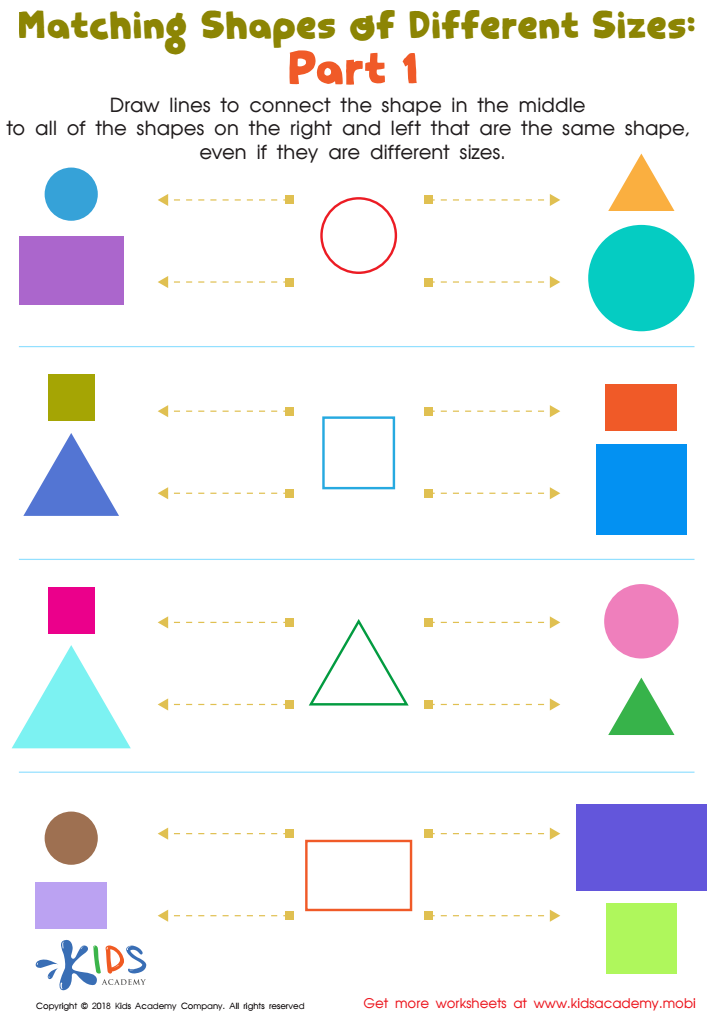
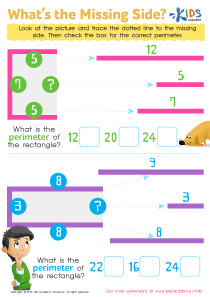
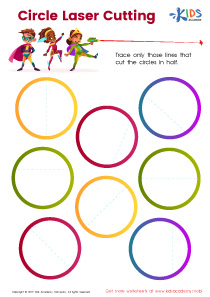
Geometry: part 1 Worksheet
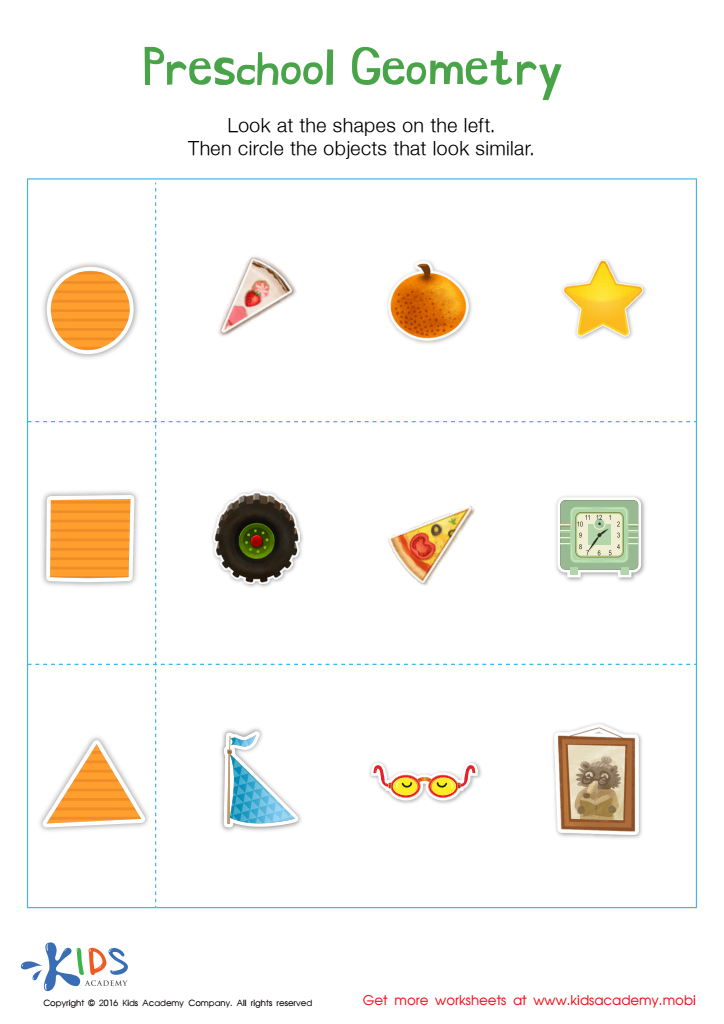
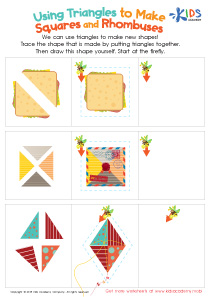
Preschool Geometry Match Up Worksheet
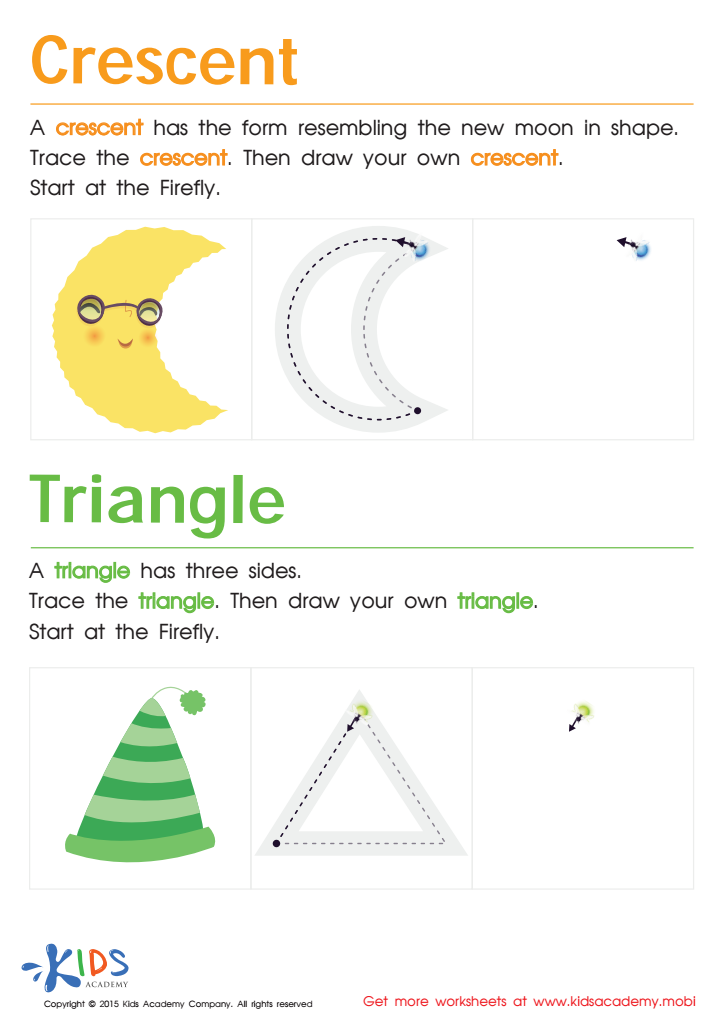
Learning to Draw Crescents And Triangles Worksheet
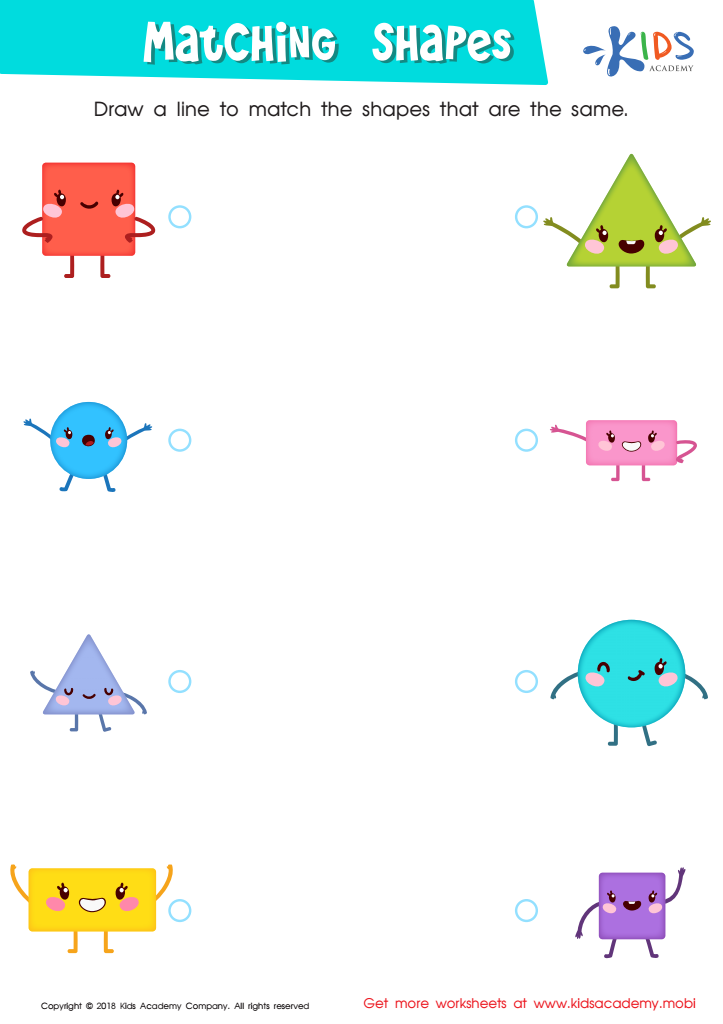
Matching Shapes Worksheet








Cognitive development, particularly in recognizing and understanding 2D shapes, is crucial for children aged 4-9 as it lays the foundation for many skills that they will use throughout their education and daily life. Understanding shapes enhances visual perception, encourages problem-solving abilities, and boosts spatial awareness. Recognizing and categorizing 2D shapes helps children make connections between mathematical concepts and the real world, fostering a deeper understanding of geometry as they progress in their studies.
For parents and teachers, supporting children's cognitive development in shape recognition facilitates a smooth transition to more complex mathematical topics, such as measuring, area, and volume. Engaging with 2D shapes also promotes critical thinking and creativity, as children begin to visualize objects and relationships in varied contexts. Furthermore, learning through playful and interactive activities can increase a child’s motivation and excitement for learning, thereby enhancing overall educational outcomes.
Additionally, early familiarity with shapes supports language development, as children learn to communicate about their observations and reasoning. By prioritizing cognitive development related to 2D shapes, parents and teachers can better equip children with essential skills for future success in mathematics and everyday problem-solving.