
Improving concentration Normal Math Worksheets for Ages 4-9
3 filtered results
Difficulty Level
Grade
Age
-
From - To
Subject
Activity
Standards
Unlock your child's potential with our "Improving Concentration Normal Math Worksheets" designed specifically for ages 4-9. These engaging worksheets foster essential concentration skills while making learning fun and interactive. Each worksheet is crafted to challenge young minds through a variety of exercises that promote focus and cognitive development. Ideal for home or classroom use, our printable resources cover fundamental math concepts tailored for young learners. Watch your child grow in confidence and skill as they complete activities designed to strengthen their attention span. Dive into a world of learning where math meets play, ensuring a productive and enjoyable experience!
Favorites
With answer key
Interactive
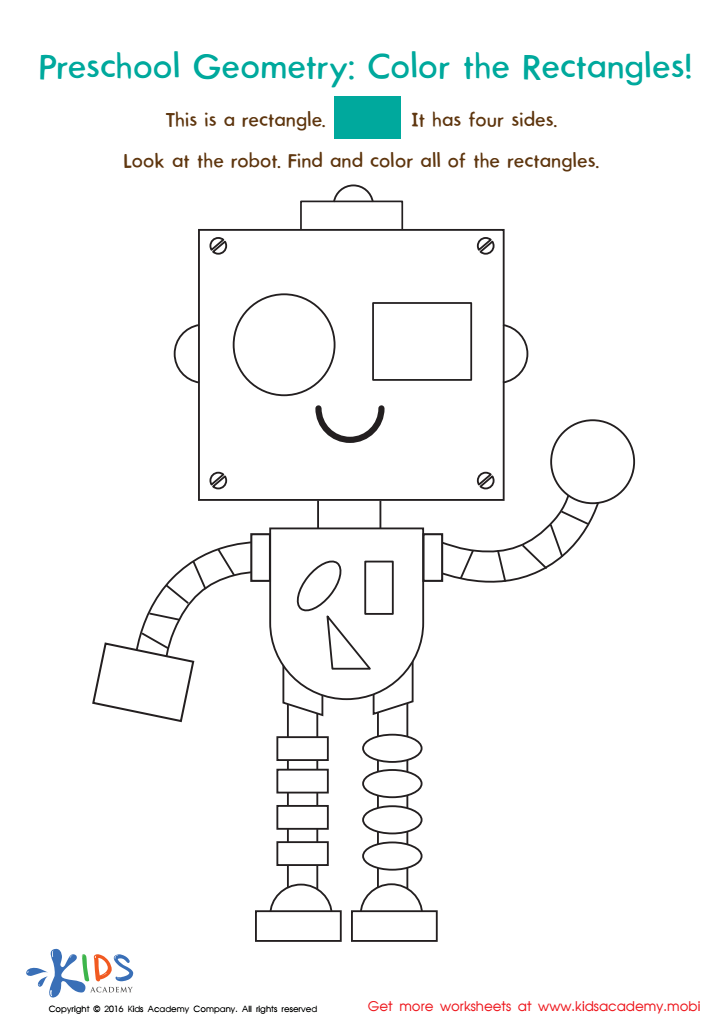
Geometry Worksheet
Geometry can be fun for kids! They explore shapes that create their favorite pics and objects. This preschool worksheet explains that rectangles have four sides, then kids color rectangles on a funny robot!
 Assign to My Students
Geometry Worksheet
Worksheet
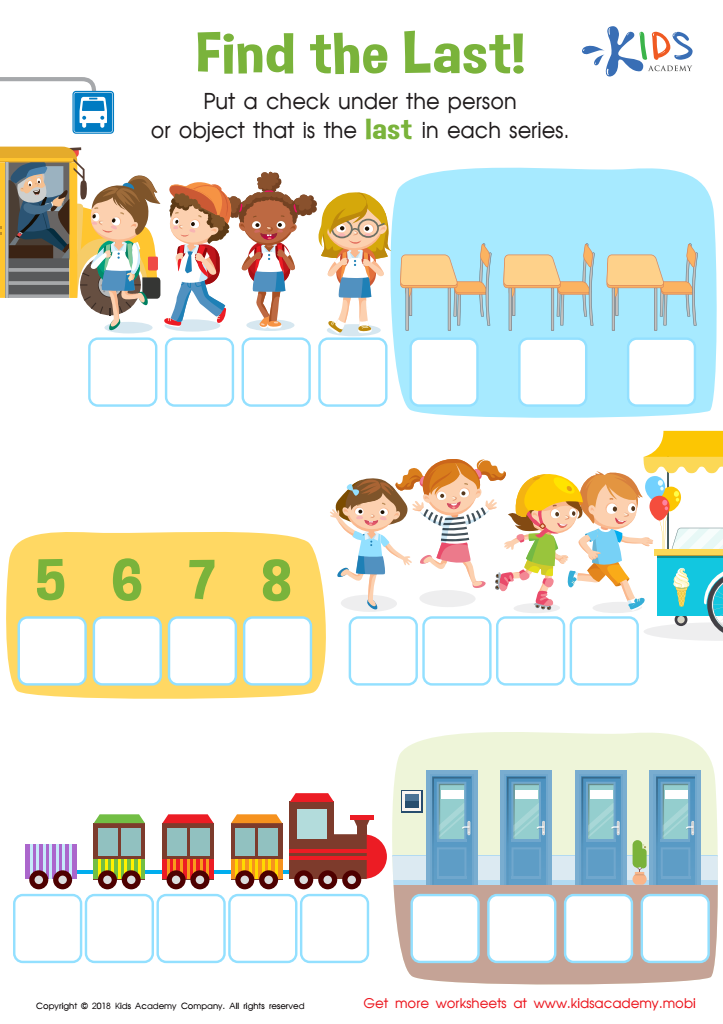
Find the Last! Worksheet
Teach young students about sequence words with this free worksheet. Have them look at sets of people or objects and choose the one that is last. Engage them further by having them describe or act out their day, and what happens last? Enjoy this printout and have fun!
Find the Last! Worksheet
Worksheet
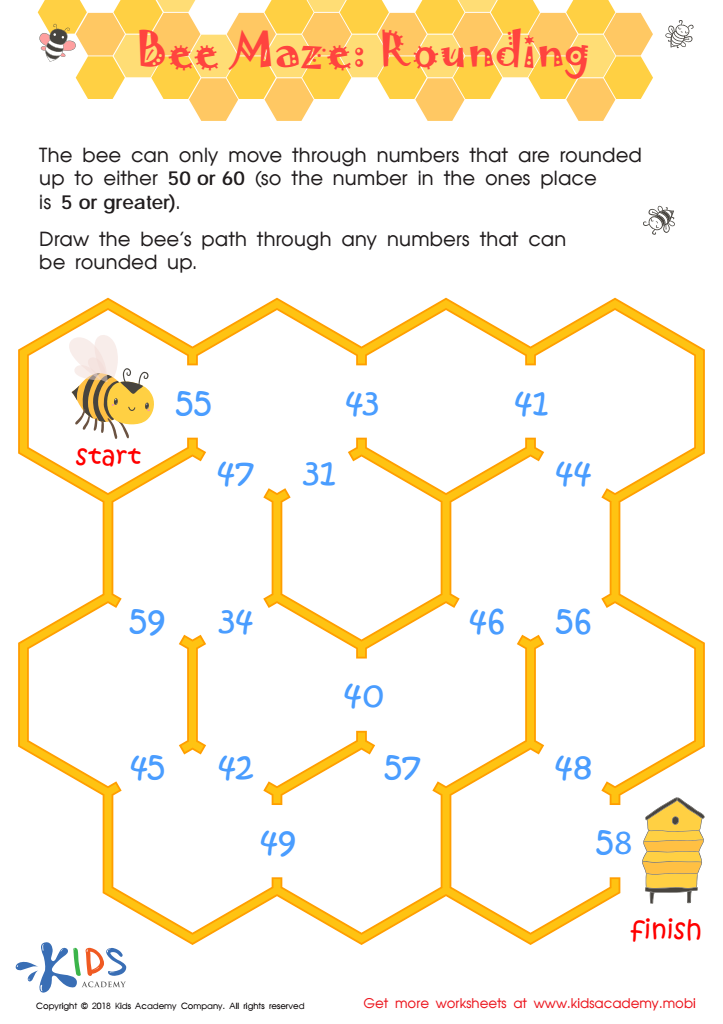
Bee Maze Rounding Worksheet
Round up the bee! Your child will practice rounding with this fun maze worksheet. Kids round up to 50 or 60, evaluating each number and guiding the bee to his home. Get ready for some thought-stretching fun!
Bee Maze Rounding Worksheet
Worksheet
Join Kids Academy for Free
Who is primarily going to use this learning content?





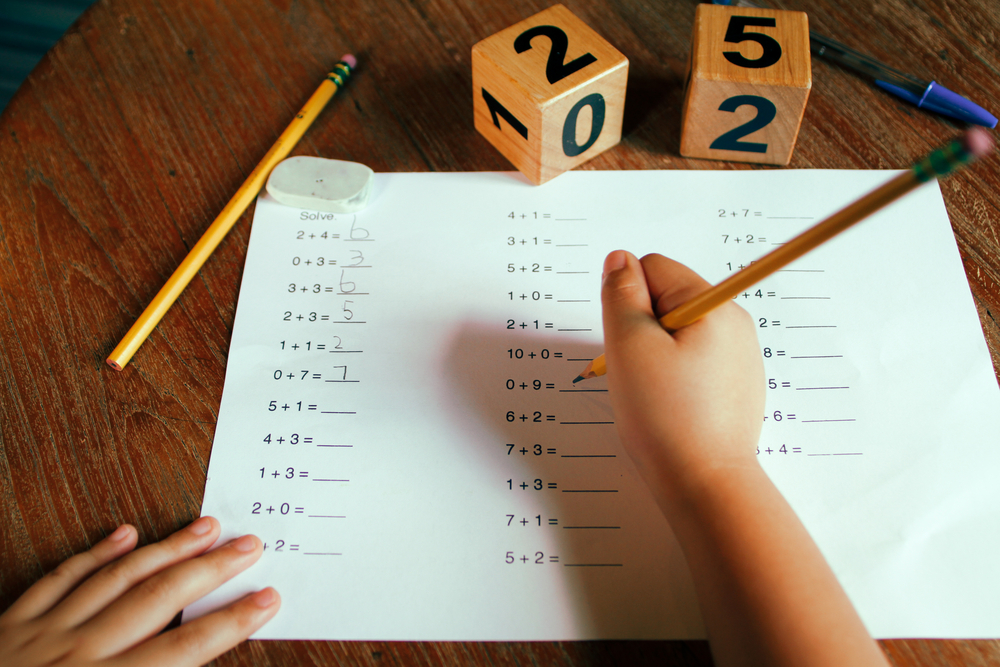


Improving concentration in young learners, particularly in subjects like math, is vital for their overall development and academic success. For parents and teachers, focusing on this skill presents significant benefits. Firstly, strong concentration skills enable children to better understand and retain mathematical concepts, laying a solid foundation for future learning. When children can focus, they are more likely to engage with the material, participate actively in classes, and develop problem-solving skills.
Secondly, enhancing concentration promotes academic confidence. As children successfully grasp concepts and tackle challenges, they gain a sense of achievement that can motivate them to approach learning positively. This creates a positive feedback loop where enhanced concentration leads to improved grades and self-esteem.
Additionally, developing concentration in early education supports other life skills, such as patience, perseverance, and the ability to follow multi-step processes. These skills are essential not just in math, but in all areas of learning and in everyday life.
Investing in methods to improve concentration is a proactive approach to nurturing well-rounded, resilient learners. It fosters an environment where children thrive academically, socially, and emotionally, setting the stage for lifelong learning and success.








