Number Recognition Normal Math Worksheets for Ages 4-9 - Page 2
119 filtered results
-
From - To
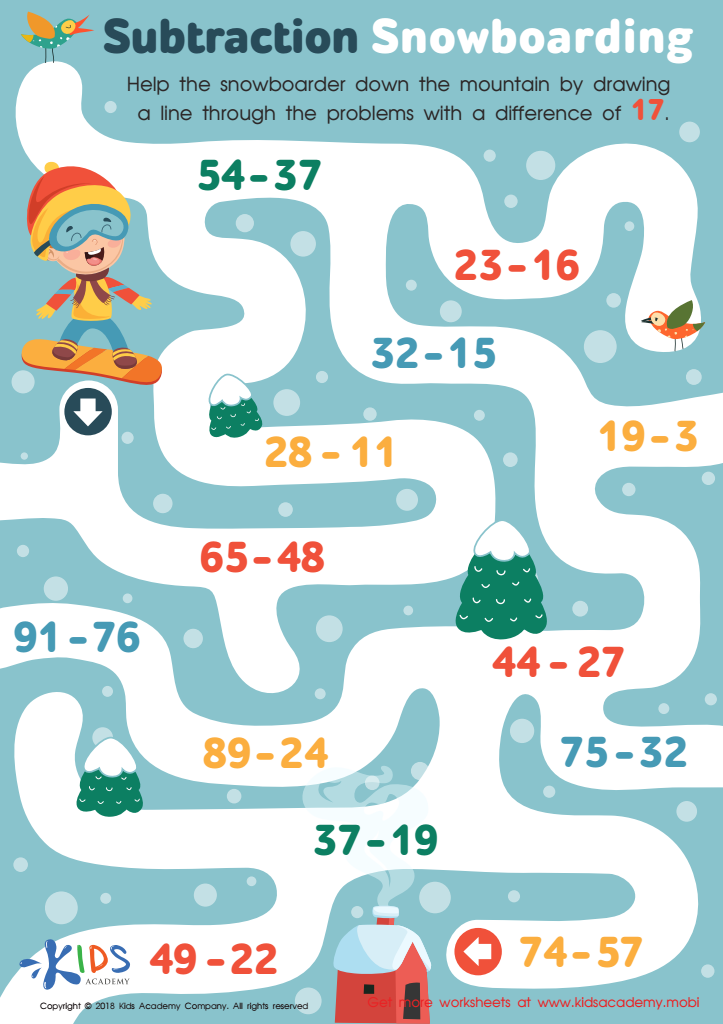
Subtraction Snowboarding Worksheet
 Assign to My Students
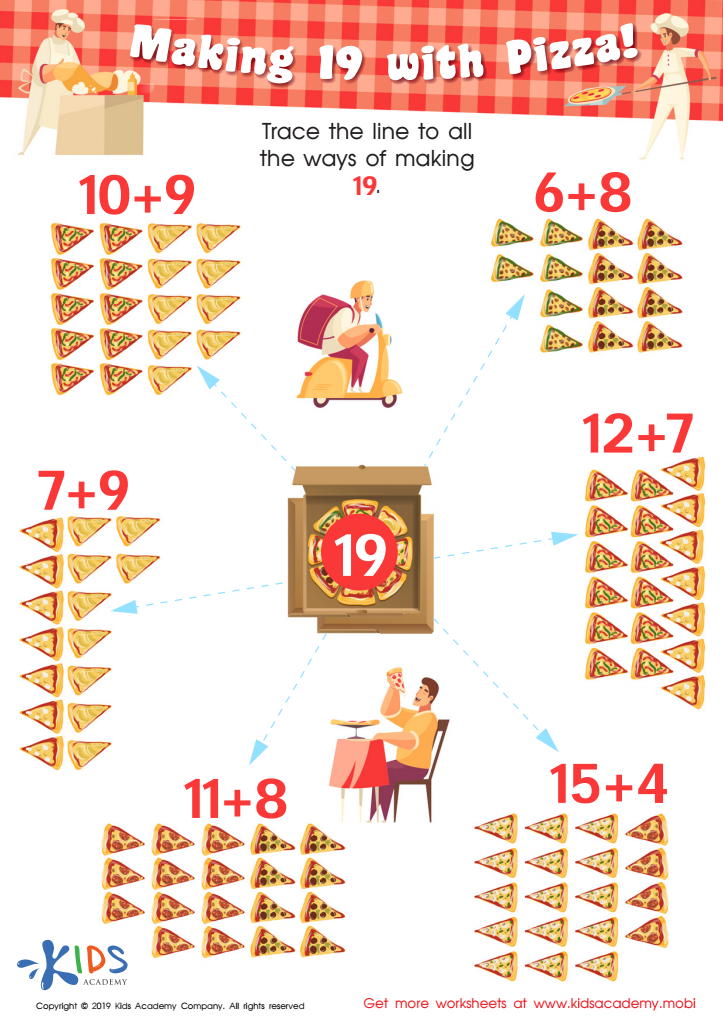
Making 19 with Pizza! Worksheet
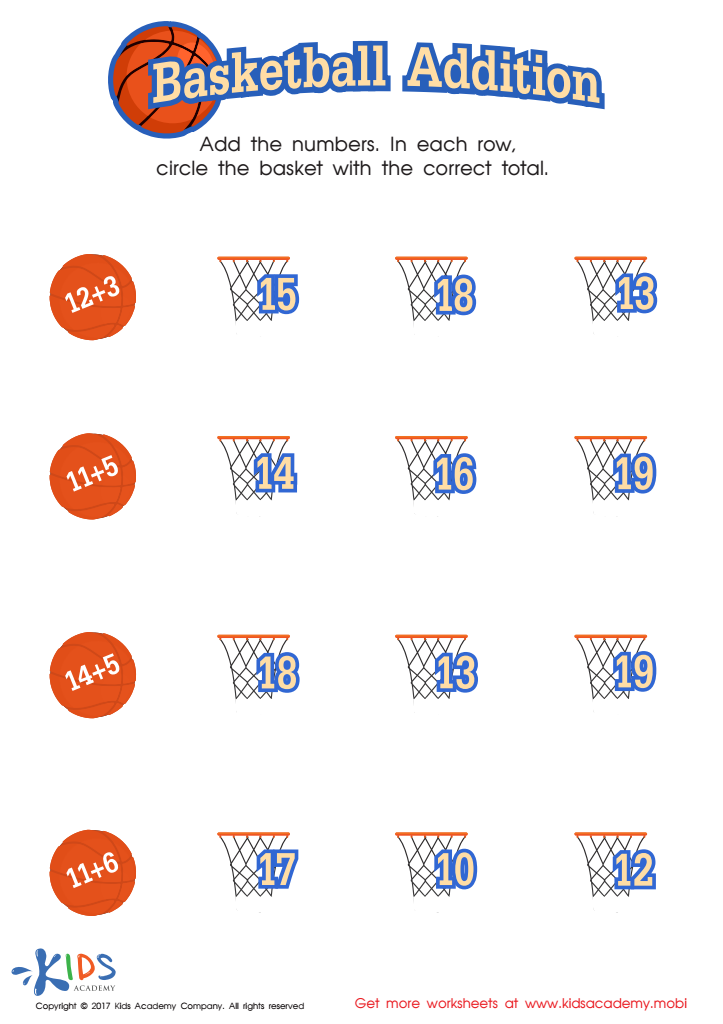
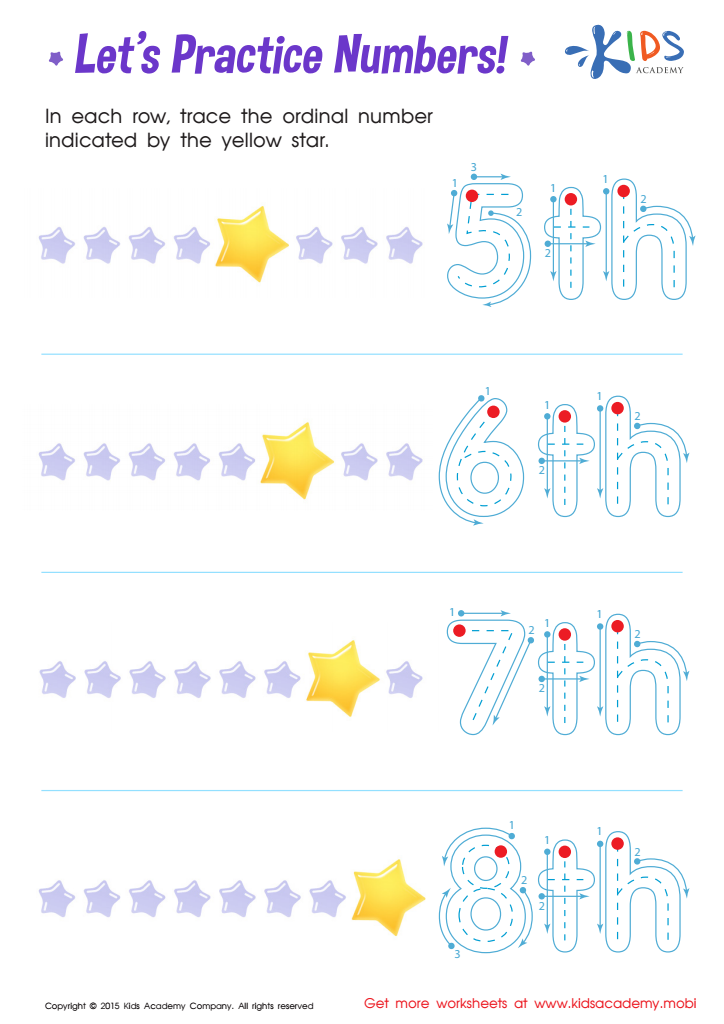
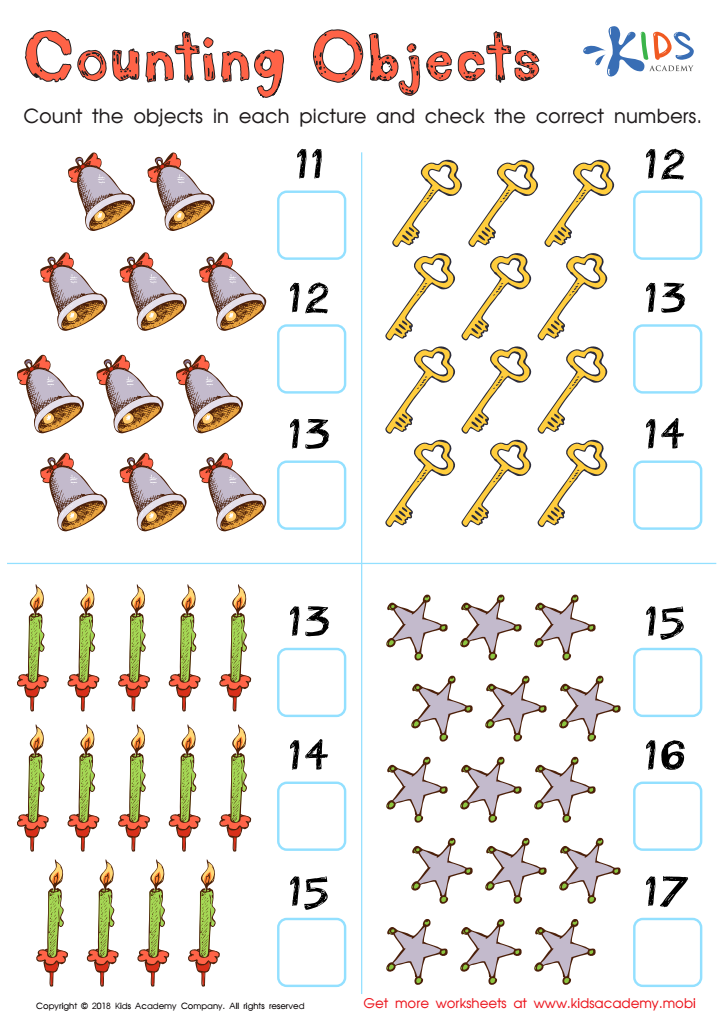
Counting Numbers Worksheet For Kindergarten
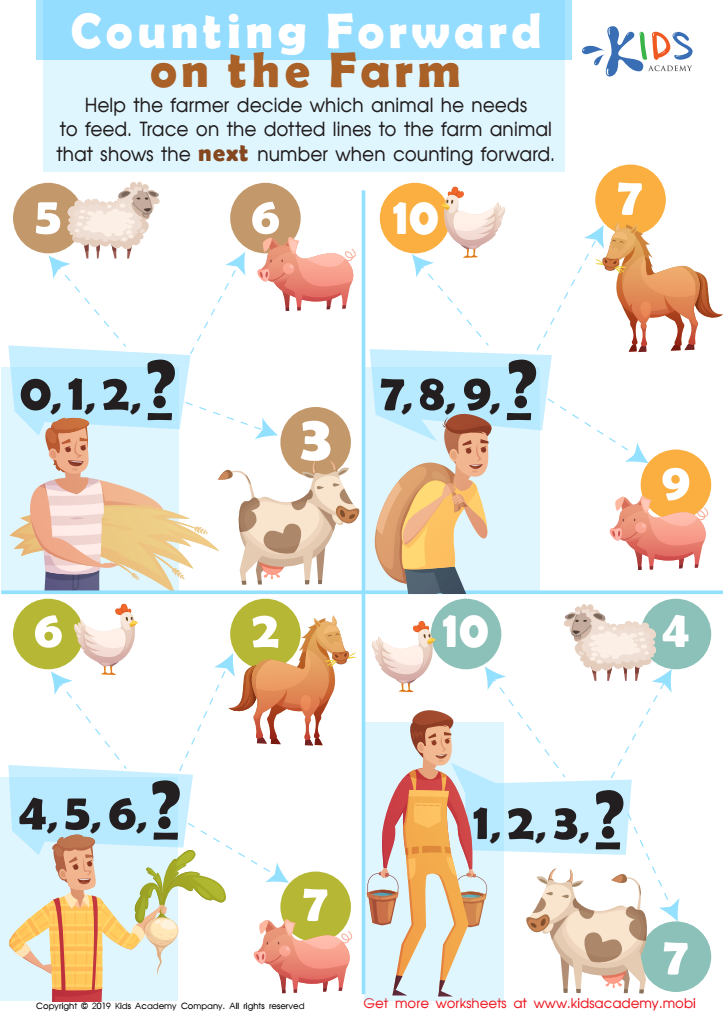
Counting Forward On the Farm Worksheet
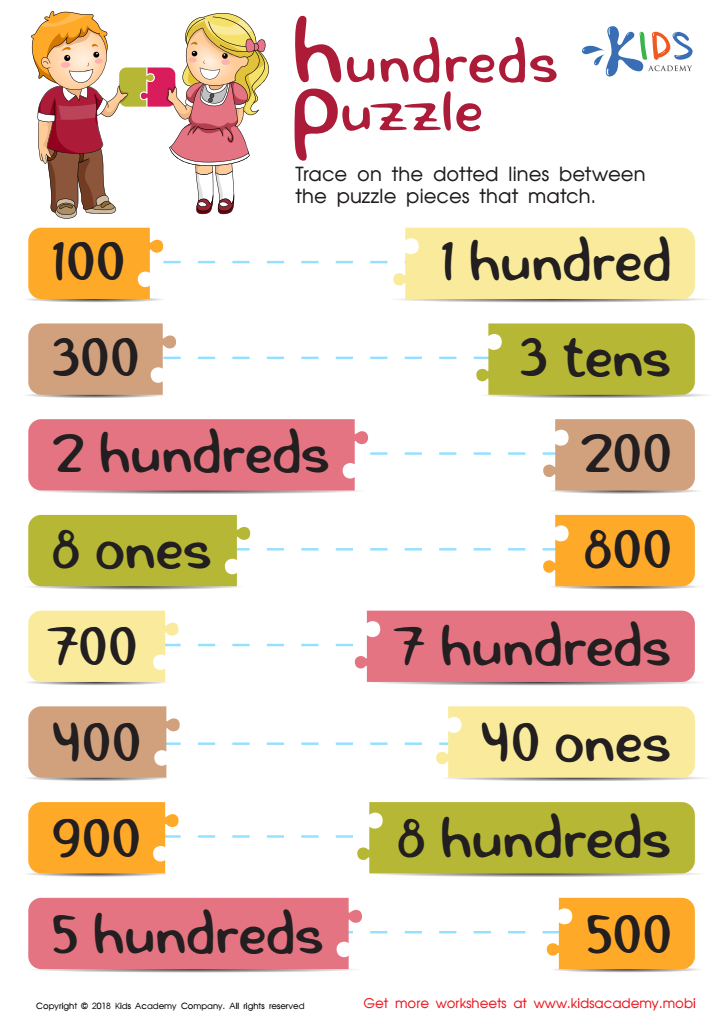
Hundreds Puzzle Worksheet
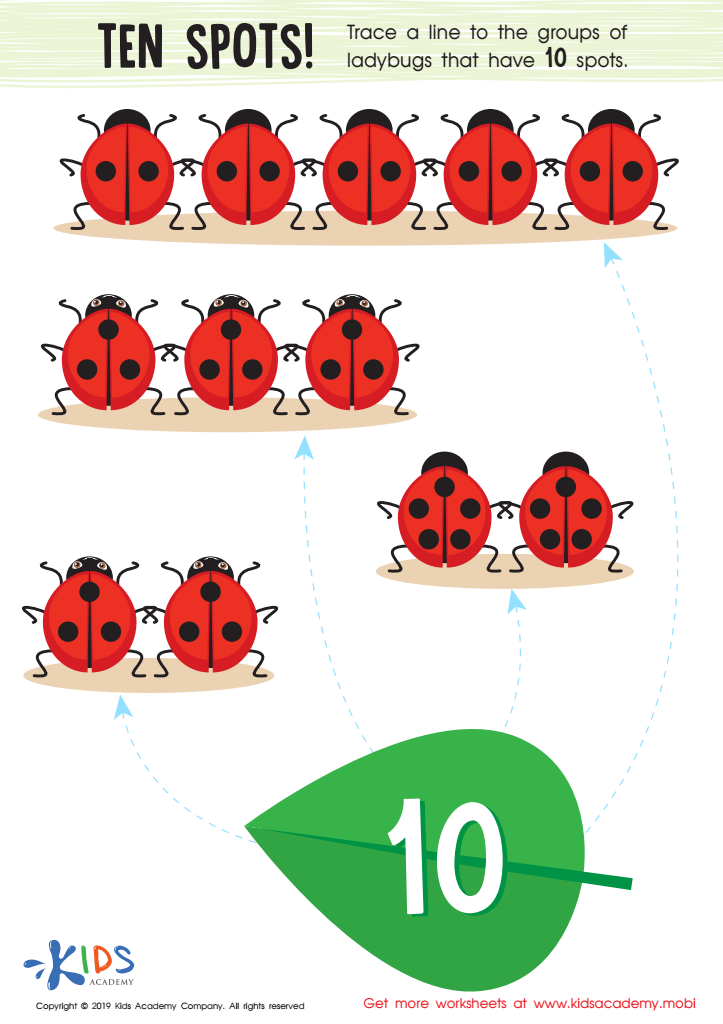
Ten Spots Worksheet
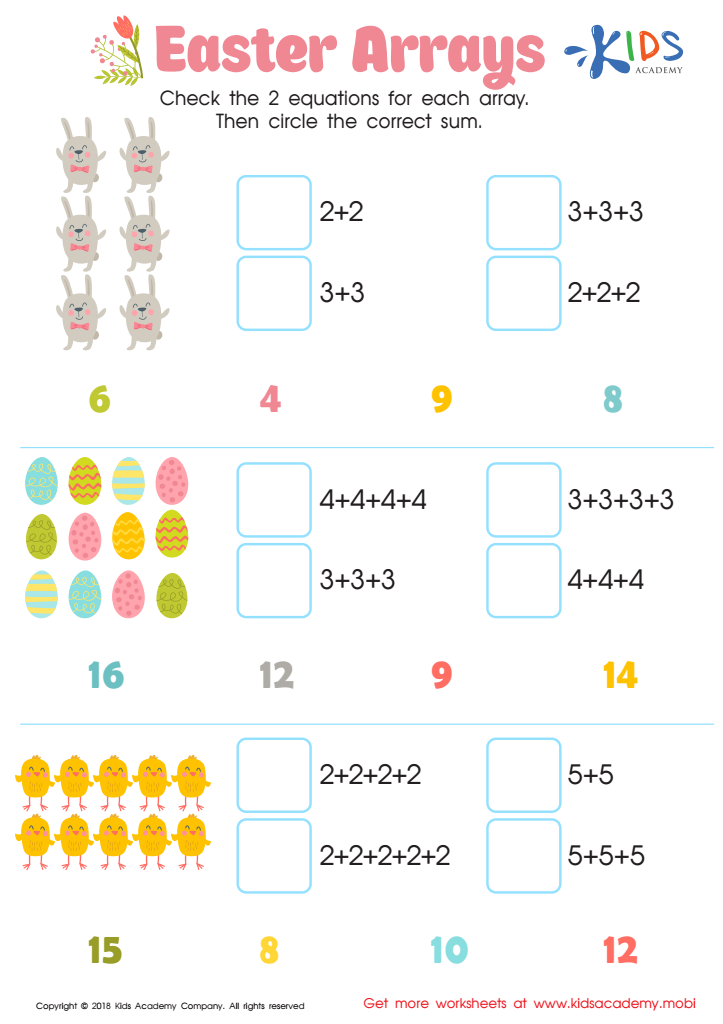
Easter Arrays Worksheet
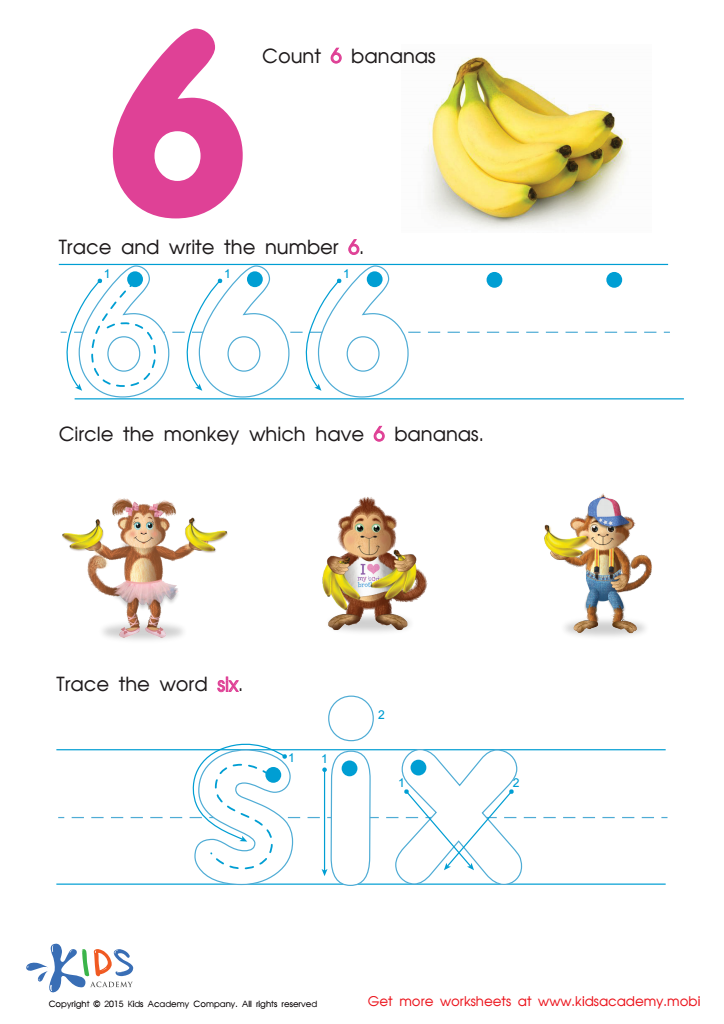
Tracing And Writing Number 6 Worksheet
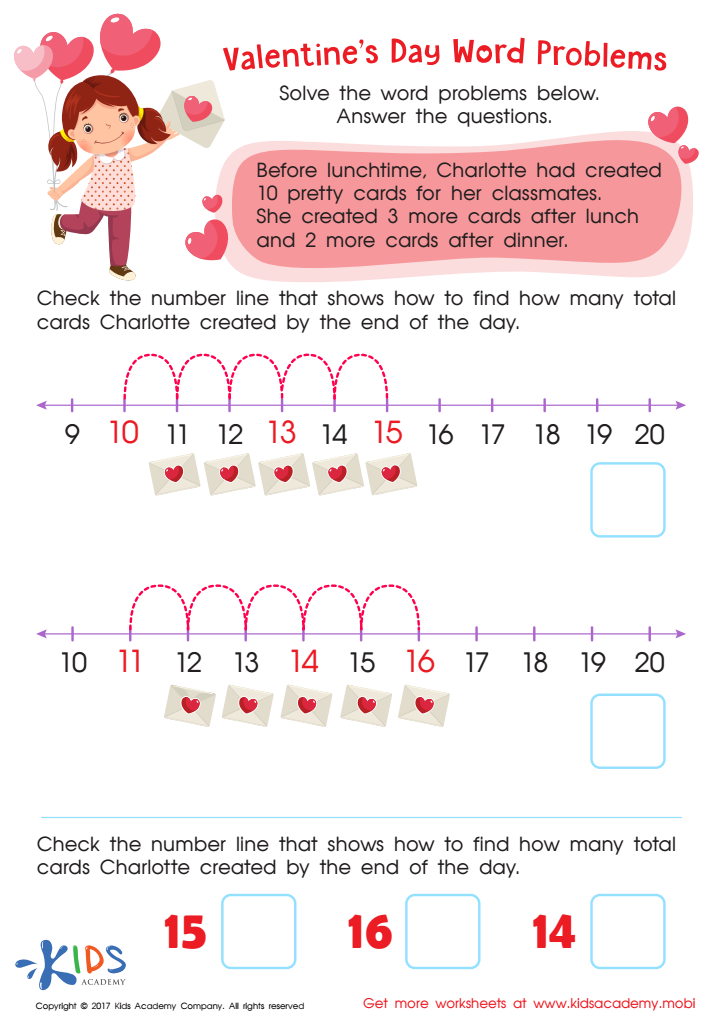
Valentines Day Word Problem Worksheet
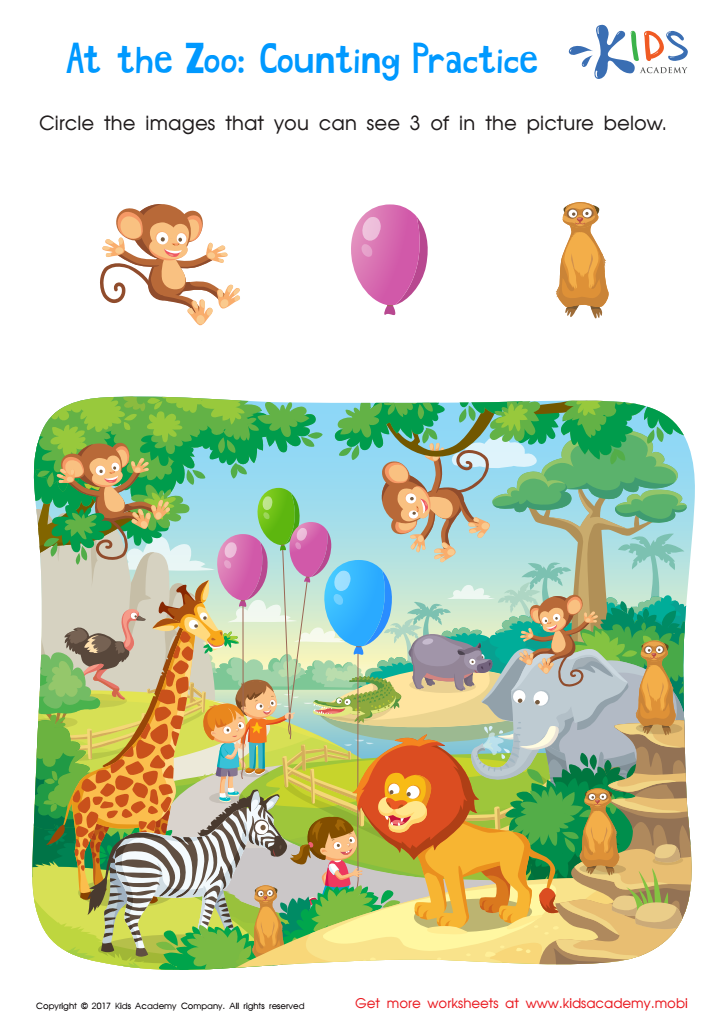
At the Zoo: Counting Practice Worksheet
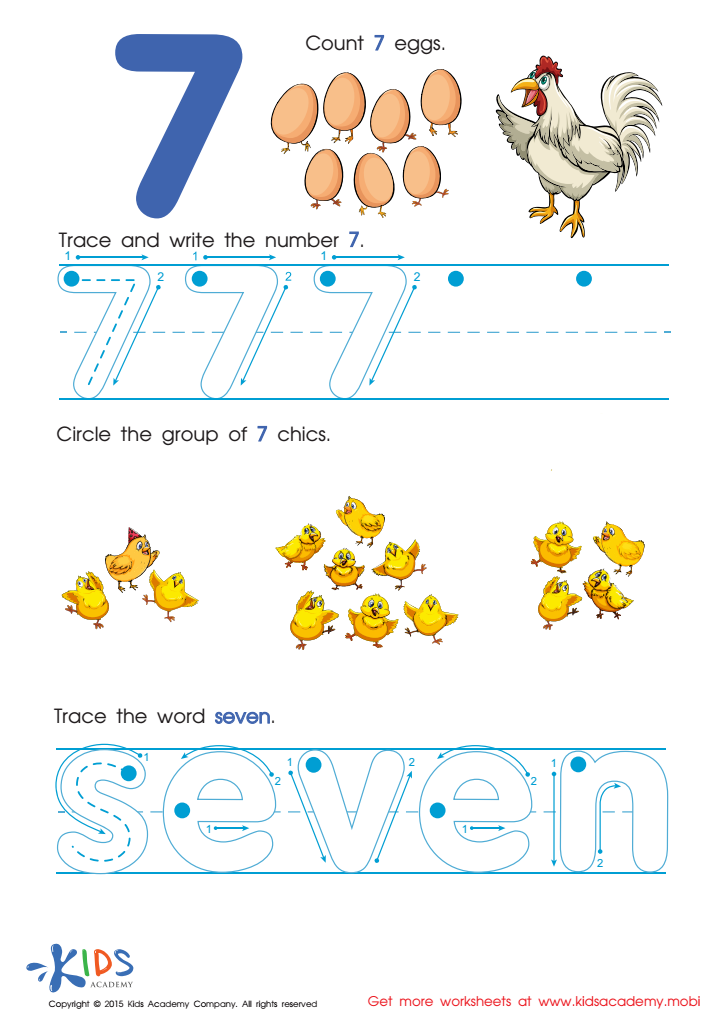
Trace And Write Number 7 with Fun Worksheet
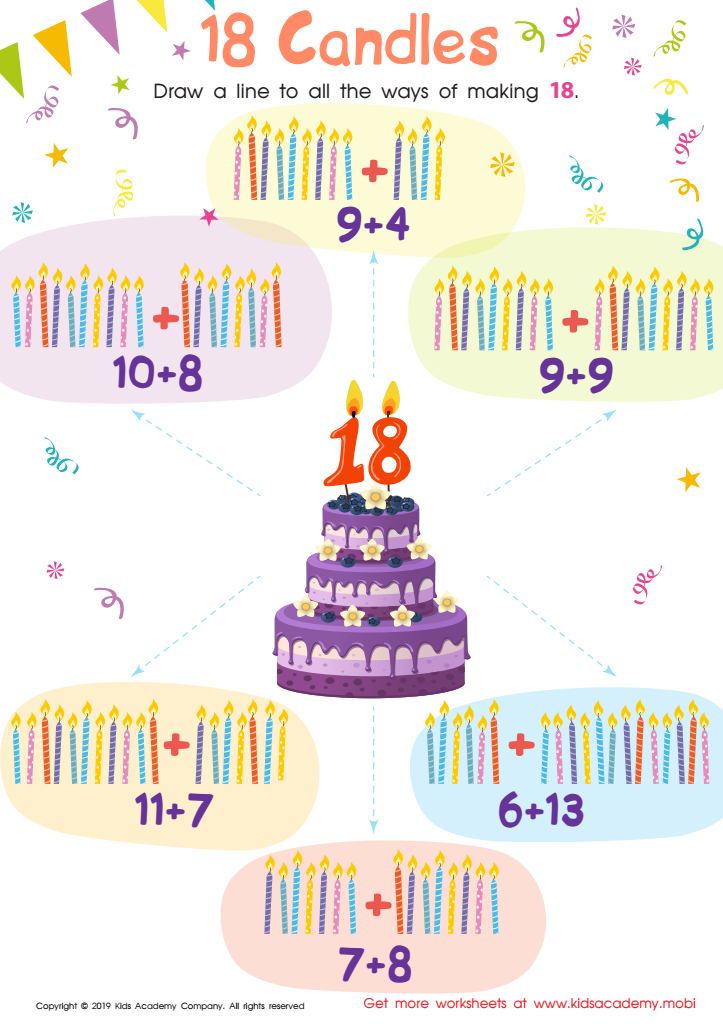
18 Candles Worksheet
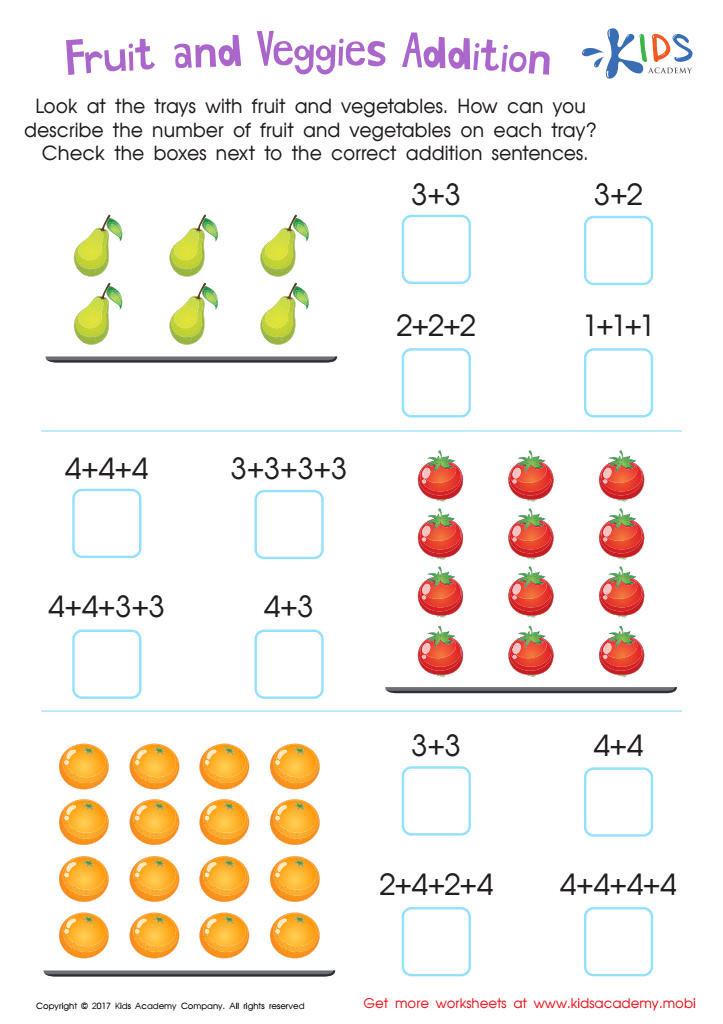
Fruit and Veggies Worksheet
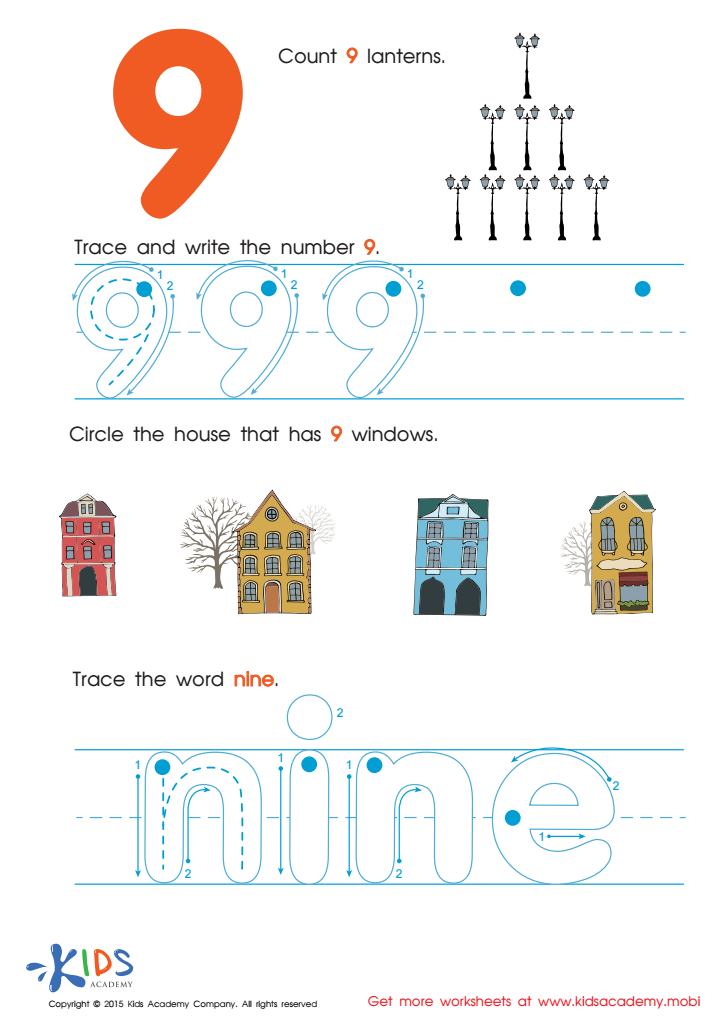
Tracing And Learning to Write Number 9 Worksheet
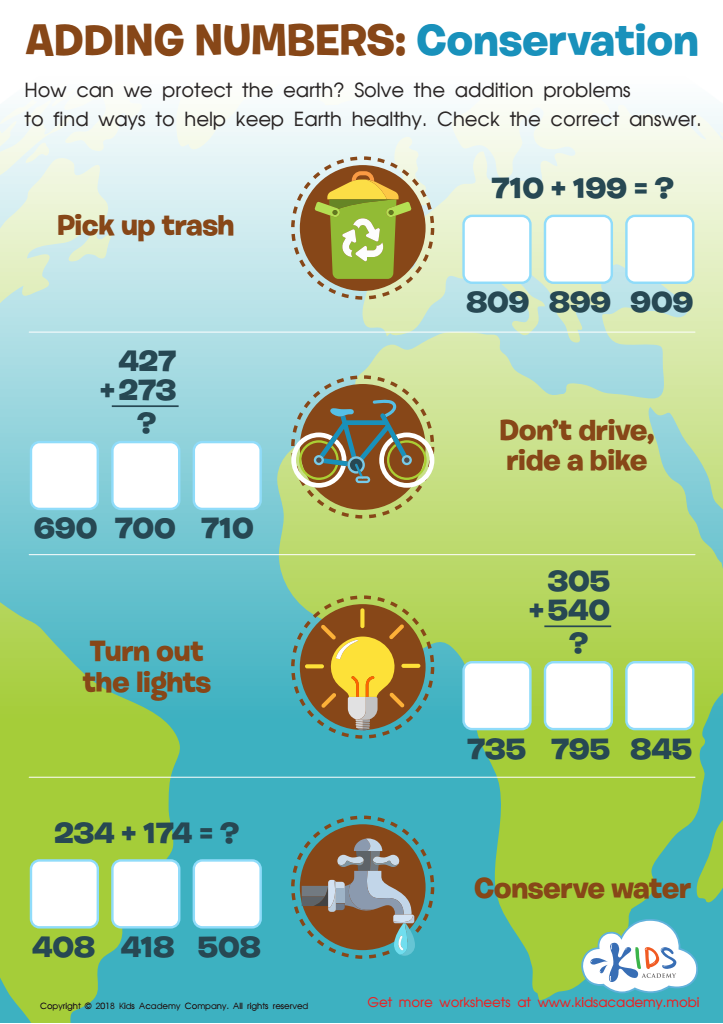
Adding Numbers: Conservation Worksheet
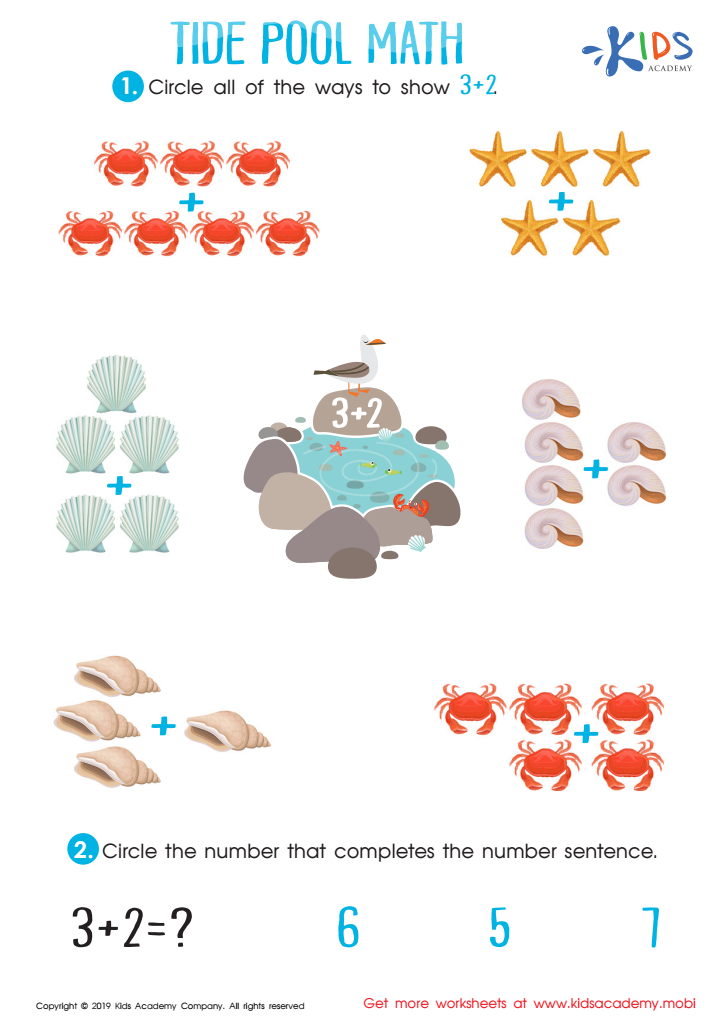
Tide Pool Math Worksheet
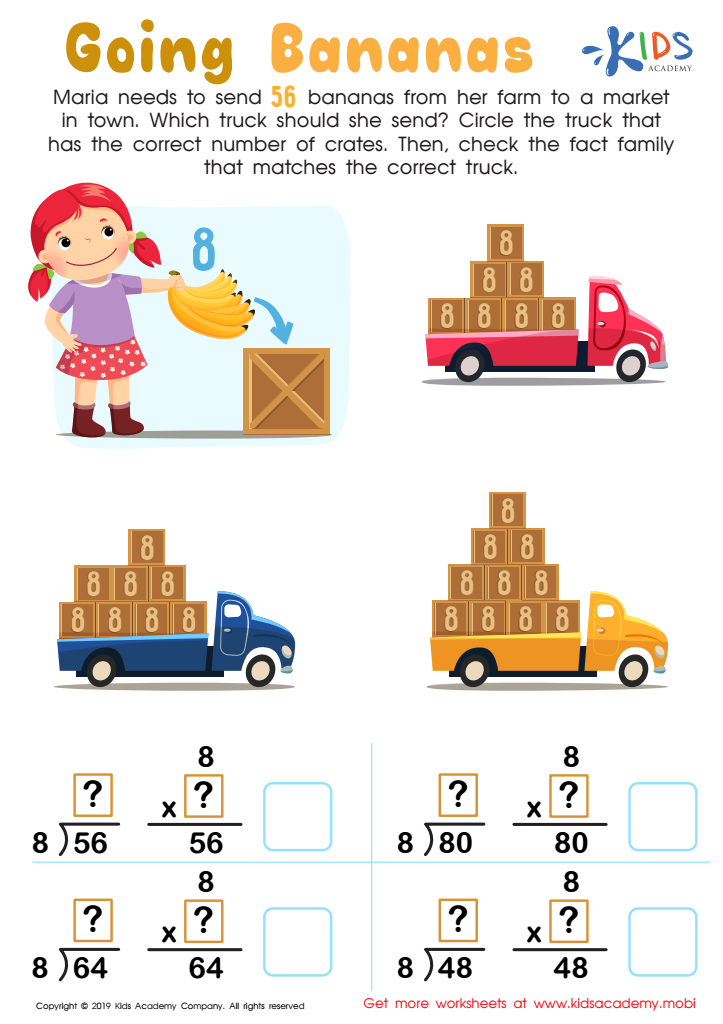
Going Bananas Worksheet
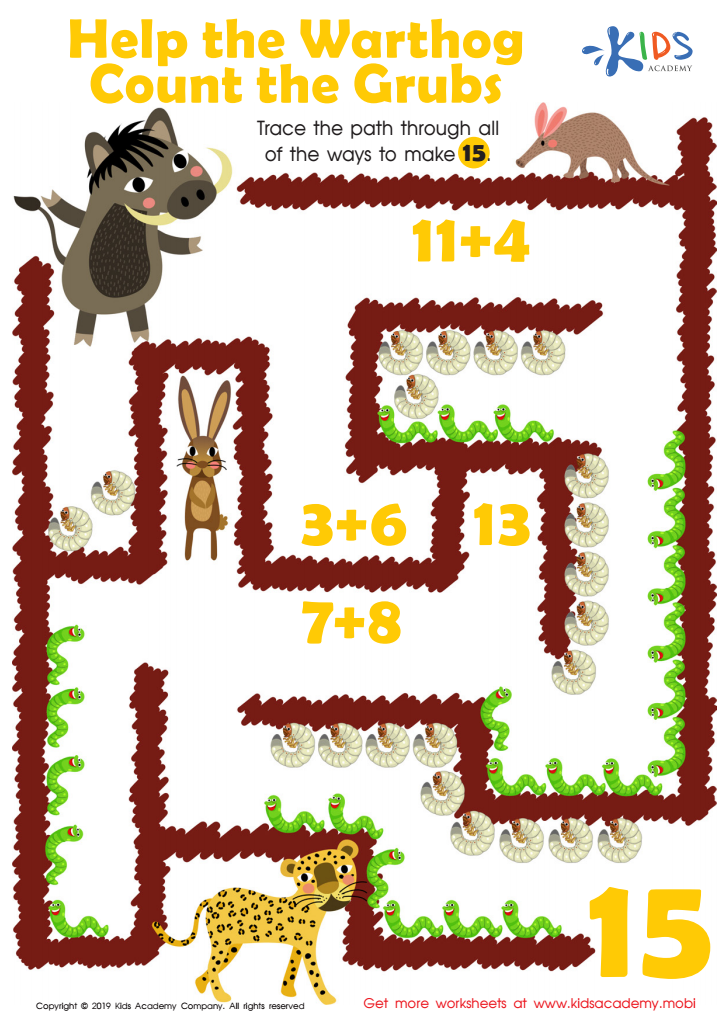
Help the Warthog Count the Grubs Worksheet
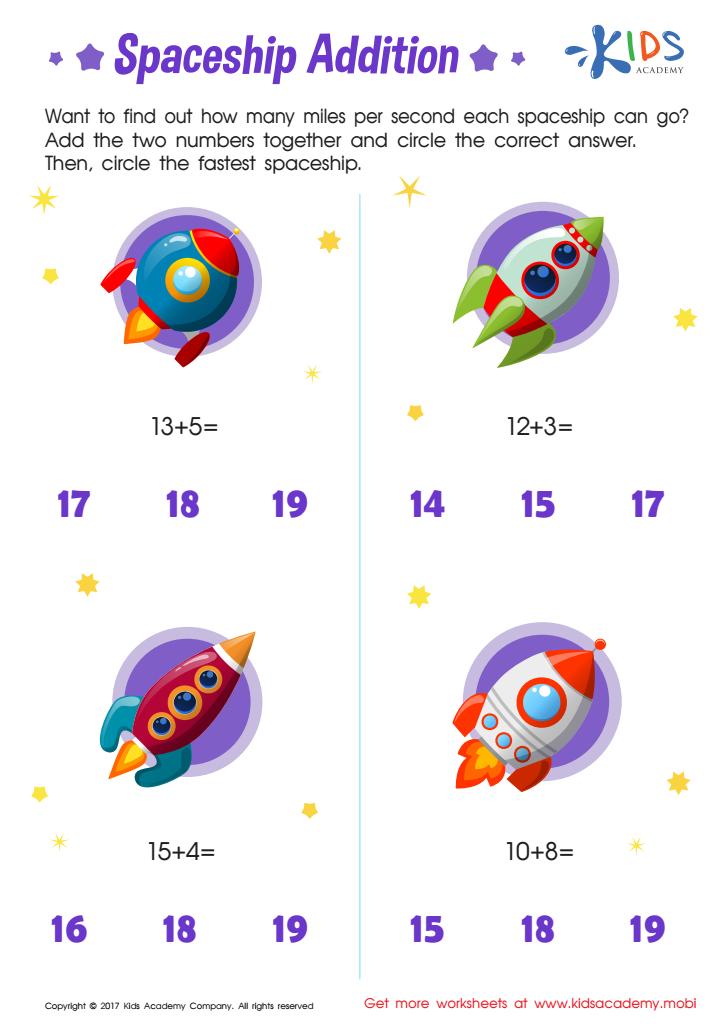
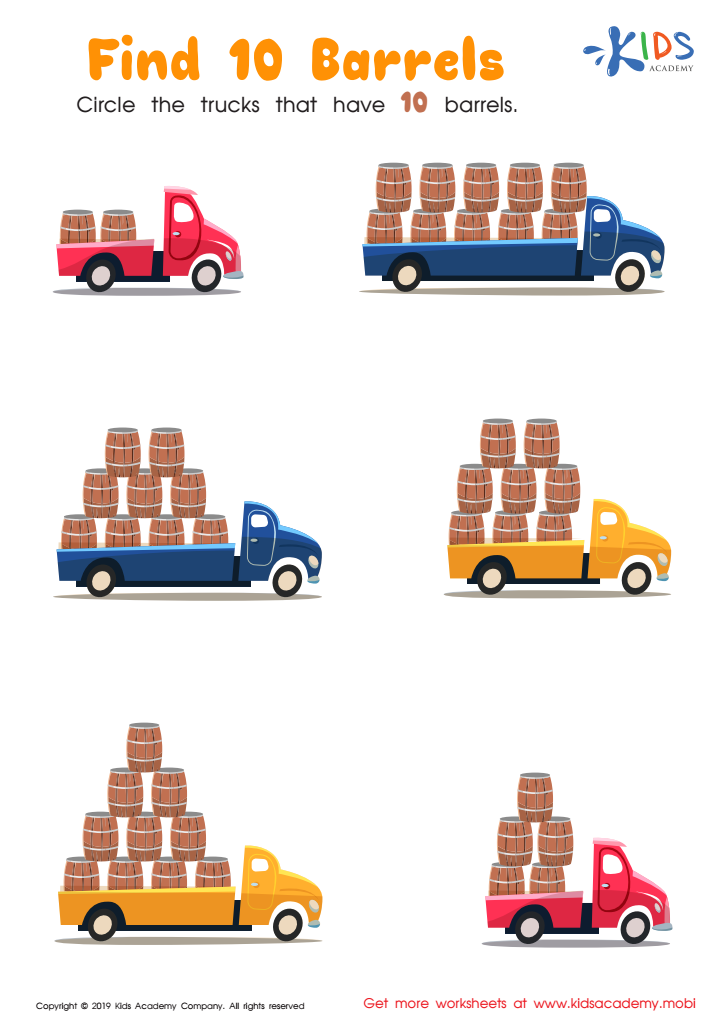
Find 10 Barrels Worksheet
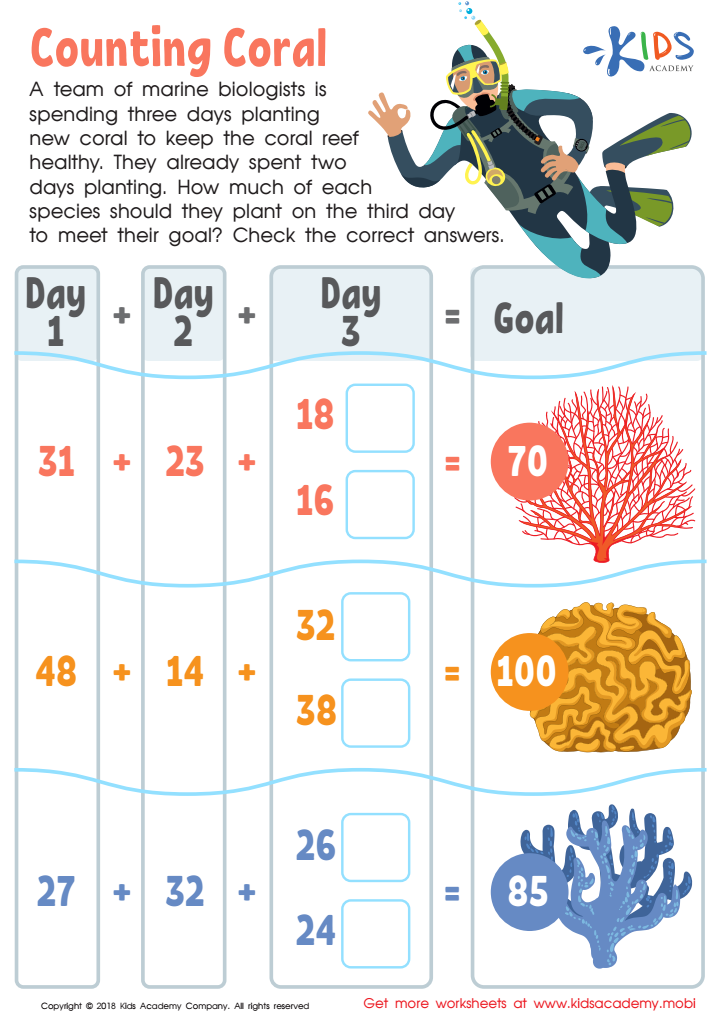
Counting Coral Worksheet

Count the Deer Worksheet








Number recognition is a foundational skill in early childhood education that plays a critical role in a child's overall math development. Parents and teachers should prioritize fostering this skill between ages 4-9 for several compelling reasons.
First, number recognition sets the stage for more complex mathematical concepts. Being able to identify and understand numbers allows children to progress to counting, basic arithmetic, and problem-solving skills more readily. This recognition is not limited to just identifying numerals but also understanding their relative values, which is crucial for operations like addition and subtraction.
Further, early mastery in math has been linked to positive academic outcomes in later years. Children who develop strong number recognition skills are more likely to succeed in other areas of math and science, creating a strong foundation for future educational pursuits.
Number recognition also contributes to day-to-day practical skills. Familiarity with numbers helps children understand time, manage money, and measure quantities, which are essential life skills.
Moreover, developing number recognition can boost a child's confidence. Early success in understanding basic math concepts can make learning more enjoyable and help them tackle new challenges with a positive attitude.
In summary, prioritizing number recognition in young children not only builds critical academic skills but also equips them with practical life skills and fosters an enduring confidence in their ability to learn and succeed.








