Understanding patterns Normal Math Worksheets for Ages 4-9
10 filtered results
-
From - To
Discover our "Understanding Patterns Normal Math Worksheets" designed for children aged 4-9 to enhance their mathematical skills through engaging activities! Our worksheets help young learners identify, create, and extend patterns using shapes, colors, and numbers. By integrating fun illustrations and interactive exercises, kids can develop critical thinking and problem-solving skills while laying a strong foundation in math concepts. Suitable for both classroom and home use, these worksheets provide a valuable resource for teachers and parents alike. Unlock the joy of learning with our carefully crafted materials, encouraging creativity and curiosity in every child. Explore the world of patterns today!
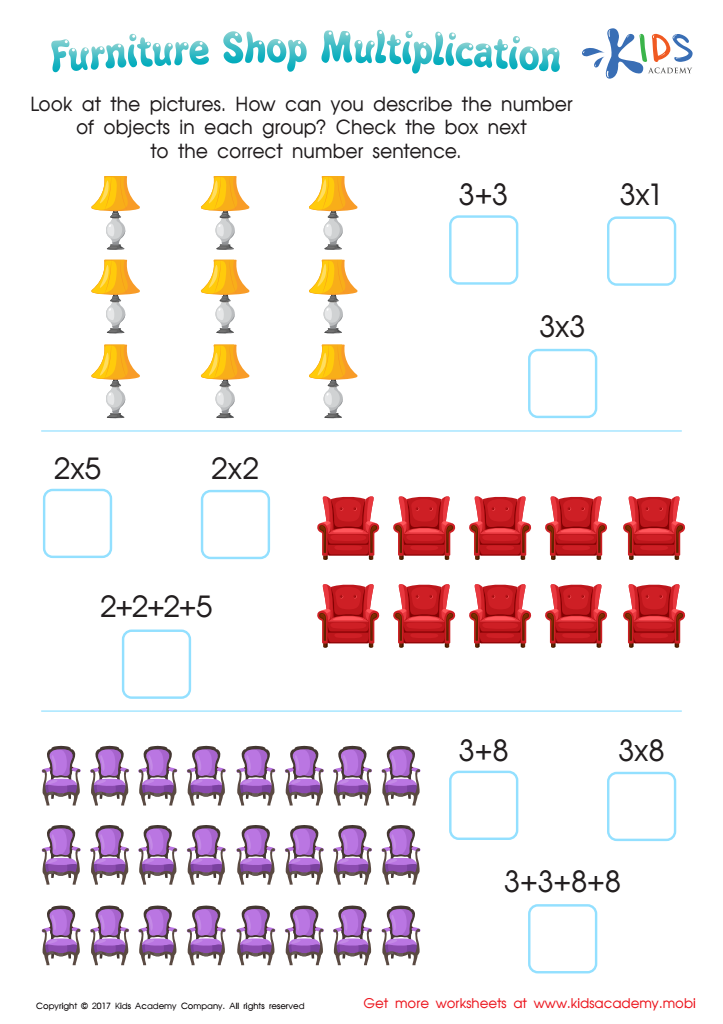
Furniture Shop Worksheet
 Assign to My Students
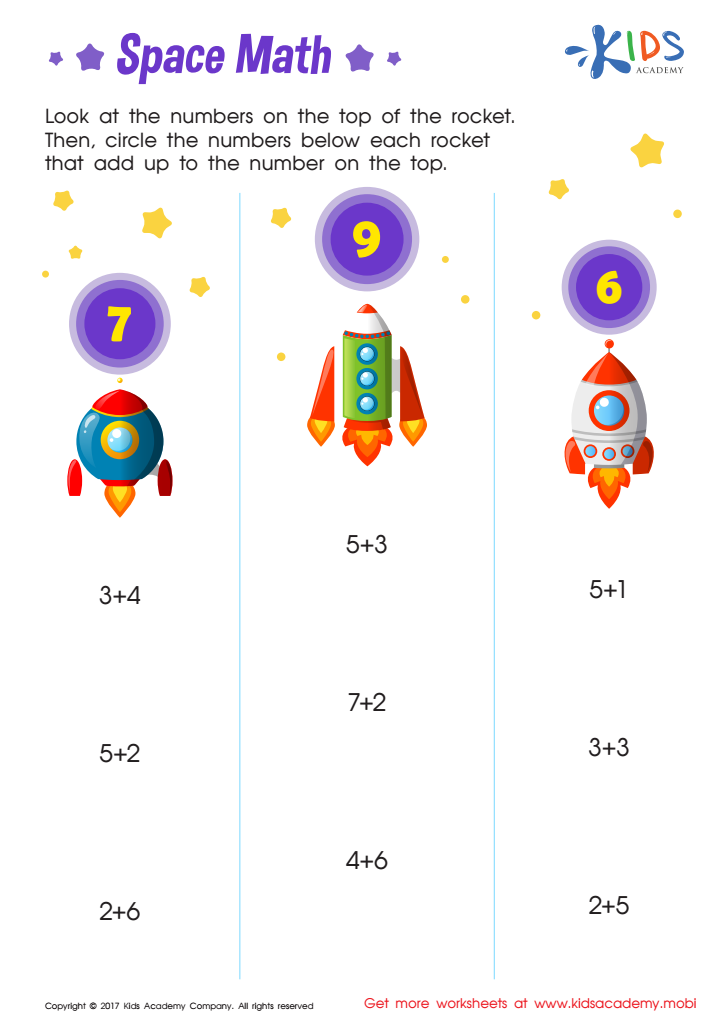
Addition: Space Math Worksheet
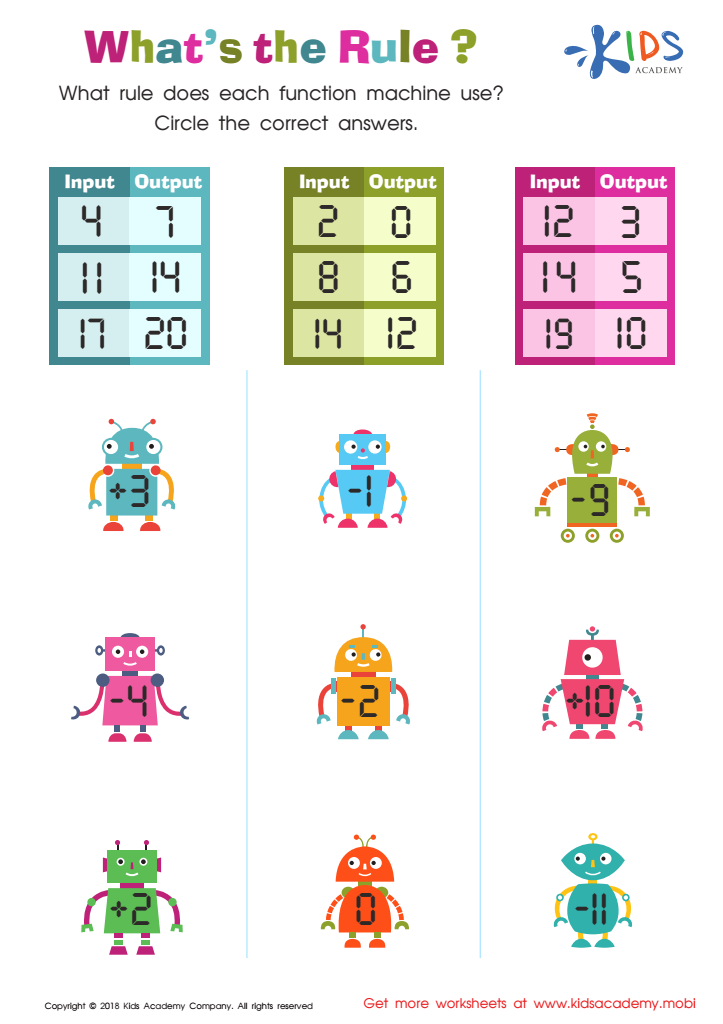
What's the Rule Worksheet
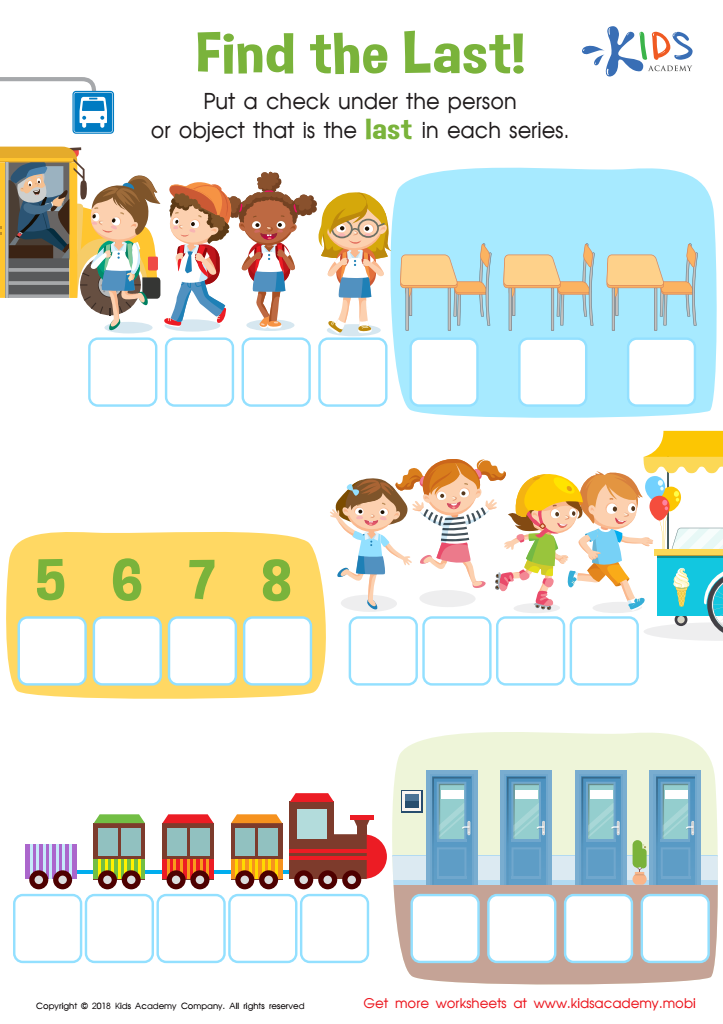
Find the Last! Worksheet
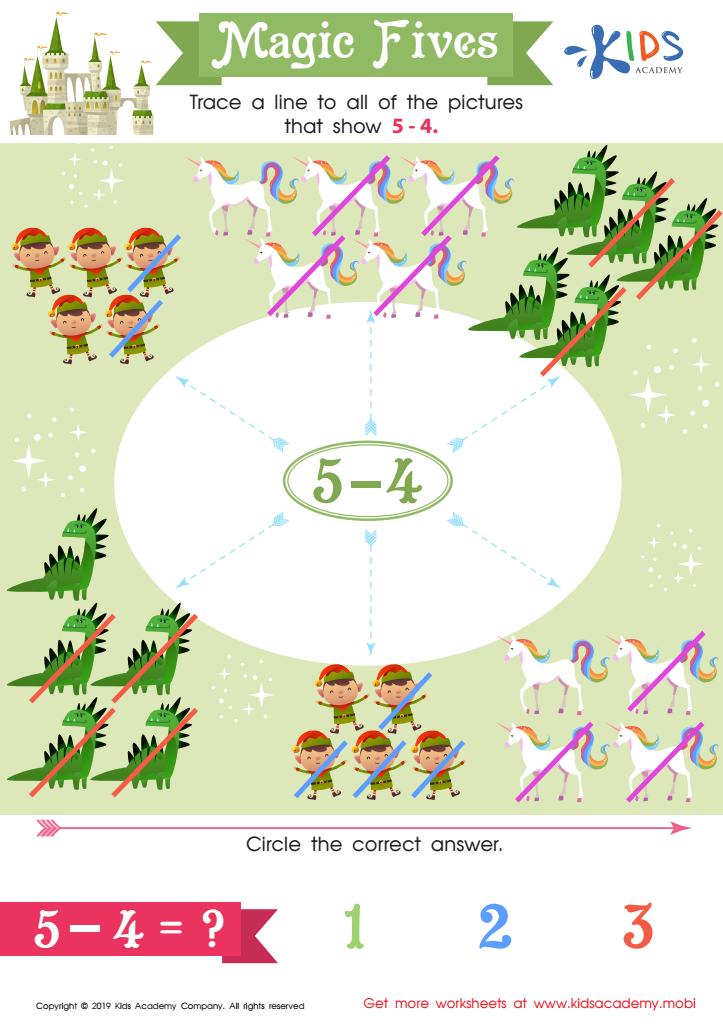
Magic Fives Worksheet
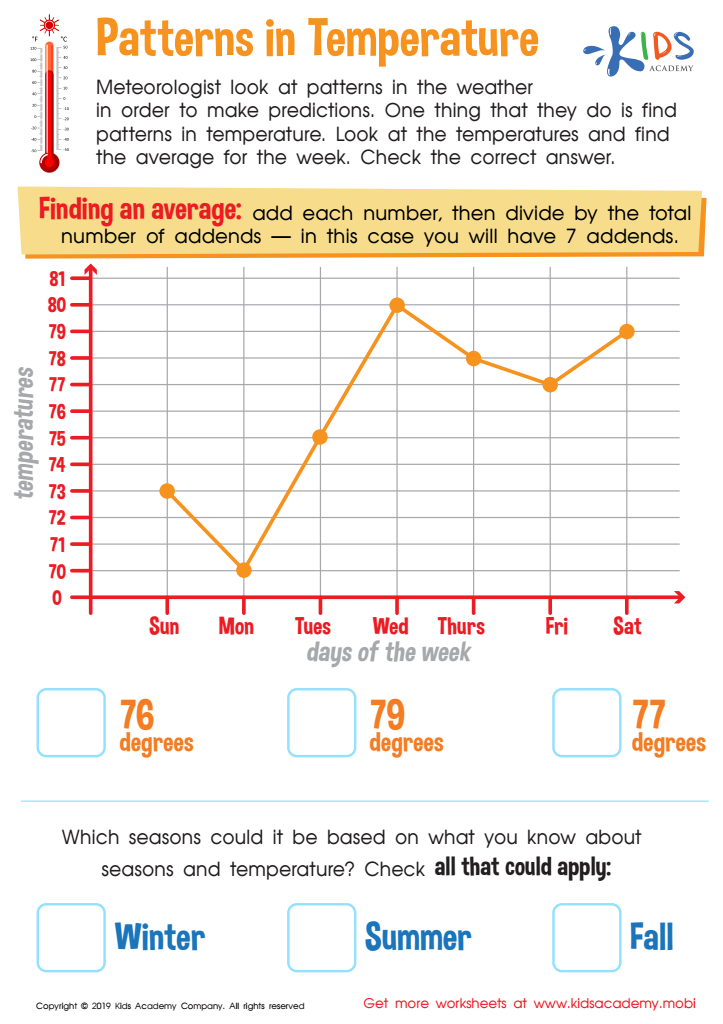
Patterns in Temperature Worksheet
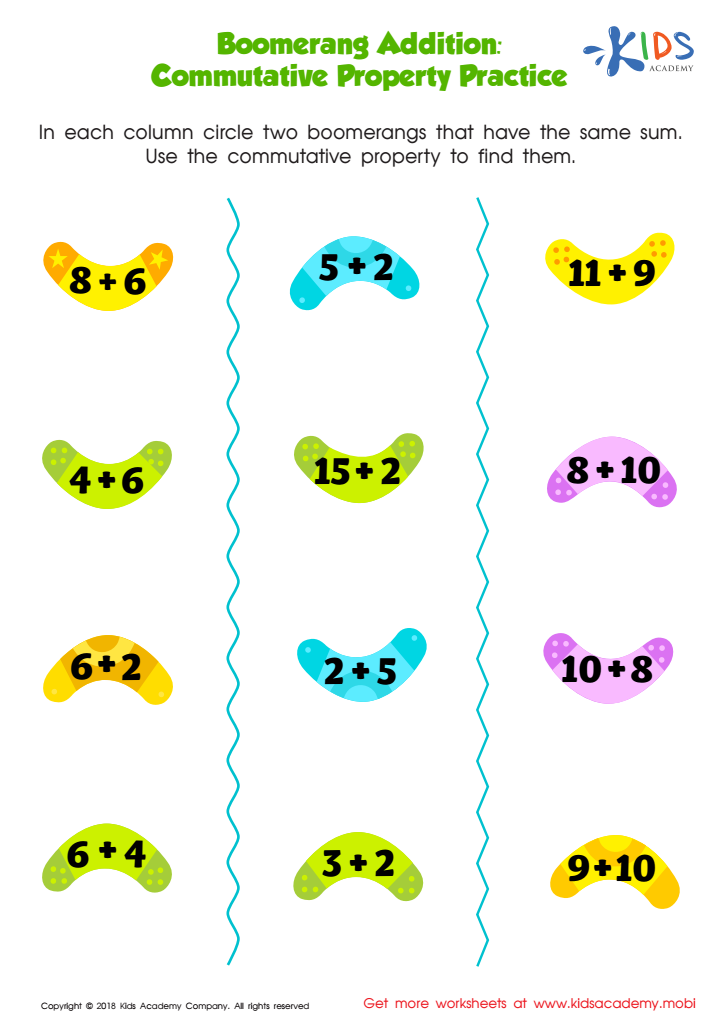
Boomerang Addition Worksheet
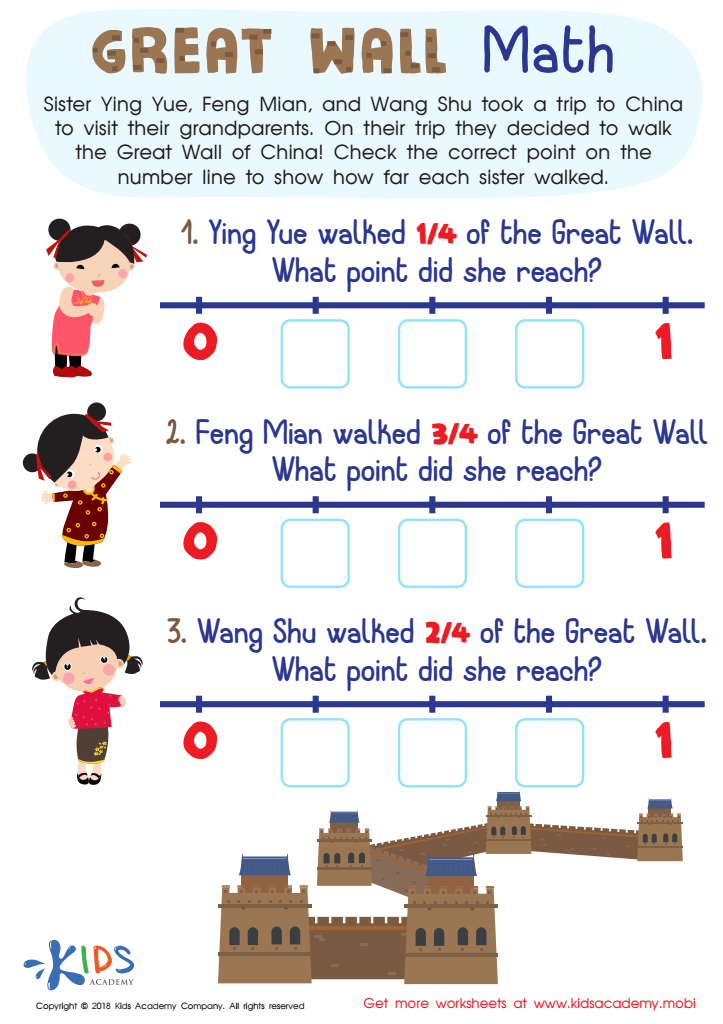
Great Wall Math Worksheet
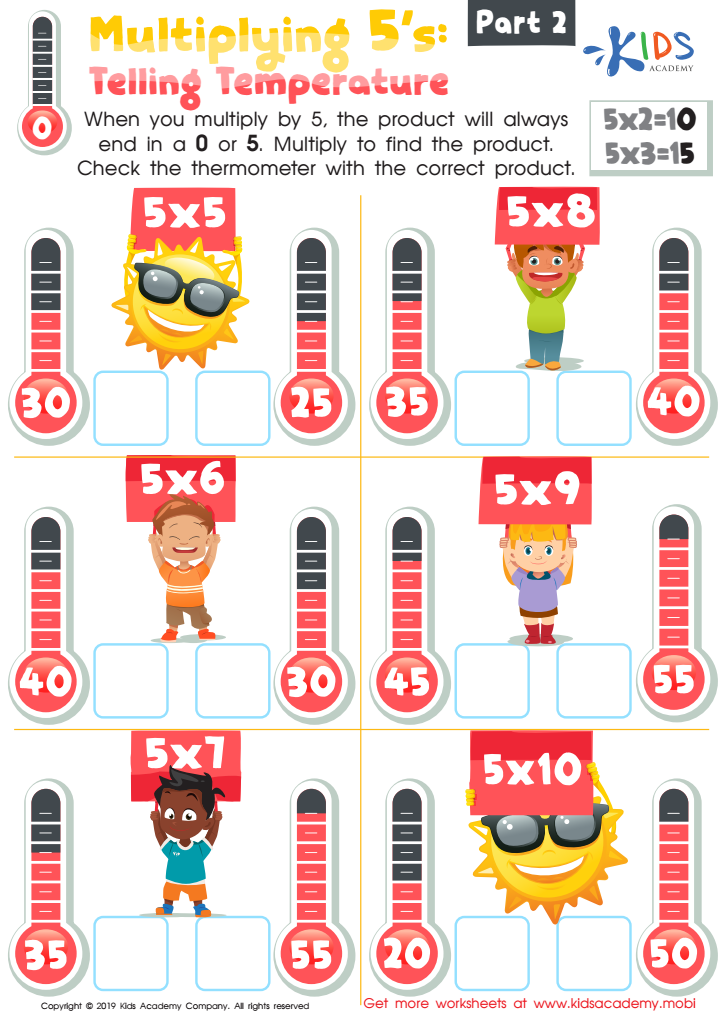
Multiplying 5’s: Telling Temperature Part 2 Worksheet
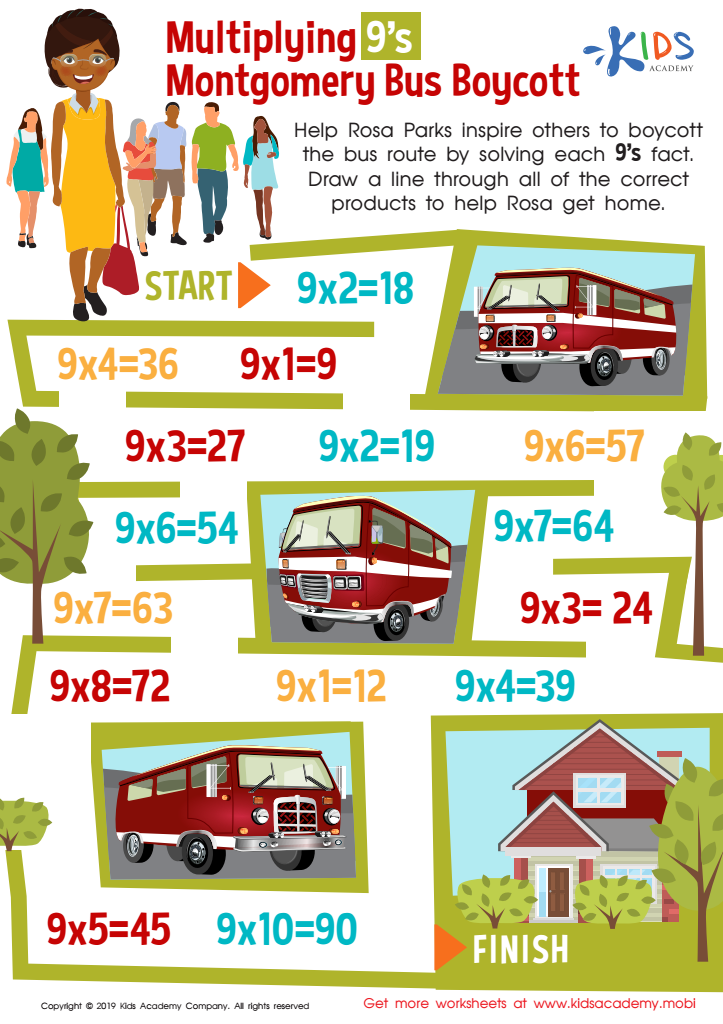
Multiplying 9’s Montgomery Bus Boycott Worksheet








Understanding patterns is a foundational element of mathematics, particularly for children aged 4-9. Parents and teachers should prioritize this concept because it plays a crucial role in developing children's critical thinking, problem-solving skills, and mathematical reasoning. Recognizing patterns helps children make connections between different mathematical concepts, paving the way for more complex learning in the future, such as algebra and geometry.
Patterns are everywhere in our daily lives, from nature to music, and understanding them enhances children's observation skills and boosts their ability to predict outcomes. This can foster a sense of curiosity and engagement in learning. For young learners, incorporating patterns in activities like sorting, sequencing, and matching can make math enjoyable and interactive, promoting positive attitudes towards the subject.
Moreover, understanding patterns supports literacy development, as children learn to recognize sequences in language and storytelling. By embedding pattern recognition into early learning experiences, parents and teachers can create a strong mathematical foundation that cultivates a lifelong appreciation for learning. Ultimately, acquaintance with patterns empowers children to become confident and competent mathematicians, equipping them with tools necessary for future academic success and real-world problem-solving.








