Problem-Solving Skills Normal Measurement Worksheets for Ages 4-9
5 filtered results
-
From - To
Enhance your child's problem-solving abilities with our engaging Normal Measurement Worksheets designed for ages 4-9. These worksheets provide a fun and interactive way for young learners to grasp measurement concepts, develop critical thinking, and tackle real-world problems. Incorporating colorful visuals and age-appropriate challenges, our resources empower children to understand measurements through hands-on activities. Suitable for both classroom and home use, these worksheets promote cognitive skills and foster a love for math. Watch your child build confidence as they learn to solve measurement-related problems effectively. Start their journey towards becoming proficient problem-solvers today with our comprehensive worksheets!
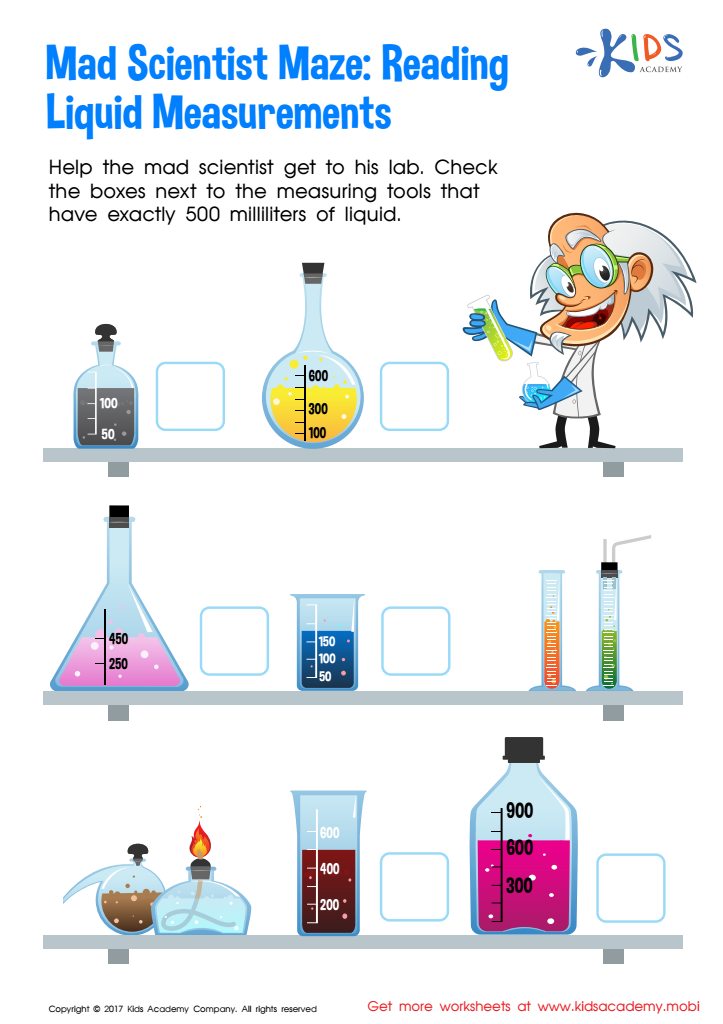
Reading Liquid Measurement Worksheet
 Assign to My Students
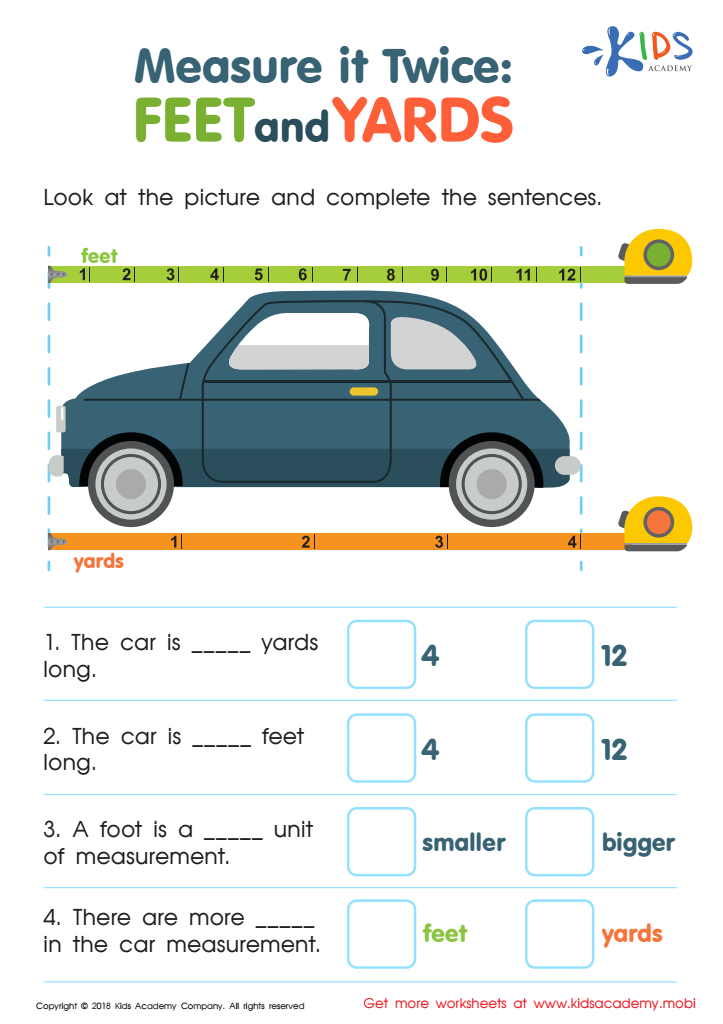
Measure It Twice: Feet and Yards Worksheet
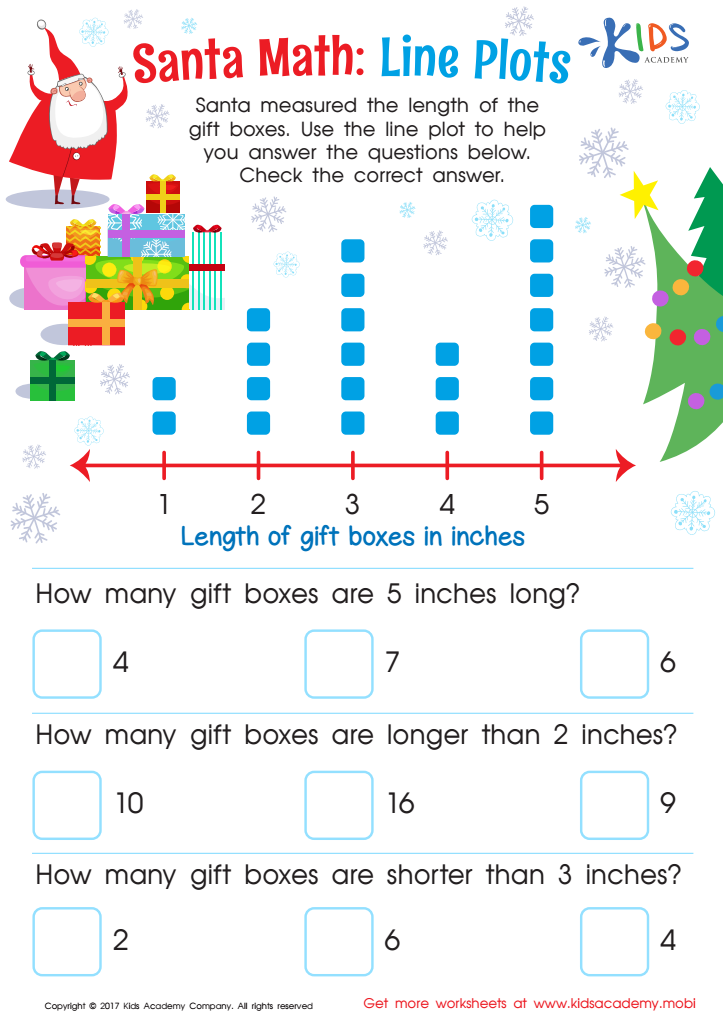
Line Plot Worksheet
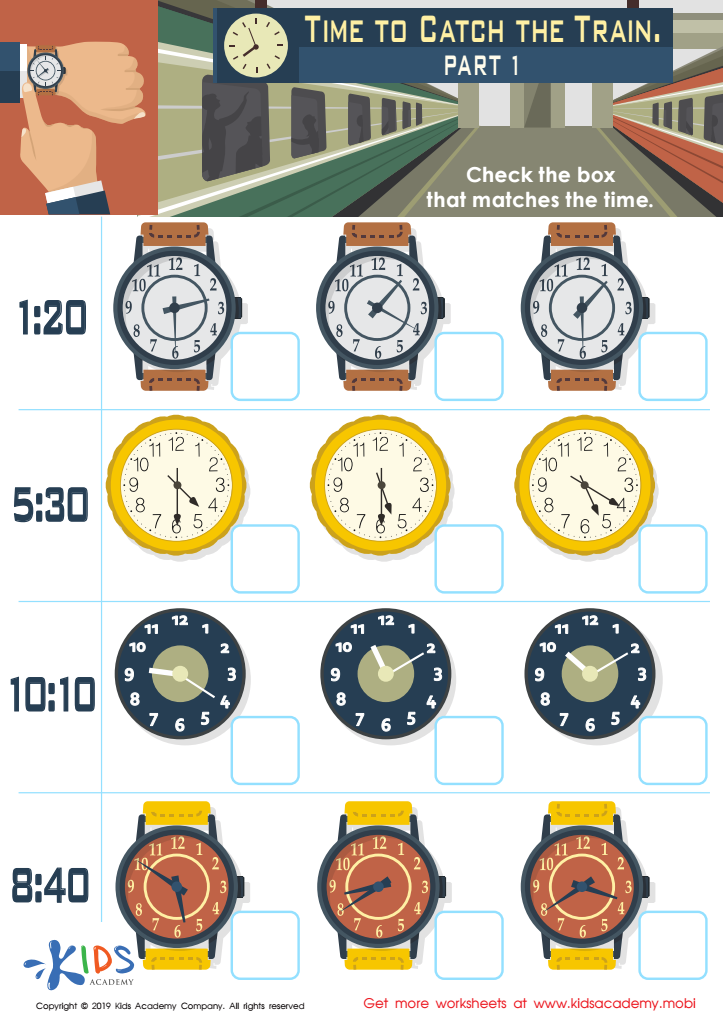
Time to Catch the Train Part 1 Worksheet
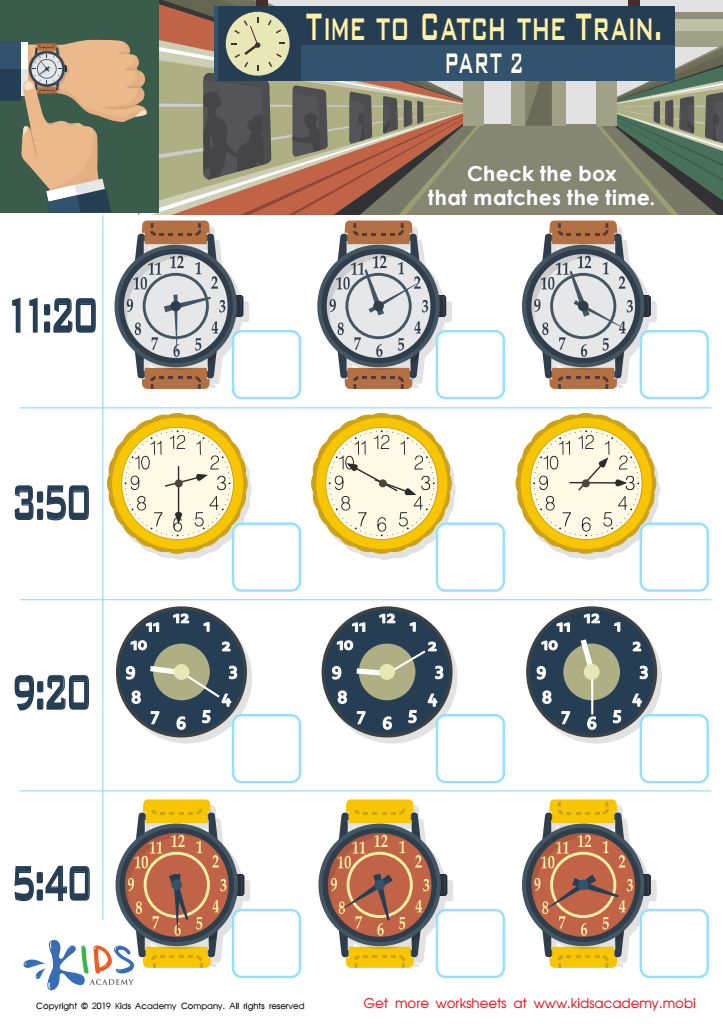
Time to Catch the Train Part 2 Worksheet








Parents and teachers should prioritize measuring problem-solving skills in children aged 4-9 because these skills are foundational for healthy cognitive and emotional development. Problem-solving abilities empower children to navigate challenges, fostering resilience and adaptability in the face of difficulties. Early identification of problem-solving strengths and weaknesses allows for timely interventions, ensuring that children acquire effective strategies for coping with obstacles both academically and socially.
At this age, children are naturally curious and explore their surroundings. By measuring their problem-solving skills, teachers and parents can understand how well children adjust to new situations and apply logic in everyday scenarios. This not only enhances critical thinking but also promotes creativity, as children learn to propose various solutions to a problem.
Additionally, developing these skills early on supports future academic achievement. A solid foundation in problem-solving can lead to better performance in mathematics, reading comprehension, and collaborative projects. Ultimately, nurturing these skills contributes to well-rounded individual progression, preparing children to become competent adults who can effectively address personal and communal challenges. Thus, fostering problem-solving skills is an investment in a child's current and future success, making it a priority for both educators and families.








