Vocabulary expansion Normal Animals Worksheets for Ages 4-9
5 filtered results
-
From - To
Enhance your child's vocabulary with our "Normal Animals Worksheets for Ages 4-9." These engaging and educational worksheets are designed to support your child's science learning with a focus on familiar animals. Each activity introduces new words while reinforcing recognition and contextual understanding, blending fun illustrations with informative content. Ideal for children ages 4-9, these worksheets foster language development and curiosity about the natural world. Perfect for use at home or in the classroom, helping young learners expand their vocabulary effortlessly while enjoying a playful and educational experience. Download today to start your child's journey into the animal kingdom!
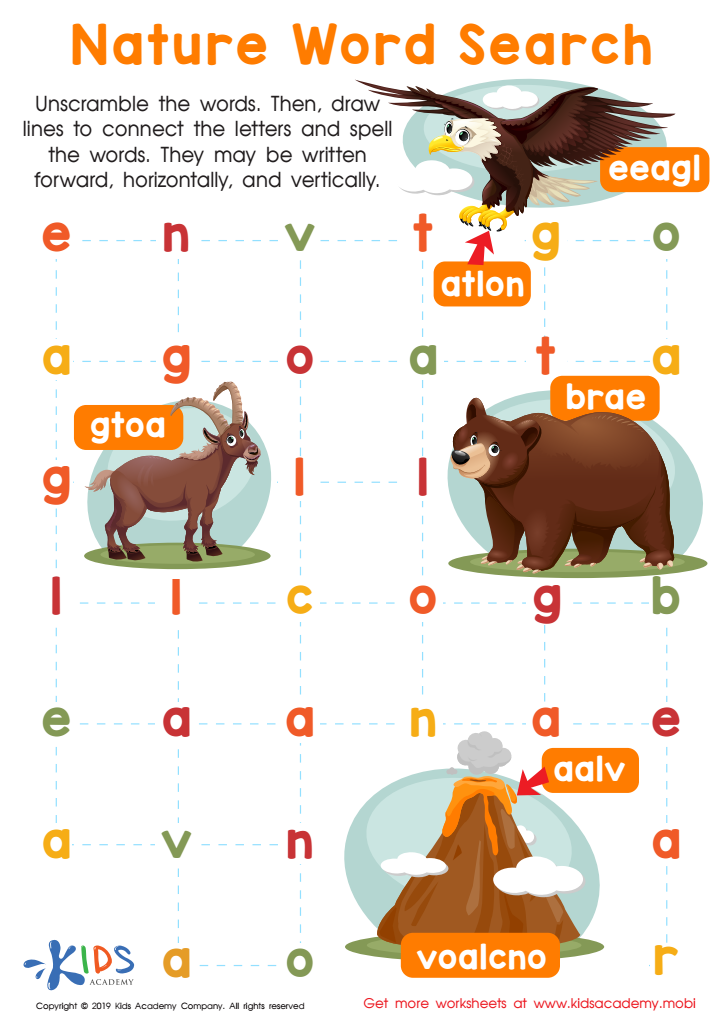
Nature Word Search Worksheet
 Assign to My Students
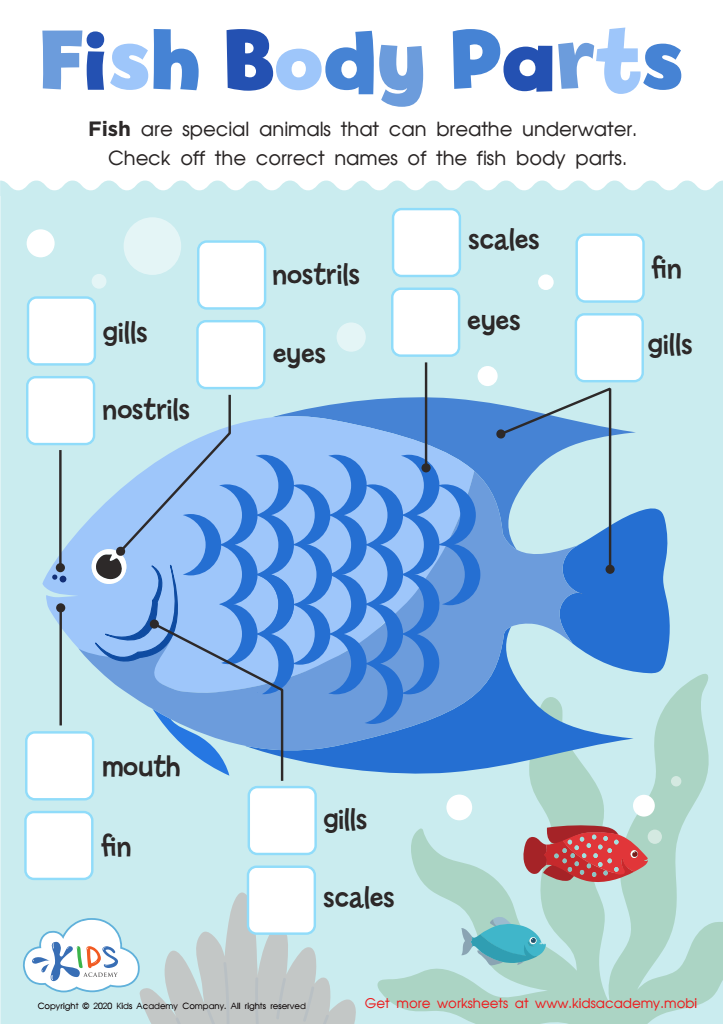
Fish Body Parts Worksheet
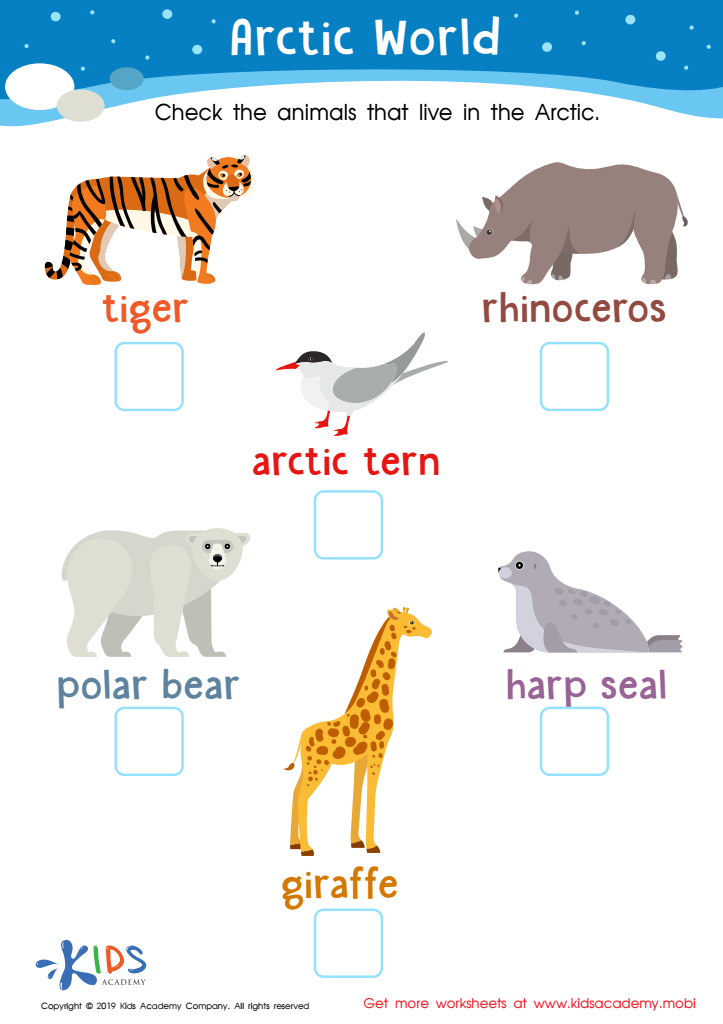
Arctic World Worksheet
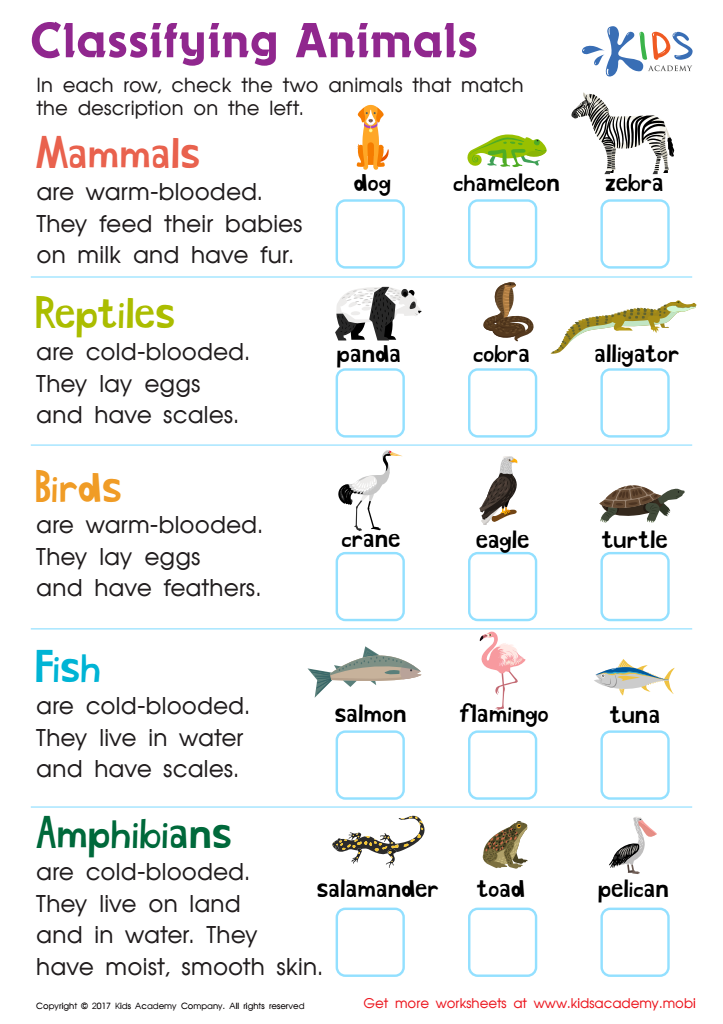
Classifying Animals Worksheet
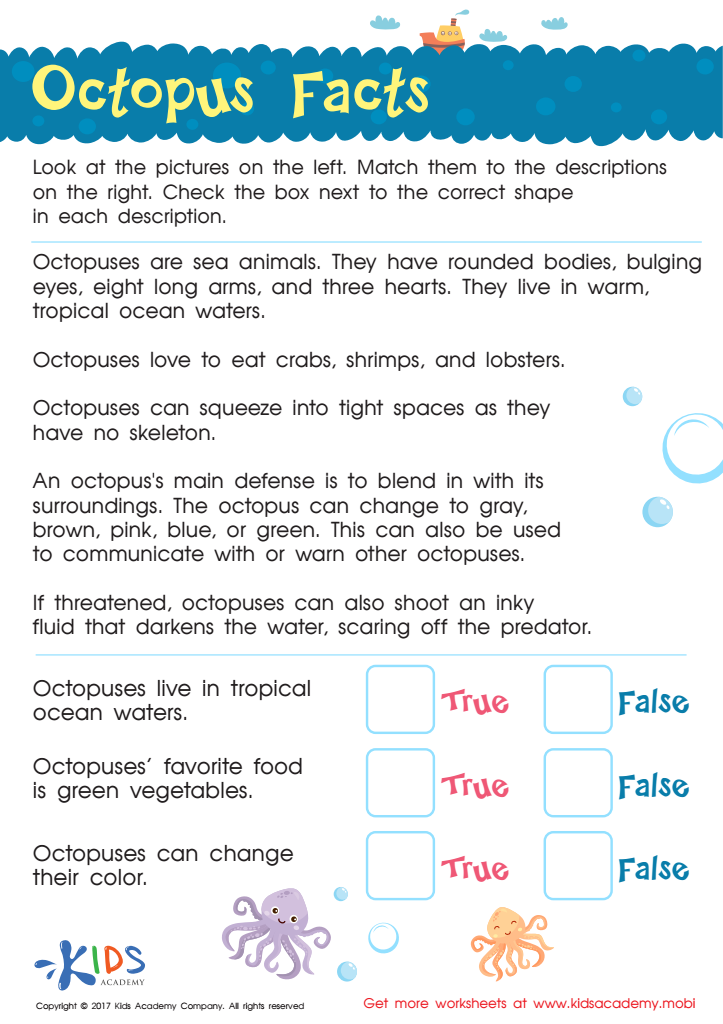
Octopus Facts Worksheet For Kids




%20(1).jpg)


Vocabulary expansion in young children, aged 4-9, is crucial for their overall cognitive development and future academic success. Exposing children to a wide range of words helps to foster their language skills, allowing them to express themselves more accurately and effectively. Focusing on vocabulary related to "Normal Animals" can be particularly beneficial.
Firstly, children are naturally curious about the world around them, and animals are a fascinating topic for many young learners. By learning the names, behaviors, and characteristics of various animals, children expand their lexical repertoire while satisfying their innate curiosity. This engagement can spark a love for learning and a deeper interest in the natural world—crucial for their later science education.
Additionally, a robust vocabulary enhances reading comprehension. When children encounter new words in stories or educational texts about animals, they will understand context better and can enjoy richer narratives. This, in turn, promotes a positive reading experience and helps them decode more complex texts as they grow older.
Moreover, vocabulary expansion supports their social skills. Knowing more words helps children communicate their thoughts and feelings more clearly, participate in conversations more effectively, and connect with peers over shared interests in animals, thus fostering interpersonal relationships.
In essence, investing time in vocabulary growth, especially within engaging and universally appealing topics like animals, sets a foundation for lifelong learning and effective communication.








