Learning about ecosystems Normal Science Worksheets for Ages 4-9
3 filtered results
-
From - To
Explore the fascinating world of ecosystems with our engaging Normal Science Worksheets, specially designed for ages 4-9! These educational resources introduce young learners to the diverse components of ecosystems, including plants, animals, and their environments. Each worksheet features fun, age-appropriate activities that promote critical thinking, creativity, and a love for nature. Kids will enjoy hands-on tasks like matching animals to their habitats, identifying food chains, and coloring illustrations, making learning memorable and fun. Perfect for classrooms or at-home learning, our worksheets encourage curiosity about the natural world and support foundational science skills in a playful, interactive manner. Discover, learn, and grow with us!
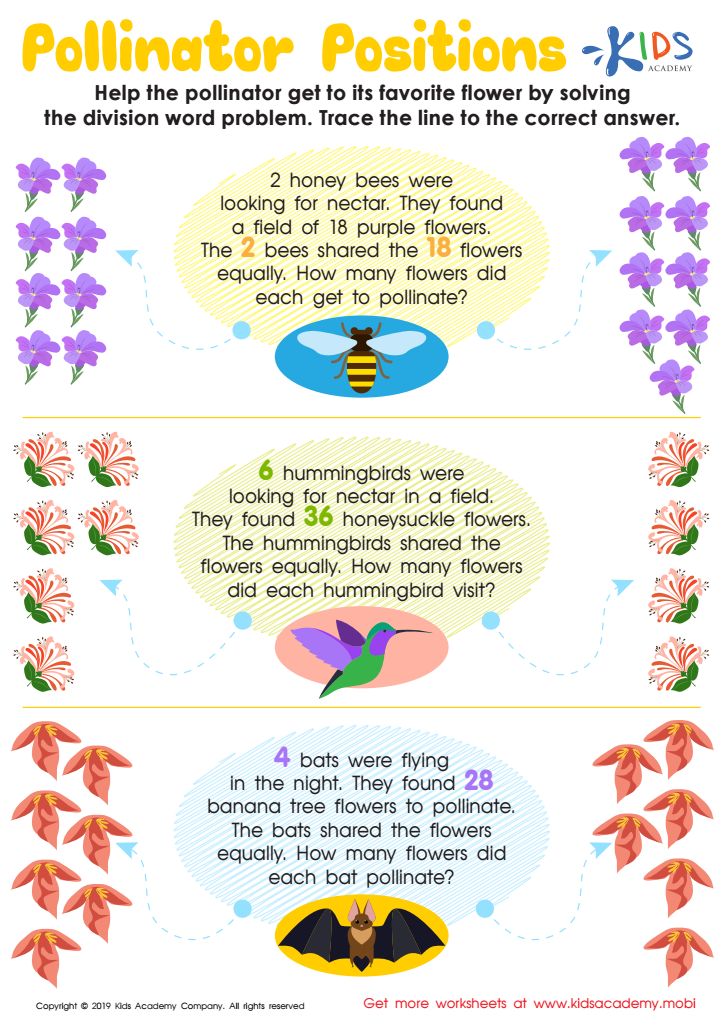
Pollinator Positions Worksheet
 Assign to My Students
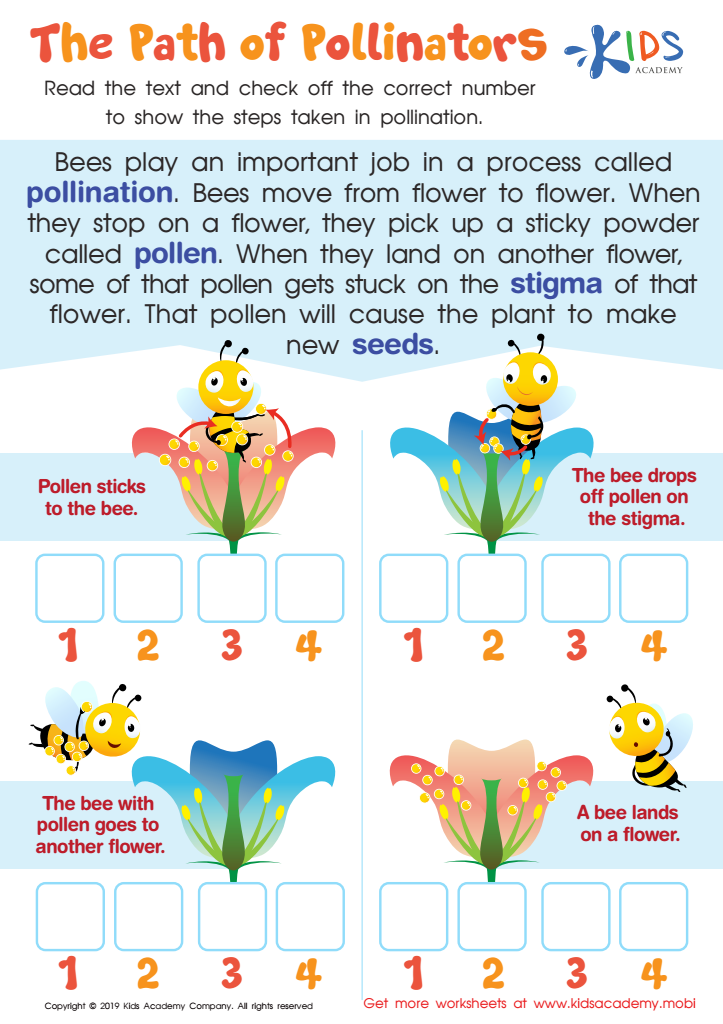
The Path of Pollinators Worksheet
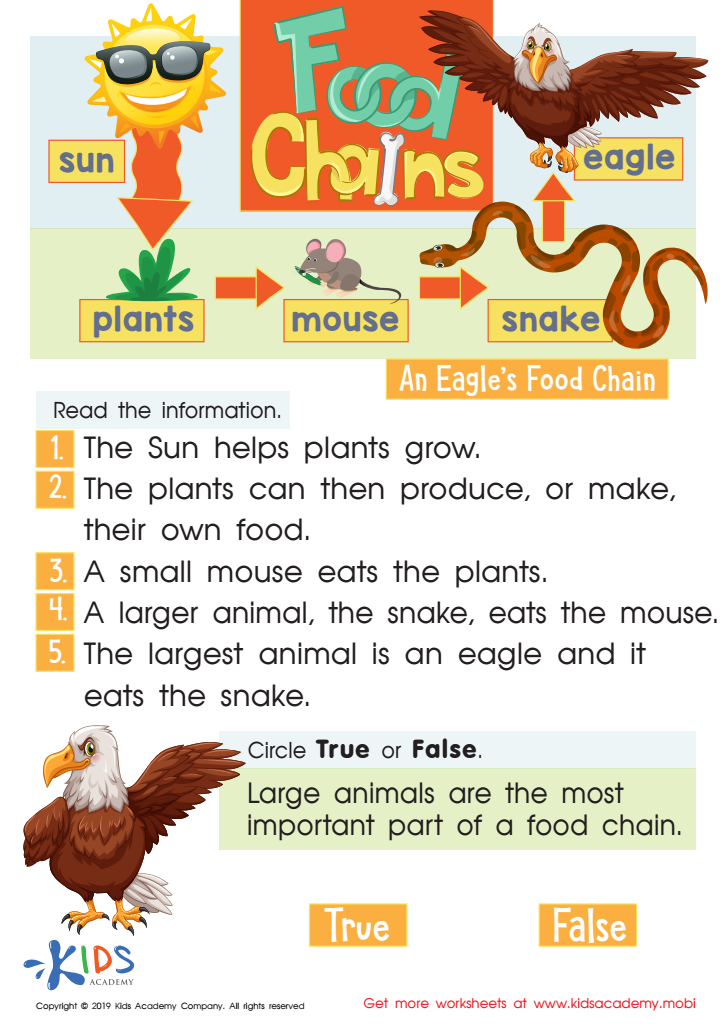
Food Chains Worksheet







Learning about ecosystems is vital for young children aged 4-9, as it fosters a deep connection to the natural world and cultivates environmental awareness from an early age. Ecosystems encompass the intricate relationships between living organisms and their environments, teaching children about the importance of biodiversity and the interdependence among plant and animal life. When parents and teachers prioritize this subject, they not only enhance children’s understanding of nature but also nurture curiosity, critical thinking, and problem-solving skills.
Exposure to ecosystems promotes hands-on learning experiences, such as exploring local parks or observing garden life, which significantly enriches a child's learning process. These experiences enable children to appreciate their surroundings and recognize their role within the environment, facilitating a sense of responsibility towards nature. Moreover, understanding ecosystems helps children grasp vital concepts such as habitats, food chains, and conservation.
At a young age, connecting academic topics to real-world experiences makes learning more engaging and memorable. By facilitating discussions and activities related to ecosystems, parents and teachers are encouraging stewardship that can shape a generation of environmentally conscious citizens committed to preserving our planet for future generations. Ultimately, this knowledge aids both personal growth and the well-being of our ecosystems.







