Counting skills Normal Addition & Subtraction Worksheets for 4-Year-Olds
13 filtered results
-
From - To
Enhance your child’s counting skills with our Normal Addition & Subtraction Worksheets for 4-Year-Olds. These engaging and thoughtfully designed worksheets effectively teach basic addition and subtraction concepts, helping young learners grasp essential math principles. Suitable for preschoolers, each activity helps build strong foundational skills through fun and interactive exercises, ensuring that counting becomes second nature. Perfect for early learners, our worksheets encourage problem-solving abilities, build confidence in math skills, and make learning a joyful experience. Download today to provide your child with the tools they need for future math success! Visit Kids Academy for more resources.
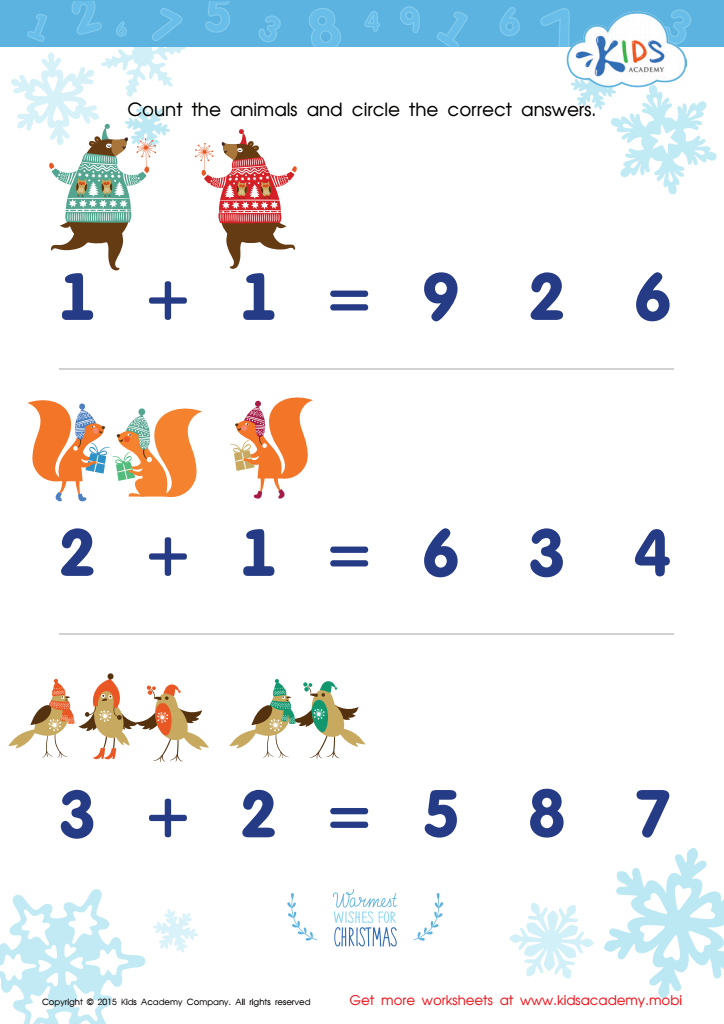
Count Funny Animals Worksheet
 Assign to My Students
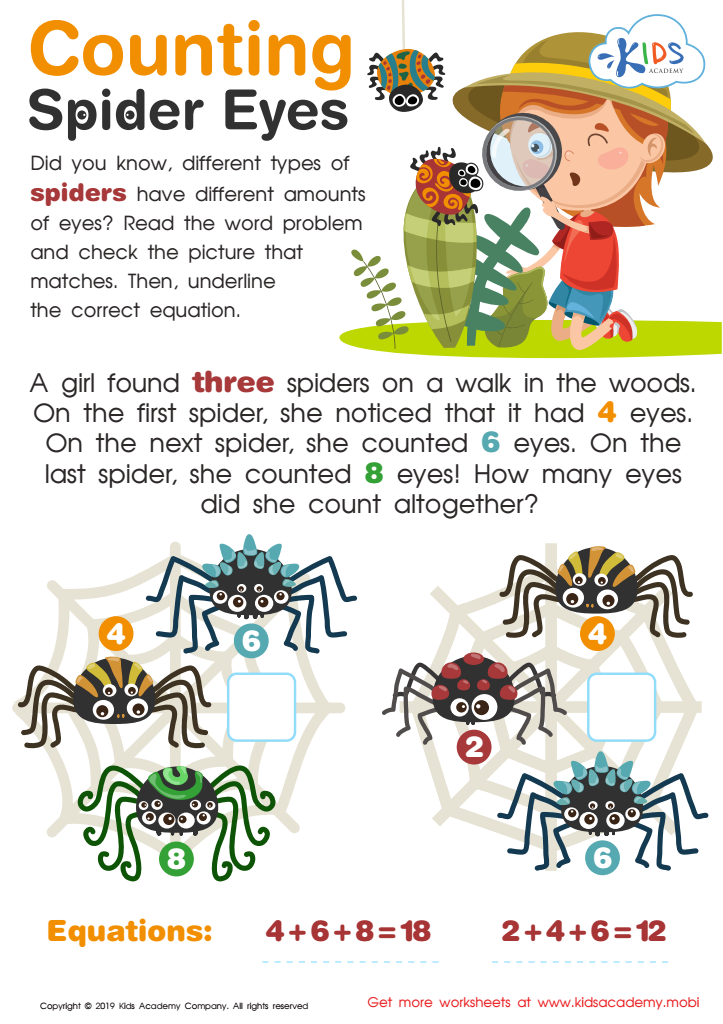
Counting Spider Eyes Worksheet
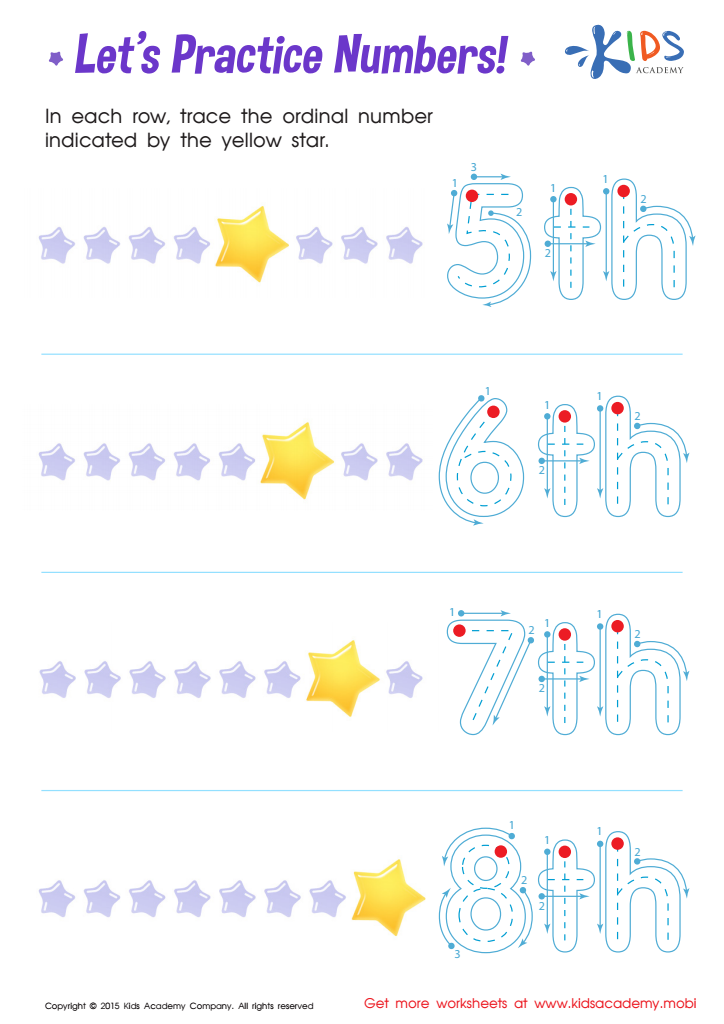
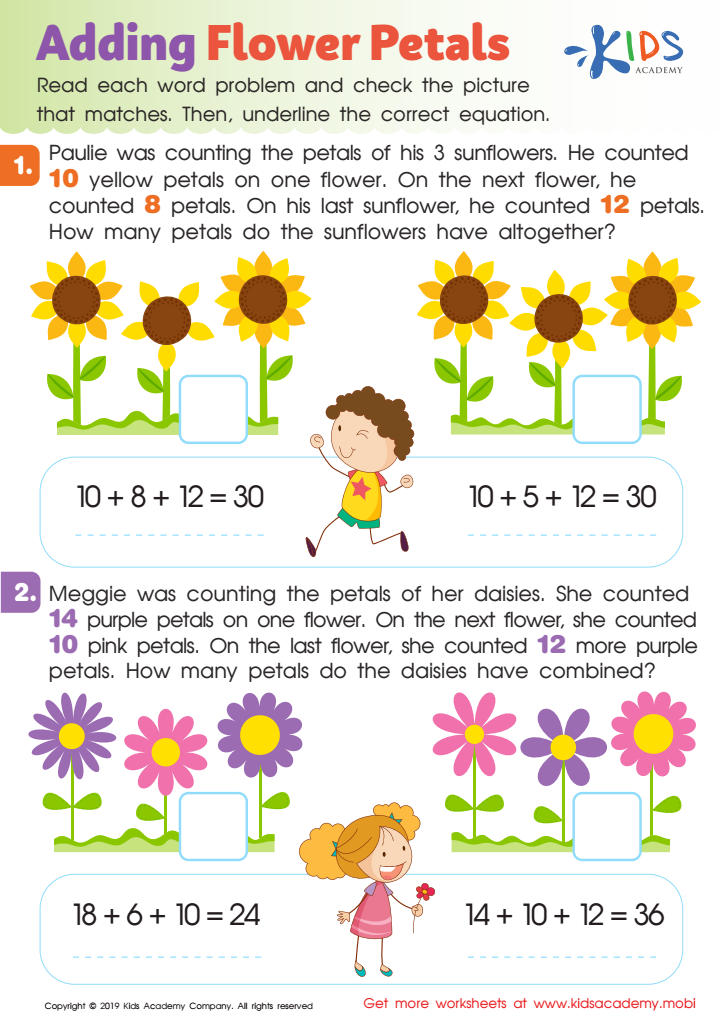
Adding Flower Petals Worksheet
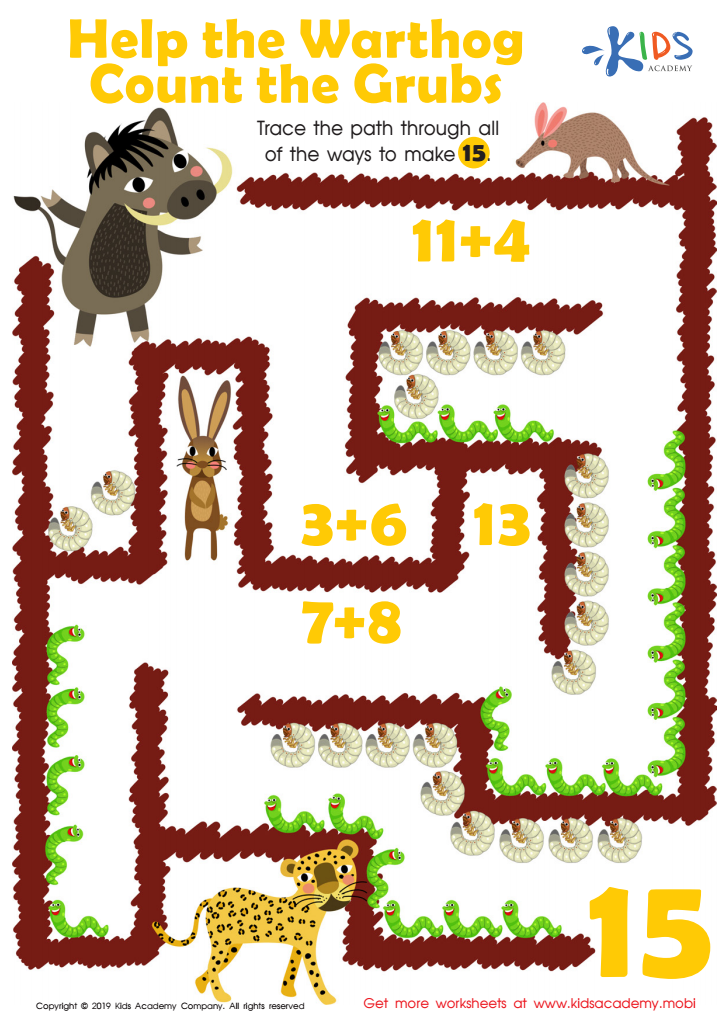
Help the Warthog Count the Grubs Worksheet
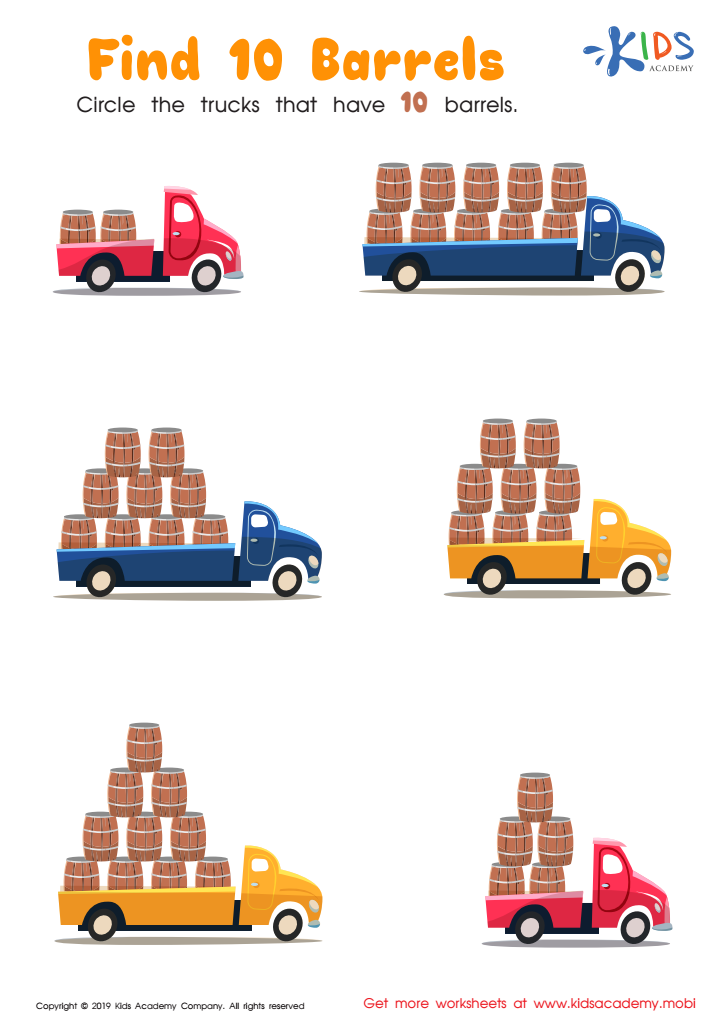
Find 10 Barrels Worksheet
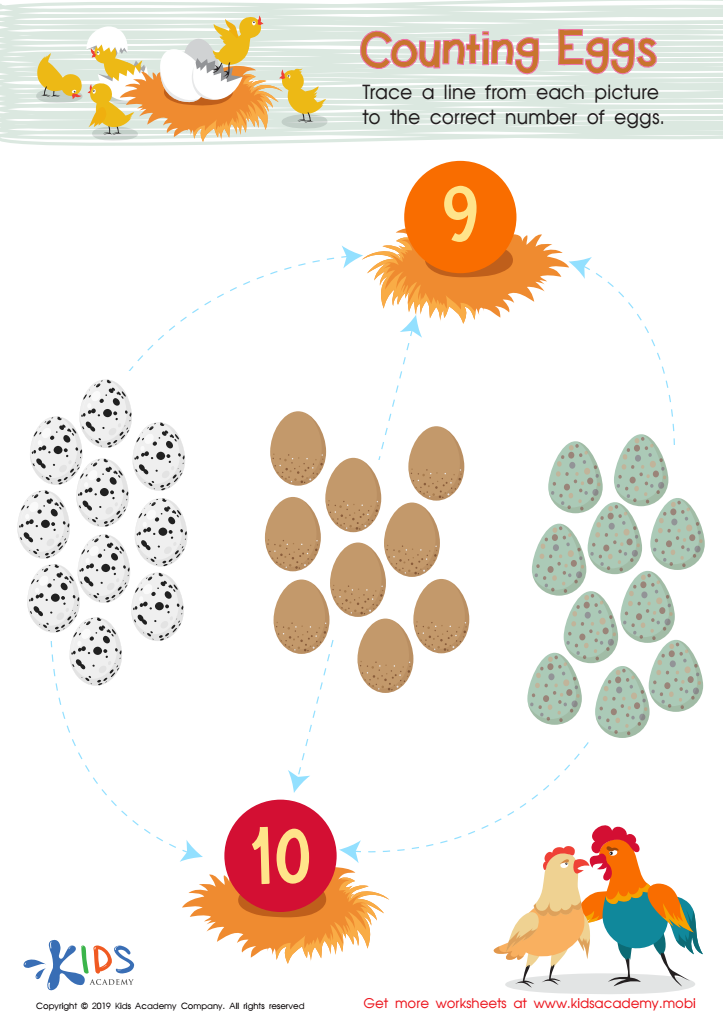
Counting Eggs Worksheet
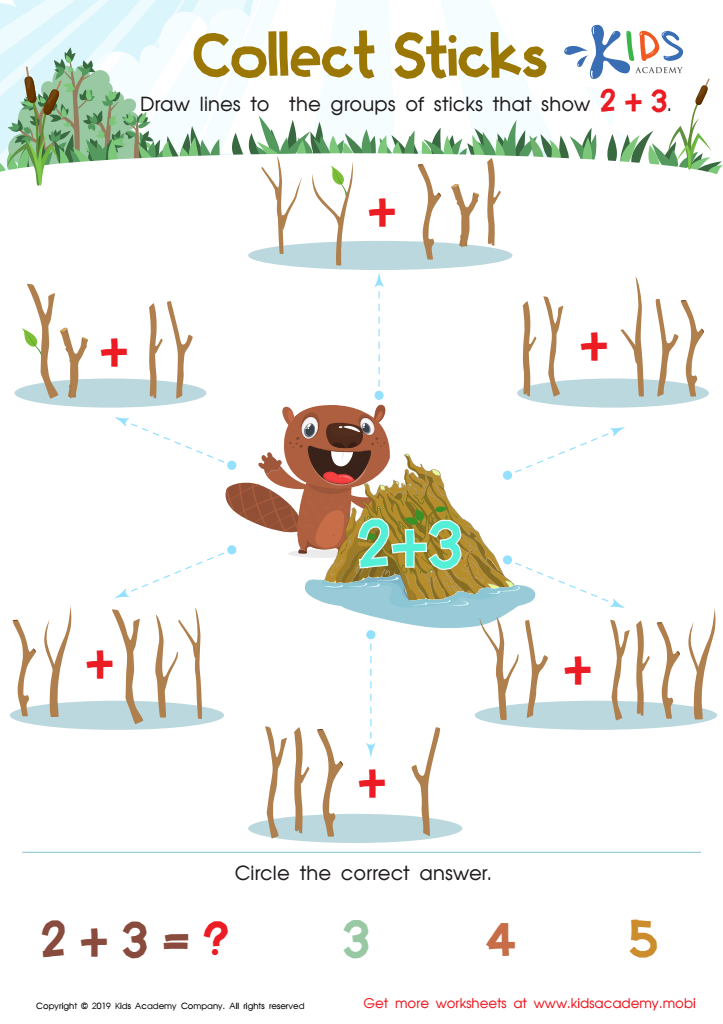
Collect Sticks Worksheet
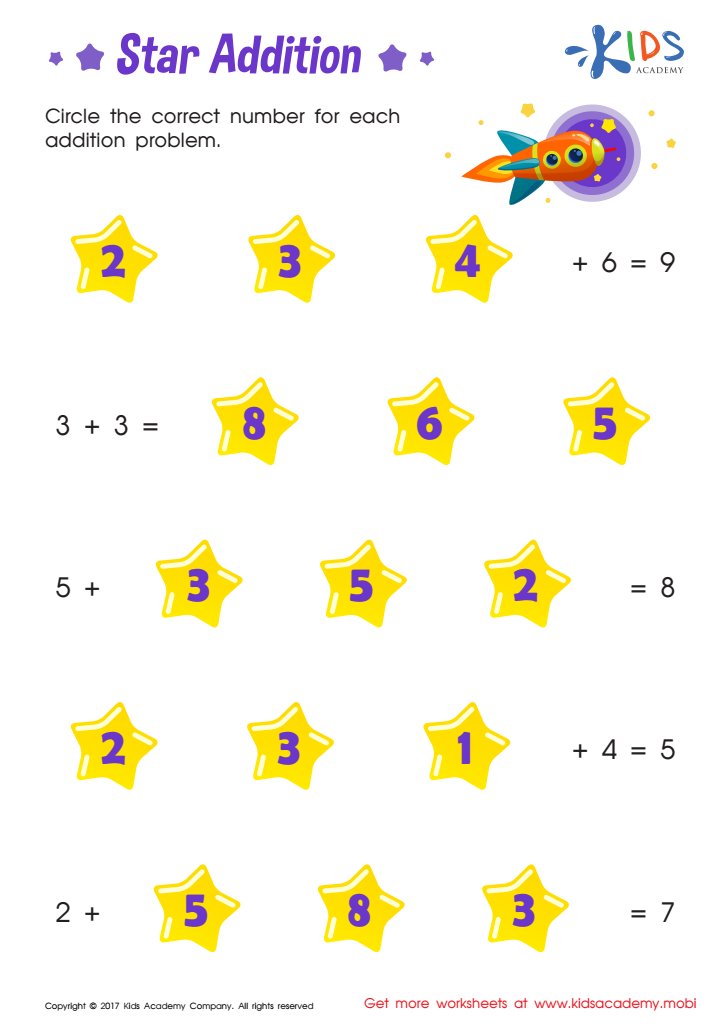
Star Addition Printable
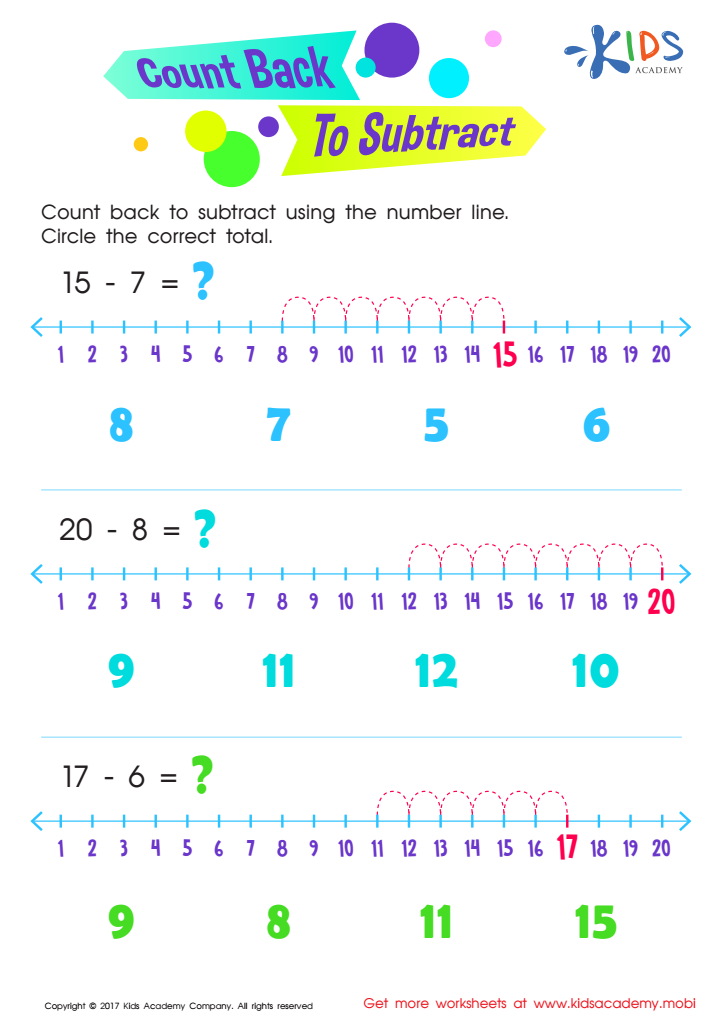
Count Back to Subtract Substraction Worksheet
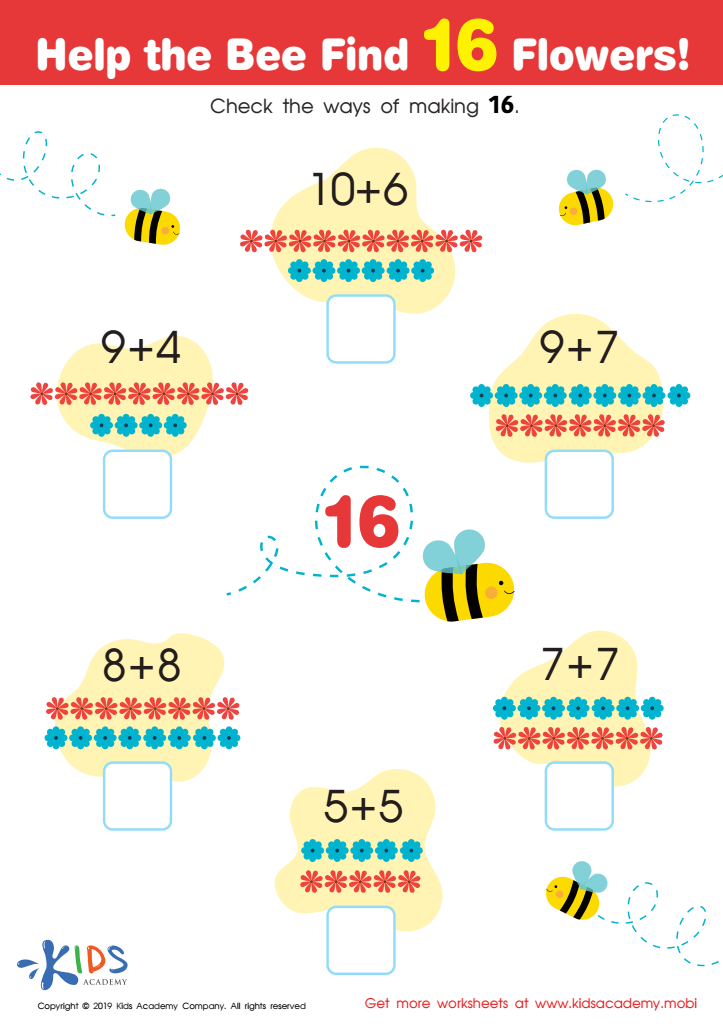
Help the Bee Find 16 Flowers Worksheet
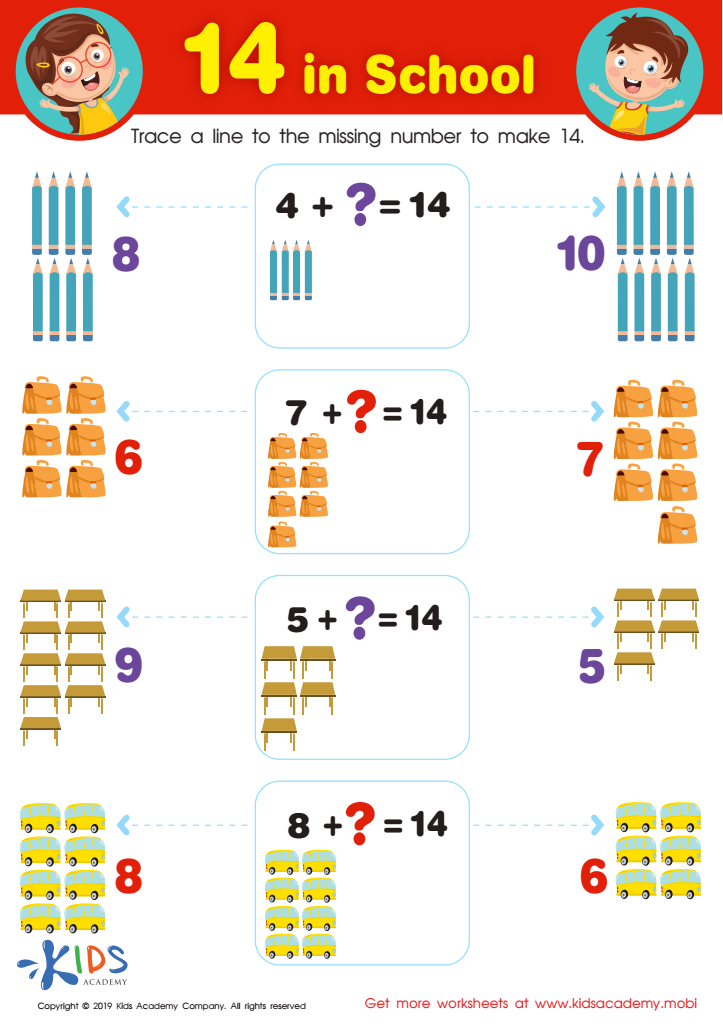
14 in School Worksheet
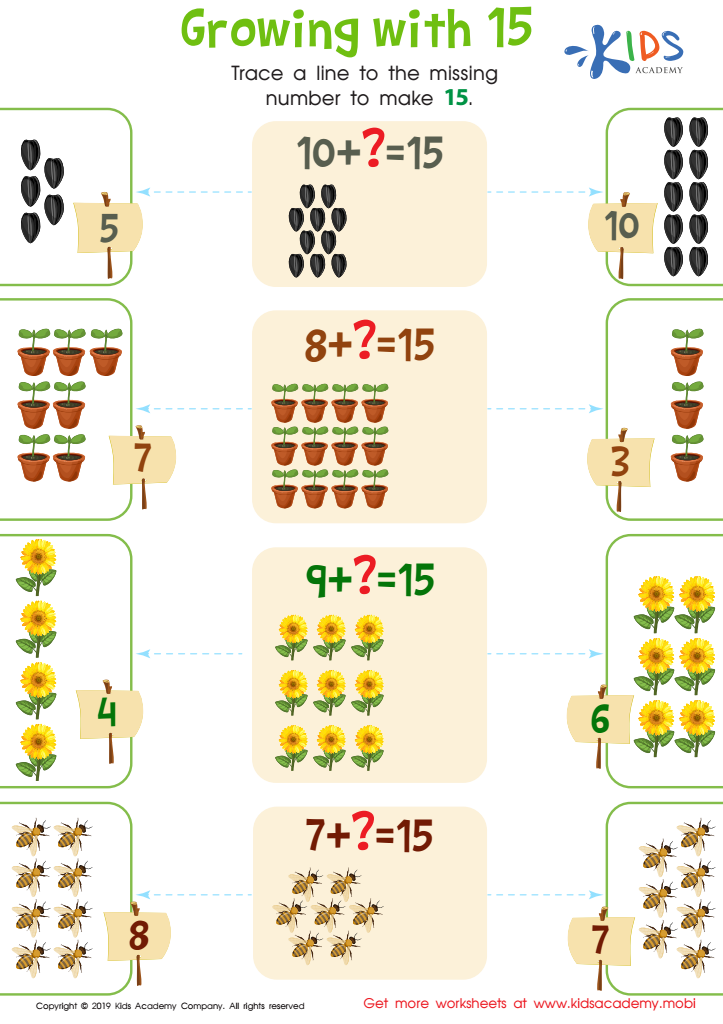
Growing with 15 Worksheet








Counting, addition, and subtraction are not just fundamental math skills; they are also critical cognitive milestones for 4-year-olds. When parents and teachers emphasize these skills, they contribute immensely to a child’s early development in various ways.
Firstly, numeracy skills formed during early childhood lay a strong foundation for future academic success. When children learn to count and understand basic addition and subtraction, they build crucial mathematical thinking and problem-solving skills. Mastering these basics capitalizes on a child's natural curiosity and enthusiasm for learning, instilling confidence as they approach more complex concepts later.
Secondarily, early math skills are strongly connected to cognitive development. Counting and simple operations require children to recognize patterns, develop memory and improve concentration, which benefits other learning areas. Simple exercises involving counting or using interactive tools also help honed fine motor skills when children use objects or manipulatives.
Additionally, early arithmetic fosters practical life skills. Concepts such as quantity, measurement, and the notions of “more” and “less” are foundational aspects of managing daily life tasks, enhancing socialization and interaction skills.
Finally, encouraging counting and basic arithmetic can form stronger bonds between children and adults. Activities like counting games or puzzle-solving create an engaging and fun learning environment, fostering positive attitudes toward education from a young age. Hence, nurturing these skills helps shape well-rounded, confident learners prepared for their educational journey.








