Vocabulary Building Normal Math Worksheets for 4-Year-Olds
6 filtered results
-
From - To
Introduce your 4-year-old to the exciting world of math with our Vocabulary Building Normal Math Worksheets! Designed specifically for early learners, these engaging worksheets help children build essential vocabulary while mastering basic math concepts. Each worksheet combines fun illustrations and simple exercises that promote understanding of key terms, improving both language and mathematical skills. Perfect for at-home learning or classroom activities, our resources encourage interactive play and critical thinking. Foster a love for learning in your child as they connect words to numbers, enhancing their overall academic confidence. Explore our collection and watch your little mathematician thrive!
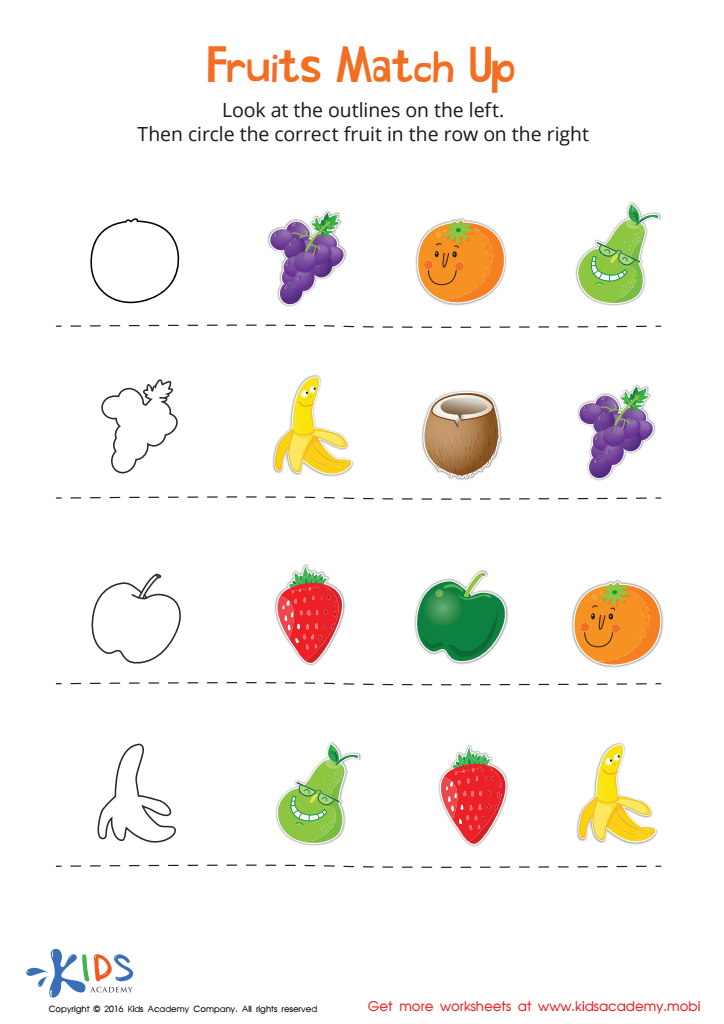
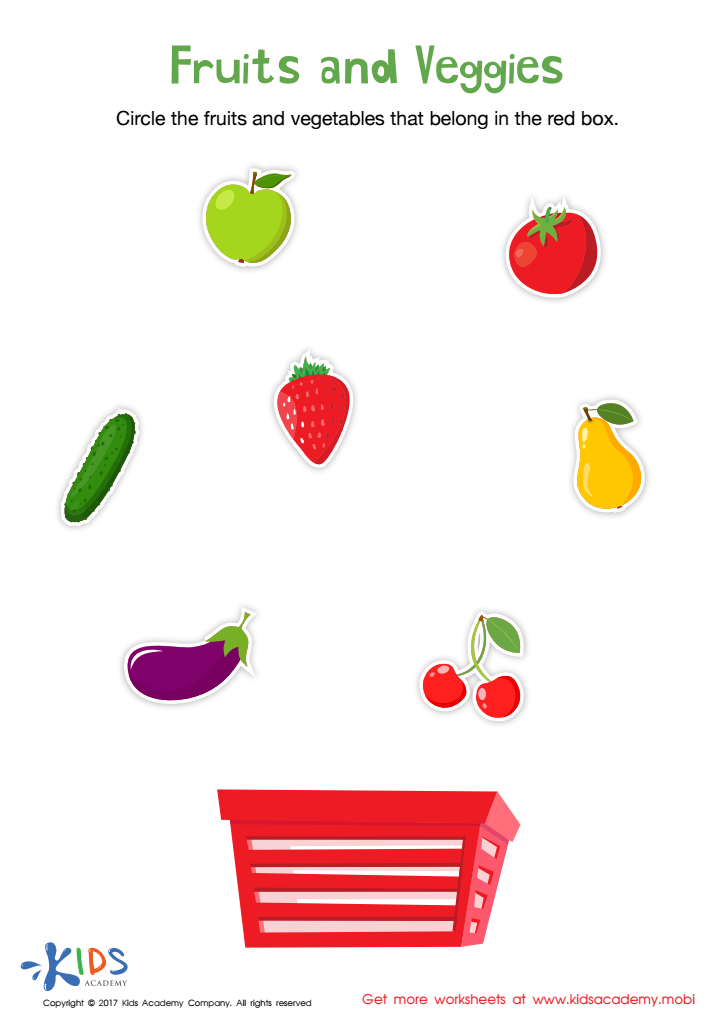
Fruits Match Up Worksheet
 Assign to My Students
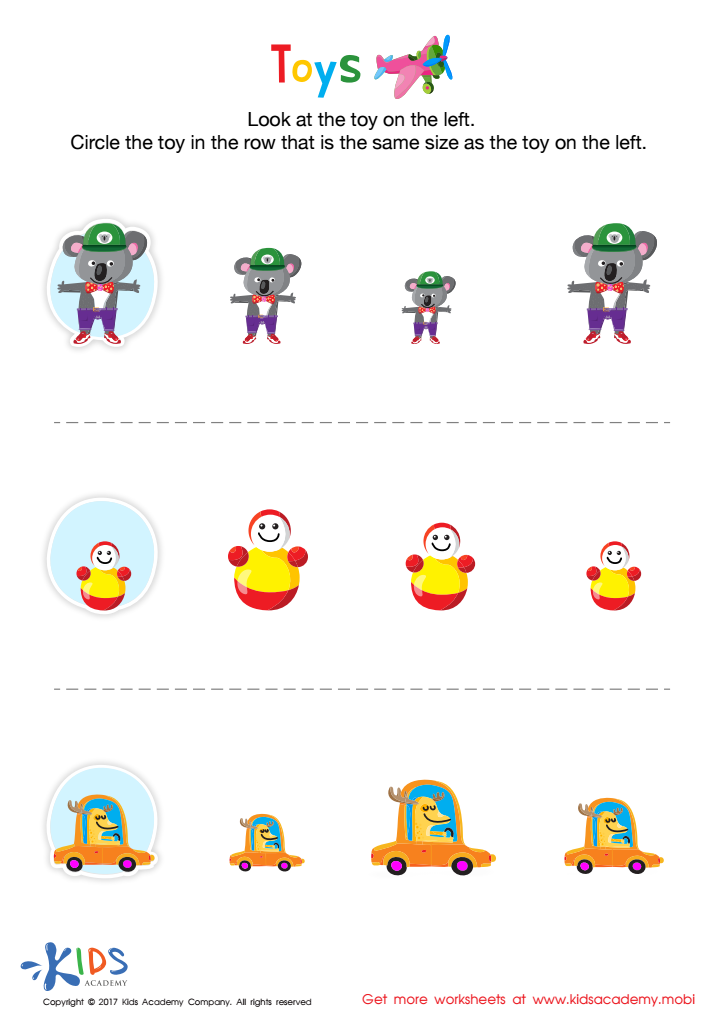
Matching: Classifying Toys by Size Worksheet
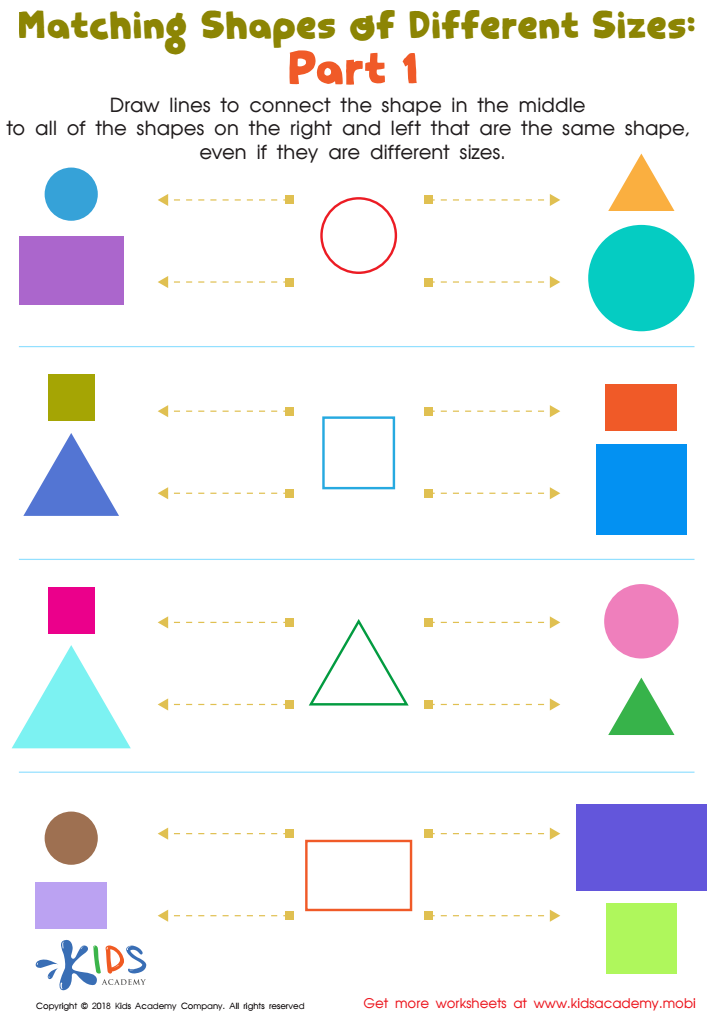
Geometry: part 1 Worksheet
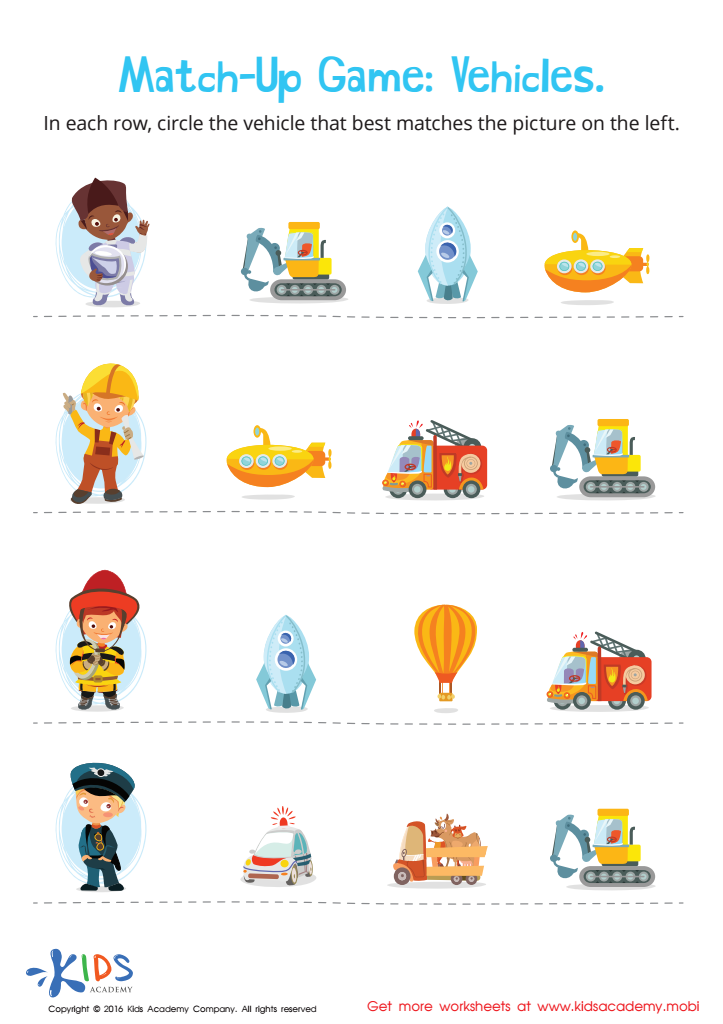
Vehicles Worksheet
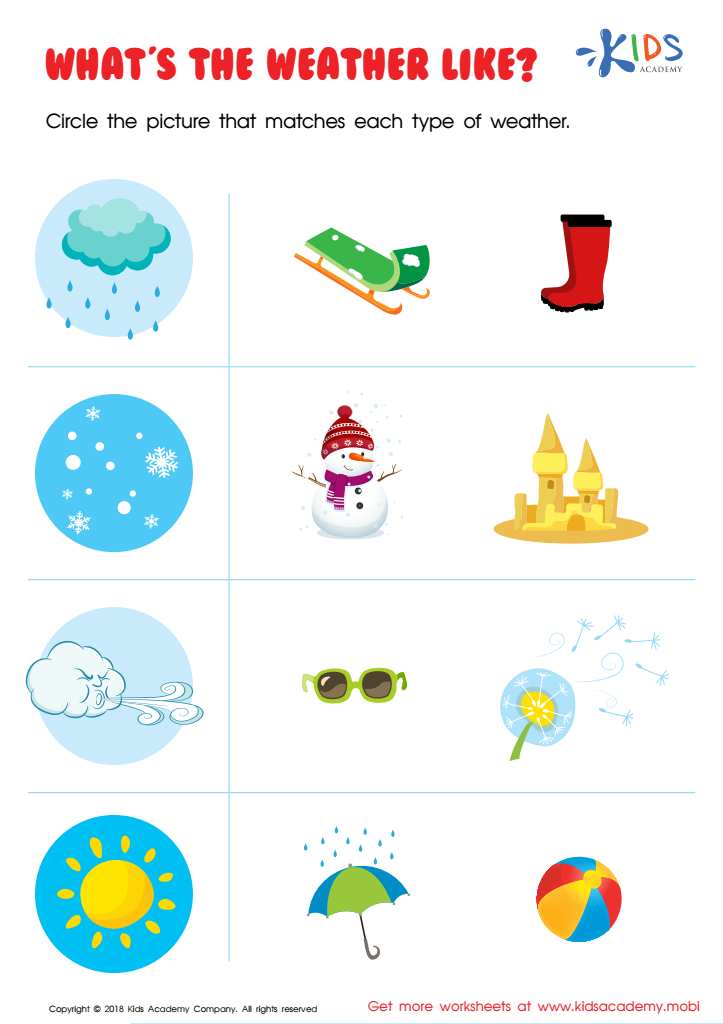
What's the Weather Like? Worksheet




.jpg)



Vocabulary building in math for 4-year-olds is crucial for several reasons. First, young children are naturally curious and eager to explore their environment, often through the lens of numbers and shapes. Introducing math vocabulary at this stage helps them articulate their thoughts, questions, and discoveries, fostering a deeper understanding of mathematical concepts.
Moreover, strong vocabulary skills are linked to overall literacy development. As children learn math terms, they enhance their ability to communicate, which lays a foundation for effective expression across all subjects. For instance, understanding words like “more,” “less,” “equal,” and “shape names” enables children to engage meaningfully during discussions and group activities.
Employing vocabulary in early math promotes critical thinking and problem-solving skills. When children can identify and describe mathematical relationships, they develop confidence in their abilities. This nurturing of skills serves as a precursor to more advanced concepts they will face in later grades.
Additionally, parents and teachers influence children's attitude toward math. By valuing vocabulary in math, they help instill a positive outlook, making math feel approachable and fun. Overall, emphasizing vocabulary building in early math education sets a pathway for success in both academic and real-world contexts.








