Vocabulary Building Normal Matching Worksheets for 4-Year-Olds
5 filtered results
-
From - To
Enhance your 4-year-old's vocabulary with our engaging Vocabulary Building Normal Matching Worksheets! Designed specifically for preschoolers, these worksheets promote language development through fun and interactive matching activities. Children will match words to images, strengthening their understanding of familiar terms and expanding their word bank. Each worksheet is crafted to enhance cognitive skills while keeping learning enjoyable. Our resources are perfect for parents, teachers, or caregivers looking to provide delightful educational experiences at home or in the classroom. Start boosting your child's vocabulary in a playful way—explore our matching worksheets today and watch their language skills flourish!
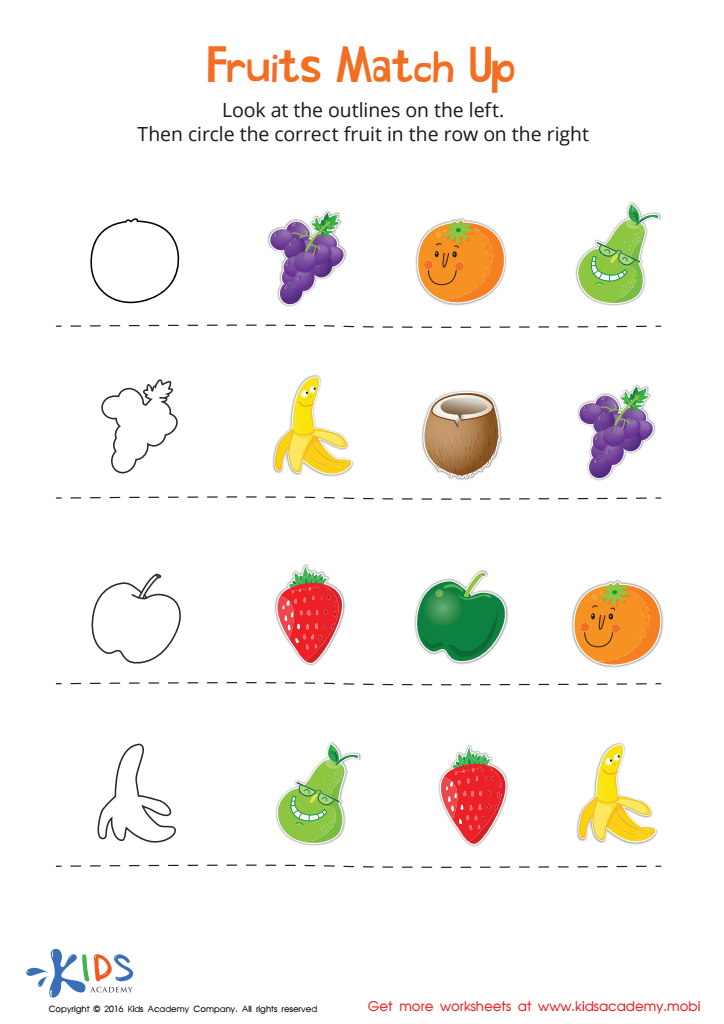
Fruits Match Up Worksheet
 Assign to My Students
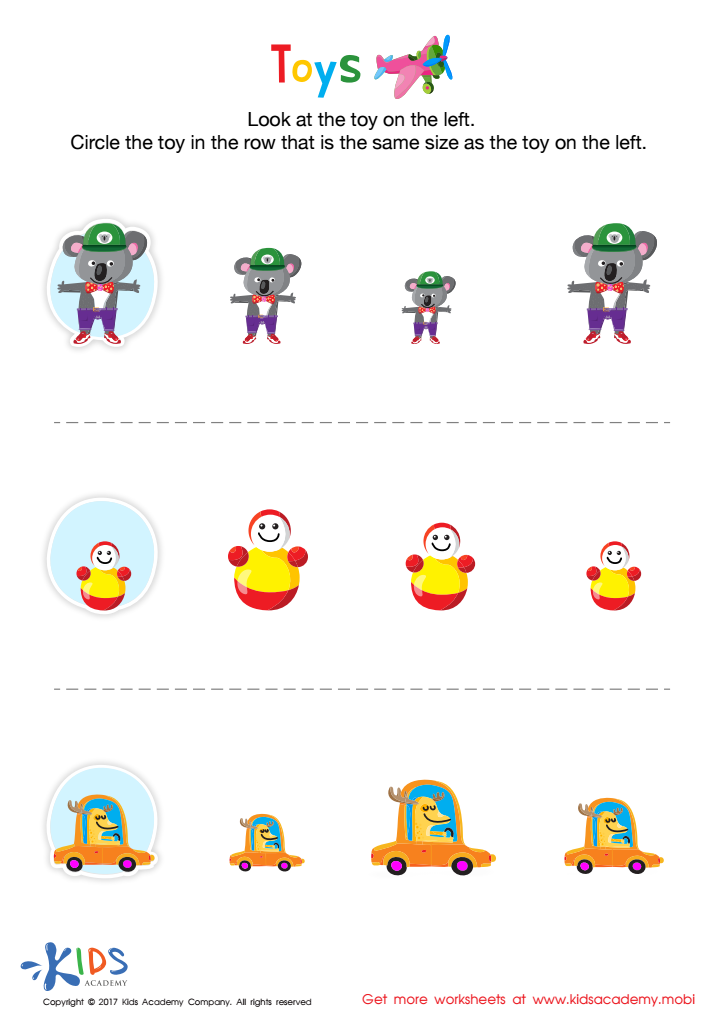
Matching: Classifying Toys by Size Worksheet
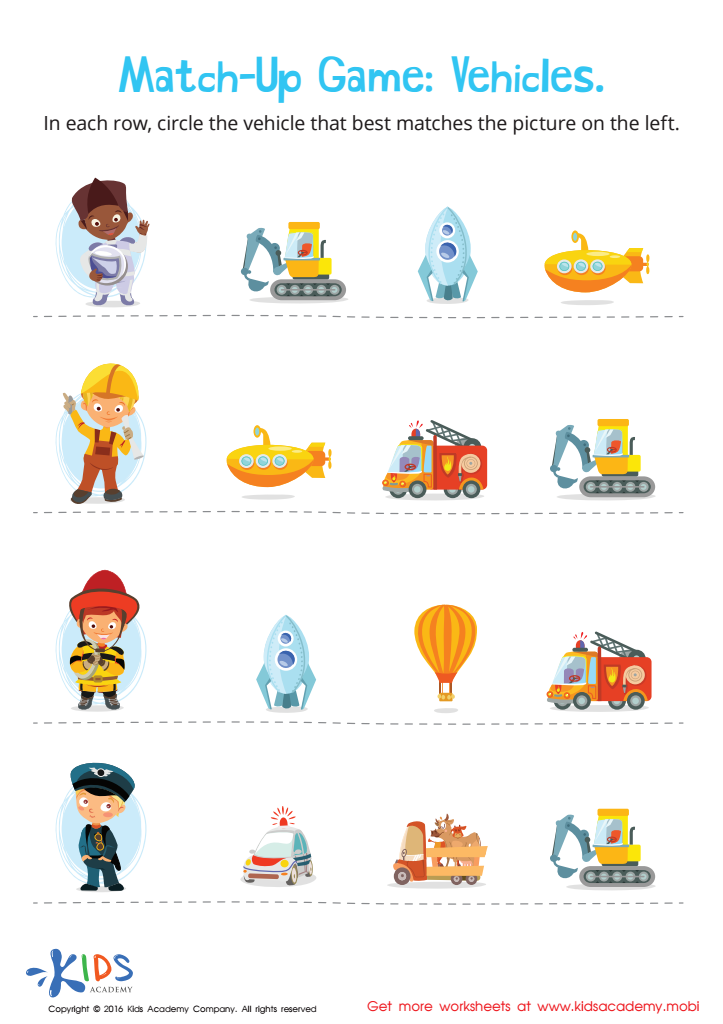
Vehicles Worksheet
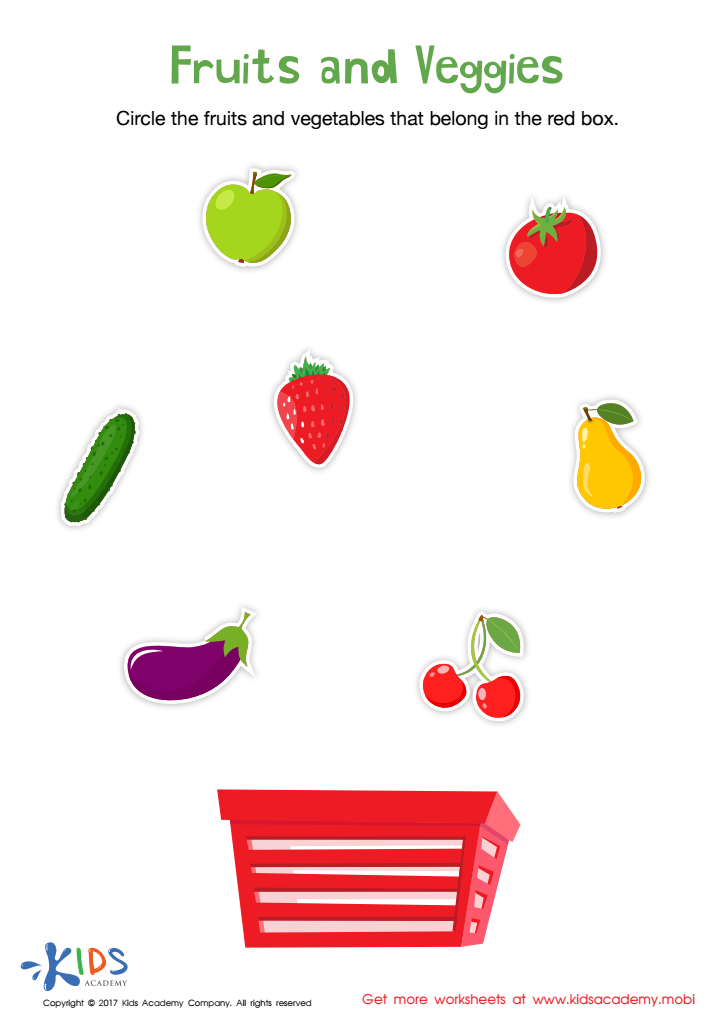
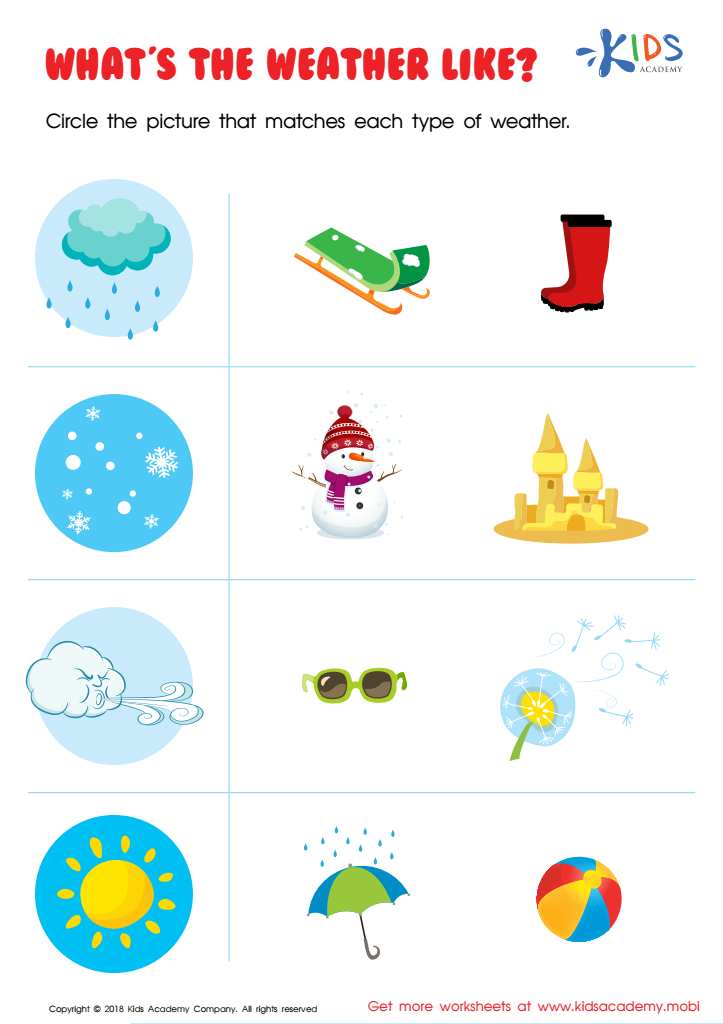
What's the Weather Like? Worksheet








Vocabulary building is crucial for 4-year-olds as it forms the foundation for effective communication and literacy skills. During this developmental stage, children are rapidly expanding their language abilities, making it a prime time for parents and teachers to actively engage in vocabulary-building activities. Normal matching, which involves associating words with their meanings or contextual uses, supports this growth by helping children understand and retain new vocabulary in relation to their everyday experiences.
When children learn new words alongside their meanings, they become better equipped to express themselves and comprehend what they hear and read. This not only enhances their communication skills but also fosters critical thinking, as kids learn to connect concepts and ideas. Furthermore, a rich vocabulary is linked to improved academic performance and reading comprehension later in life.
By participating in vocabulary building normal matching activities—such as playing games, reading together, or engaging in storytelling—adults can create a stimulating language environment. This enrichment helps develop children’s confidence and eagerness to learn, setting them up for success as they transition into structured educational settings. In nurturing a strong vocabulary at this early age, parents and teachers empower children with essential tools for lifelong learning.








