Color Identification Normal Worksheets for Ages 5-6
23 filtered results
-
From - To
Discover our engaging Color Identification Normal Worksheets designed specifically for children ages 5-6. These worksheets aim to enhance color recognition skills through fun and interactive activities. Children will explore vibrant colors while completing tasks such as matching, drawing, and coloring exercises, helping them develop fine motor skills and creativity. Perfect for early childhood educators and parents, these materials foster a love for learning in a playful way. Each worksheet is crafted to cater to young learners' developmental needs, making color identification an enjoyable and effective experience. Empower your child’s confidence in understanding colors with our thoughtfully created worksheets!
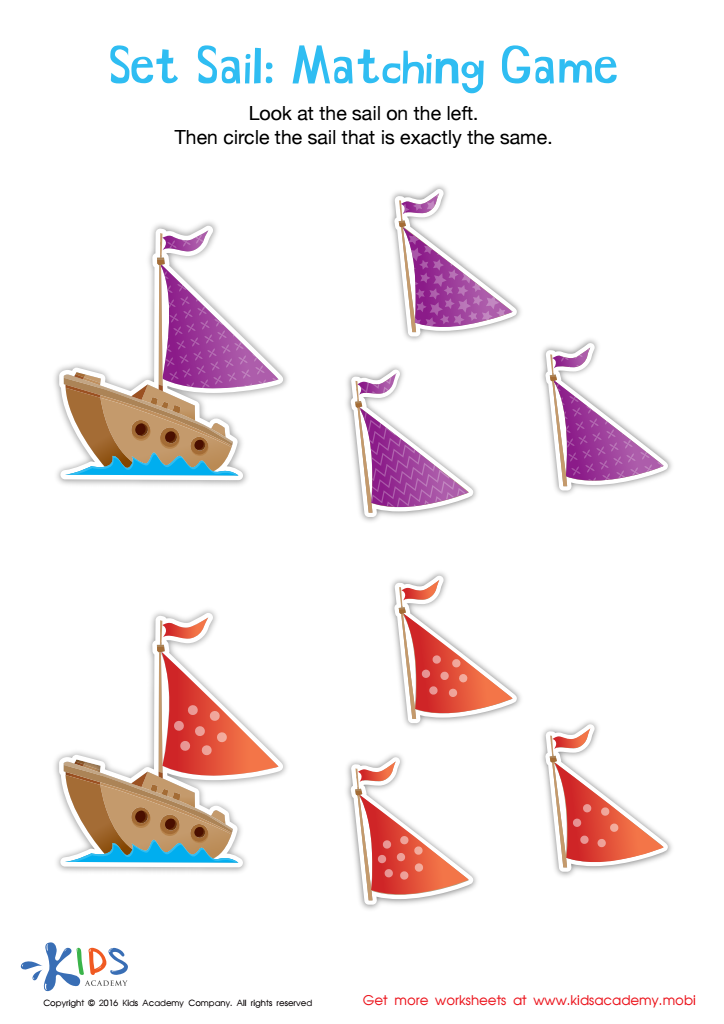
Set Sail Worksheet
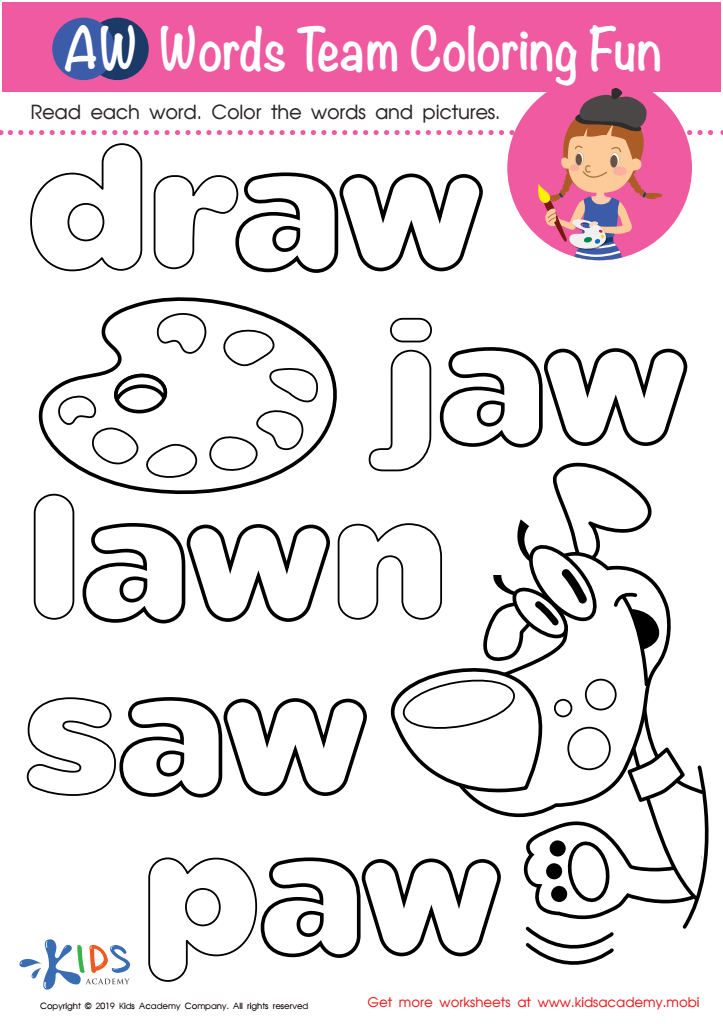
AW Words Team Coloring Fun Worksheet
 Assign to My Students
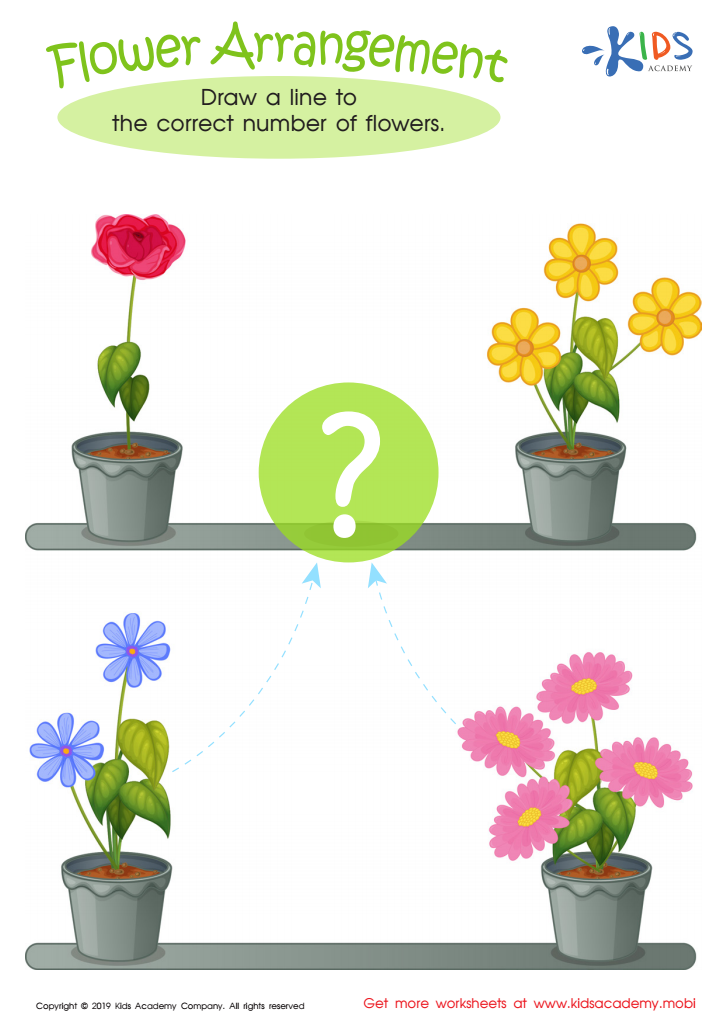
Flower Arrangement Worksheet
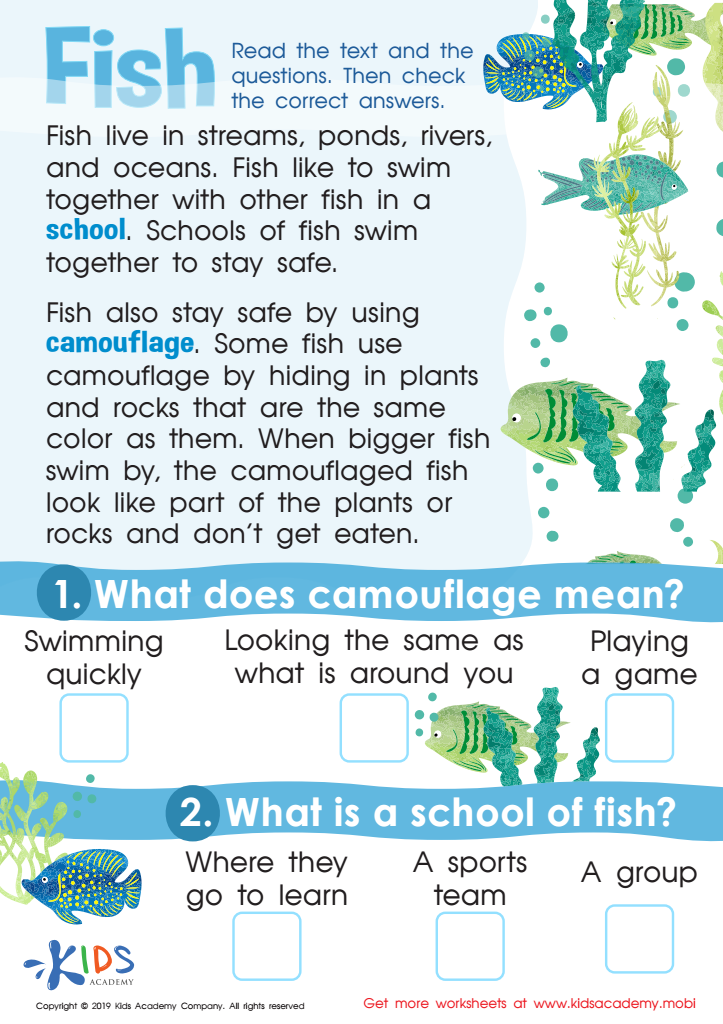
Fish Worksheet
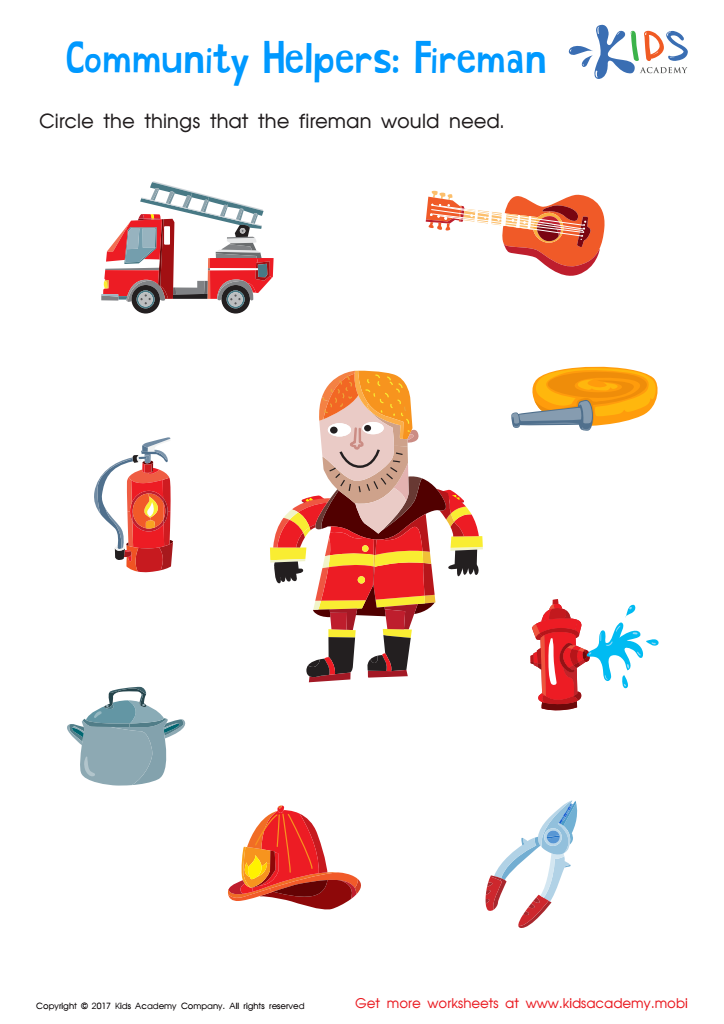
Fireman Worksheet
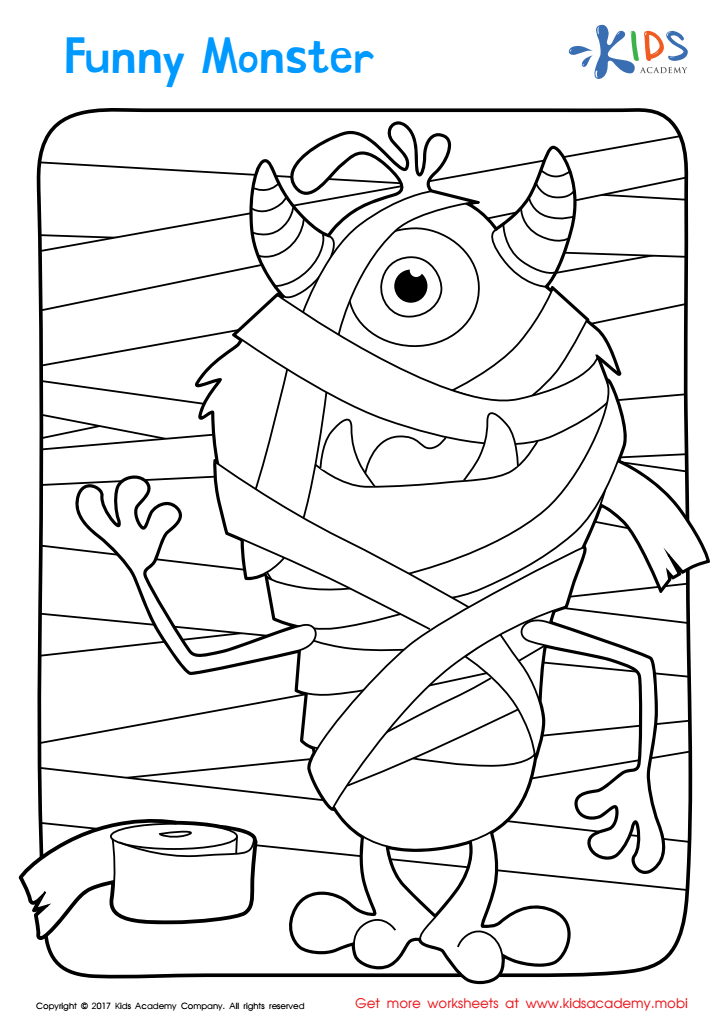
Halloween: A Funny Monster Worksheet
Assign to My Students
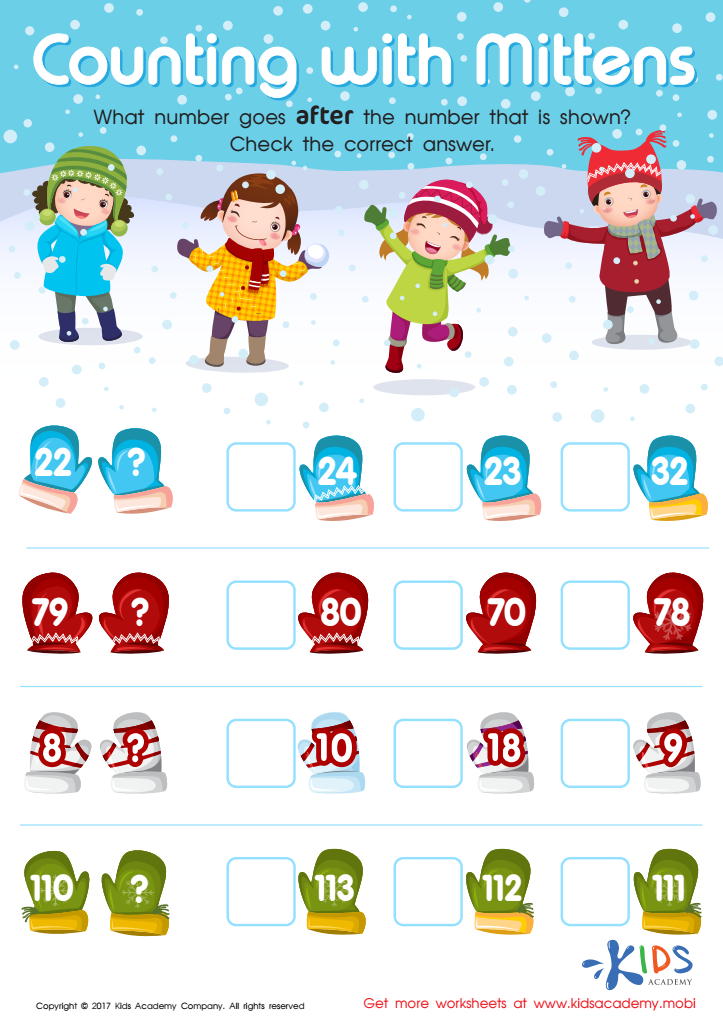
Counting with Mittens Worksheet
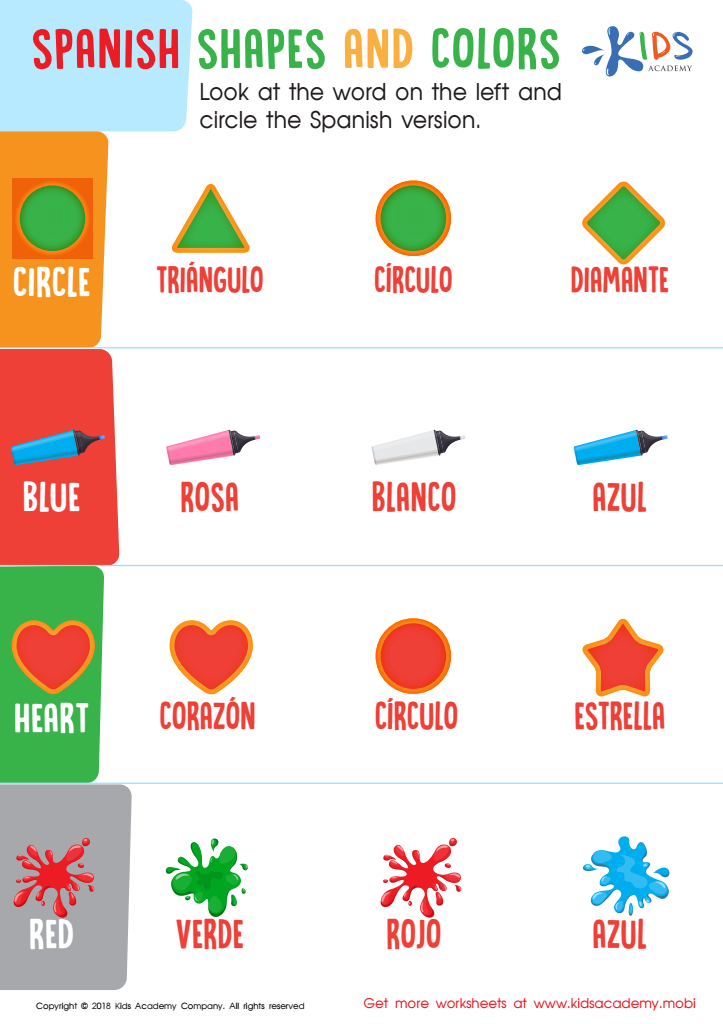
Spanish Shapes and Colors Worksheet
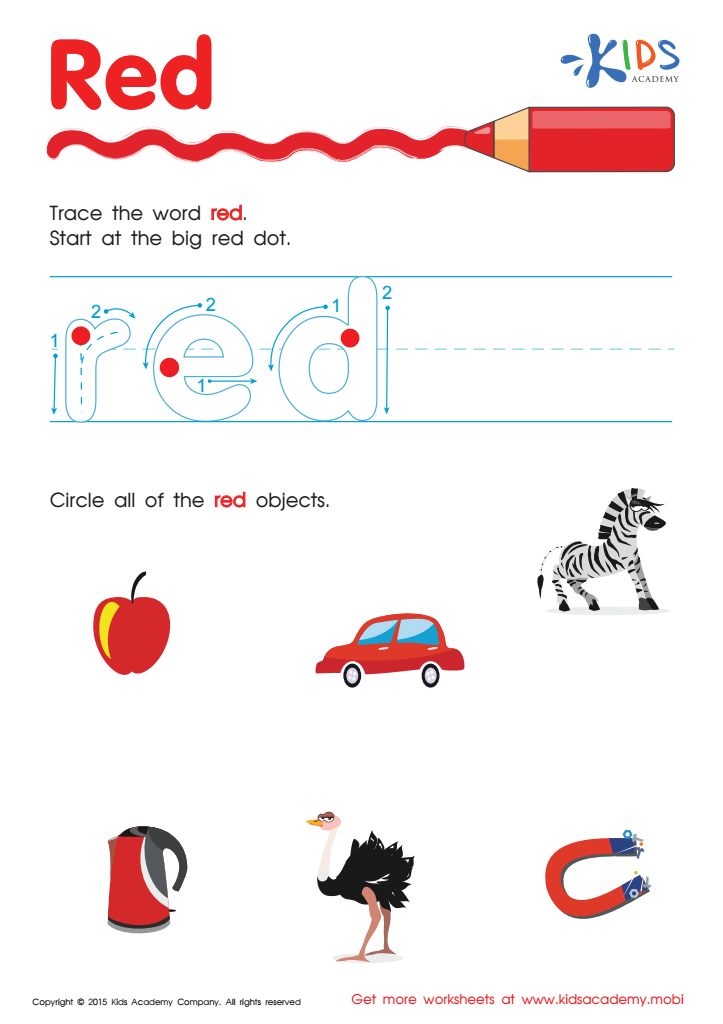
Red Tracing Color Words Printable
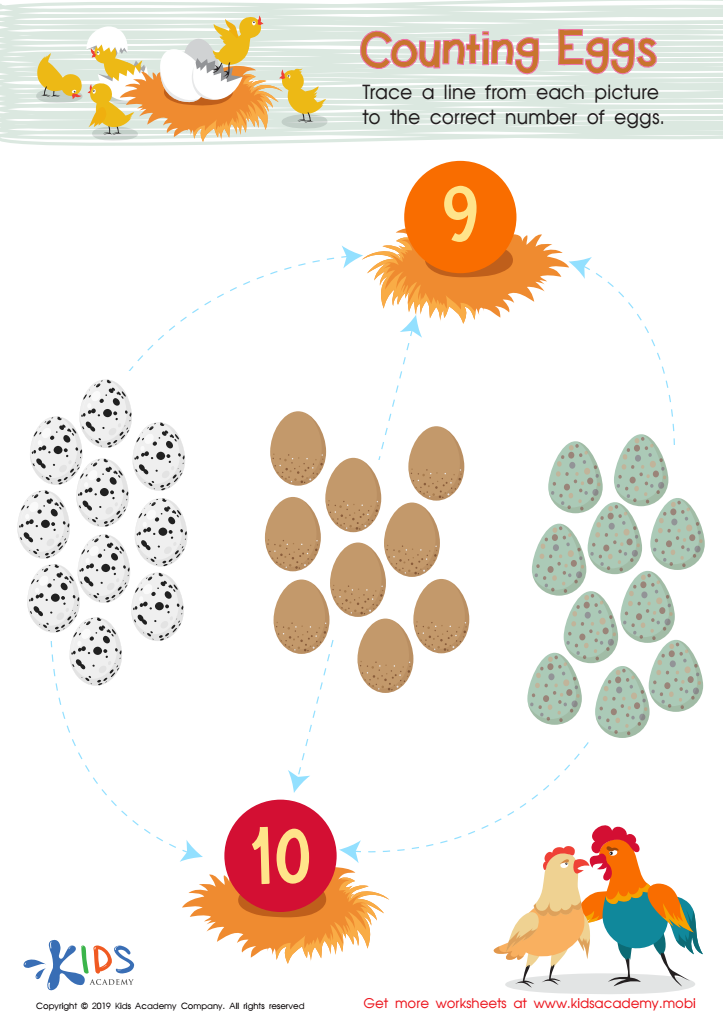
Counting Eggs Worksheet
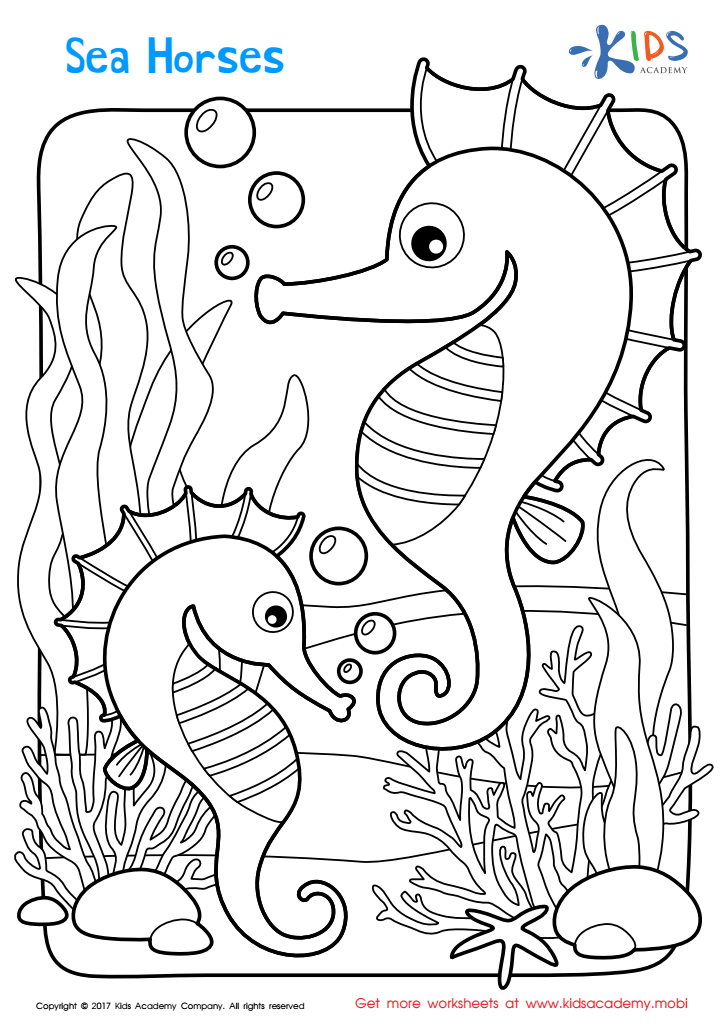
Sea Horses Printable
Assign to My Students
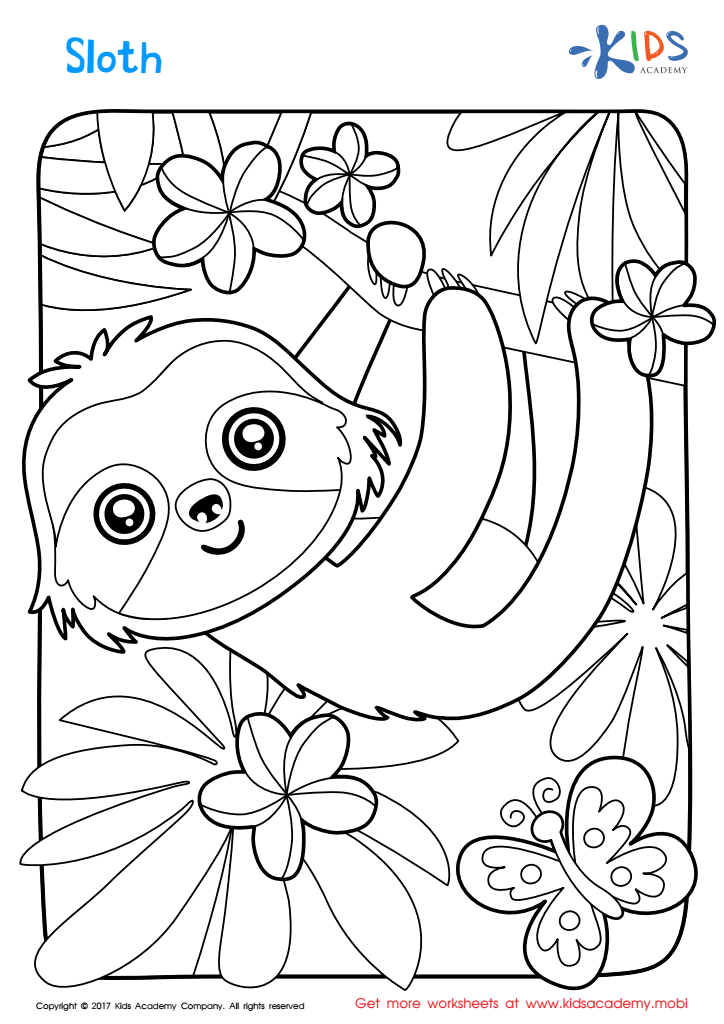
Sloth Worksheet
Assign to My Students
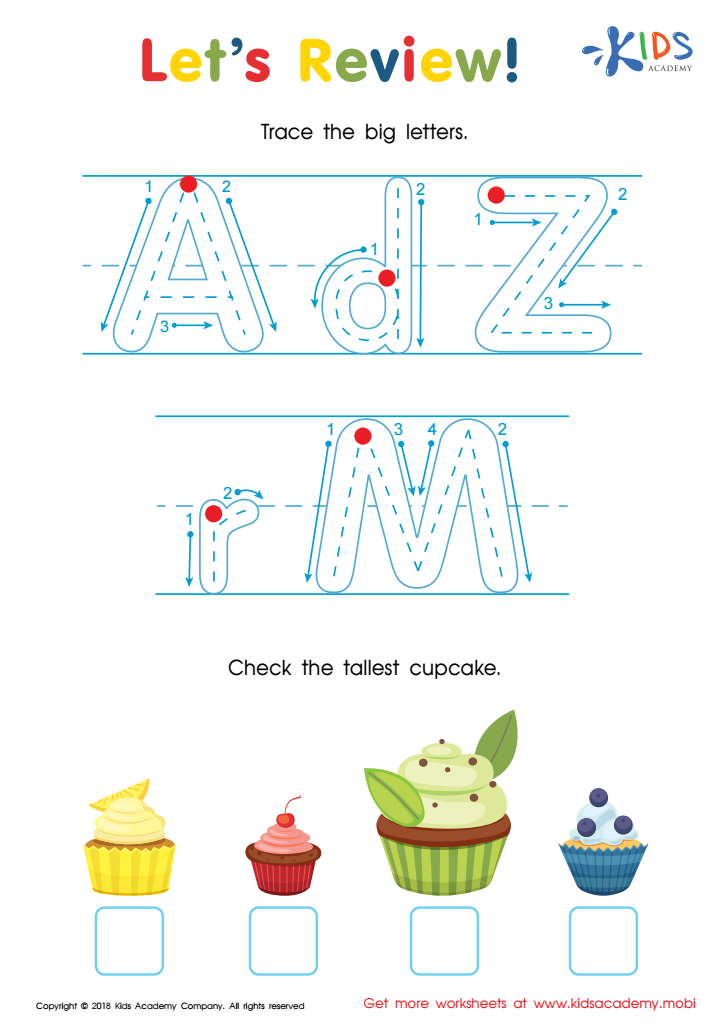
Let's Review! Big Letters Worksheet
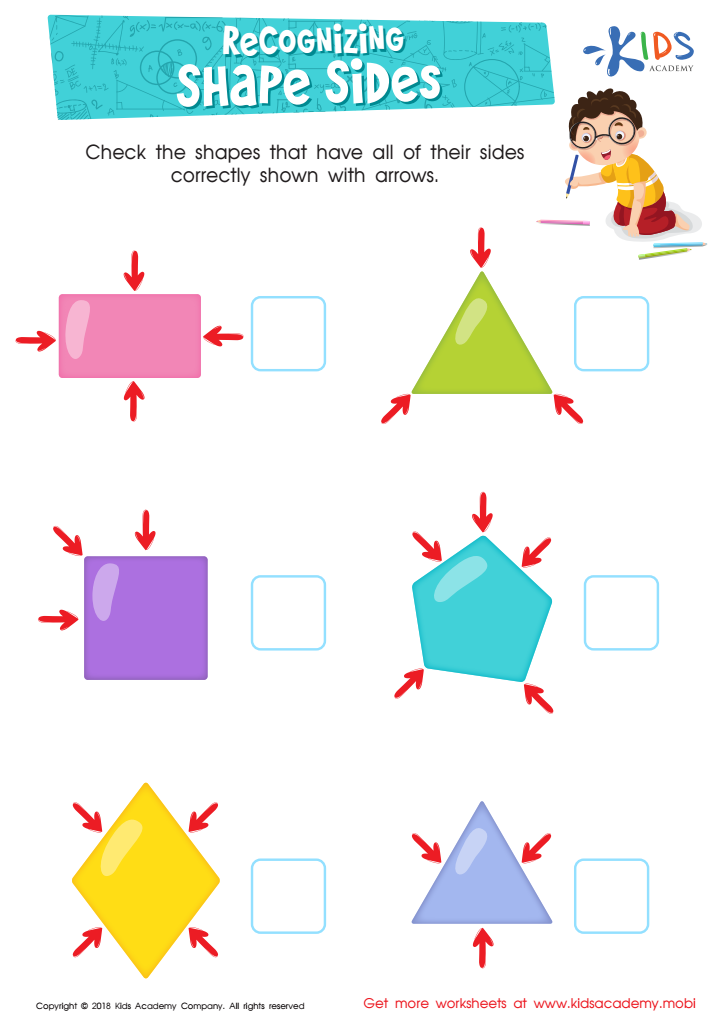
Recognizing Shape Sides Worksheet
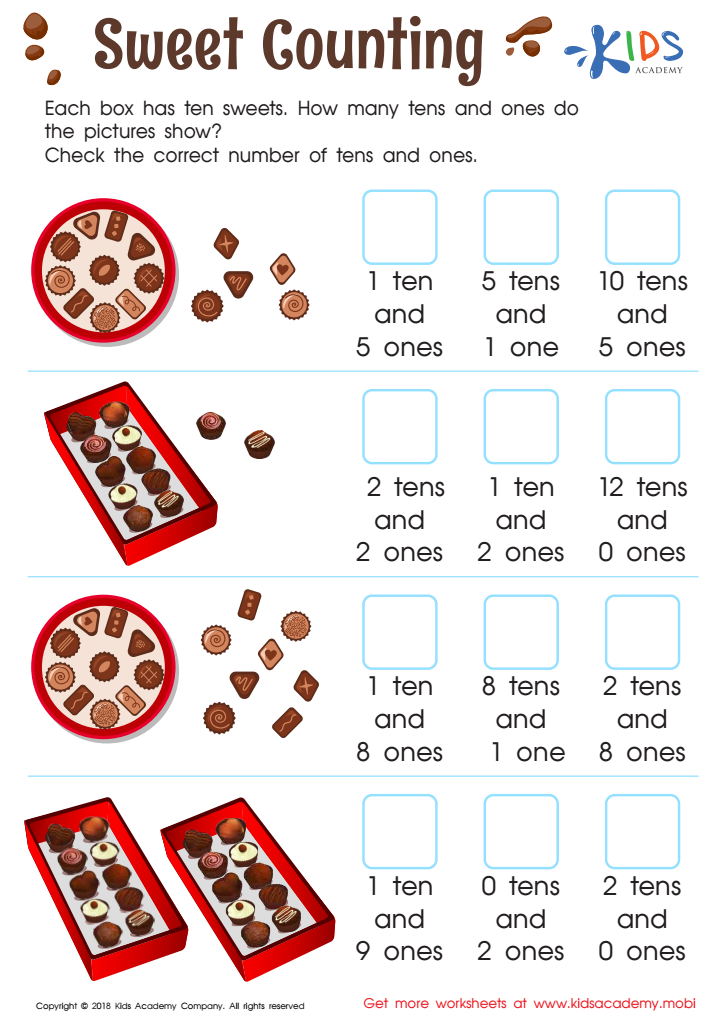
Sweet Counting - Part 2 Worksheet
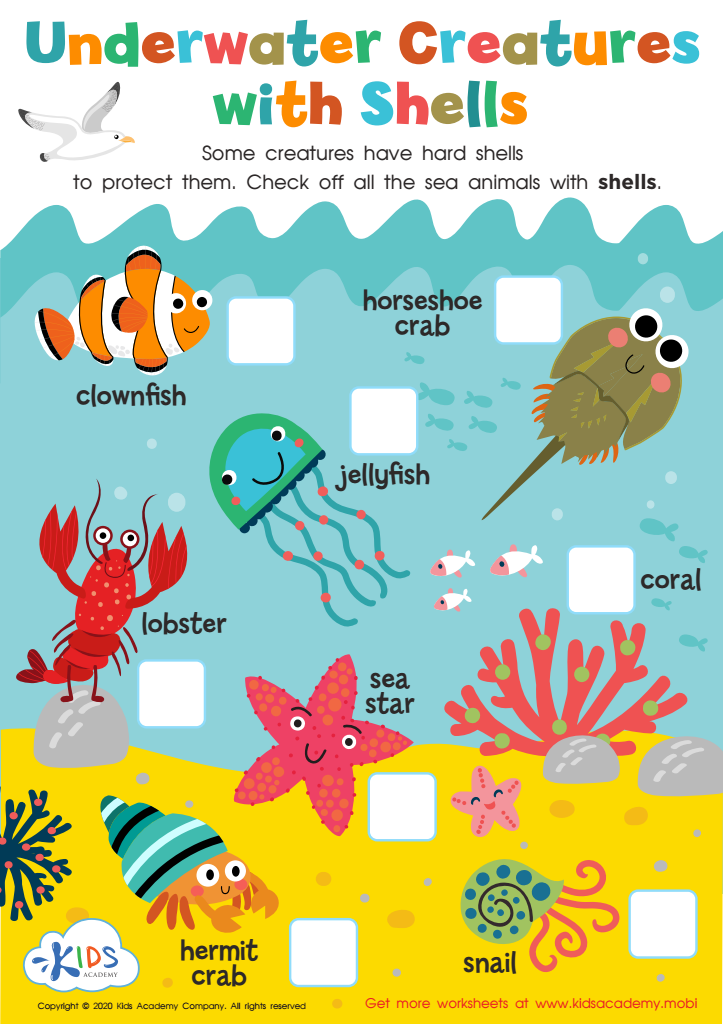
Underwater Creatures with Shells Worksheet
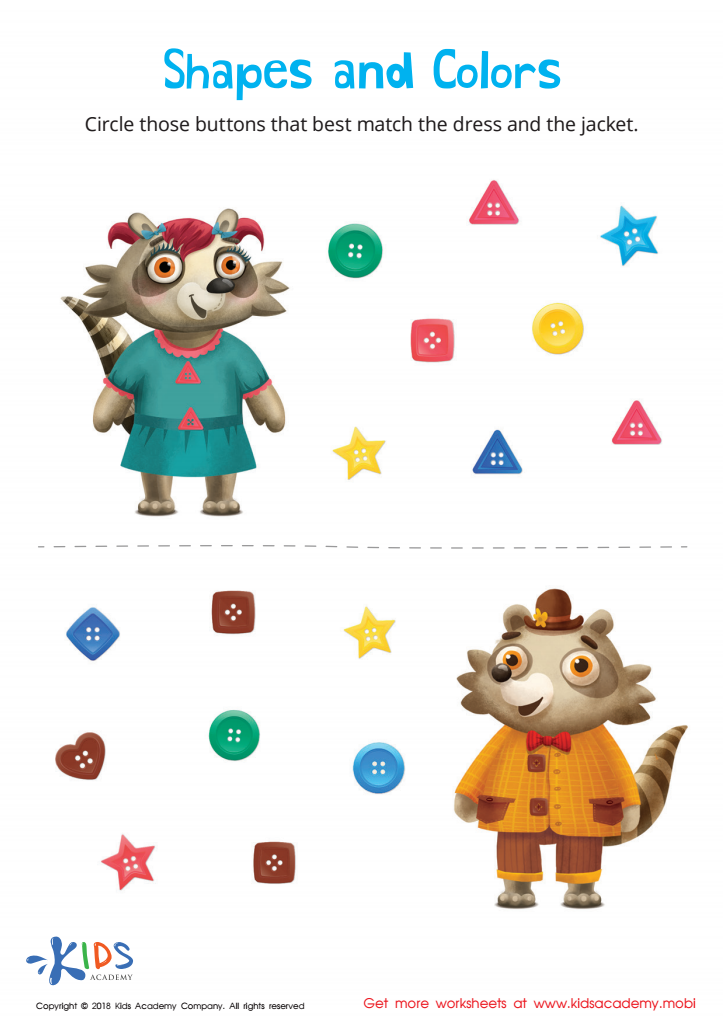
Shapes and Colors Worksheet
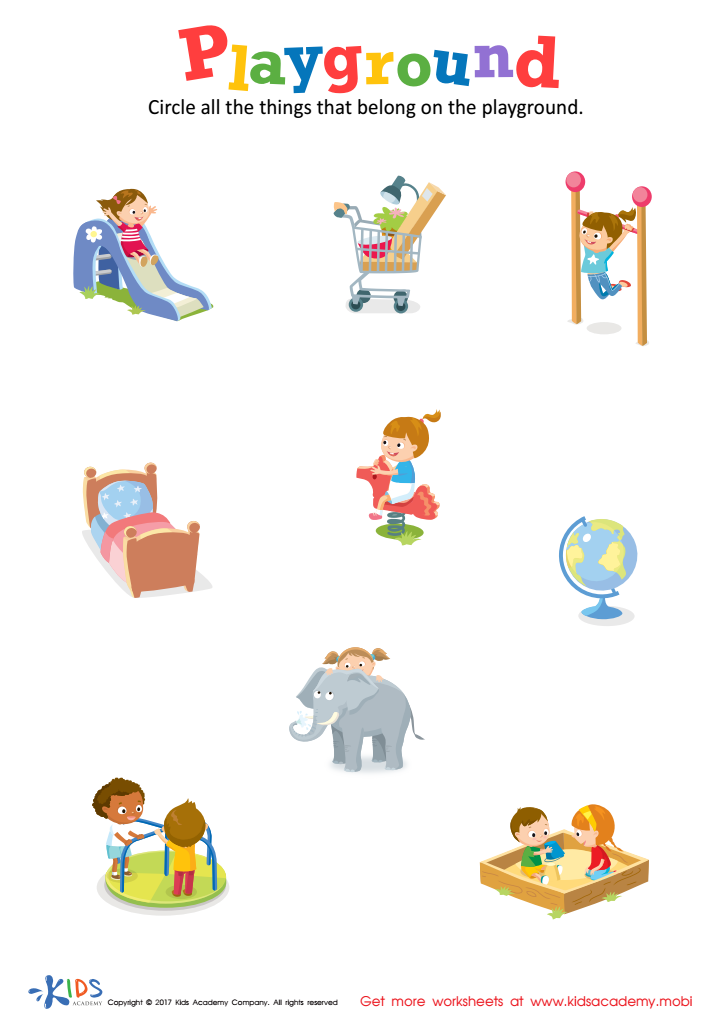
Playground Worksheet
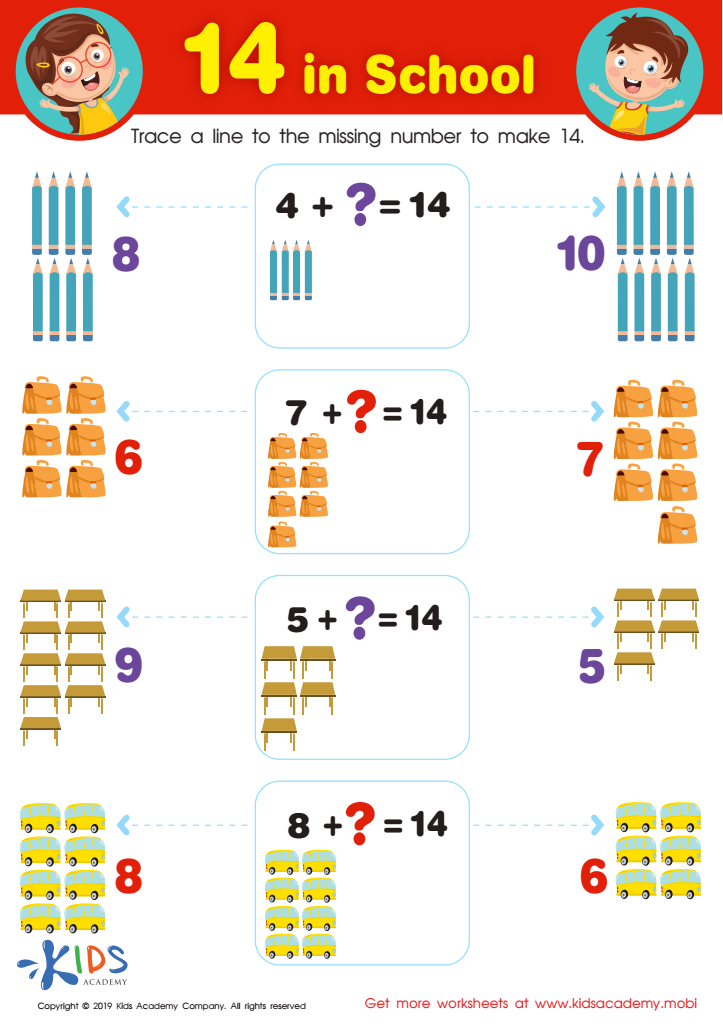
14 in School Worksheet
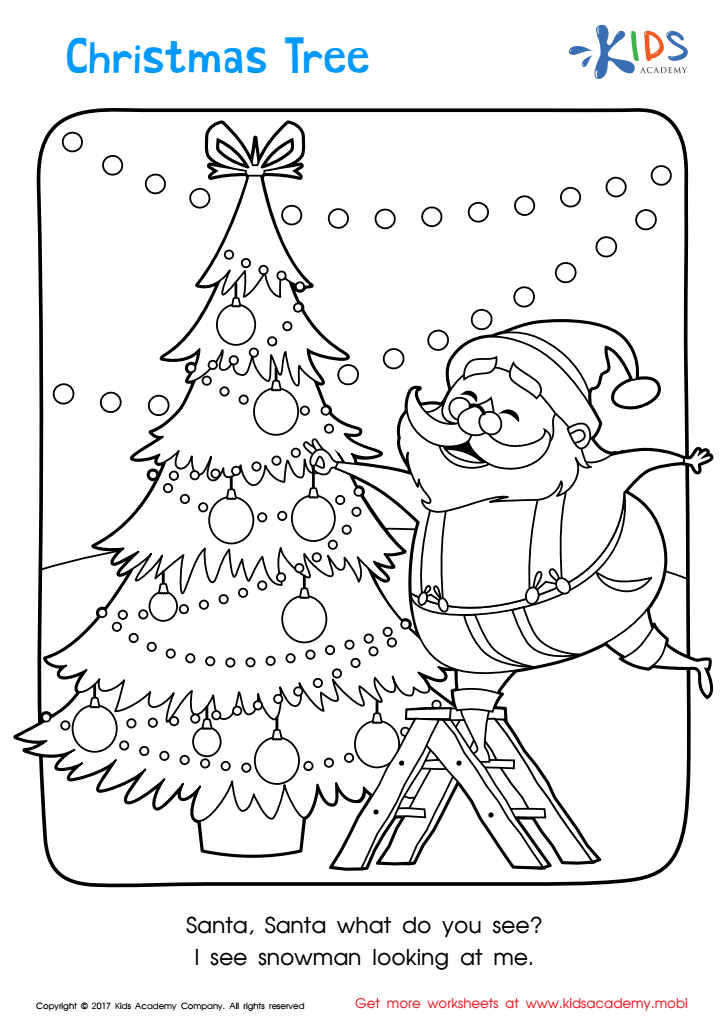
Christmas: Christmas Tree Printable
Assign to My Students
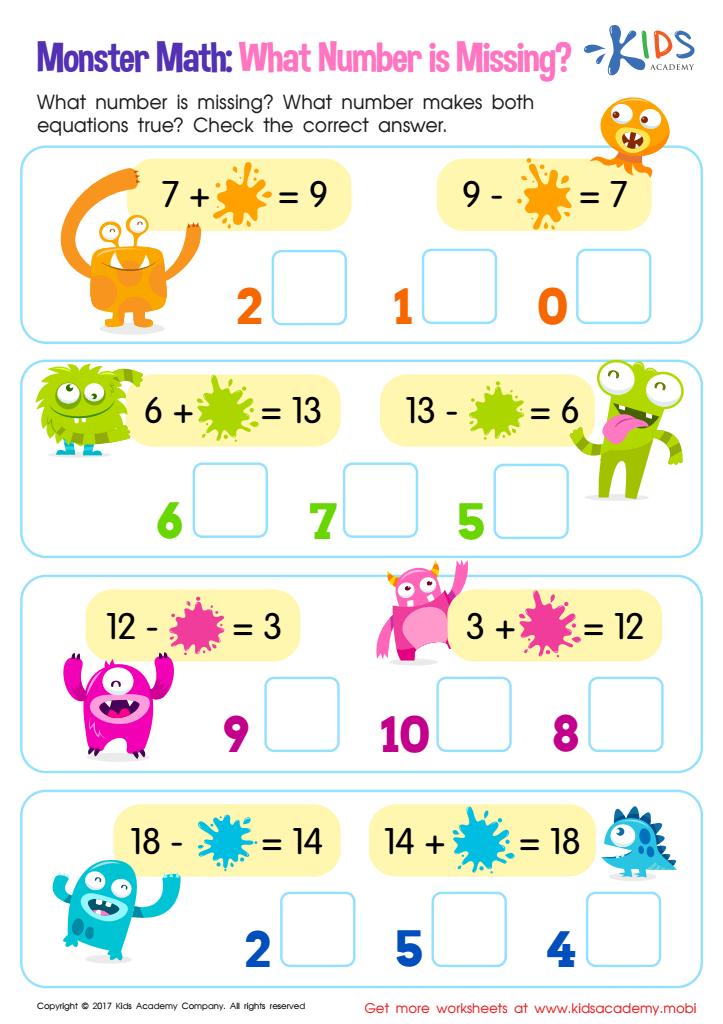
Missing Number: Monster Math Worksheet








Color identification is a fundamental skill that has a significant impact on early childhood development, particularly for children ages 5-6. Parents and teachers should prioritize this skill because it aids in cognitive development and improves language acquisition. By recognizing and naming colors, children expand their vocabulary and enhance their communication skills, ultimately supporting literacy development.
Moreover, color identification fosters creativity and imagination. Engaging with colors can help children express themselves artistically, aiding their fine motor skills and promoting self-confidence. Additionally, this skill plays a crucial role in early math concepts, as children begin to identify patterns, categorize objects, and understand similarities and differences.
From a social perspective, recognizing colors can enhance a child’s interactions with peers. Colors often serve as important cues in games and team activities, promoting cooperation and social skills.
Furthermore, color awareness can directly correlate with a child's overall learning engagement. In a bold, colorful environment, children are often more motivated and inspired to explore and learn. Thus, by fostering color identification, parents and educators not only support essential developmental milestones but also create a joyful and stimulating learning environment for children.








