Shape Recognition Normal Worksheets for Ages 5-6 - Page 2
42 filtered results
-
From - To
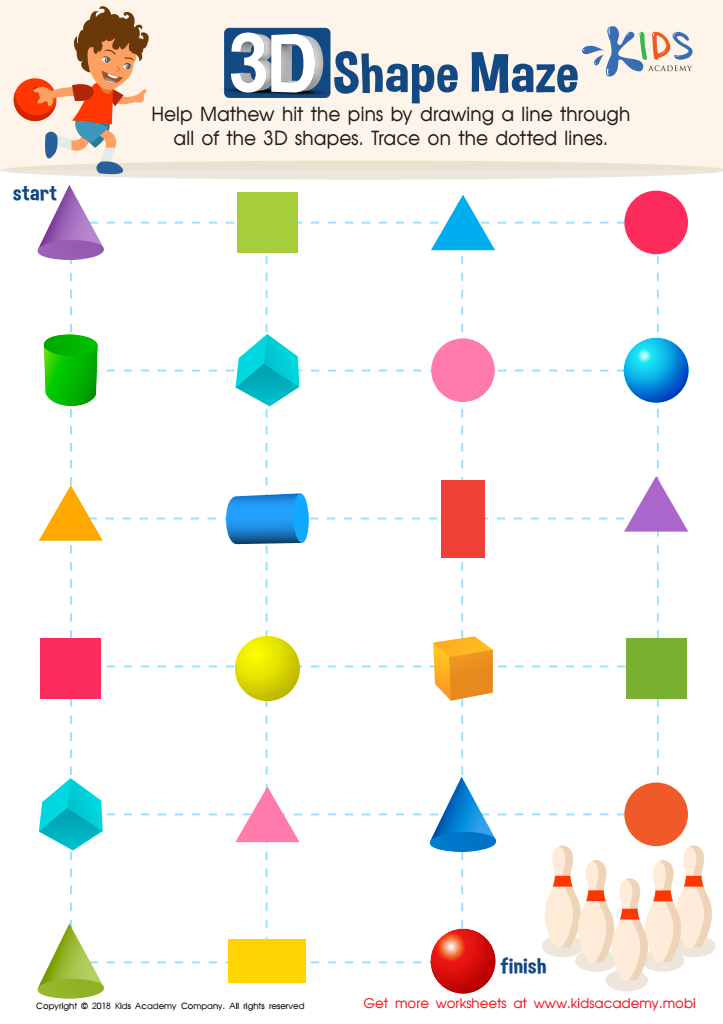
Shapes Maze Geometry Worksheet
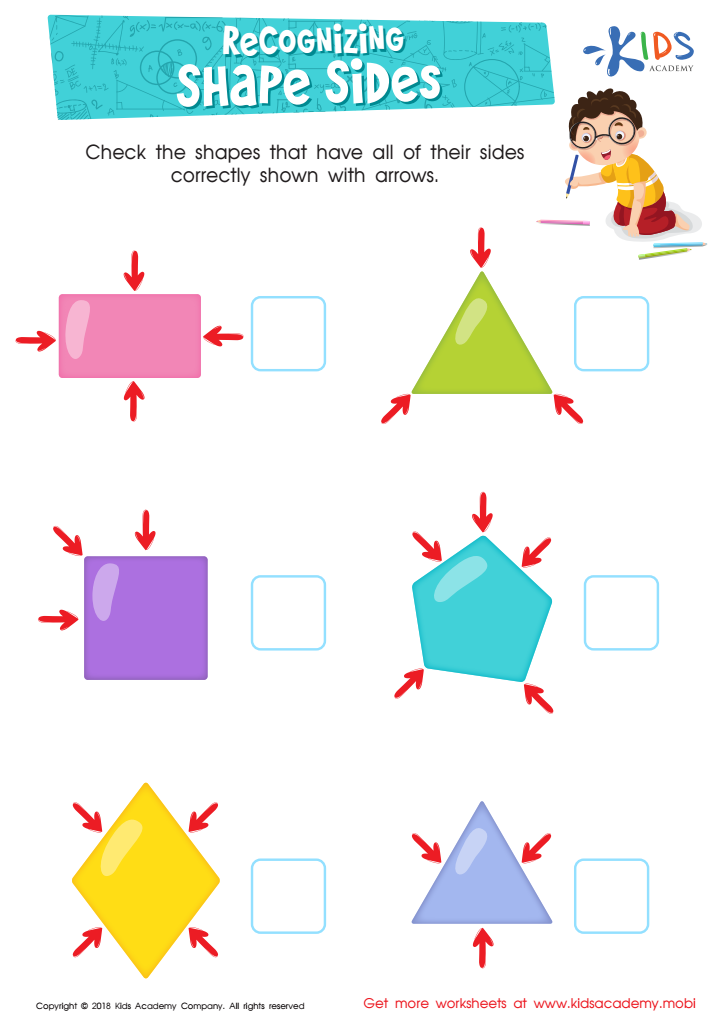
Recognizing Shape Sides Worksheet
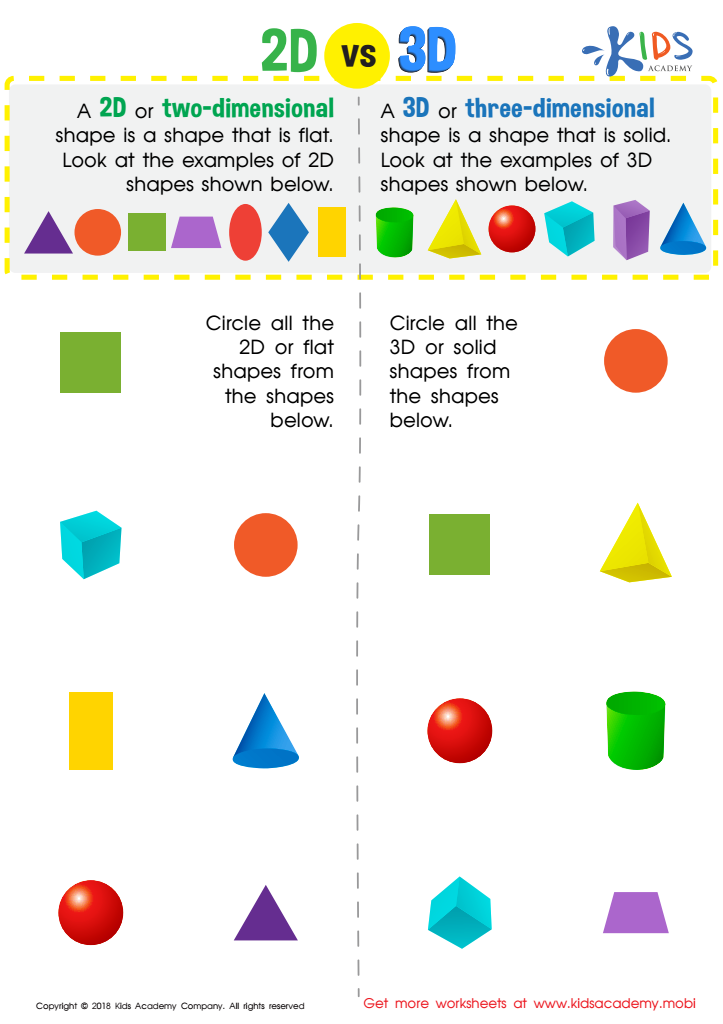
2D vs 3D Shapes Worksheet
Curved Lines Tracing Worksheet
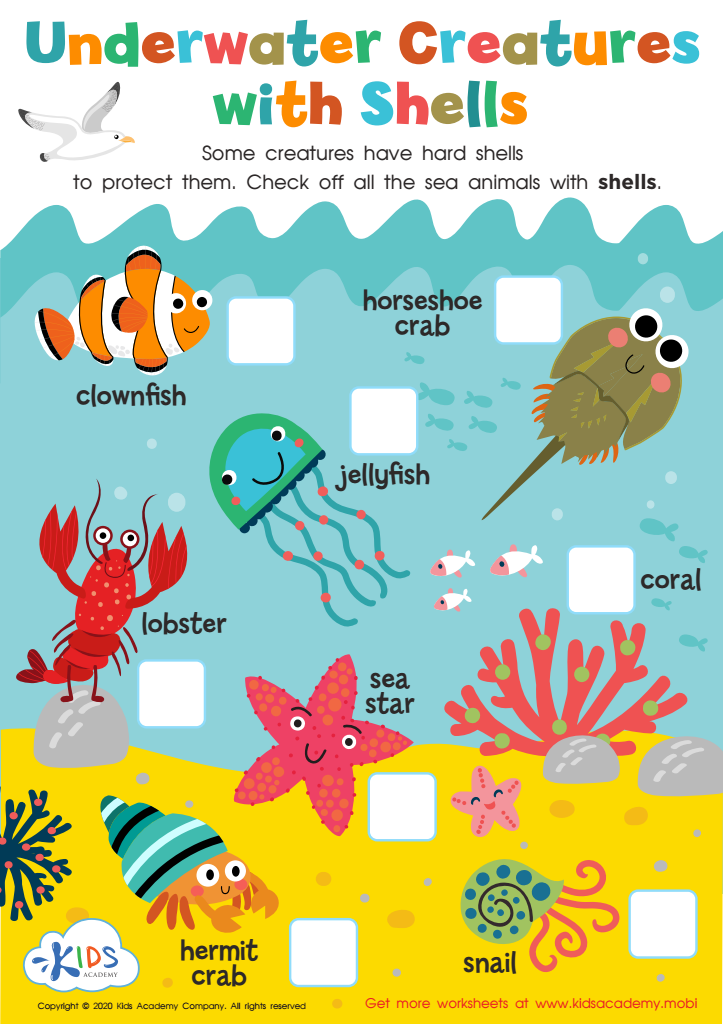
Underwater Creatures with Shells Worksheet
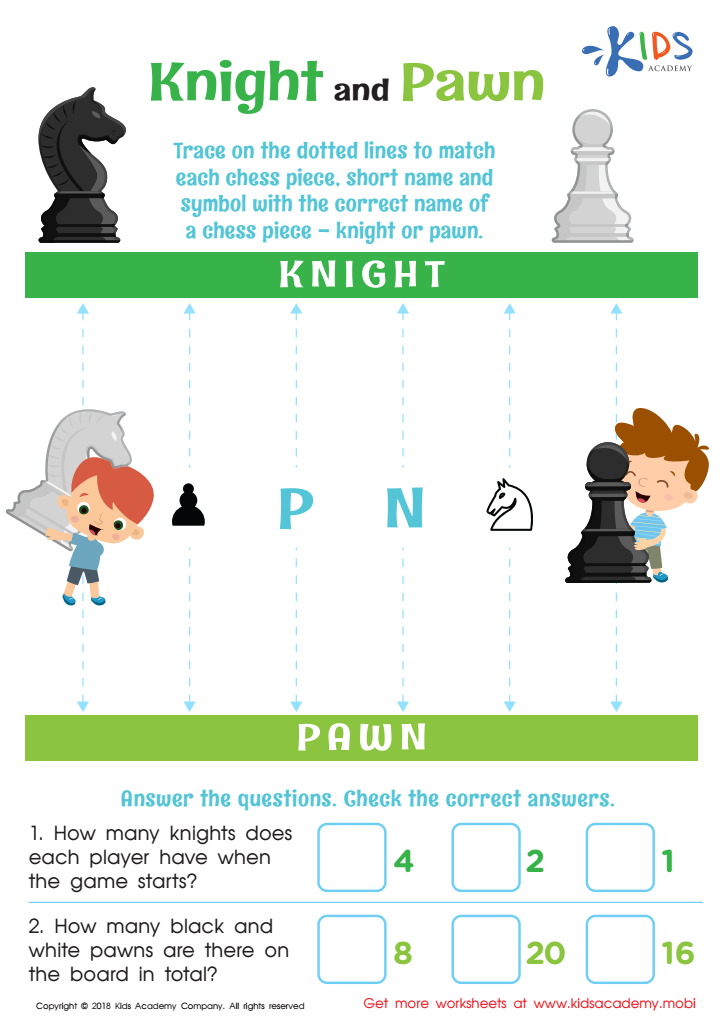
Knight and Pawn Worksheet
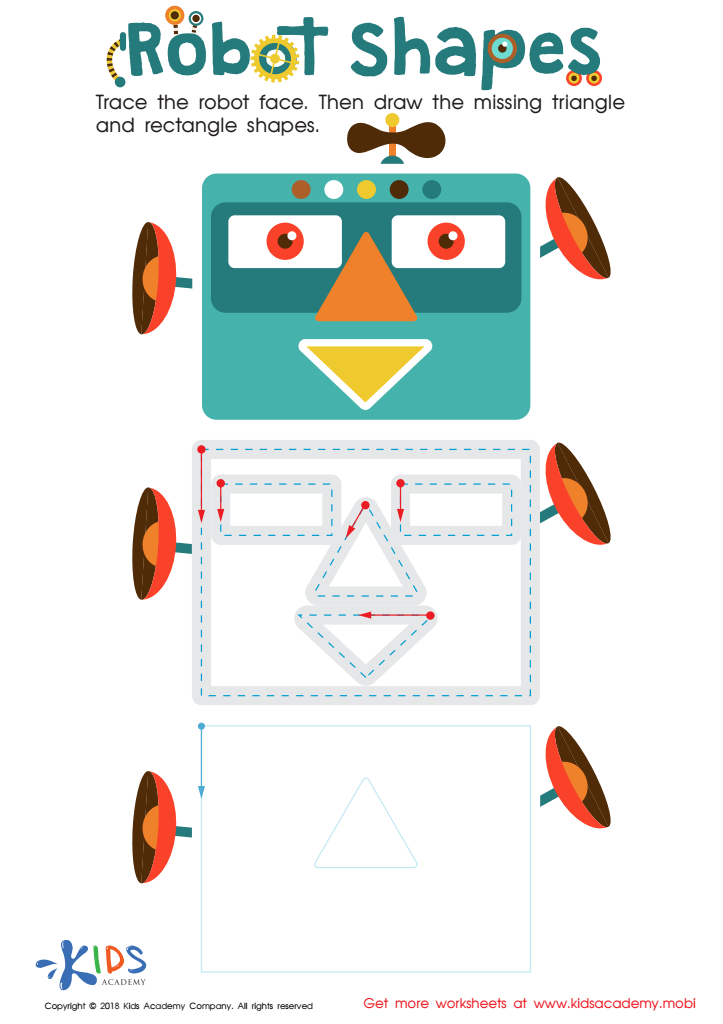
Robot Shapes Worksheet
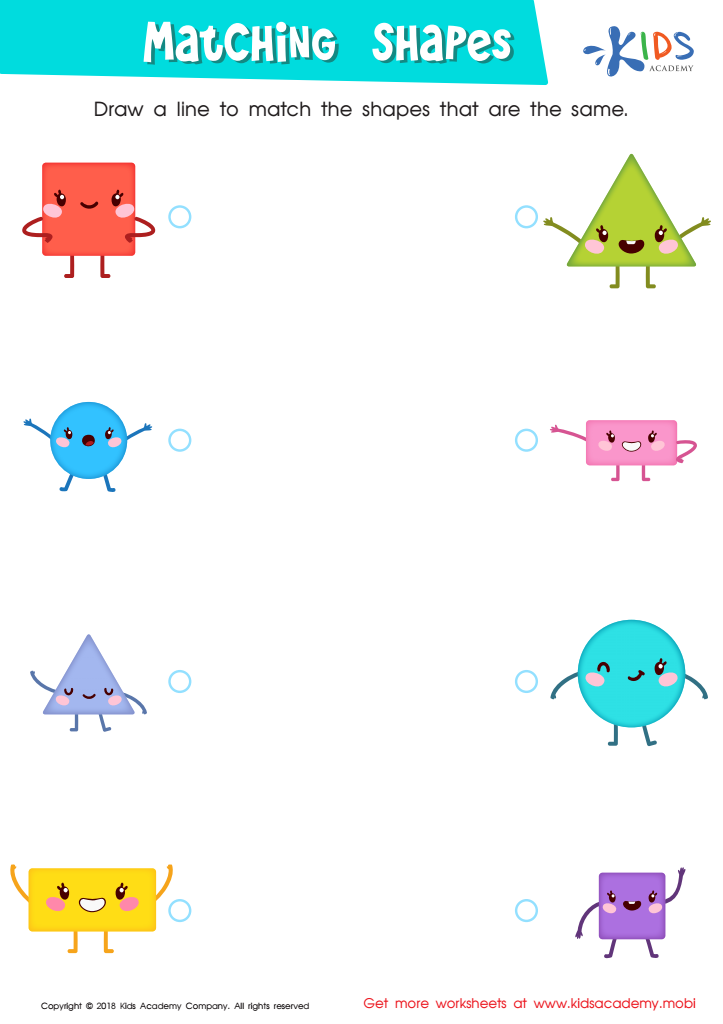
Matching Shapes Worksheet
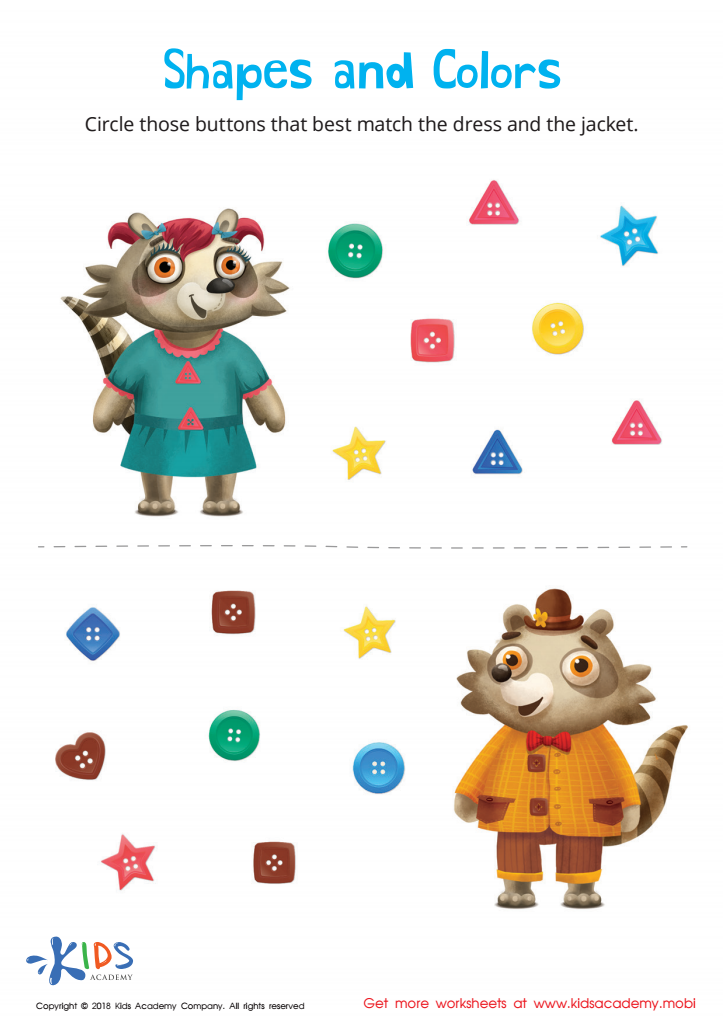
Shapes and Colors Worksheet
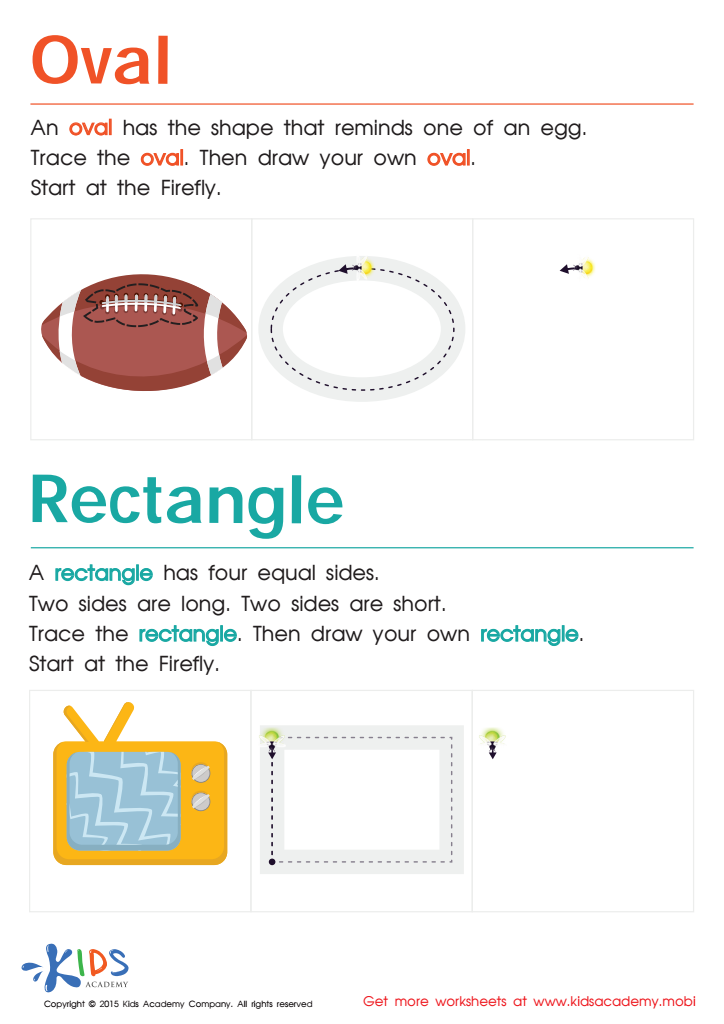
Easy Drawing of Ovals And Rectangles Worksheet

Playground Worksheet
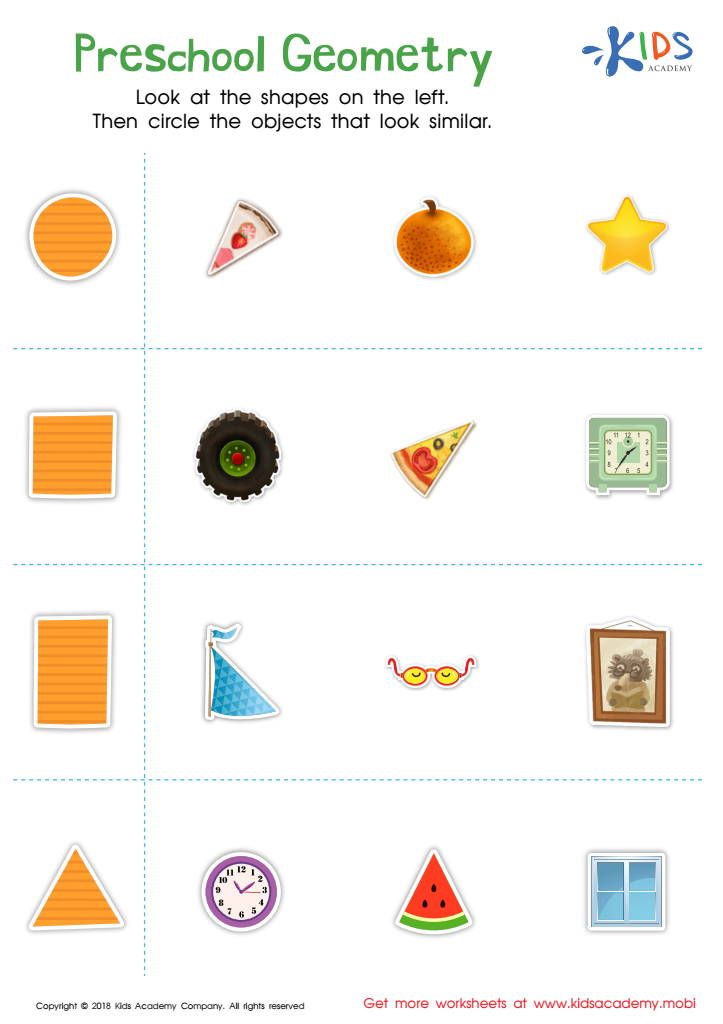
Preschool Geometry Worksheet
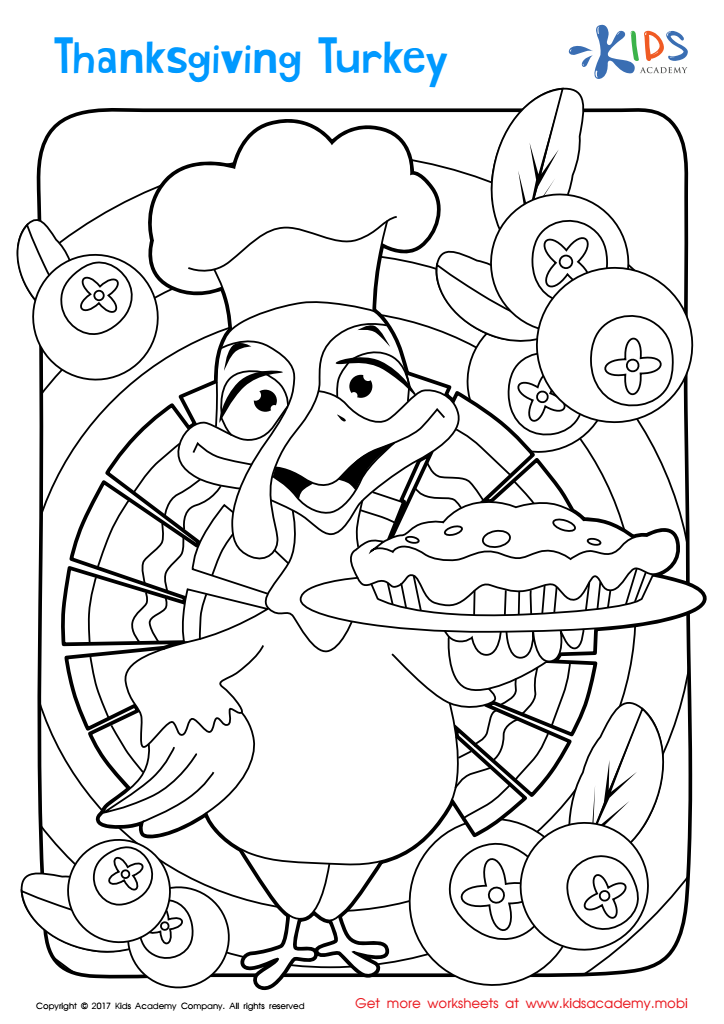
Turkey Thanksgiving Day Worksheet
 Assign to My Students
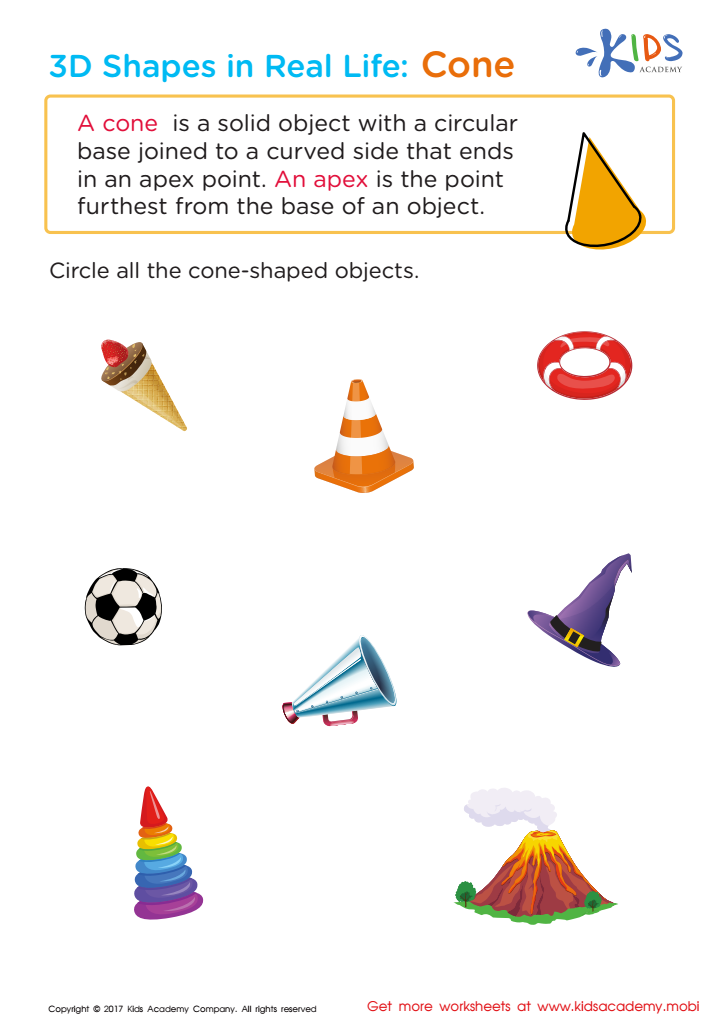
Shapes in Real Life: Cone Worksheet
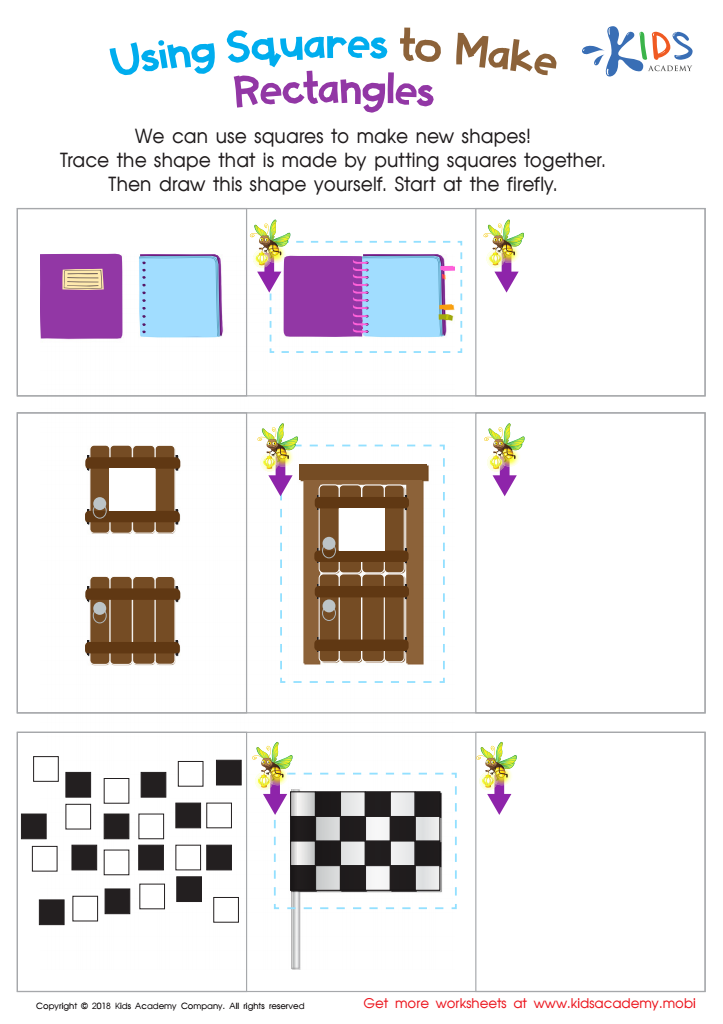
Using Squares to Make Rectangles Worksheet
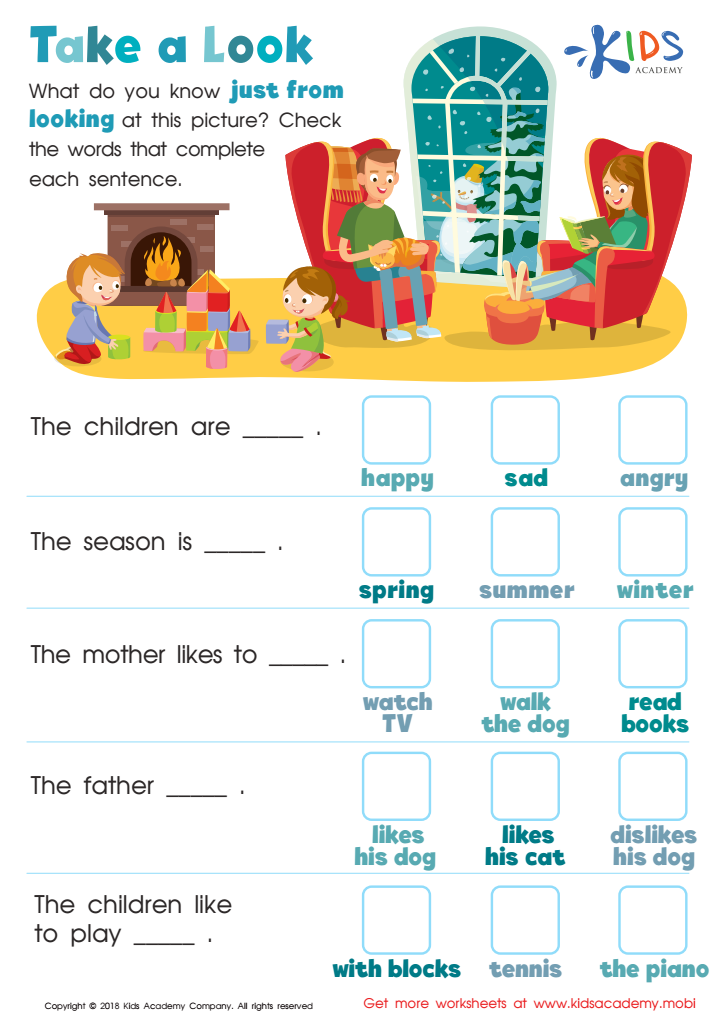
Take a Look - Part 1 Worksheet
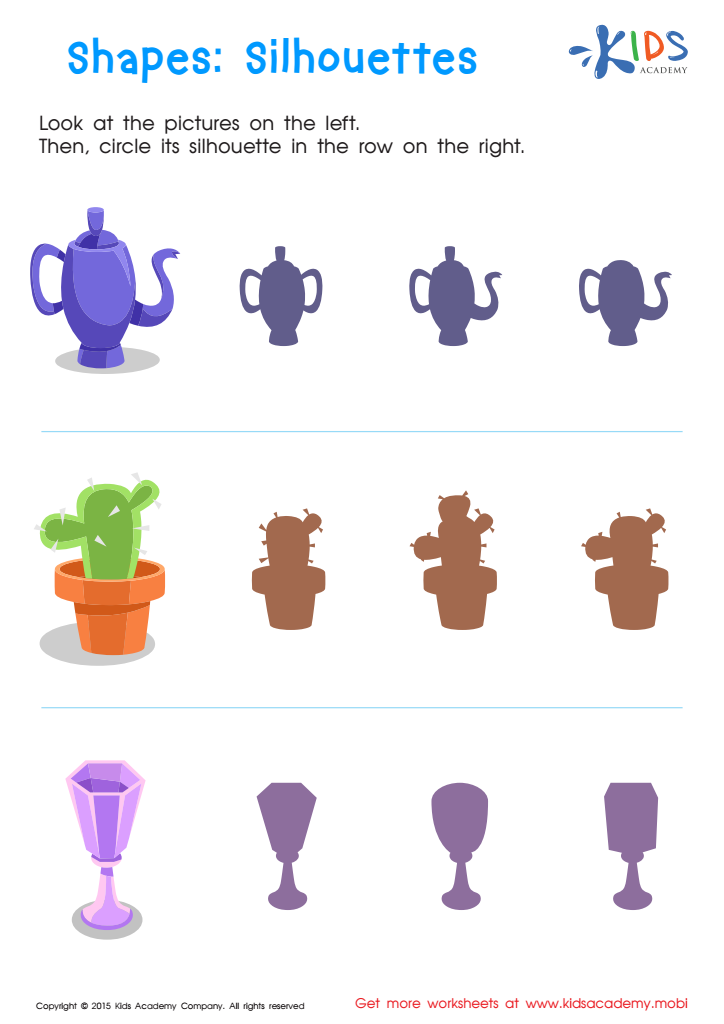
Silhouettes – Shapes Worksheet
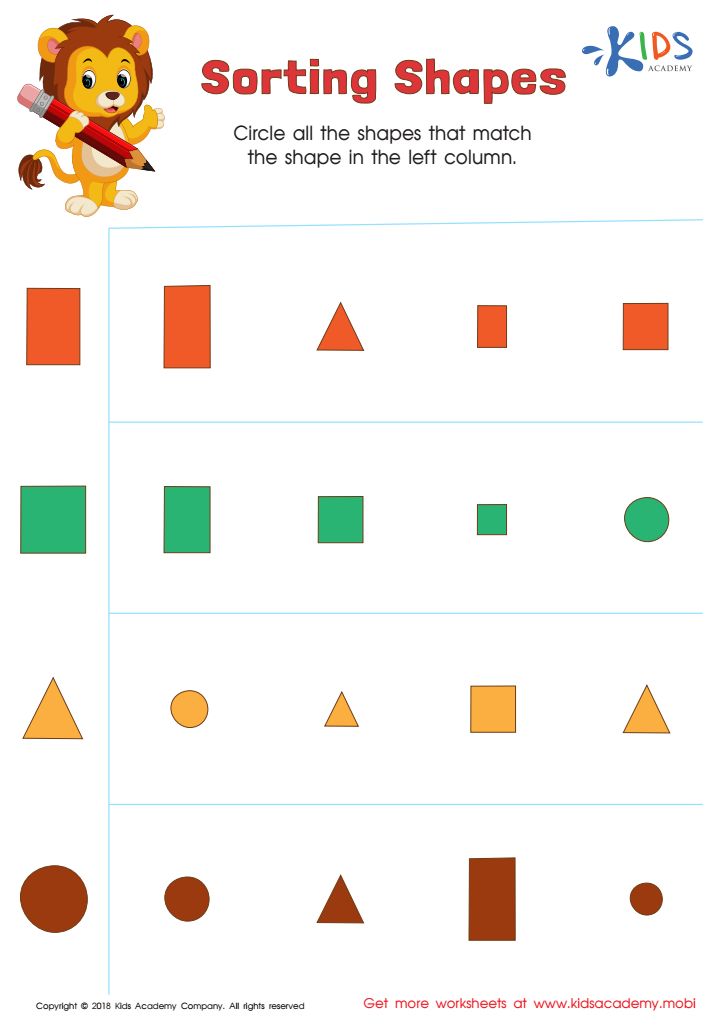
Sorting Shapes - Part 2 Worksheet




.jpg)
Shape recognition is a fundamental skill for children aged 5-6, as it lays the groundwork for various cognitive and developmental milestones. At this age, kids are naturally curious and eager to explore their environment. By focusing on shape recognition, parents and teachers can help enhance spatial awareness, improve fine motor skills, and boost critical thinking abilities.
Understanding shapes is integral to mathematics, science, and even literacy. For example, recognizing geometric shapes facilitates counting, measuring, and understanding concepts like symmetry and angles. Additionally, mastering shapes enables children to categorize and compare objects, fostering analytical skills essential for future problem-solving.
Incorporating shape recognition into playful learning activities provides children with engaging ways to explore their surroundings, thus reinforcing learning through hands-on experience. Moreover, building a strong foundation in this area promotes confidence and inspires a love for learning.
By emphasizing shape recognition, parents and teachers can ensure that children develop essential skills they'll need as they progress through their education. Most importantly, this foundational knowledge plays a critical role in lifelong skills such as critical thinking, creativity, and even spatial reasoning applicable in various fields, from art to engineering. Therefore, nurturing shape recognition is crucial for holistic development.








