Understanding ecosystems Normal Worksheets for Ages 5-6
5 filtered results
-
From - To
Explore our "Understanding Ecosystems Normal Worksheets" designed for children ages 5-6! These engaging worksheets provide young learners with a fun introduction to ecosystems, highlighting the interconnection between plants, animals, and their environments. Through colorful illustrations and age-appropriate activities, kids will discover the roles of different organisms and the importance of nature. Each worksheet supports essential skills like critical thinking and observation, helping children to develop a deeper appreciation for the world around them. Perfect for both classroom settings and home learning, these resources nurture curiosity and encourage a love for science in early learners. Start your child’s ecological journey today!
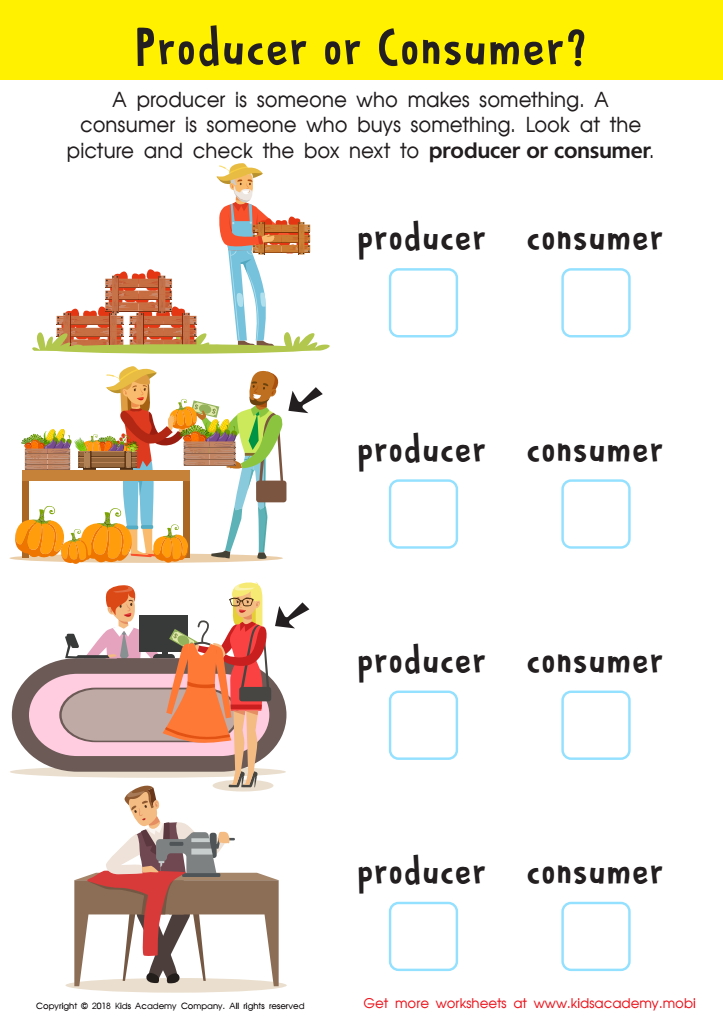
Producer or Consumer? Worksheet
 Assign to My Students
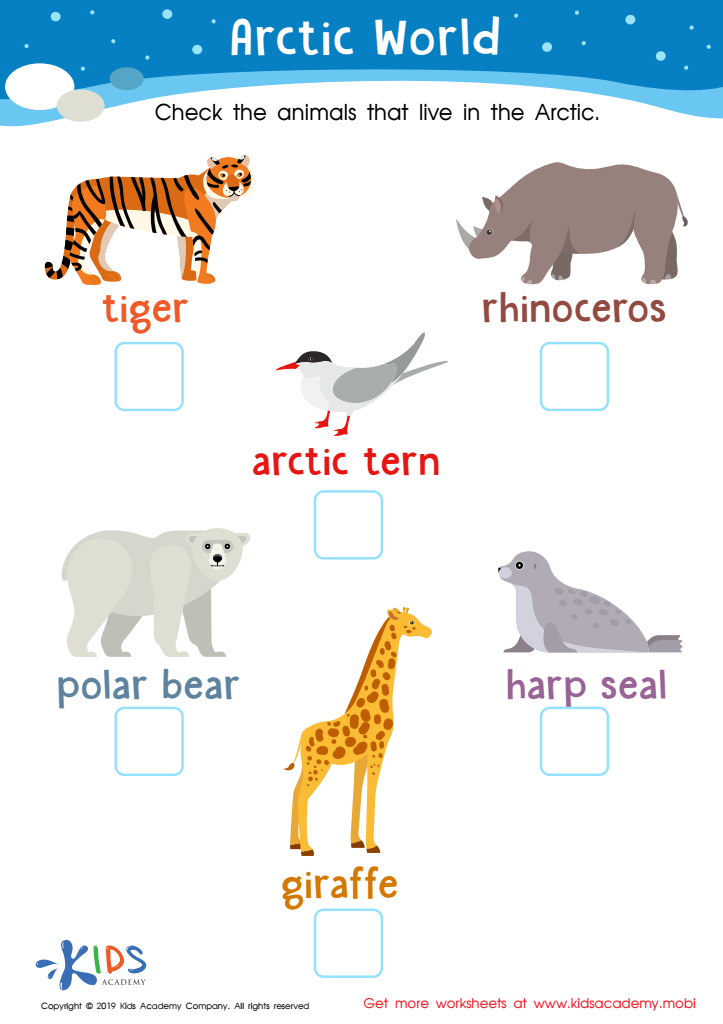
Arctic World Worksheet
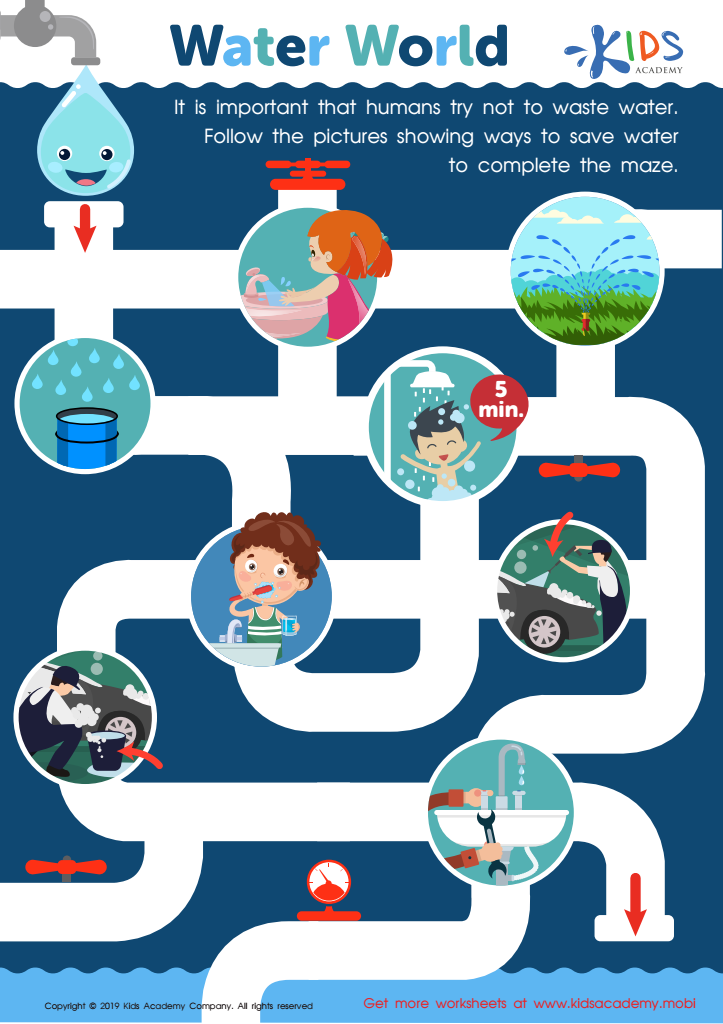
Water World Worksheet
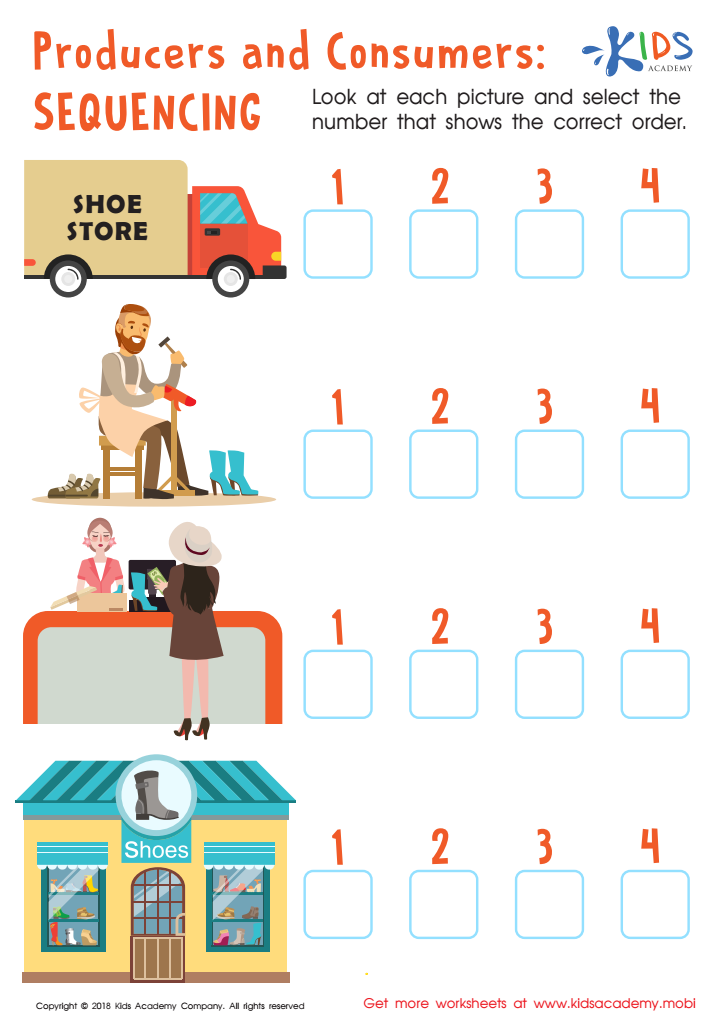
Producers and Consumers: Sequencing Worksheet
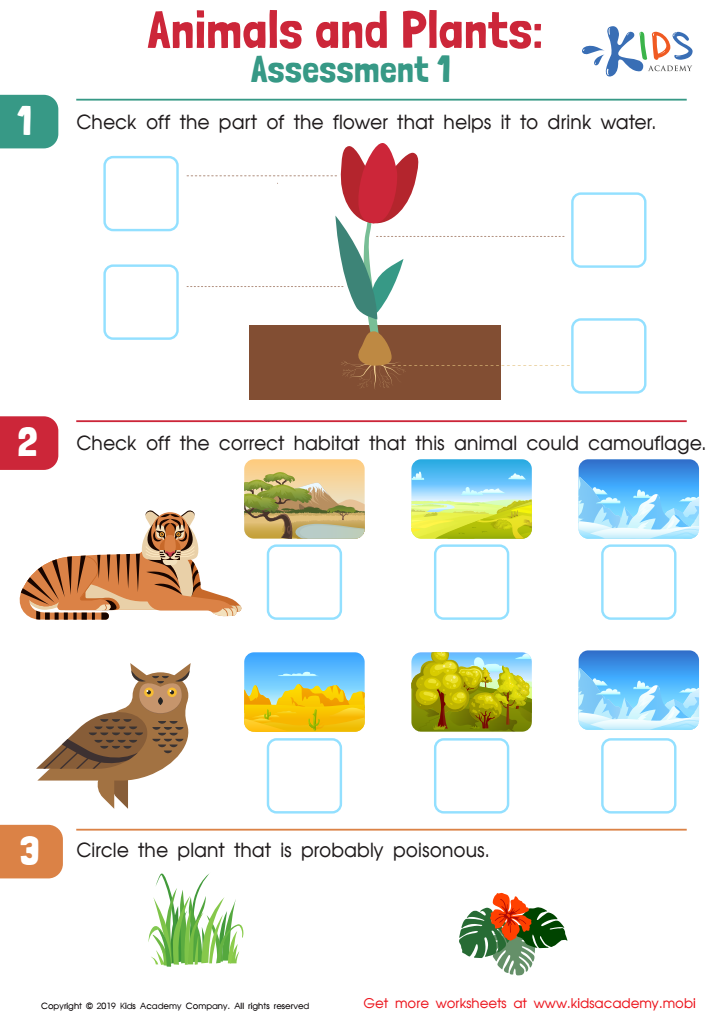
Animals and Plants: Assessment 1 Worksheet







Parents and teachers should care about helping young children understand ecosystems because this knowledge lays the foundation for their awareness and appreciation of the environment. For children aged 5-6, learning about ecosystems introduces them to the interconnectedness of nature, teaching them that all living things, like plants, animals, and even tiny insects, play important roles.
This understanding can foster a sense of curiosity and respect for the world around them, encouraging them to explore nature and engage in activities that benefit the environment. Early education about ecosystems also supports critical thinking skills, as kids learn to observe, ask questions, and discover how different organisms depend on one another.
Moreover, as children grow, having a solid foundation in ecosystems can lead to responsible habits, such as recycling and conserving resources. By understanding the balance within ecosystems, children can become more aware of environmental issues and motivated to be part of solutions.
In summary, recognizing the significance of ecosystems helps children gain essential knowledge, develops their empathy for nature, and encourages proactive efforts for a healthier planet, making it a valuable focus for both parents and teachers.








