Logical thinking Normal Matching Worksheets for Ages 5-6
3 filtered results
-
From - To
Our "Logical Thinking: Normal Matching Worksheets for Ages 5-6" are expertly designed to foster critical thinking and problem-solving skills in young learners. These engaging and educational worksheets help children develop logical reasoning through fun matching activities. Perfect for home or classroom use, each worksheet encourages kids to draw connections, recognize patterns, and build foundational math skills. With colorful images and age-appropriate challenges, these resources provide an enjoyable learning experience that keeps children motivated and excited to learn. Give your child the tools they need to succeed with our thoughtfully crafted matching worksheets!
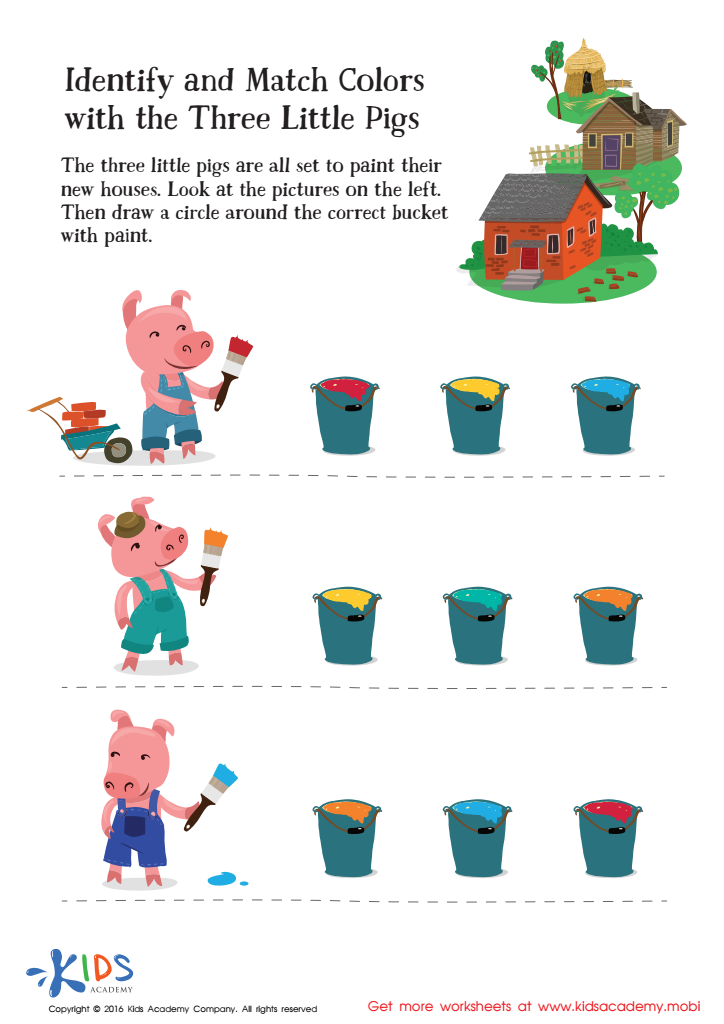
Fairy Tale Worksheet: Identify and Match Colors with Three Little Pigs
 Assign to My Students
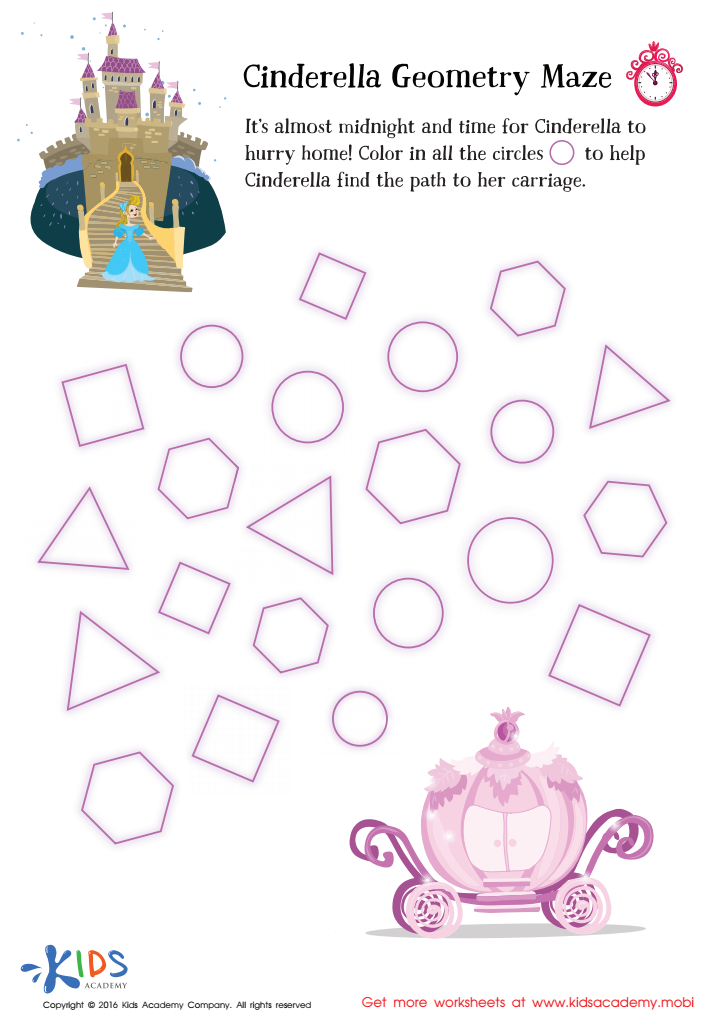
Cinderella Geometry Maze Worksheet
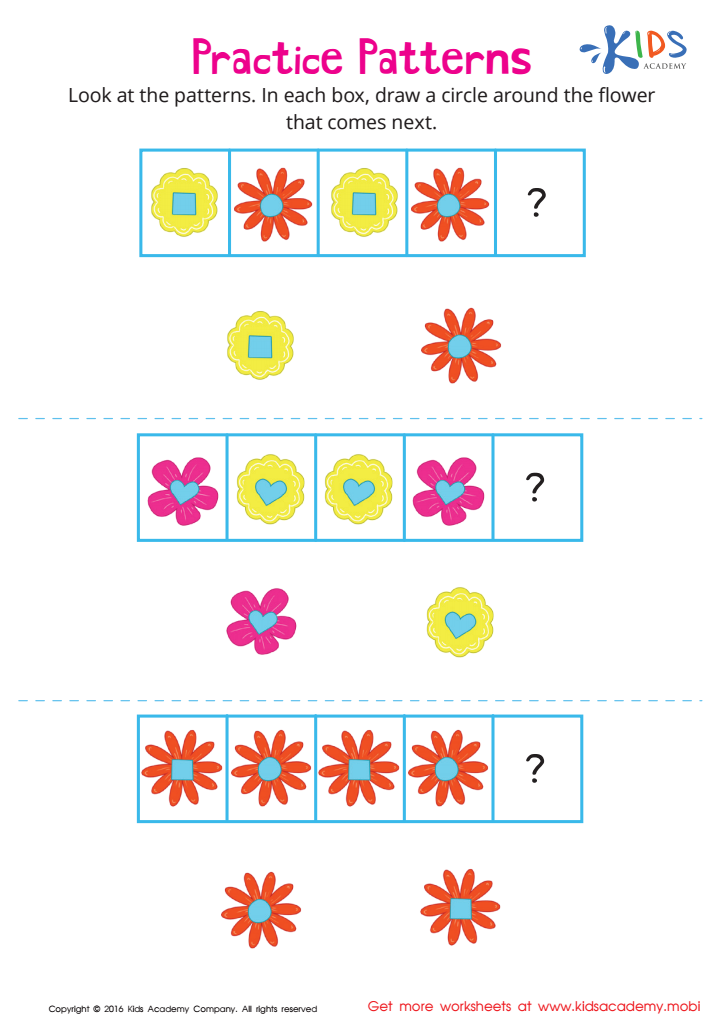








Logical thinking normal matching is a foundational skill that is crucial for the cognitive development of children aged 5-6. This developmental stage is a prime period for nurturing critical thinking and problem-solving abilities, which are essential for academic success and everyday decision-making.
When engaging in logical thinking normal matching activities, children learn to identify patterns, understand relationships between different concepts, and enhance their reasoning abilities. These tasks often involve sorting objects based on specific attributes such as color, size, or shape, and matching them according to defined criteria. This not only reinforces their understanding of basic concepts but also strengthens their ability to categorize and organize information systematically.
For educators and parents, fostering these skills early on sets the stage for more complex cognitive tasks that children will encounter as they progress through their education. It supports the development of mathematical thinking, literacy skills, and scientific reasoning. Furthermore, logical thinking exercise aids in improving attention span, memory, and the ability to follow multi-step instructions.
Investing time in activities that promote logical thinking normal matching also encourages children to become more independent learners, confident in their ability to approach problems methodically. Thus, both parents and educators should place emphasis on these activities to lay a strong foundation for future learning and cognitive development.








