Normal Worksheets for Ages 5-7 - Page 58
1401 filtered results
-
From - To
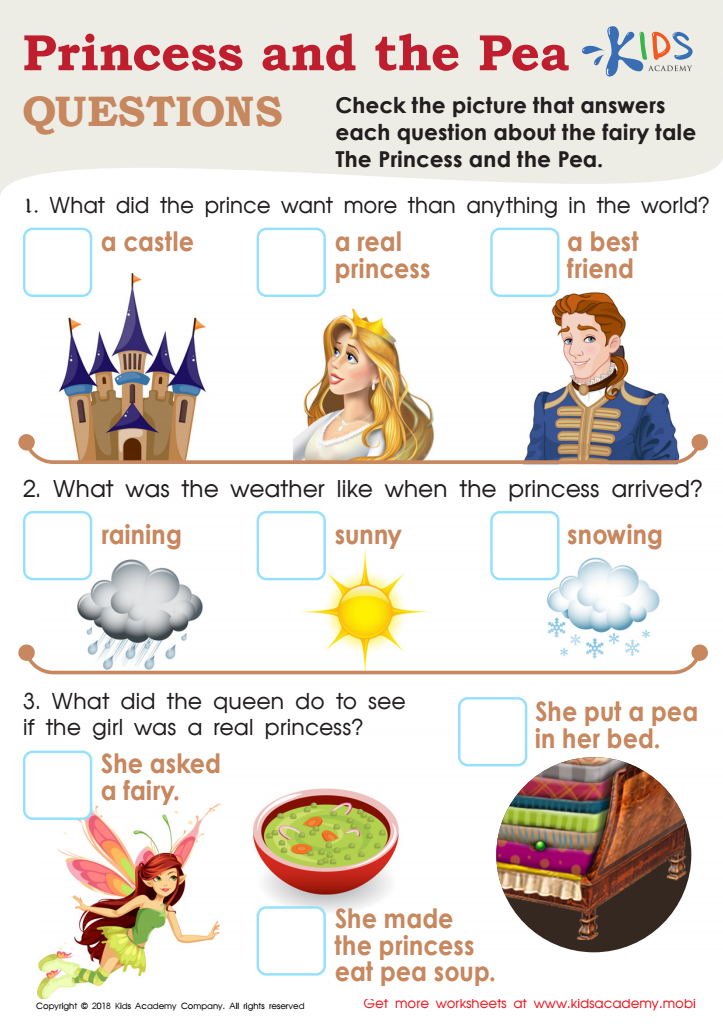
Princess and the Pea Questions Worksheet
 Assign to My Students
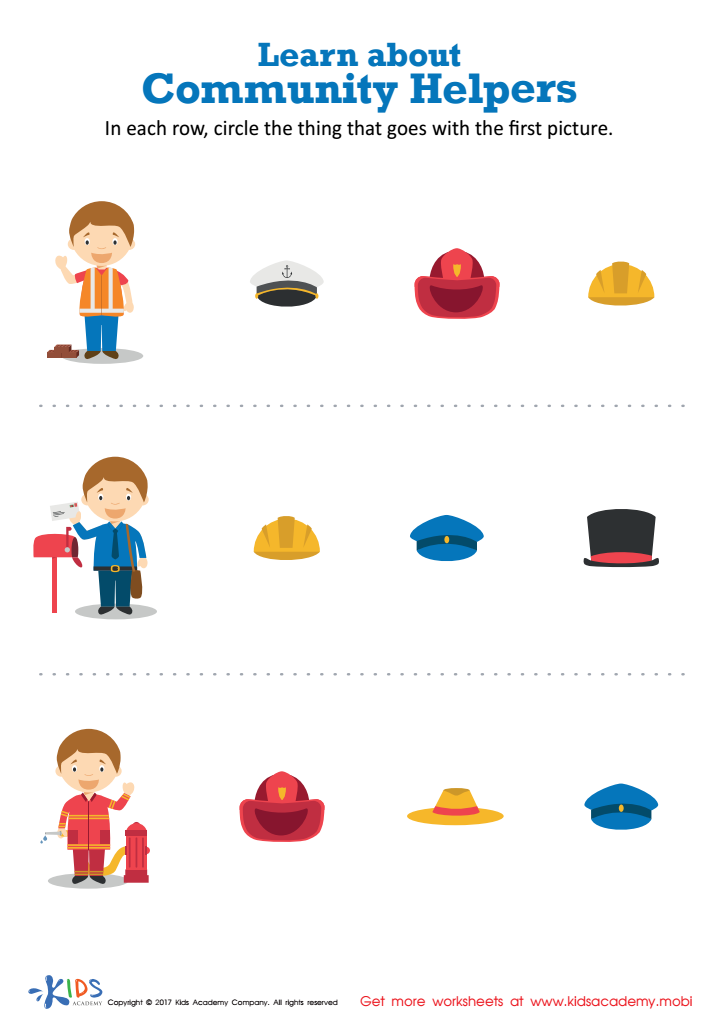
Learn about Community Helpers Printable
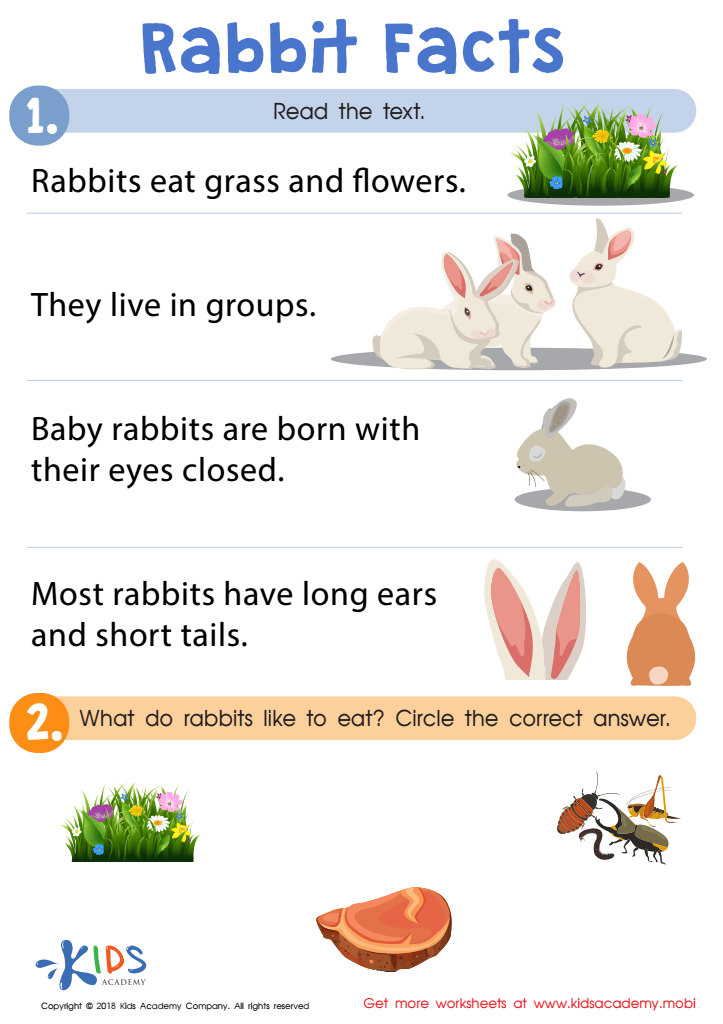
Rabbit Facts Worksheet
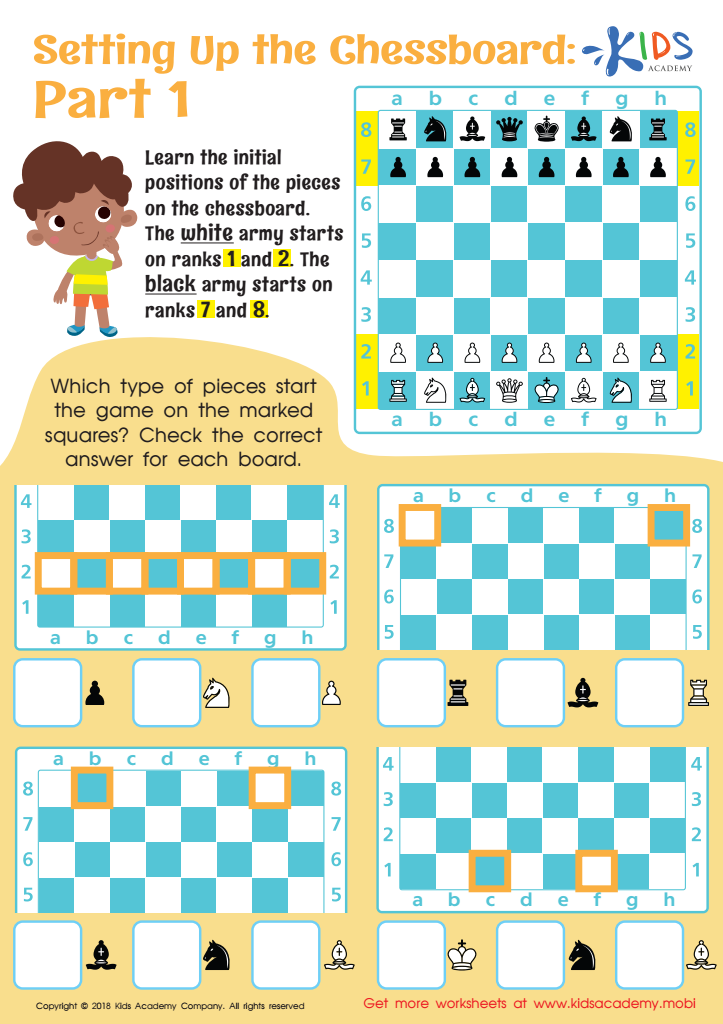
Setting up the Chessboard: Part 1 Worksheet
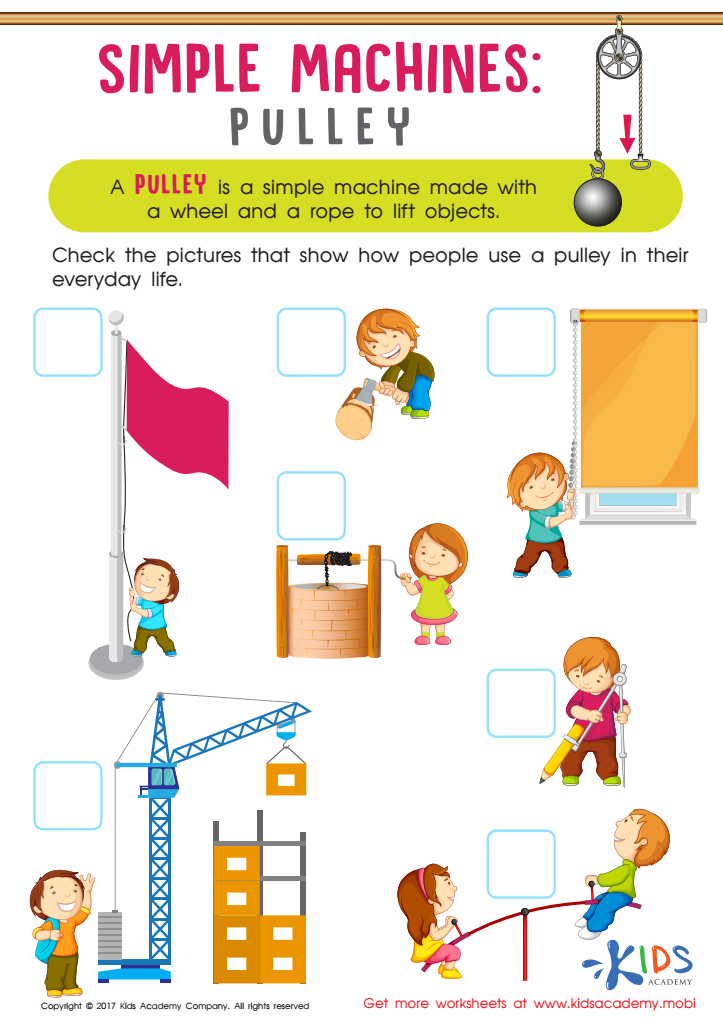
Simple Machines Pulley Worksheet
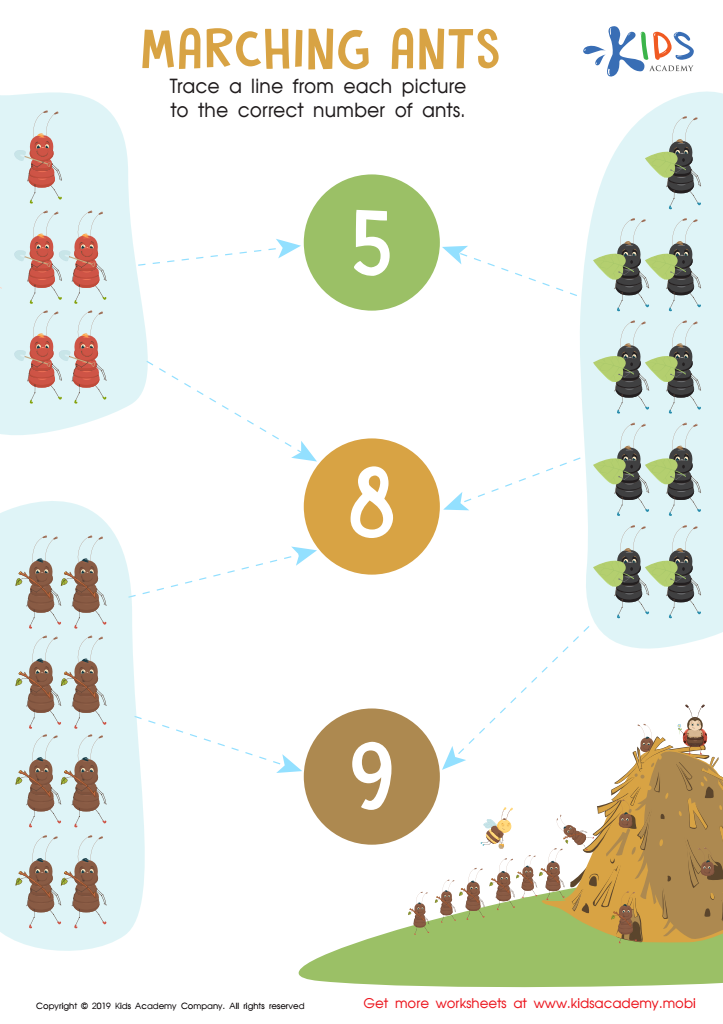
Marching Ants Worksheet
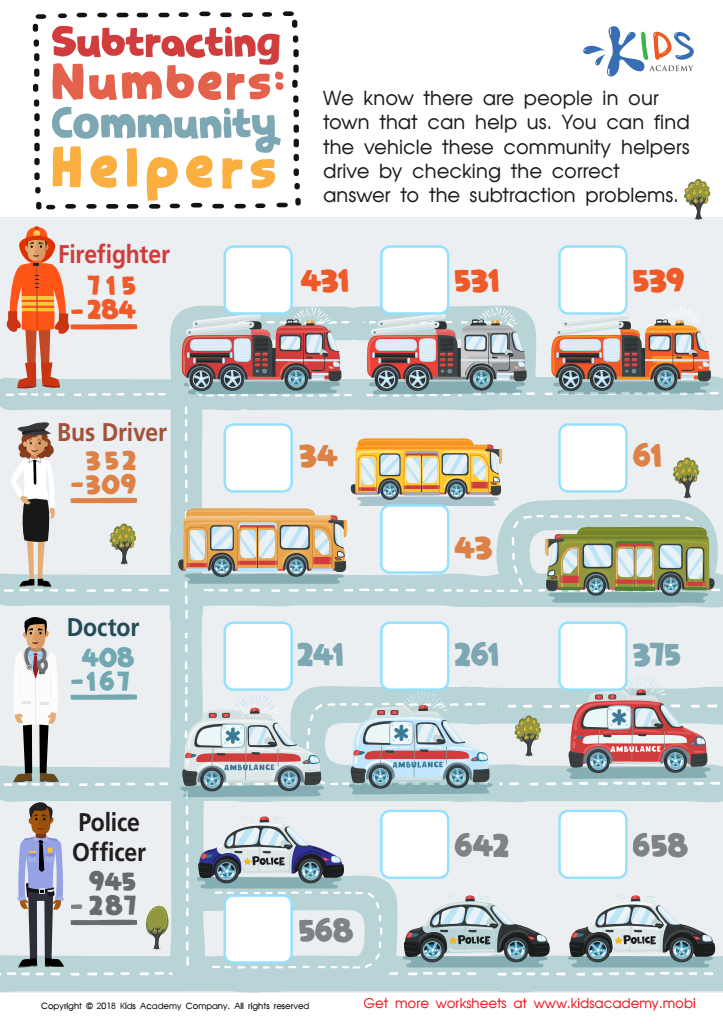
Subtracting Numbers: Community Helpers Worksheet
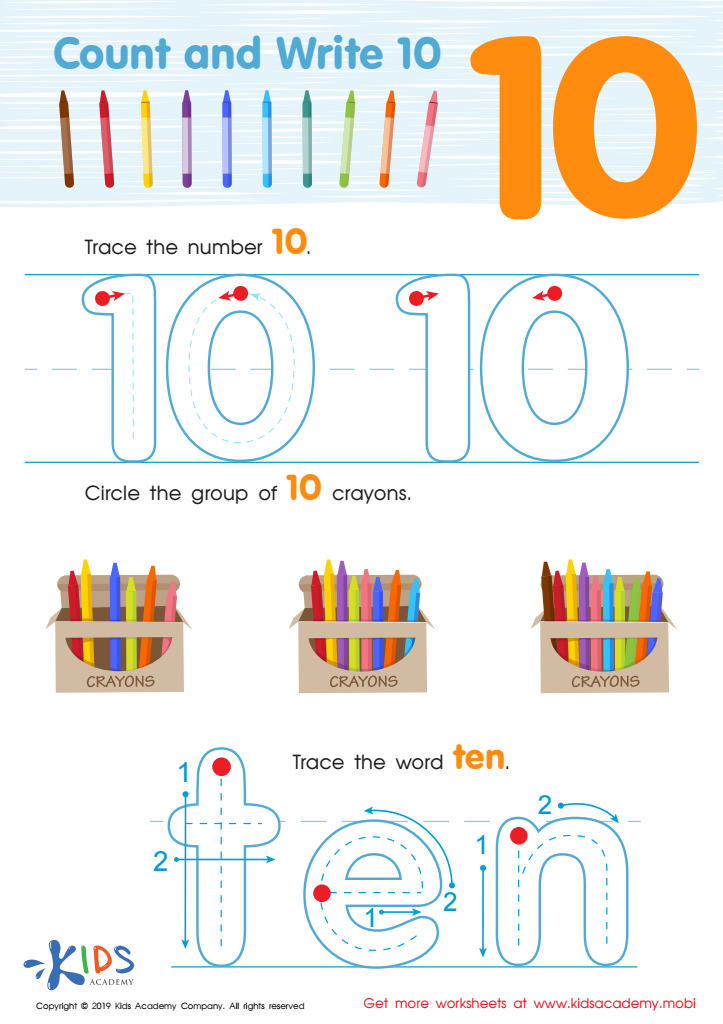
Count and Write 10 Worksheet
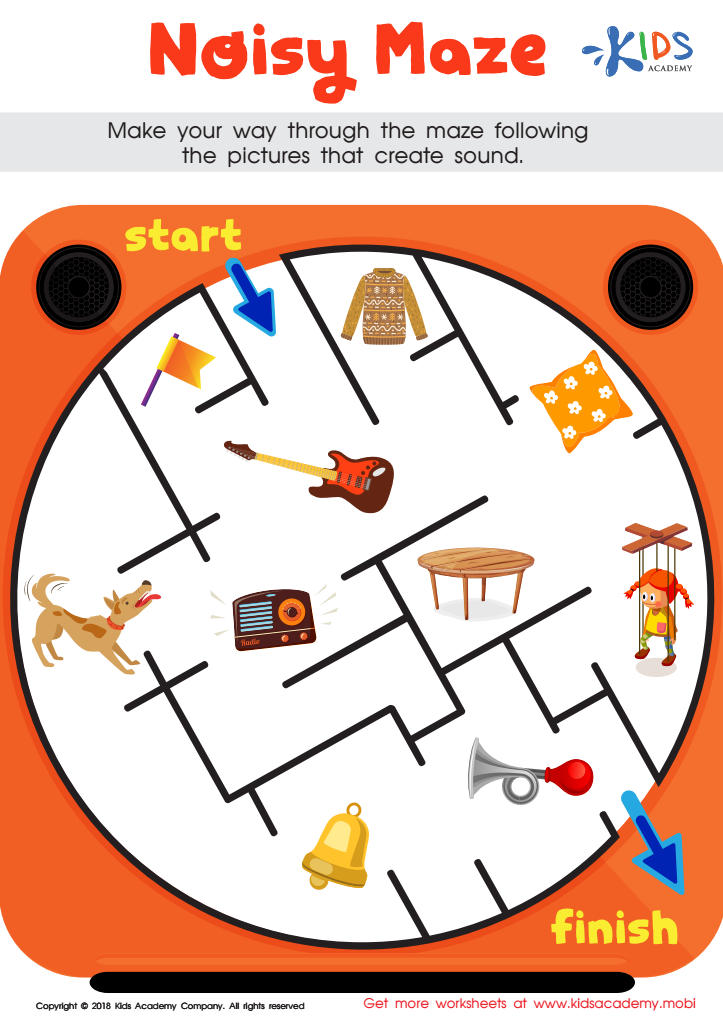
Noisy Maze Worksheet
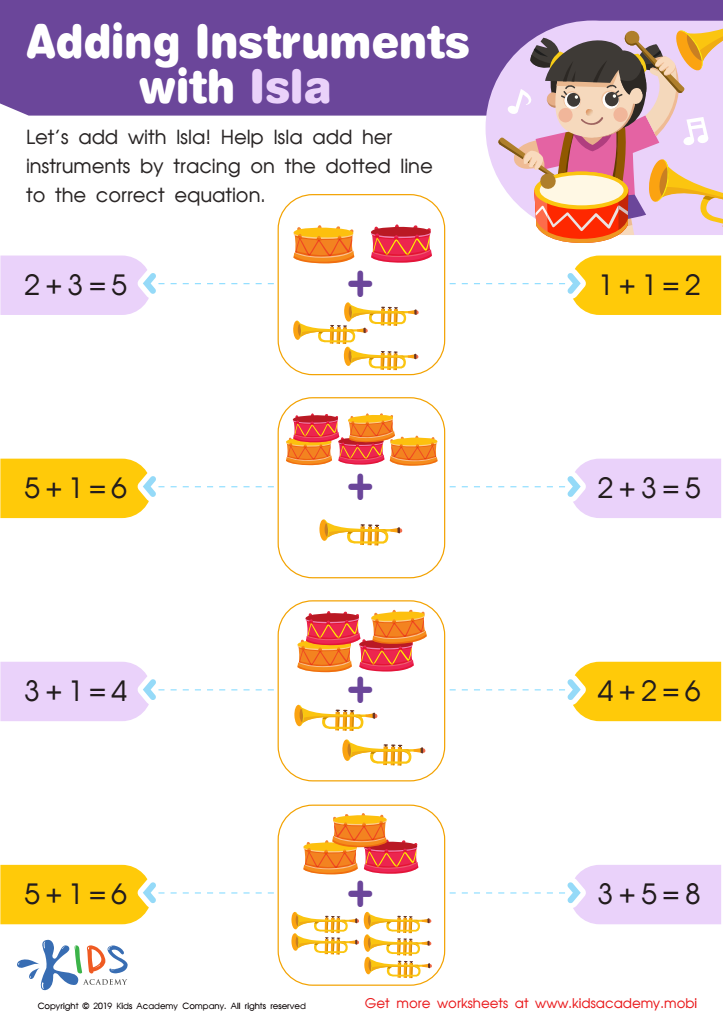
Adding Instruments with Isla Worksheet
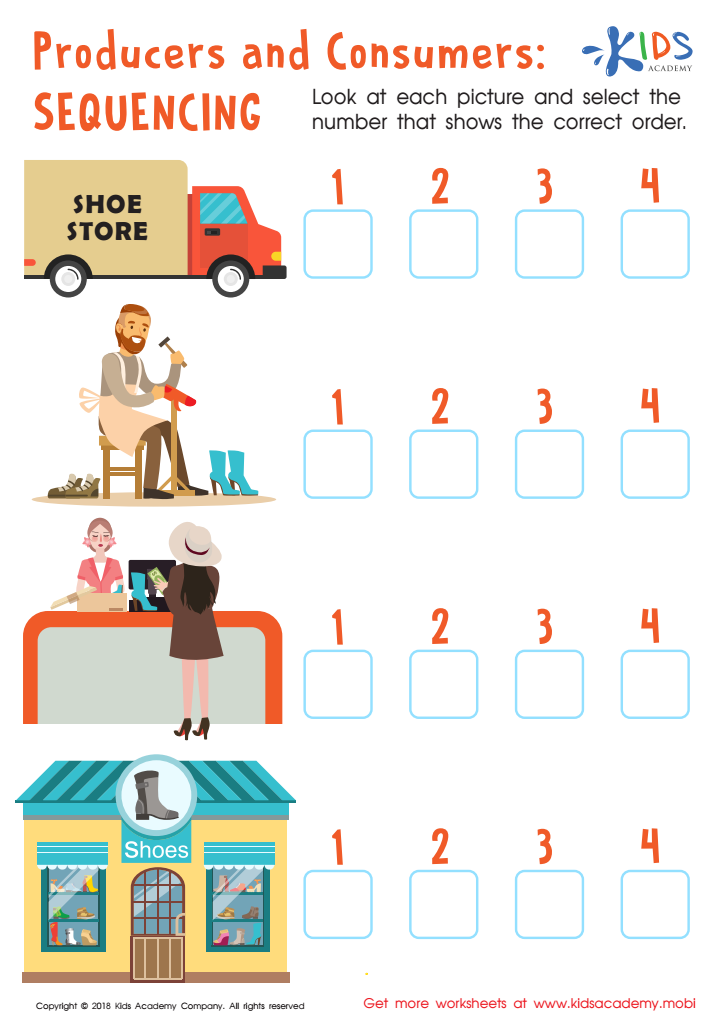
Producers and Consumers: Sequencing Worksheet
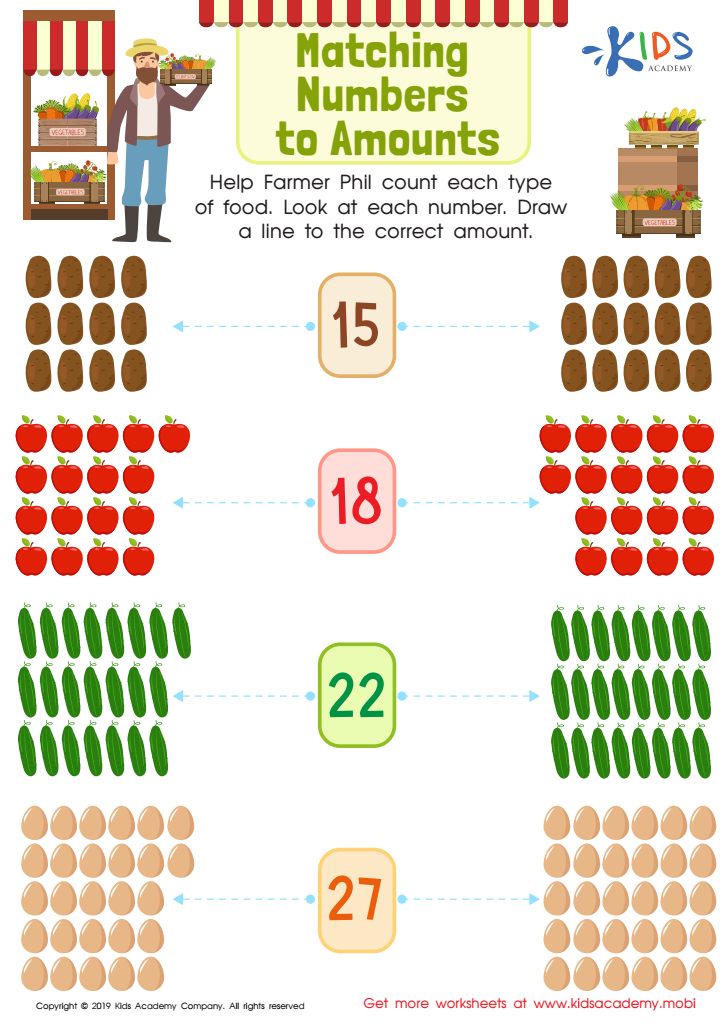
Matching Numbers to Amounts Worksheet
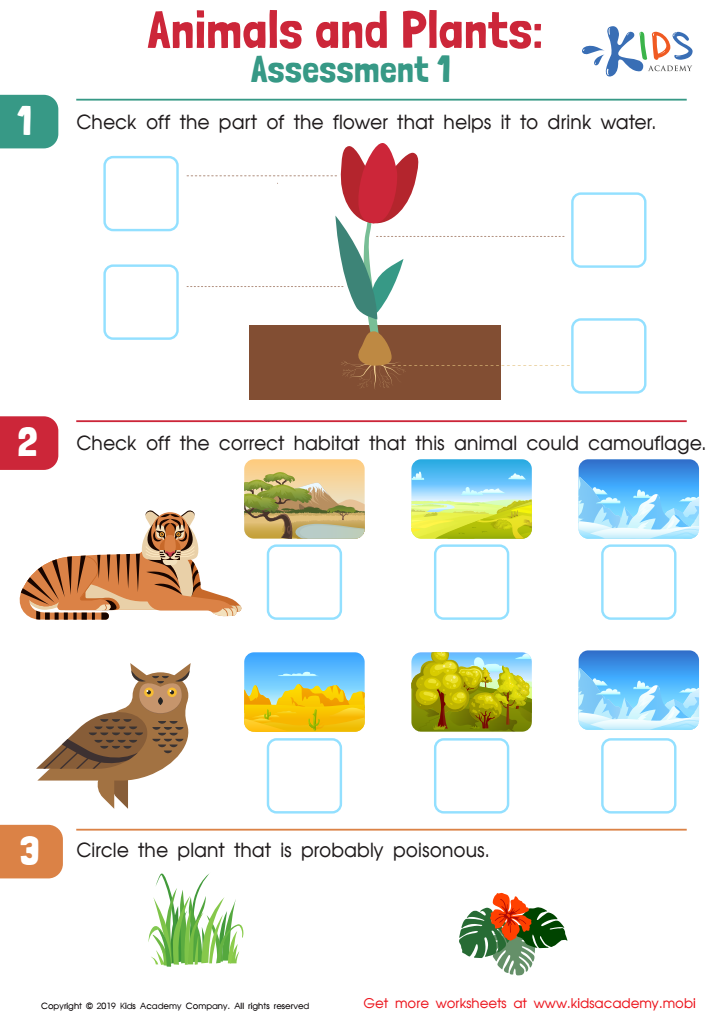
Animals and Plants: Assessment 1 Worksheet
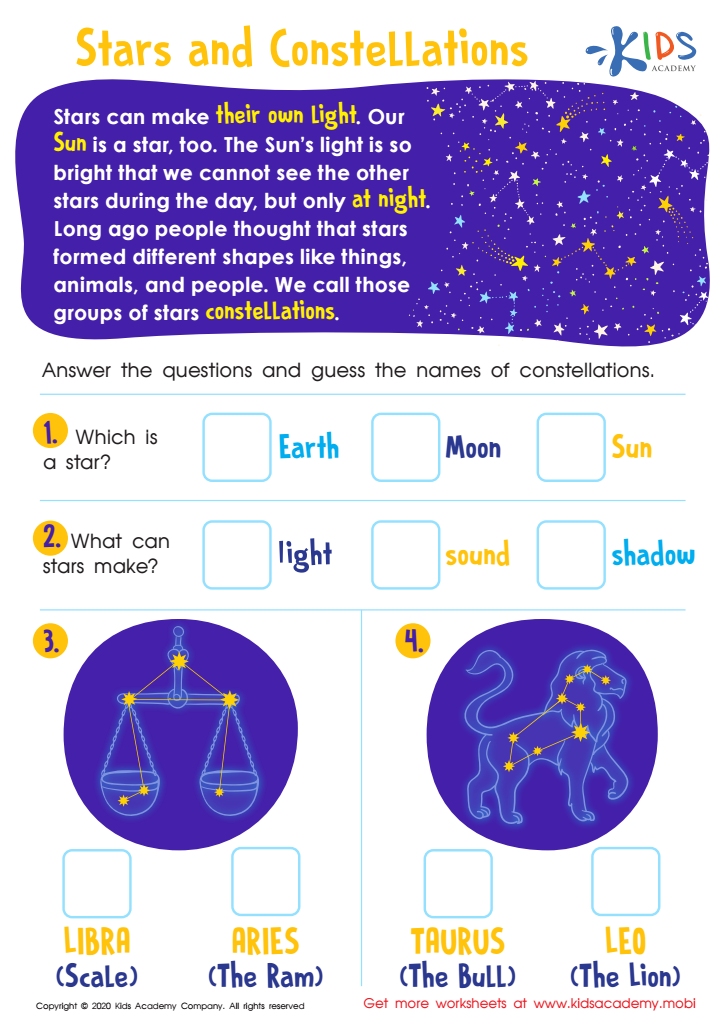
Stars and Constellations Worksheet
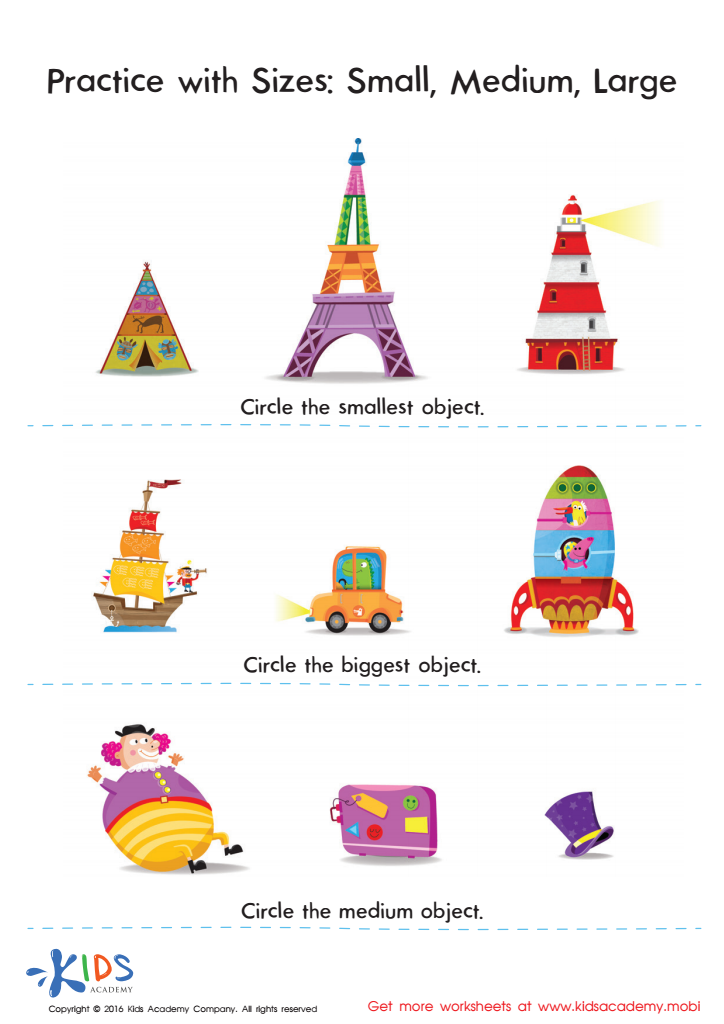
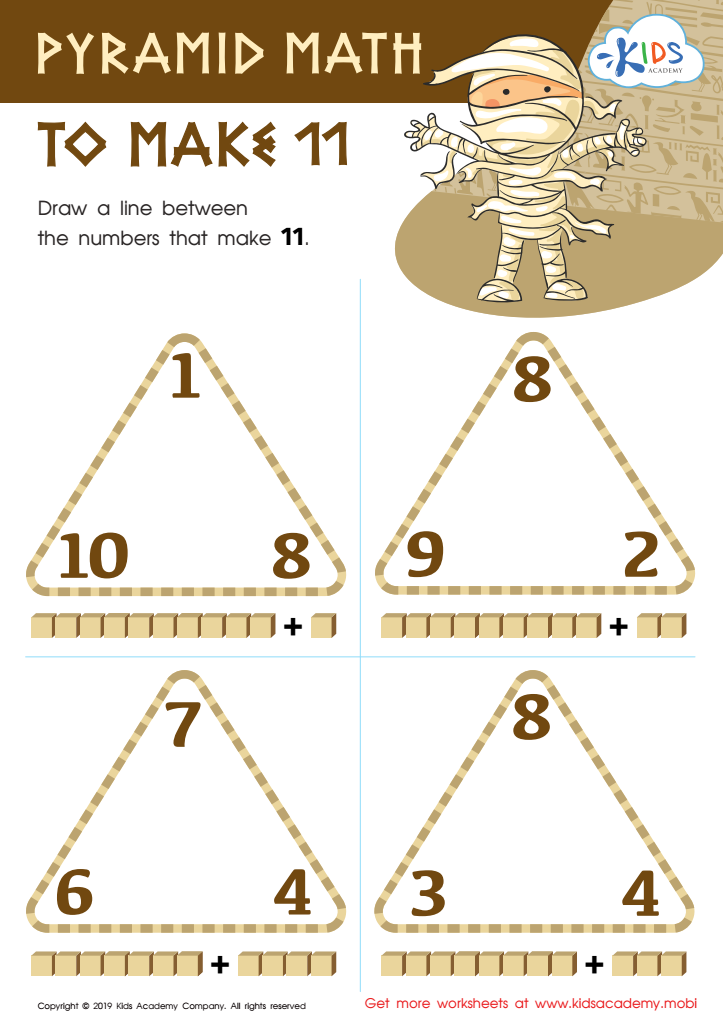
Pyramid Math to Make 11 Worksheet
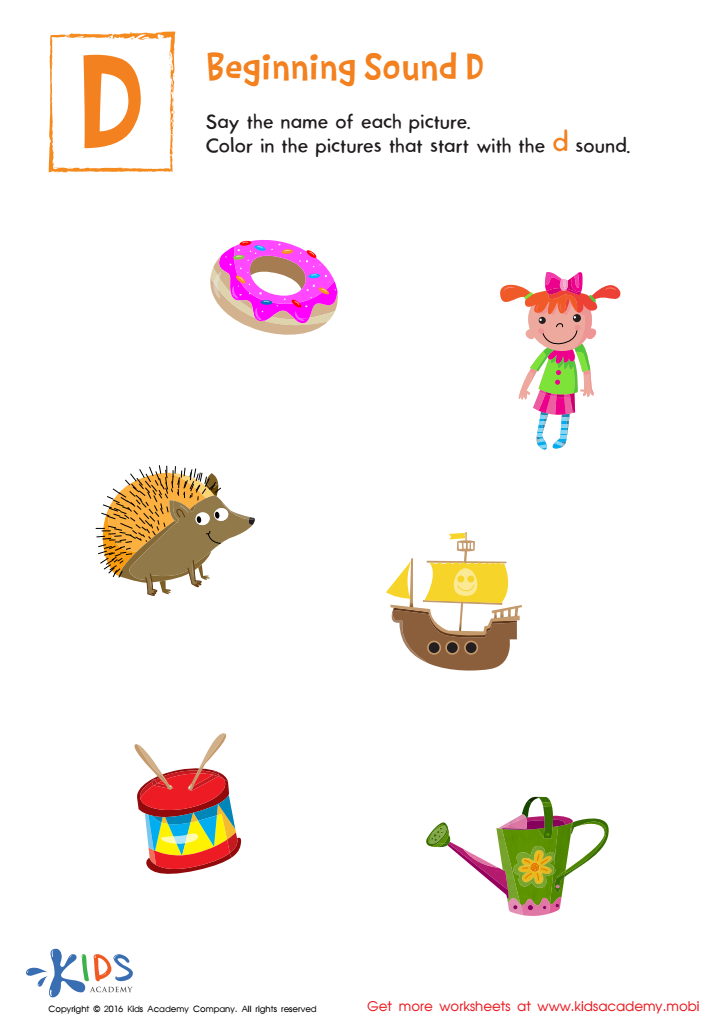
Beginning Sound D Worksheet
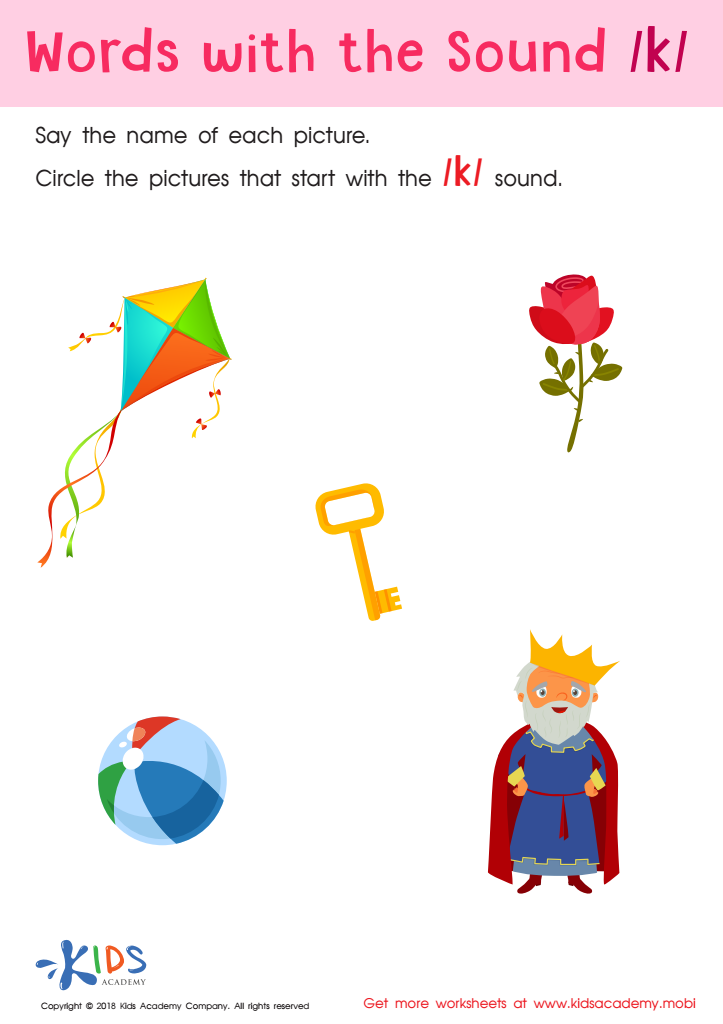
Words with sound k Reading Worksheet
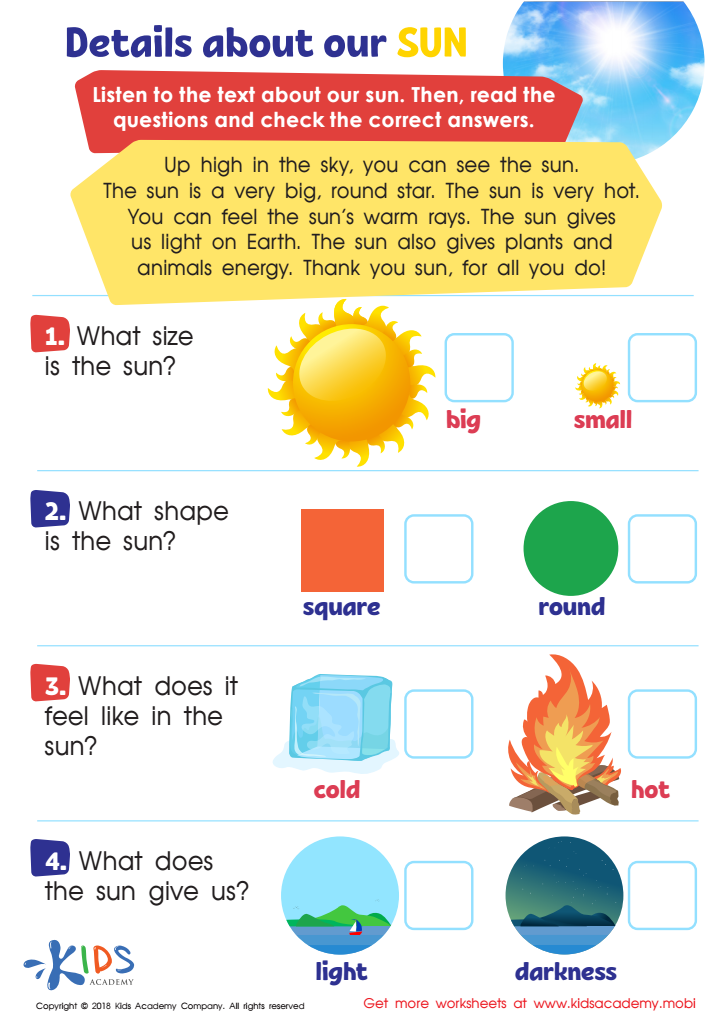
Details About Our Sun Worksheet
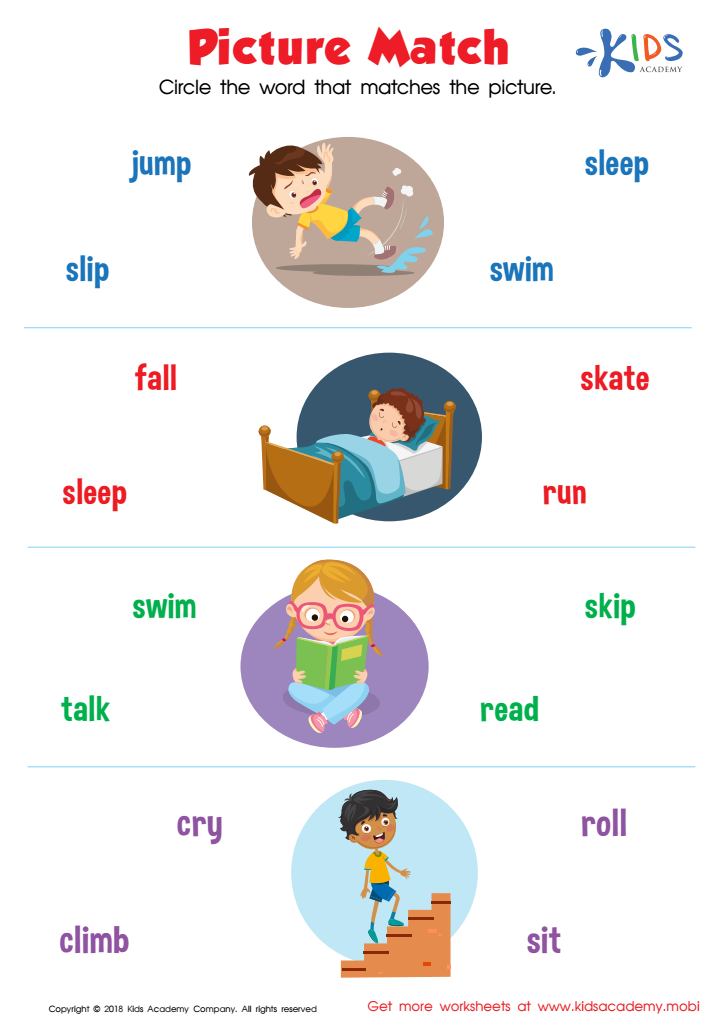
Picture Match Worksheet
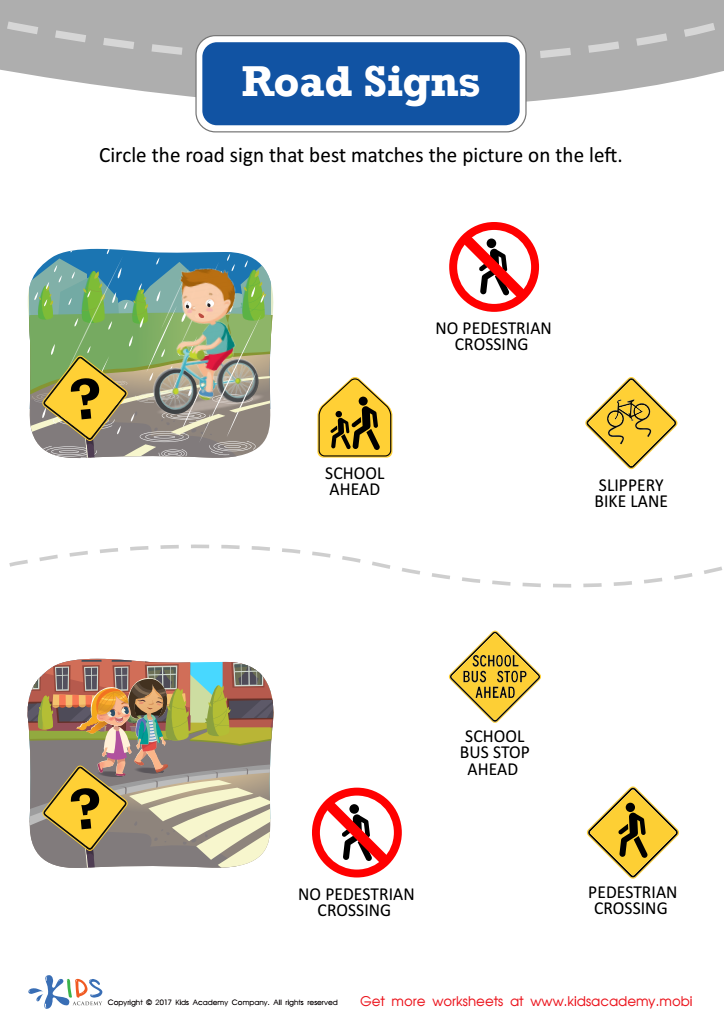
Road Signs (Part 2) Printable
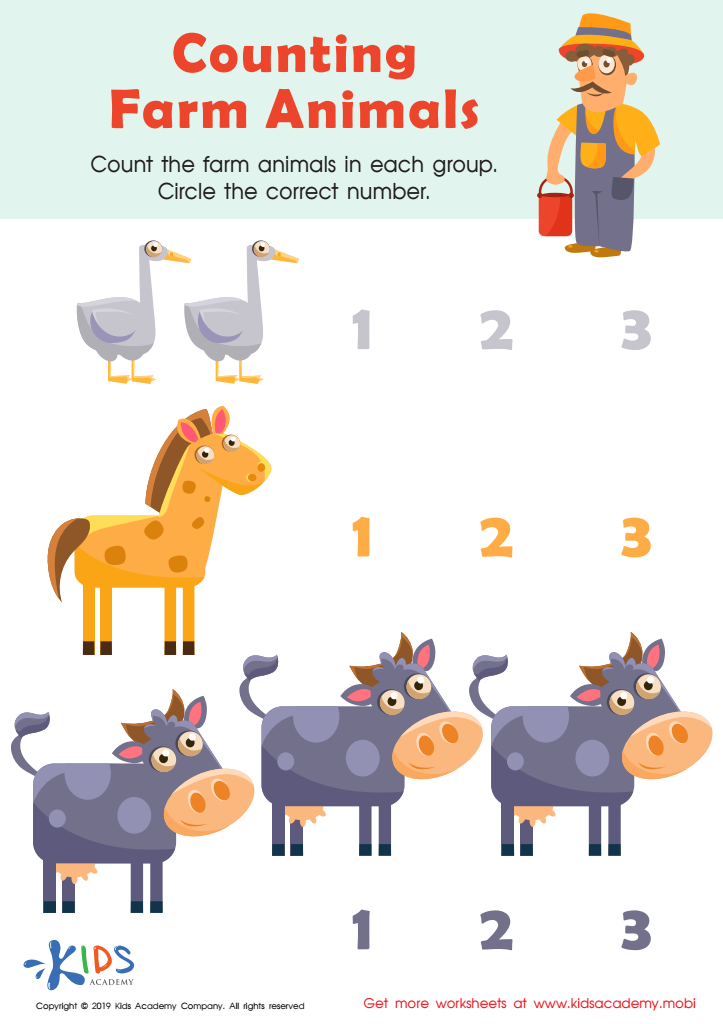
Counting Farm Animals Worksheet
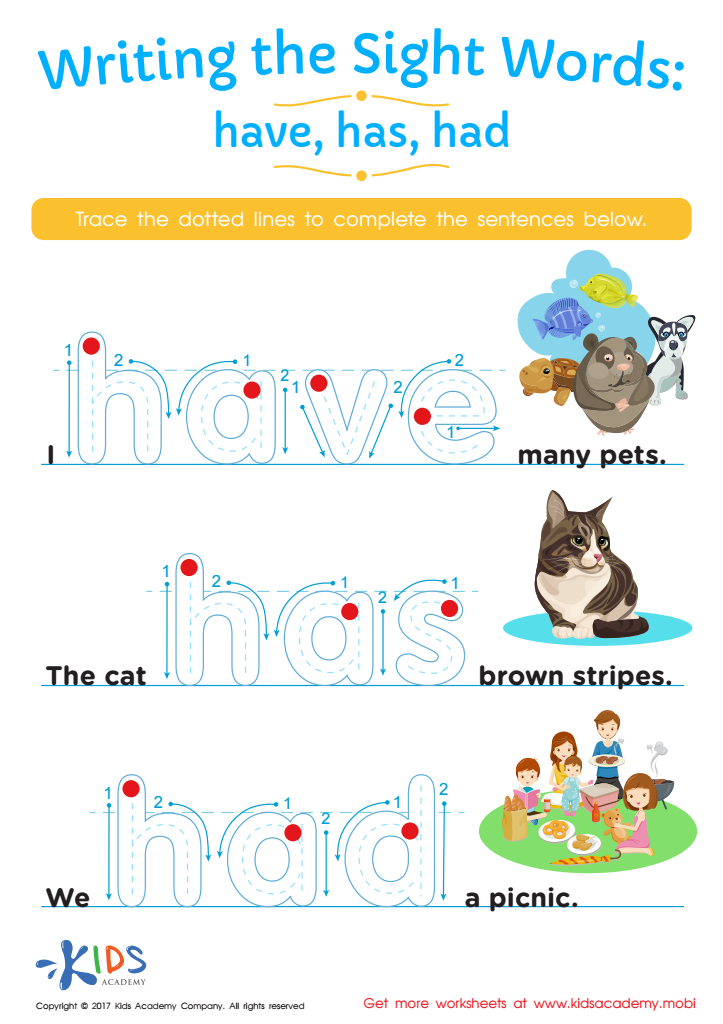
Have, Has, Had Worksheet Sight Words Worksheet
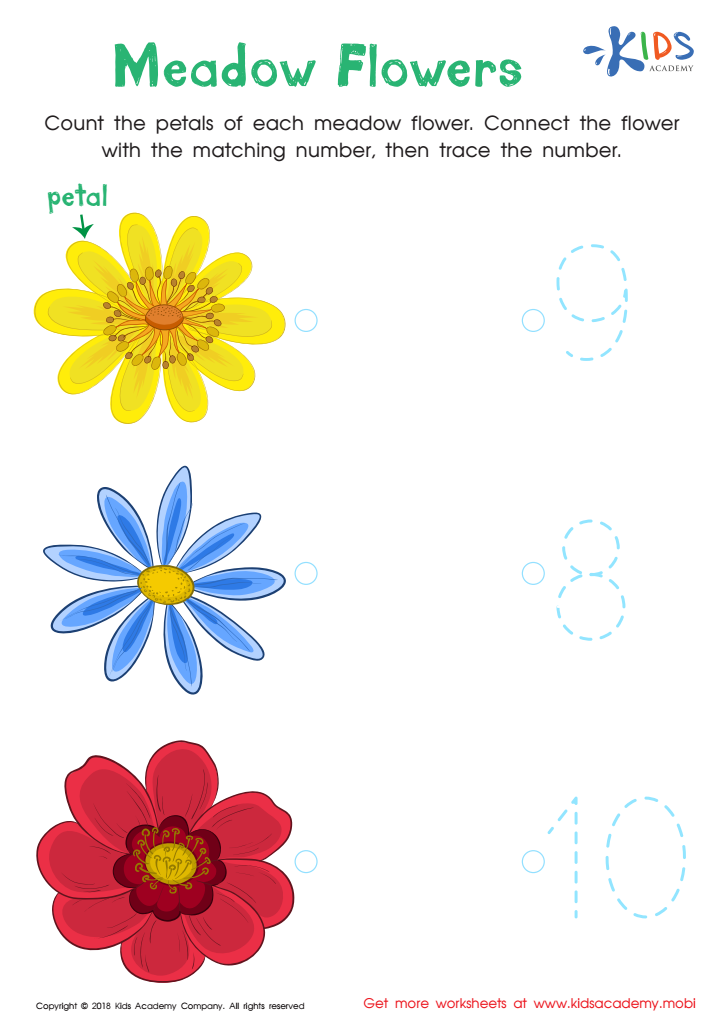
Kindergarten Number Tracing: Medow Flowers Worksheet





.jpg)

Parents and teachers should care about the development of children's sense of "normal" for ages 5-7 because this period is crucial for shaping their understanding of the world and social dynamics. At this age, children are developing their self-concept, learning about relationships, and exploring cultural norms. Understanding what is considered "normal" can influence their feelings of acceptance and belonging.
Encouraging children to embrace diversity in experiences and backgrounds helps foster empathy and adaptability. It teaches them that differences are not only acceptable but also valuable. This understanding is key to combating stereotypes and promoting inclusivity.
Additionally, children in this age group are highly impressionable, often internalizing notions of normalcy from their families, peers, and educational settings. By actively engaging in discussions about normality, parents and teachers can help children differentiate between societal expectations and their self-worth.
Moreover, defining what's "normal" can impact their emotional development; knowing that different behaviors, families, and traditions exist encourages open-mindedness, curiosity, and respect for others. Ultimately, nurturing a healthy concept of normalcy helps build resilient individuals who are prepared to engage positively with an increasingly diverse world.








