Normal Alphabet Worksheets for Ages 5-7 - Page 11
262 filtered results
-
From - To
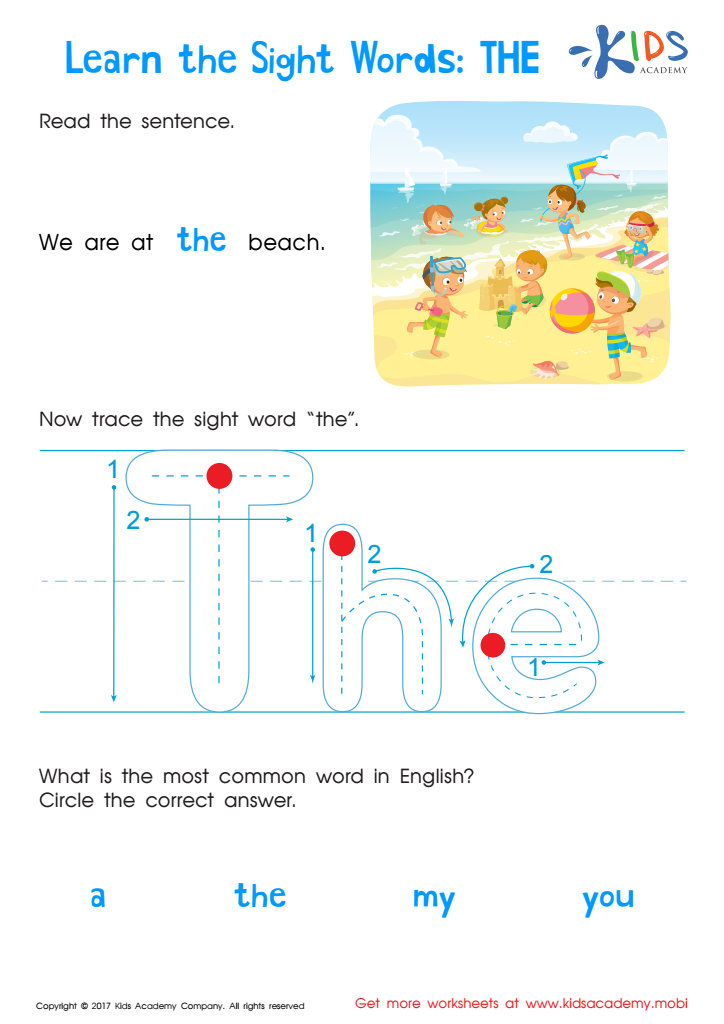
Sight Words: The Worksheet
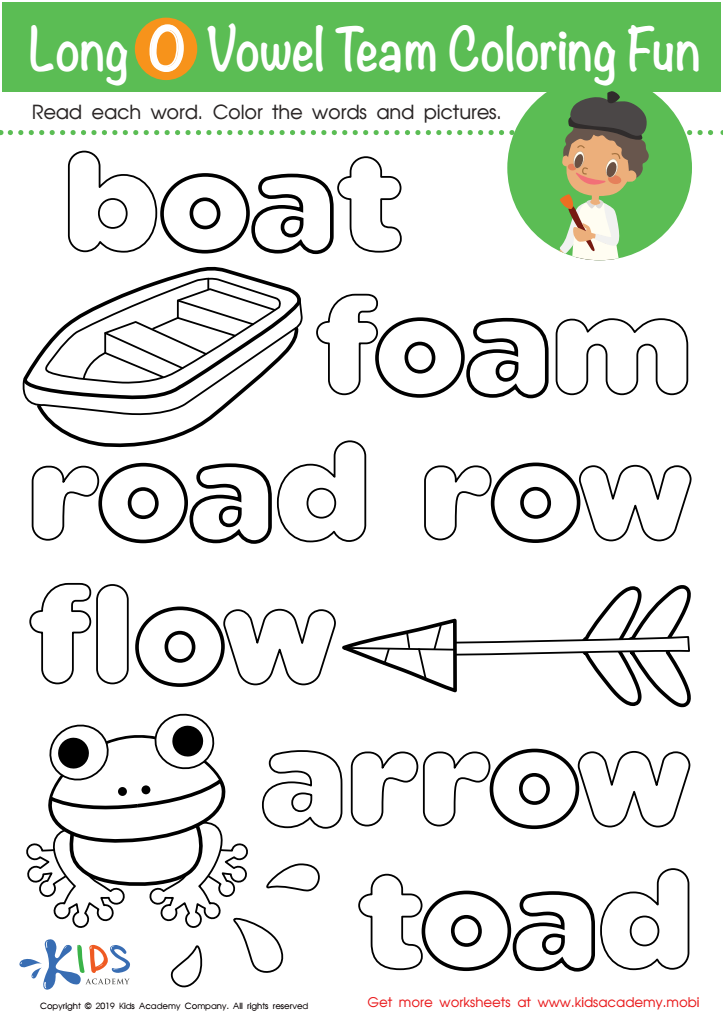
Long O Vowel Team Coloring Worksheet
 Assign to My Students
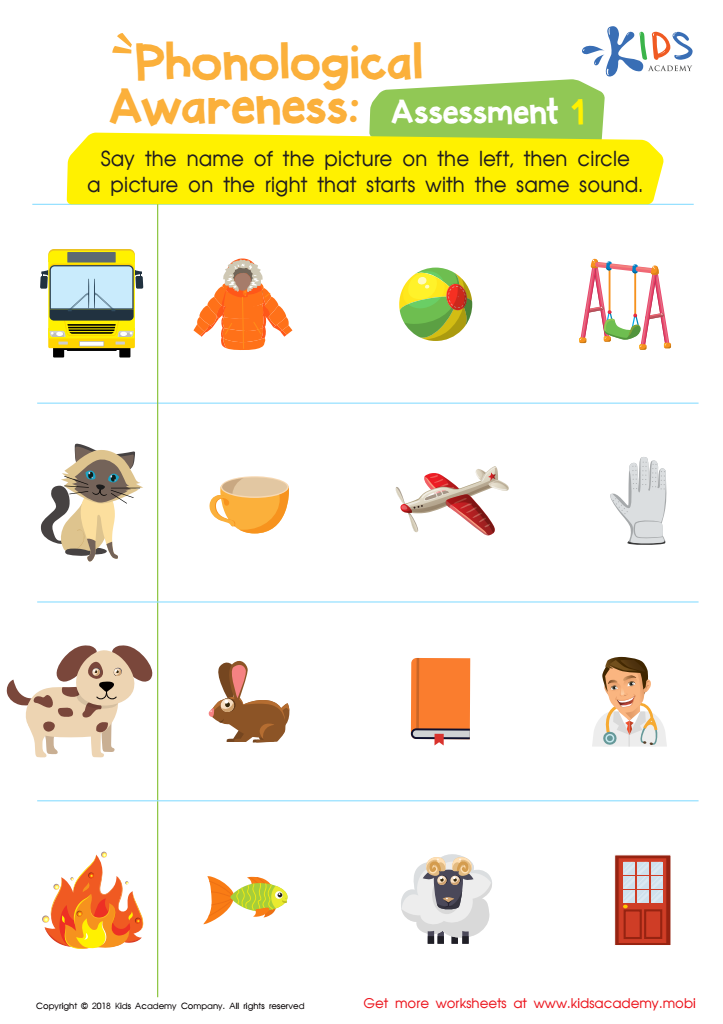
Phonological Awareness: Assessment 1 Worksheet
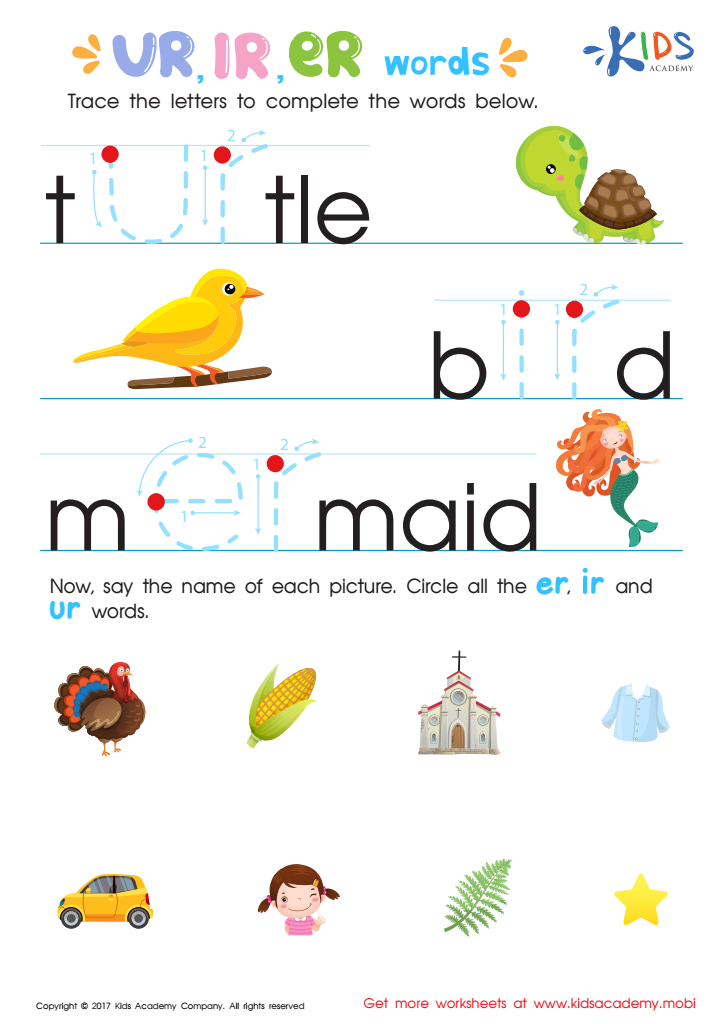
IR UR ER Words Worksheet
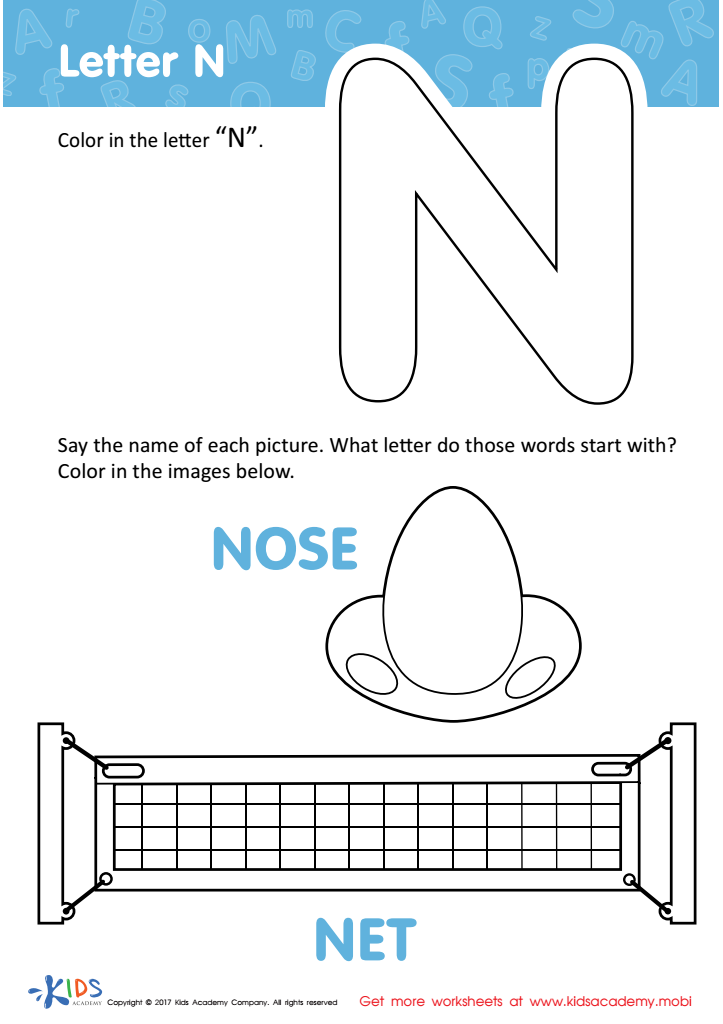
Letter N Coloring Sheet
Assign to My Students
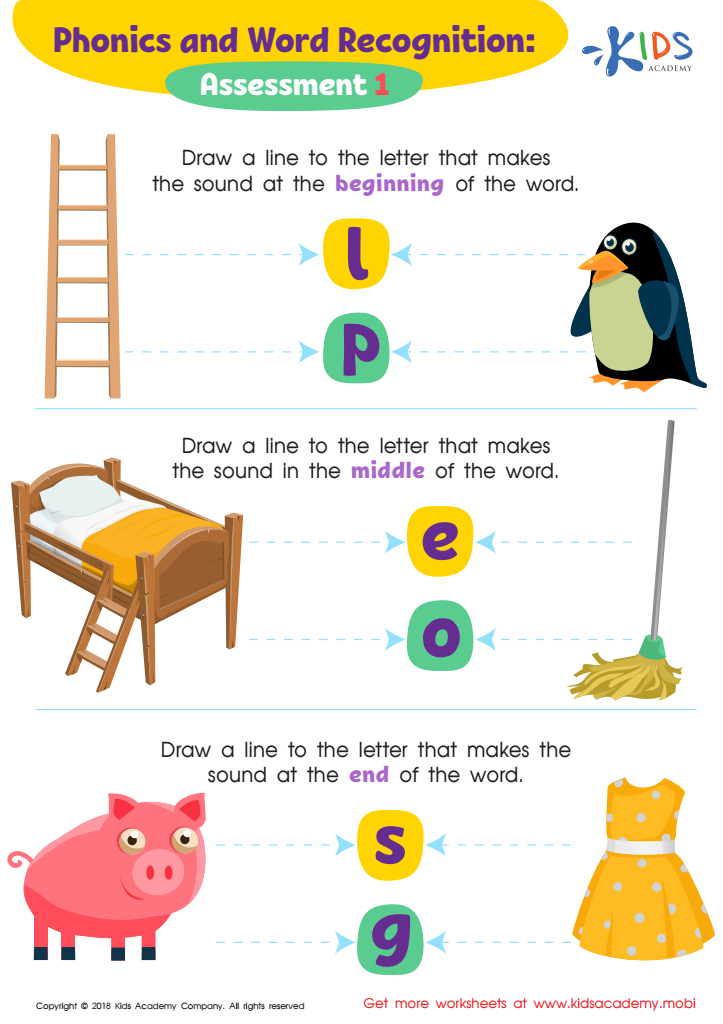
Phonics and Word Recognition: Assessment 1 ELA Worksheet
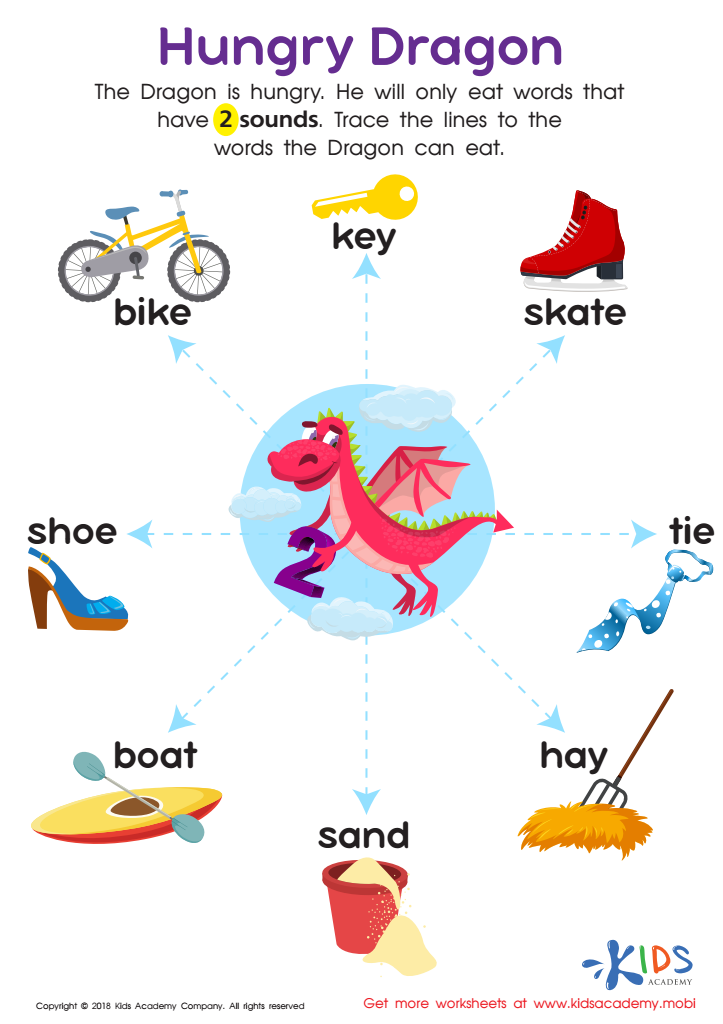
Hungry Dragon Worksheet
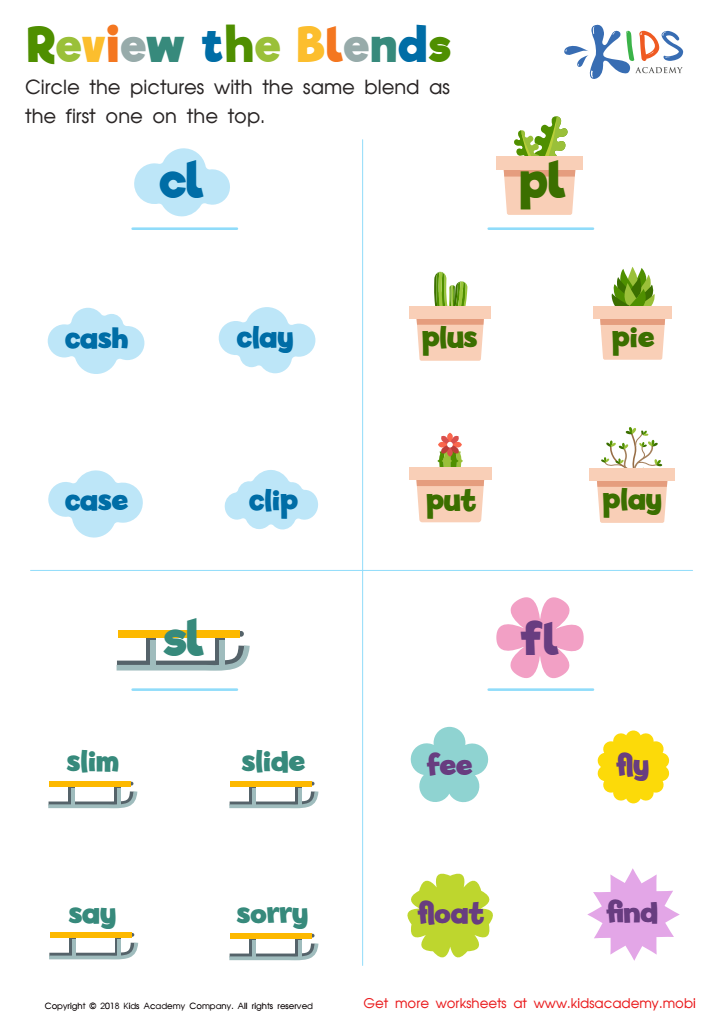
Review the Blends Worksheet
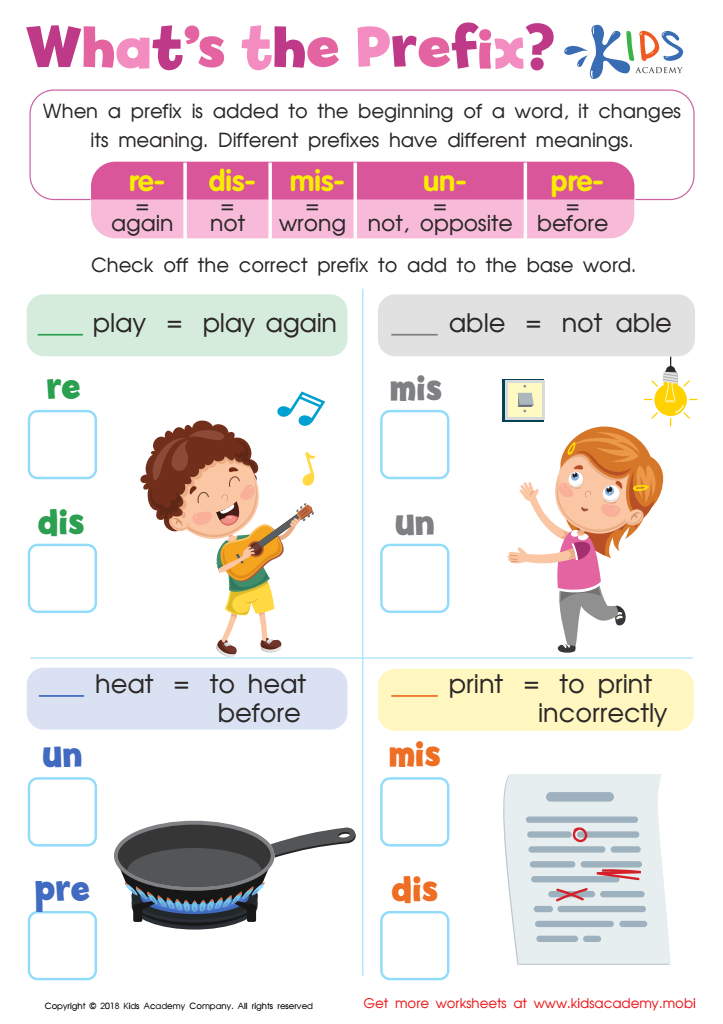
Reading: What Is the Prefix Worksheet
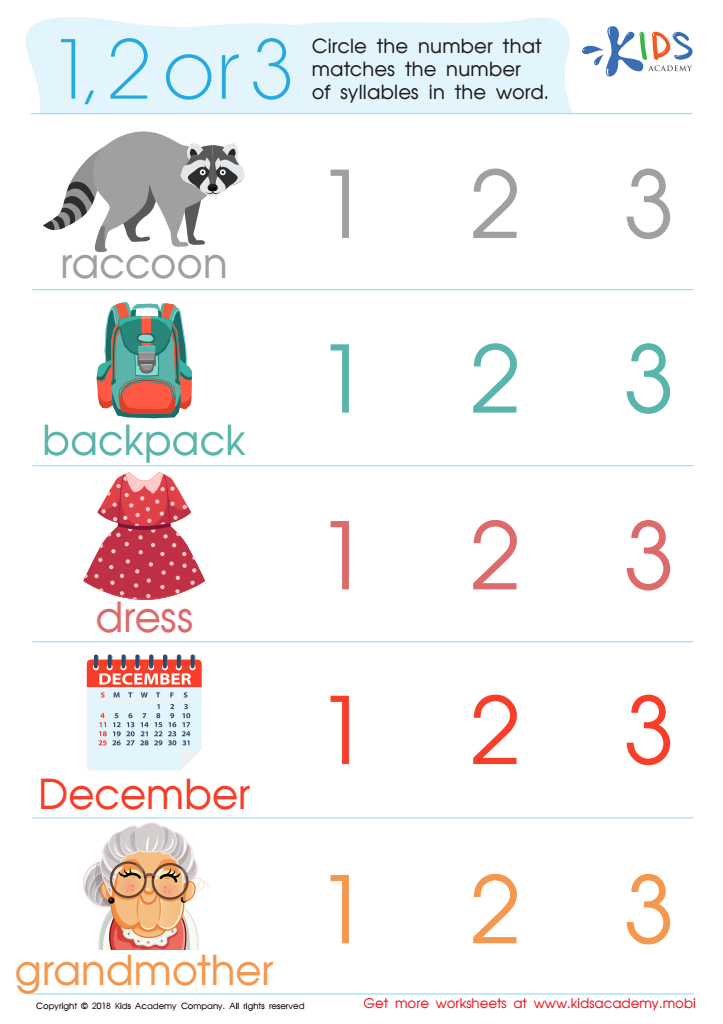
1, 2 or 3? Worksheet
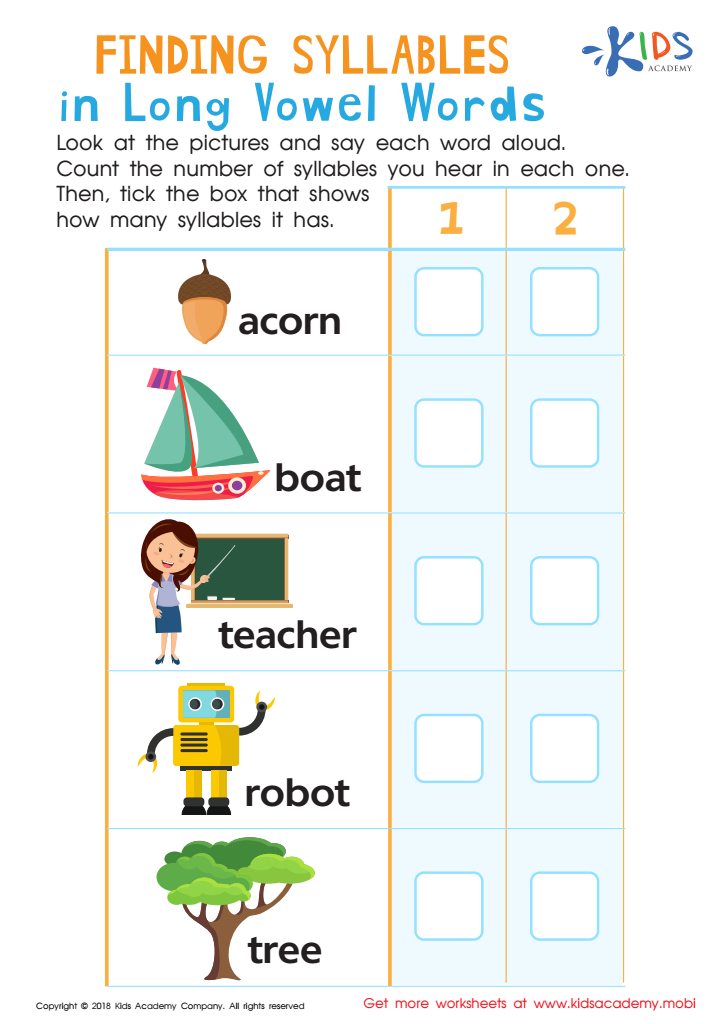
Finding Syllables in Long Vowel Words Worksheet
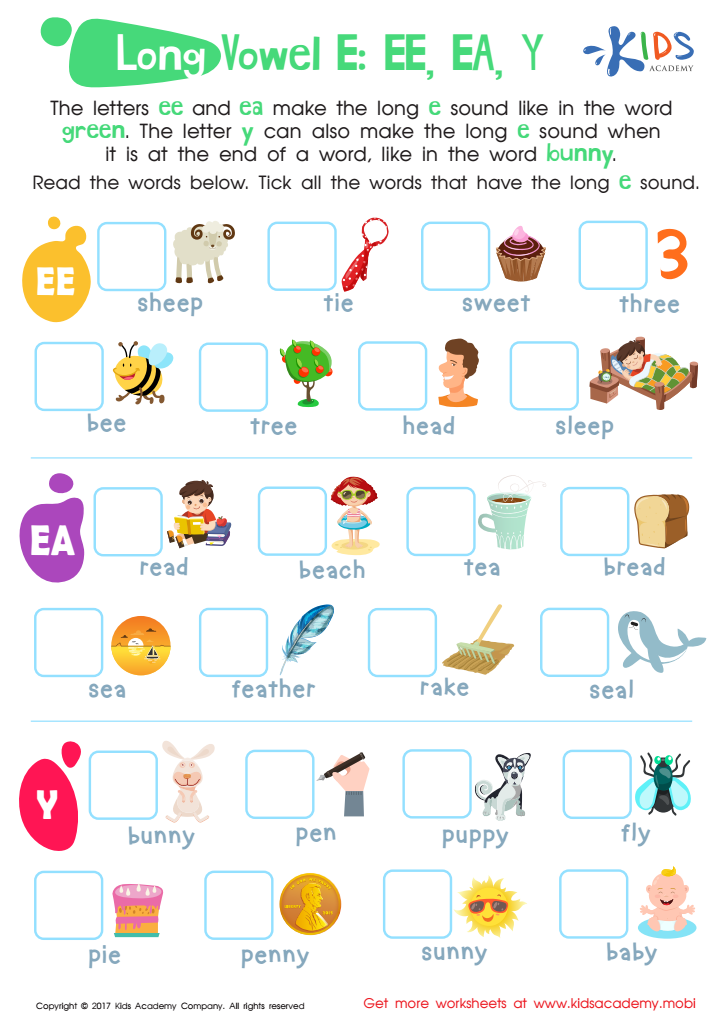
Long Vowel E Printable

Letter D Tracing Page
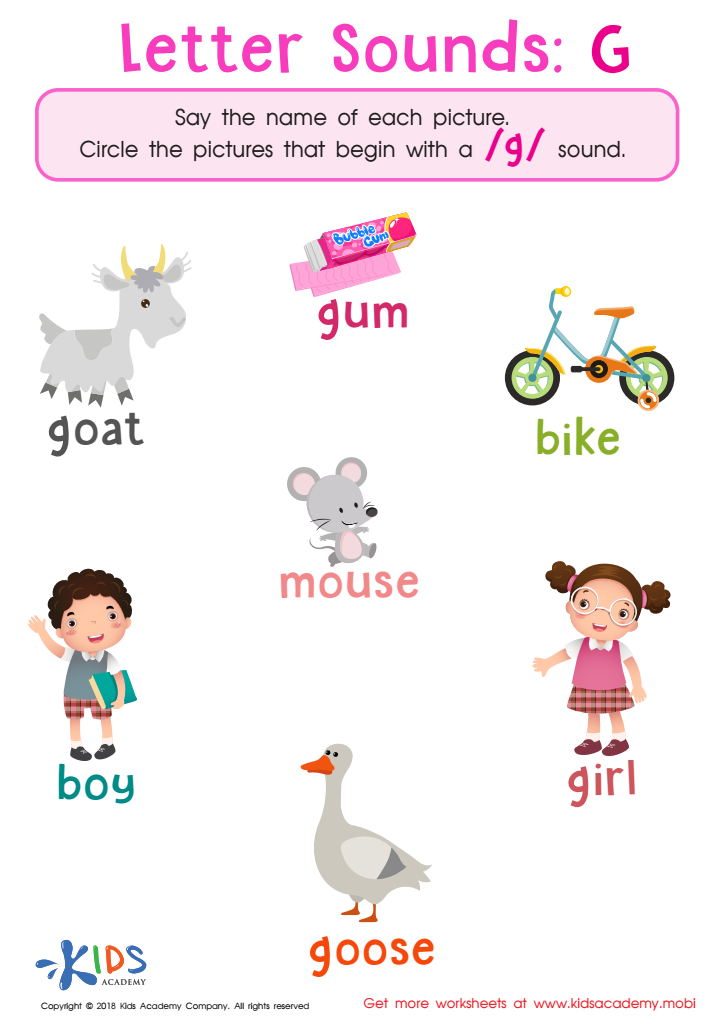
Letter G Sounds Worksheet
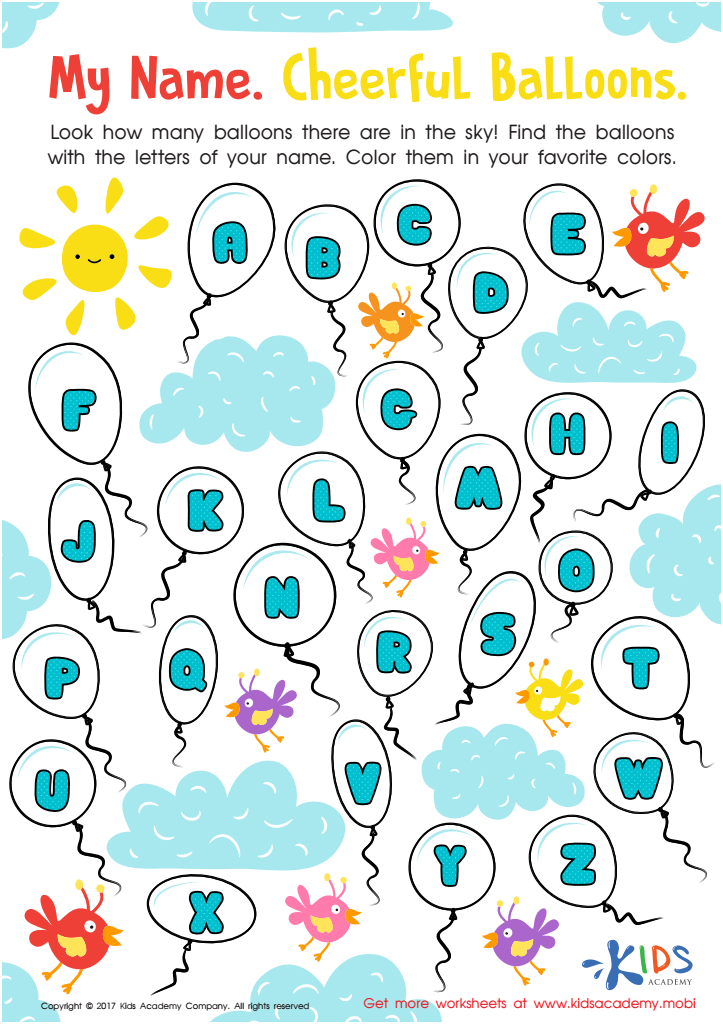
My Name: Cheerful Balloons Worksheet
Assign to My Students
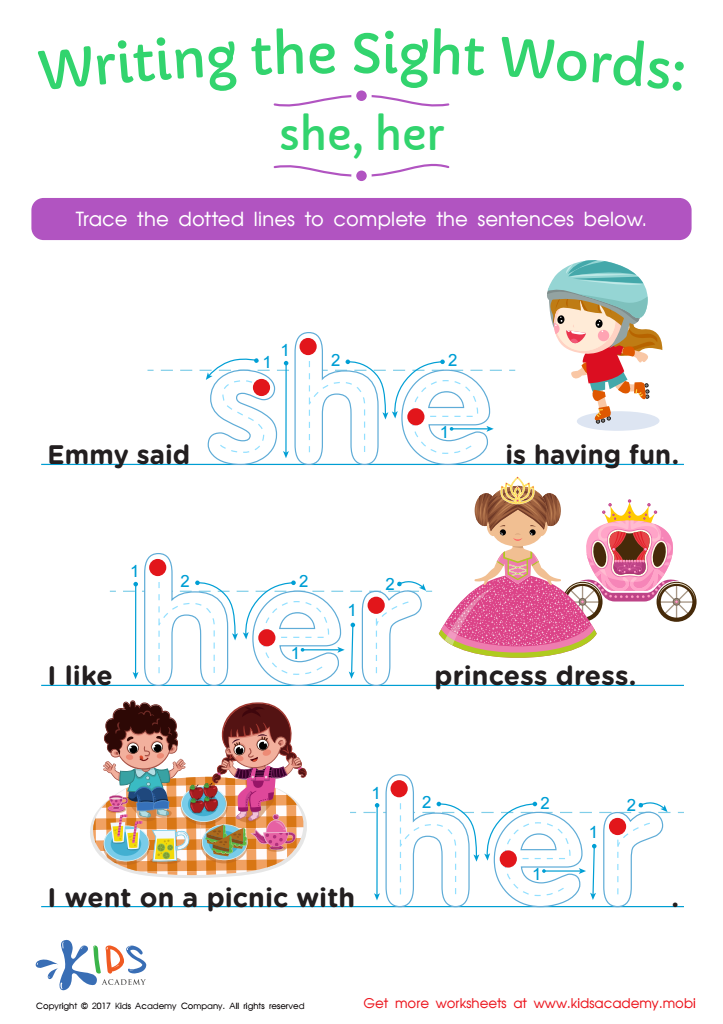
She, Her Printable Sight Words Worksheet
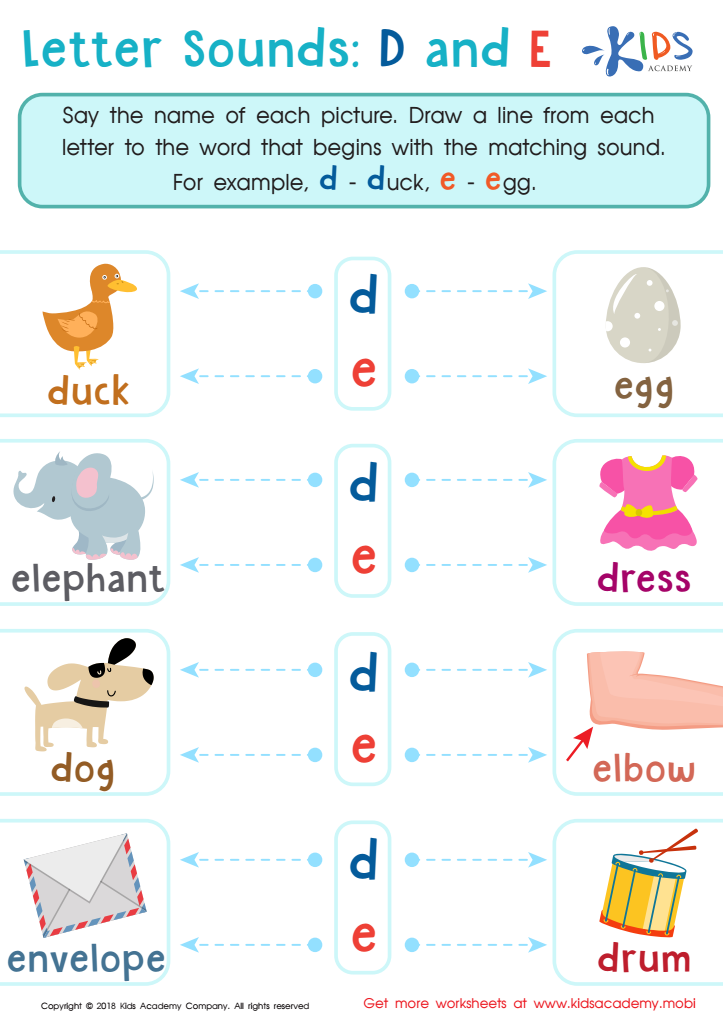
Letter D and E Sounds Worksheet
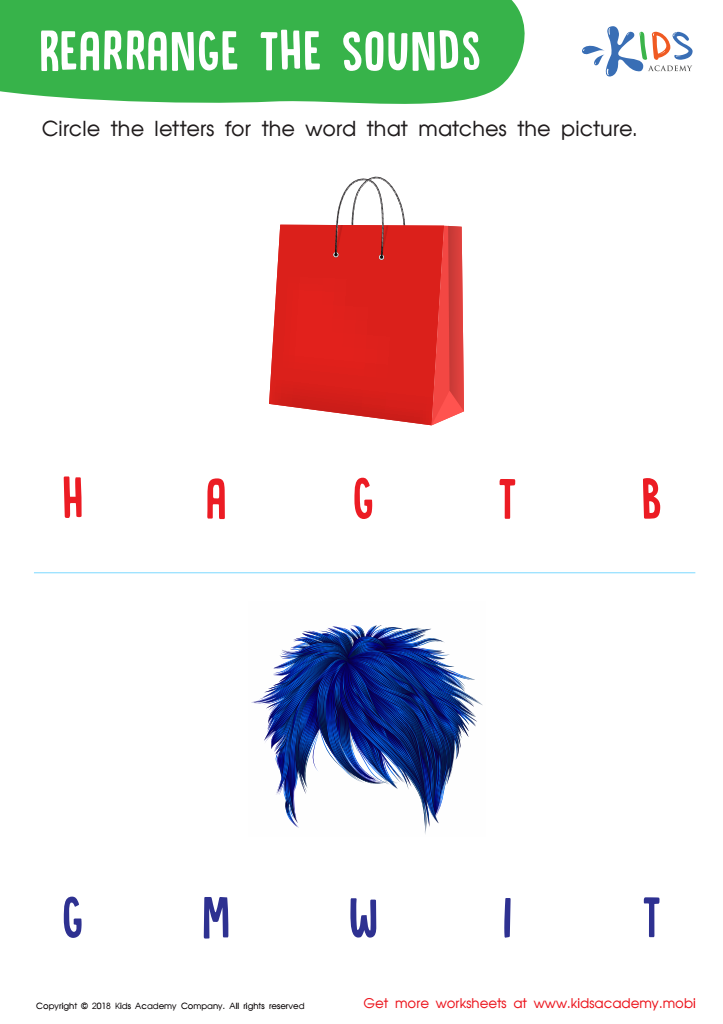
Rearrange the Sounds Worksheet
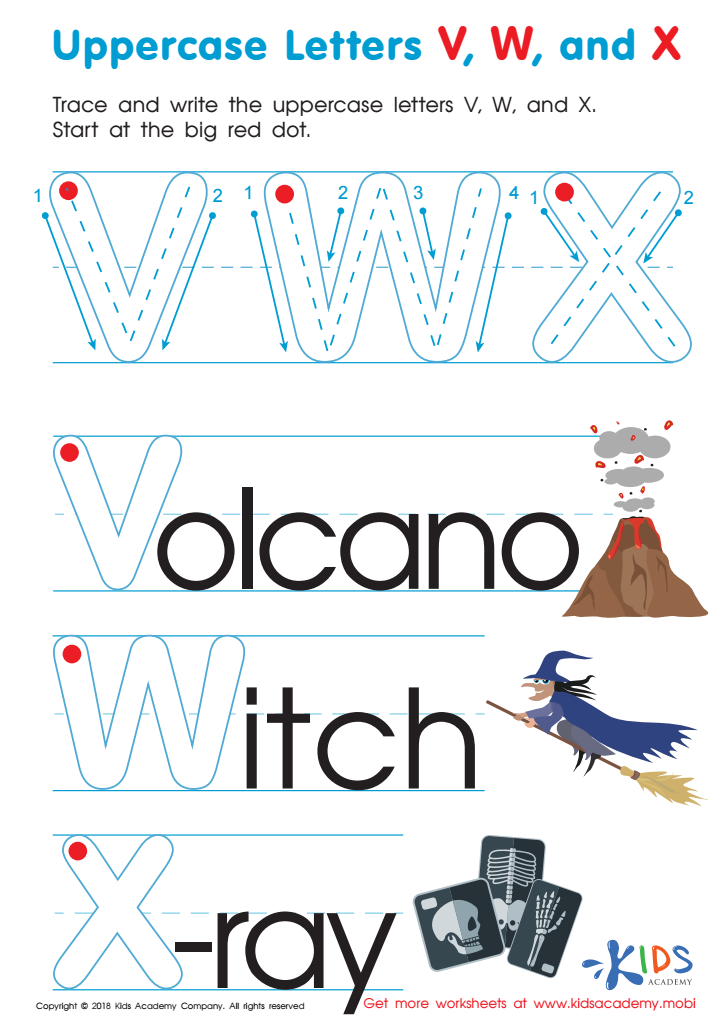
Uppercase Letters V, W, and X Worksheet
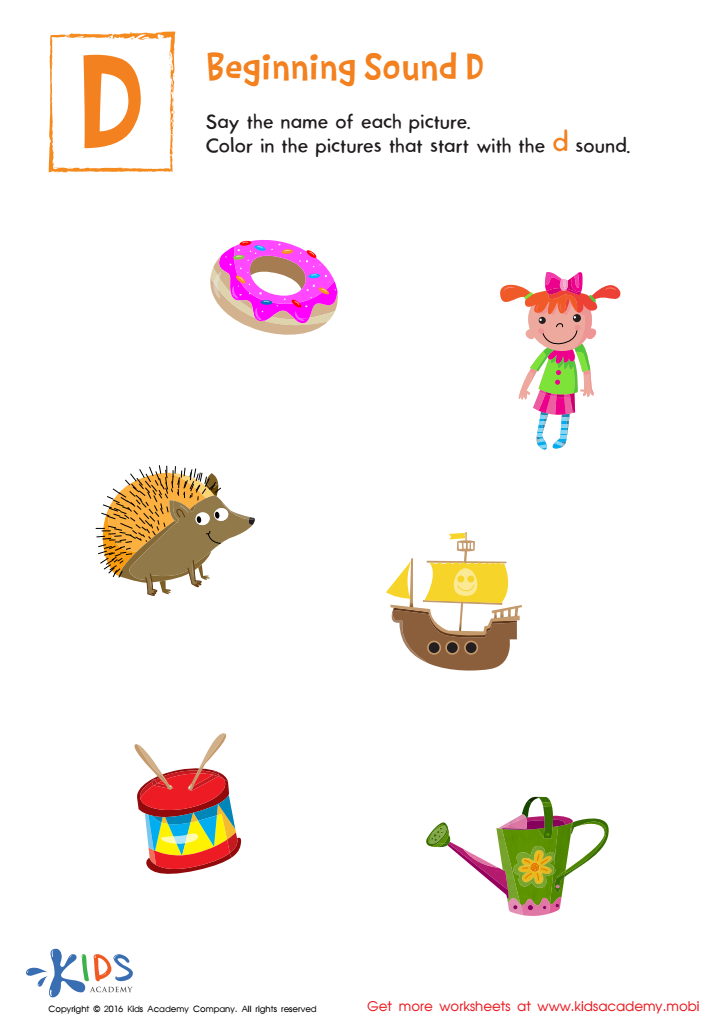
Beginning Sound D Worksheet
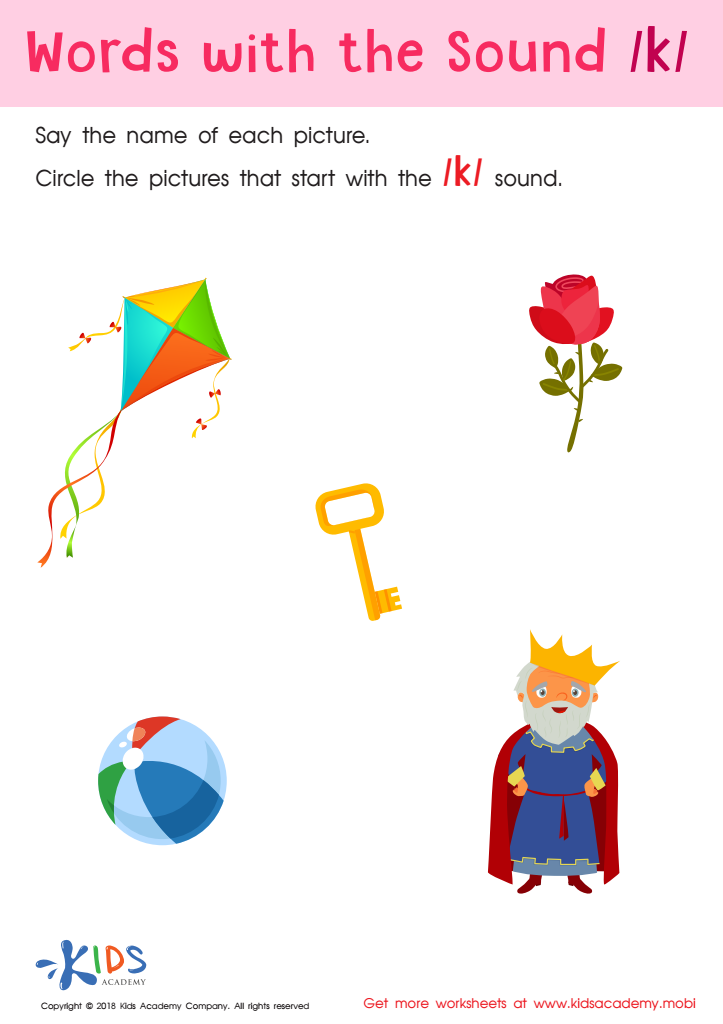
Words with sound k Reading Worksheet






Understanding the Normal Alphabet, or the standard alphabetical order, is essential for children ages 5-7, as it forms the foundation for reading and writing skills. This knowledge allows children to recognize letters, understand their sequence, and comprehend the basic elements of language.
For parents and teachers, placing emphasis on the Normal Alphabet helps nurture early literacy. When children can identify letters consistently, they gain confidence and proficiency in phonemic awareness, crucial for decoding words. Additionally, this foundation supports vocabulary expansion and development of comprehension skills.
At this preschool and early elementary age, children are highly receptive to new information. Teachers can integrate alphabet learning into engaging activities like sing-alongs, storytelling, and creative play to make the learning process enjoyable and effective. Parents can complement this at home with alphabet-focused games and reading practice, fostering a robust learning environment.
Moreover, mastering the Normal Alphabet equips children with organizational skills, such as sorting and categorizing, which are valuable for academic success beyond language arts. Ultimately, a strong grasp of the alphabet opens the door for lifelong love of learning, academic achievement, and effective communication, making it a critical priority for both parents and teachers.







