Letter recognition Normal Alphabet Worksheets for Ages 5-7
59 filtered results
-
From - To
Enhance your child's early literacy skills with our engaging "Letter Recognition Normal Alphabet Worksheets" designed specifically for ages 5-7. These worksheets provide fun activities that promote letter recognition, helping young learners identify both uppercase and lowercase letters. Each worksheet features colorful illustrations and interactive exercises that keep children motivated while they practice their letter skills. Ideal for home or classroom use, these resources support phonics and early reading development, ensuring a strong foundation in literacy. Empower your little learners to recognize letters with confidence and ease through our thoughtfully crafted worksheets! Start their educational journey today!
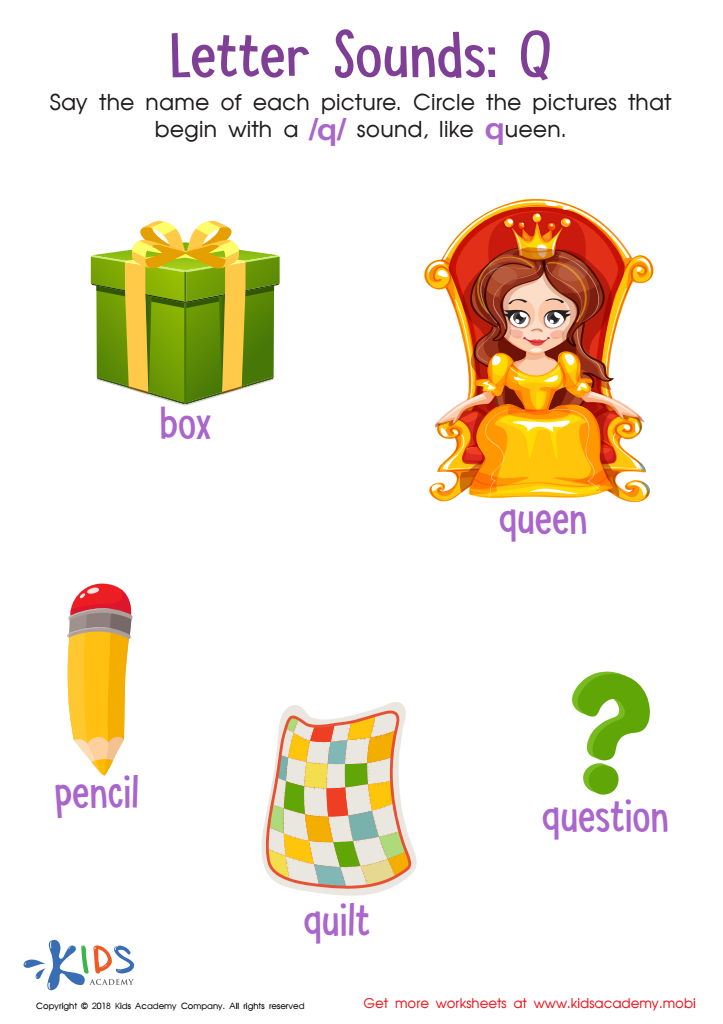
Letter Q Sounds Worksheet
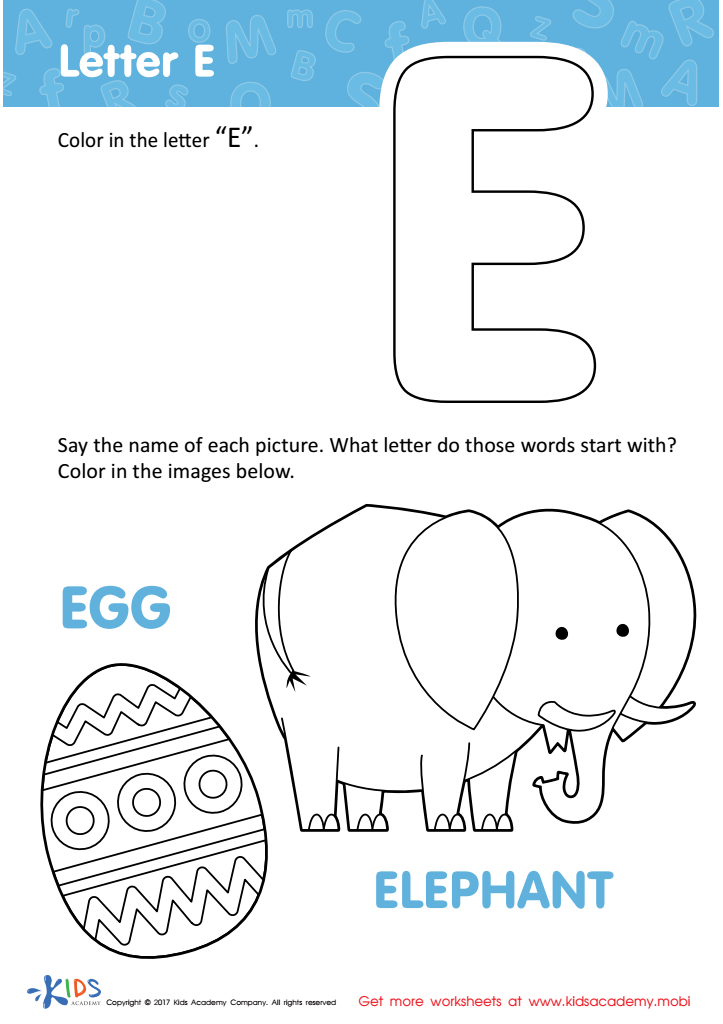
Letter E Coloring Sheet
 Assign to My Students
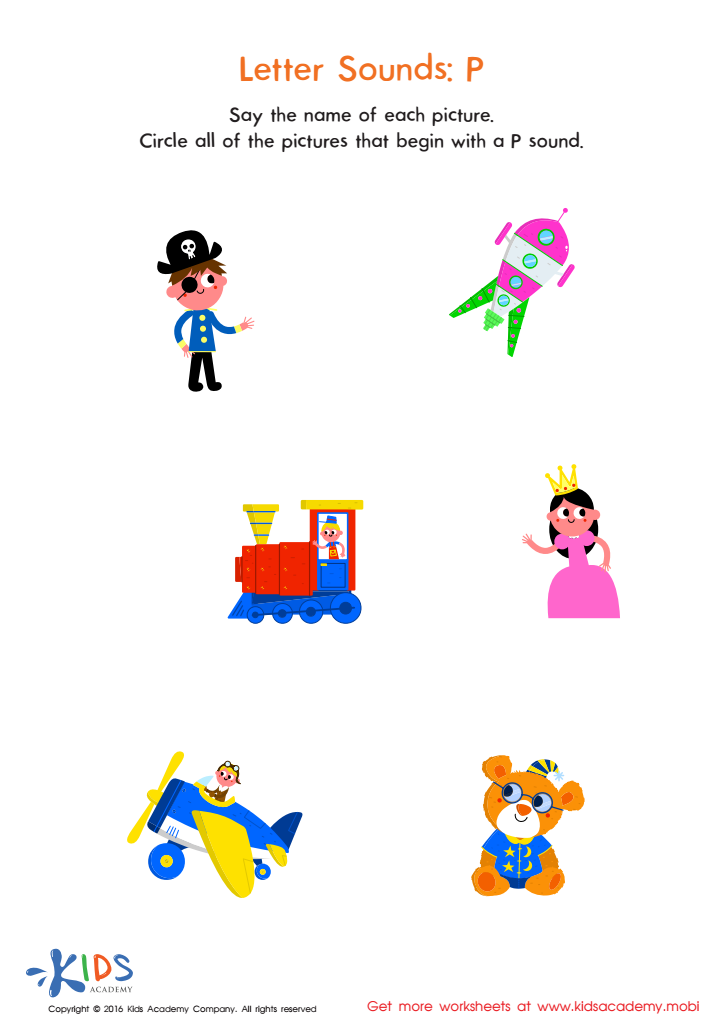
Letter P Sound Worksheet
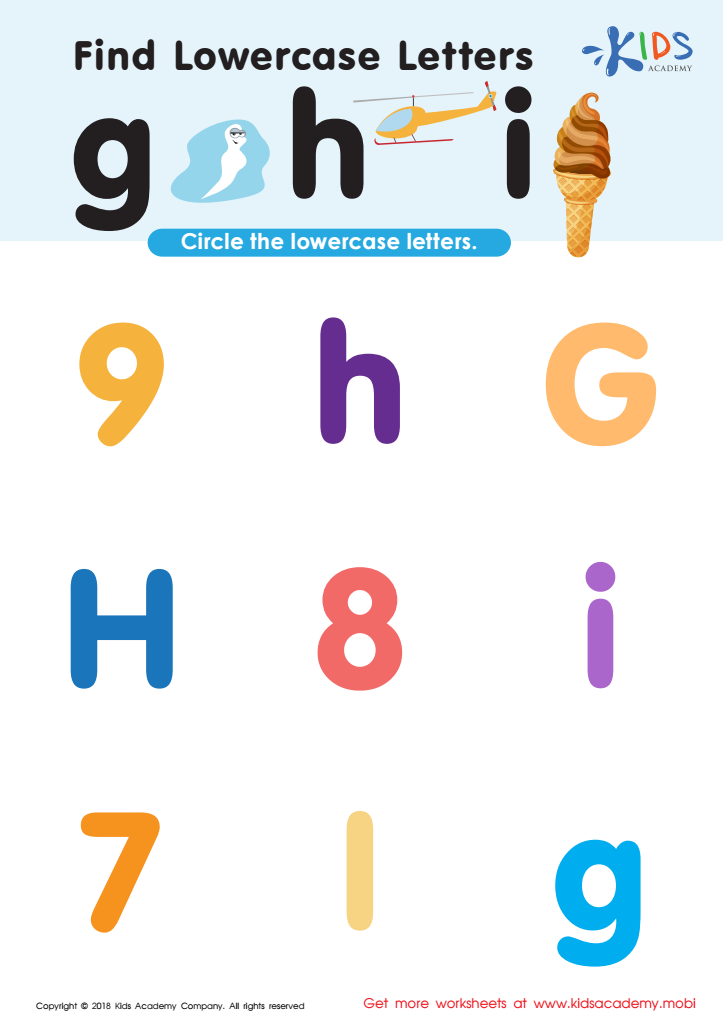
Find Lowercase Letters g h i Worksheet

Letter P Tracing Page
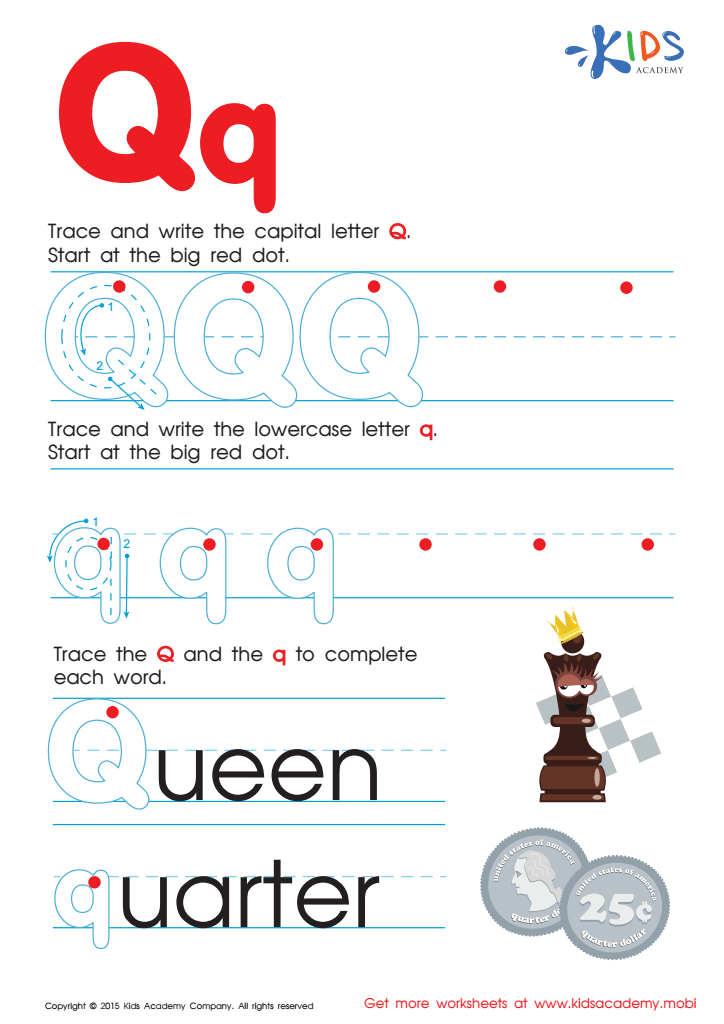
Letter Q Tracing Page
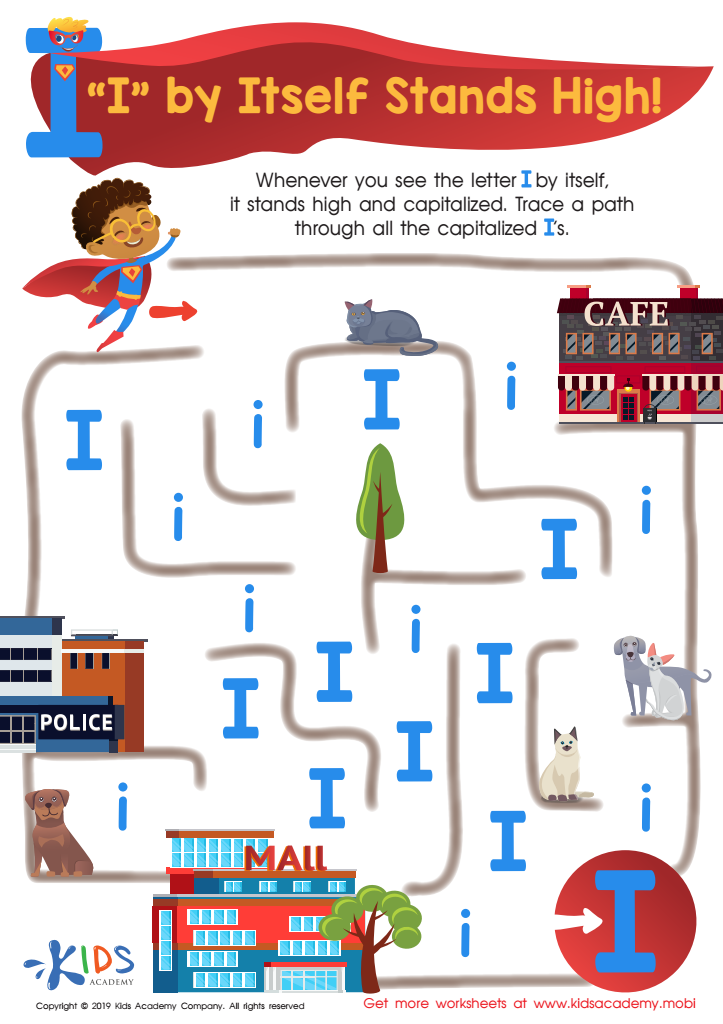
I Stands High Worksheet
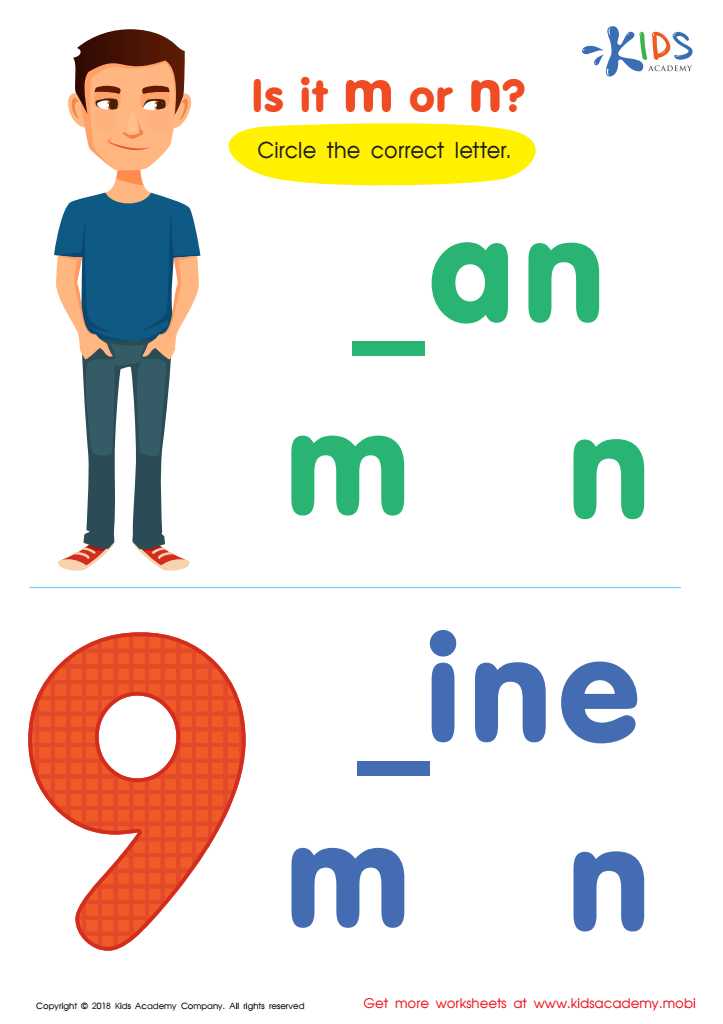
Is It m or n? Worksheet
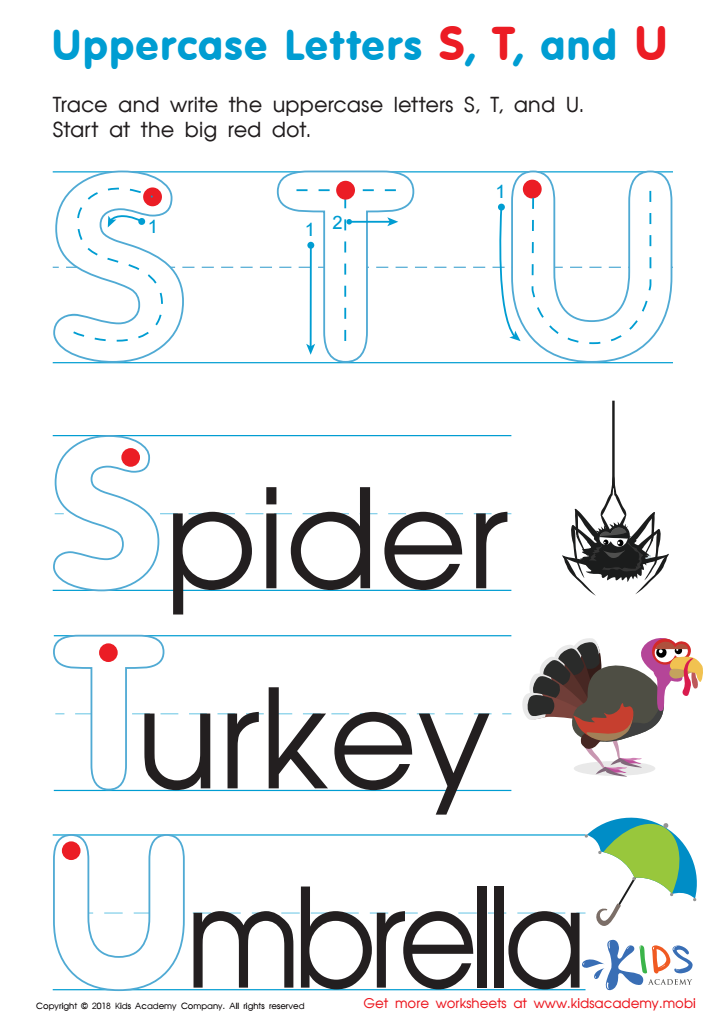
Uppercase Letters S, T, and U Worksheet
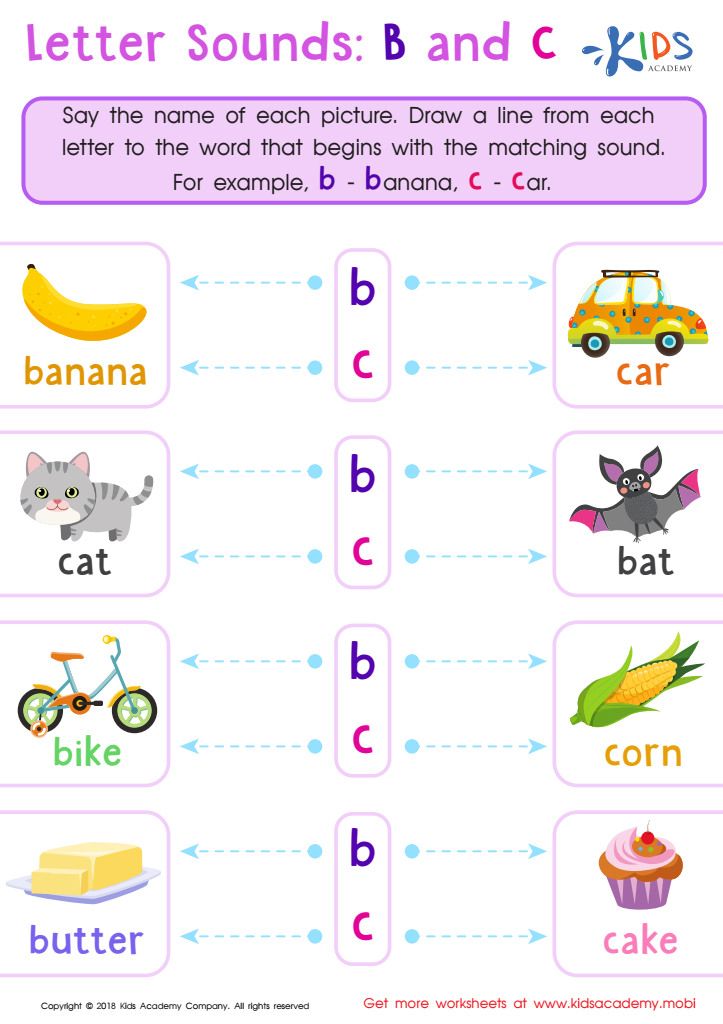
Letter B and C Sounds Worksheet
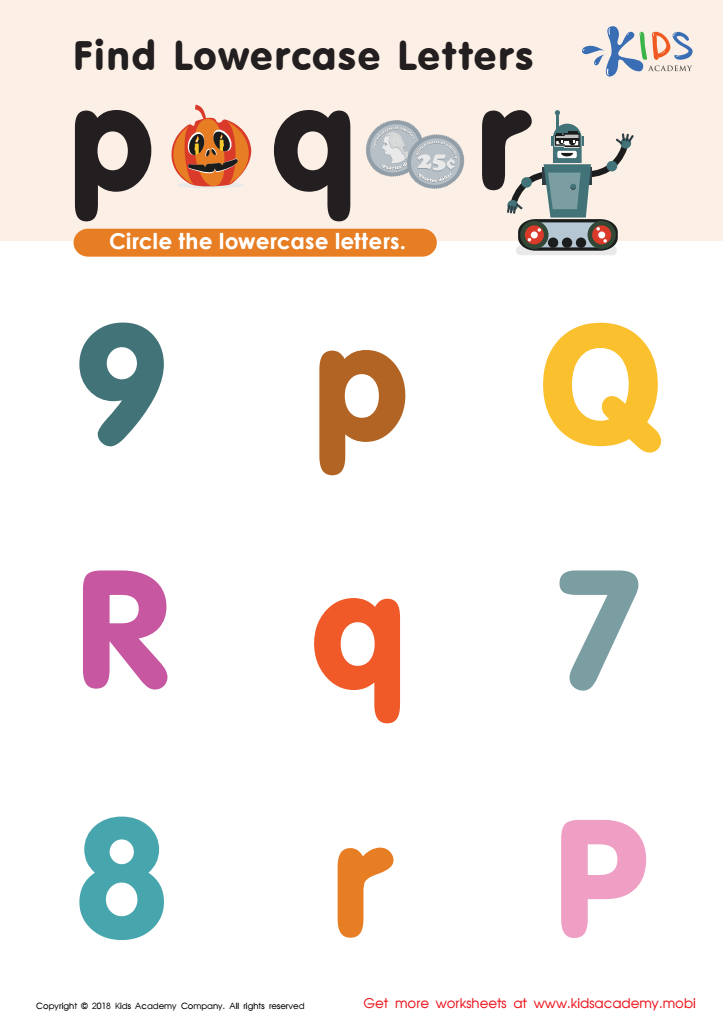
Find lowercase Letters p q r Worksheet
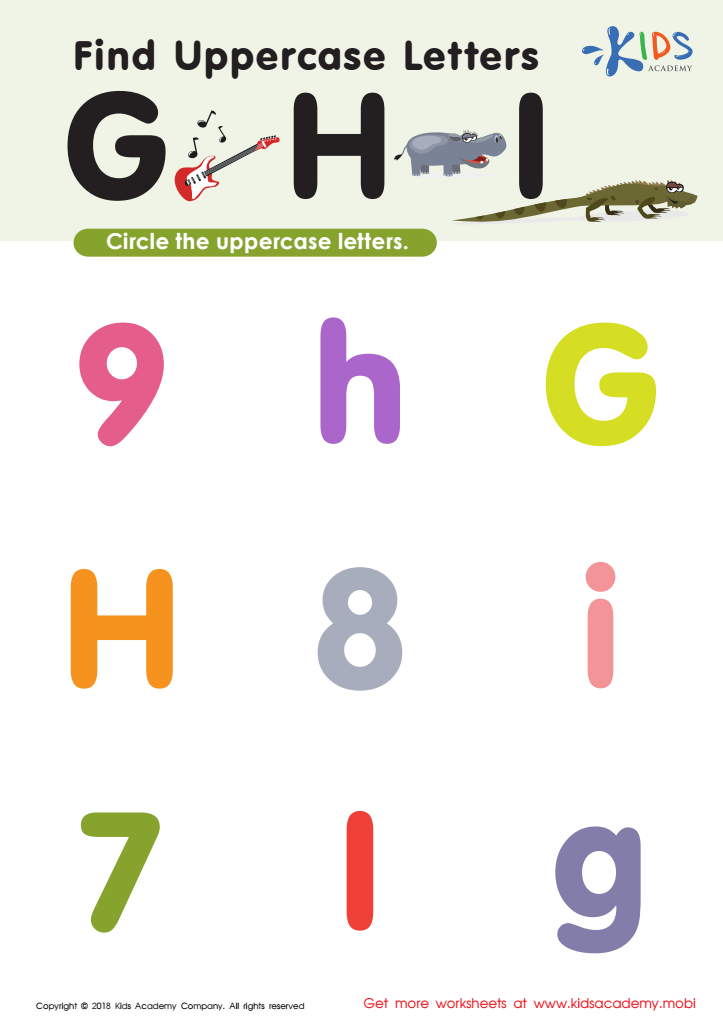
Find Uppercase Letters G, H, and I Worksheet
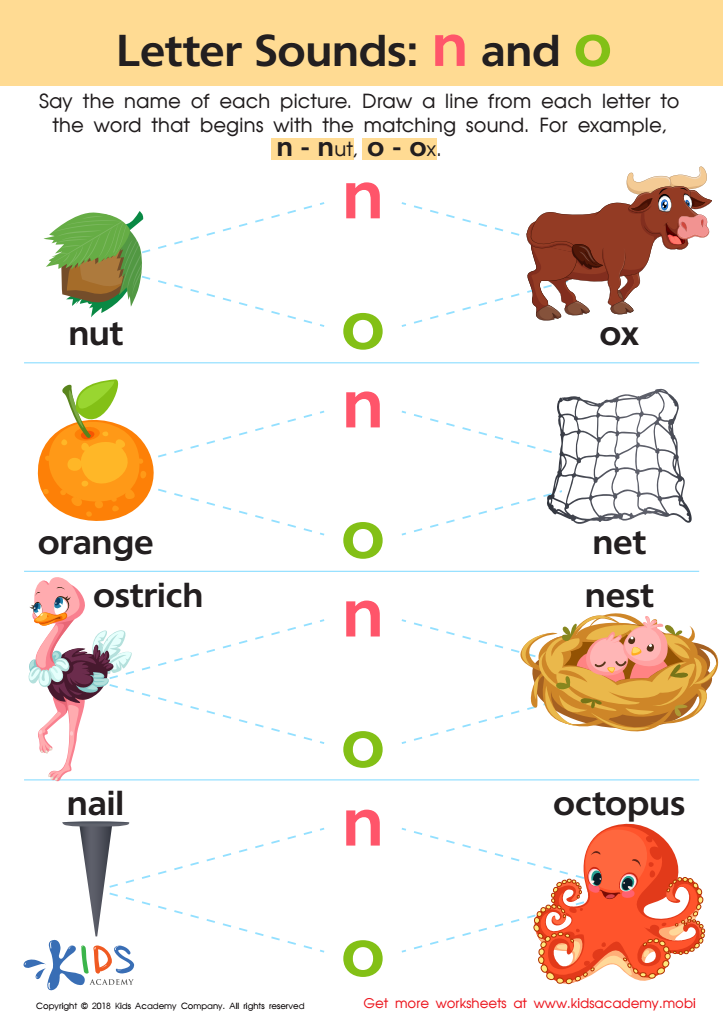
Letter N and O Sounds Worksheet
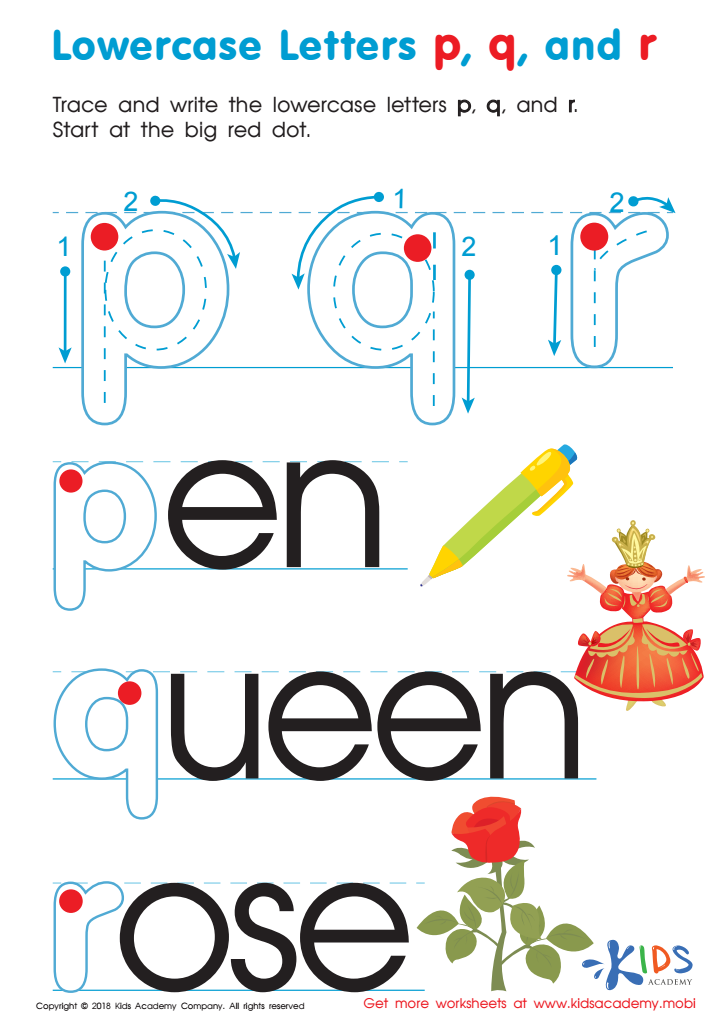
Lowercase Letters p q r Worksheet
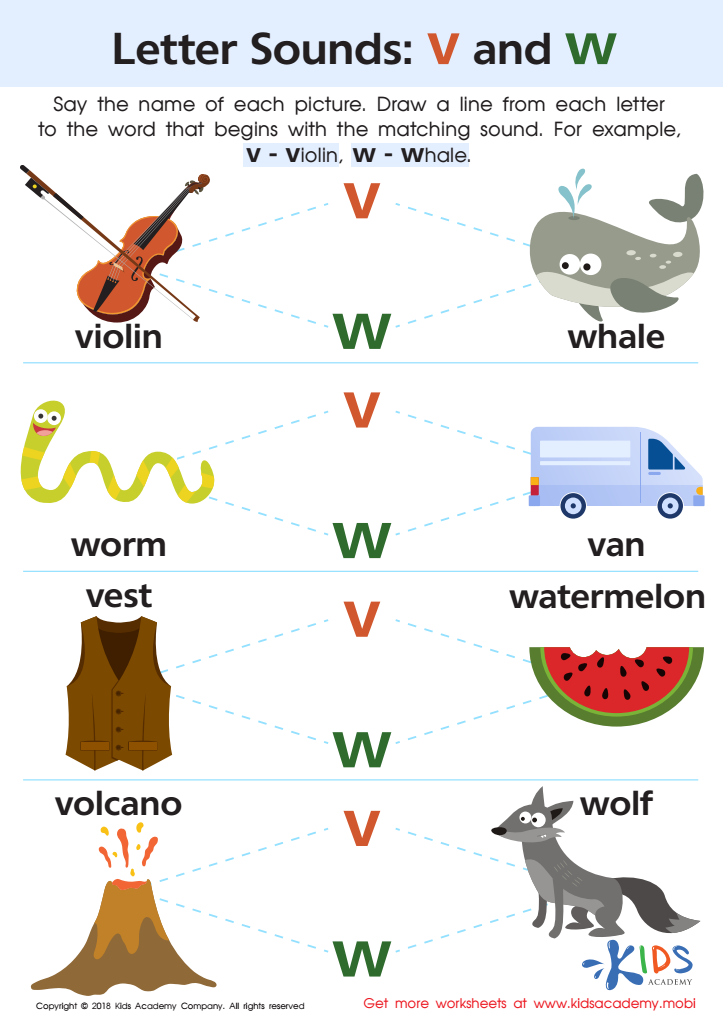
Letter V and W Sounds Worksheet
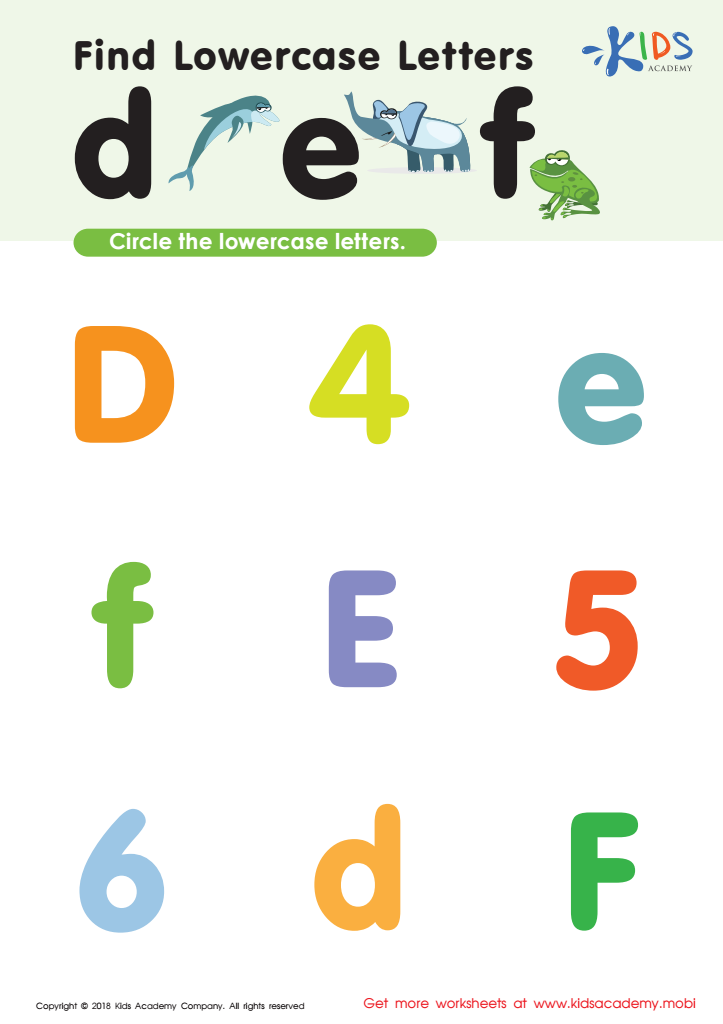
Find Lowercase Letters d e f Worksheet

Letter H Tracing Page
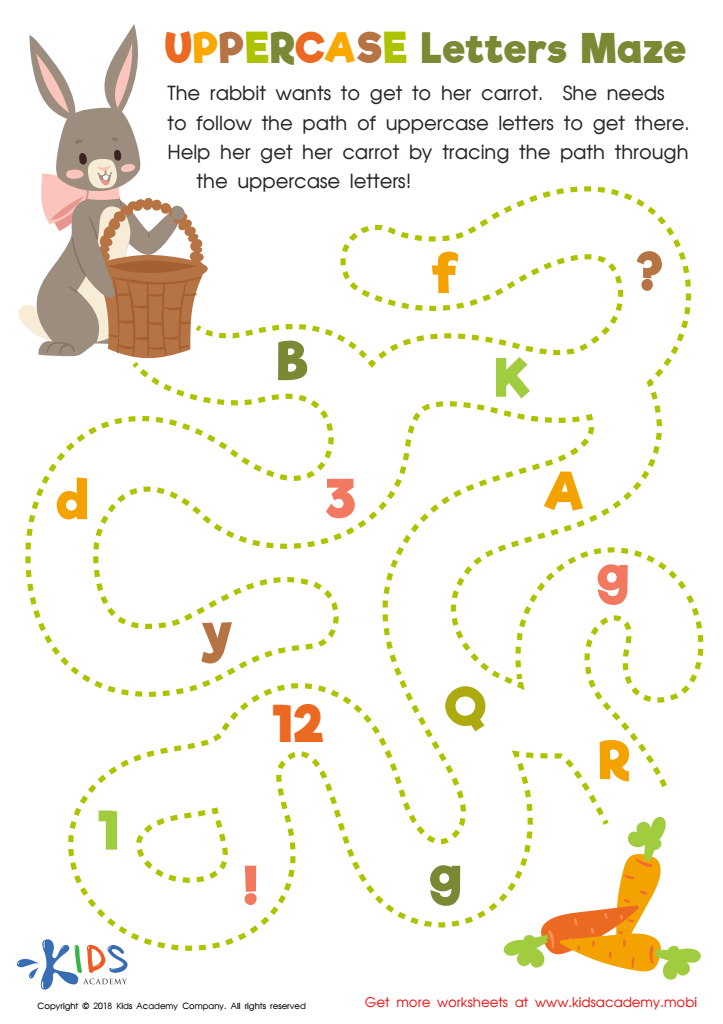
Uppercase Letters Maze Worksheet
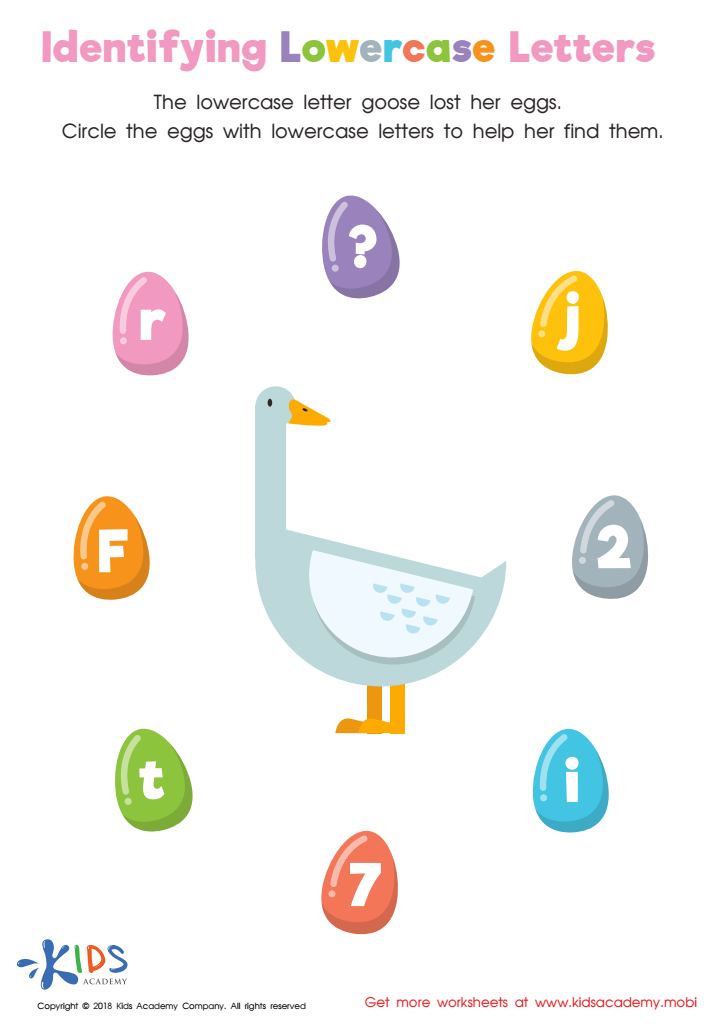
Identifying Lowercase Letters Worksheet
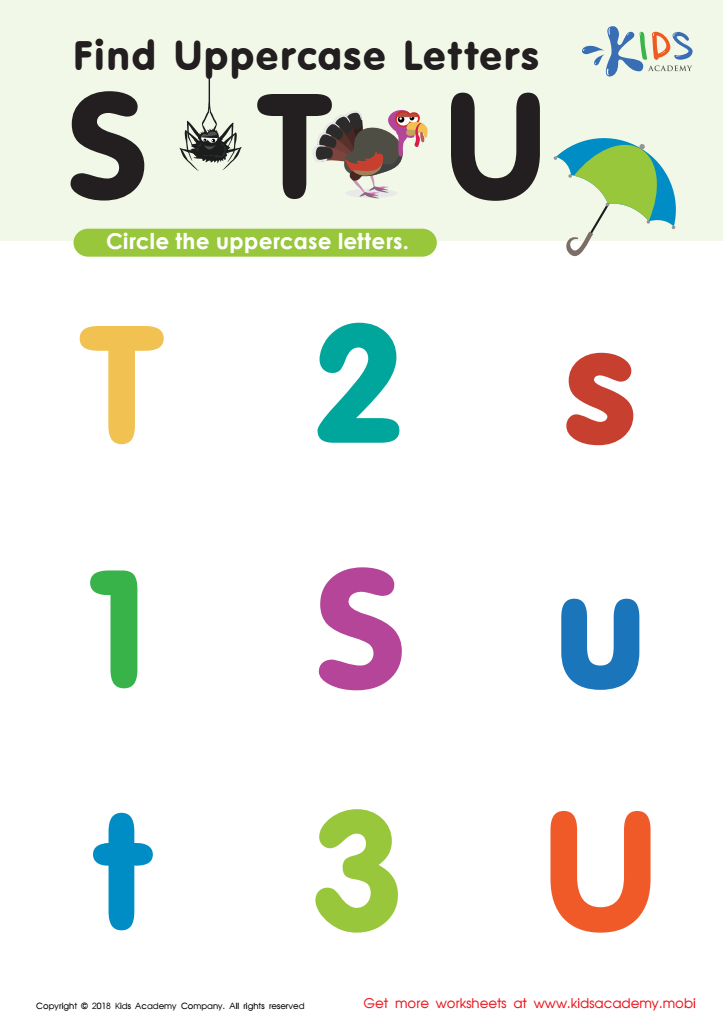
Find Uppercase Letters Worksheet
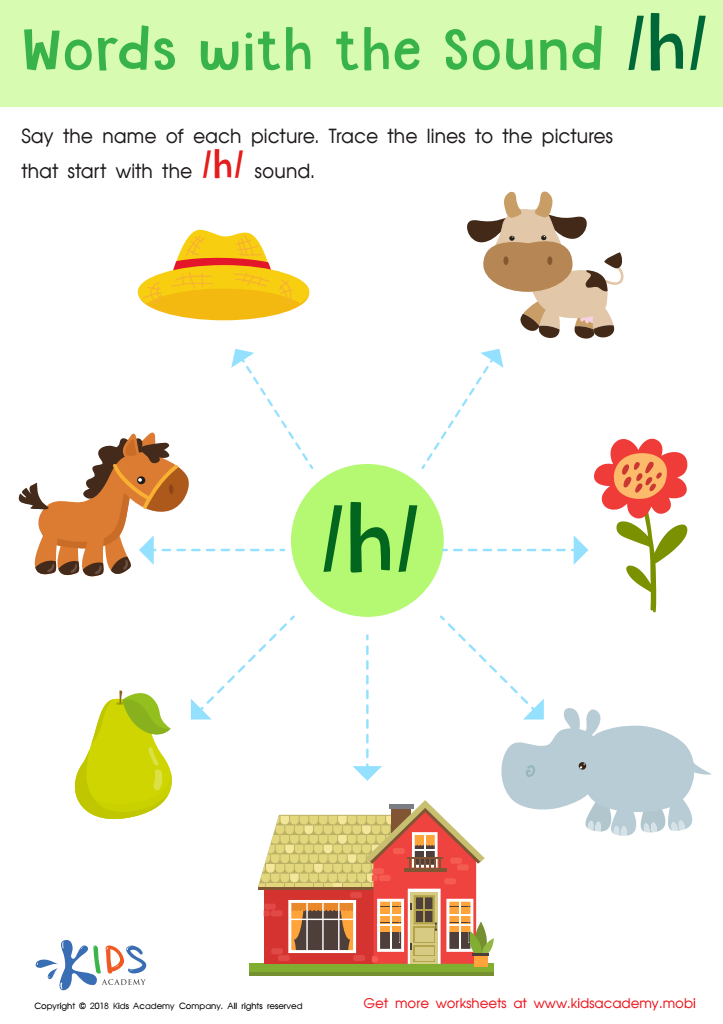
Words with sound h Reading Worksheet
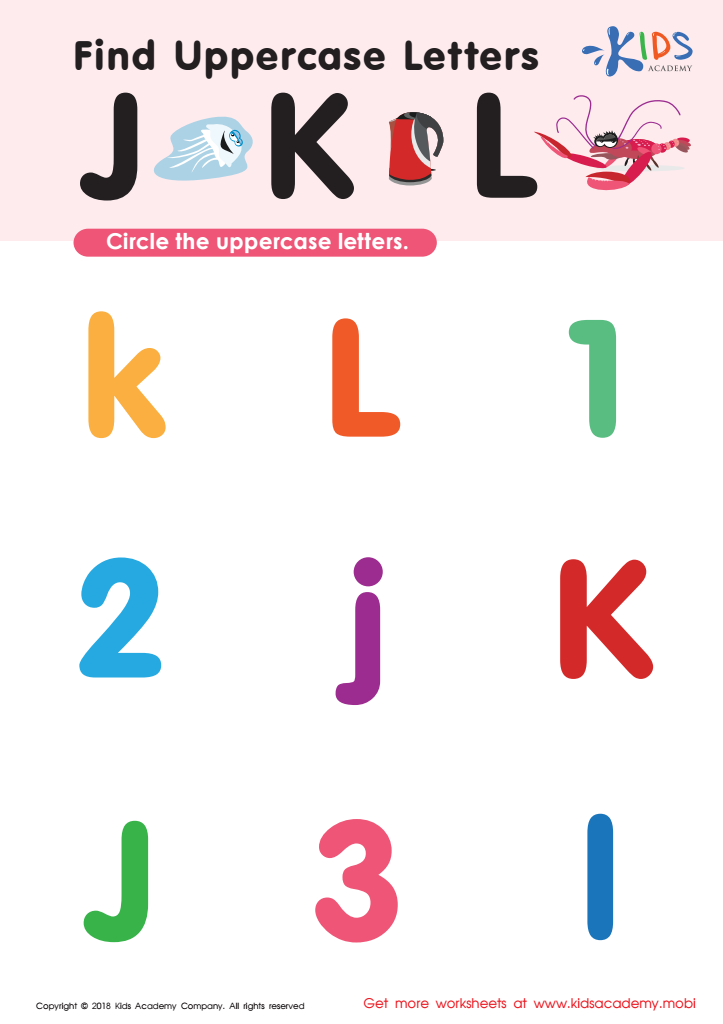
Find Uppercase Letters J, K, and L Worksheet
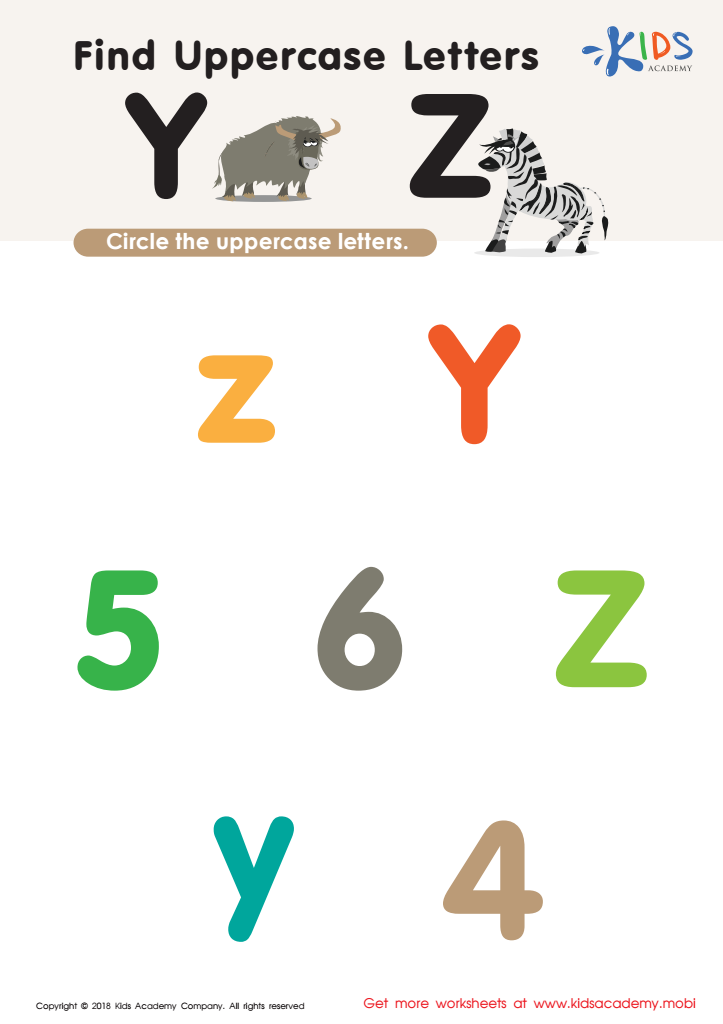
Find Uppercase Letters Y Z Worksheet
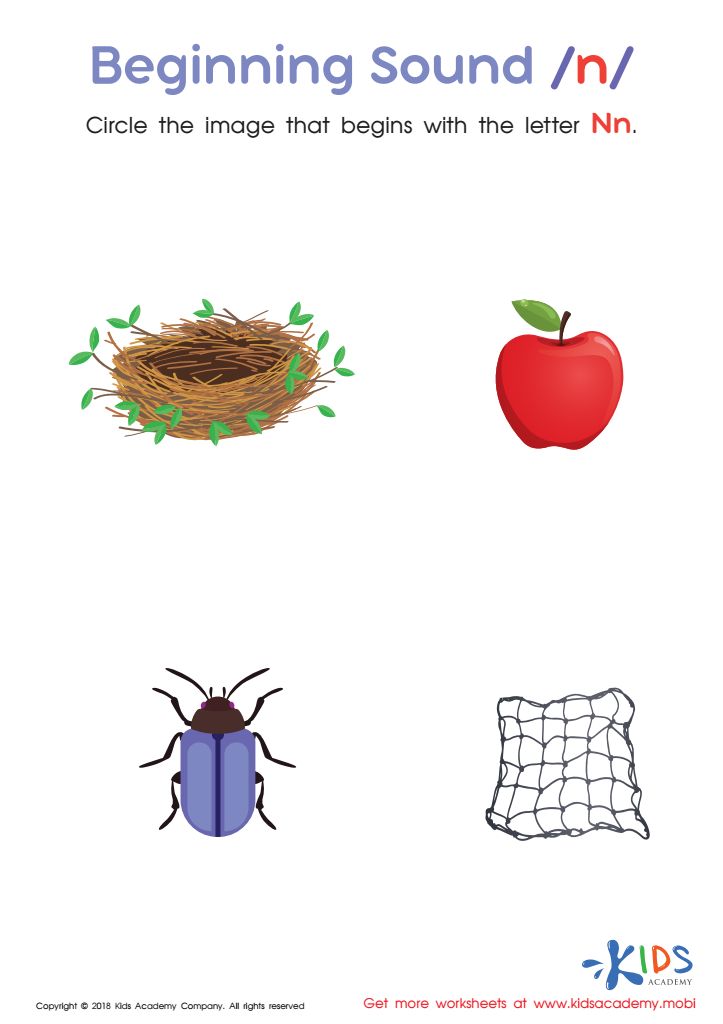
Beginning Sound «n» Worksheet







Letter recognition is a foundational skill crucial for developing literacy among children aged 5-7. Parents and teachers should prioritize this aspect of learning because it serves as the building block for reading and writing proficiency. Recognizing letters not only helps children decode text but also enables them to understand phonetics, spell words, and improve their vocabulary.
At this age, children are naturally curious and ready to absorb new information. Engaging them in letter recognition activities—such as games, songs, and interactive storytelling—fosters a love for reading and enhances cognitive development. Moreover, mastering letter recognition promotes greater confidence in young learners, thus positively impacting their overall academic journey.
Additionally, in an increasingly digital world, early letter recognition prepares children for future learning in various subjects. Many foundational concepts across mathematics and sciences also rely on literacy skills.
In summary, parents and teachers should care about letter recognition because it plays a critical role in shaping a child's early educational experience. By providing opportunities for engagement with letters, caregivers equip children with essential tools necessary for lifelong learning and communication. Investing time and resources into this skill at an early age sets the stage for academic success and personal growth.







