Normal Upper & Lowercase Letters Worksheets for Ages 5-7 - Page 2
44 filtered results
-
From - To

Find Uppercase Letters A, B, and C Worksheet
 Assign to My Students

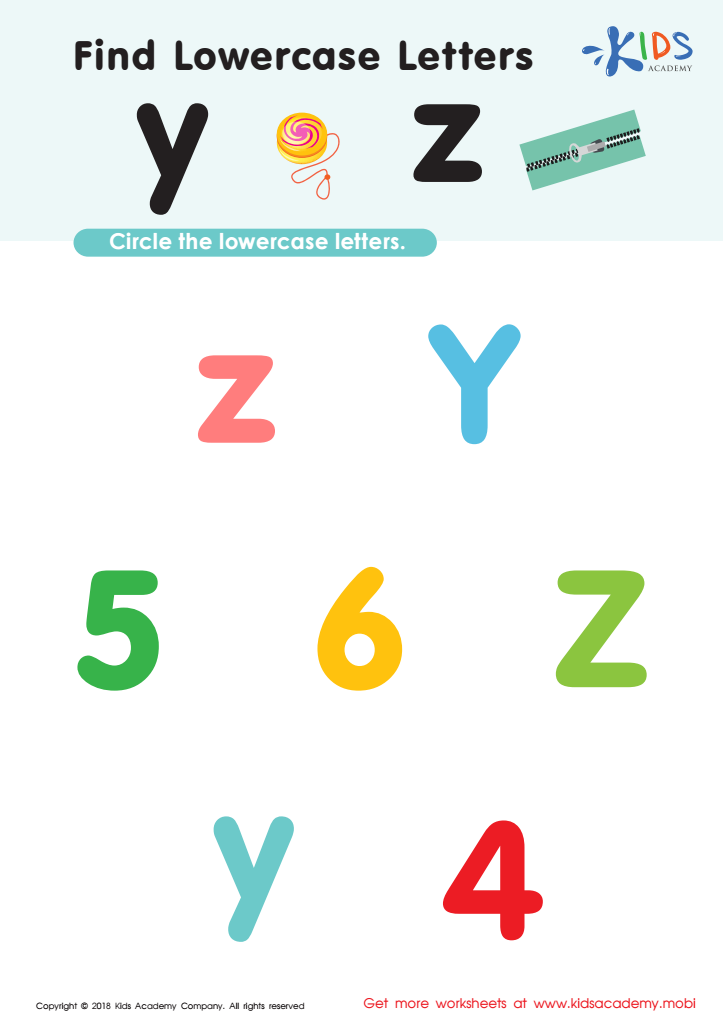
Find Lowercase Letters y z Worksheet
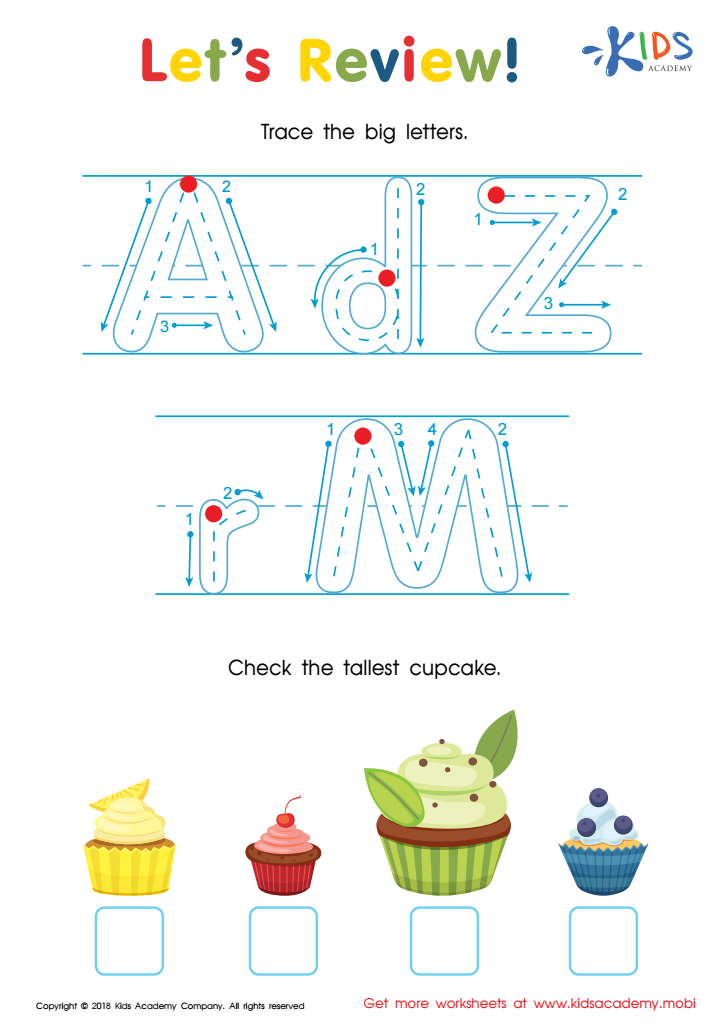
Let's Review! Big Letters Worksheet
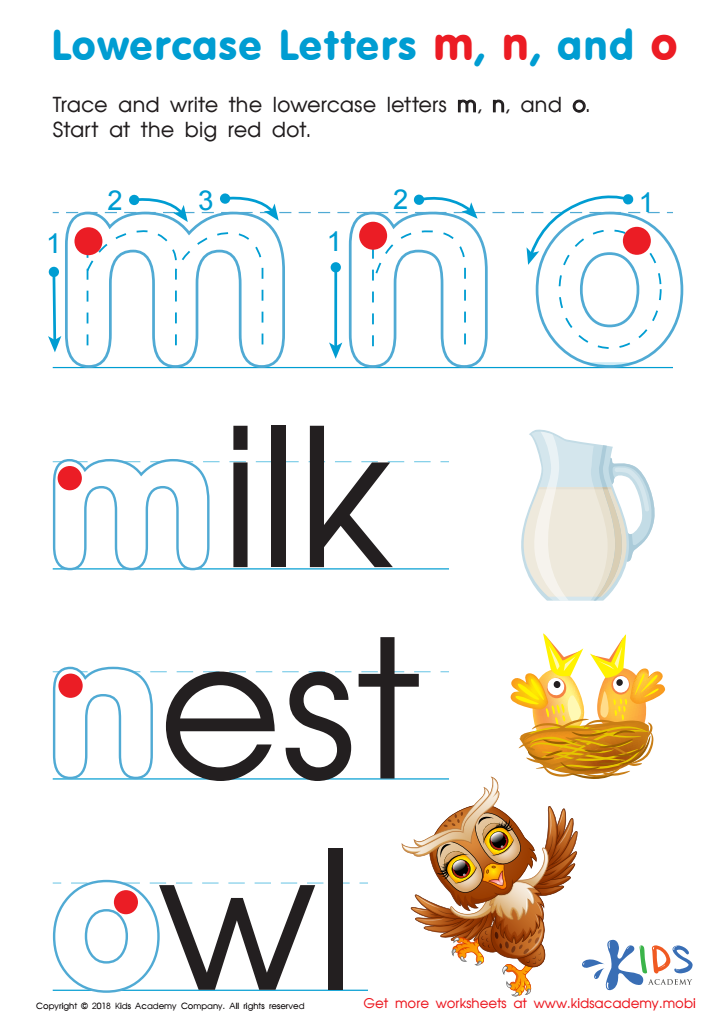
Lowercase Letters m n o Worksheet
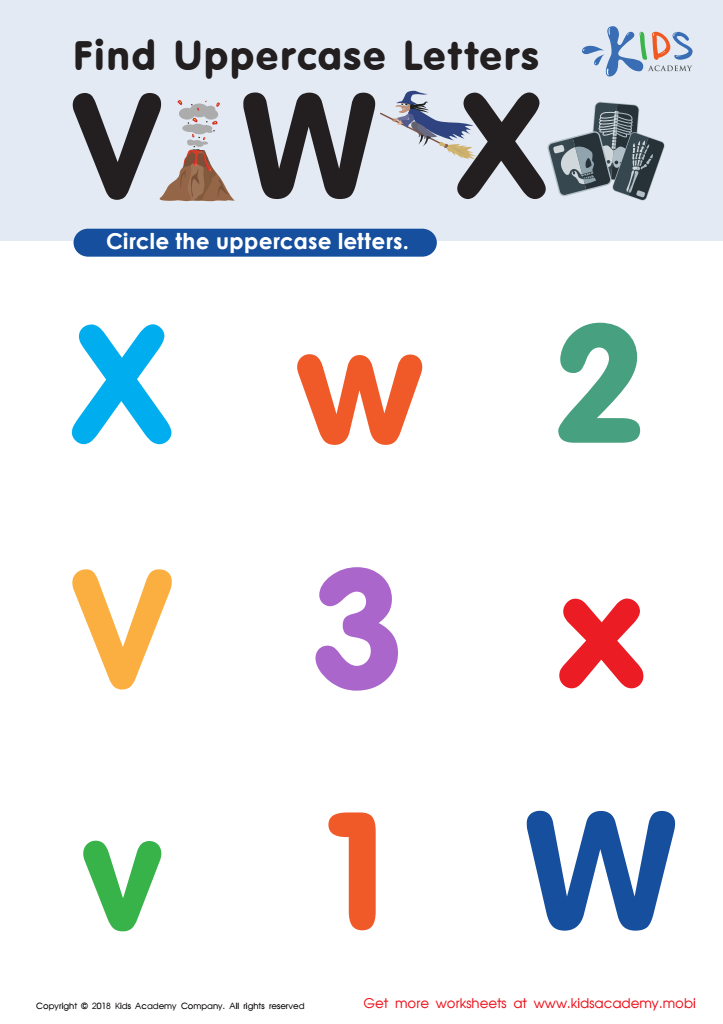
Find Uppercase Letters V, W, X Worksheet
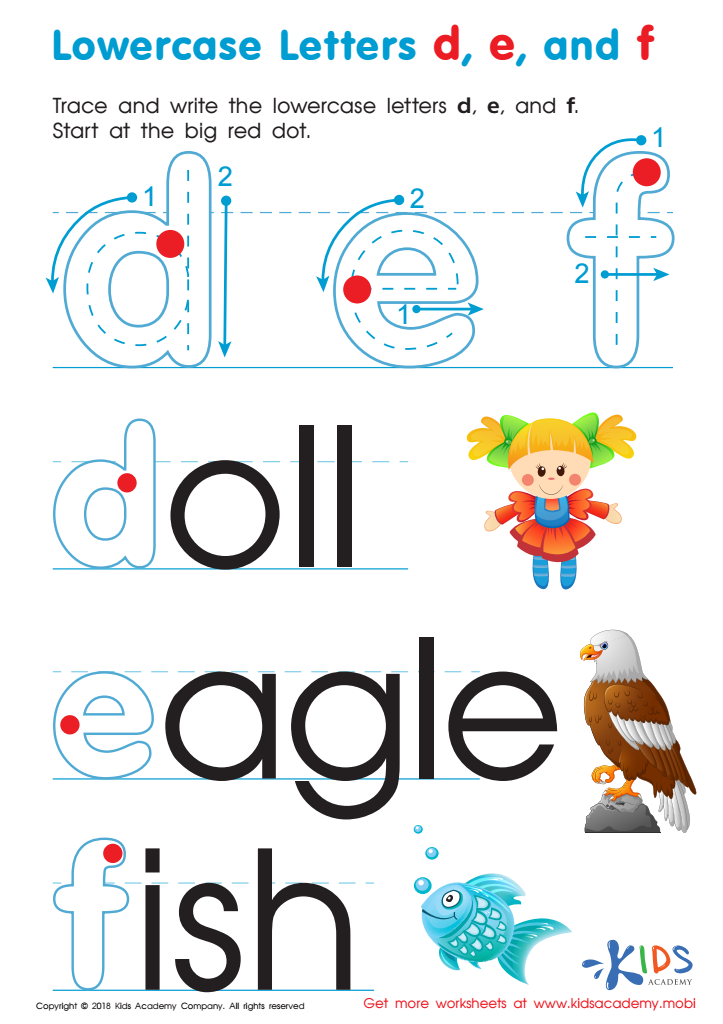
Lowercase Letters d e f Worksheet
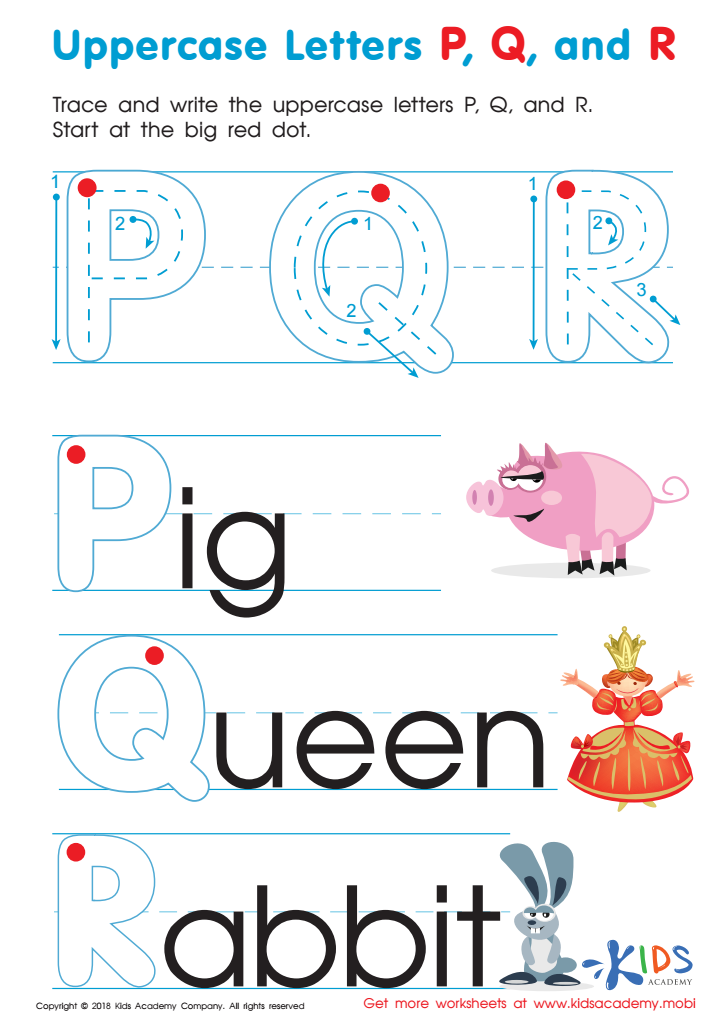
Uppercase Letters P, Q, and R Worksheet
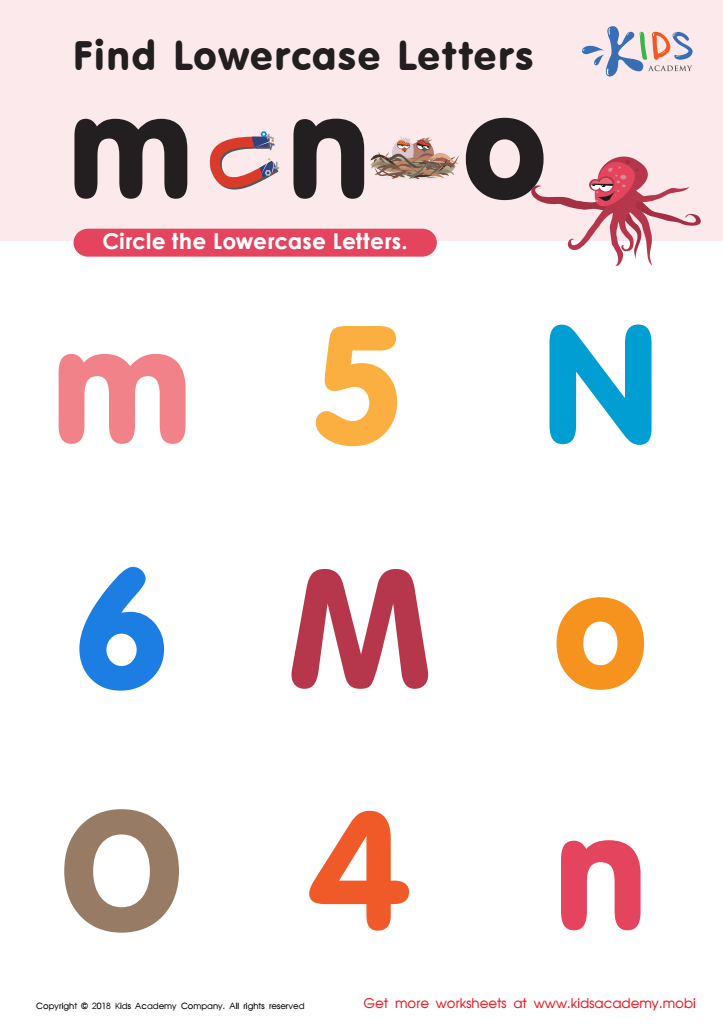
Find Lowercase Letters m n o Worksheet
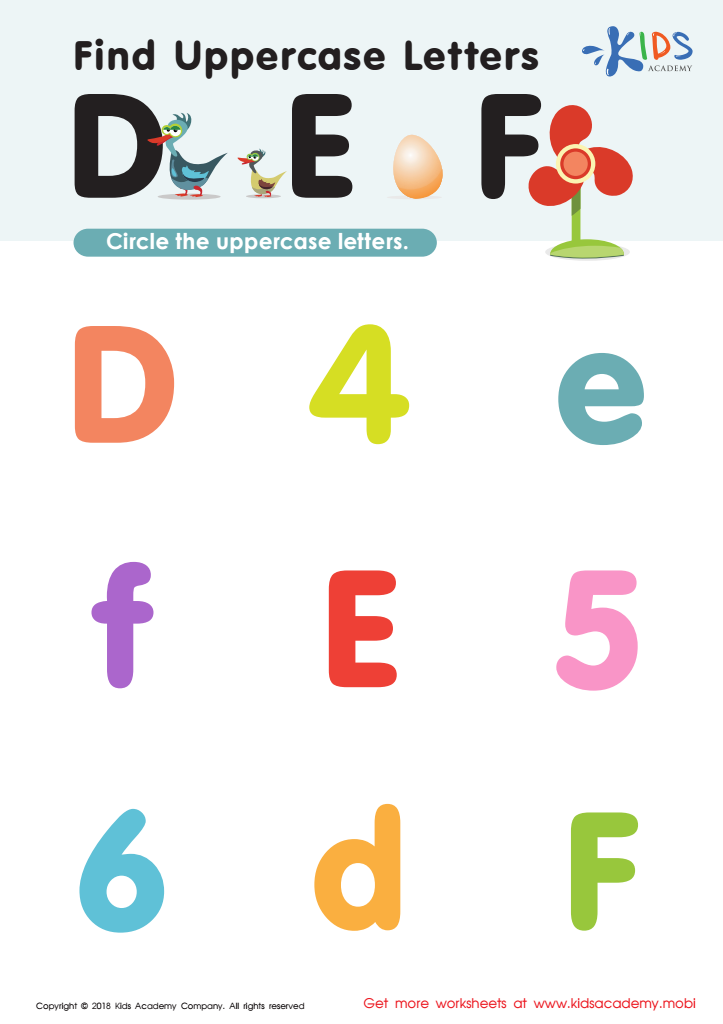
Find Uppercase Letters D, E, and F Worksheet
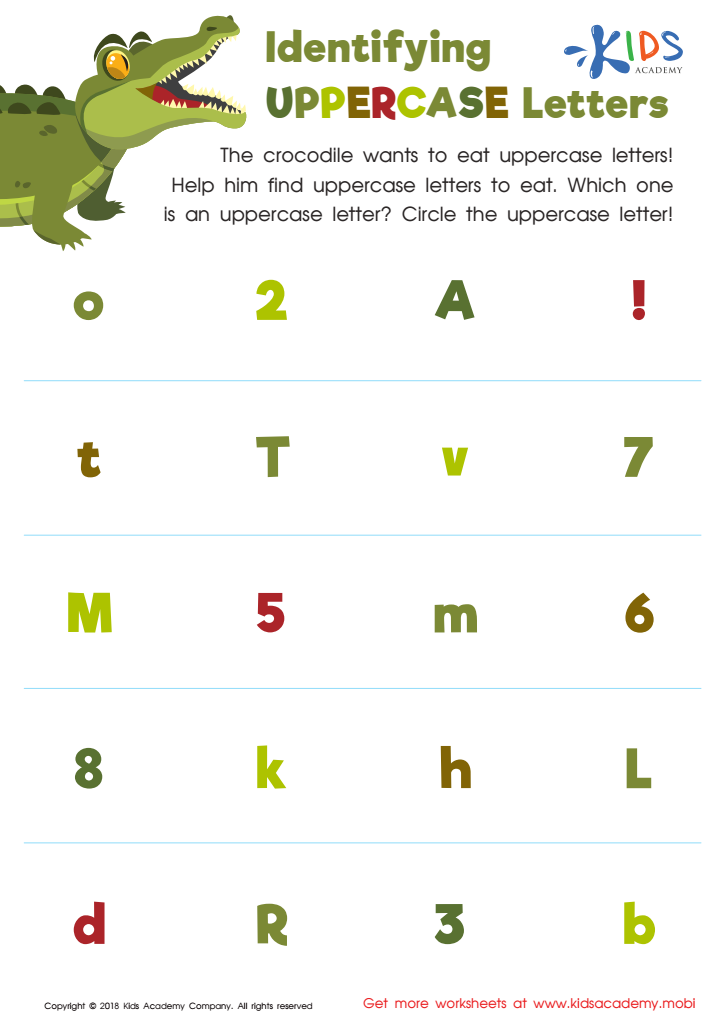
Identifying Uppercase Letters Worksheet
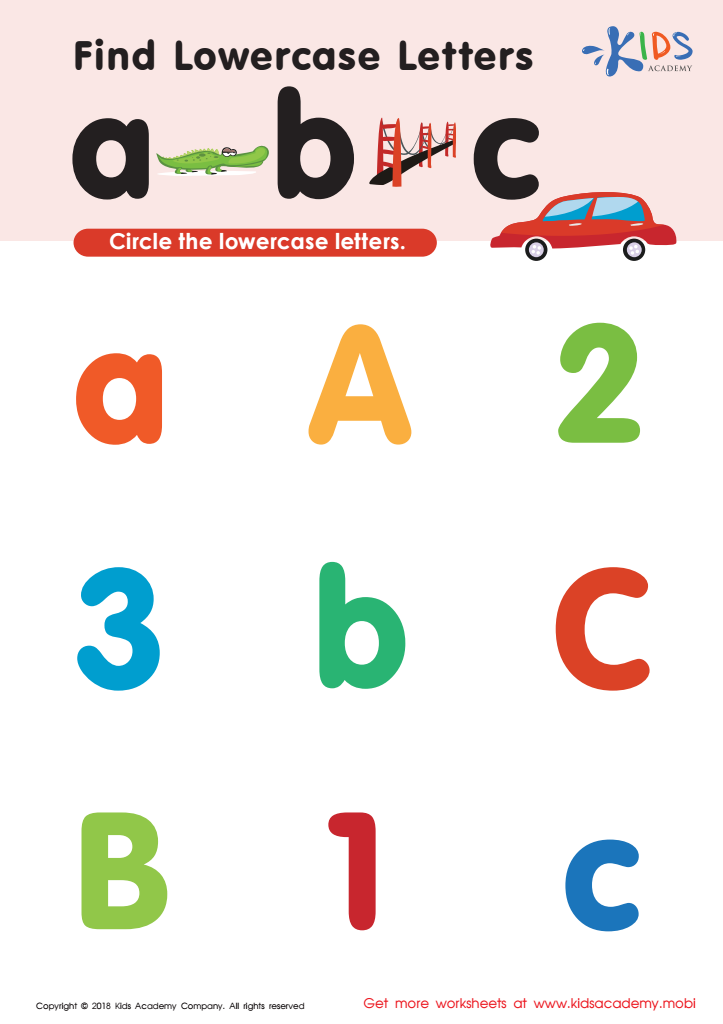
Find lowercase letters a b c Worksheet
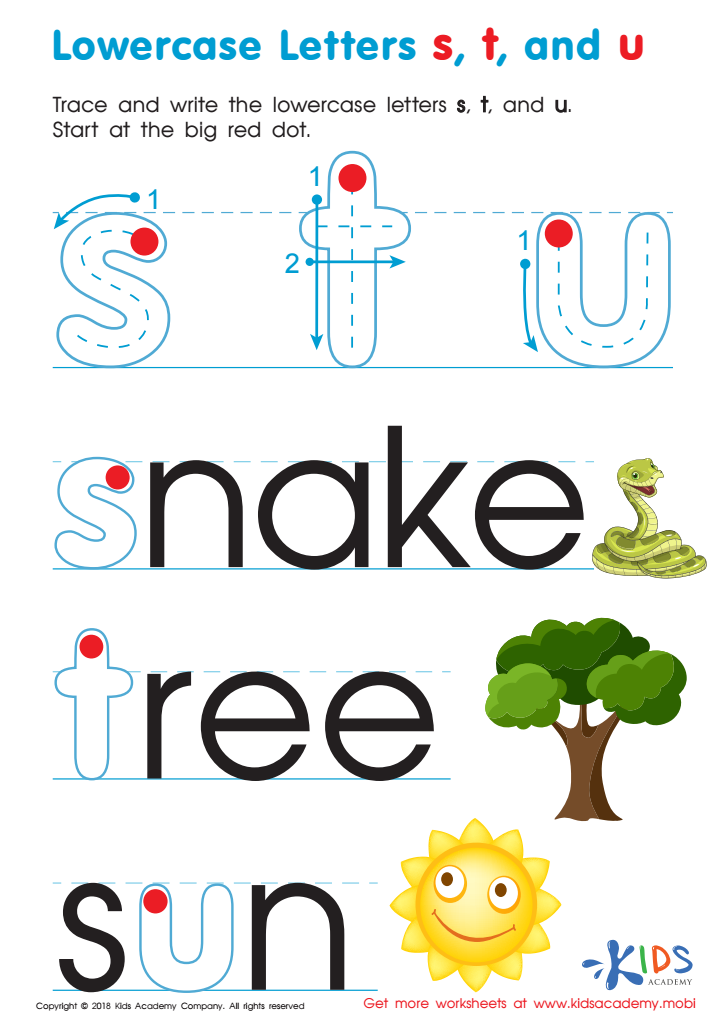
Lowercase Letters s t u Worksheet
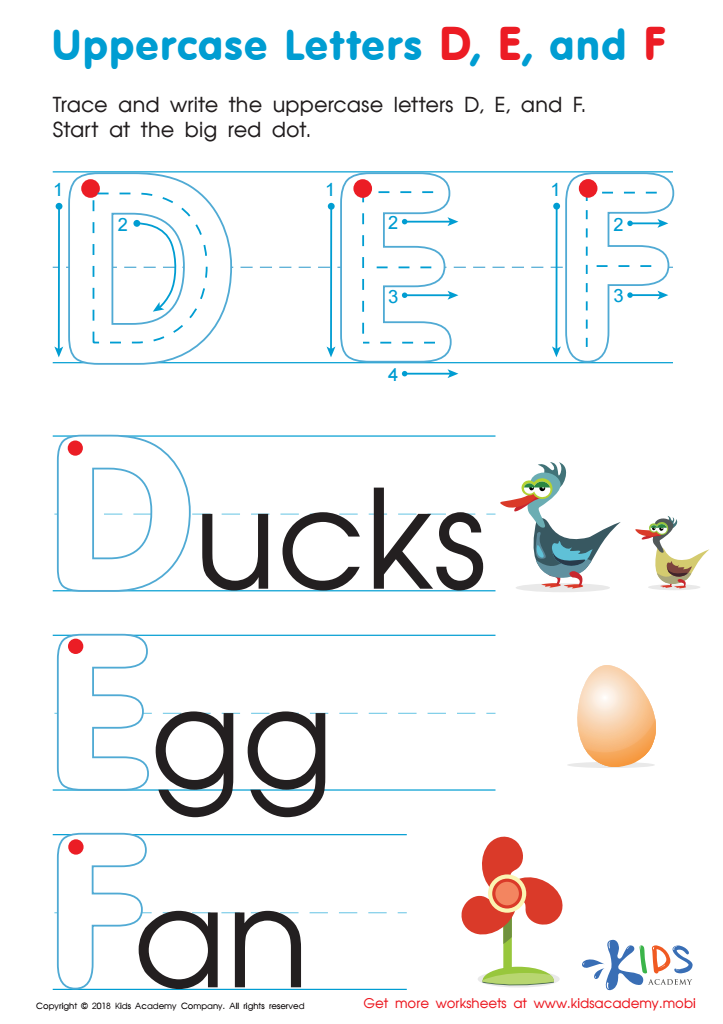
Uppercase Letters D, E, and F Worksheet

Find Lowercase Letters v w x Worksheet
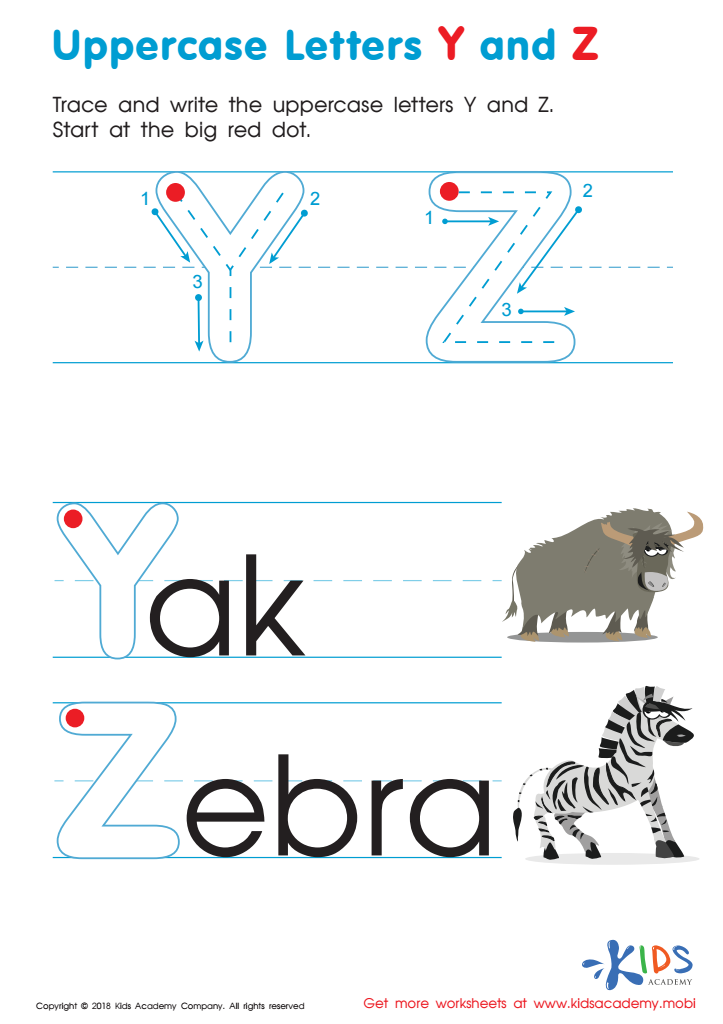
Uppercase Letters Y Z Worksheet
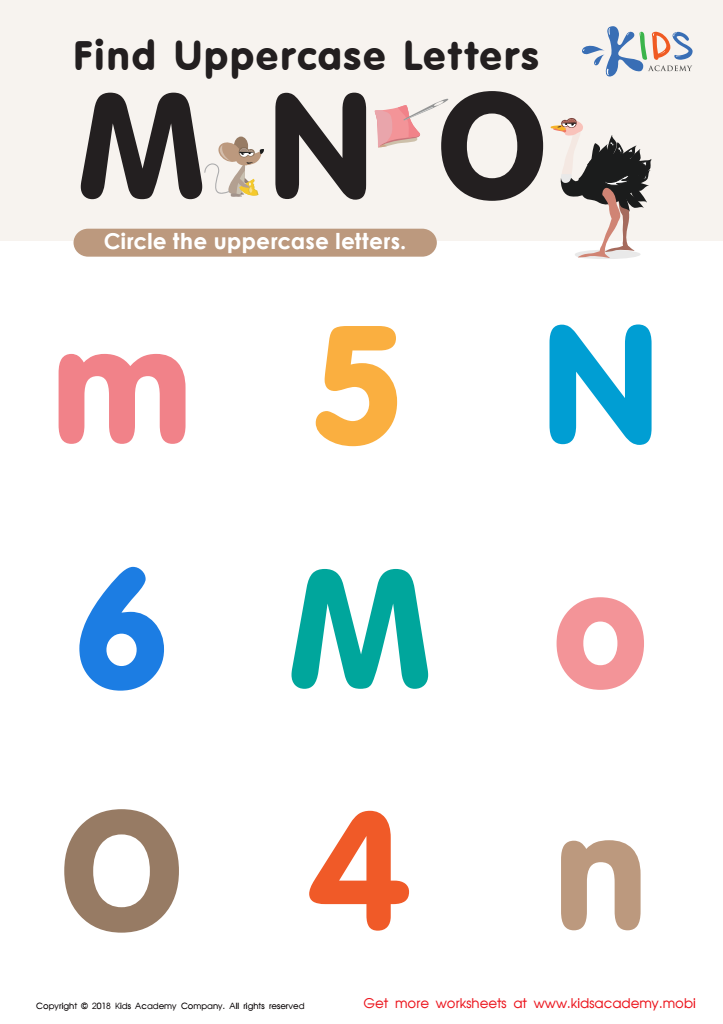
Find Uppercase Letters M, N, and O Worksheet
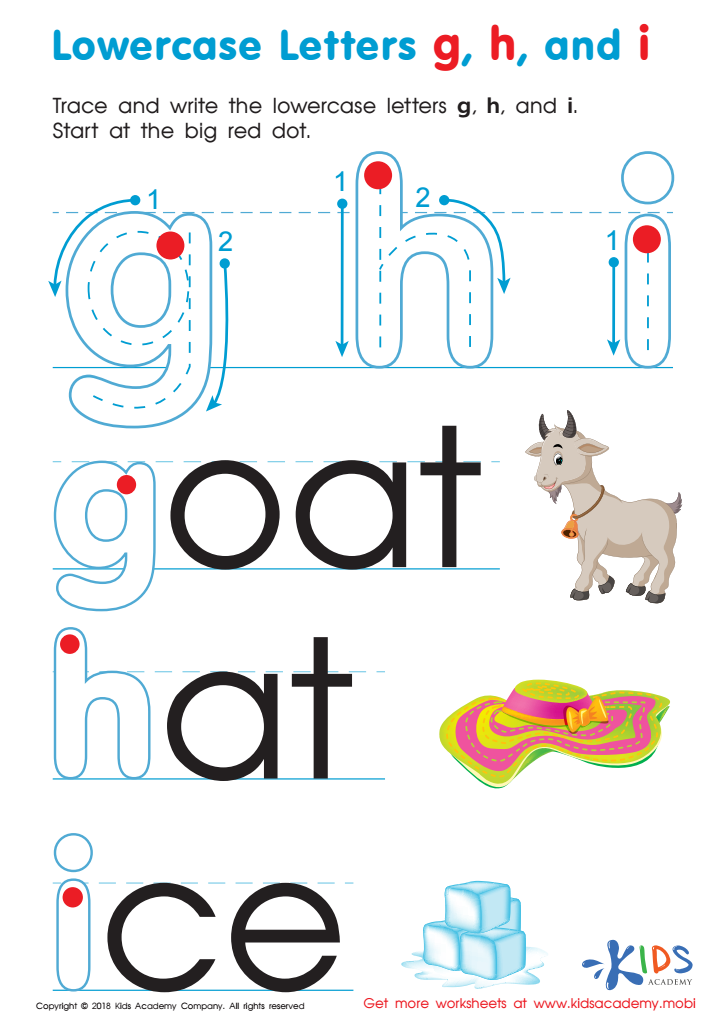
Lowercase Letters g h i Worksheet
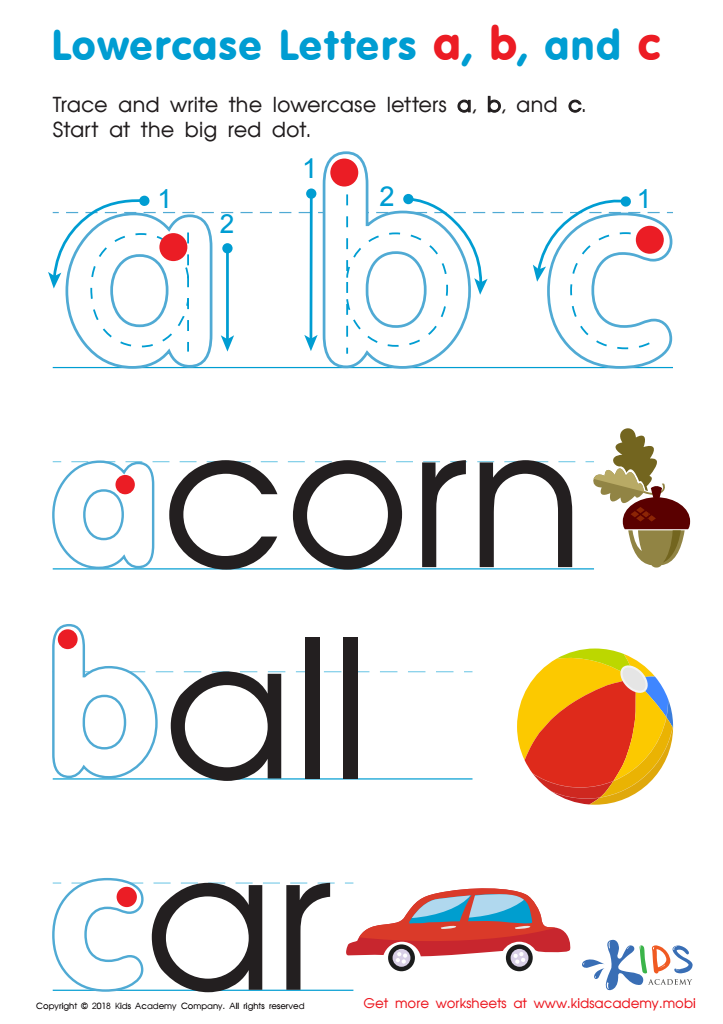
Lowercase Letters a b c Worksheet
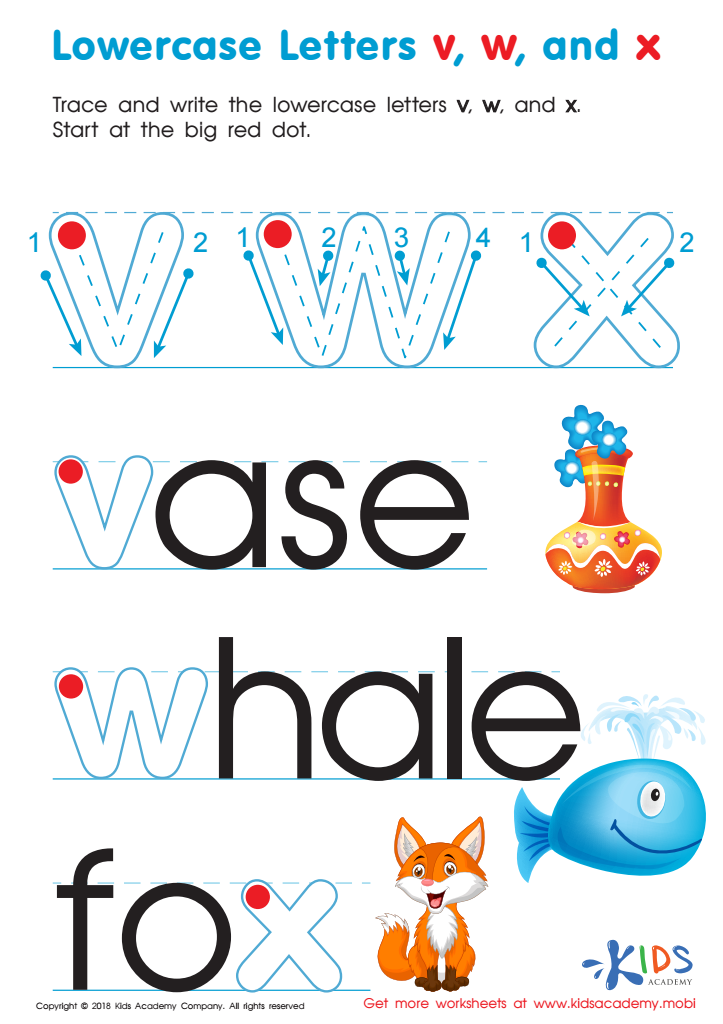
Lowercase Letters v w x Worksheet
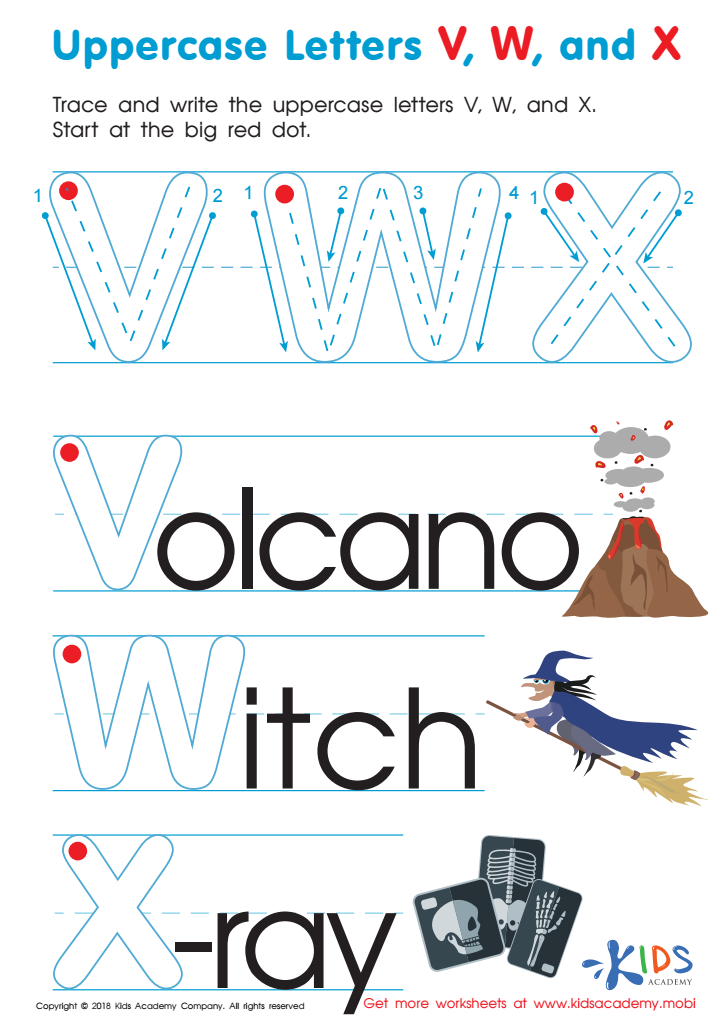
Uppercase Letters V, W, and X Worksheet






Introducing and reinforcing the use of normal upper and lowercase letters for children aged 5-7 is critical for several reasons. Firstly, it helps with literacy development. Recognizing and differentiating between uppercase and lowercase letters are foundational skills for reading and writing. This age group is typically beginning their formal education, and the ability to identify letters accurately sets the stage for more advanced literacy skills.
Secondly, it aids in cognitive development. Learning and using both forms of letters encourage memory recall, sequencing, and visual discrimination. These cognitive skills are essential for a child's overall intellectual growth and can facilitate learning in other subject areas as well.
Thirdly, proper use of upper and lowercase letters enhances communication skills. Teaching children the conventions of capitalization—such as starting a sentence or using a capital letter for proper nouns—ensures they can write clearly and correctly, making their writing easier to read and understand.
Lastly, knowing how to correctly use upper and lowercase letters aligns with educational standards and benchmarks. Consistent practice and reinforcement at home and in the classroom create a cohesive learning environment. Therefore, parents and teachers should prioritize teaching and reinforcing these concepts to provide a strong foundation for their child's educational journey.







