Basic Math Skills Normal Worksheets for Ages 5-7 - Page 2
36 filtered results
-
From - To
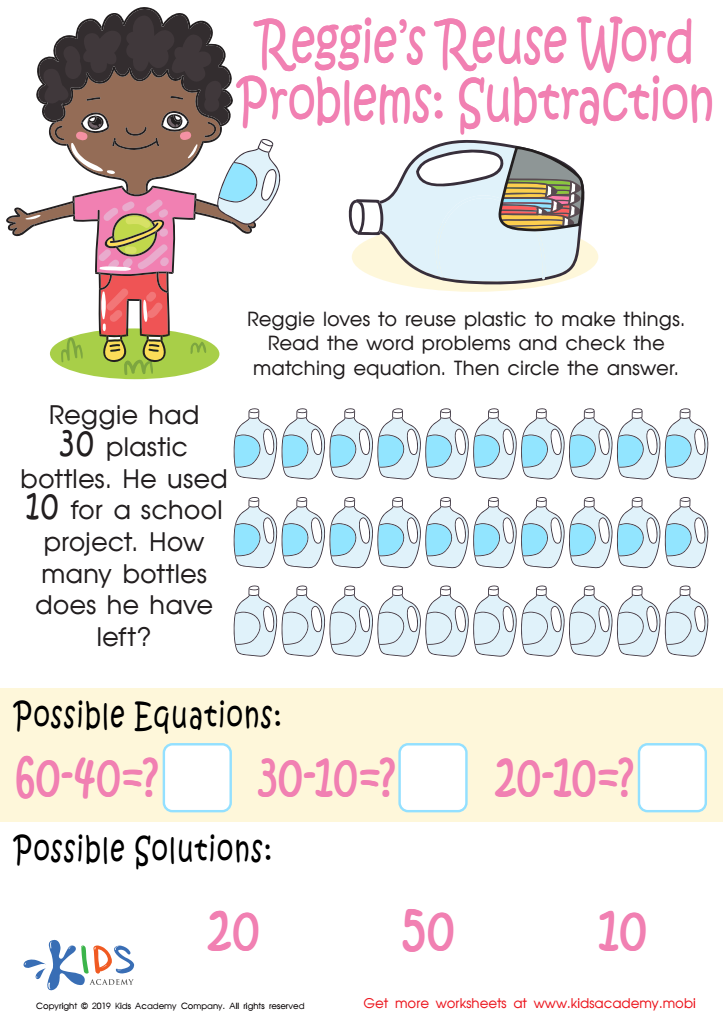
Reggie's Reuse Word Problems: Subtraction Worksheet
 Assign to My Students
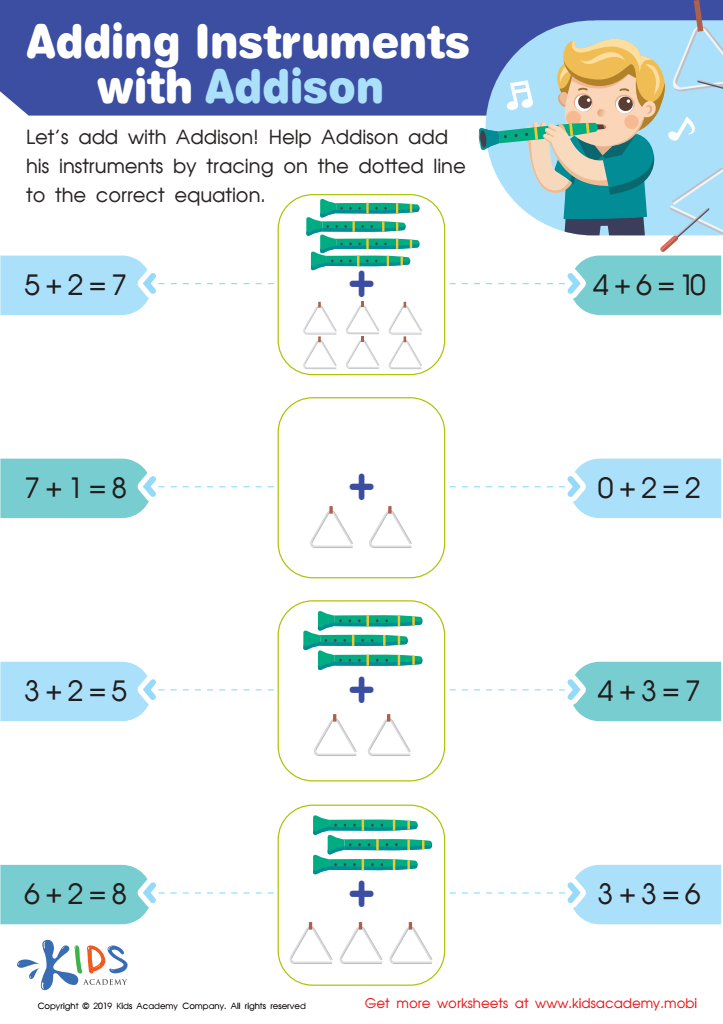
Adding Instruments with Addison Worksheet
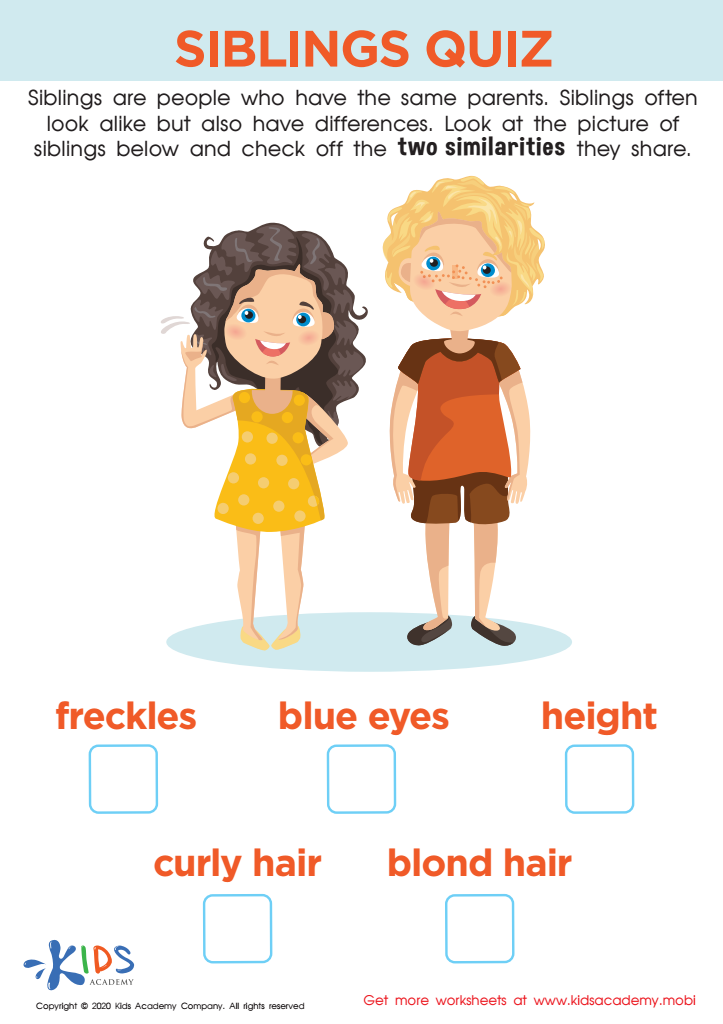
Siblings Quiz Worksheet
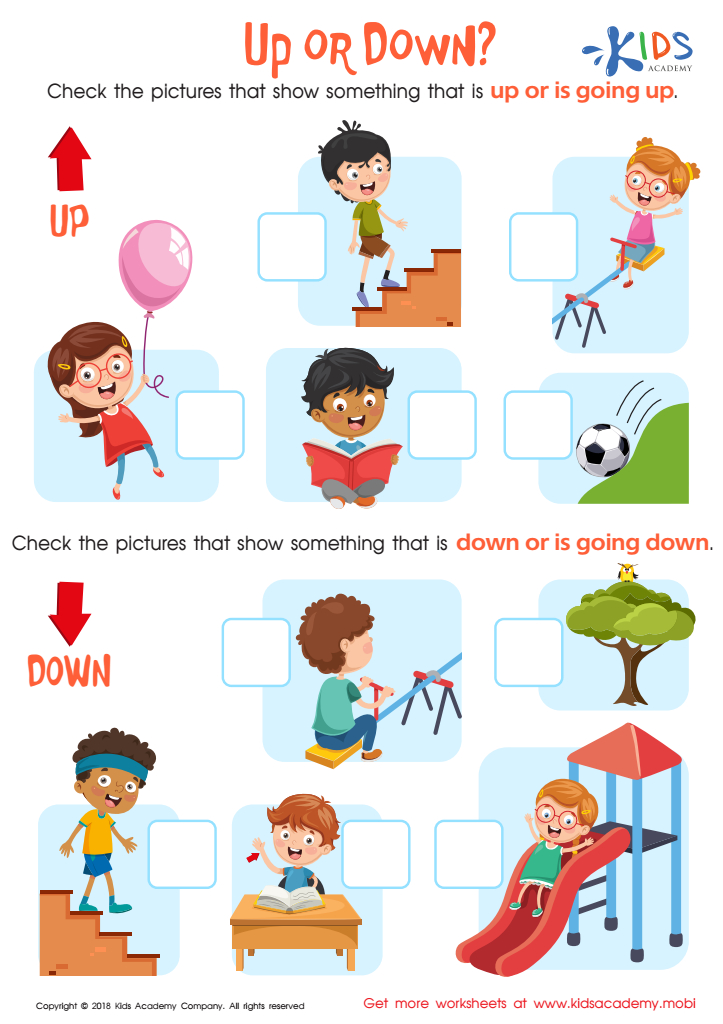
Up or Down Worksheet
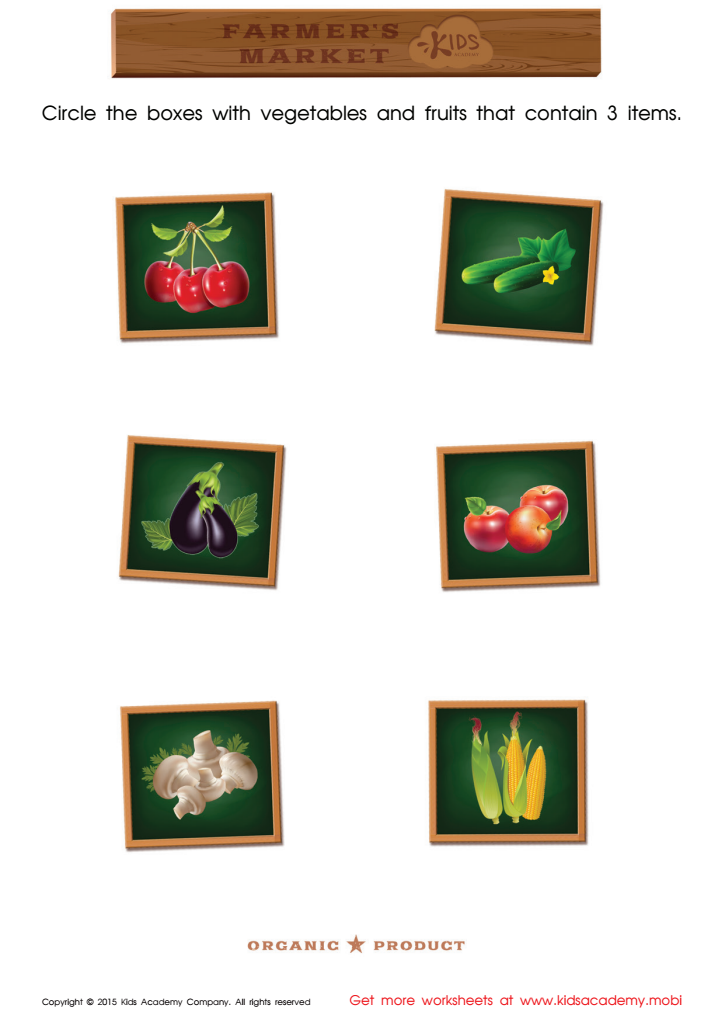
Count and Match Vegetables 1 – 5 Math Worksheet
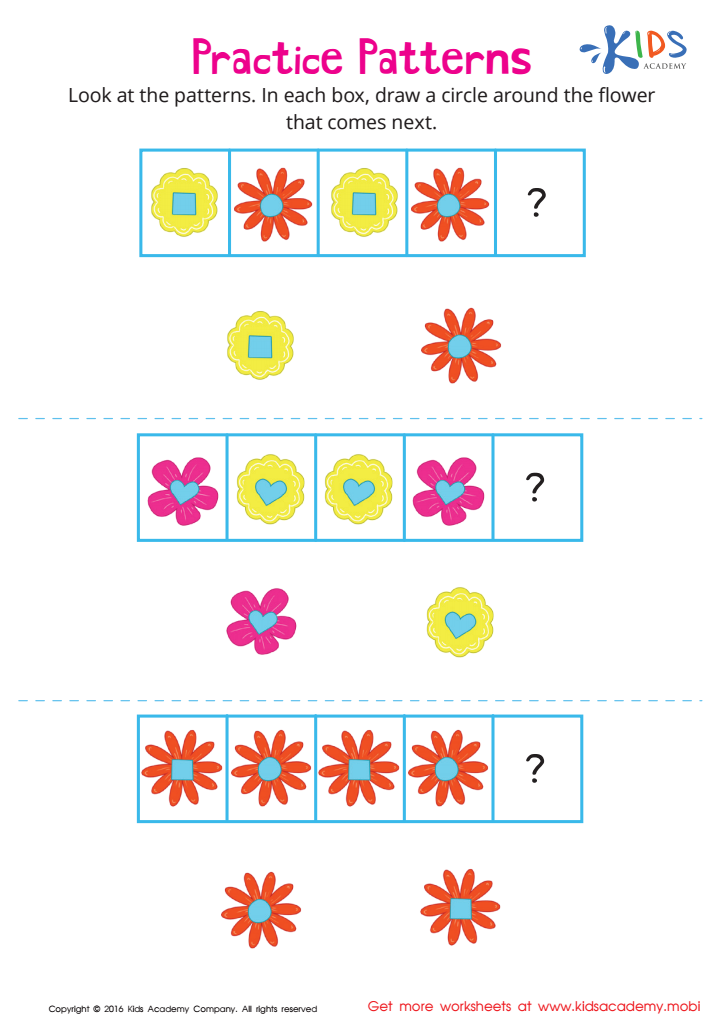
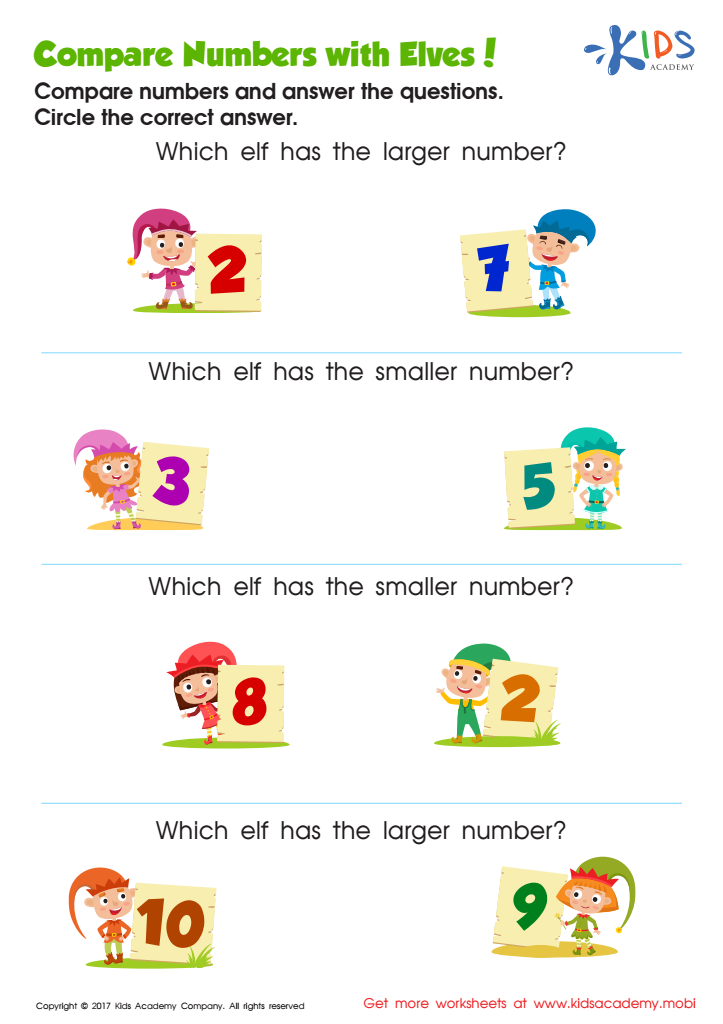
Comparing Numbers Worksheet for Kindergarten
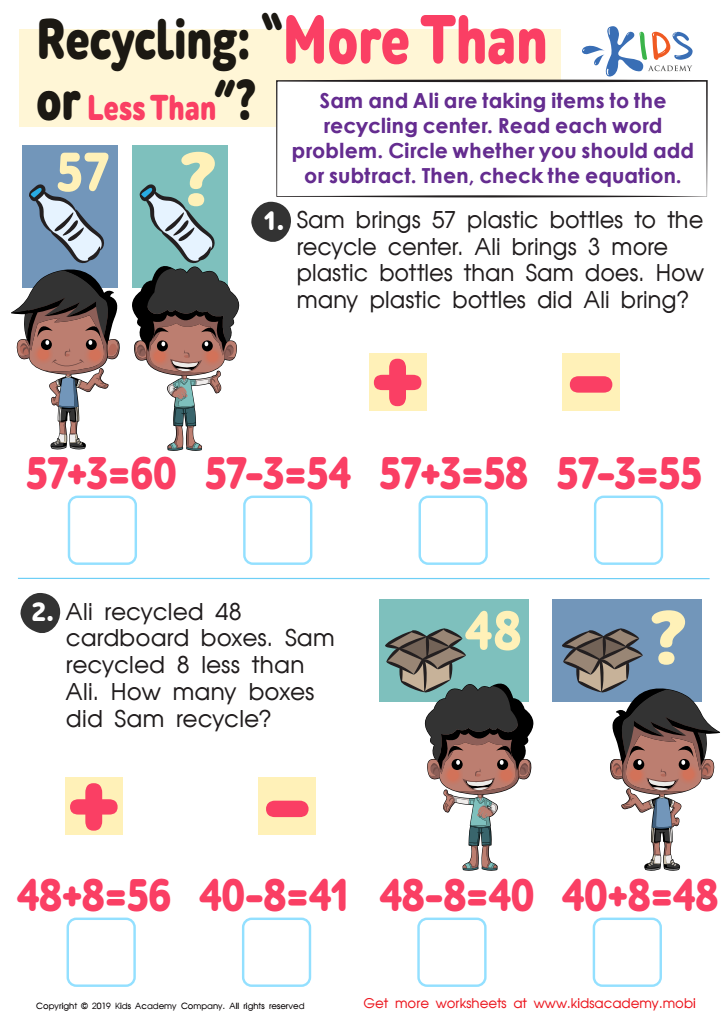
Recycling - More or Less Worksheet
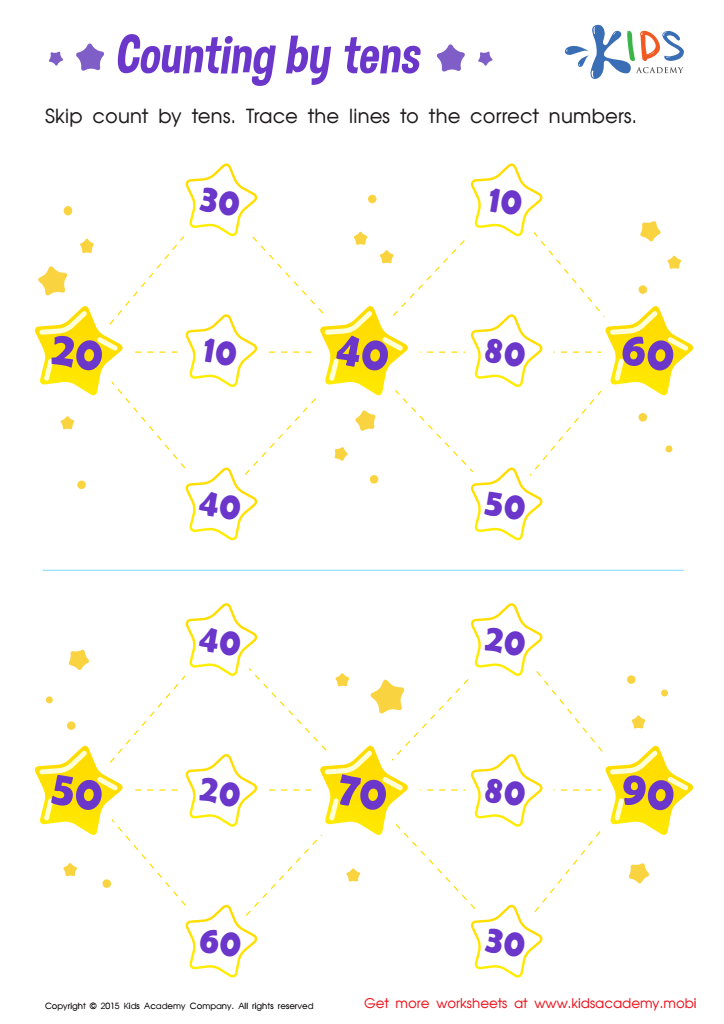
Learn Dozens: Counting by Tens Printable
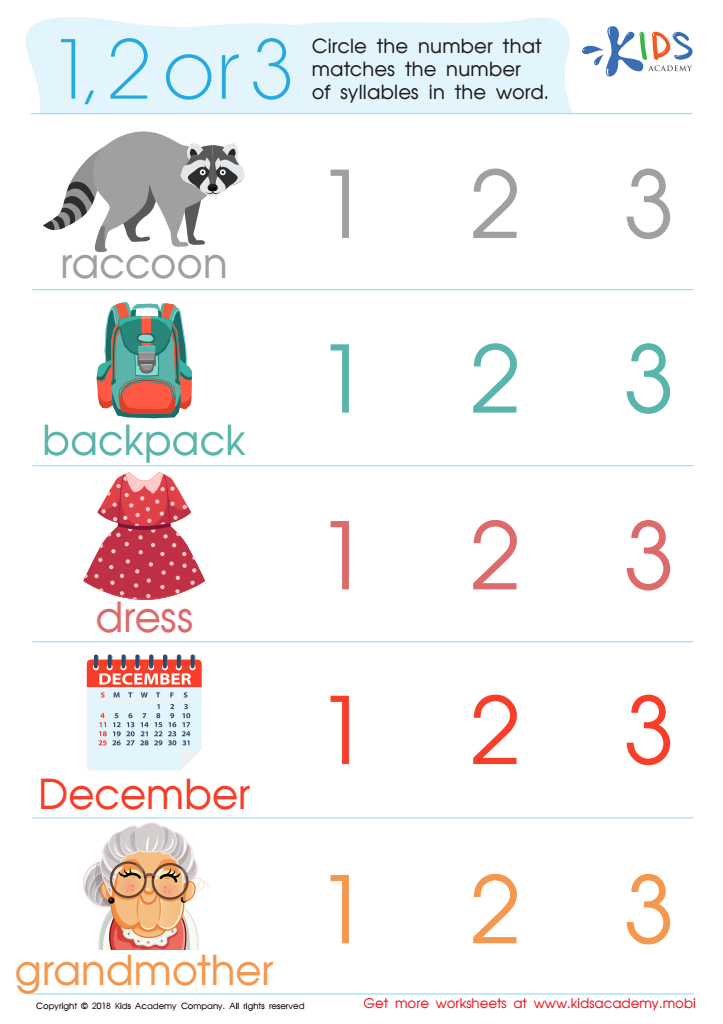
1, 2 or 3? Worksheet
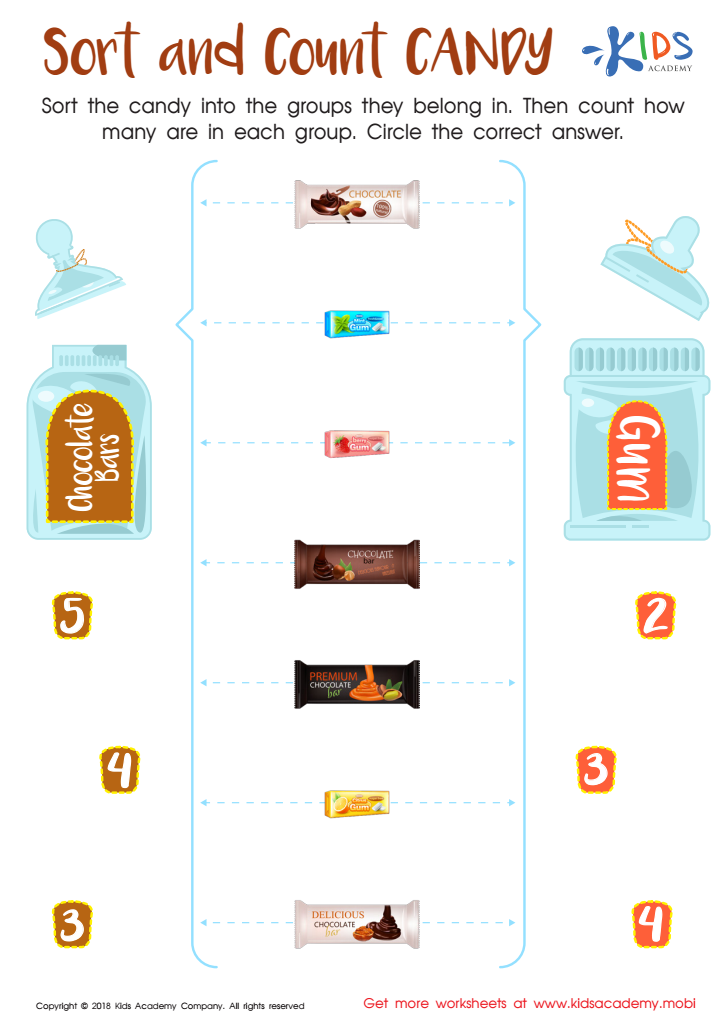
Sort and Count Candy Worksheet
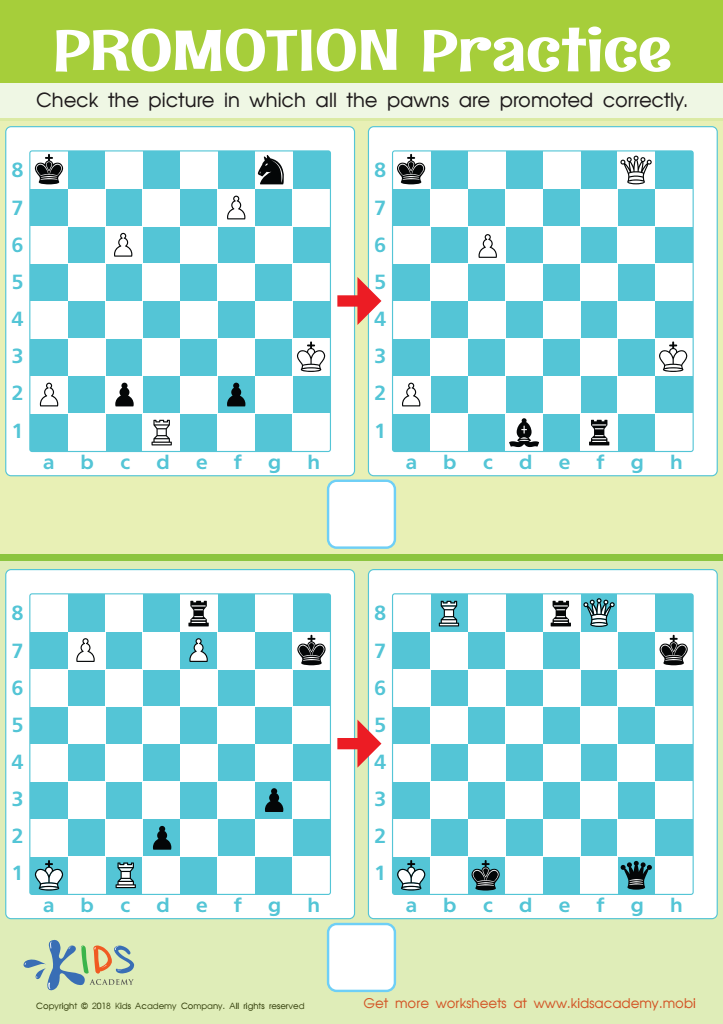
Promotion Practice Worksheet








Parents and teachers should prioritize basic math skills for children ages 5-7 because this foundational knowledge sets the stage for future academic success. At this stage, children are particularly receptive to learning and can easily grasp fundamental concepts such as counting, recognizing shapes, and understanding simple addition and subtraction. These skills foster critical thinking and problem-solving abilities, essential not only in math but across all subjects.
Basic math skills also promote confidence in young learners. When children grasp these foundational concepts, they develop a positive attitude towards learning, which can motivate them to tackle more complex topics in later years. Moreover, math skills are prevalent in everyday life—whether it’s measuring ingredients while cooking or budgeting for toys—helping children recognize the relevance of math beyond the classroom.
Furthermore, early math proficiency is linked to improved overall academic performance. Research indicates that children who develop strong math skills in early education are more likely to excel in later grades, making it crucial for parents and teachers to engage consistently with their students in fun and interactive ways. Investing time and effort in basic math skills not only encourages a love for learning but also equips children with essential life skills that will benefit them in the long run.








