Categorization skills Normal Worksheets for Ages 5-7
18 filtered results
-
From - To
Enhance your child's learning with our Categorization Skills Worksheets, designed specifically for children aged 5-7. These engaging printable resources help young learners identify, sort, and group objects based on various categories, fostering critical thinking and problem-solving abilities. With colorful illustrations and age-appropriate themes, these worksheets make the learning process enjoyable and effective. Our comprehensive activities promote cognitive development and encourage children to explore similarities and differences in diverse sets. Ideal for classroom use or home activities, our Categorization Skills Worksheets provide an excellent foundation for future academic success while keeping children entertained. Download today and watch your child flourish!
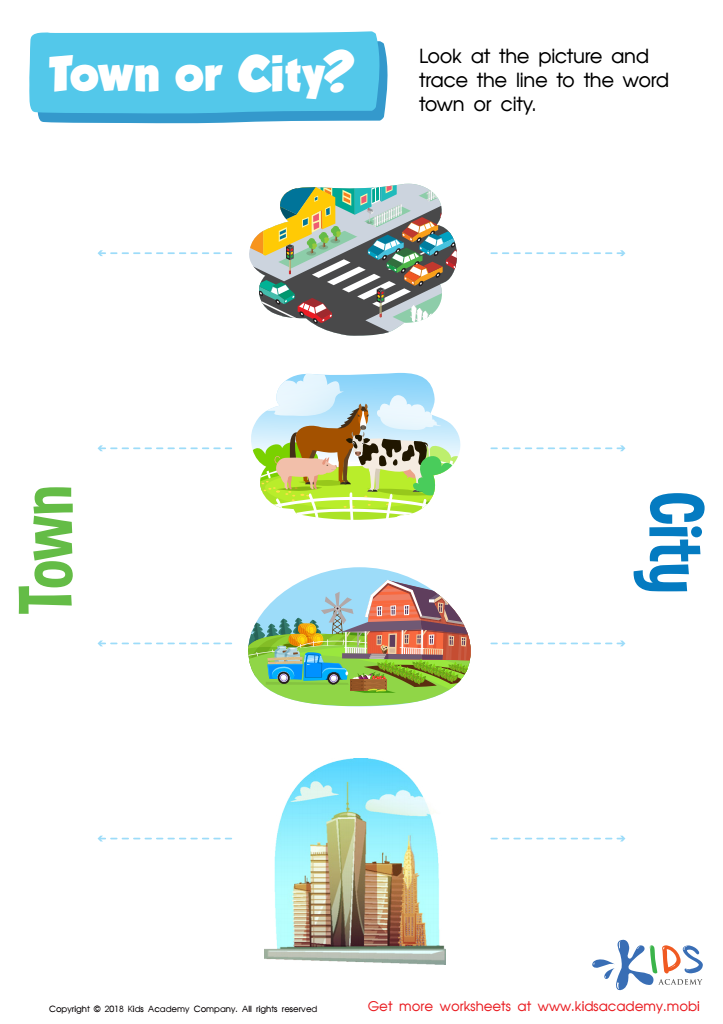
Town or City? Worksheet
 Assign to My Students
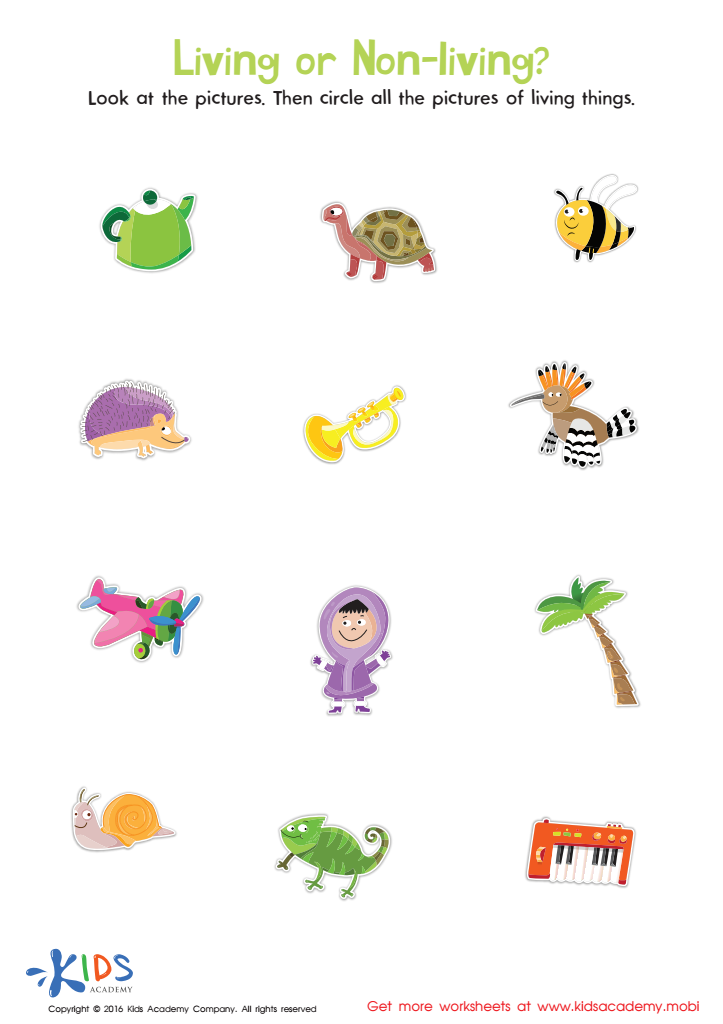
Identifying Living and Non–living Things Sorting Worksheet
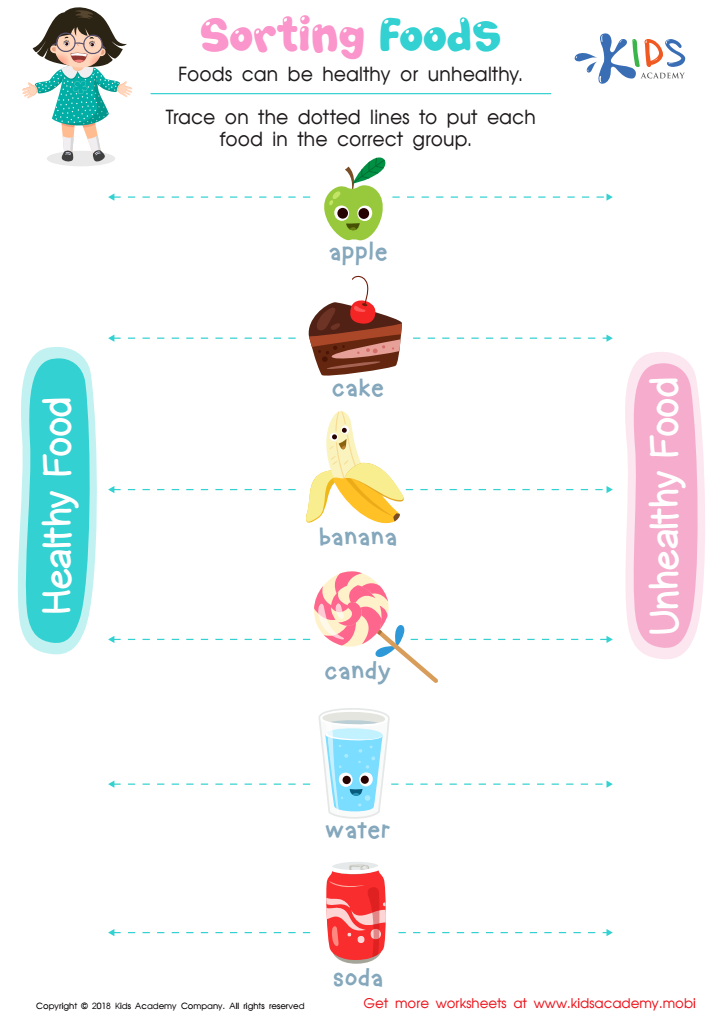
Sorting Food Worksheet
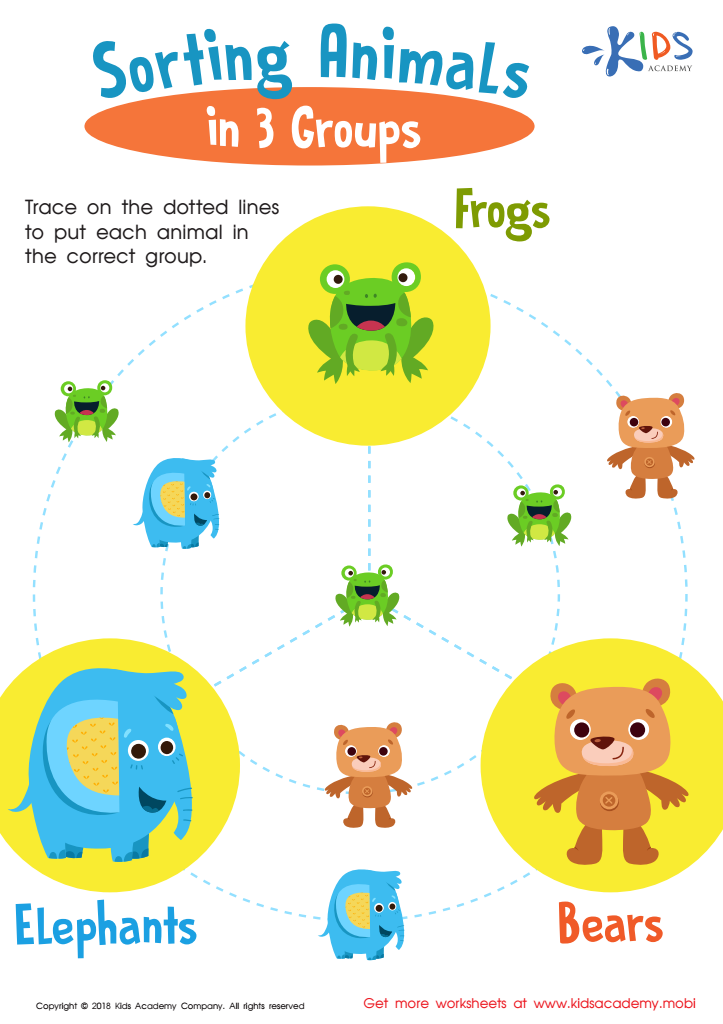
Sorting Animals in 3 Groups Worksheet
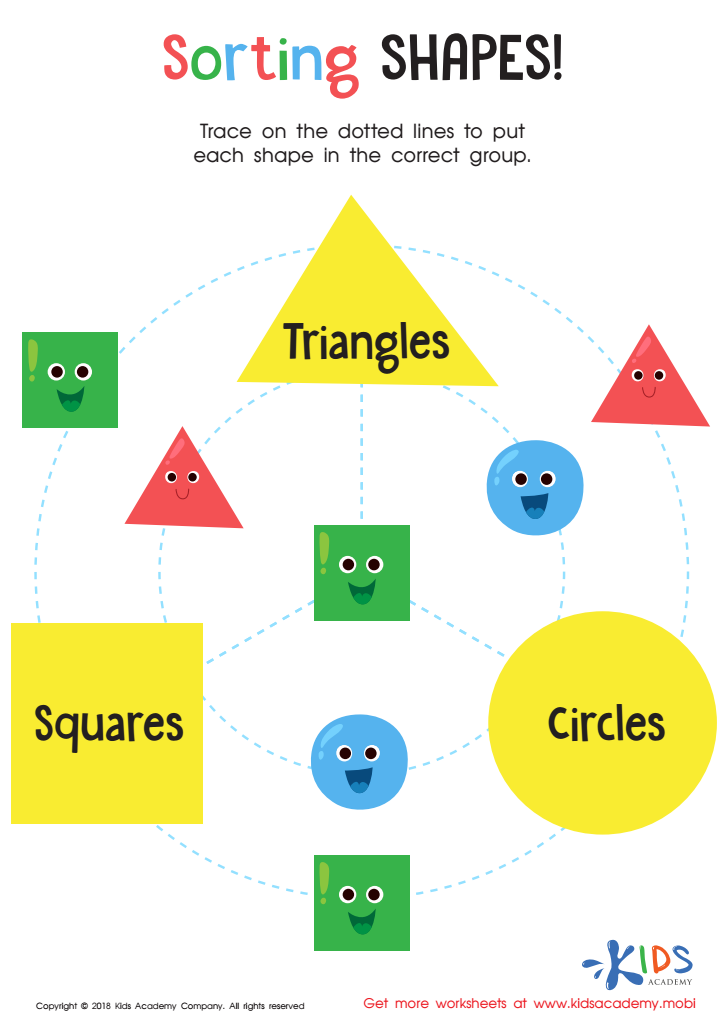
Sorting Shapes - Part 3 Worksheet
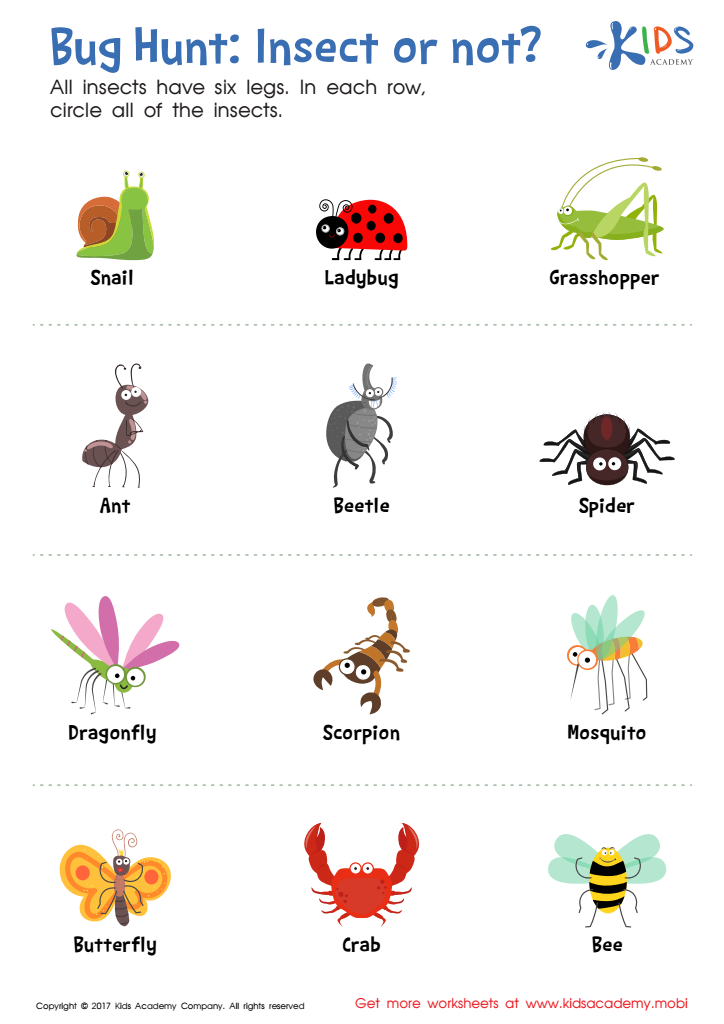
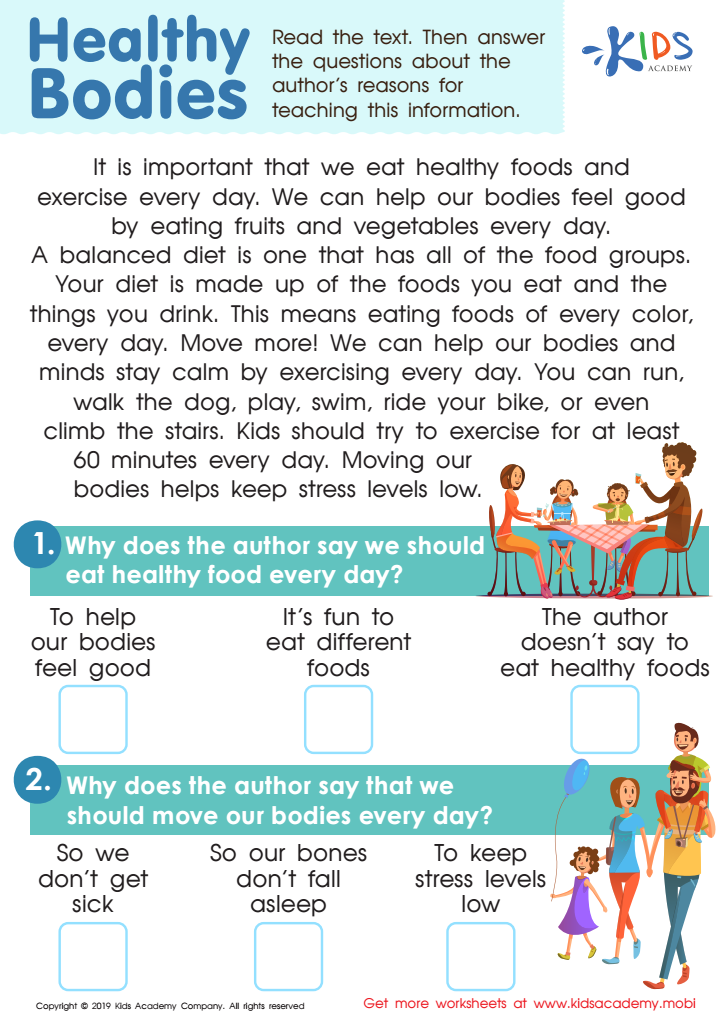
Healthy Bodies Worksheet
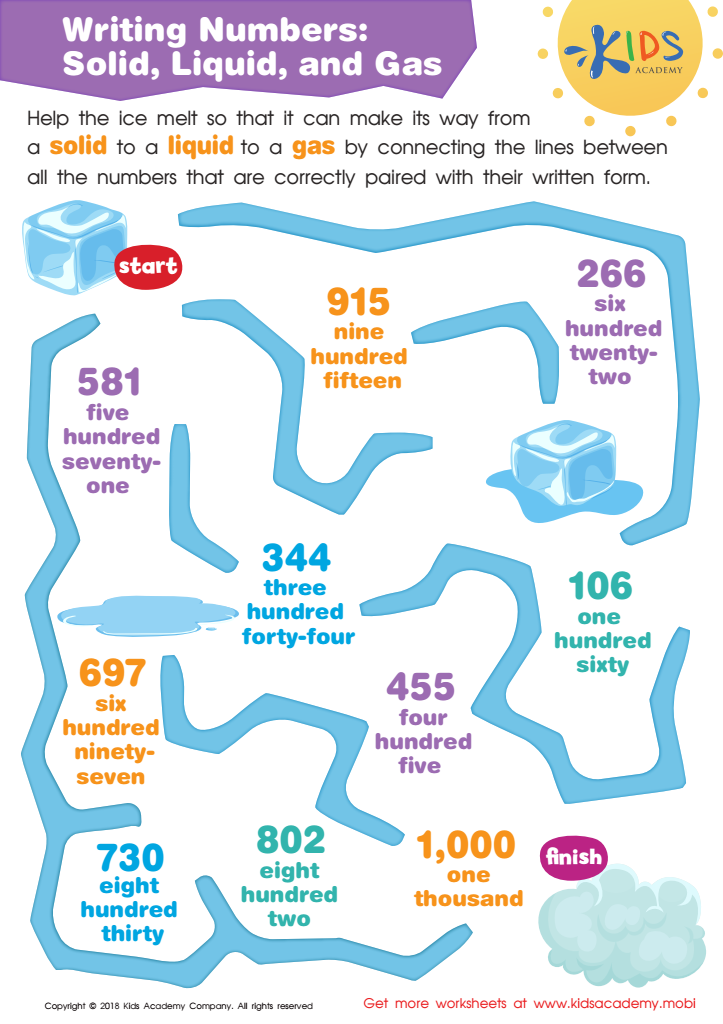
Solid, Liquid, and Gas Writing Numbers Worksheet
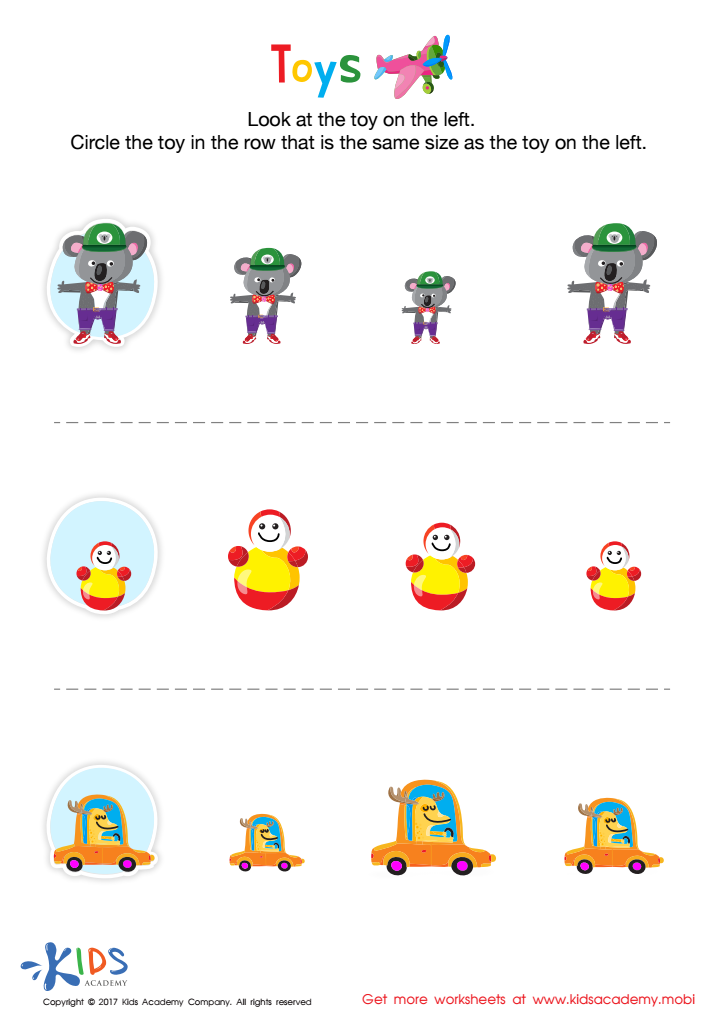
Matching: Classifying Toys by Size Worksheet
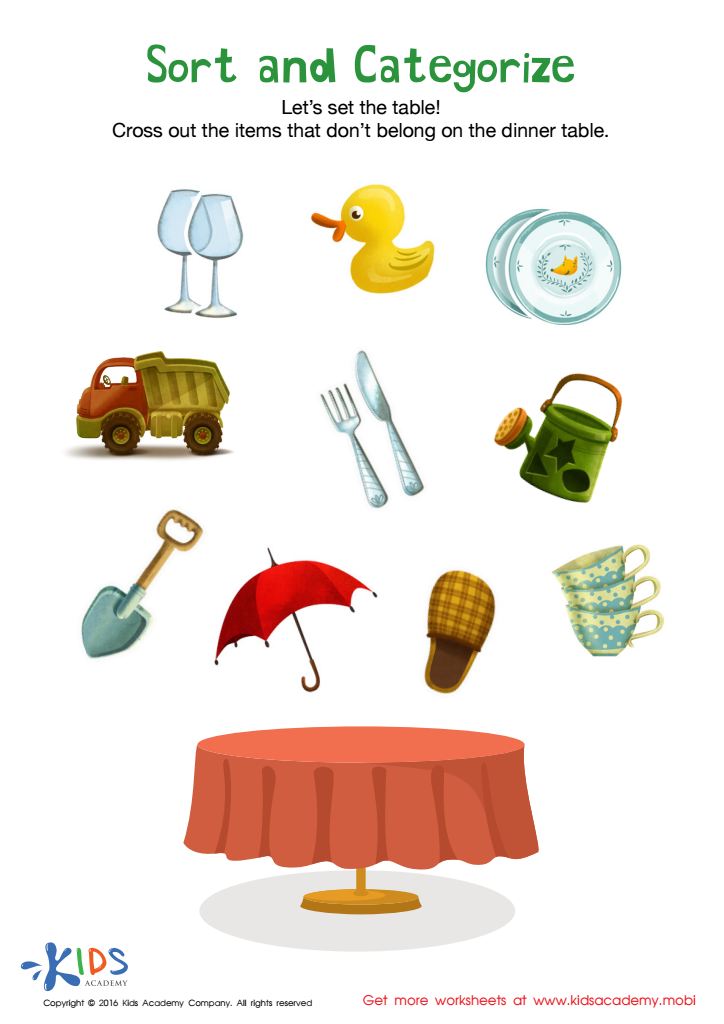
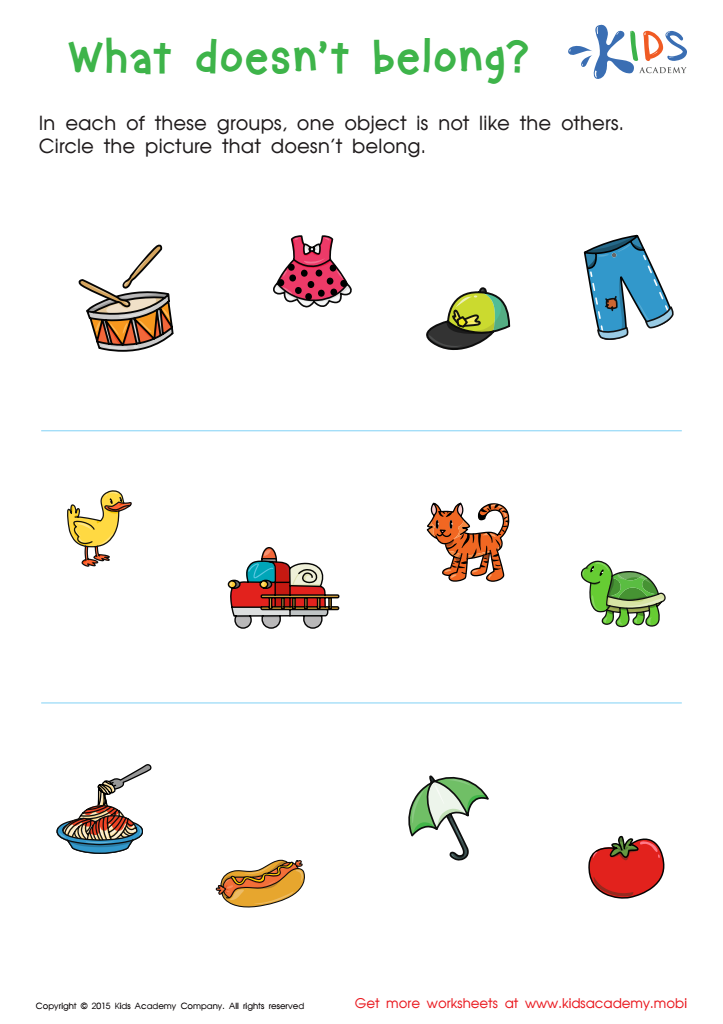
First Words: What Doesn't Belong Worksheet
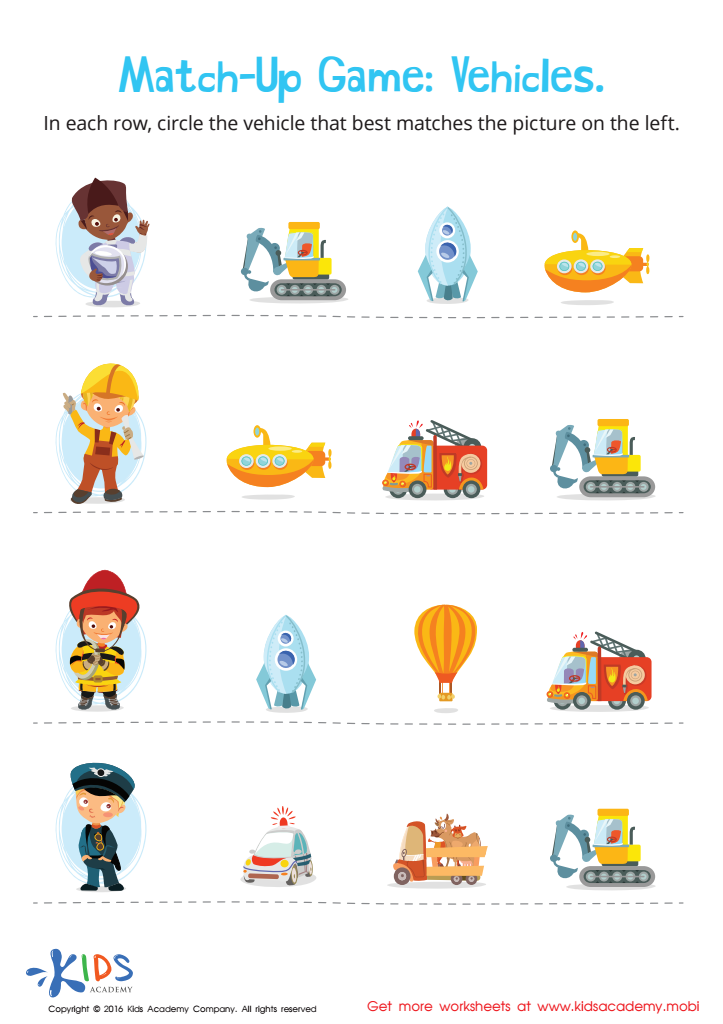
Vehicles Worksheet
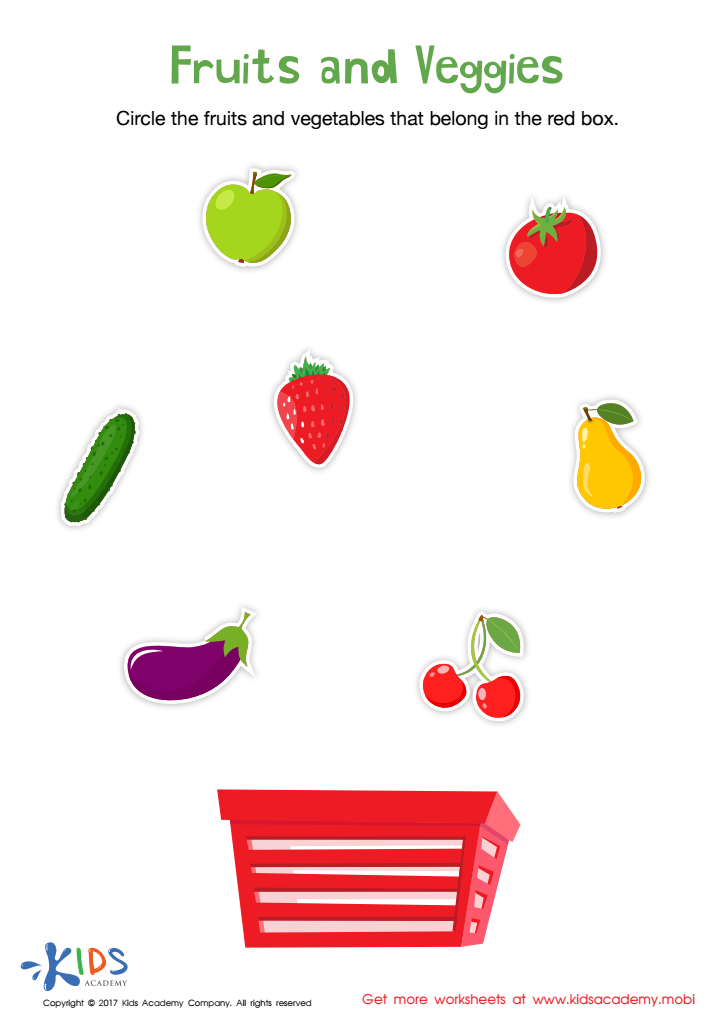
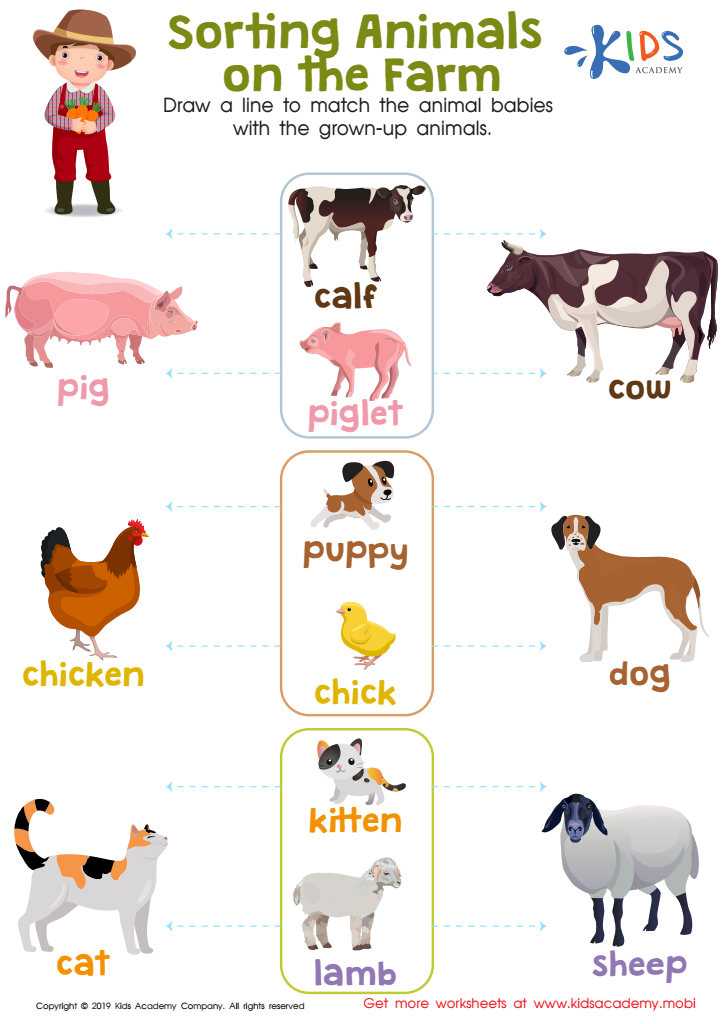
Sorting Animals on the Farm Worksheet
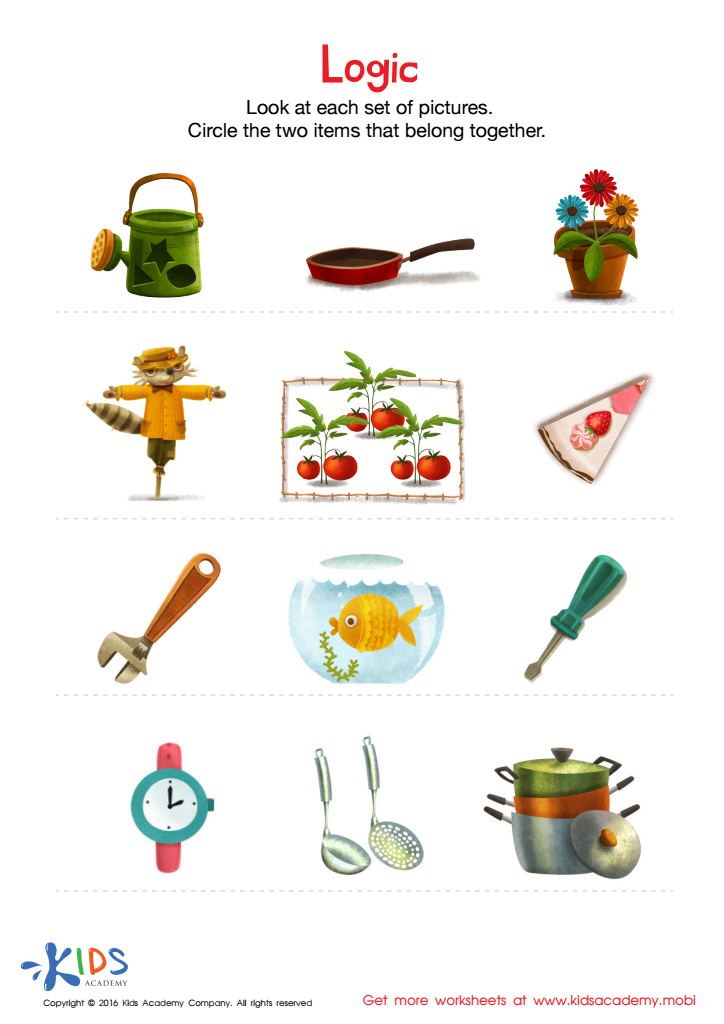
Logic Game Sorting Worksheet
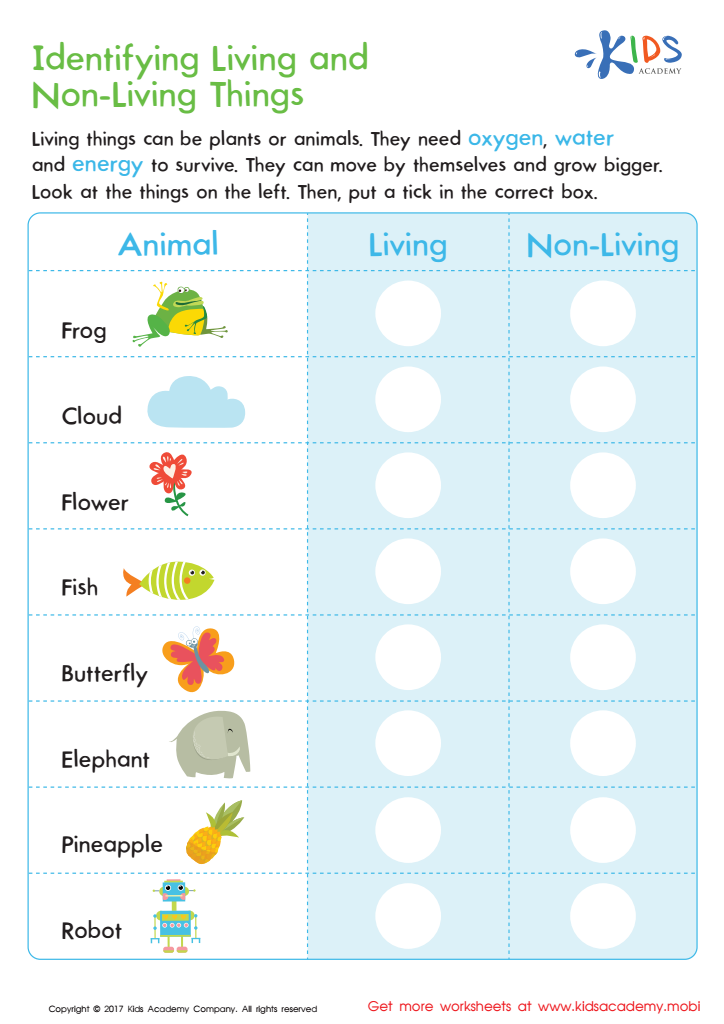
Identifying Living or Non–living Worksheet
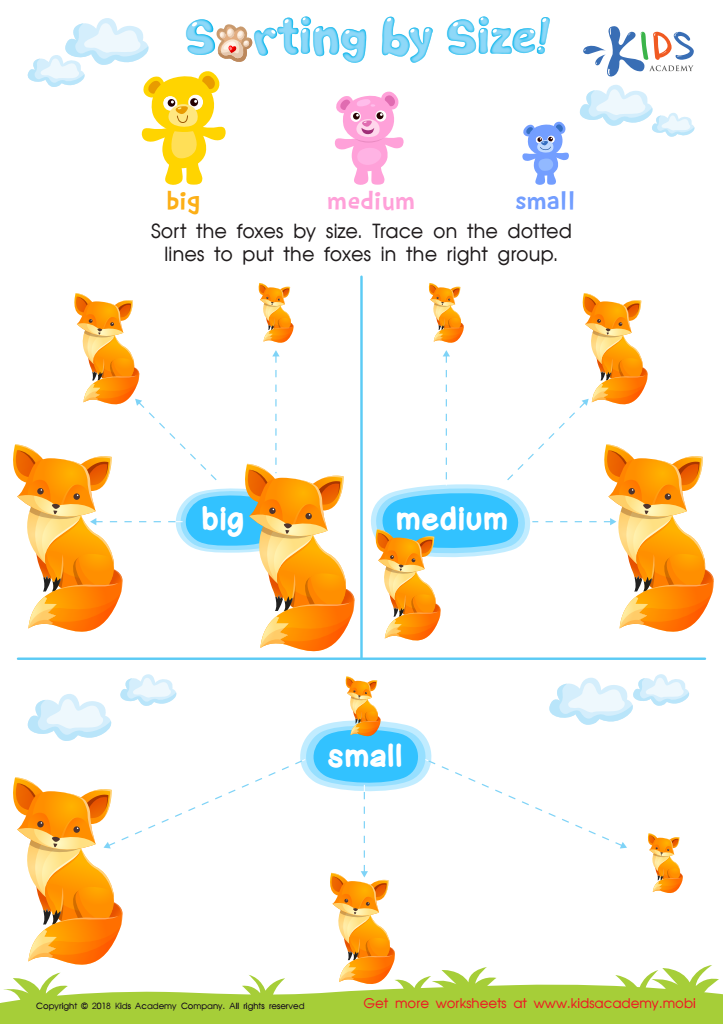
Sorting by Size Worksheet
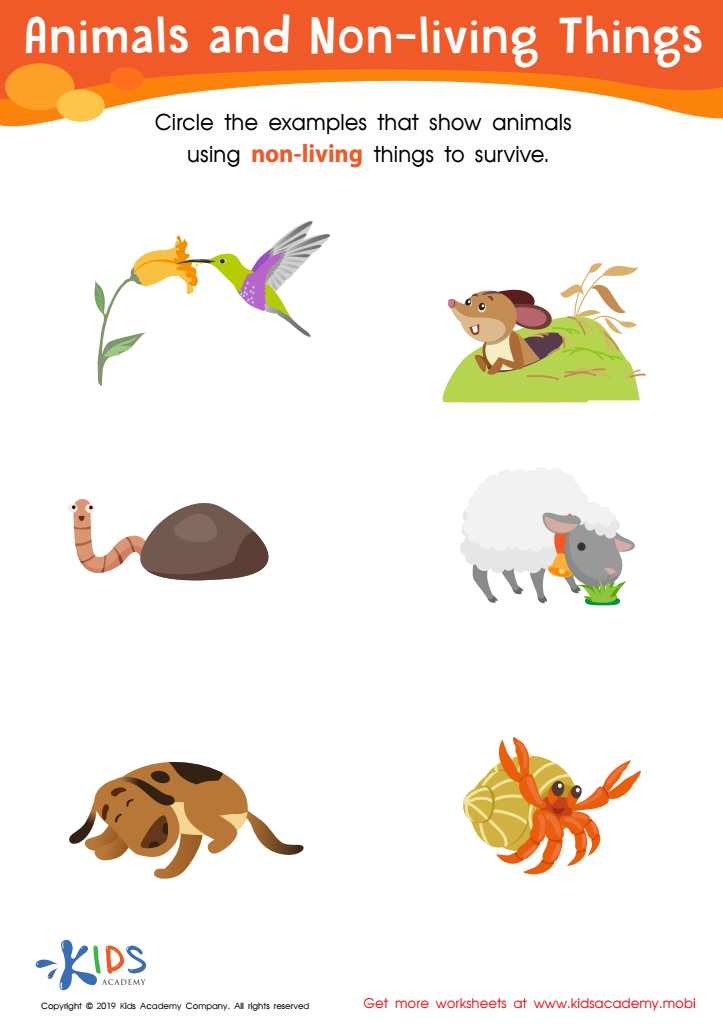
Animals and Non-Living Things Worksheet








Categorization skills are crucial for children aged 5-7 as they form the building blocks for critical thinking, problem-solving, and overall cognitive development. During this period, children begin to discern similarities and differences, which is essential for making sense of their world. For parents and teachers, fostering these skills is vital, as they help children organize information and create mental frameworks, allowing for more effective learning.
By teaching children to categorize objects, ideas, and experiences, educators and caregivers can enhance their vocabulary and comprehension abilities. For instance, when students sort animals by habitat or group fruits by color, they not only learn to identify characteristics but also practice using logical reasoning. Additionally, strong categorization skills support reading comprehension, as children can relate new information to their existing knowledge.
Furthermore, these skills promote social development; recognizing and categorizing emotions can aid in understanding peers, leading to better interactions and conflict resolution. Ultimately, investing in categorization skills during these formative years builds a solid foundation for academic success and emotional intelligence, preparing children for the complexities of future learning as well as for their social environments. Thus, parents and teachers play a crucial role in nurturing these essential skills.








