Color Identification Normal Worksheets for Ages 5-7
24 filtered results
-
From - To
Discover our engaging Color Identification Normal Worksheets designed specifically for kids ages 5-7. These printable sheets from Kids Academy are perfect for helping young learners recognize and name various colors in a fun and interactive way. Each worksheet features vibrant illustrations and exciting activities that encourage children to identify and differentiate colors while boosting their confidence and creativity. Suitable for home or classroom use, these worksheets support early learning and development, ensuring kids grasp fundamental color concepts with ease. Enhance your child’s learning journey today with our expertly crafted educational resources.
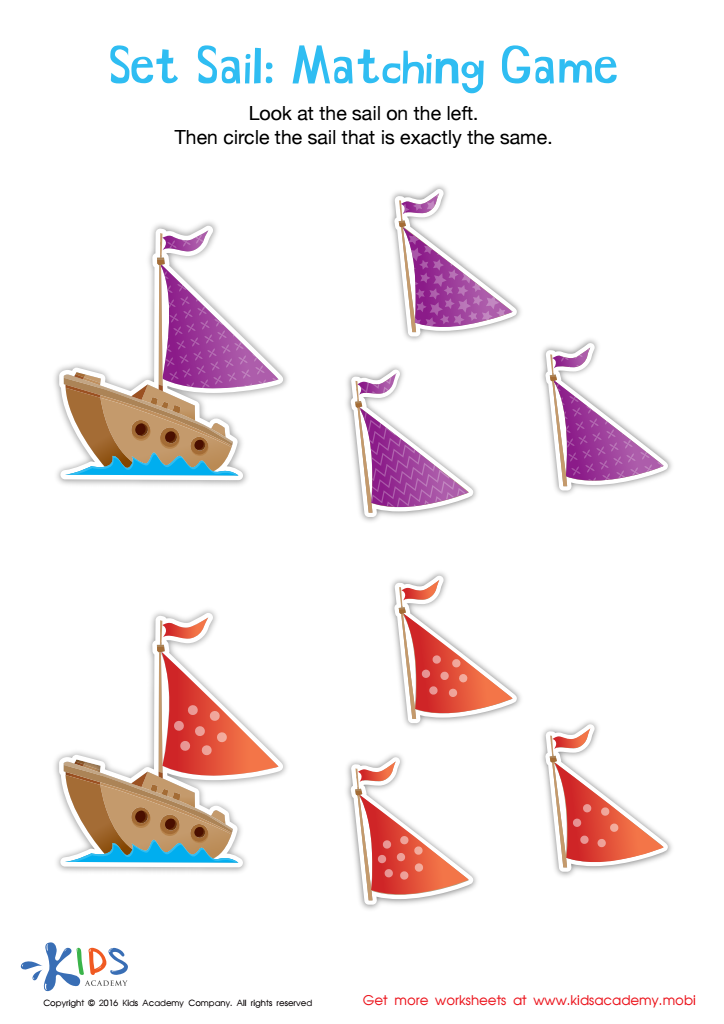
Set Sail Worksheet
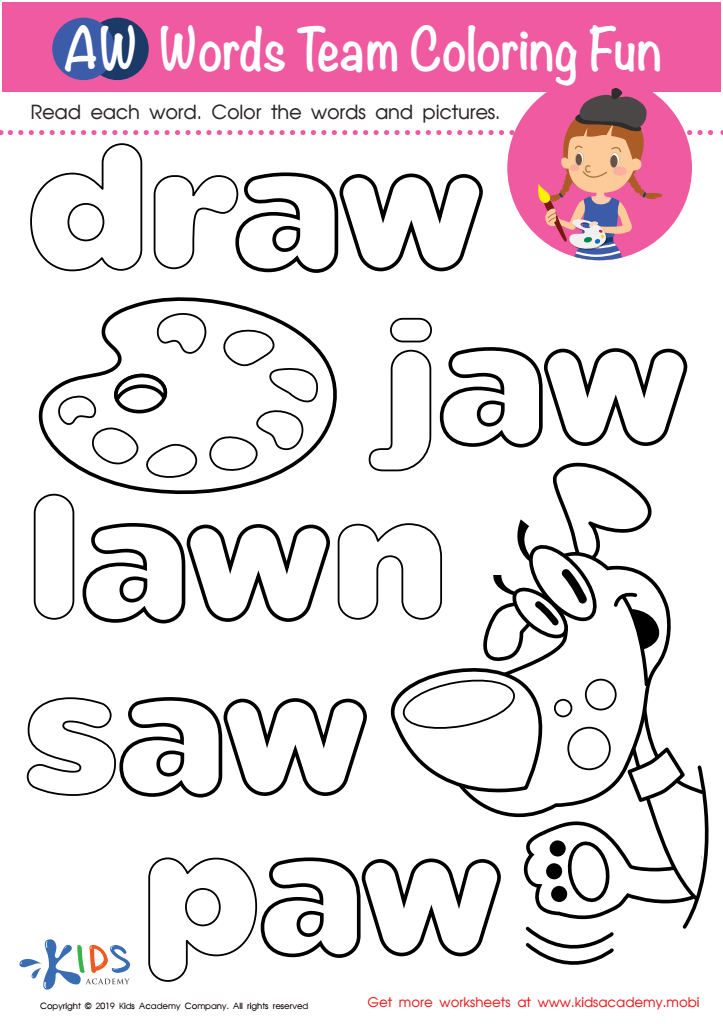
AW Words Team Coloring Fun Worksheet
 Assign to My Students
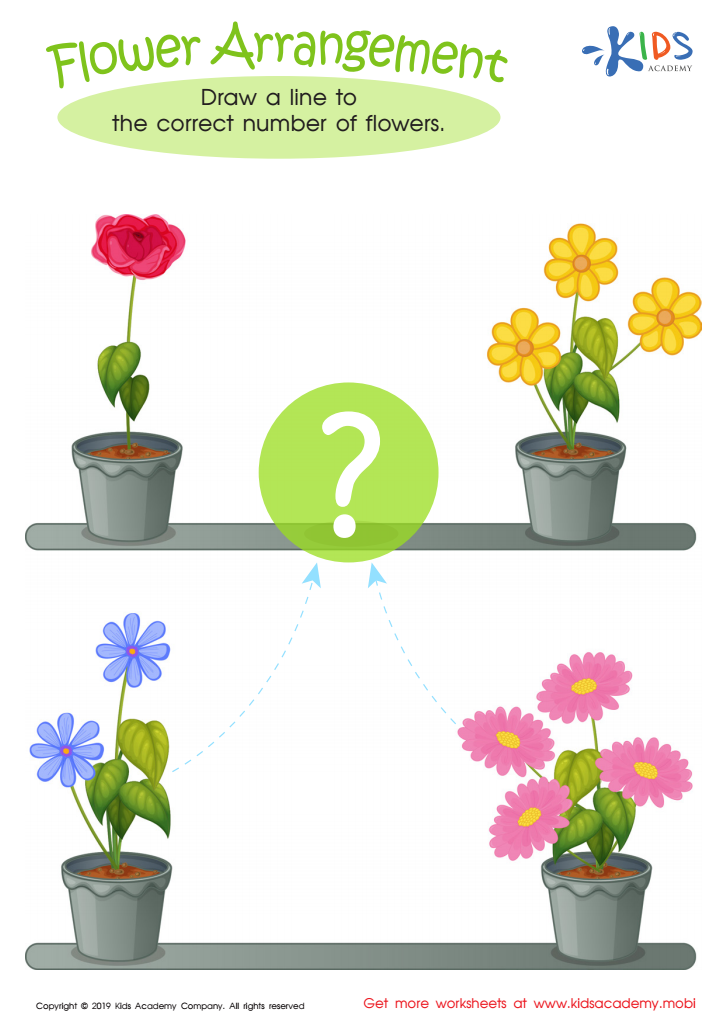
Flower Arrangement Worksheet
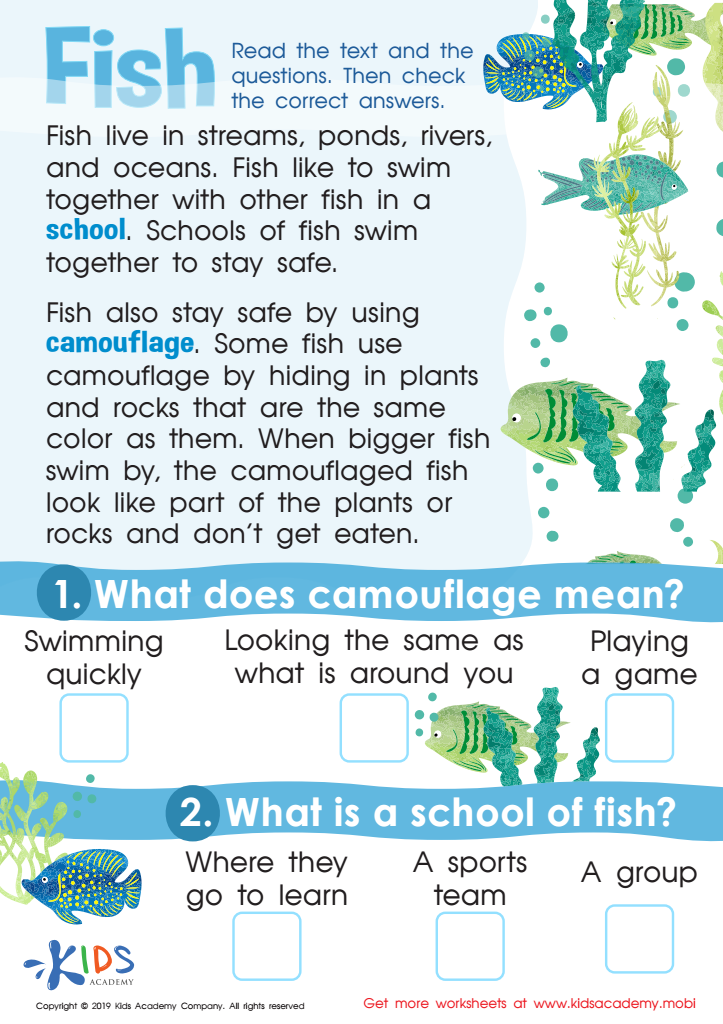
Fish Worksheet
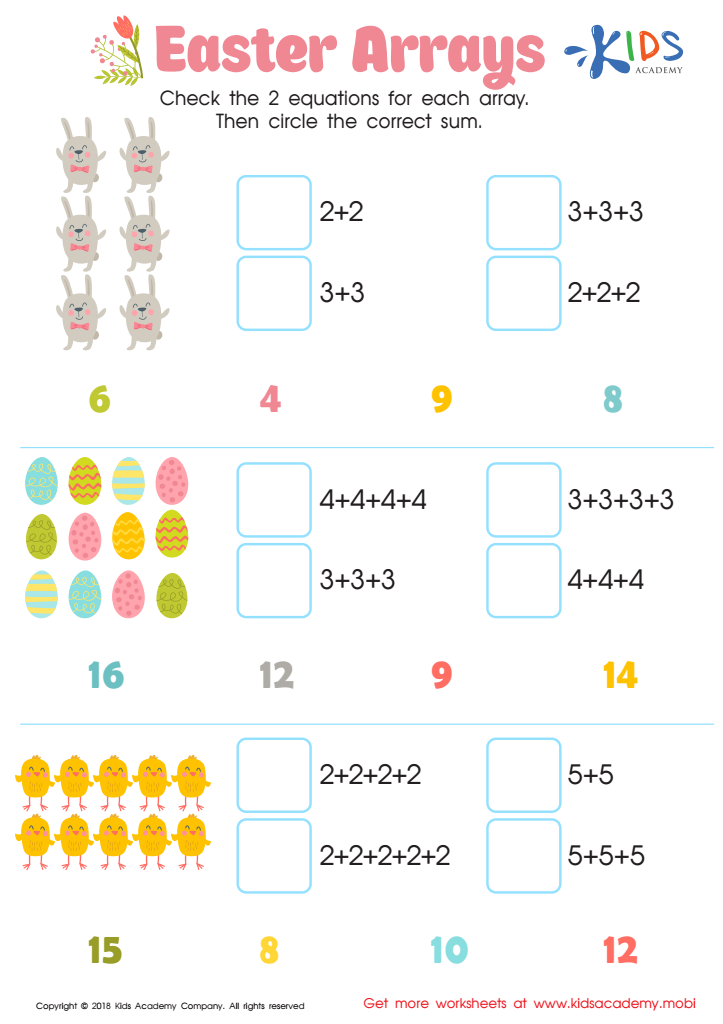
Easter Arrays Worksheet
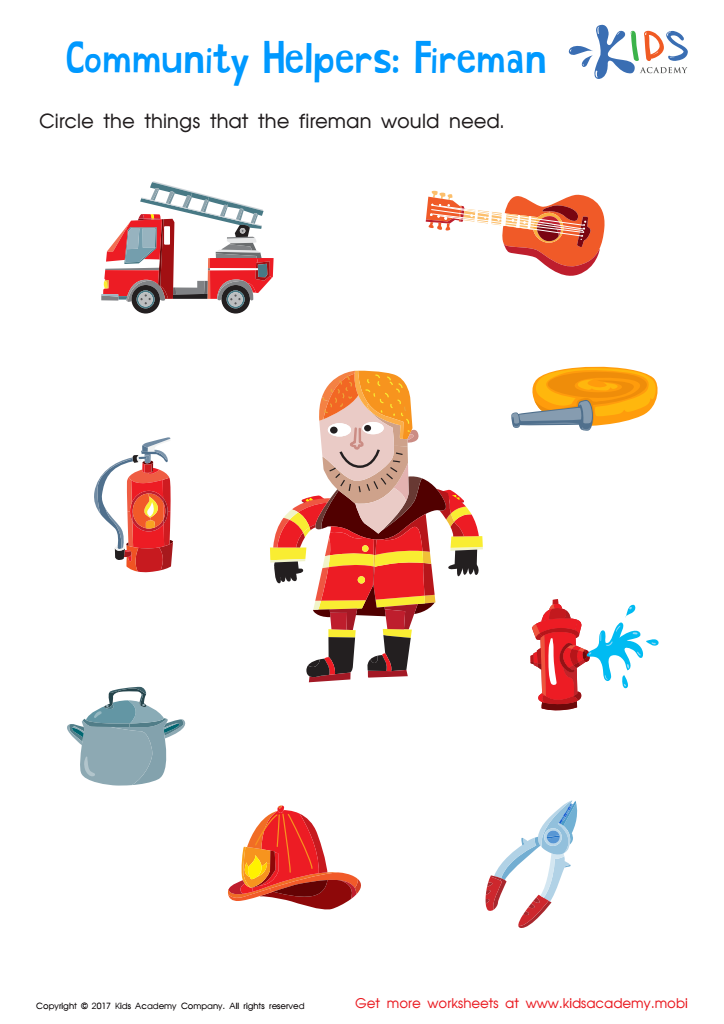
Fireman Worksheet
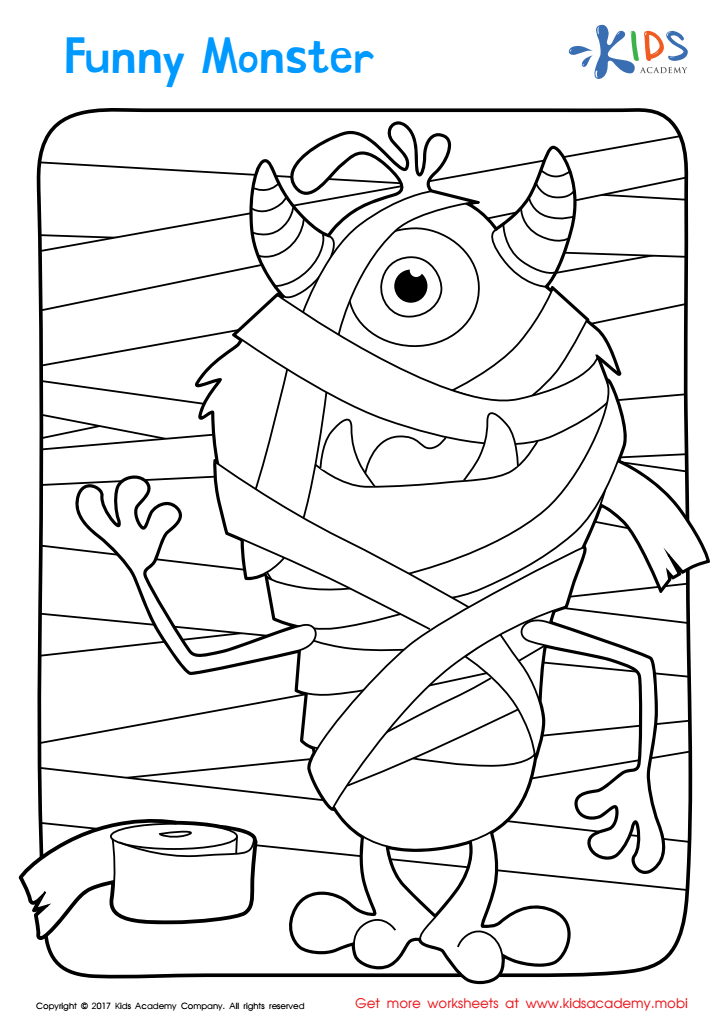
Halloween: A Funny Monster Worksheet
Assign to My Students
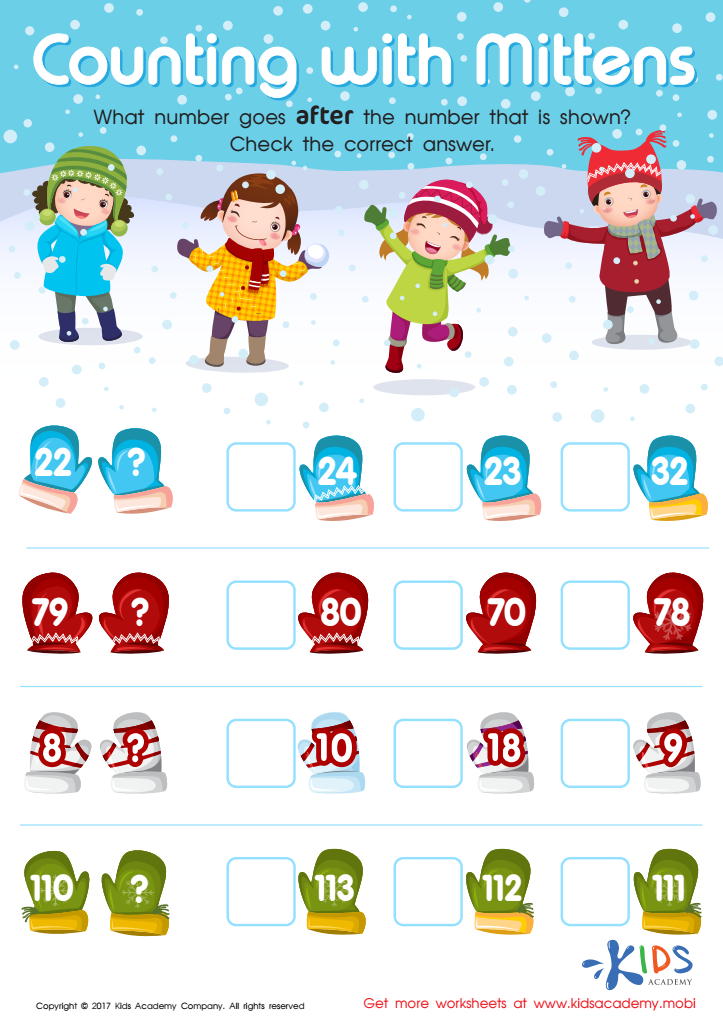
Counting with Mittens Worksheet
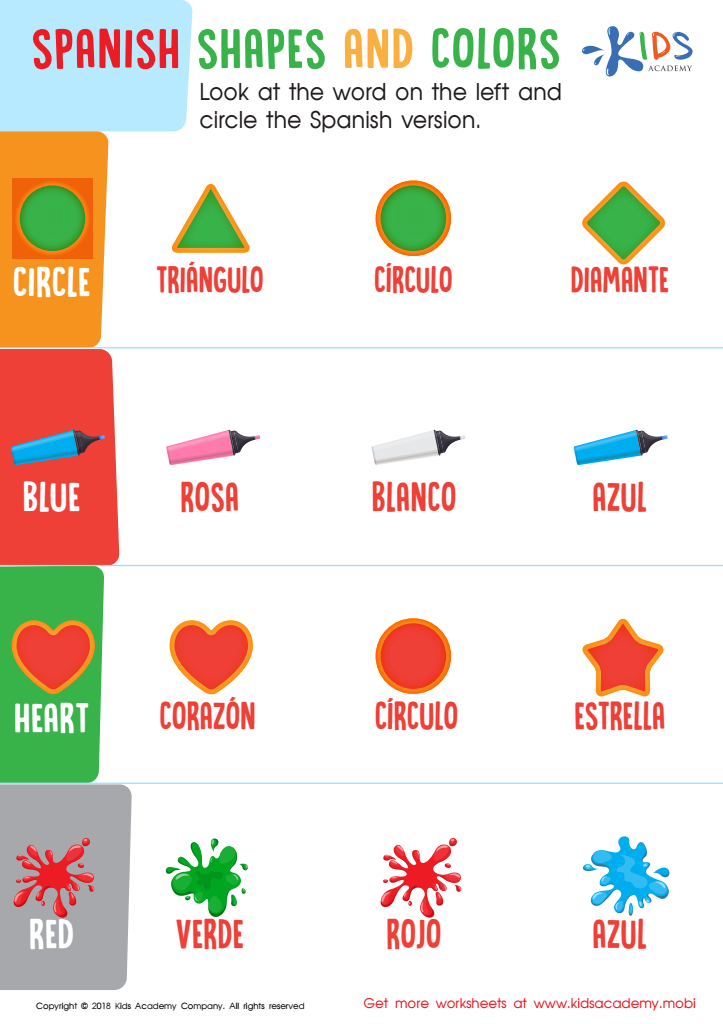
Spanish Shapes and Colors Worksheet
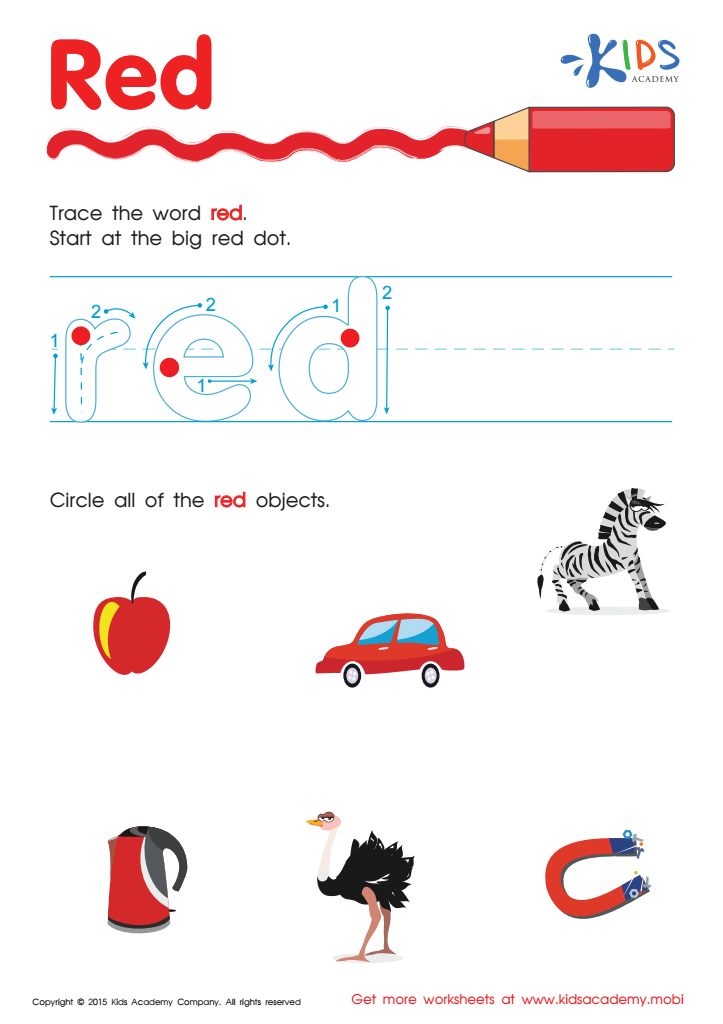
Red Tracing Color Words Printable
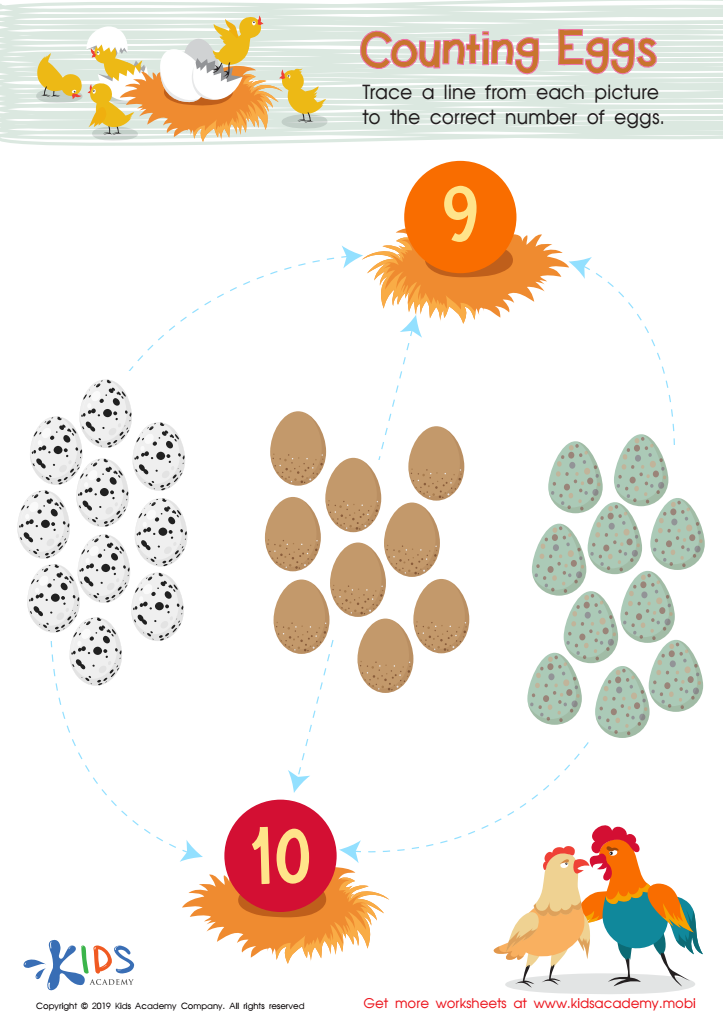
Counting Eggs Worksheet
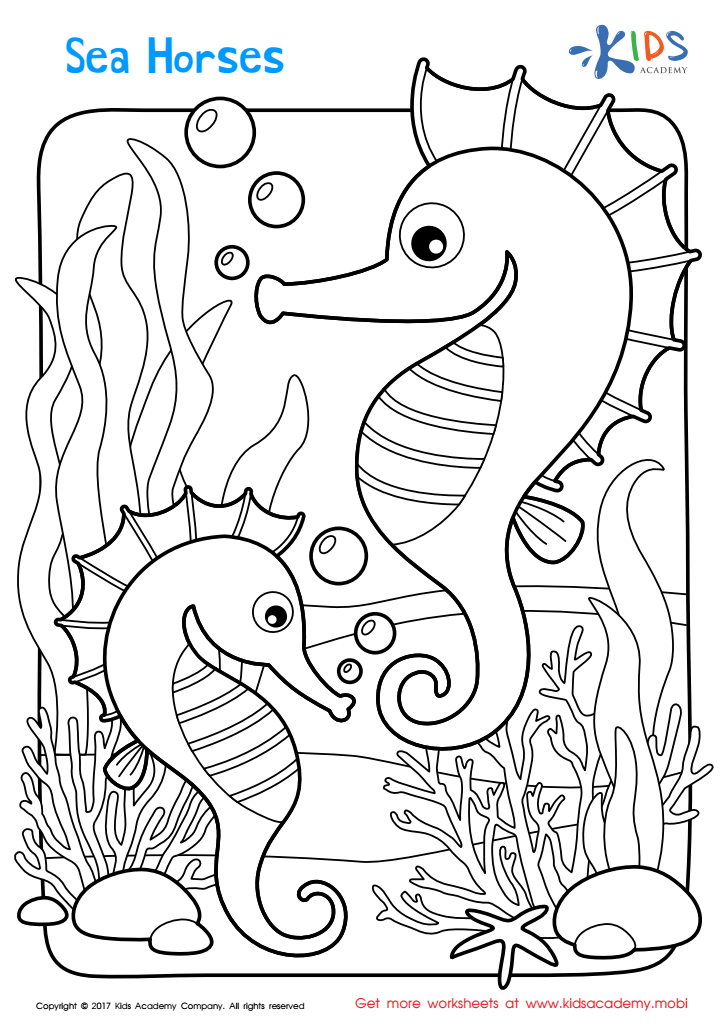
Sea Horses Printable
Assign to My Students
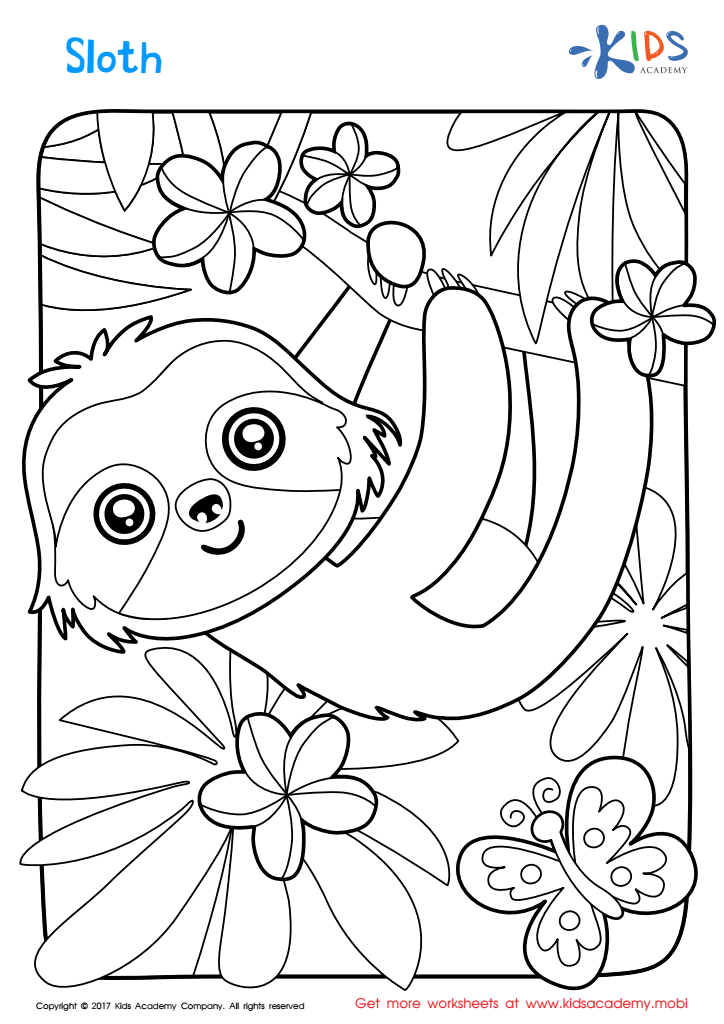
Sloth Worksheet
Assign to My Students
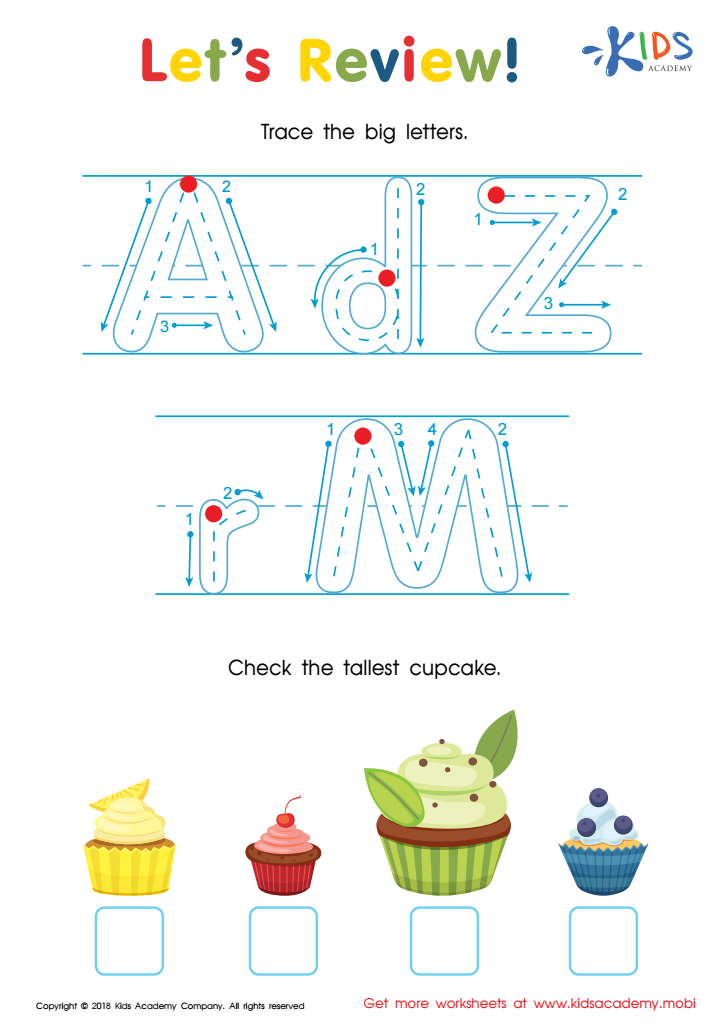
Let's Review! Big Letters Worksheet
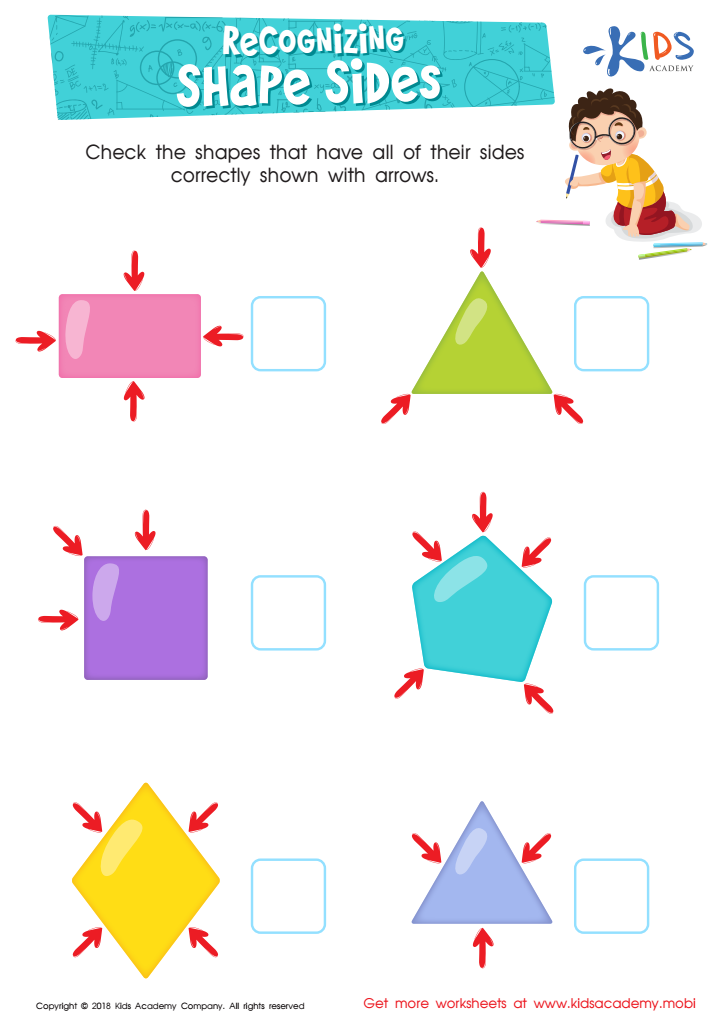
Recognizing Shape Sides Worksheet
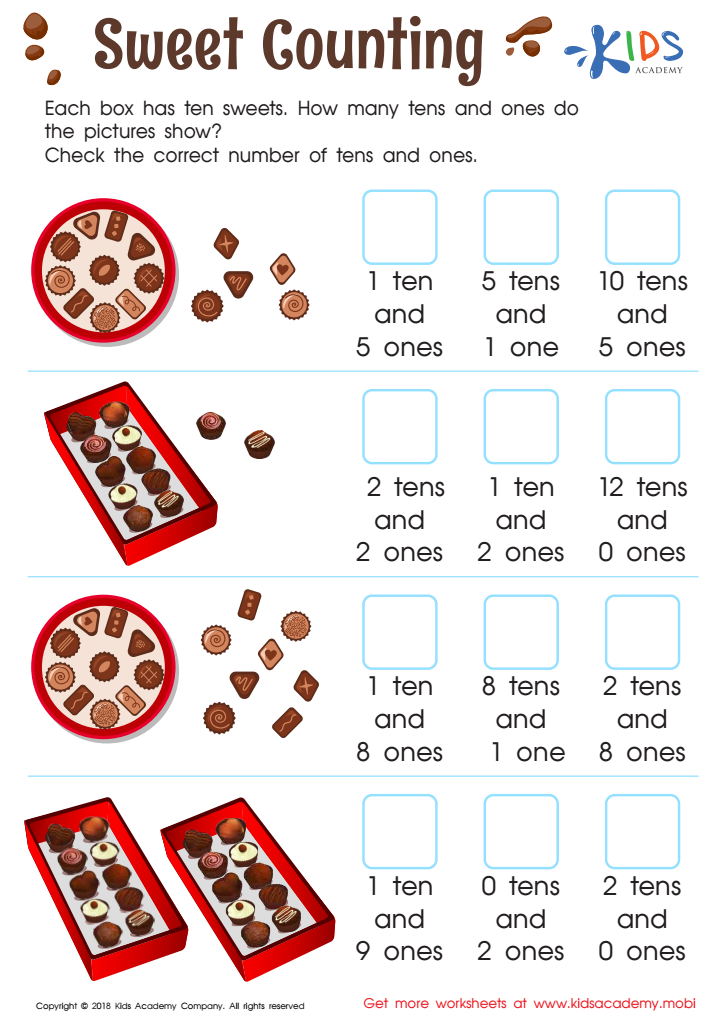
Sweet Counting - Part 2 Worksheet
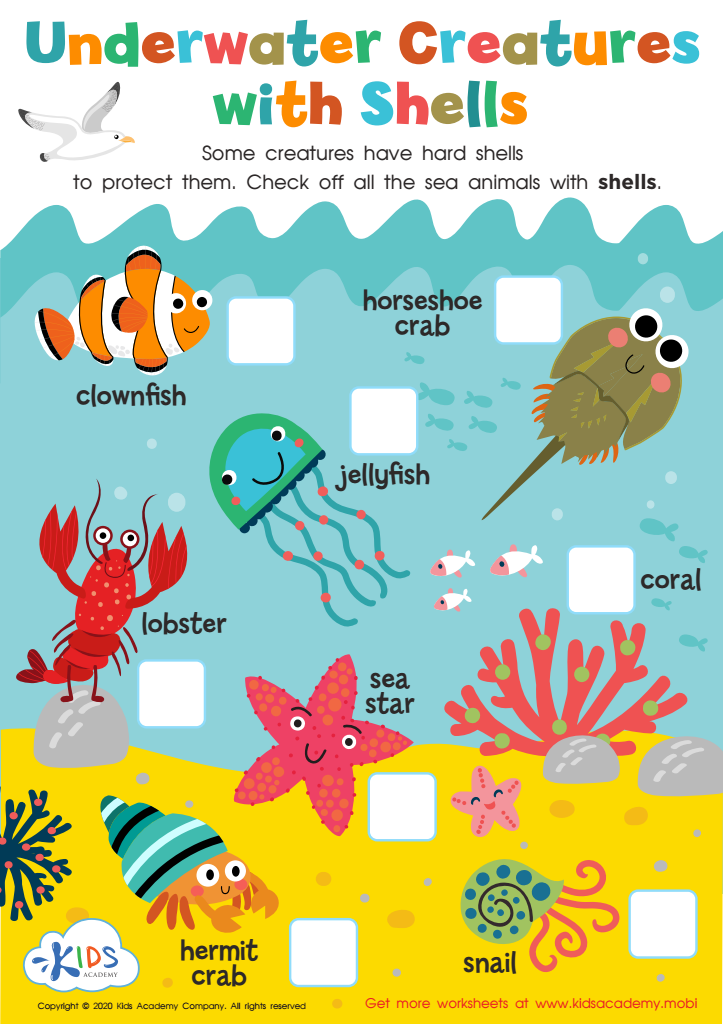
Underwater Creatures with Shells Worksheet
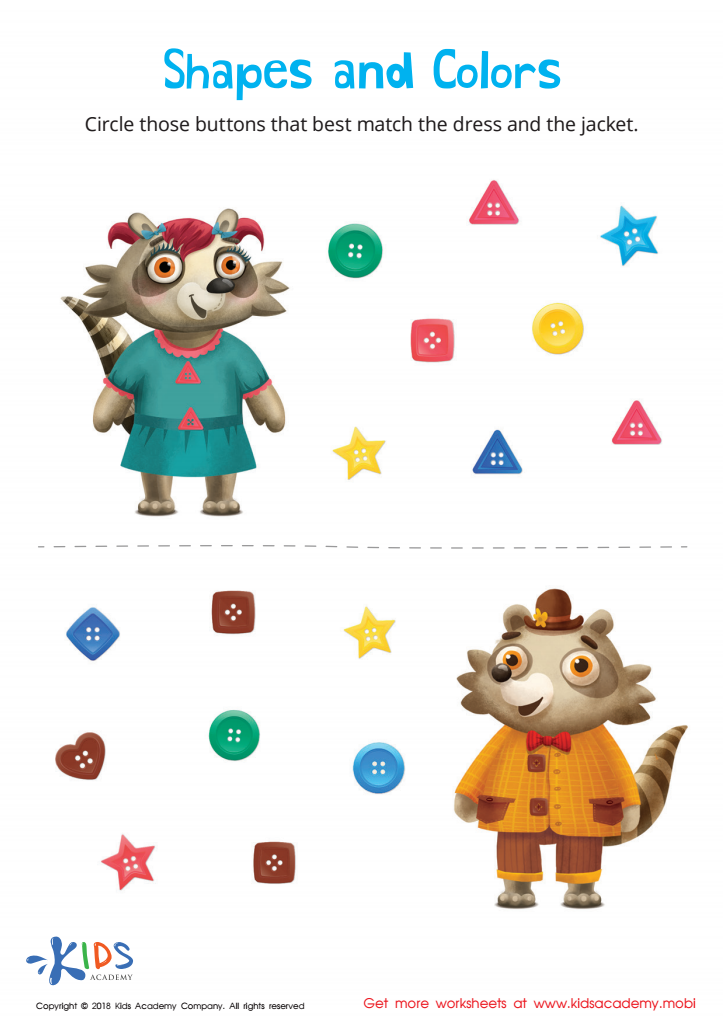
Shapes and Colors Worksheet
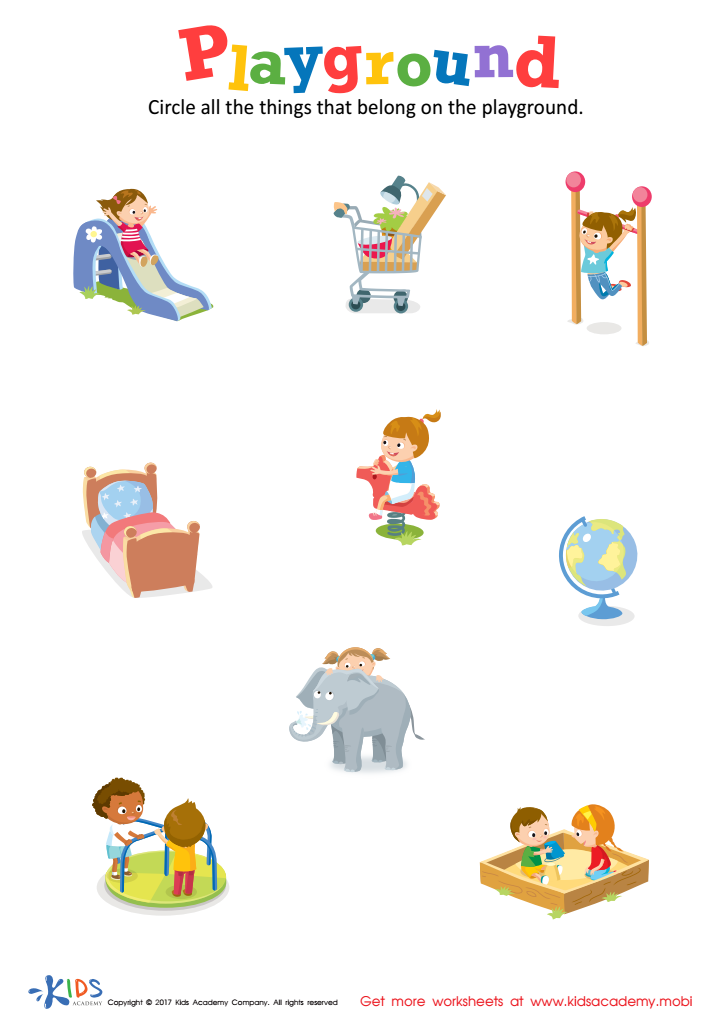
Playground Worksheet
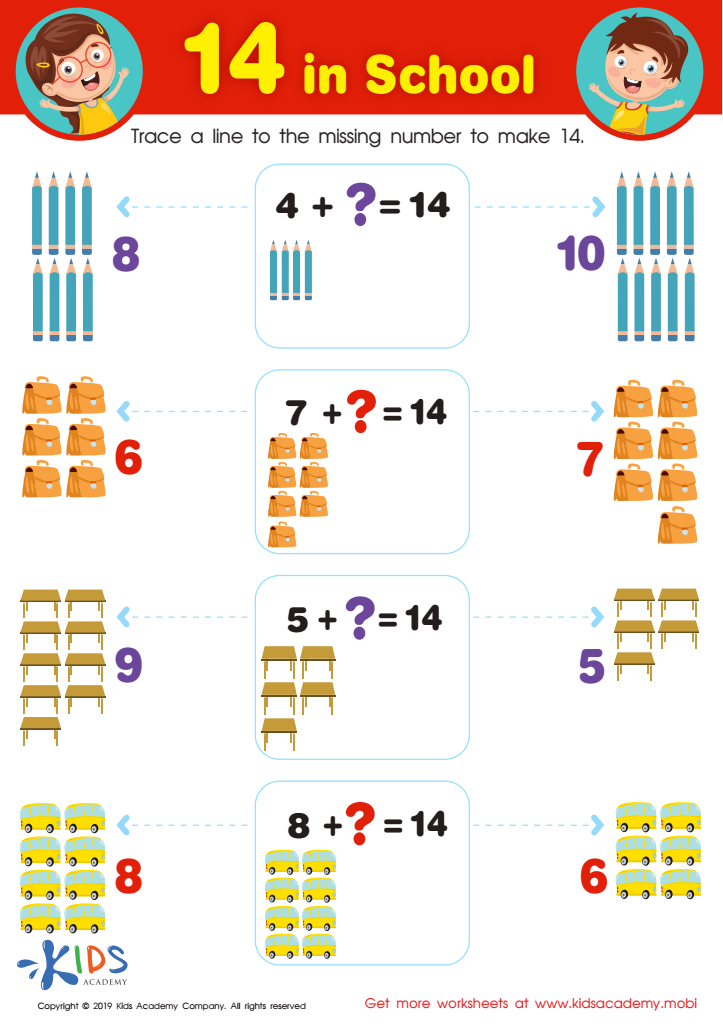
14 in School Worksheet
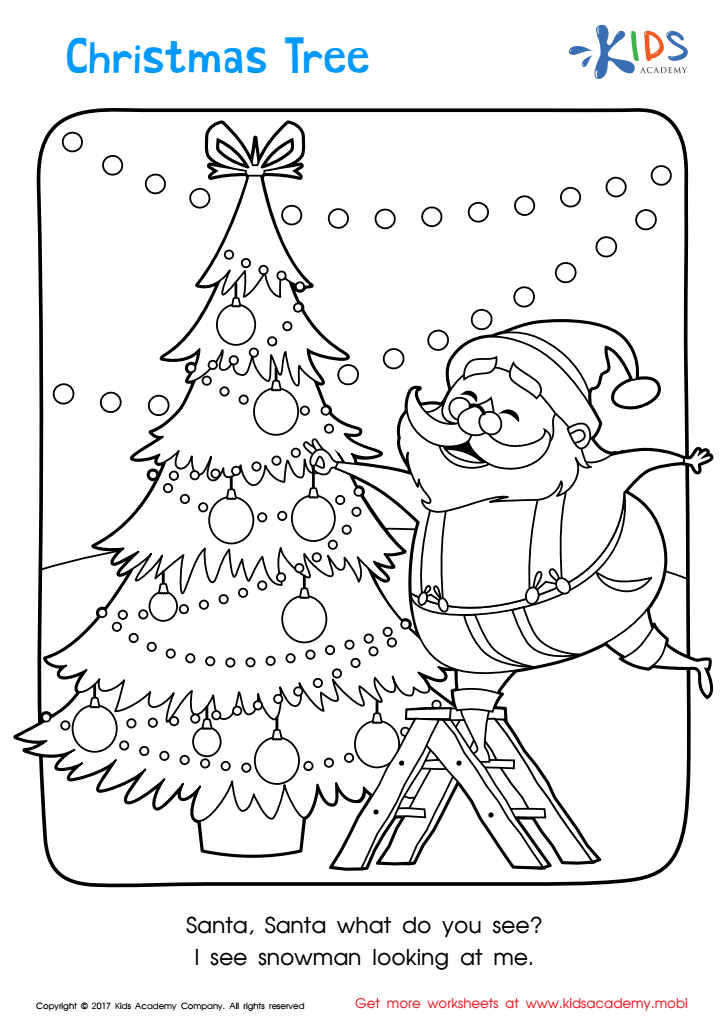
Christmas: Christmas Tree Printable
Assign to My Students
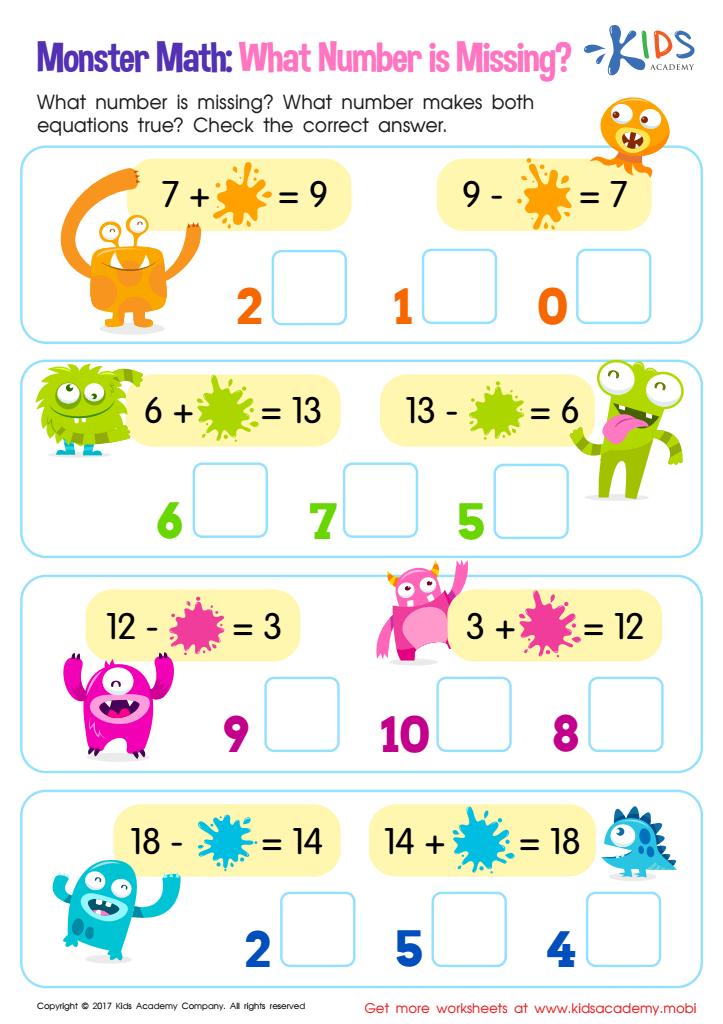
Missing Number: Monster Math Worksheet








Color identification is a fundamental skill for young children that lays the groundwork for learning and development in numerous areas. For children aged 5-7, mastering colors not only enhances their cognitive abilities but also helps in describing, categorizing, and making sense of the world around them. Knowing colors enriches their vocabulary, aiding their language development by providing words to describe objects and spaces. This capability is crucial for effective communication both inside and outside the classroom.
Moreover, color identification is often intertwined with early mathematics and science education. Recognizing and sorting colors can enhance pattern recognition and problem-solving skills, which are vital for mathematical thinking. In scientific exploration, colors help children differentiate and classify various materials, fostering early observational and analytical skills.
Socially, knowing colors is also key for following instructions and rules in school activities and games, thereby improving listening skills and adherence to tasks. From a safety perspective, distinguishing colors is critical; for instance, understanding that red often means "stop" and green means "go" can help in recognizing traffic signals and other safety indicators.
In essence, ensuring that children aged 5-7 can identify colors boosts their cognitive development, language skills, mathematical understanding, observational prowess, and overall safety awareness, making it an essential aspect of early childhood education.








