Vowel Recognition Normal Worksheets for Ages 5-7
12 filtered results
-
From - To
Enhance your child's literacy skills with our Vowel Recognition Normal Worksheets, specifically designed for ages 5-7. These engaging and interactive worksheets help young learners identify and distinguish between vowels, a foundational skill for reading and writing. Featuring fun activities such as word matching, fill-in-the-blanks, and coloring exercises, your child will develop confidence in their understanding of vowels. Our worksheets promote active learning, making it easy and enjoyable for kids to practice at home or in the classroom. Perfect for supporting early education, our easy-to-use resources empower children to become proficient readers with essential vowel recognition skills. Start learning today!
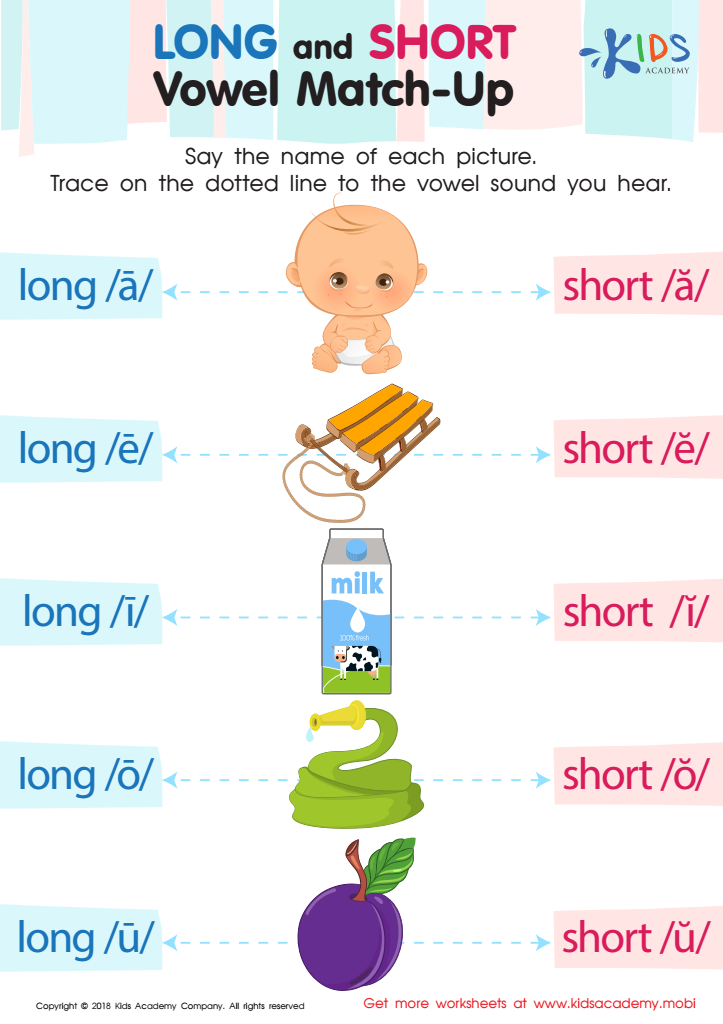
Long and Short Vowel Match up Reading Worksheet
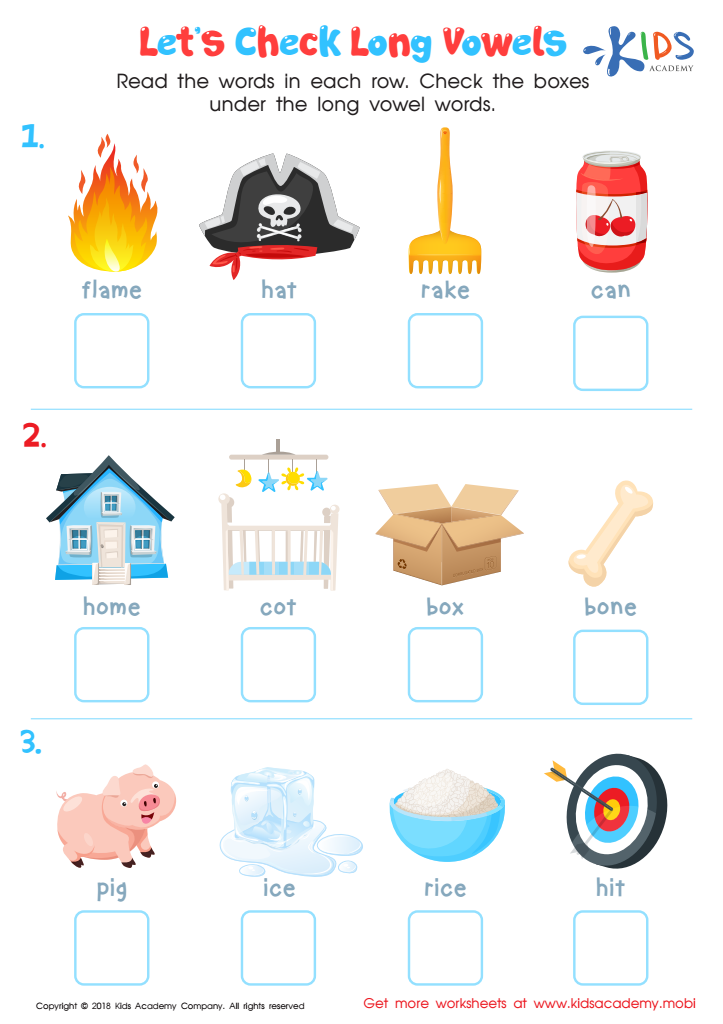
Let's Check Long Vowels: Assessment Worksheet
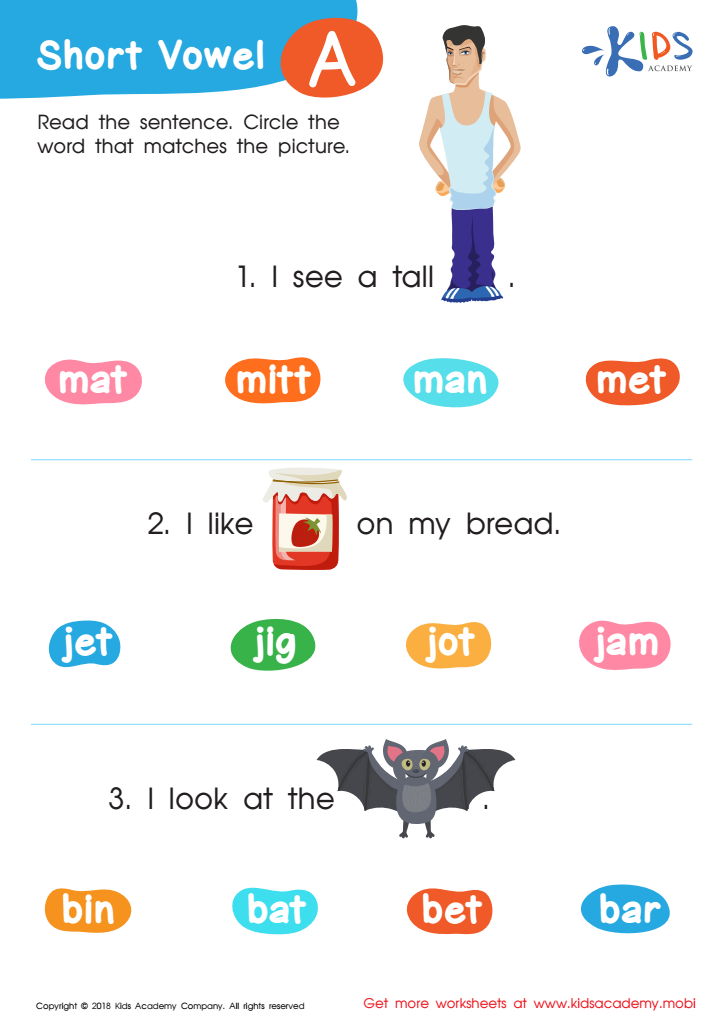
Short Vowel /a/ Worksheet
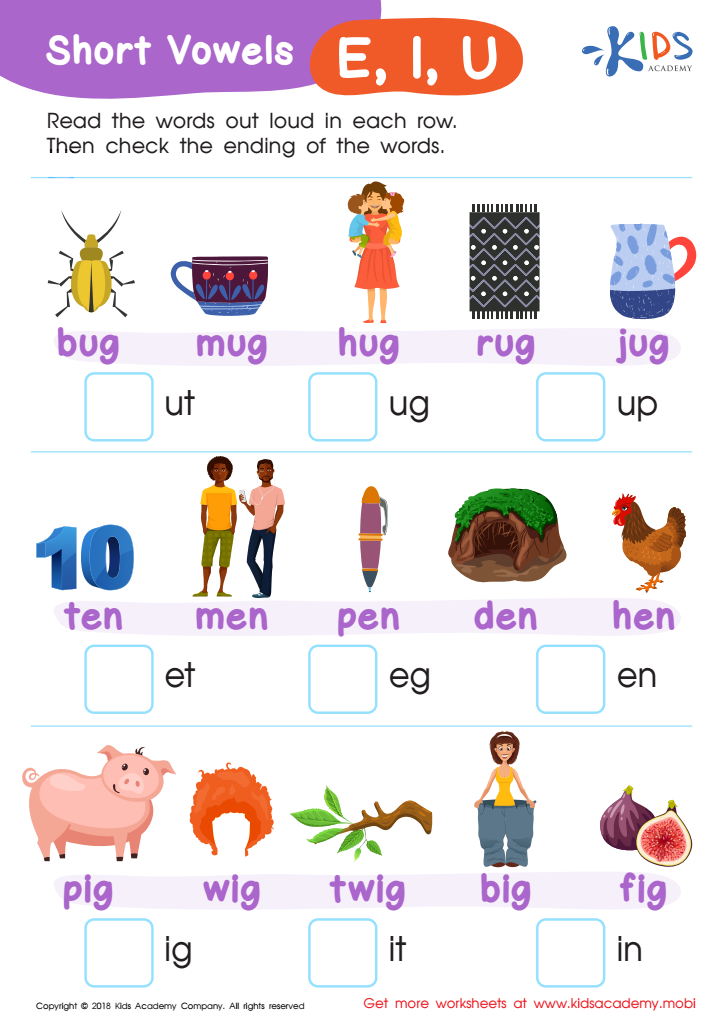
Short Vowels /e/, /i/, and /u/ Worksheet
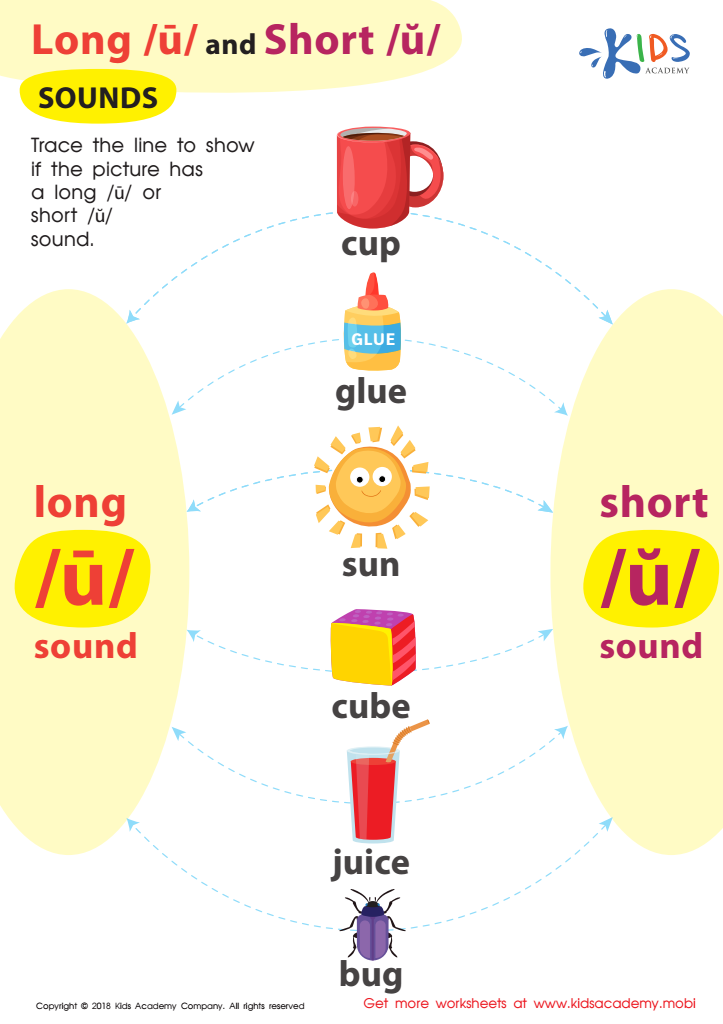
Reading: Long U and Short U Sounds Worksheet
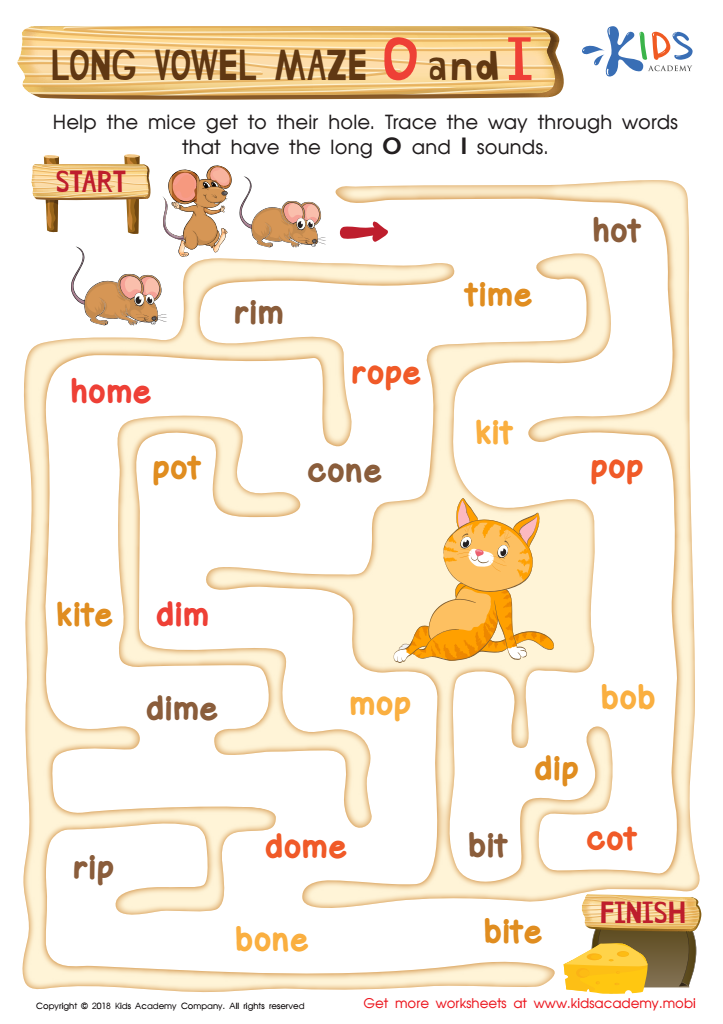
Long Vowel Maze /o/ and /i/ Worksheet
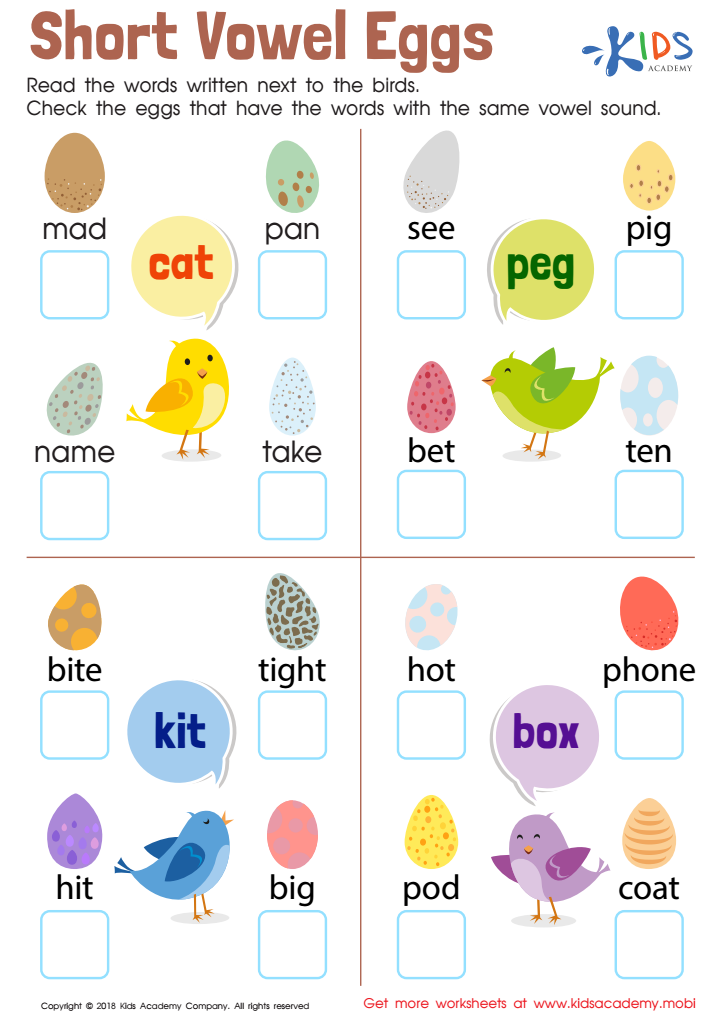
Short Vowel Eggs Worksheet
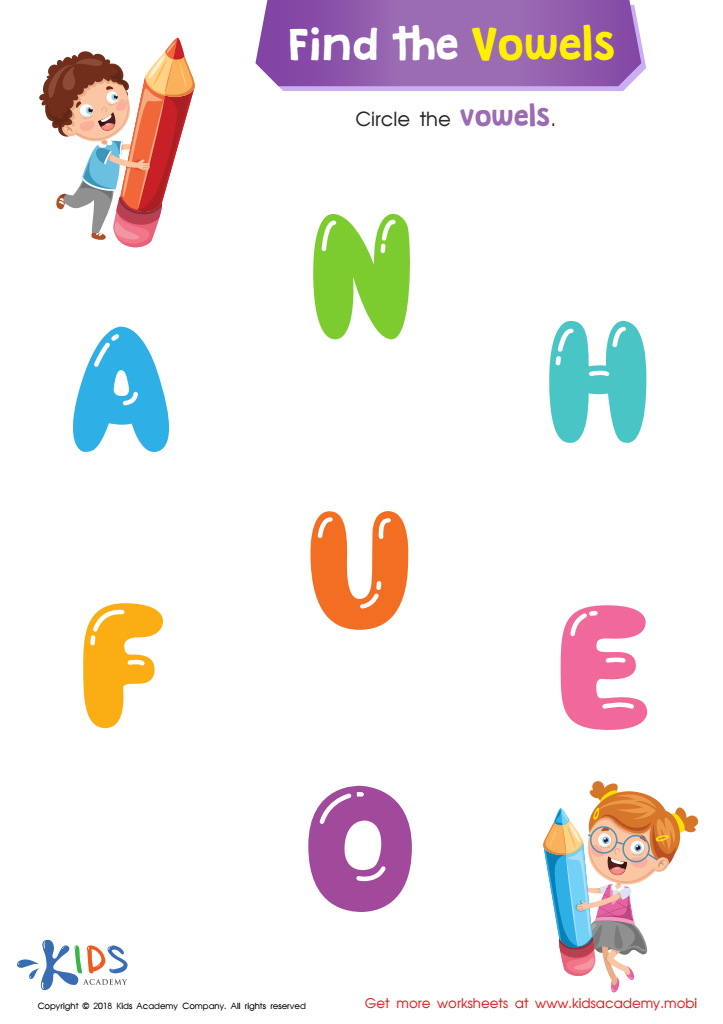
Find the Vowels Reading Worksheet
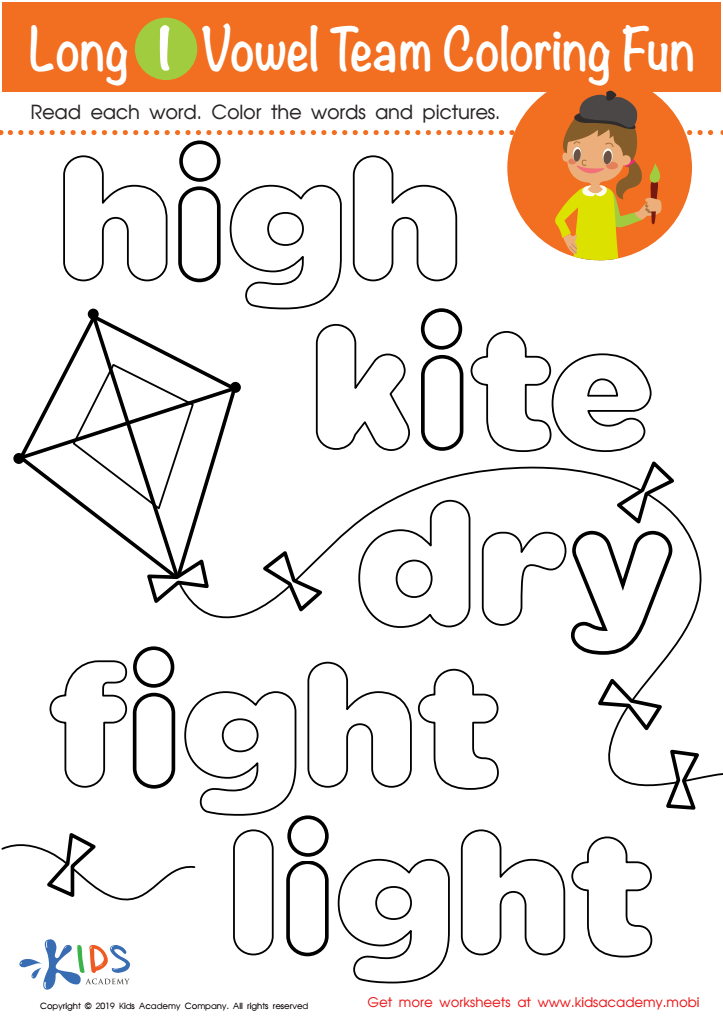
Long I Vowel Team Coloring Worksheet
 Assign to My Students
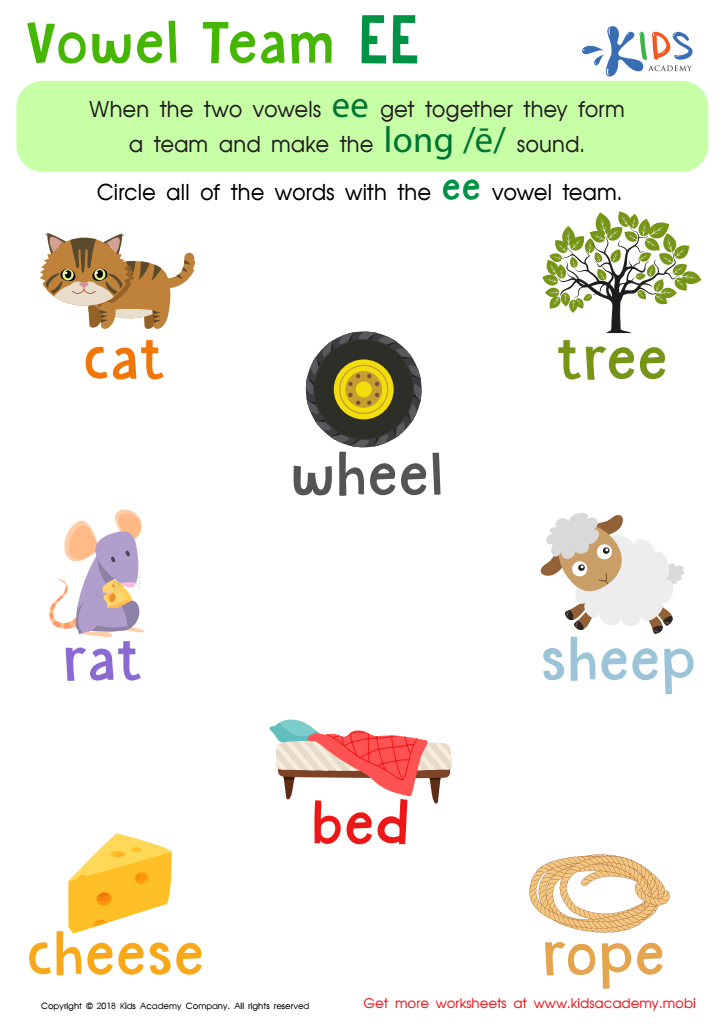
Reading: Vowel Team EE Worksheet
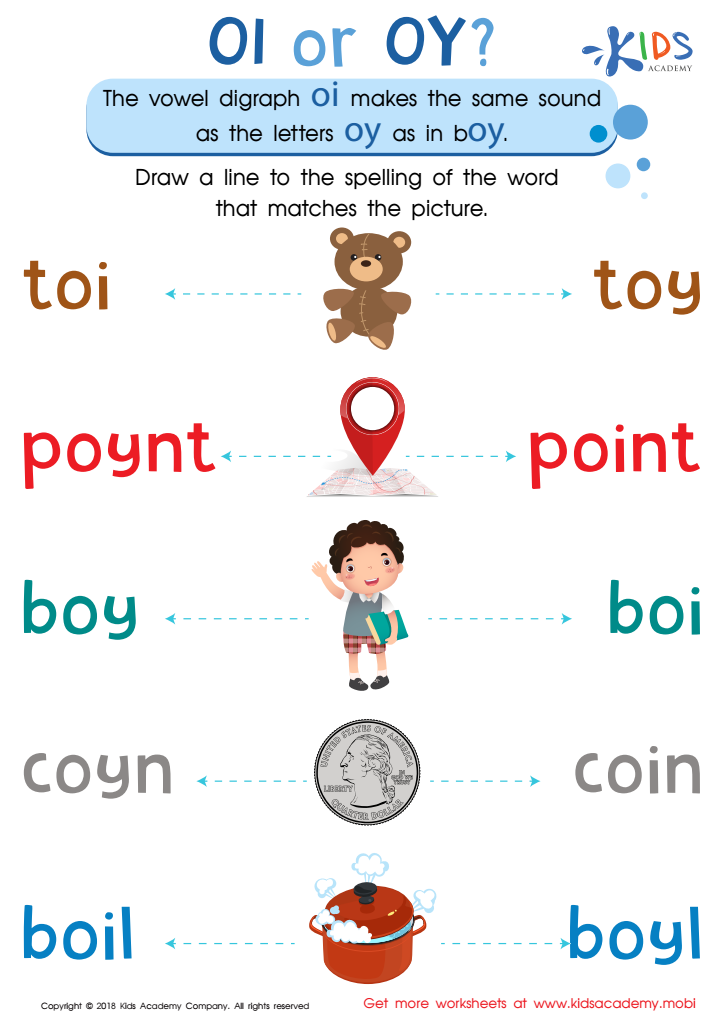
Reading: OI and OY Worksheet
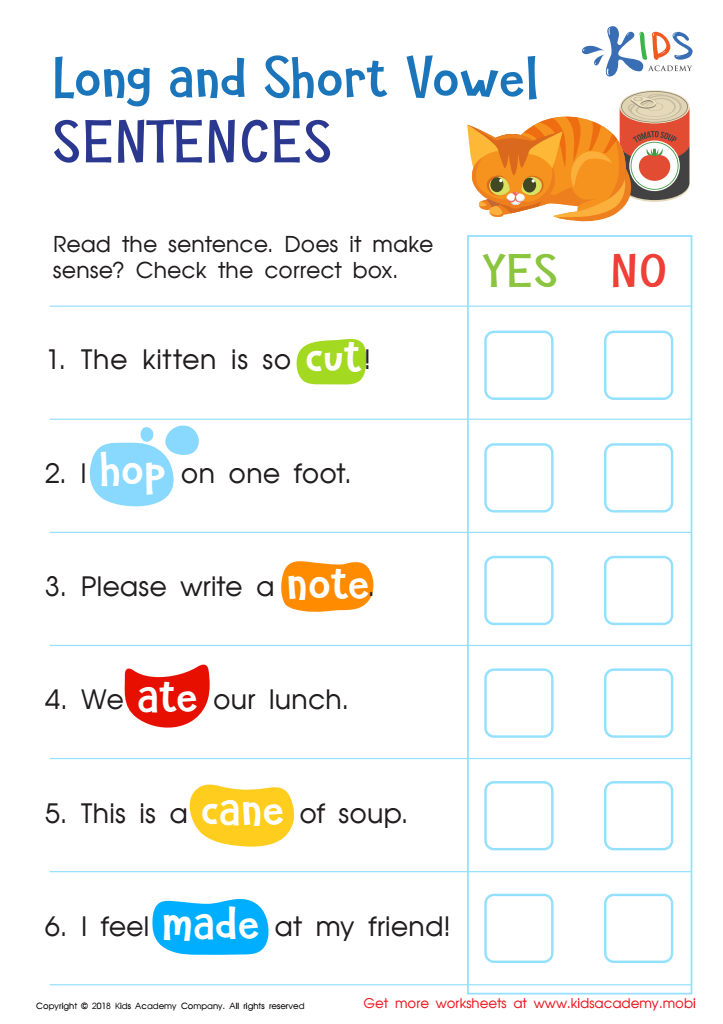
Long and Short Vowel Sentences: Assessment Worksheet





.jpg)


Vowel recognition is a foundational skill crucial for reading and language development in early learners aged 5-7. As children begin to decode letters and sounds, understanding vowels is essential for forming words and comprehending text. Vowels, the core components of syllables, play a pivotal role in pronunciation and meaning. When children recognize both short and long vowel sounds, it enhances their ability to merge sounds and read fluently.
Parents and teachers should care about vowel recognition because it directly influences a child's literacy success. Early mastery of vowel sounds allows for better phonemic awareness, which is linked to stronger reading skills, vocabulary development, and overall academic achievement. Furthermore, children who struggle with vowels may find reading daunting, which can lead to frustration and disengagement from learning.
Supporting vowel recognition through games, songs, and interactive activities can make the learning process enjoyable and effective. Encouraging practices at home and in the classroom, such as phonics instruction and reading aloud, can cement these skills. Ultimately, fostering strong vowel recognition builds a child's confidence, boosts their love for reading, and sets the stage for future learning and communication skills. Investing in this developmental aspect enables children to thrive as literate and engaged learners.








