Normal Math Worksheets for Ages 5-7
438 filtered results
-
From - To
Discover a world of fun and engaging math worksheets designed specifically for children aged 5-7. Our "Normal Math Worksheets" enhance basic mathematical skills through interactive and age-appropriate exercises. Covering essential topics like addition, subtraction, shapes, patterns, and more, these worksheets boost confidence and proficiency while making learning enjoyable. Each worksheet is crafted to stimulate young minds, encouraging logical thinking and problem-solving abilities. Perfect for home or classroom use, our resources cater to varied learning styles and help build a solid math foundation in your child's educational journey. Explore and download our worksheets today!
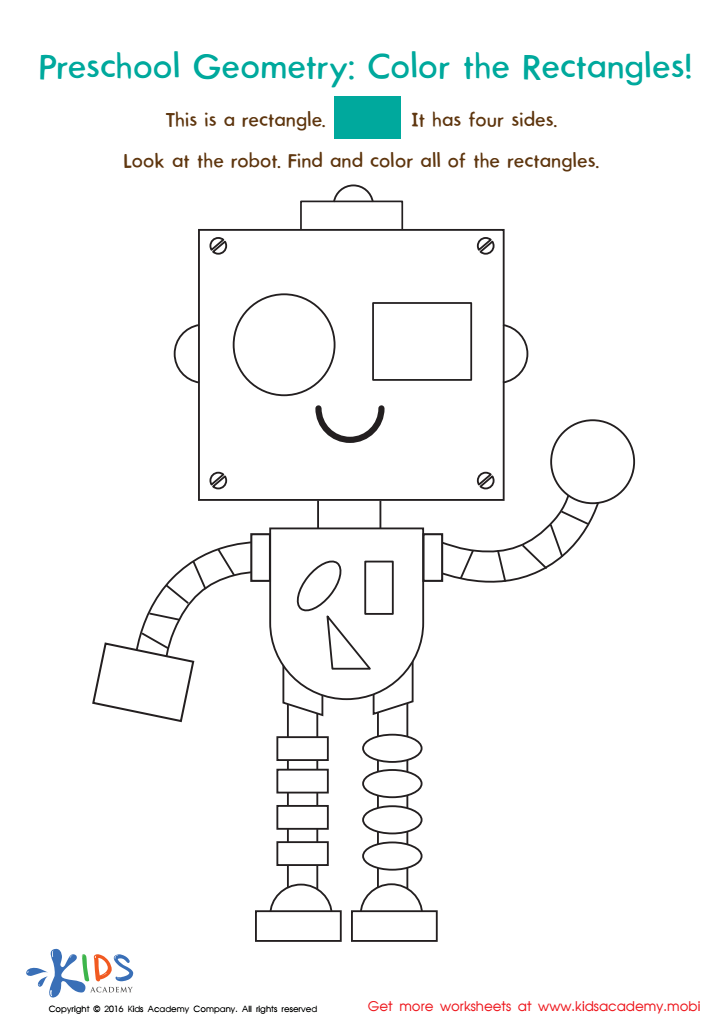
Geometry Worksheet
 Assign to My Students
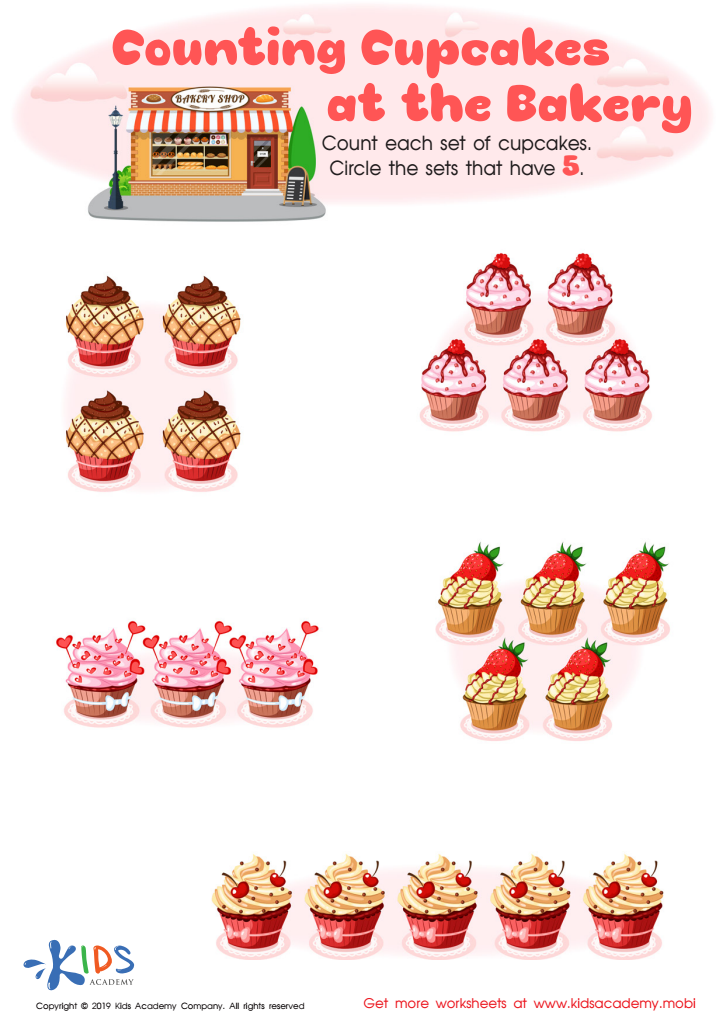
Counting Cupcakes Worksheet
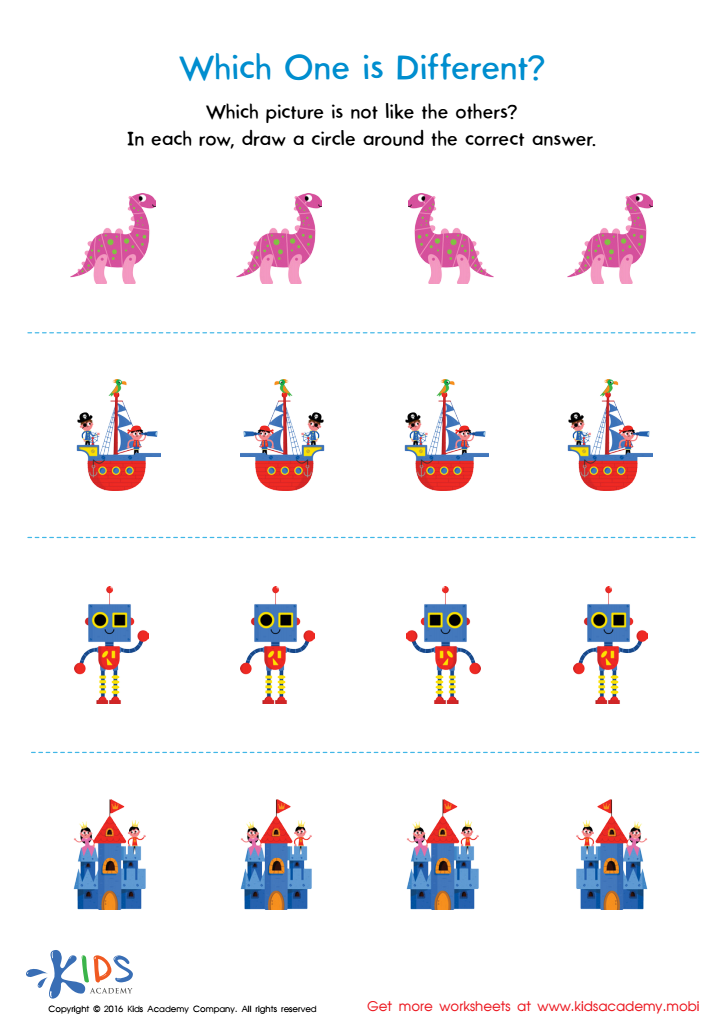
Which One Is Different Worksheet
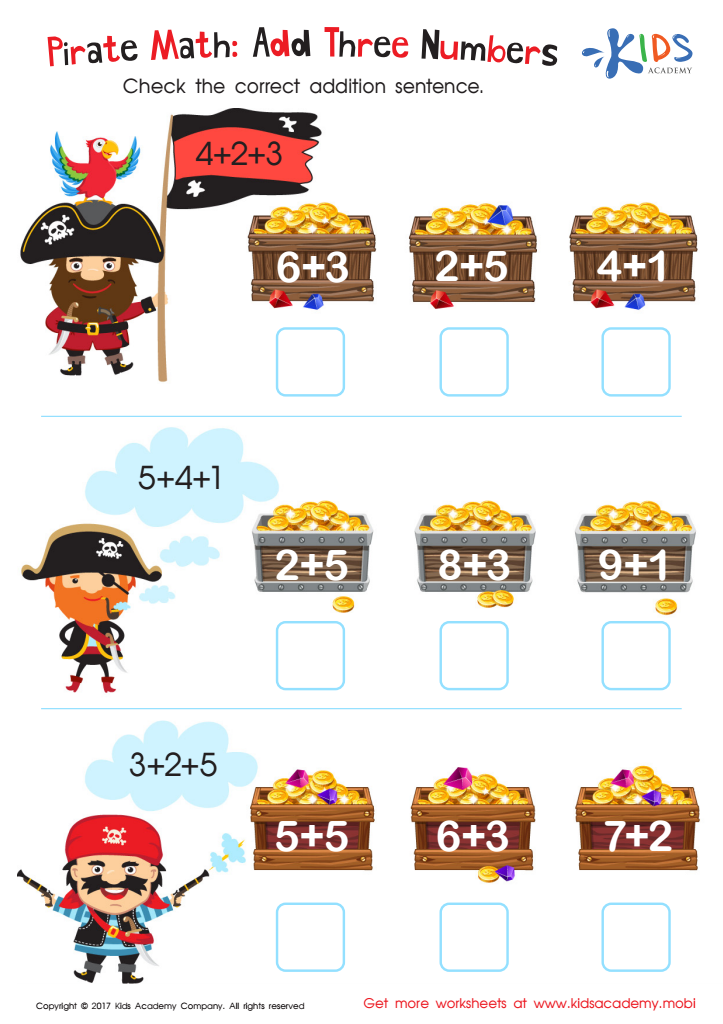
Pirate Math Printable
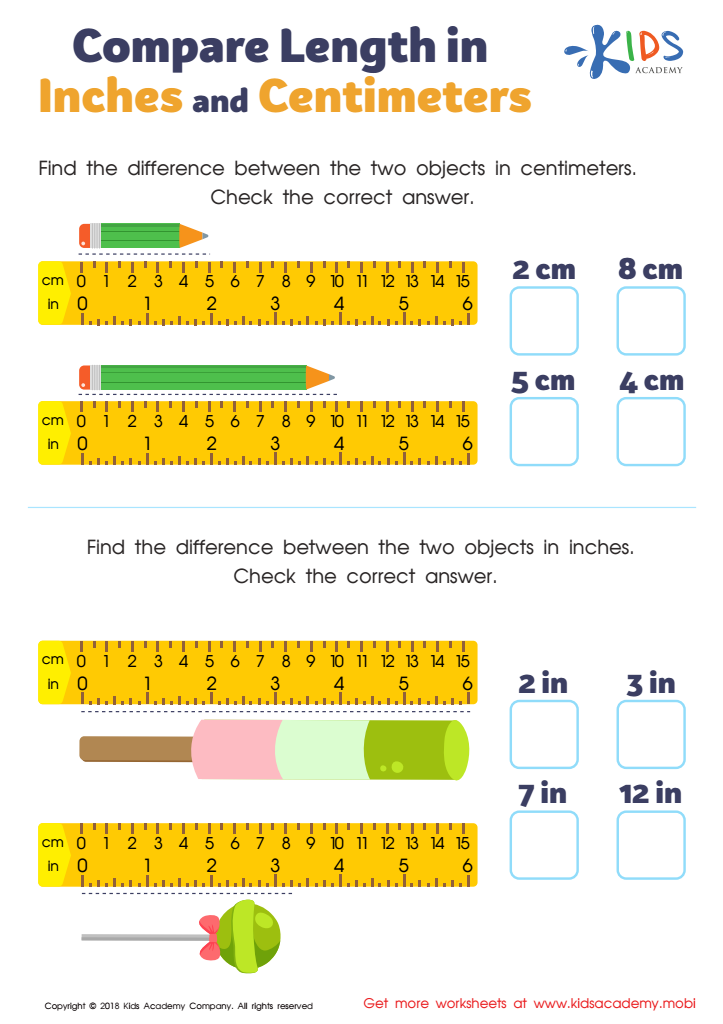
Compare Length in Inches and Centimeters Worksheet
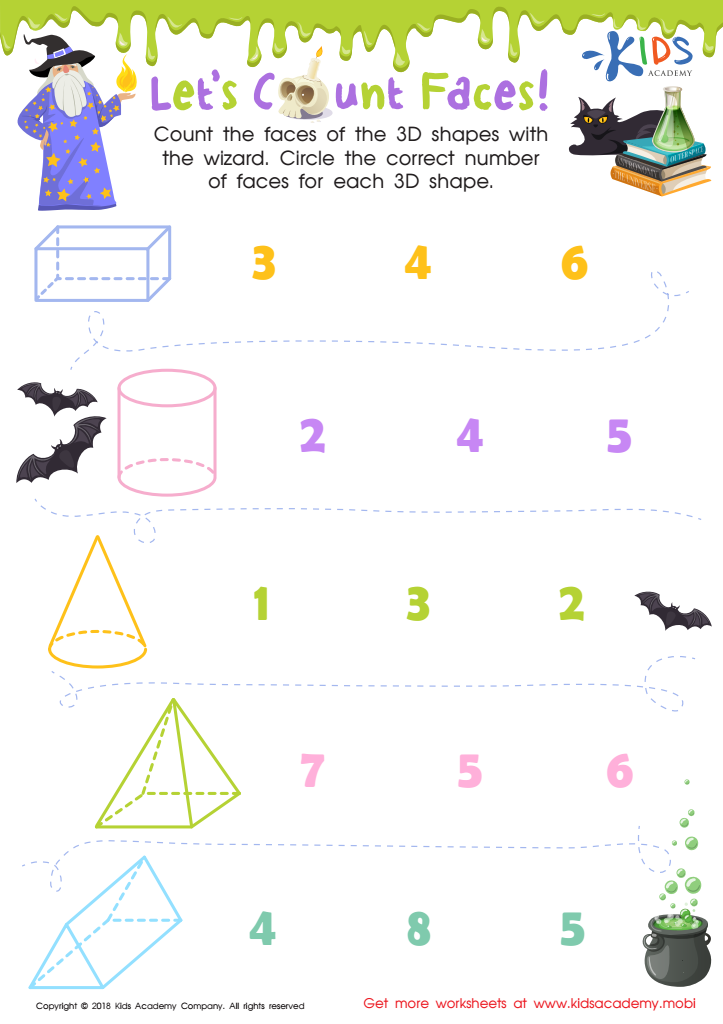
Let's Count Faces! Worksheet
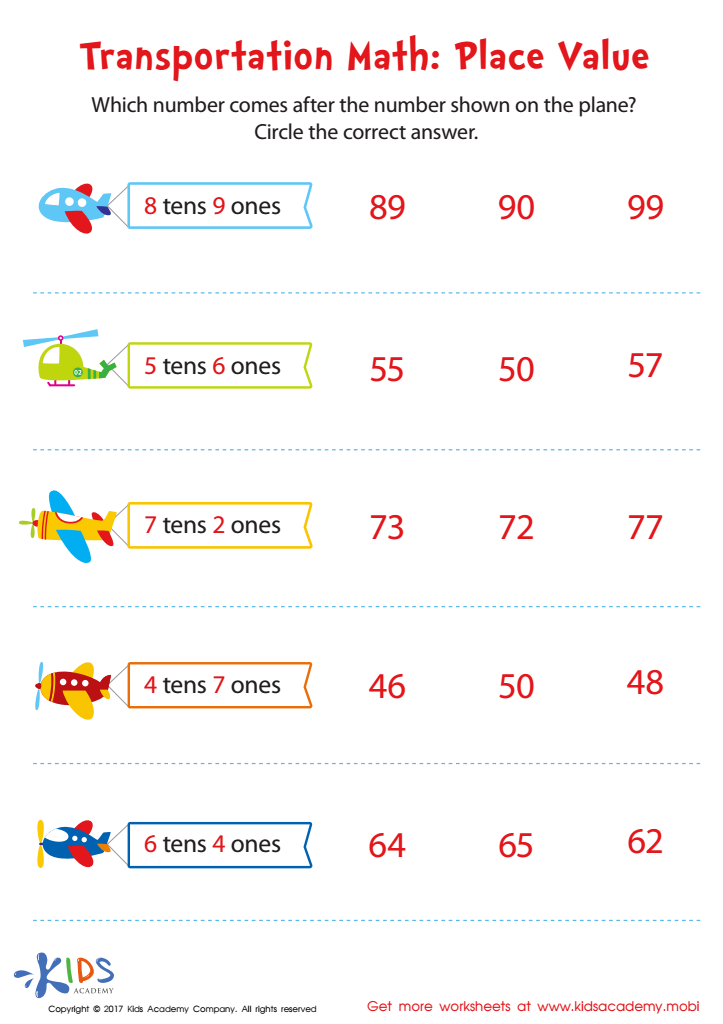
Transportation Math Printable
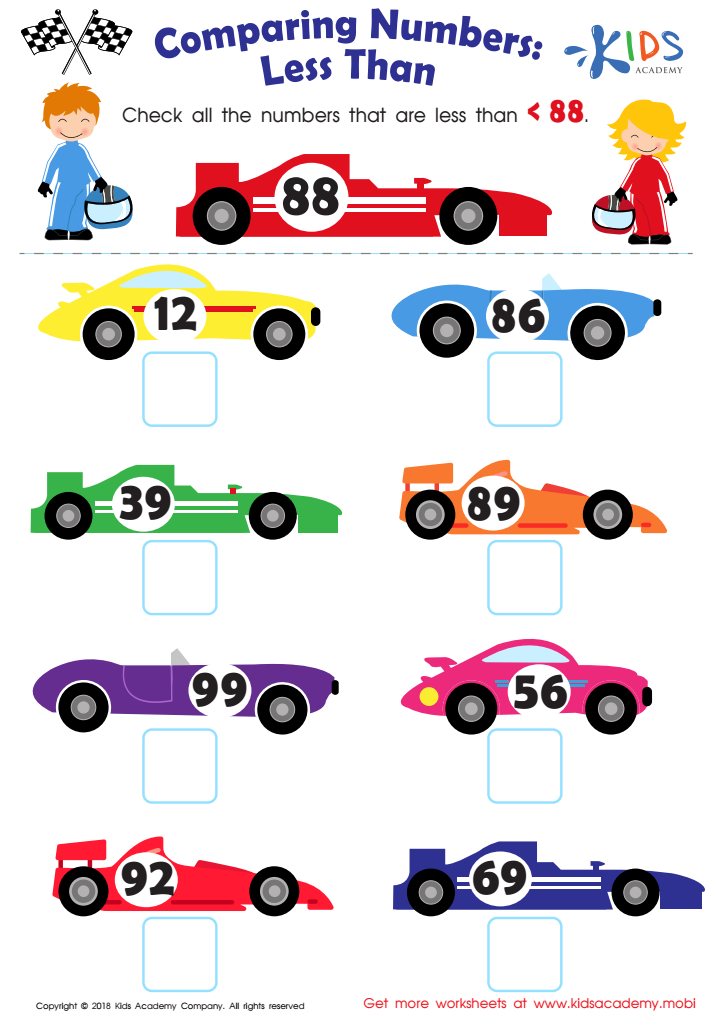
Less Than Worksheet
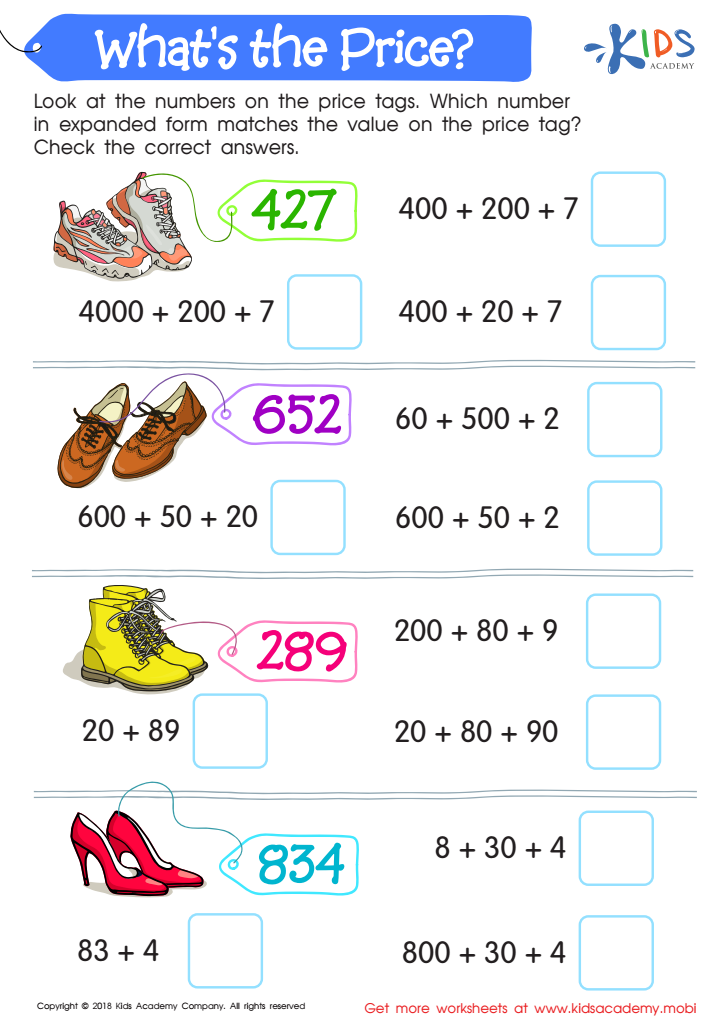
What's the Price? Worksheet
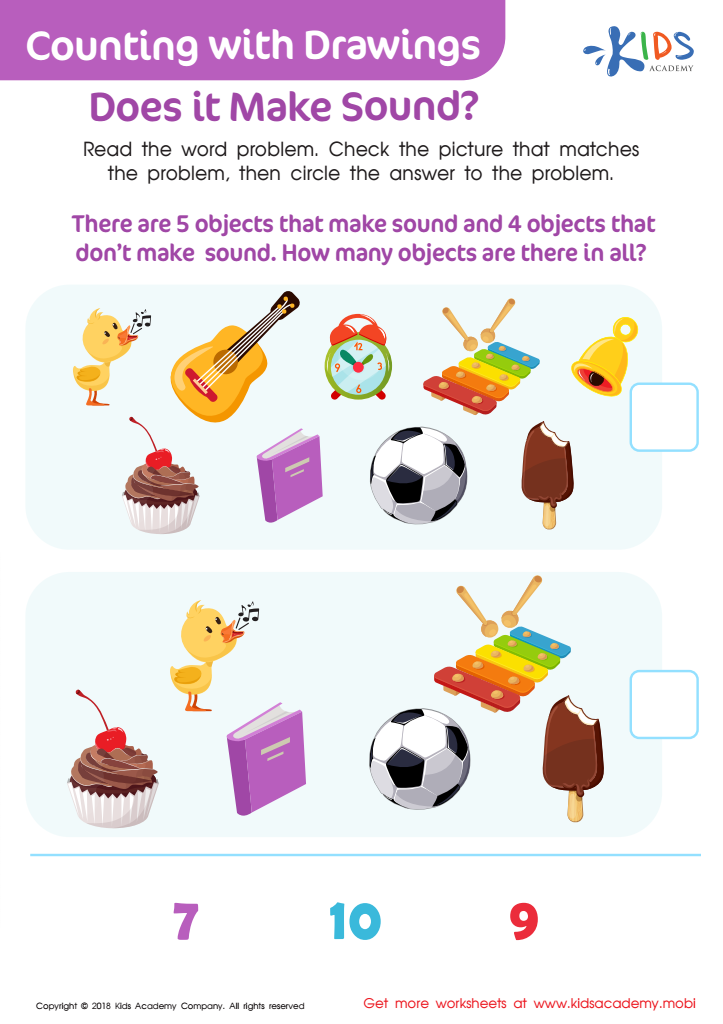
Counting With Drawings. Does It Make Sound? Worksheet
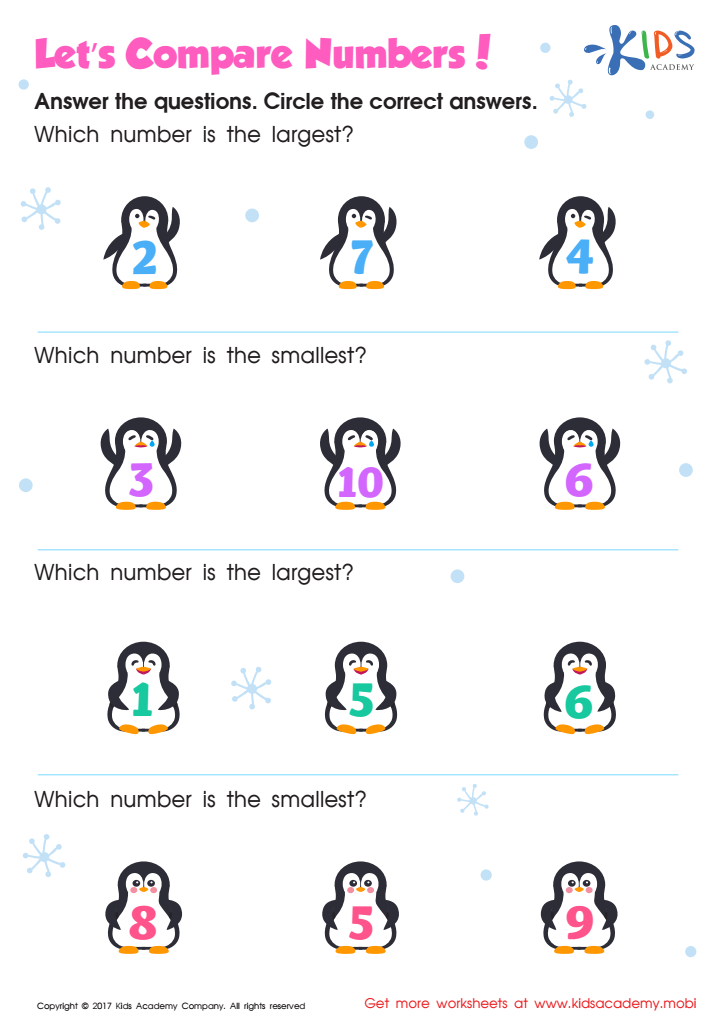
Comparing Numbers 1–10 Worksheet Kindergarten
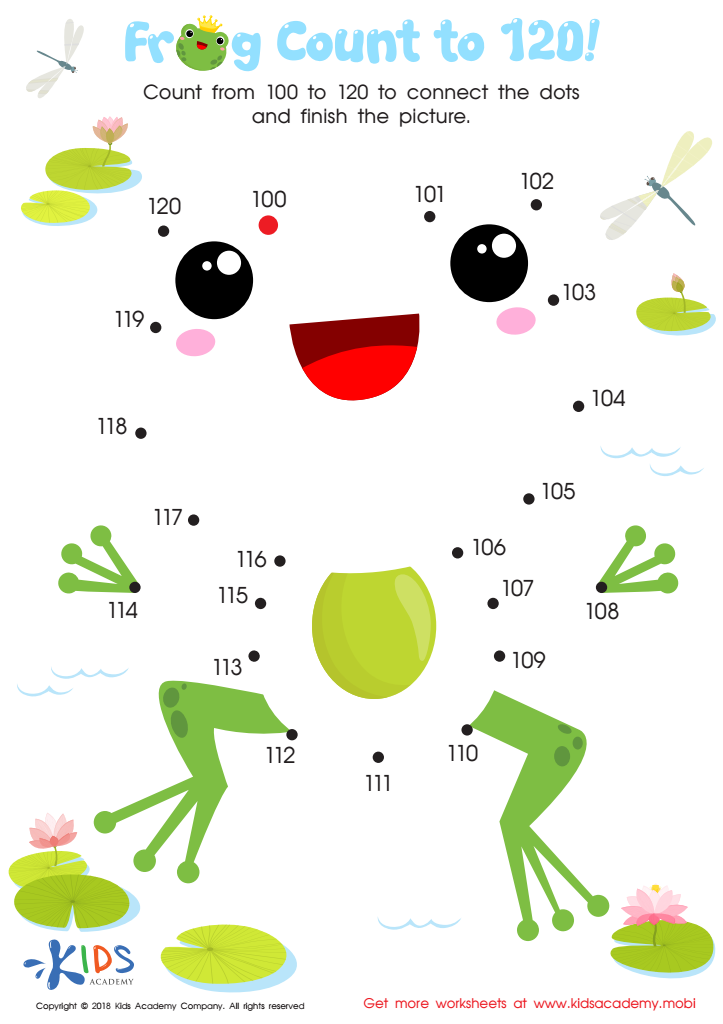
Frog Count to 120 Worksheet
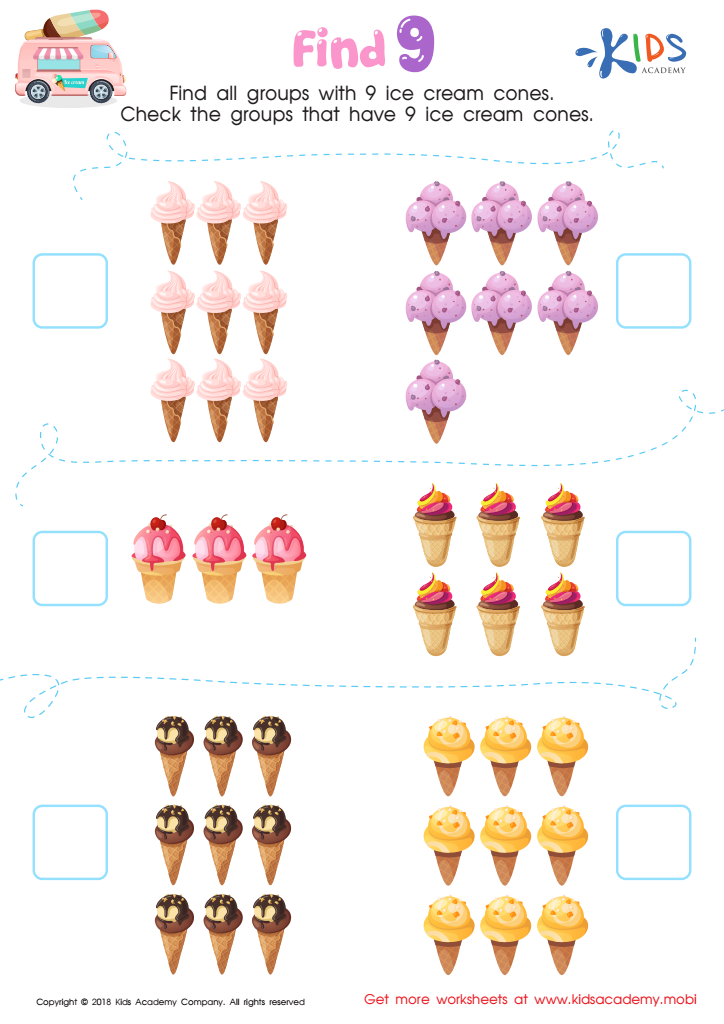
Find 9 Worksheet
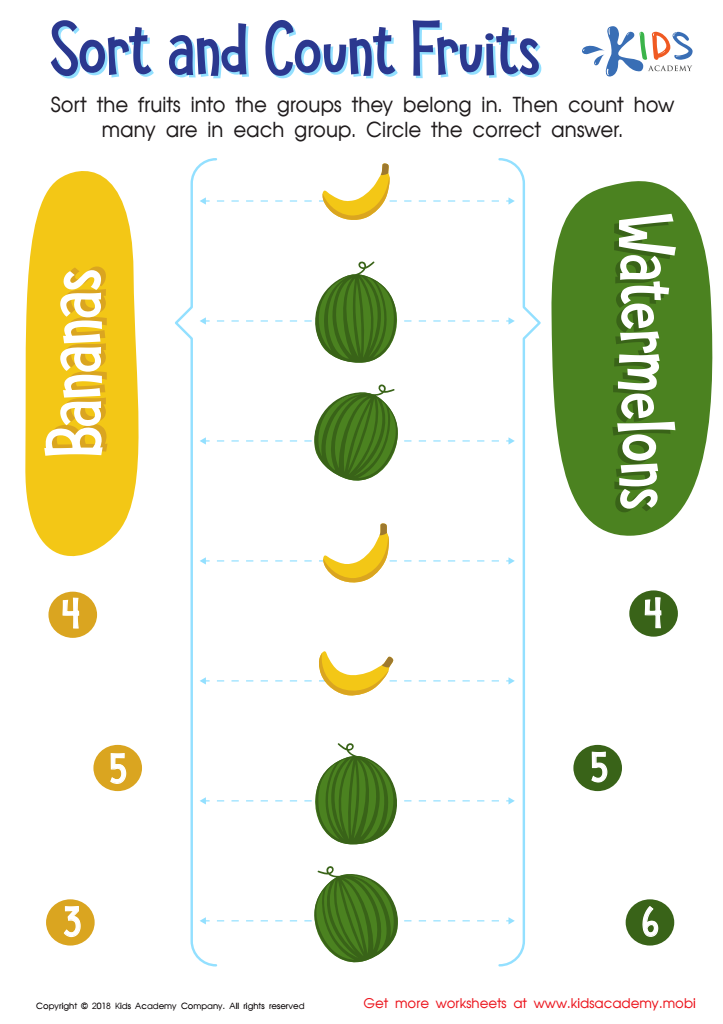
Sort and Count Fruits Worksheet
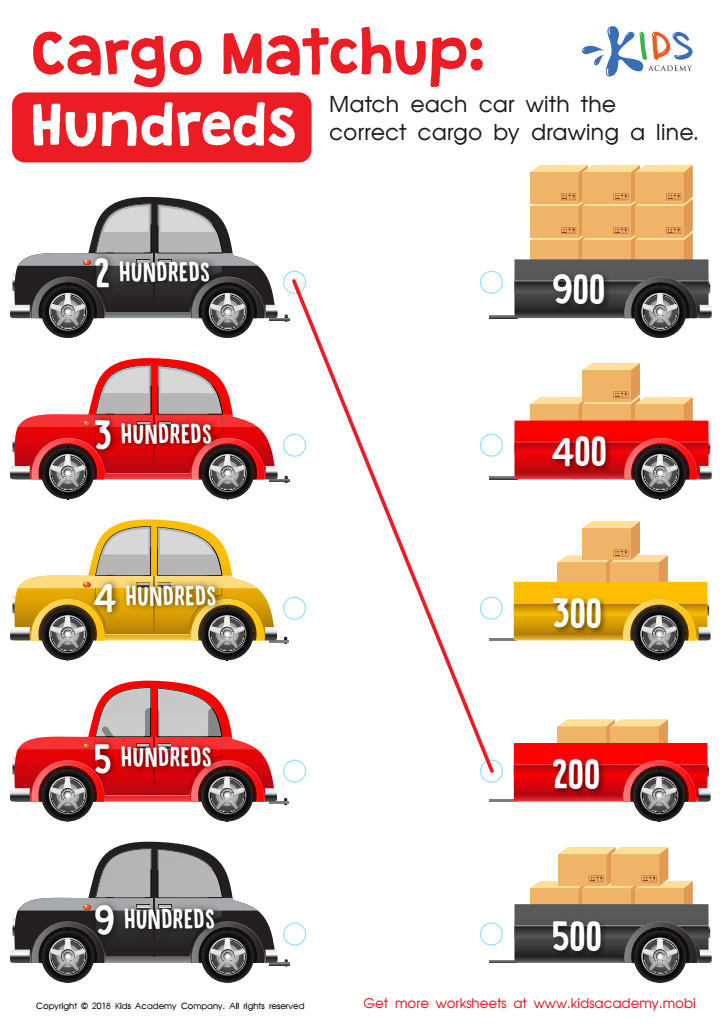
Cargo Matchup: Hundreds Worksheet
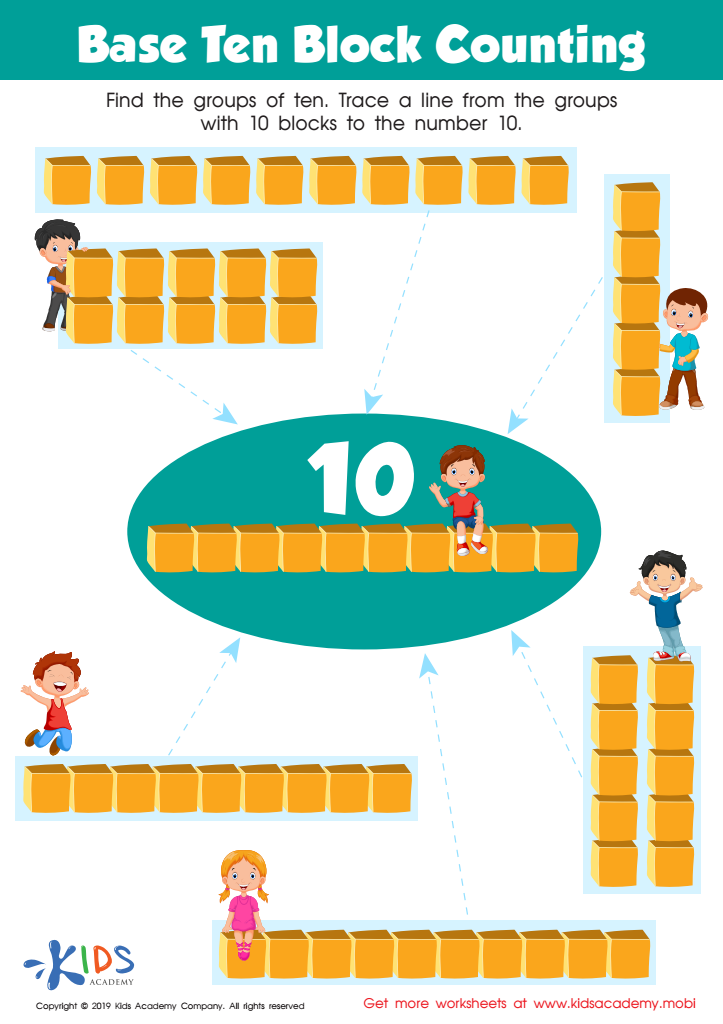
Base Ten Block Counting Worksheet
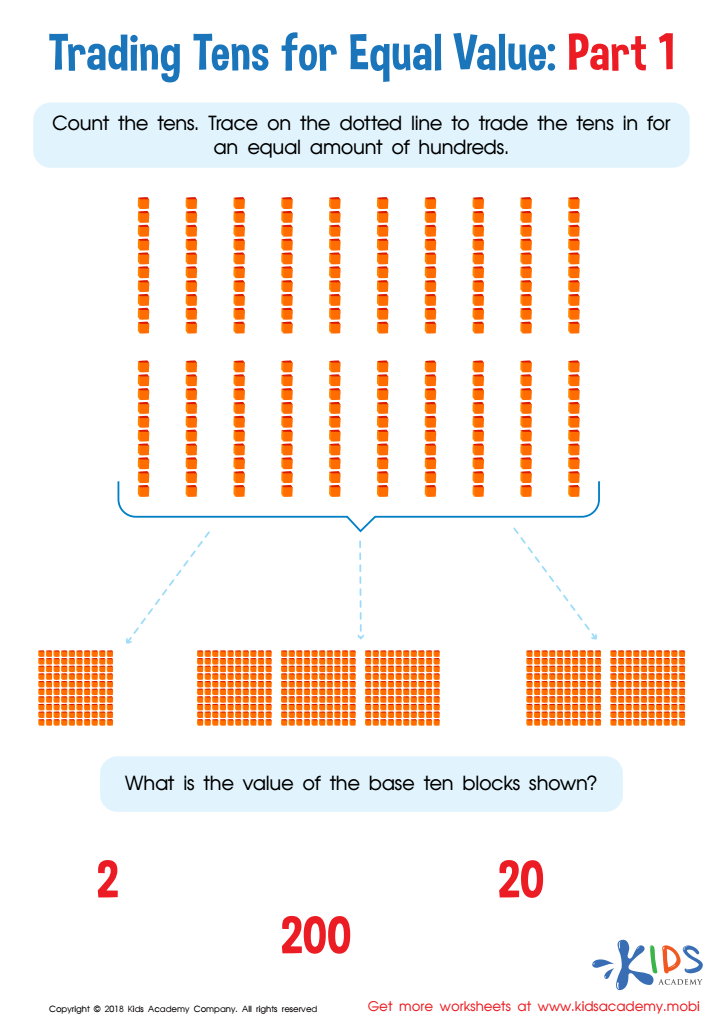
Trading Tens for Equal Value Worksheet: Part 1
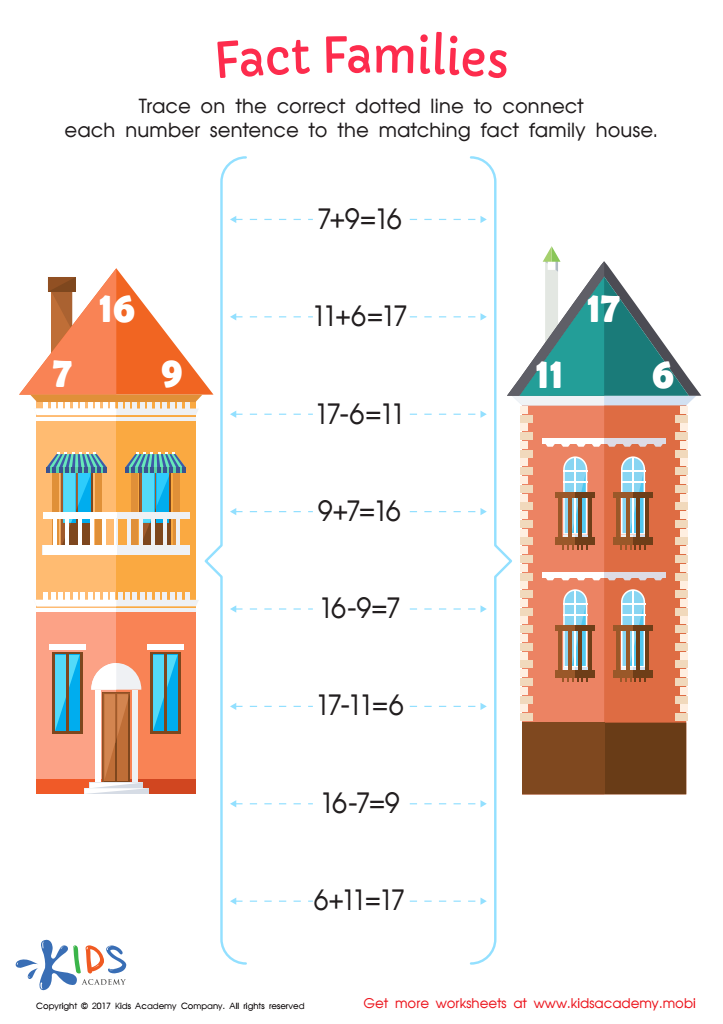
Fact Families — Add and Subtract Worksheet
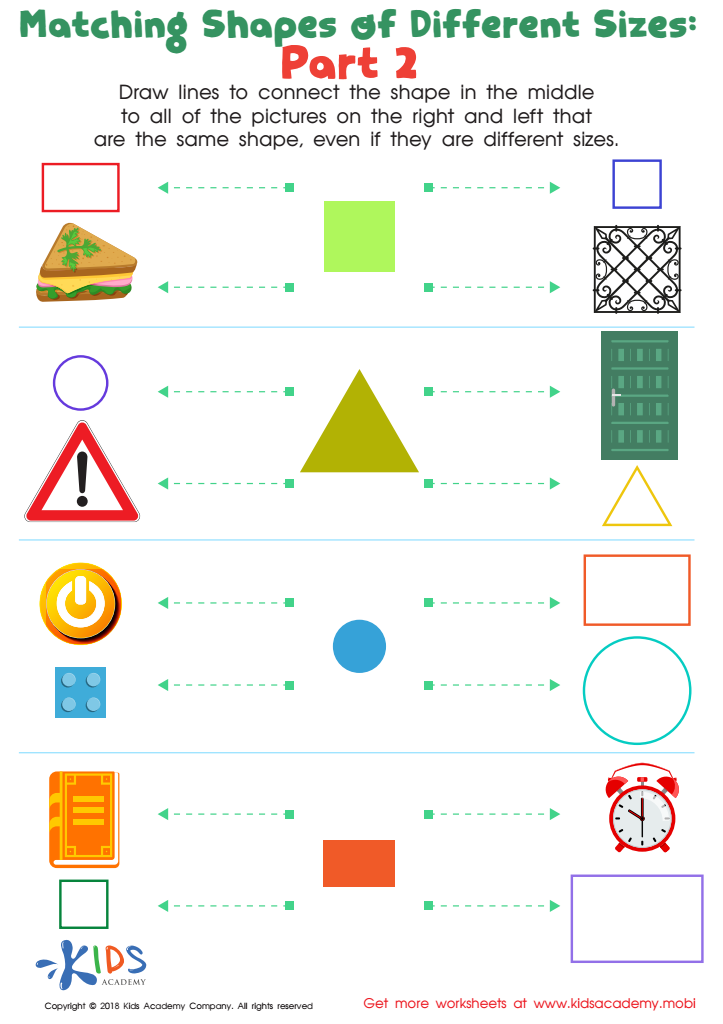
Geometry: Part 2 Worksheet
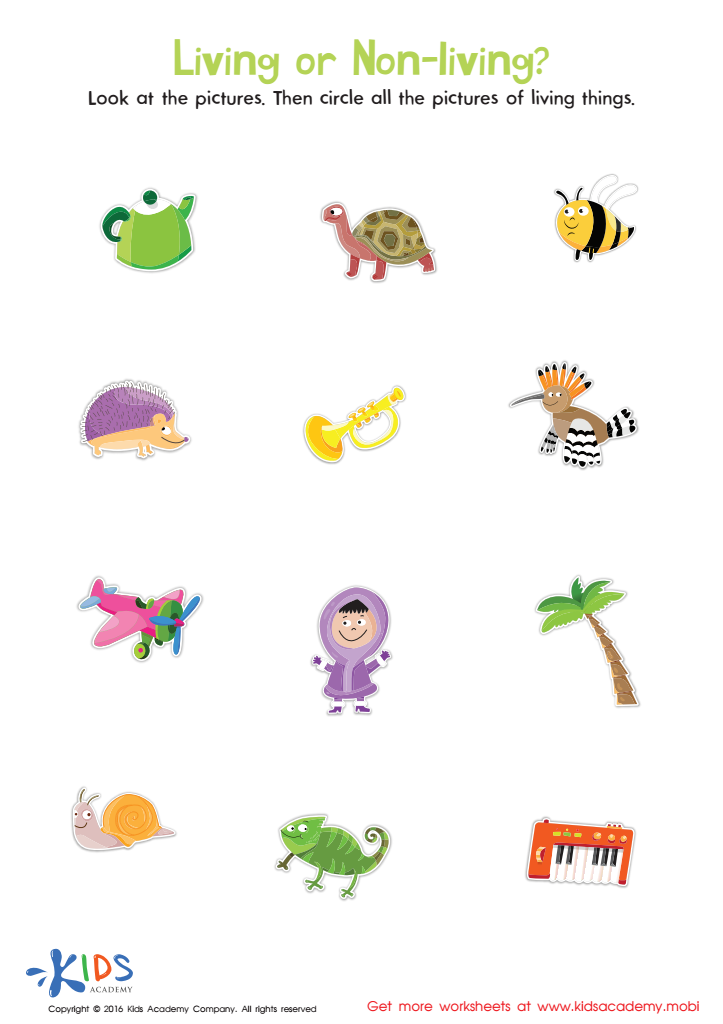
Identifying Living and Non–living Things Sorting Worksheet
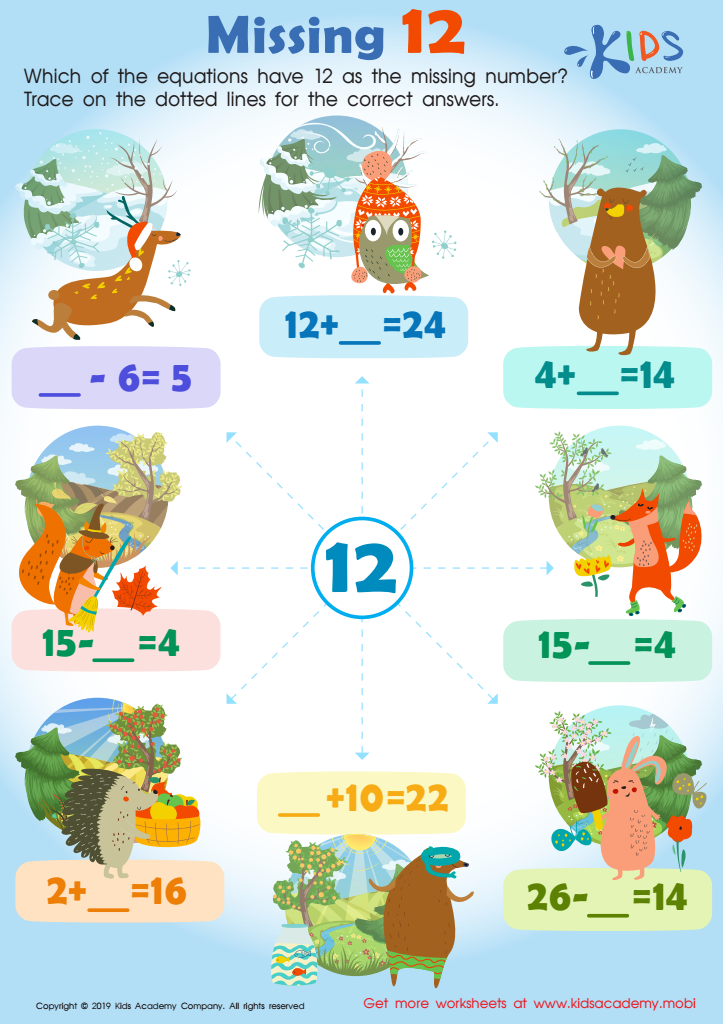
Missing 12 Worksheet
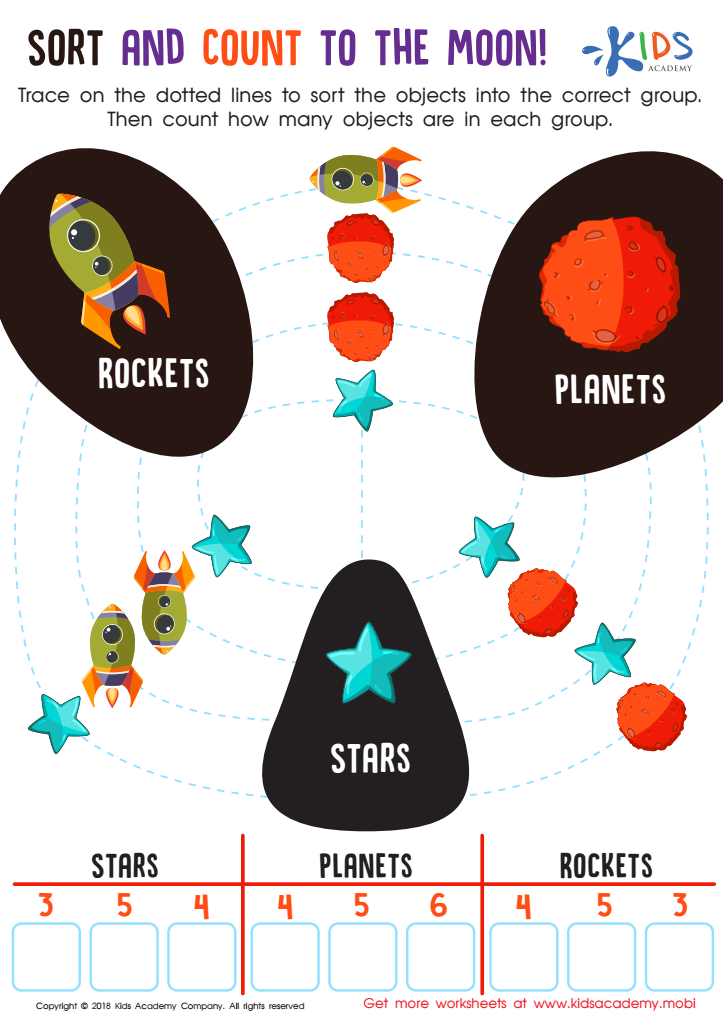
Sort and Count to the Moon Worksheet
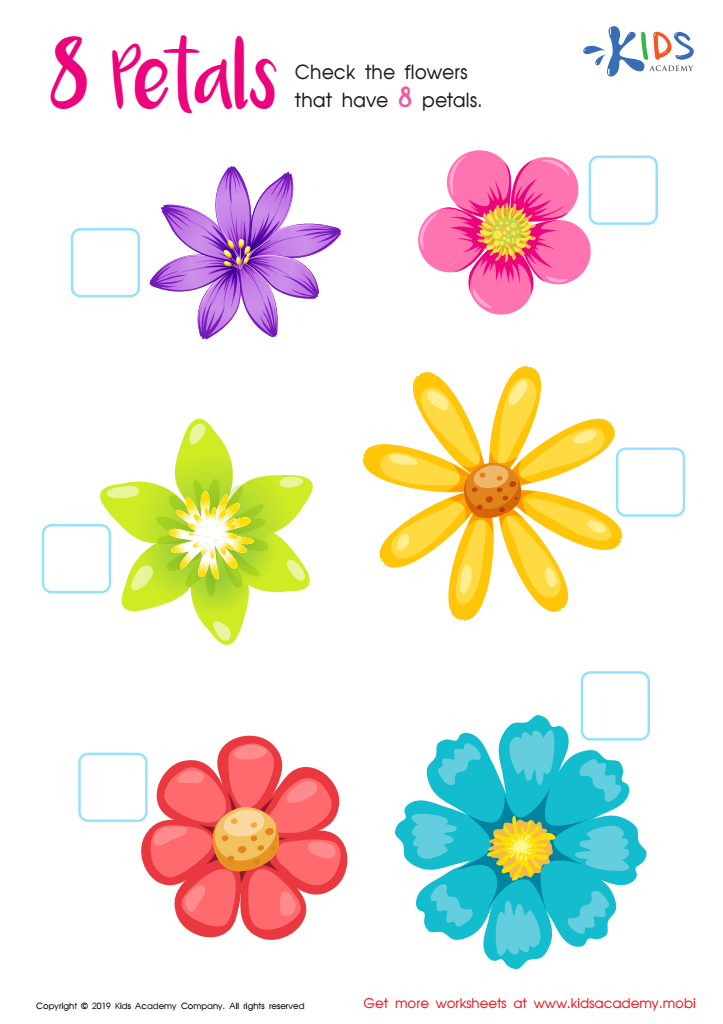
8 Petals Worksheet
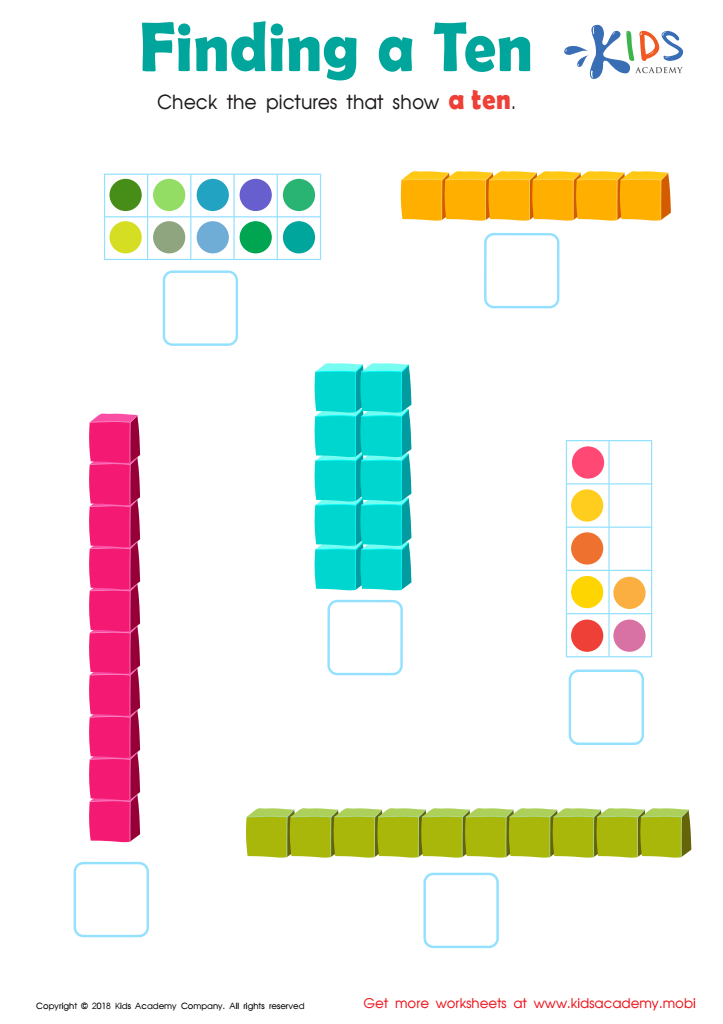
Finding a Ten Worksheet








Normal Math: Developing Mathematical Thinking in Early Childhood
Parents and teachers should prioritize normal math for children aged 5-7 because this is a crucial period for cognitive development. At this age, children are particularly receptive to learning foundational mathematical concepts such as number sense, patterns, geometry, and basic arithmetic operations. Cultivating these skills early on not only supports academic achievement but also enhances critical thinking and problem-solving abilities.
Introducing concepts in a playful, engaging manner makes math enjoyable rather than intimidating. Activities like counting objects, recognizing shapes, and solving simple puzzles can ignite a genuine interest and curiosity in the subject. This early exposure helps to build confidence and positive attitudes towards math, which are predictors of success in later years.
Furthermore, normal math teaches important life skills such as perseverance, attention to detail, and logical reasoning. It encourages children to approach problems methodically, fostering a mindset that values accuracy and thoroughness. These competencies are invaluable and widely applicable beyond the realm of academics.
Parents and teachers should collaborate to create a stimulating math learning environment, leveraging everyday experiences to reinforce concepts. By doing so, they lay the groundwork for a lifelong appreciation and understanding of mathematics, setting children up for success both in school and life.








