Filters

7 filtered results

Clear all filters
Favorites
With answer key
Interactive

7 filtered results

Difficulty Level

Grade


Enhance your child's reading comprehension skills with our engaging Normal Numbers worksheets designed specifically for ages 5-7. These worksheets combine fun activities with essential learning, helping young learners grasp the concept of numbers while improving their reading abilities. Our carefully crafted exercises encourage kids to read and interpret simple texts related to numbers, making math enjoyable and interactive. By regularly practicing with these worksheets, children will build confidence in their reading and develop a strong foundational understanding of numbers. Perfect for classroom use or home practice, our resources are an ideal way to nurture a love for learning in your early learner.

Check out this FREE Trial Lesson on Numbers for age 5-7!

Addition with Arrays - Part 2

Favorites
With answer key
Interactive
  • 5-7
  • Reading comprehension
  • Numbers
  • Normal
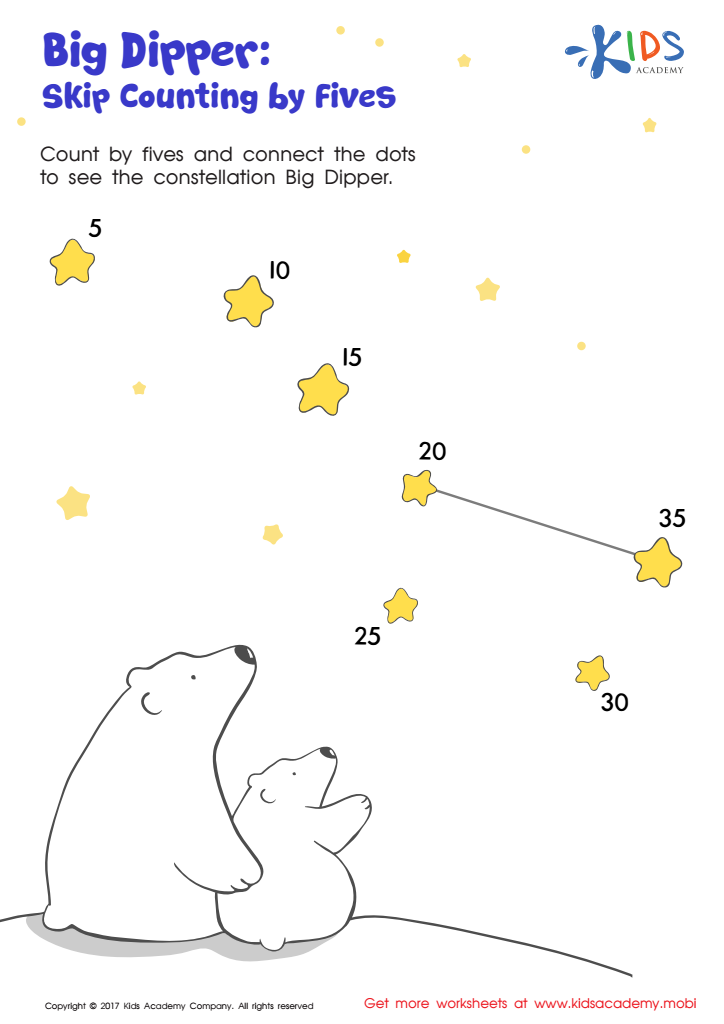
Skip Counting by 5 Printable Worksheet

Skip Counting by 5s: Big Dipper Printable

Skip Counting by 5s: Big Dipper Printable
Worksheet
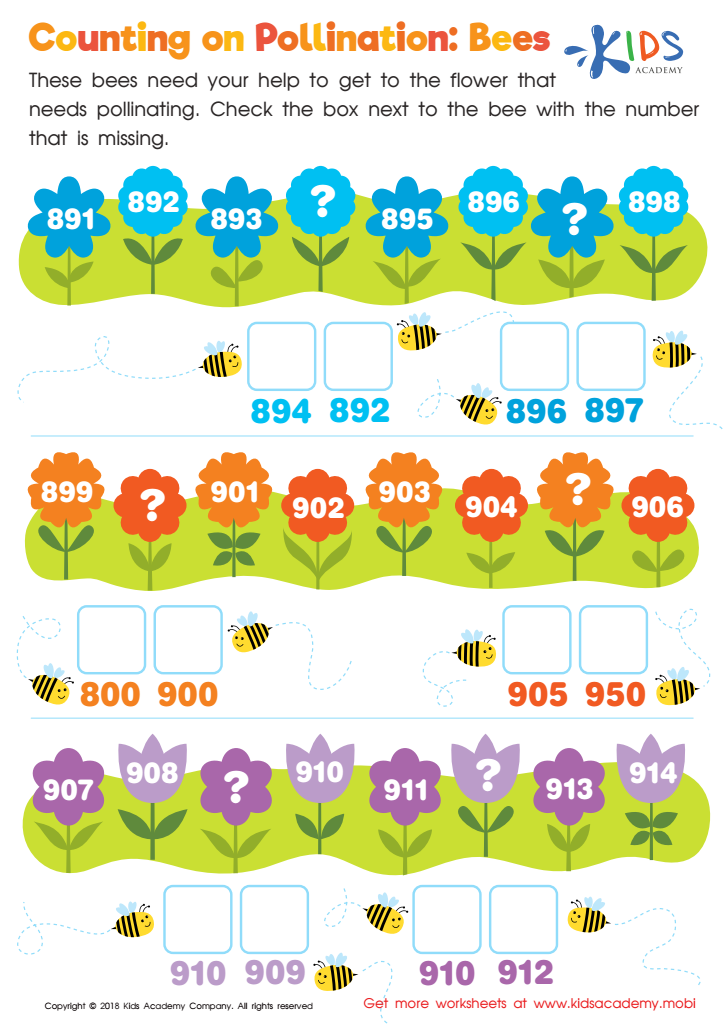
Counting on Pollination: Bees Worksheet

Counting on Pollination: Bees Worksheet

This downloadable worksheet helps kids improve their math skills while having fun - they'll help the bees pollinate the flowers by finding the missing number. It's an entertaining way to practice number patterns, sequences and number line skills, aiding in fast and efficient math computations.
Counting on Pollination: Bees Worksheet
Worksheet
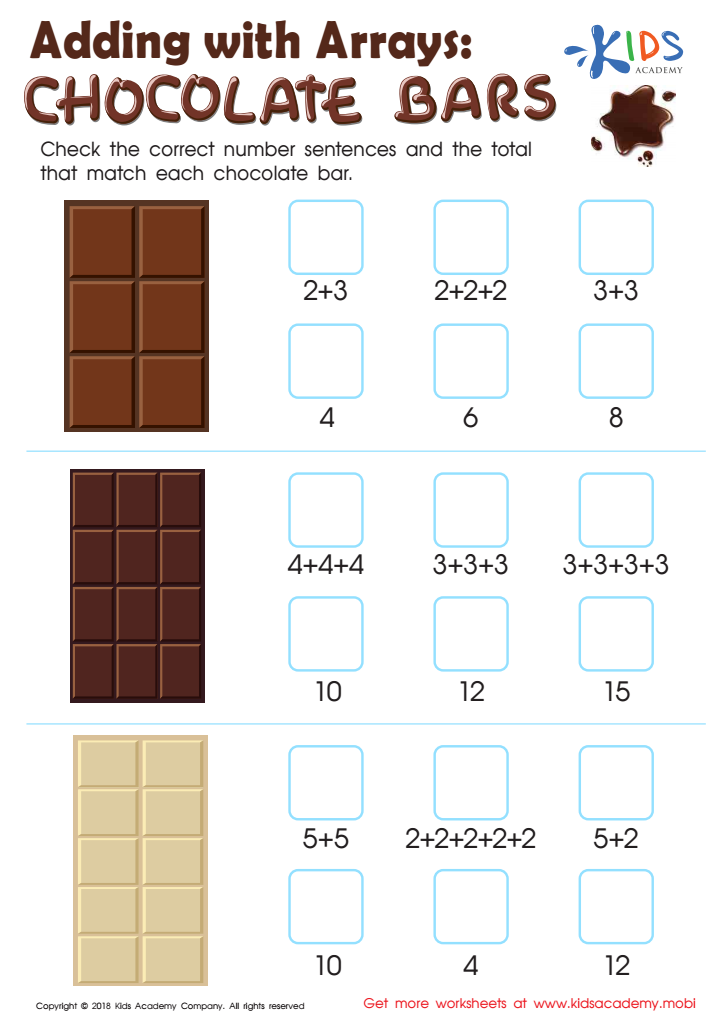
Adding with Arrays: Chocolate Bars Worksheet

Adding with Arrays: Chocolate Bars Worksheet

Kids love chocolates! Gauge how enthused your kids get when you mention them. This worksheet is a fun exercise about chocolates - get your kids to check the correct number sentences and totals for each chocolate bar. Reward their hard work with some chocolates - extra incentive for a job well done!
Adding with Arrays: Chocolate Bars Worksheet
Worksheet
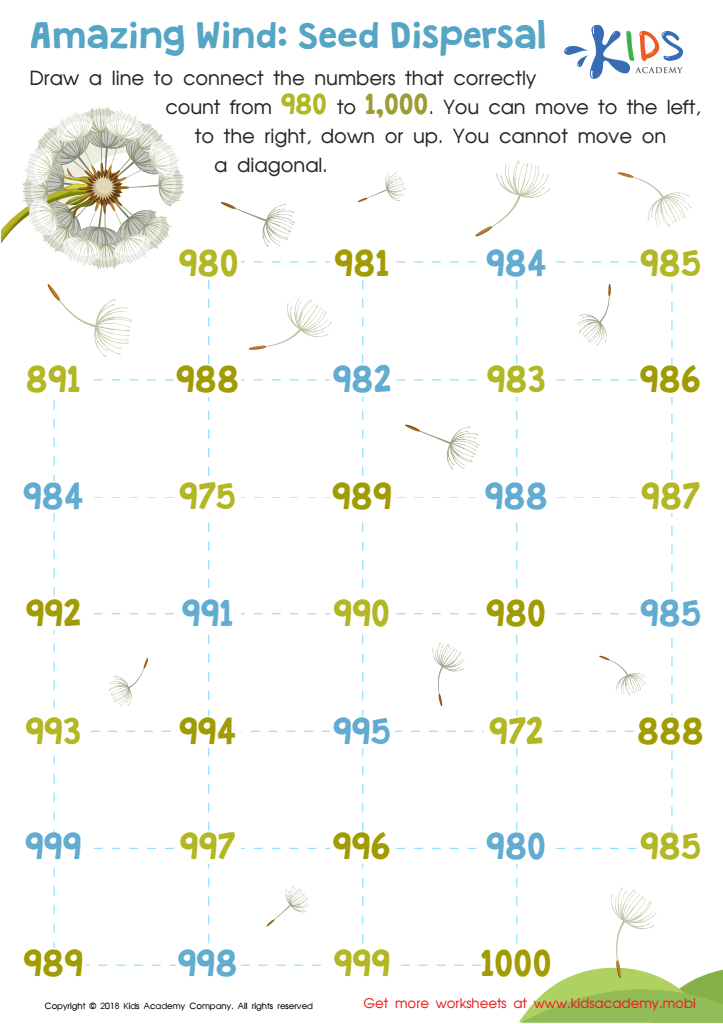
Amazing Wind: Seed Dispersal Worksheet

Amazing Wind: Seed Dispersal Worksheet

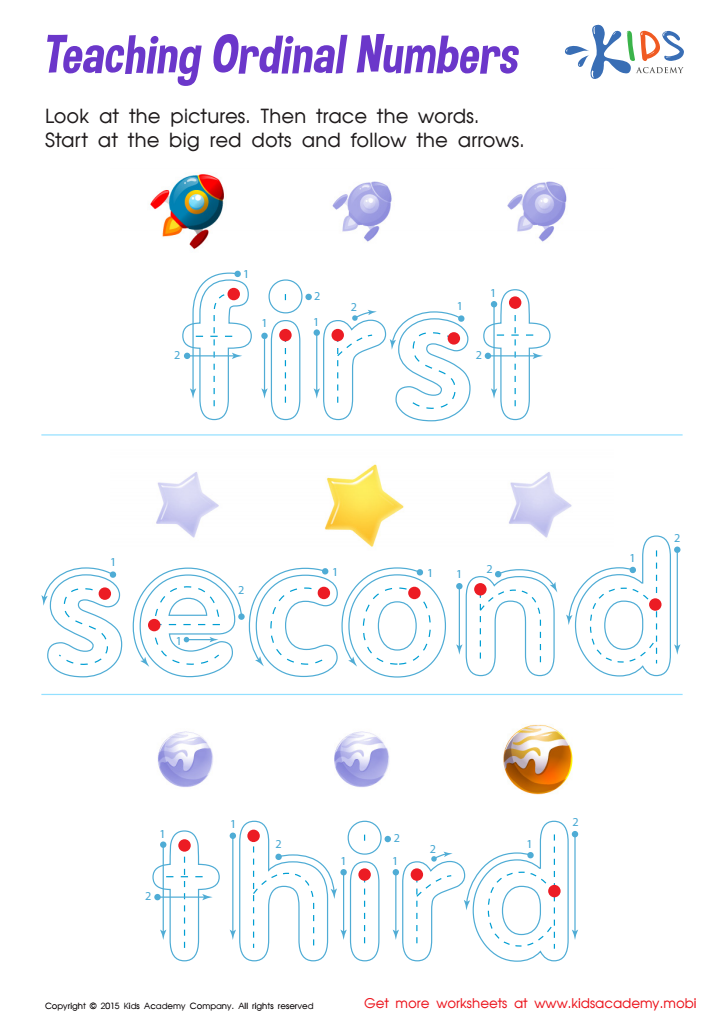
Let your child have fun and practice math skills with this worksheet! They'll use traceable lines to disperse a dandelion's seeds, building number sense, sequencing, fine motor, and hand-eye coordination. Discern between similar numbers and strengthen reasoning skills as they enjoy the familiar activity of blowing the seeds away.
Amazing Wind: Seed Dispersal Worksheet
Worksheet
Learn and Trace Ordinal Numbers Worksheet

Ordinal Numbers: Teaching Ordinal Numbers Printable
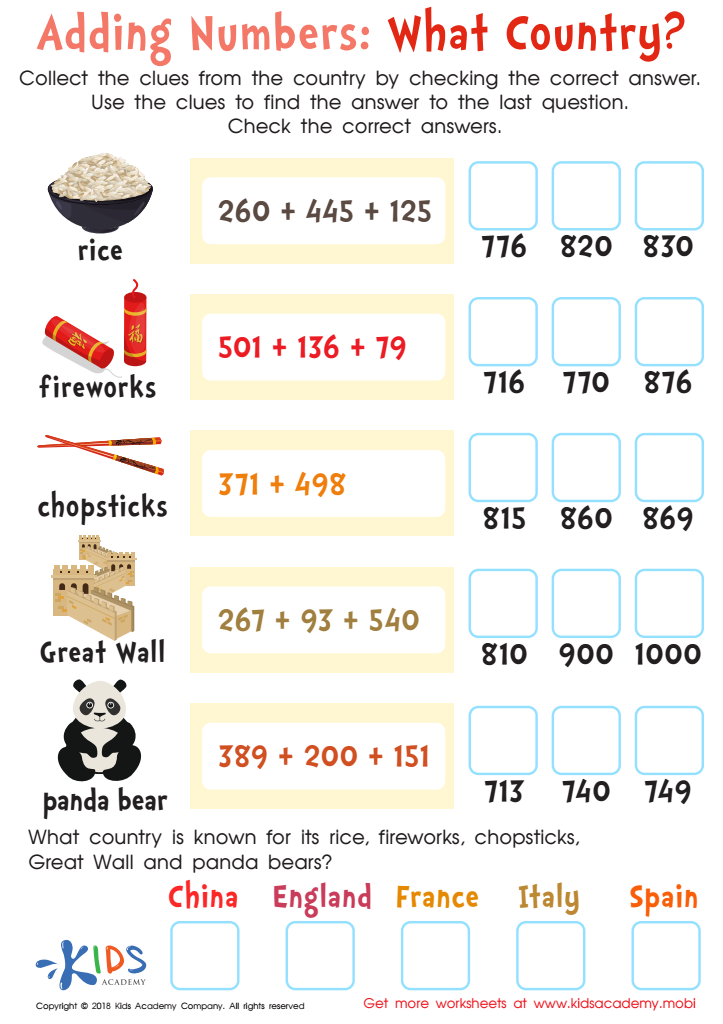
Practice makes perfect! Kids need to understand ordinal numbers - placement, recognition and spelling. Our worksheet helps kids make connections between the placement and spelling of ordinal numbers. Practice will help your little one perfect this vital number concept.
Ordinal Numbers: Teaching Ordinal Numbers Printable
Worksheet
Adding Numbers: What Country Worksheet

Adding Numbers: What Country Worksheet

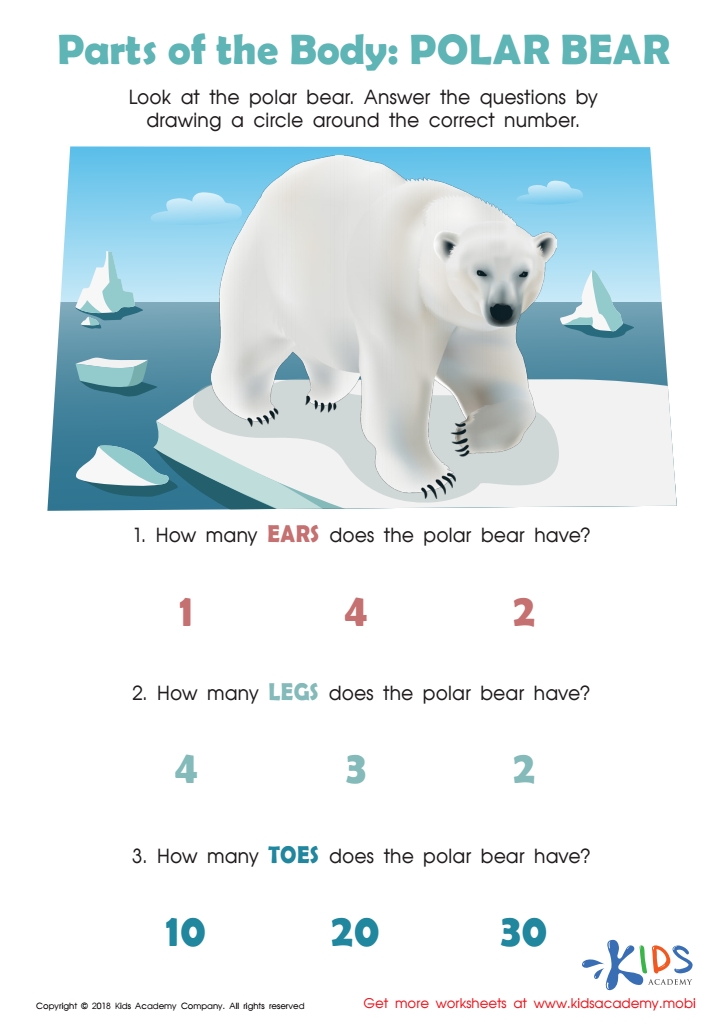
Students can use this worksheet to learn more about different countries. Have them collect clues from the worksheet to answer the last question. Help them check the correct answer, and they'll gain knowledge about each country's food, animals, celebrations, and landmarks.
Adding Numbers: What Country Worksheet
Worksheet
Parts of the Body: Polar Body Worksheet


Parts of the Body: Polar Body Worksheet

Start by showing your kid a picture of a Polar Bear. Explain that it's a member of the bear family with white fur and a large size. Use this worksheet to teach them more about the animal. Go through the questions together and have them draw a circle around the correct number for each one.
Parts of the Body: Polar Body Worksheet

Worksheet


Reading comprehension in children ages 5-7 is crucial for academic success and lifelong learning. This developmental stage lays the foundation for how students perceive and interact with the world around them, and strong comprehension skills facilitate deeper understanding of texts. Parents and teachers should prioritize comprehension skills during these formative years for several reasons.

Firstly, comprehension isn't just about recalling words. It's about making connections, understanding context, and engaging with the content, fostering critical thinking abilities. Early competencies lead to better performance in all subjects, ultimately influencing a child’s confidence and love for learning.

Secondly, research shows that early reading success significantly predicts future educational outcomes. Children who struggle with comprehension might face challenges later in school, often leading to disengagement or behavioral issues. Early intervention can mitigate these risks.

Finally, comprehension promotes social and emotional development. Engaging with characters in texts helps children learn empathy and recognize emotions. By nurturing these skills, parents and teachers equip children to express themselves better and understand others.

In conclusion, prioritizing reading comprehension for ages 5-7 pays dividends, creating a generation of enthusiastic learners who are better prepared for future academic challenges and life experiences.