Normal Space Worksheets for Ages 5-7 - Page 2
30 filtered results
-
From - To
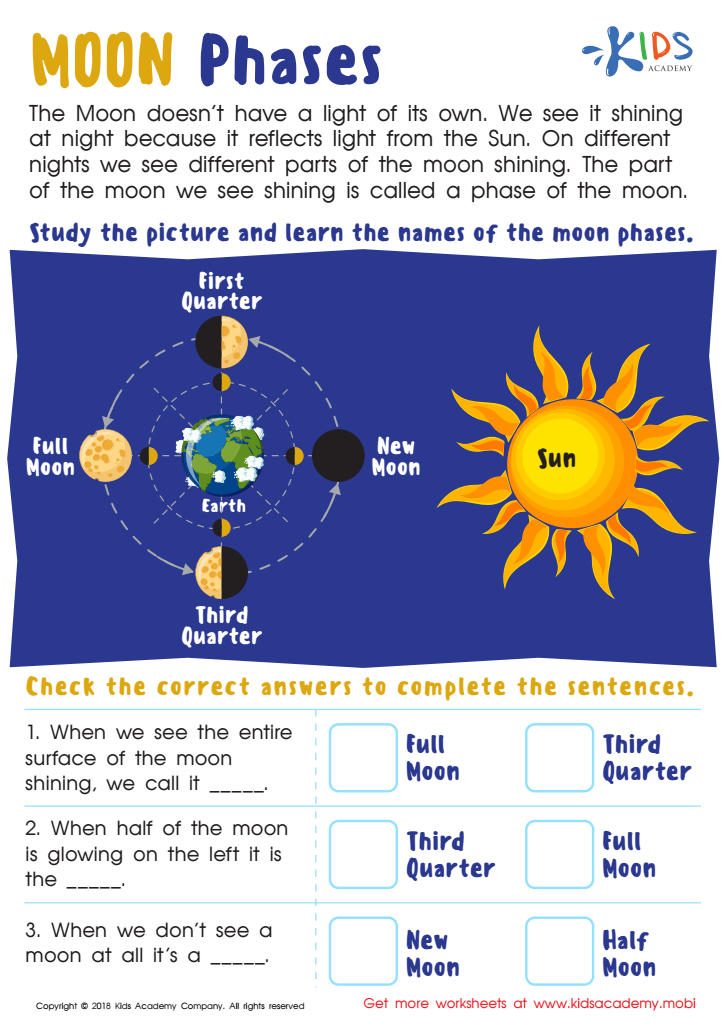
Moon Phases Worksheet
 Assign to My Students
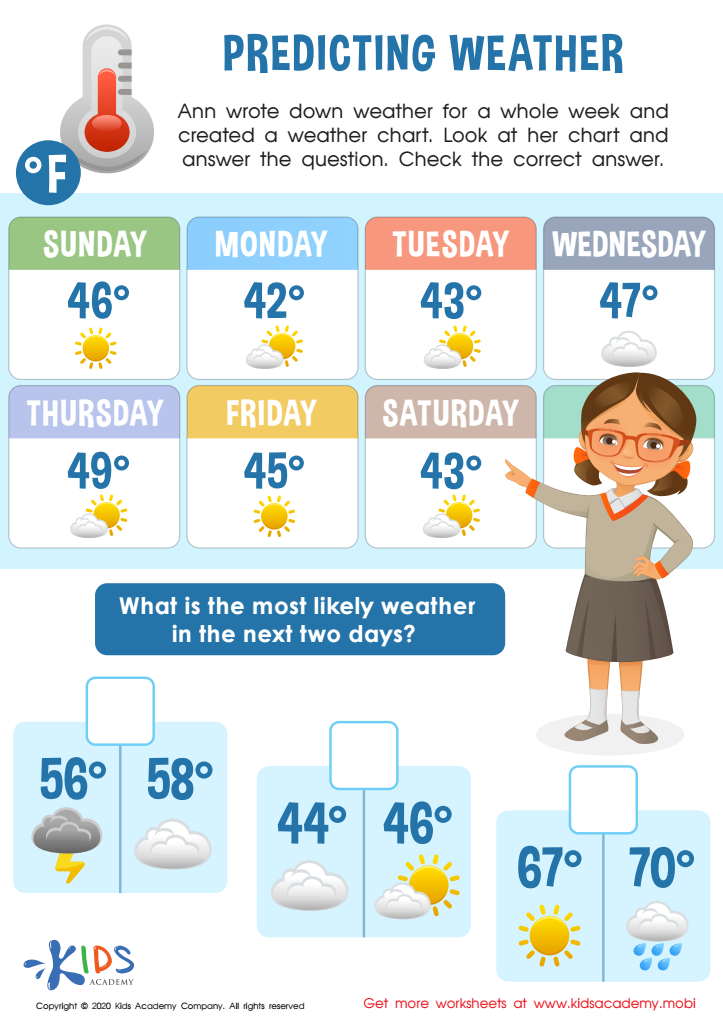
Predicting Weather Worksheet
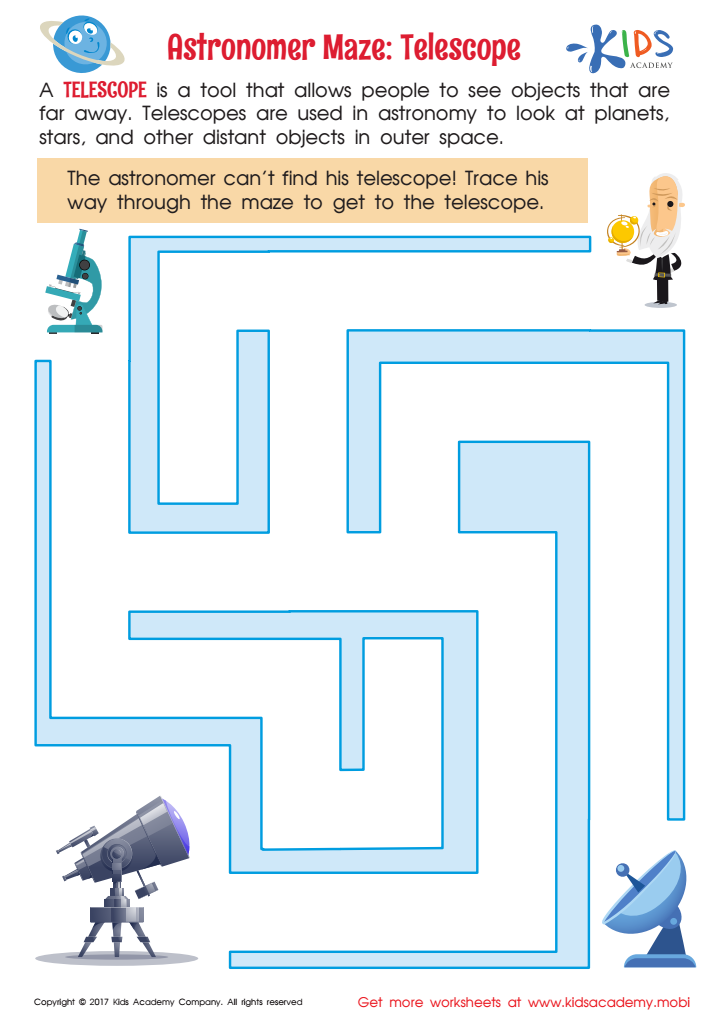
Astronomer Maze: Telescope Worksheet
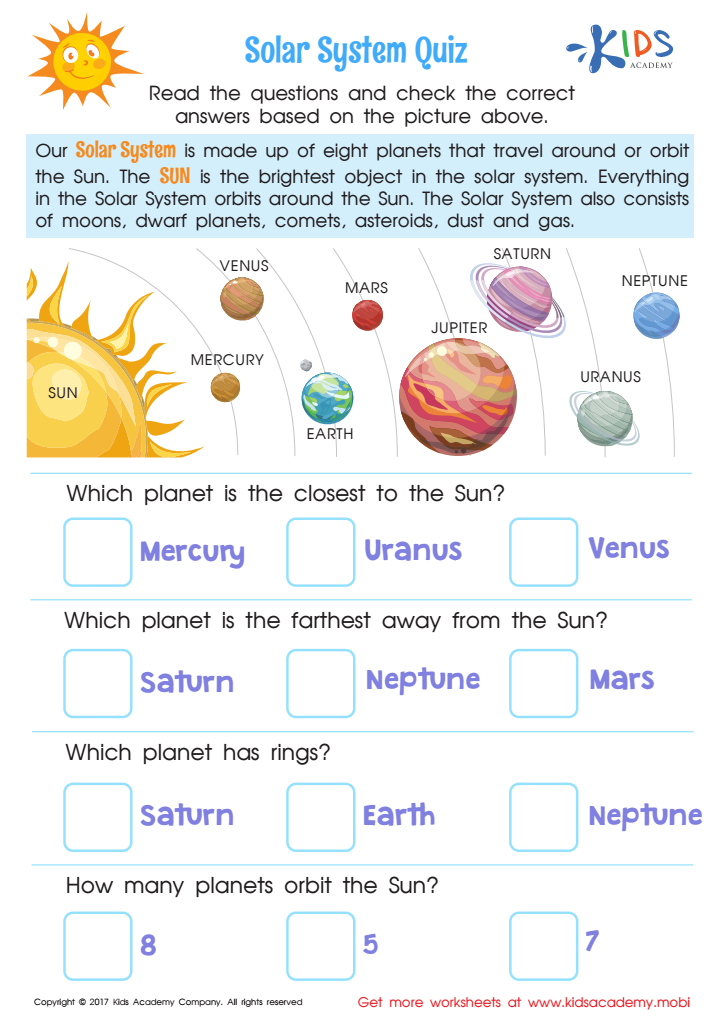
Solar System Quiz Printable
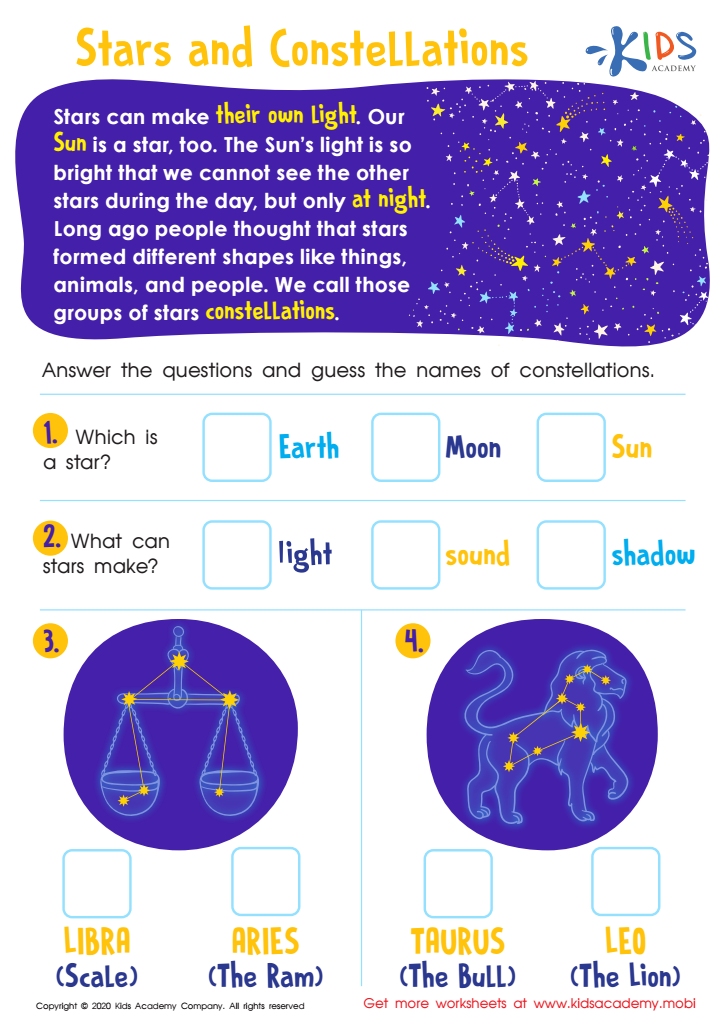
Stars and Constellations Worksheet
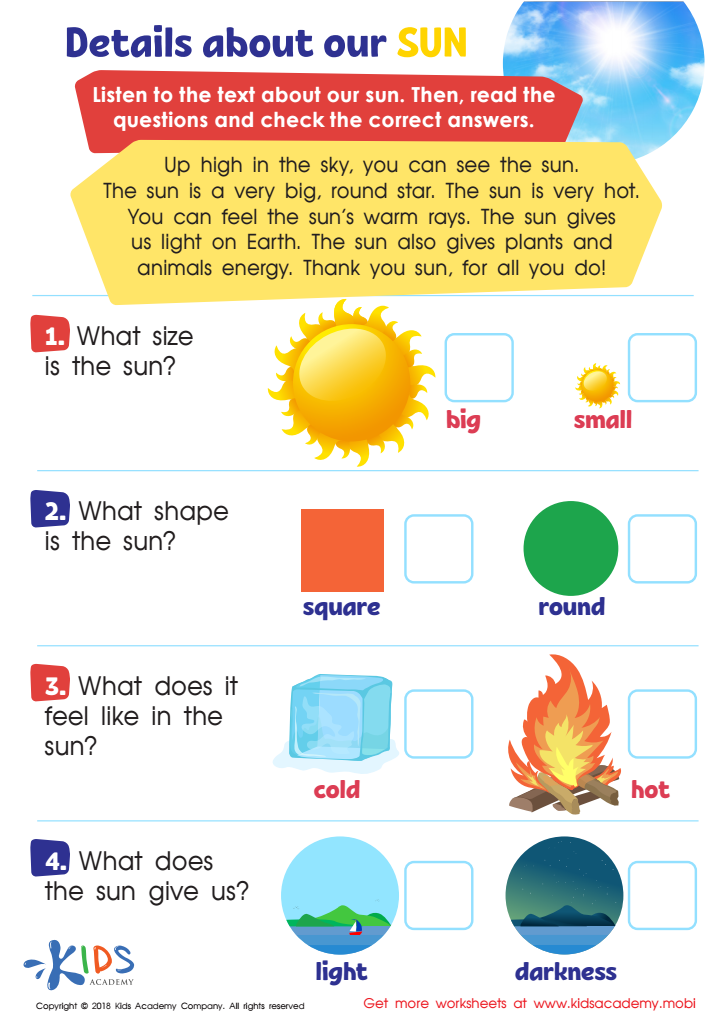
Details About Our Sun Worksheet


%20(1).jpg)





Parents and teachers should place significant emphasis on creating a "Normal Space" for children aged 5-7, as it plays a crucial role in their early development. At this formative stage, a consistent, engaging, and secure environment helps children establish a sense of stability and routine, which is essential for both emotional and cognitive growth.
A well-structured "Normal Space" encourages active learning and curiosity. It fosters the development of crucial social skills through interaction with peers and provides a supportive backdrop for exploring new ideas. This predictable environment makes children feel safe, allowing them to take necessary risks in learning without fear of failure.
Additionally, a normal space helps teachers and parents better observe and understand a child's unique strengths and challenges. This understanding allows for more personalized support, catering to each child's developmental needs. For instance, a dedicated area for reading can enhance literacy skills, whereas a creative corner might nurture artistic talents, each contributing to a well-rounded development.
Moreover, a harmonious environment strengthens communication between children and adults. It fosters parental involvement, making it easier for parents to engage with their child's learning experience and collaborate effectively with teachers.
In summary, a thoughtfully designed "Normal Space" serves as a foundation for a secure, nurturing, and stimulating environment, essential for the holistic development of young children.







