Fine Motor Skills Normal ABC Letters Worksheets for Ages 5-8
24 filtered results
-
From - To
Welcome to our “Fine Motor Skills Normal ABC Letters Worksheets” designed for children ages 5-8! Our engaging worksheets help young learners build essential fine motor skills while mastering the alphabet. Each activity incorporates fun exercises that encourage letter recognition and improve hand-eye coordination. Through tracing, coloring, and various interactive tasks, kids can develop the dexterity required for writing, drawing, and other important tasks. Perfect for classrooms or at-home learning, these worksheets provide a balanced blend of education and play. Discover the joy of learning with our interactive resources that make practicing fine motor skills an exciting adventure for little hands!
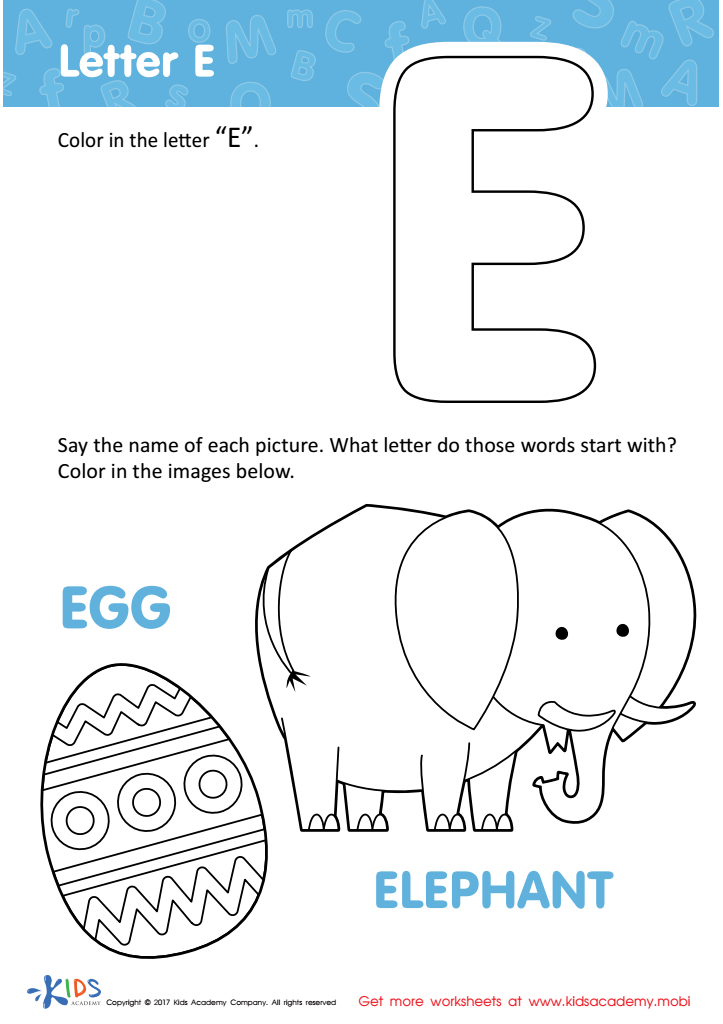
Letter E Coloring Sheet
 Assign to My Students











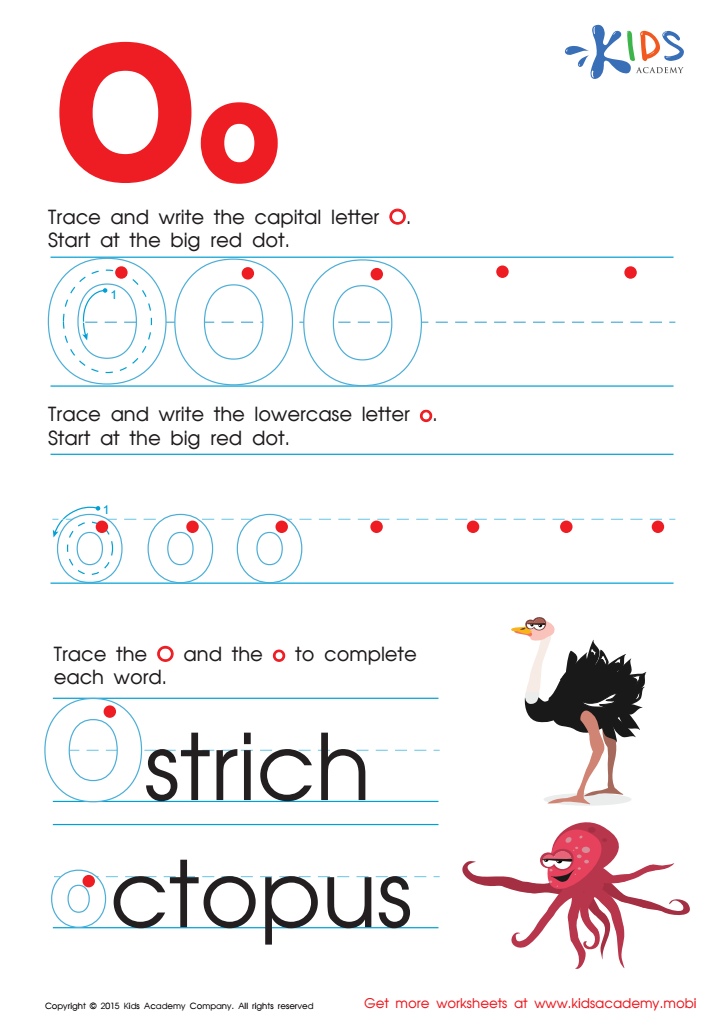
Letter O Tracing Page
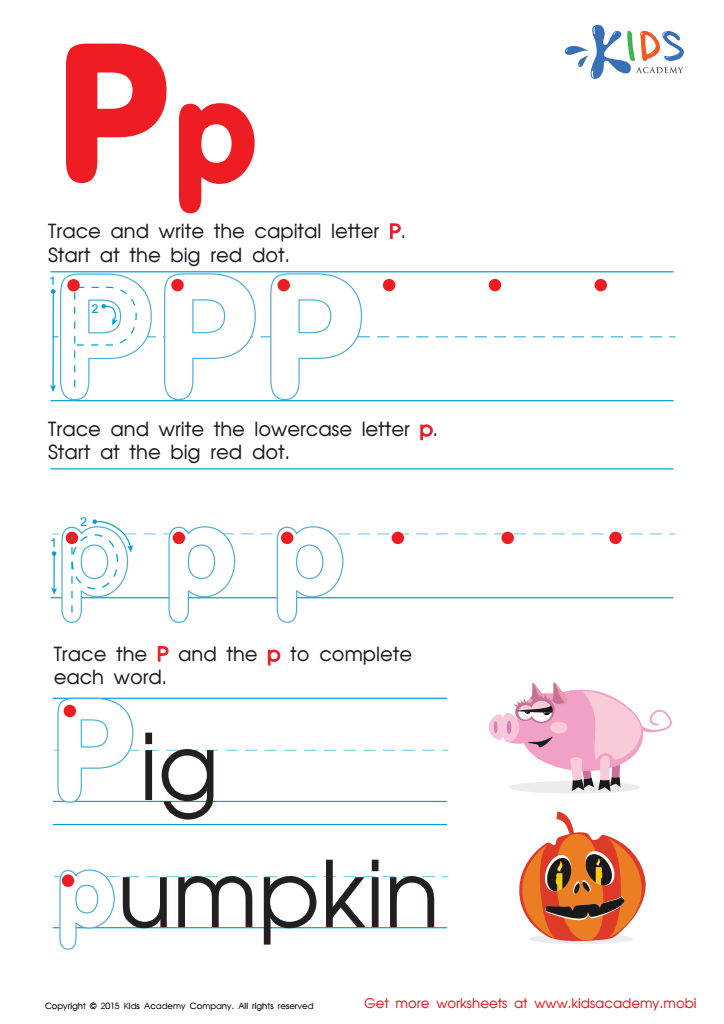
Letter P Tracing Page
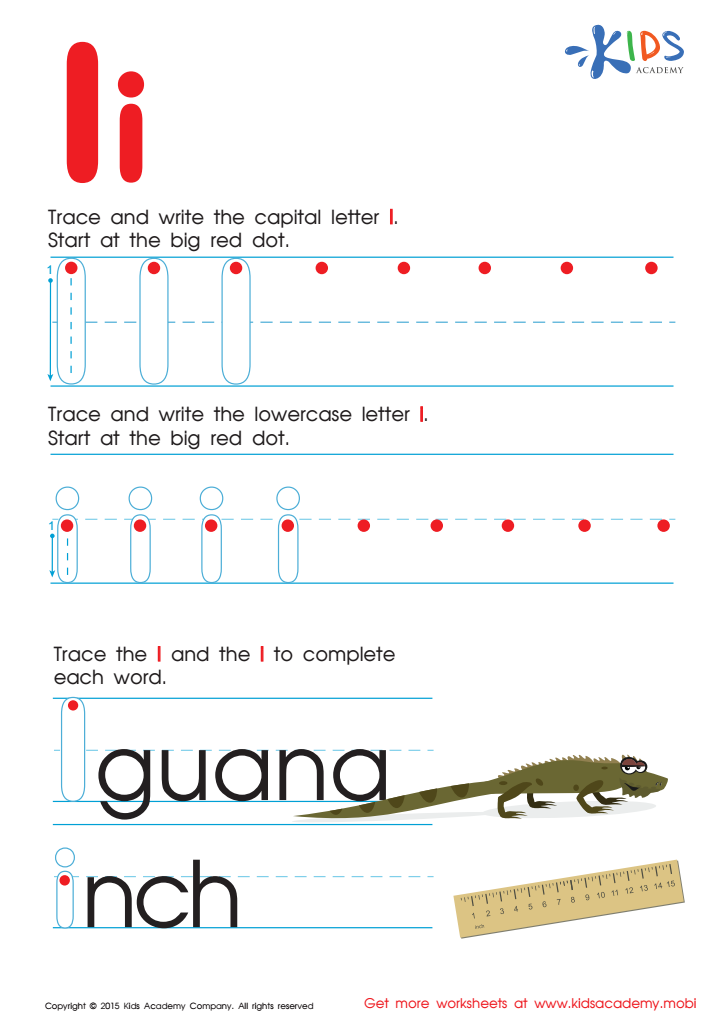
Letter I Tracing Page
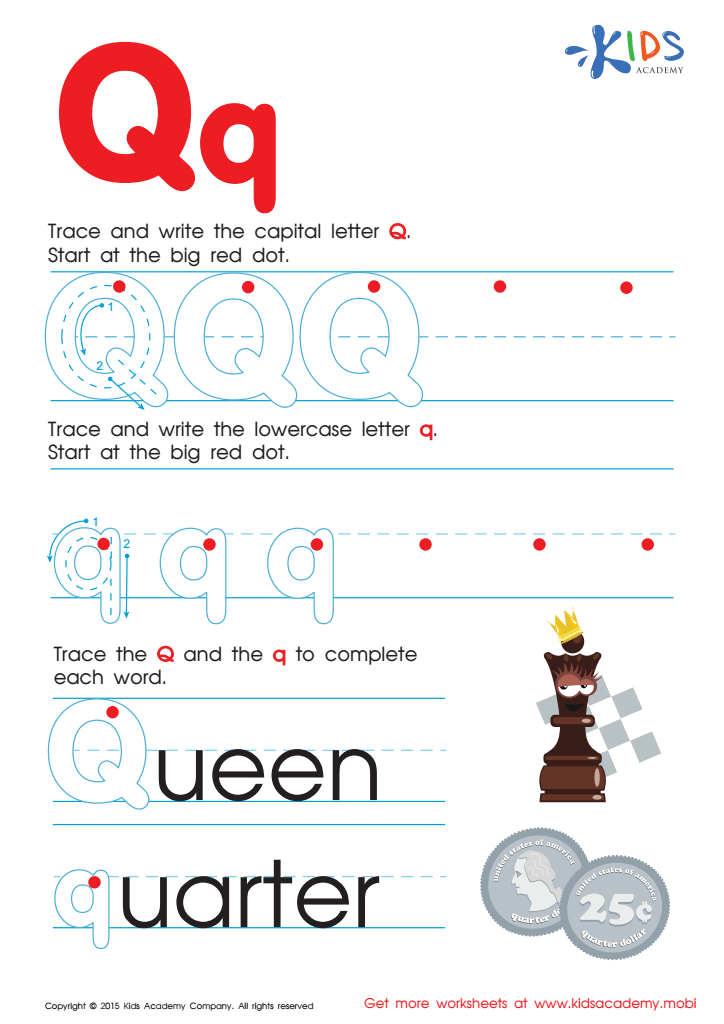
Letter Q Tracing Page
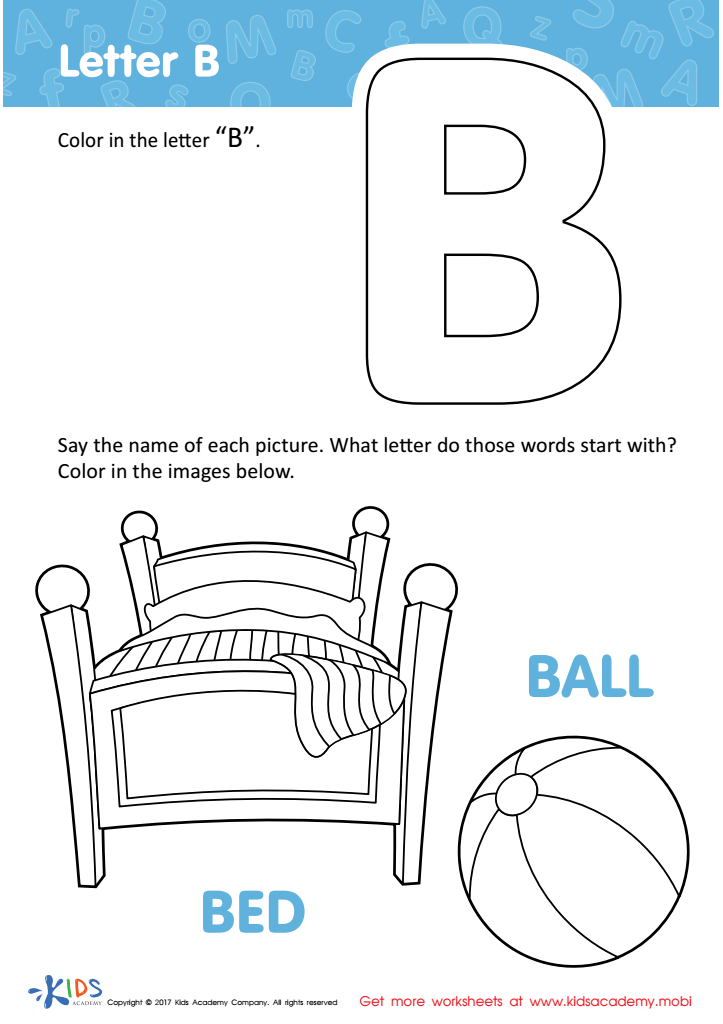
Letter B Coloring Sheet
Assign to My Students
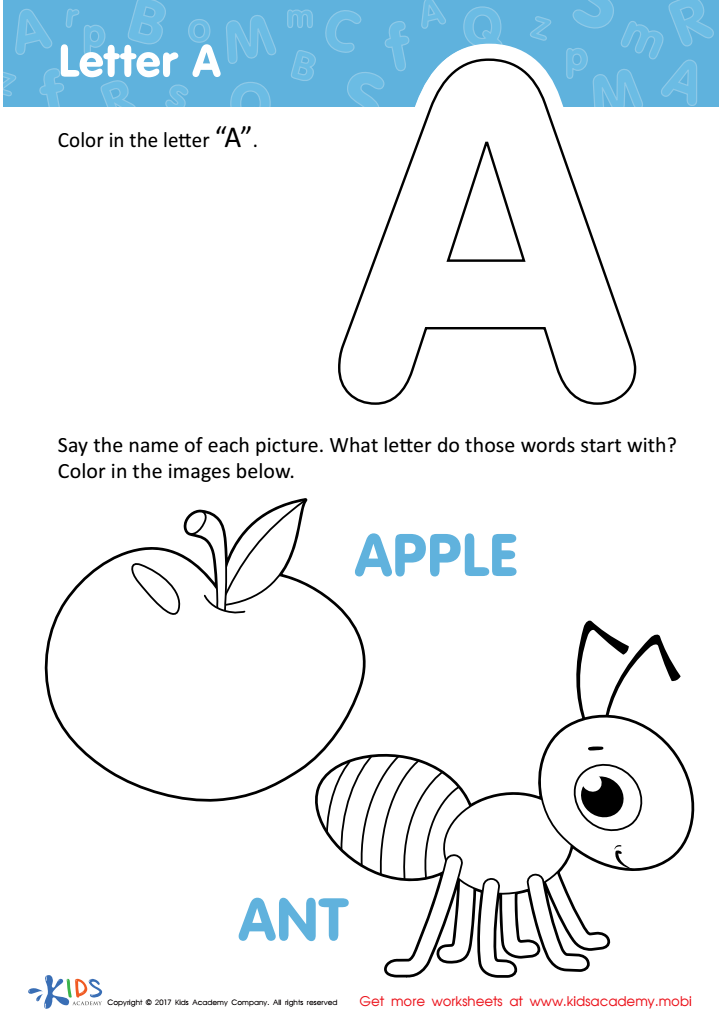
Letter A Coloring Sheet
Assign to My Students
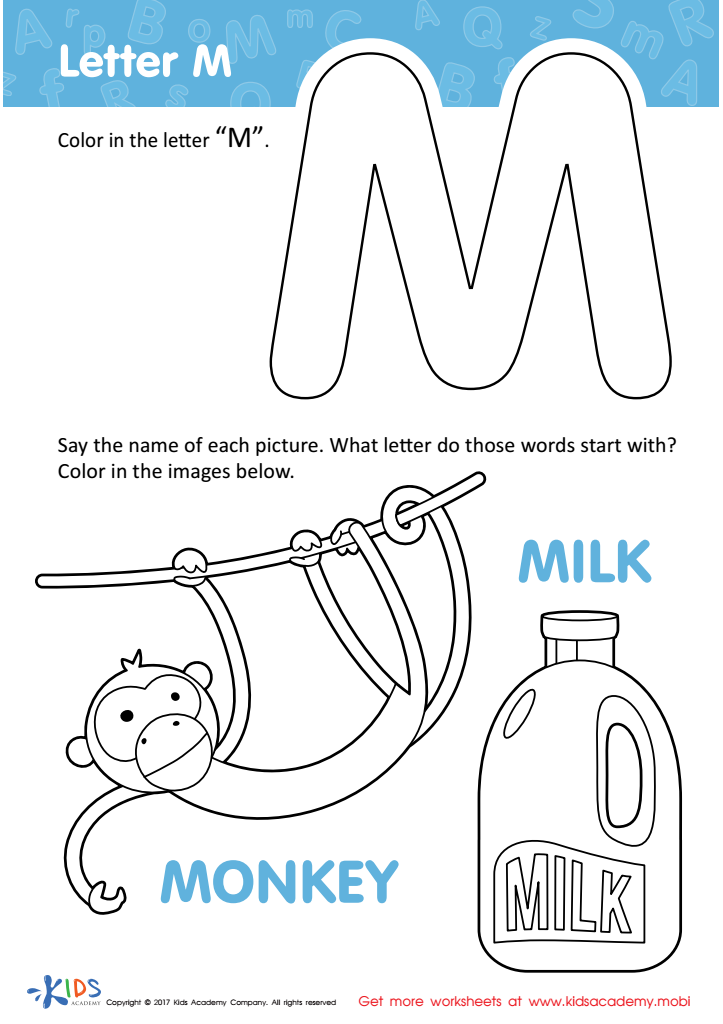
Letter M Coloring Sheet
Assign to My Students
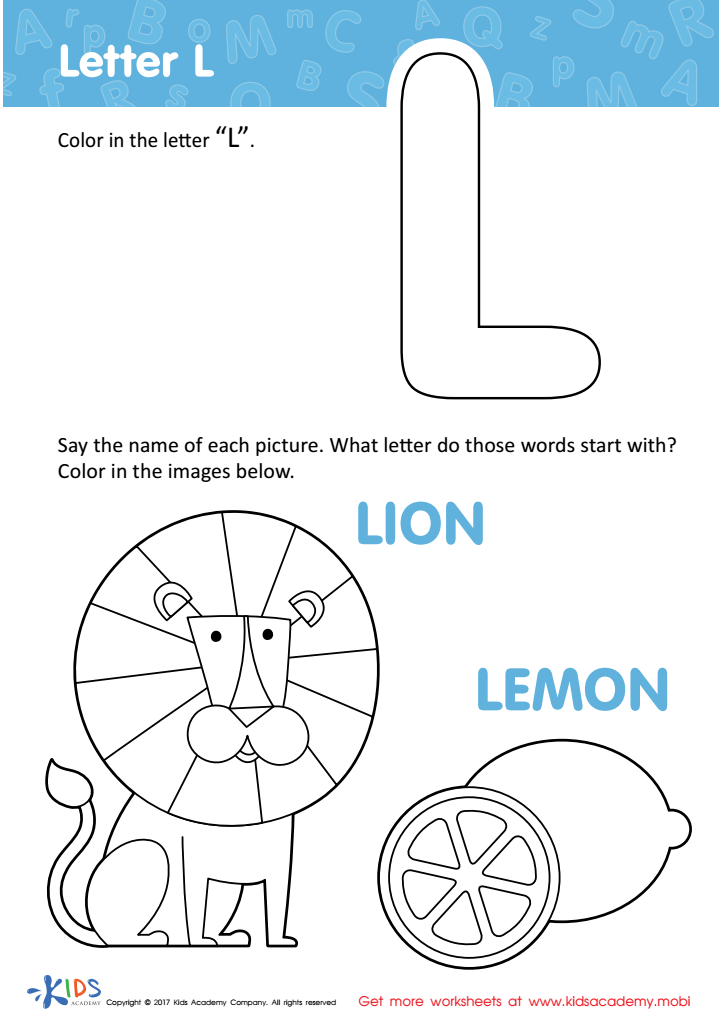
Letter L Coloring Sheet
Assign to My Students
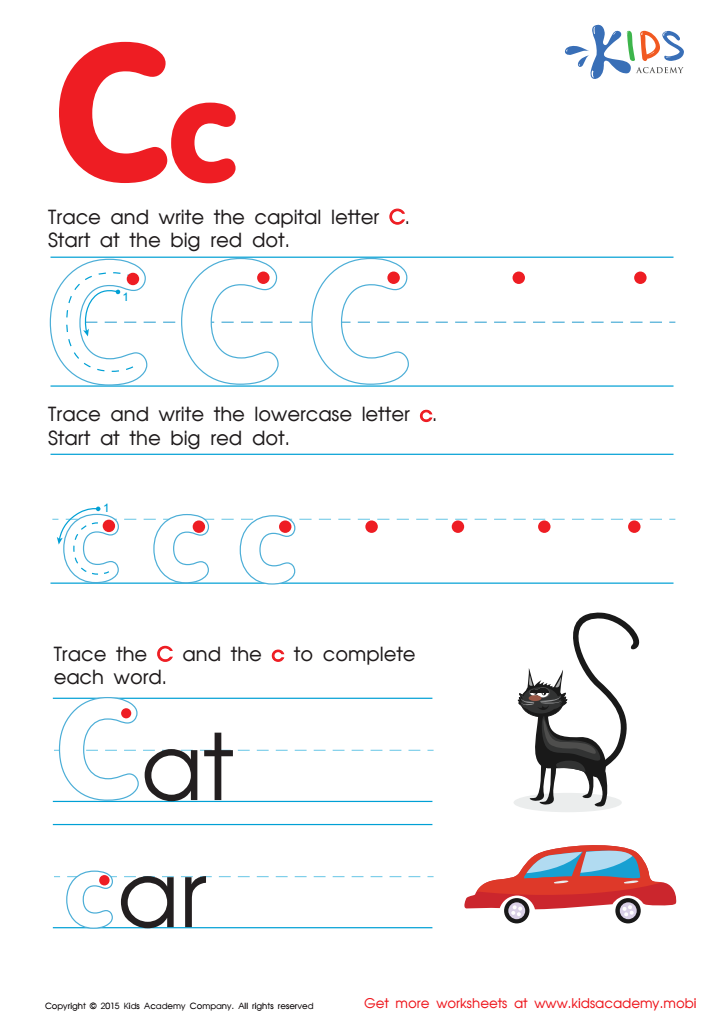
Letter C Tracing Page
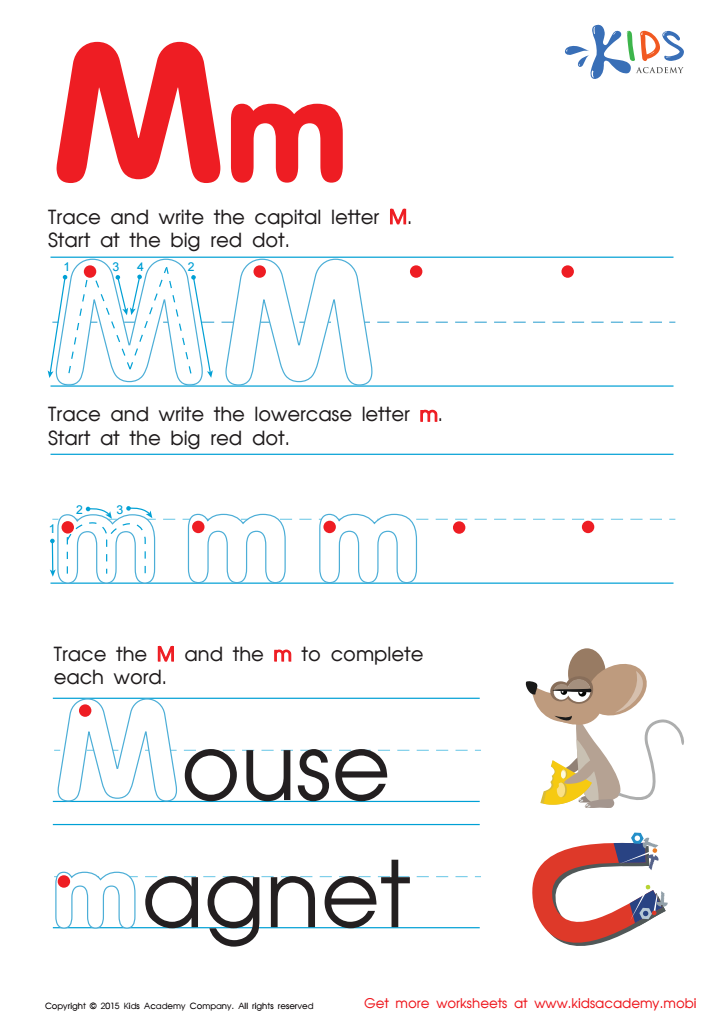
Letter M Tracing Page
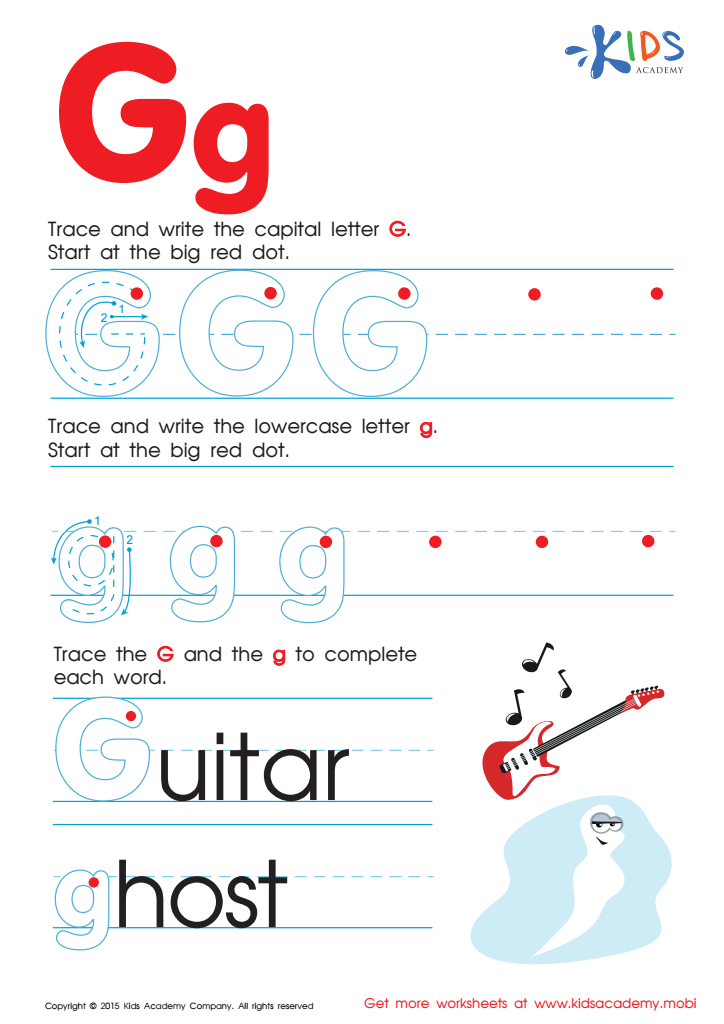
Letter G Tracing Page
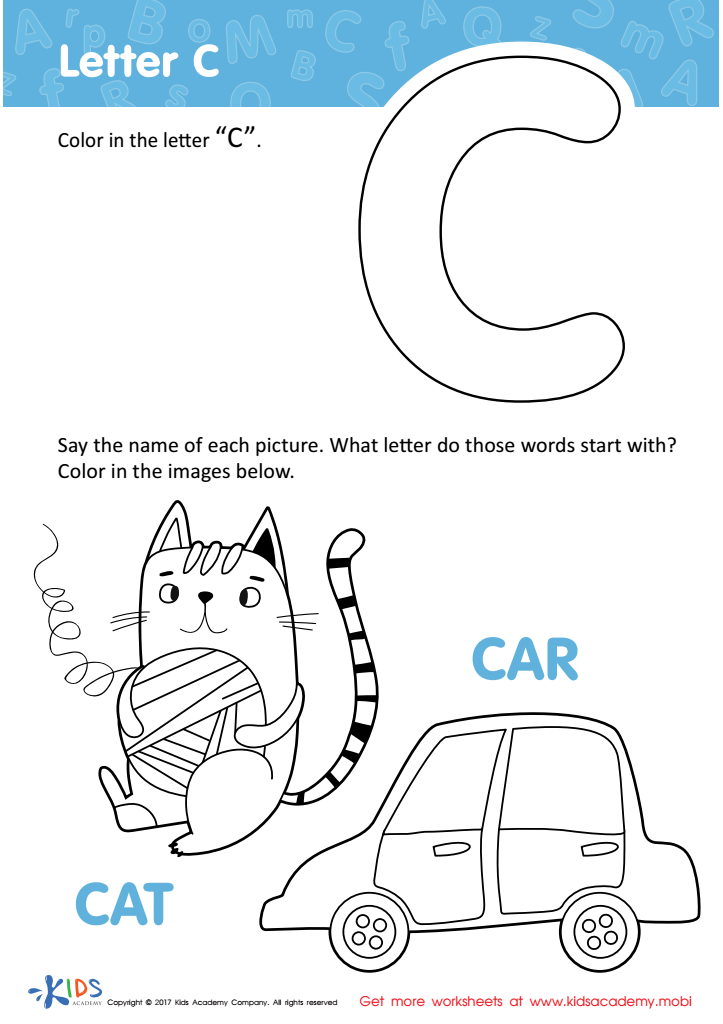
Letter C Coloring Sheet
Assign to My Students
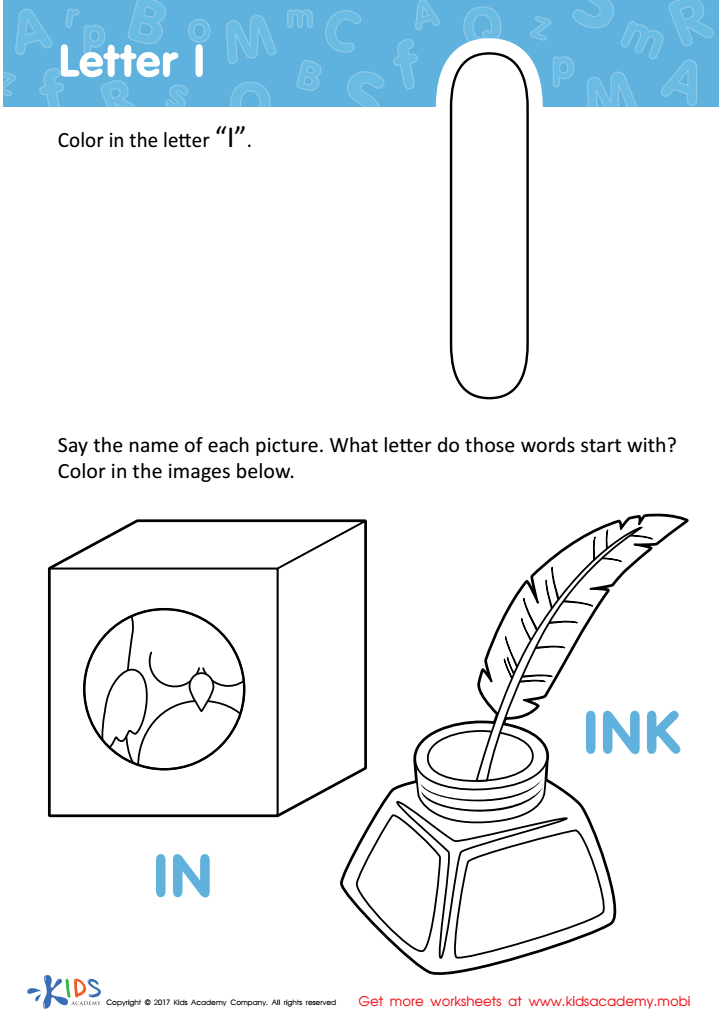
Letter I Coloring Sheet
Assign to My Students
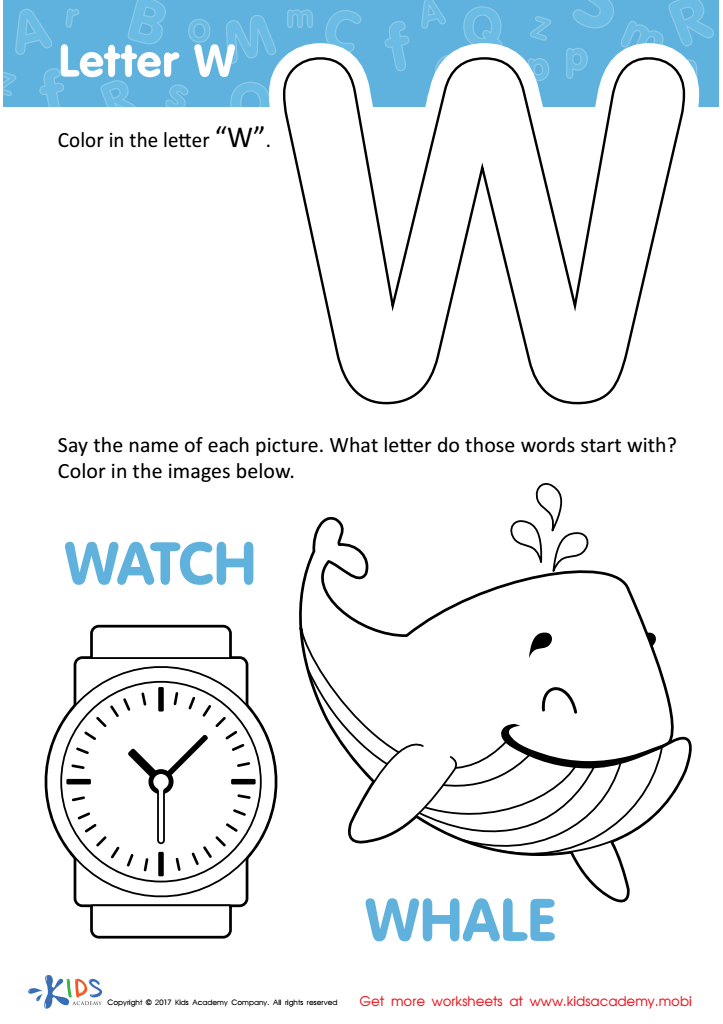
Letter W Coloring Sheet
Assign to My Students
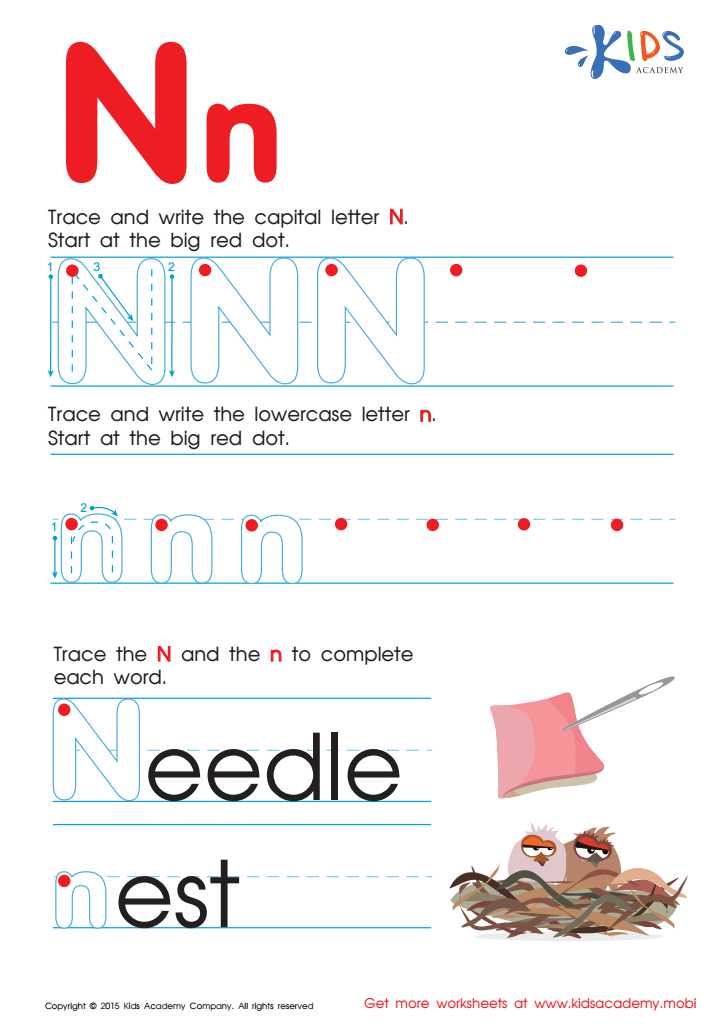
Letter N Tracing Page
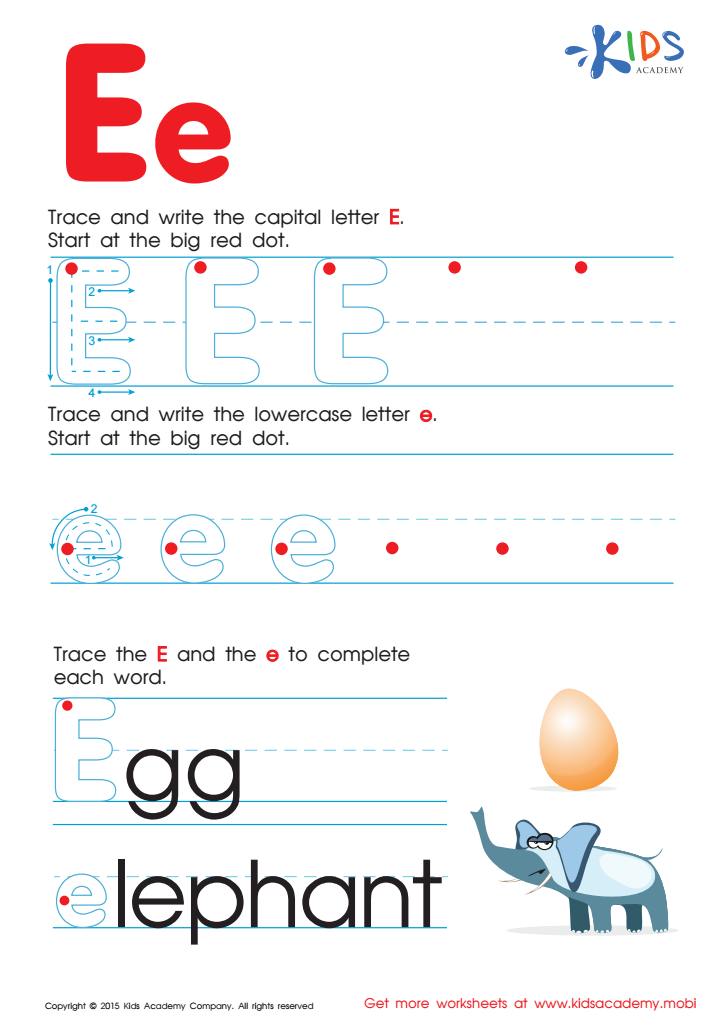
Letter E Tracing Page
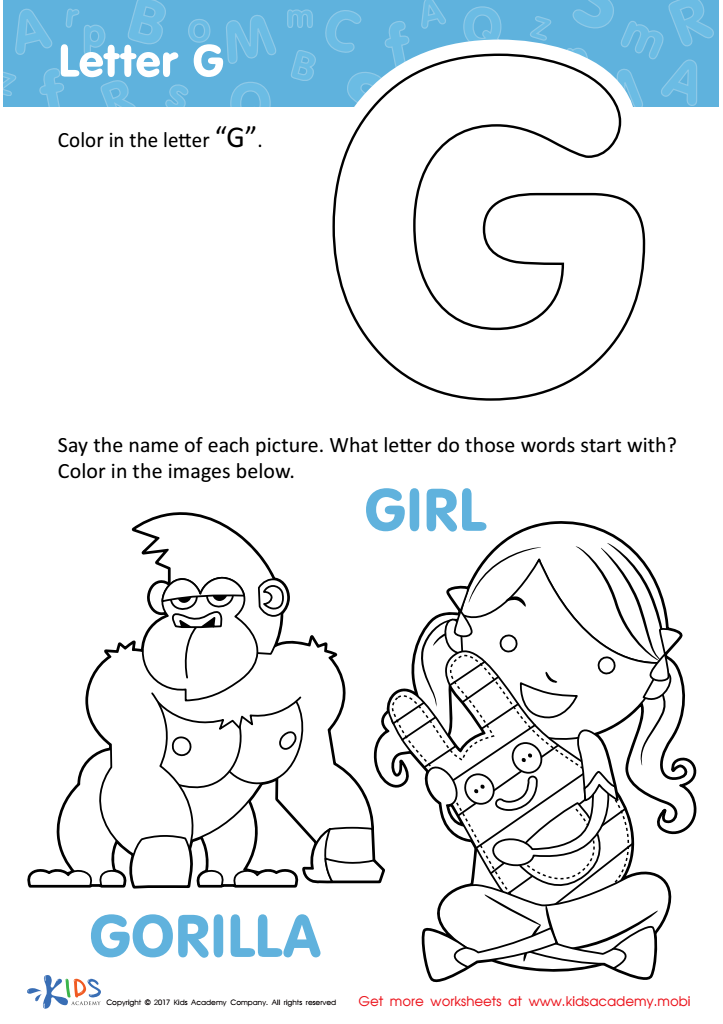
Letter G Coloring Sheet
Assign to My Students
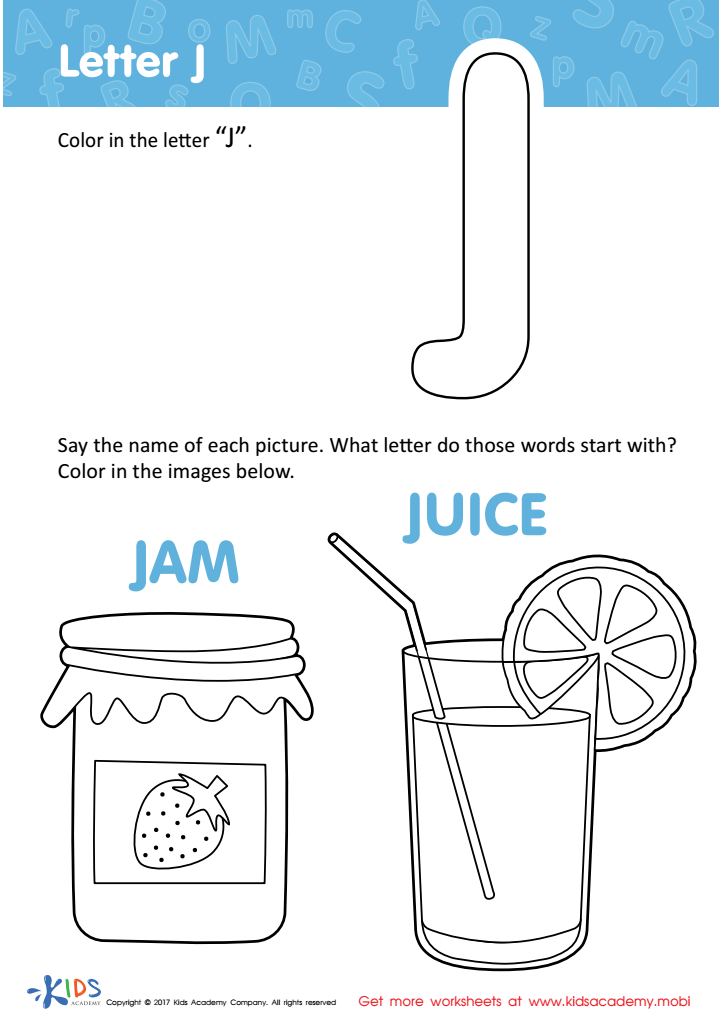
Letter J Coloring Sheet
Assign to My Students
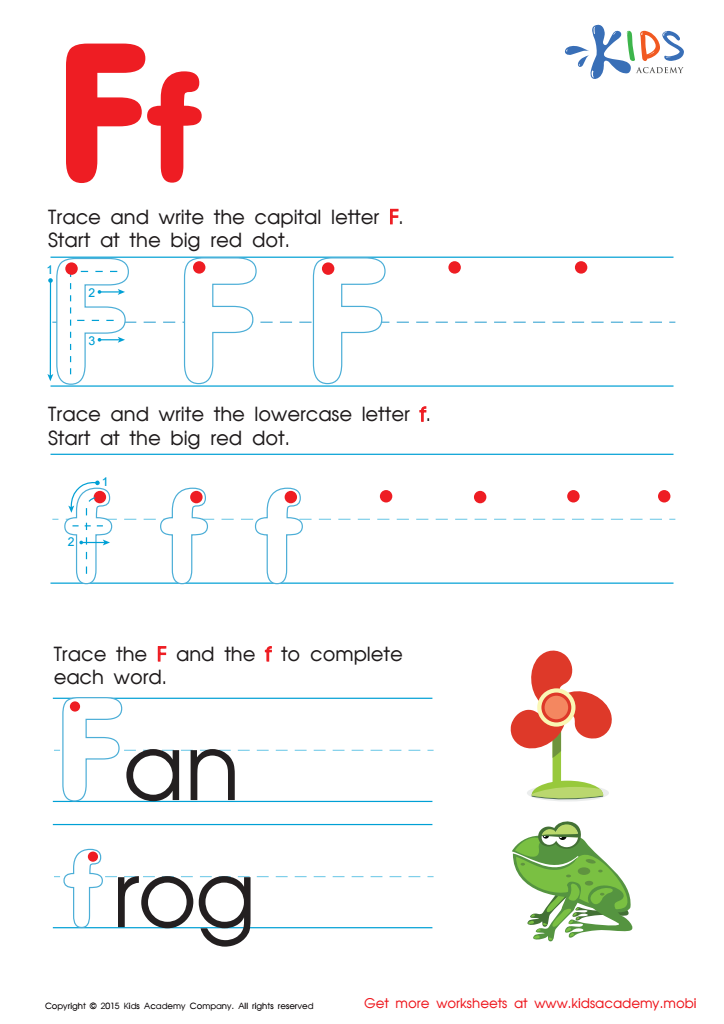
Letter F Tracing Page

Uppercase Letters Y Z Worksheet
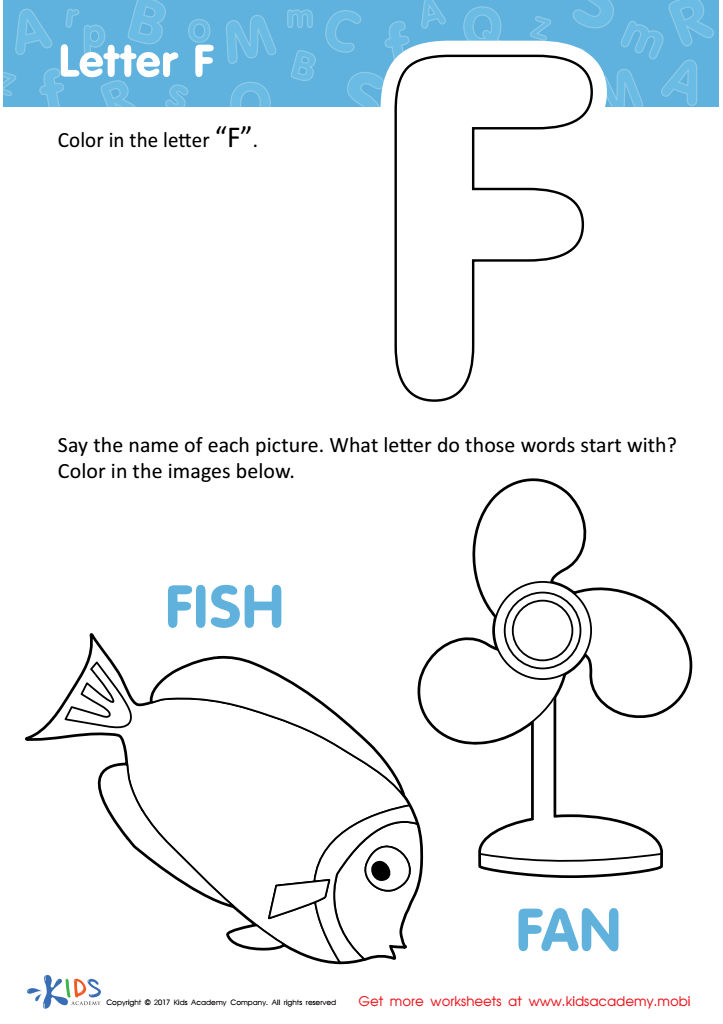
Letter F Coloring Sheet
Assign to My Students
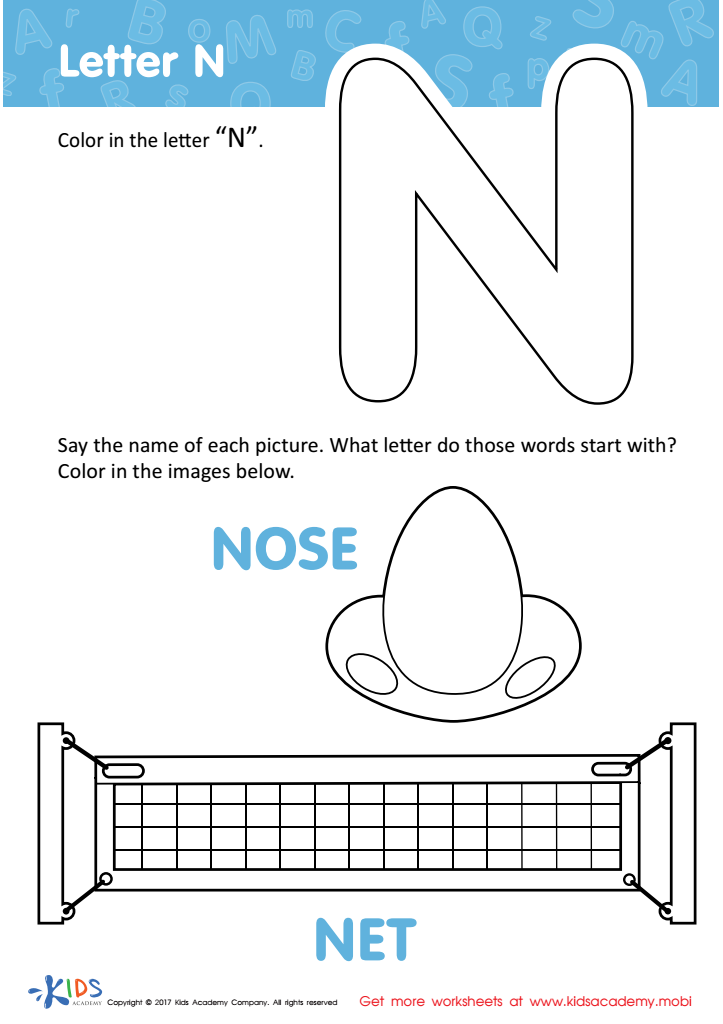
Letter N Coloring Sheet
Assign to My Students
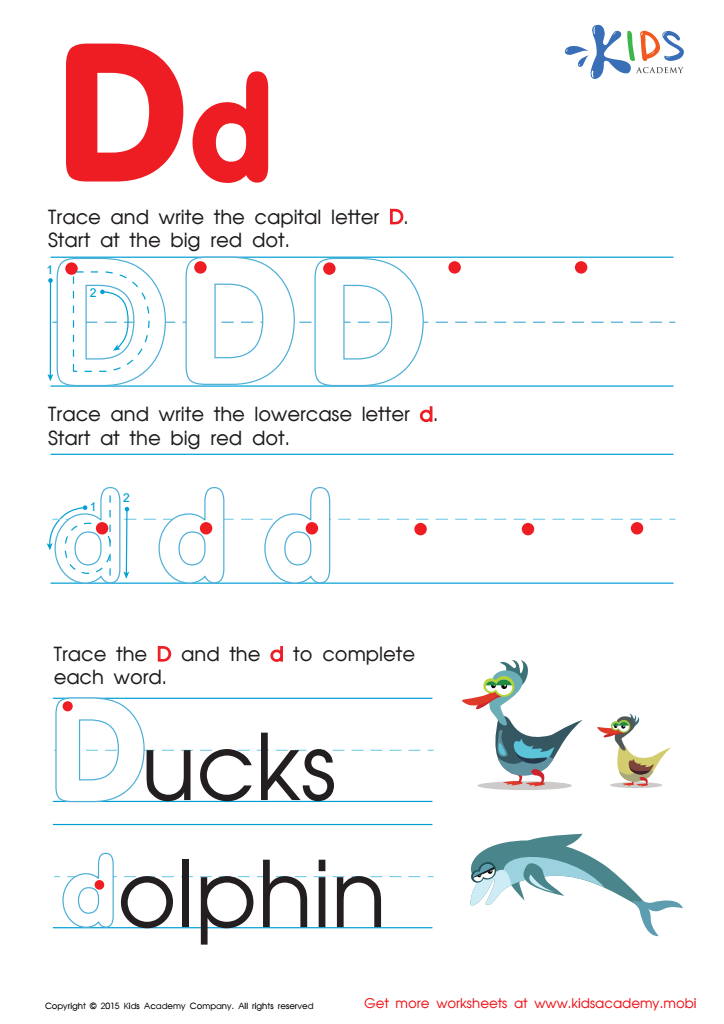
Letter D Tracing Page







Fine motor skills are essential for children aged 5-8 as they significantly impact early learning and overall development. These skills refer to the coordinated movements of small muscles, particularly in the hands and fingers, and are crucial for tasks such as writing, drawing, and manipulating objects. For children in this age group, mastering fine motor skills directly correlates with their ability to write letters, which is fundamental for literacy and communication.
Parents and teachers should care about children's fine motor skill development because proficiency in these skills enhances academic performance and boosts self-esteem. Children who struggle with fine motor tasks may exhibit frustration and reluctance towards writing and participating in classroom activities. Early intervention and targeted activities can help strengthen these skills, leading to improved handwriting and better expression of thoughts and ideas.
Moreover, fine motor development is linked to cognitive skills. Engaging in activities that promote dexterity helps cultivate problem-solving, focus, and coordination, laying a strong foundation for future learning in various subjects. Understanding the importance of fine motor skills enables parents and teachers to create enriching environments that foster growth, ensuring that children not only succeed academically but also build confidence and independence in their everyday tasks.







