Reading readiness Normal Alphabet Worksheets for Ages 5-8
5 filtered results
-
From - To
Explore our Reading Readiness Normal Alphabet Worksheets designed for children ages 5-8! These engaging and interactive worksheets help young learners build essential reading skills while familiarizing themselves with the alphabet. Each activity is crafted to support letter recognition, sound association, and early phonics skills, ensuring a solid foundation for literacy. Our visually appealing, age-appropriate resources encourage independent practice, making learning fun and effective. Perfect for both classroom settings and home study, these worksheets promote confidence in reading while catering to different learning styles. Discover the joy of reading readiness with our comprehensive collection today!
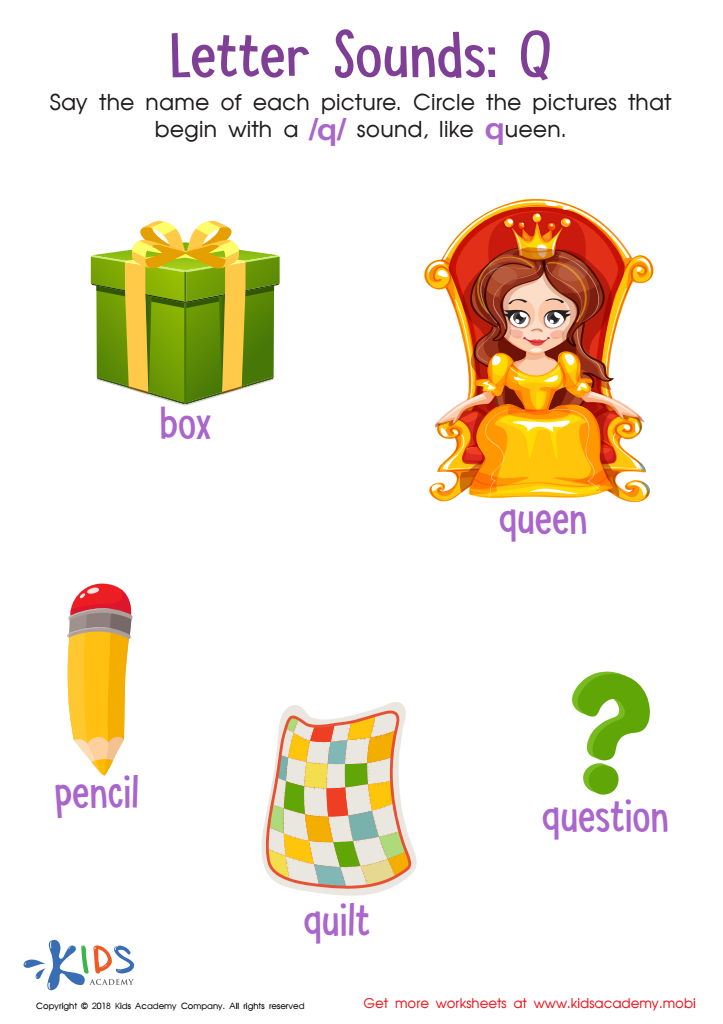
Letter Q Sounds Worksheet
 Assign to My Students
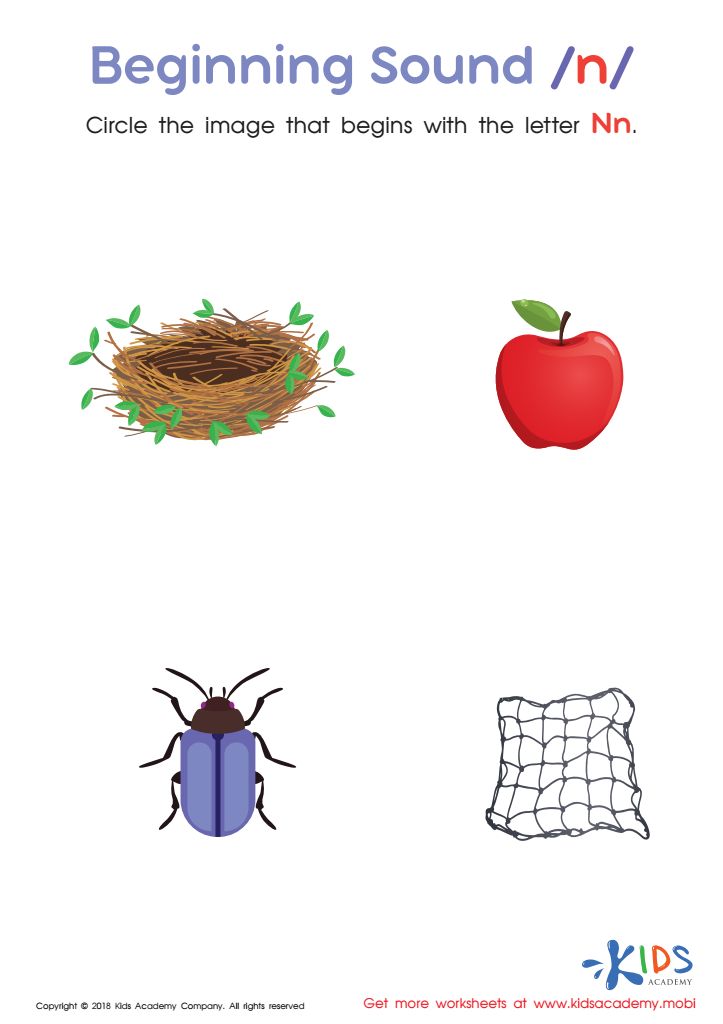
Beginning Sound «n» Worksheet
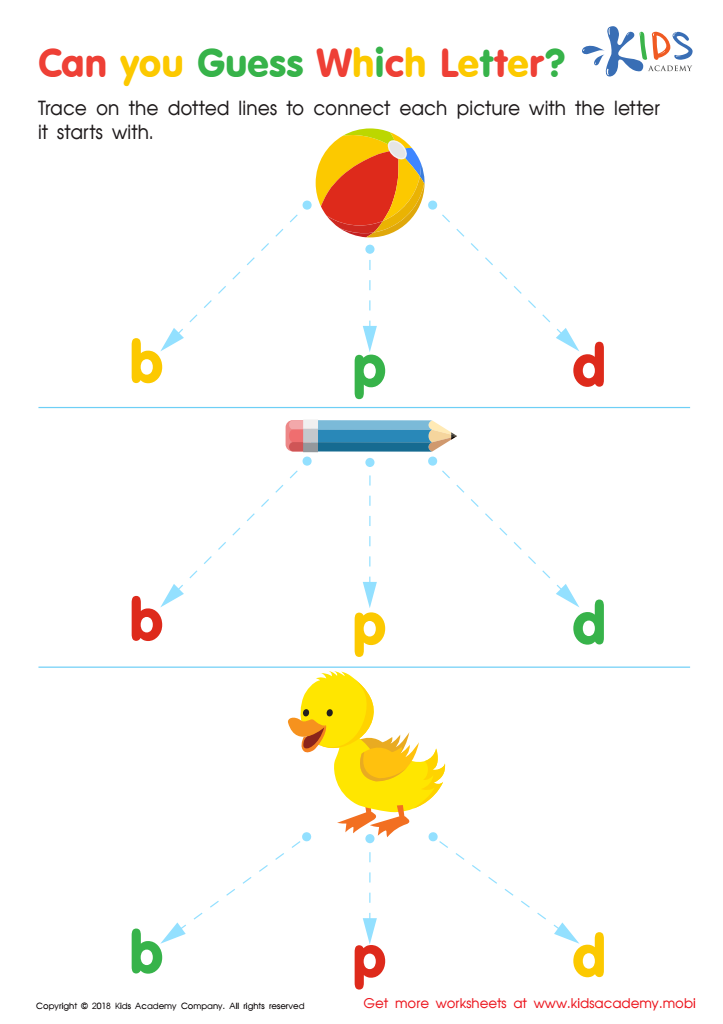
Can you Guess Which Letter? Worksheet
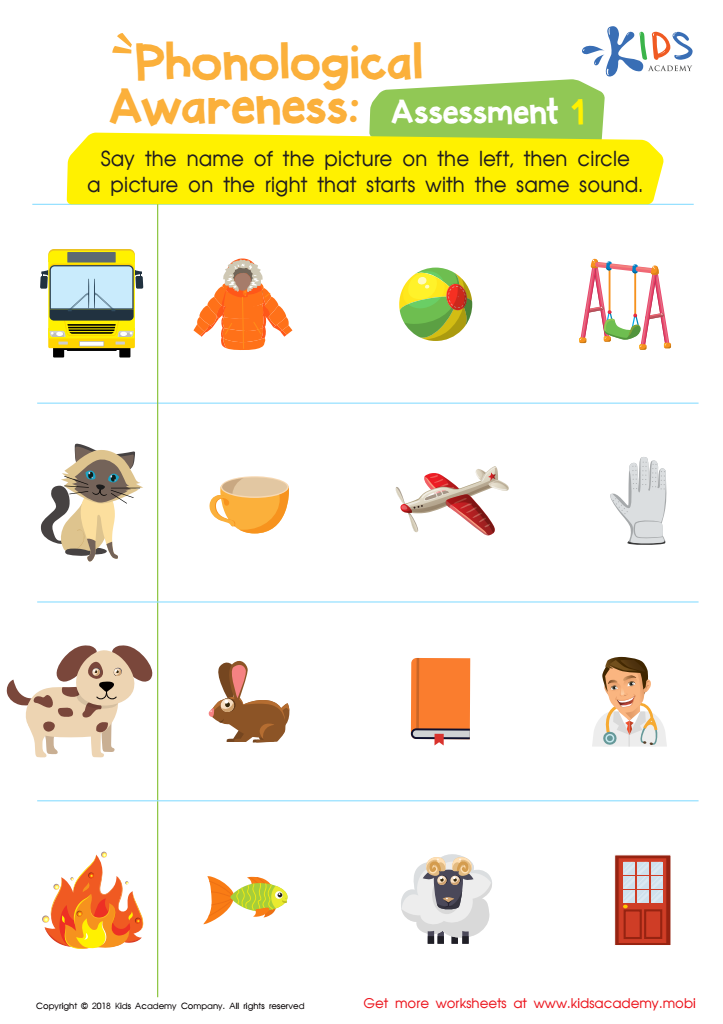
Phonological Awareness: Assessment 1 Worksheet
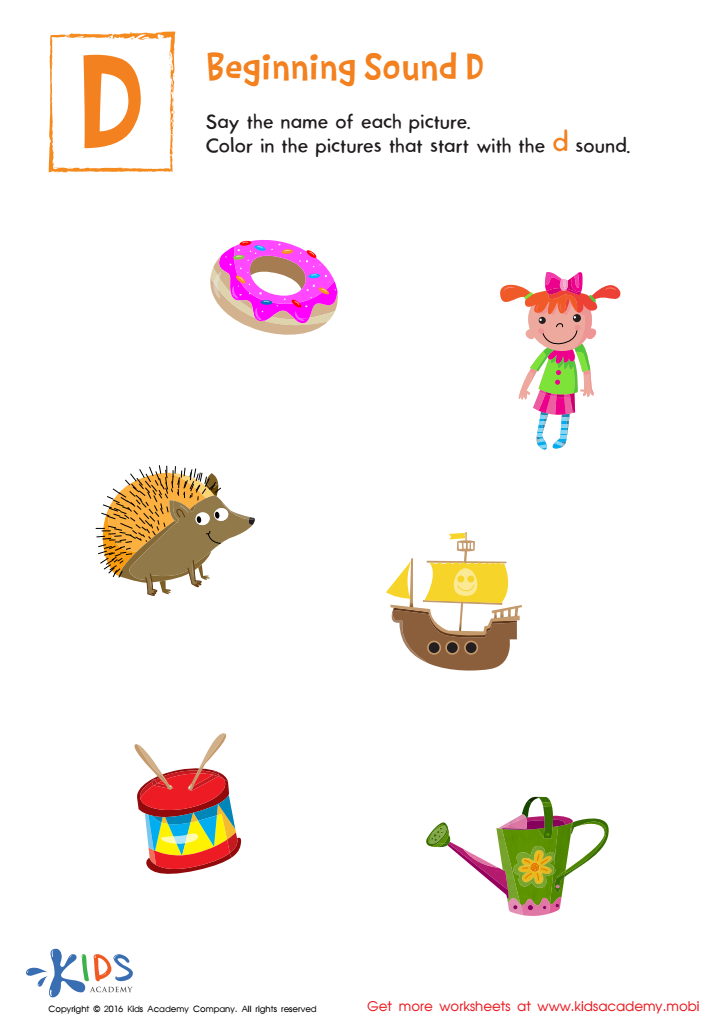
Beginning Sound D Worksheet







Reading readiness is a crucial milestone in early childhood development, particularly for children aged 5-8. During this formative age, children develop foundational literacy skills that significantly impact their future academic success. Parents and teachers play a vital role in nurturing this readiness, as it sets the stage for all future learning.
Firstly, children who are reading-ready are better equipped to understand and engage with classroom material, which enhances their overall learning experience. They develop critical thinking and comprehension skills that are essential across subjects, not just in literacy. Moreover, reading contributes to vocabulary expansion, enabling children to express themselves more effectively.
Additionally, when kids are prepared to read, they often feel more confident and motivated. This positive self-esteem can foster a love for learning that extends beyond the classroom. Conversely, children who struggle with reading may feel frustration and disengagement, leading to a cycle of academic challenges.
Supporting reading readiness through shared reading activities, phonemic awareness games, and literacy-rich environments empowers children to develop these essential skills. Therefore, it is paramount for parents and teachers to be proactive in promoting reading readiness, as it lays the groundwork for lifelong learning and academic achievement.







