Sound Association Normal Letter Sounds Worksheets for Ages 5-8
16 filtered results
-
From - To
Enhance your child's early literacy skills with our Sound Association Normal Letter Sounds Worksheets designed for ages 5-8. These engaging and interactive worksheets help children connect letter sounds with words, fostering essential phonemic awareness. Each worksheet features fun, age-appropriate activities, perfect for reinforcing sound identification and developing reading readiness. The colorful illustrations and diverse exercises keep young learners motivated while they practice recognizing and associating sounds with familiar objects. Ideal for home or classroom use, our printable resources provide an effective way to support phonics education and boost confidence in young readers. Unlock your child’s potential in literacy with our comprehensive activities!
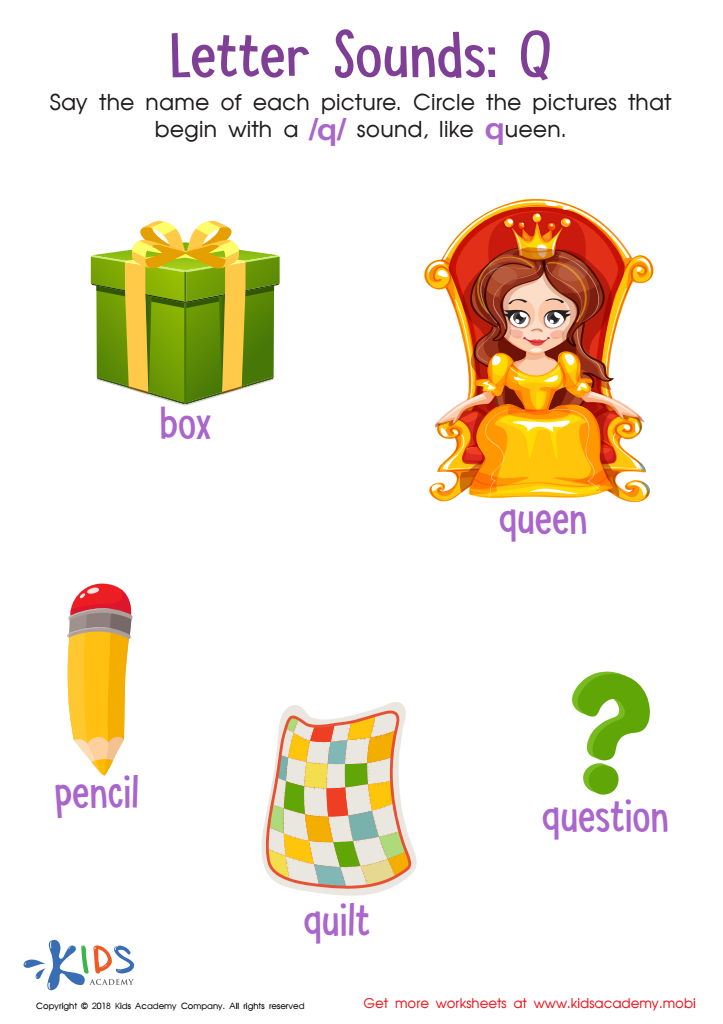
Letter Q Sounds Worksheet
 Assign to My Students
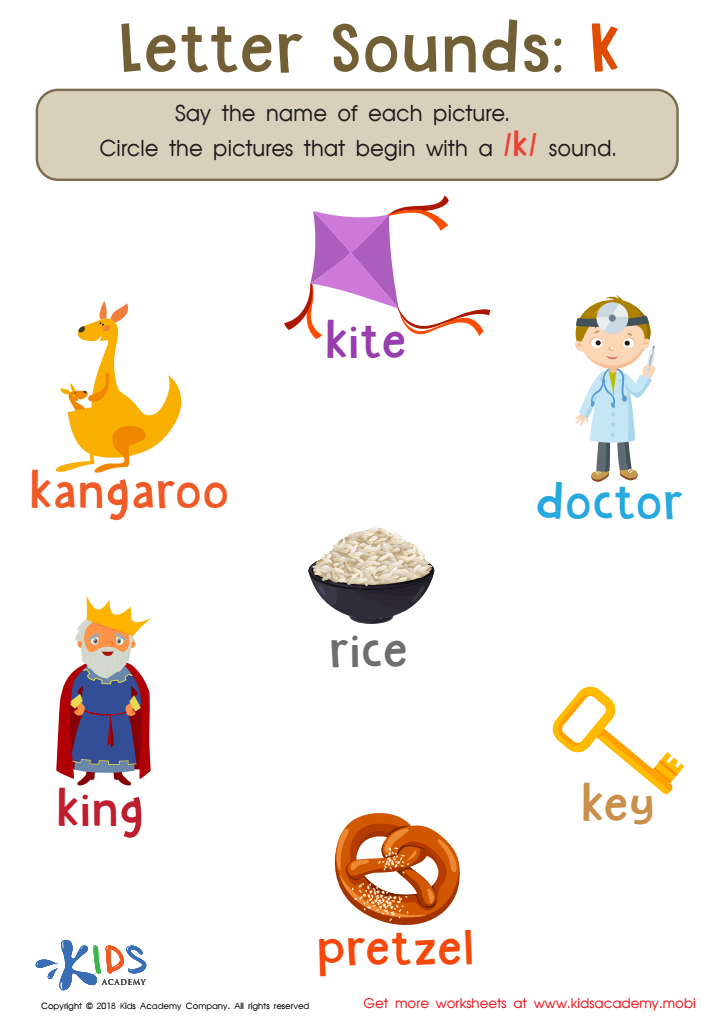
Letter K Sounds Worksheet
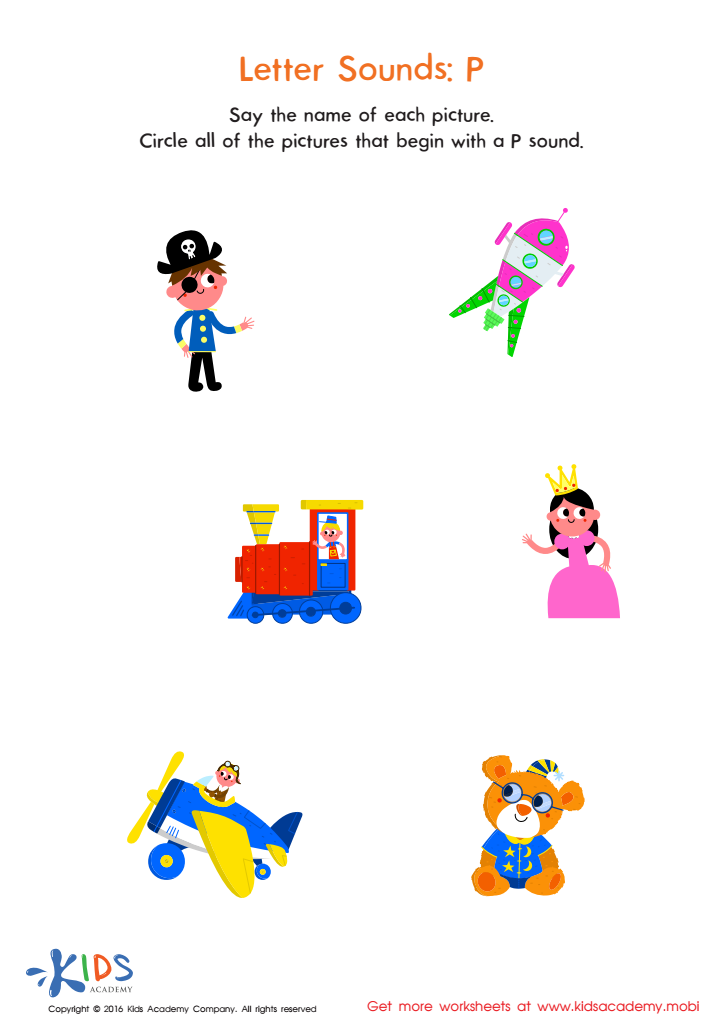
Letter P Sound Worksheet
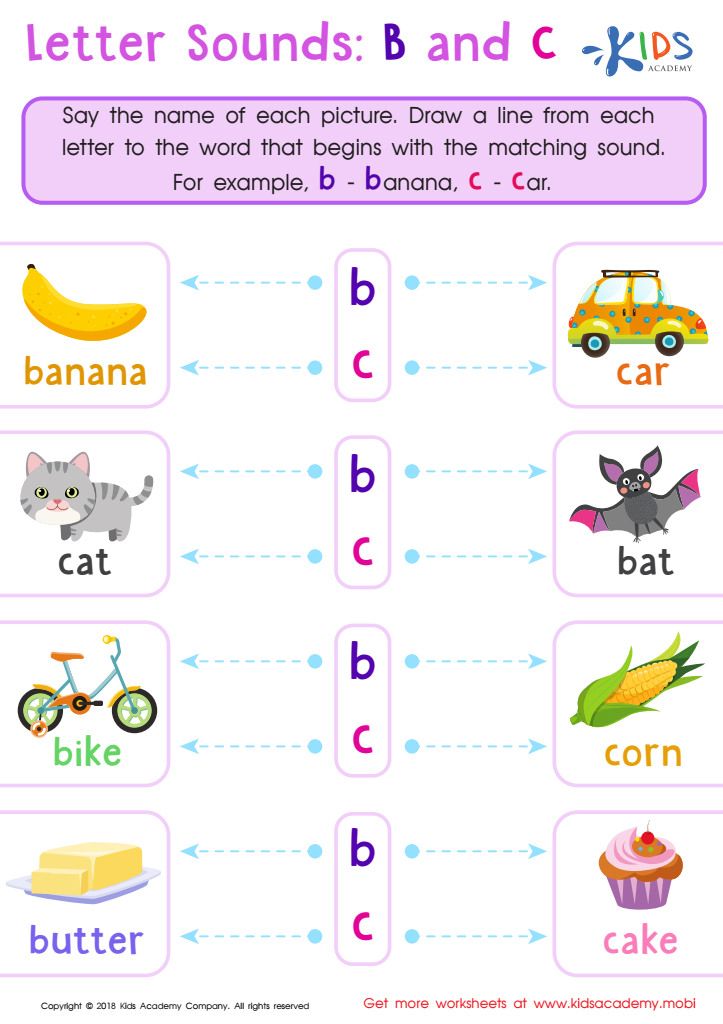
Letter B and C Sounds Worksheet
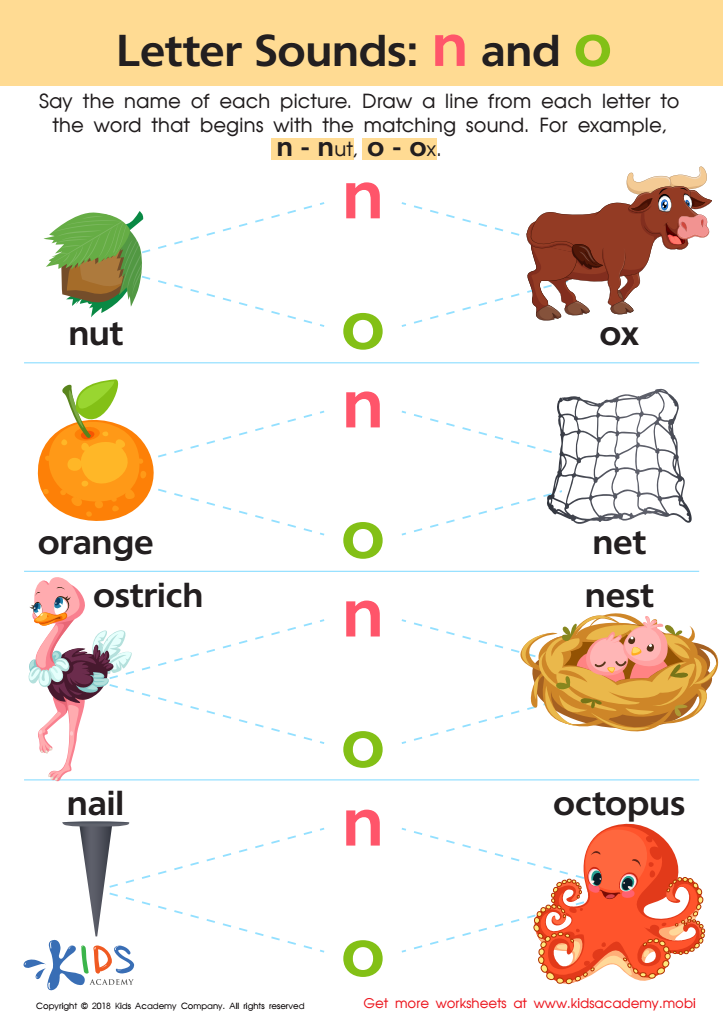
Letter N and O Sounds Worksheet
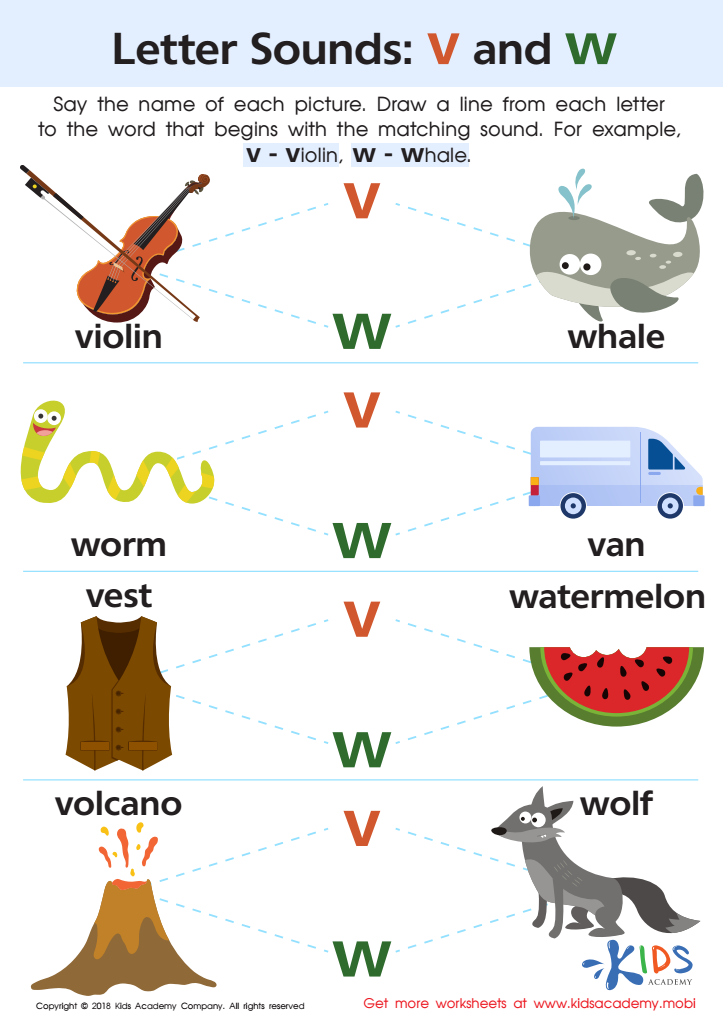
Letter V and W Sounds Worksheet
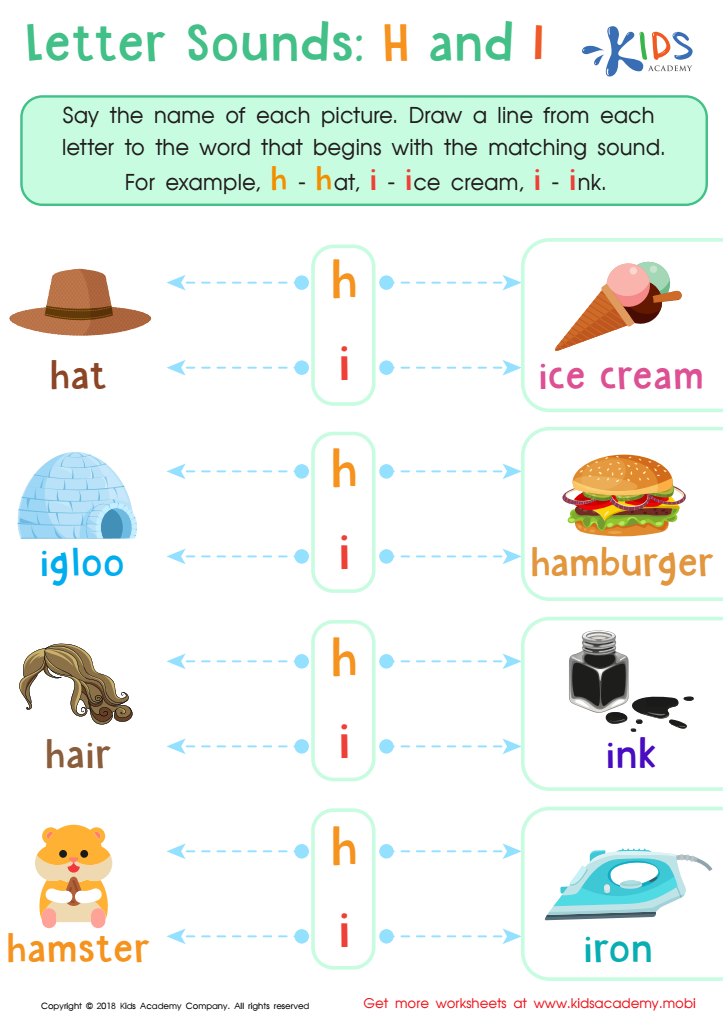
Letter H and I Sounds Worksheet
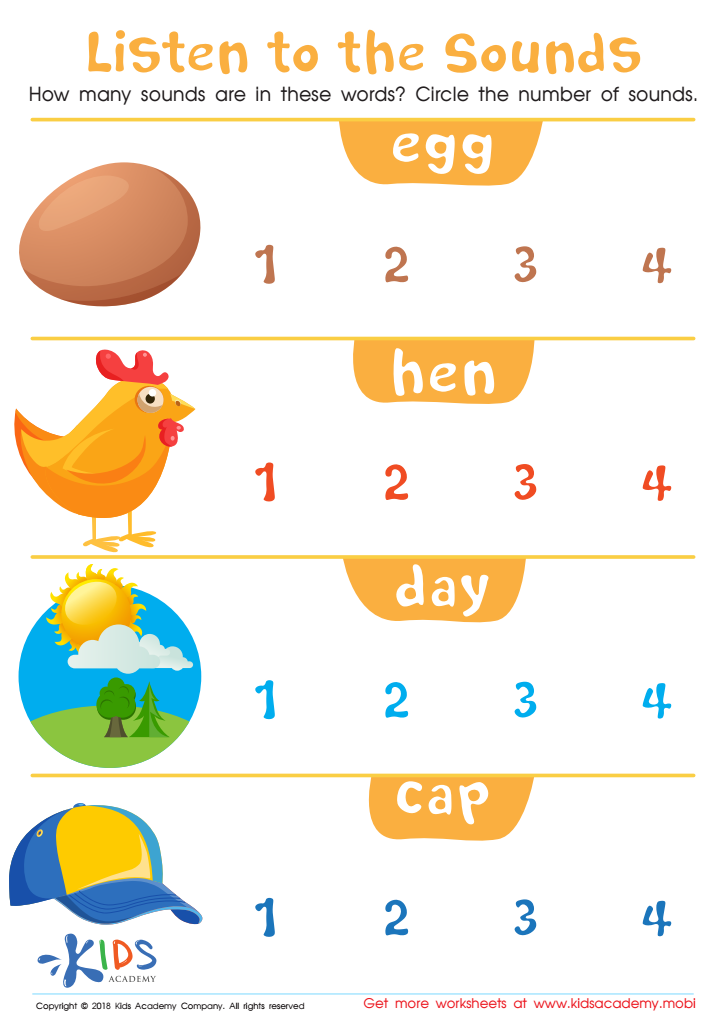
Listen to the Sounds Worksheet
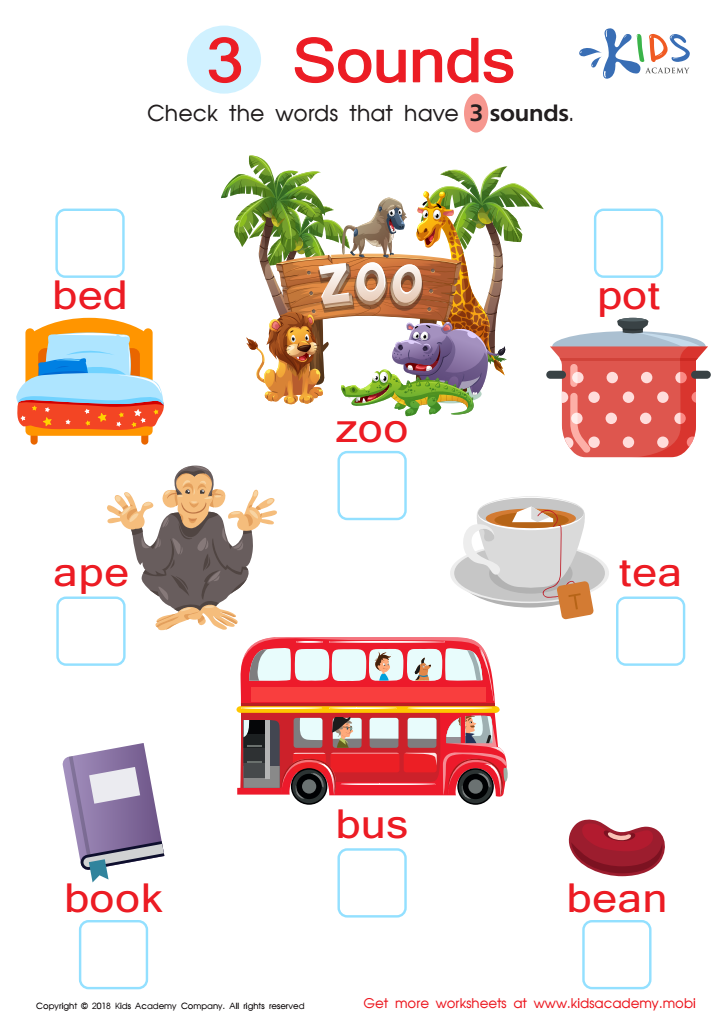
3 Sounds Worksheet
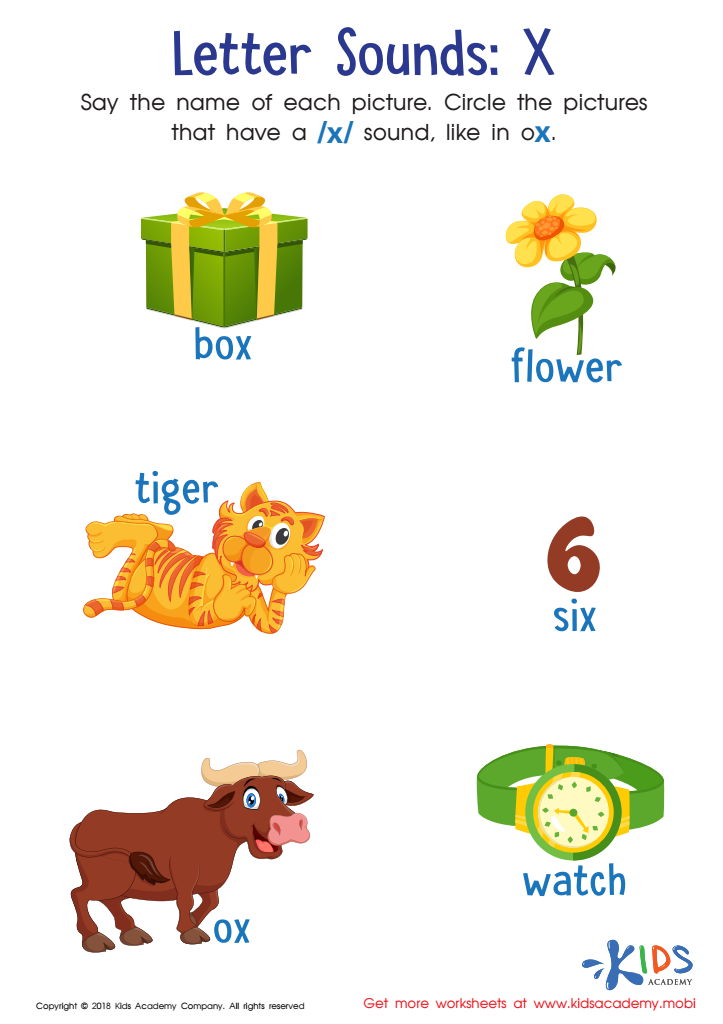
Letter X Sounds Worksheet
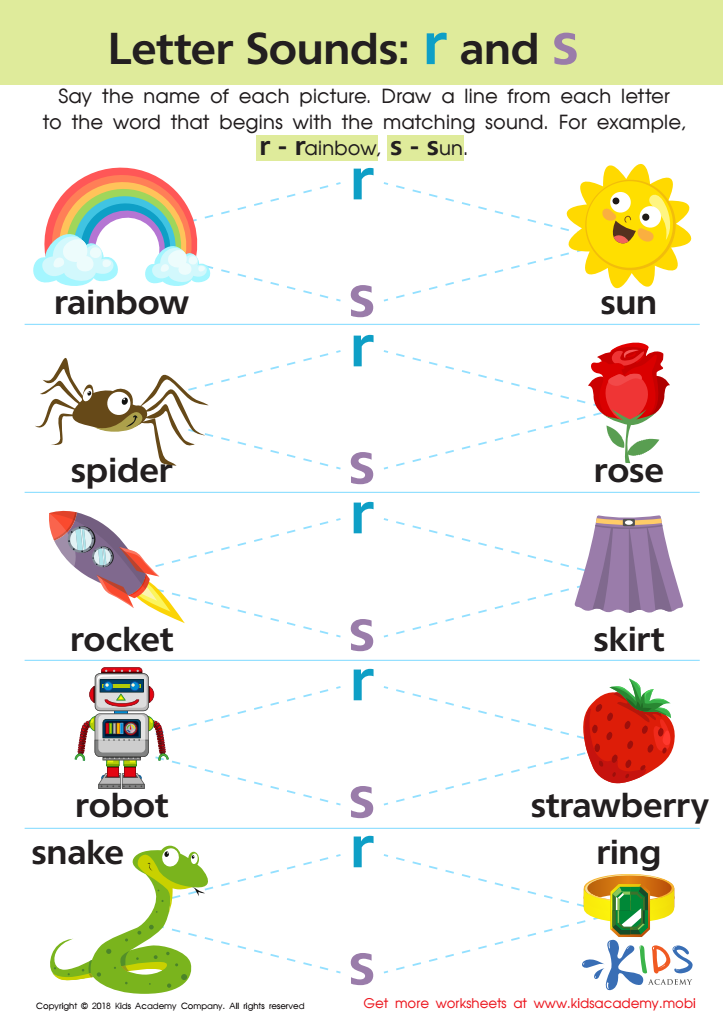
Letter R and S Sounds Worksheet
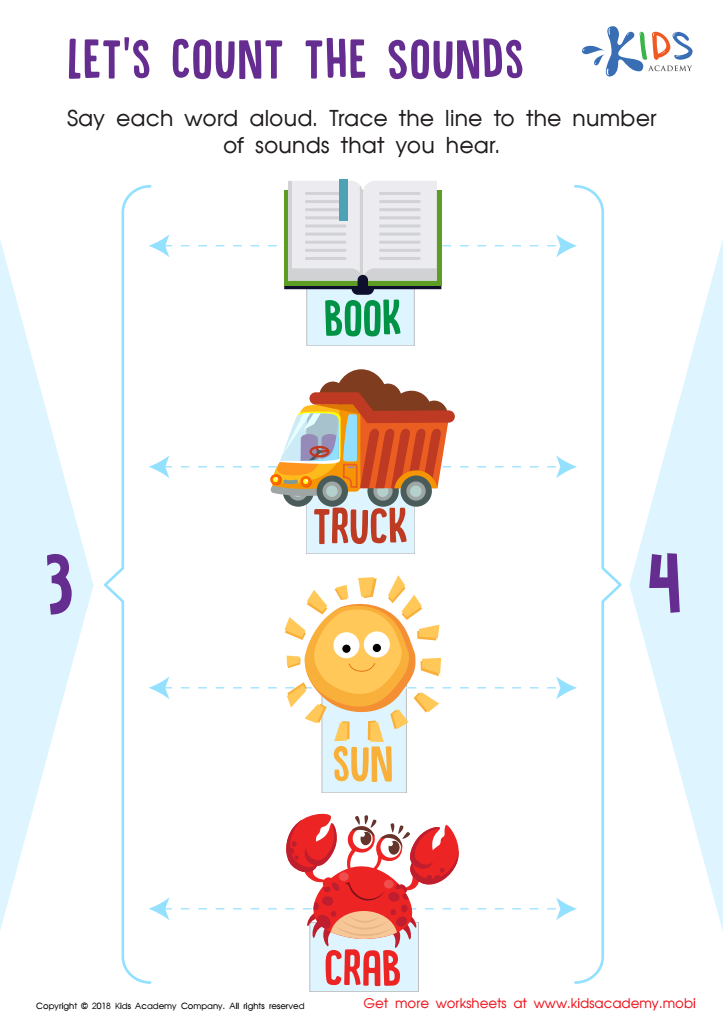
Let's Count the Sounds Worksheet
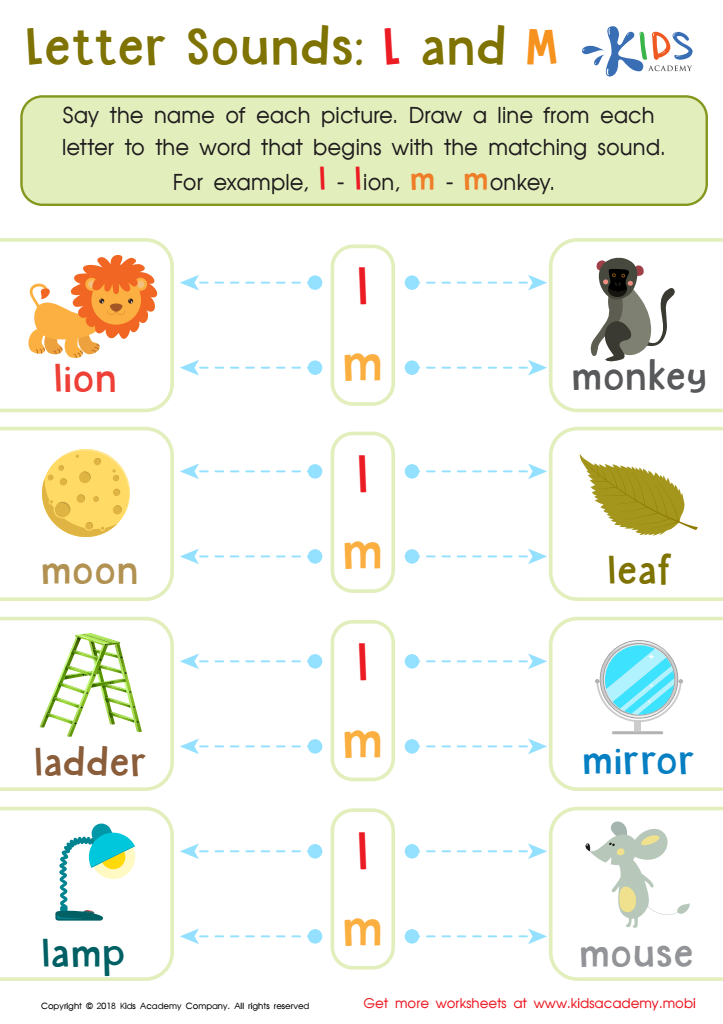
Letter l and M Sounds Worksheet
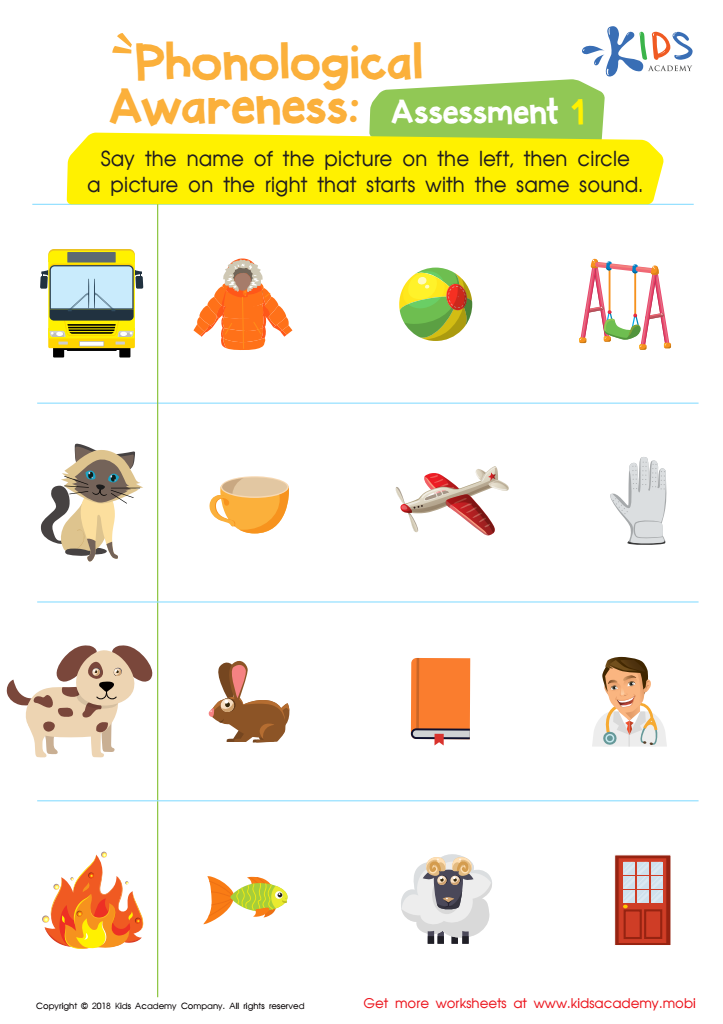
Phonological Awareness: Assessment 1 Worksheet
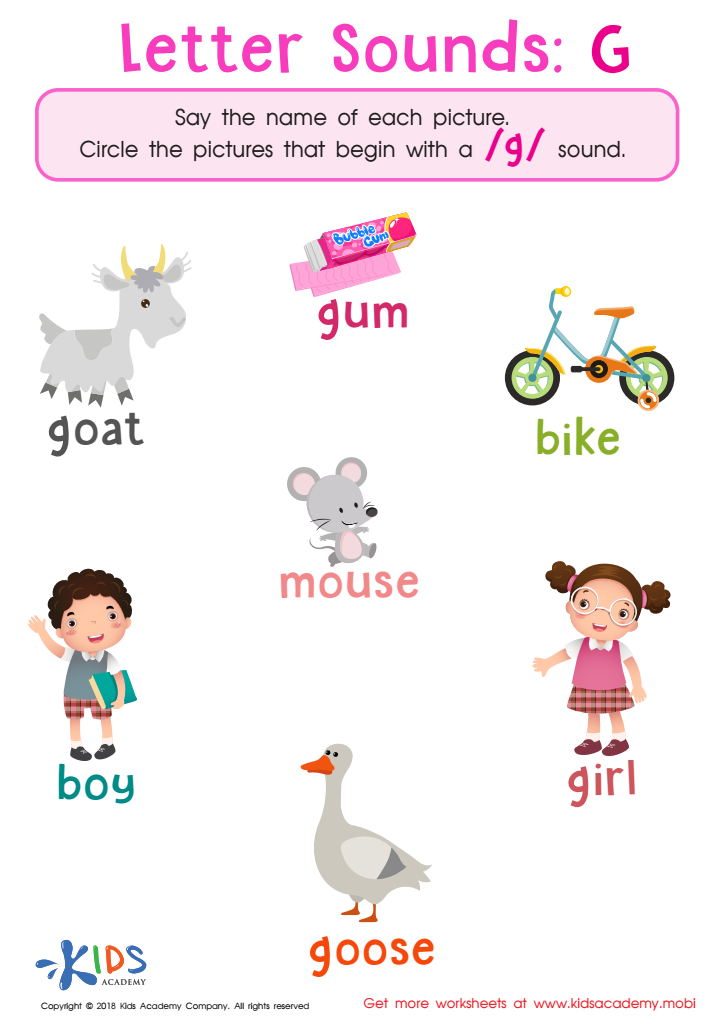
Letter G Sounds Worksheet
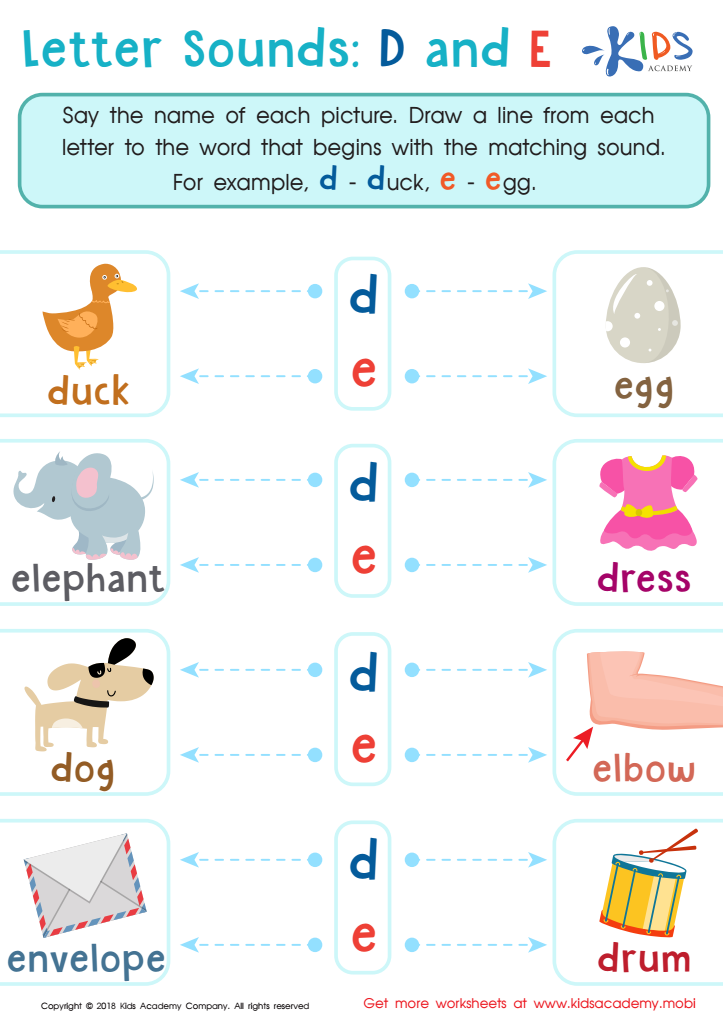
Letter D and E Sounds Worksheet








Sound association and normal letter sounds are crucial components of early literacy development for children ages 5-8. As children begin their educational journey, developing a strong understanding of phonetics enables them to decode words and enhance their reading skills. Sound association helps children connect letters to their respective sounds, creating a foundation for reading and writing.
When children grasp how sounds correspond to letters, they become empowered readers and writers. This skill contributes to phonemic awareness, allowing kids to blend sounds into words, segment words into sounds, and manipulate phonemes. Mastery of letter-sound associations fosters confidence, reduces frustration, and enhances a child’s ability to comprehend text independently.
For parents and teachers, prioritizing sound association means actively engaging children in activities that enhance these skills, such as phonics games, rhyming activities, and shared reading experiences. This engagement not only accelerates literacy development but also cultivates a love for reading.
Ultimately, focusing on sound association and normal letter sounds provides children with the tools they need to succeed academically and build lifelong literacy skills, setting the stage for future learning and growth. Thus, parents and teachers play a vital role in ensuring that children achieve critical early literacy milestones.






