Normal Upper & Lowercase Letters Worksheets for Ages 5-8 - Page 2
44 filtered results
-
From - To

Find Uppercase Letters A, B, and C Worksheet
 Assign to My Students

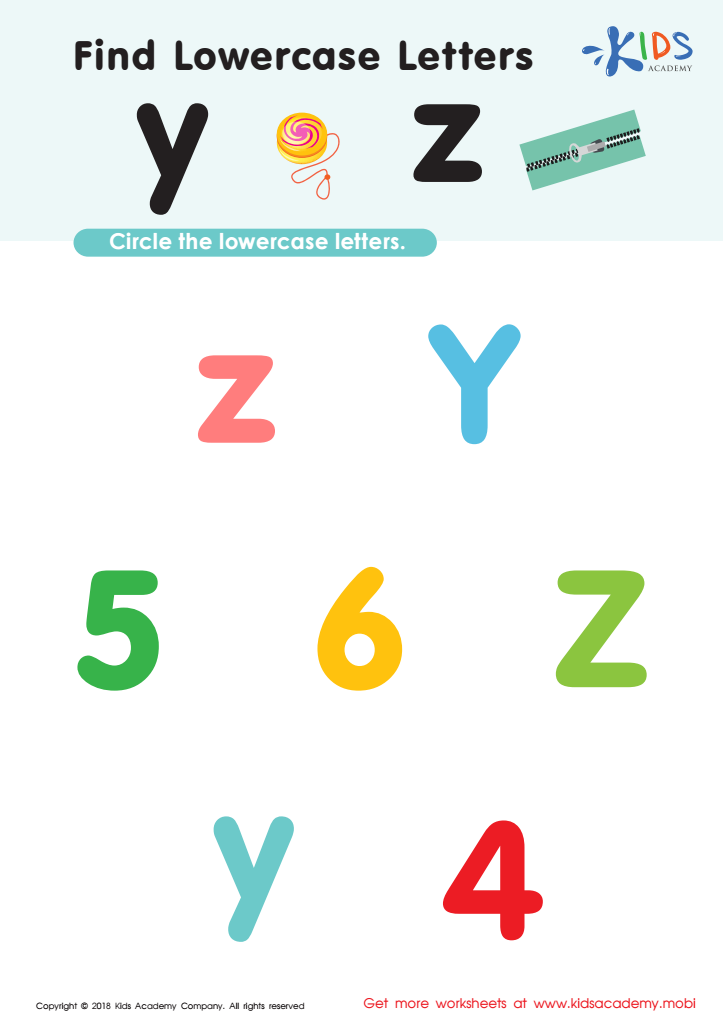
Find Lowercase Letters y z Worksheet
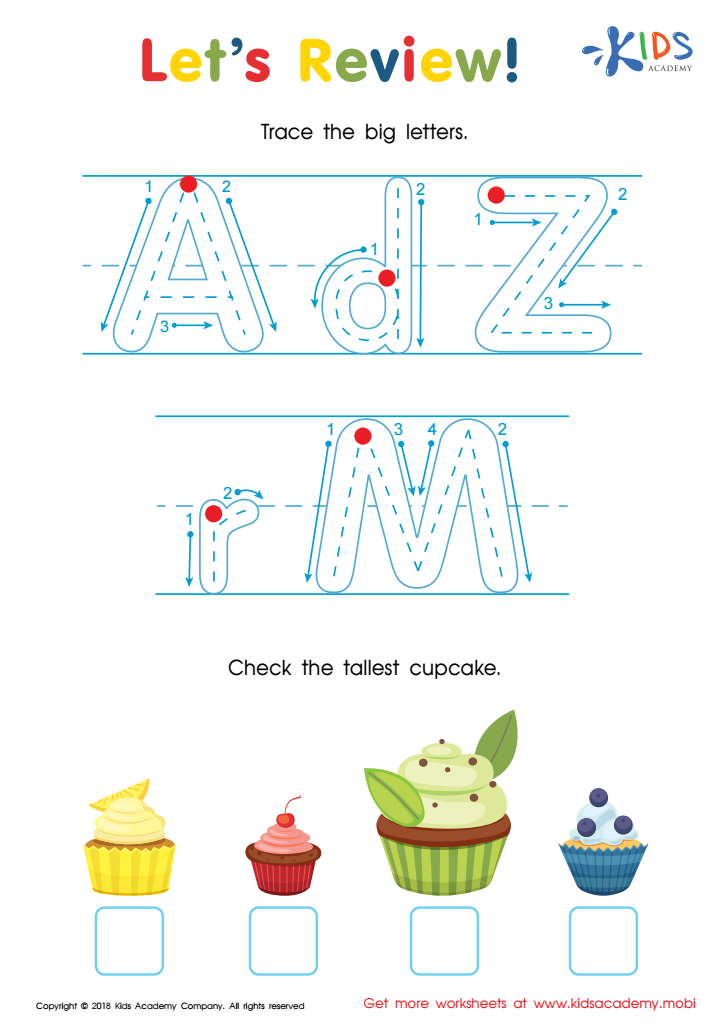
Let's Review! Big Letters Worksheet
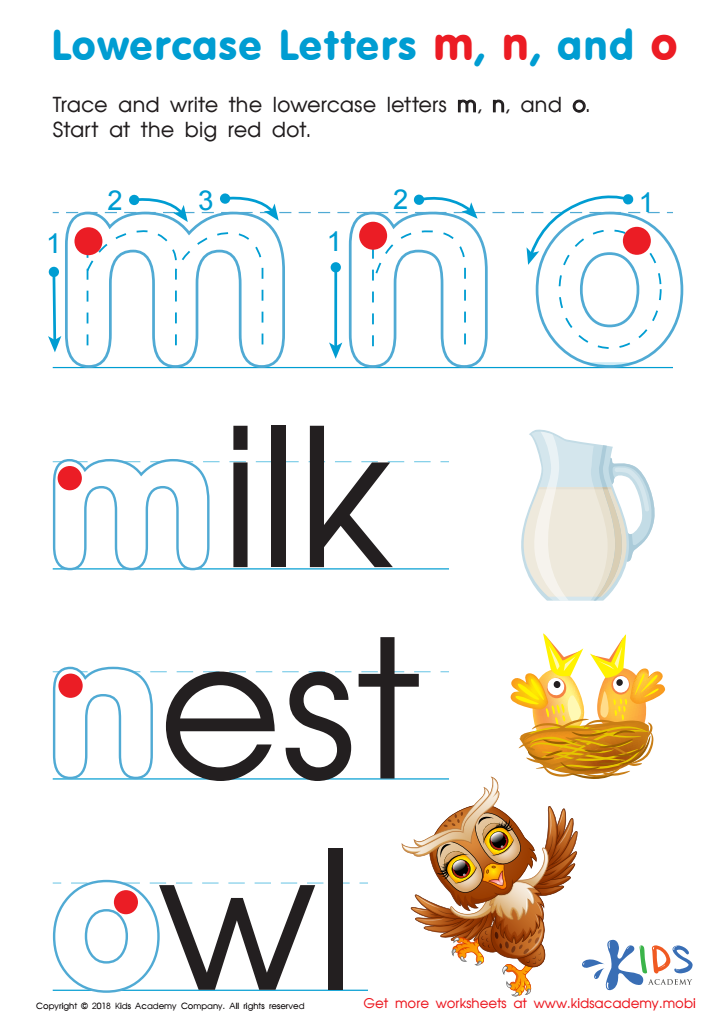
Lowercase Letters m n o Worksheet
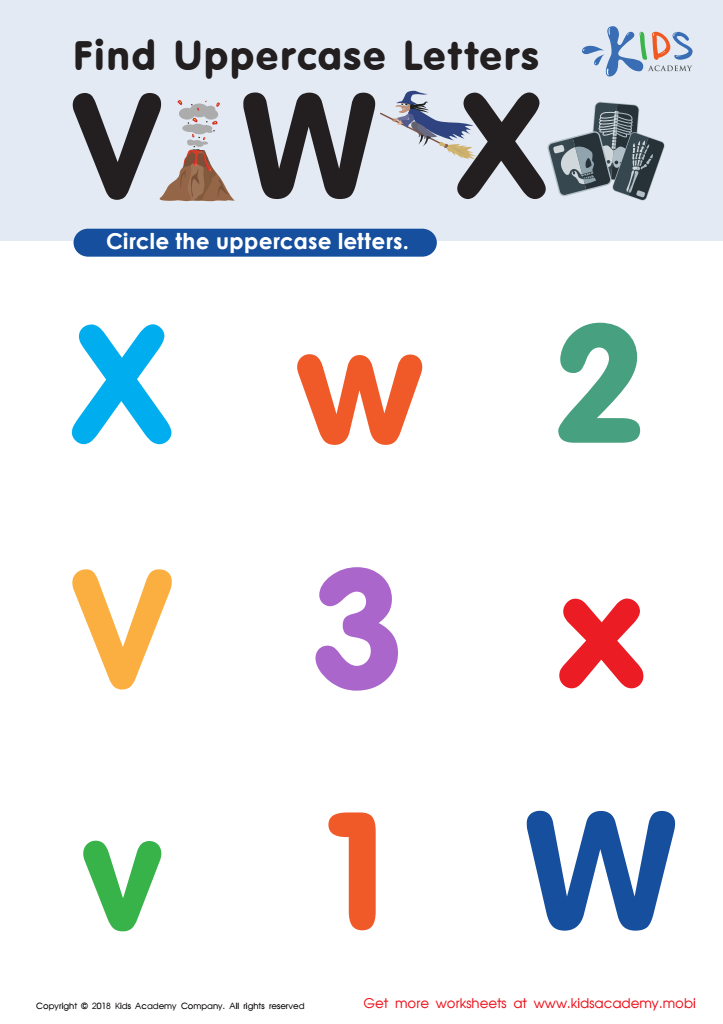
Find Uppercase Letters V, W, X Worksheet
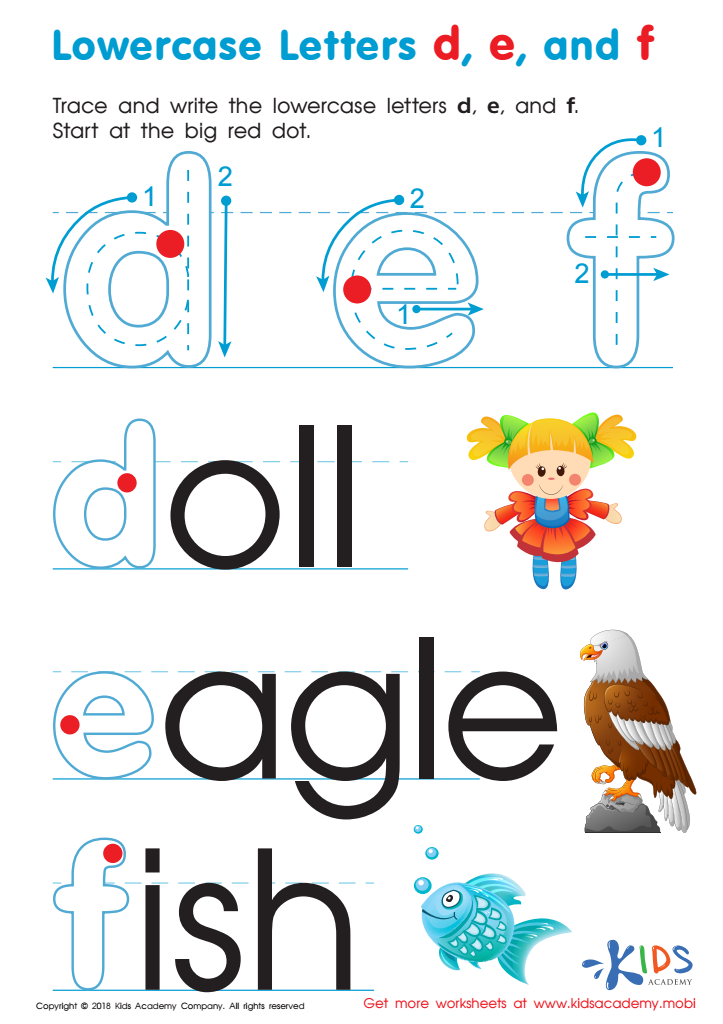
Lowercase Letters d e f Worksheet
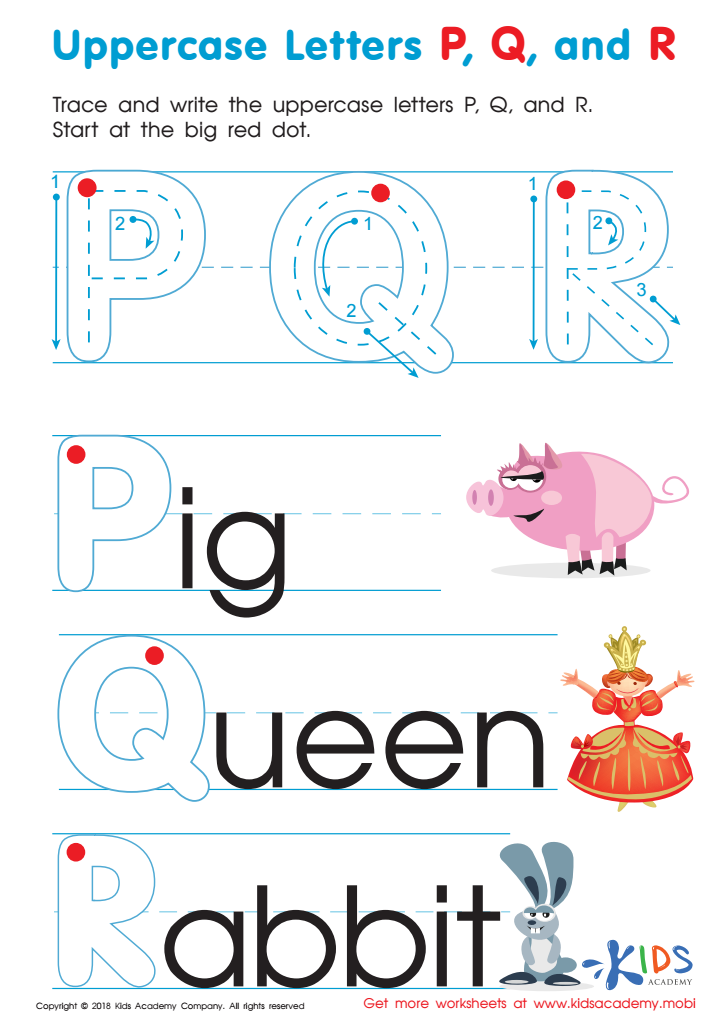
Uppercase Letters P, Q, and R Worksheet
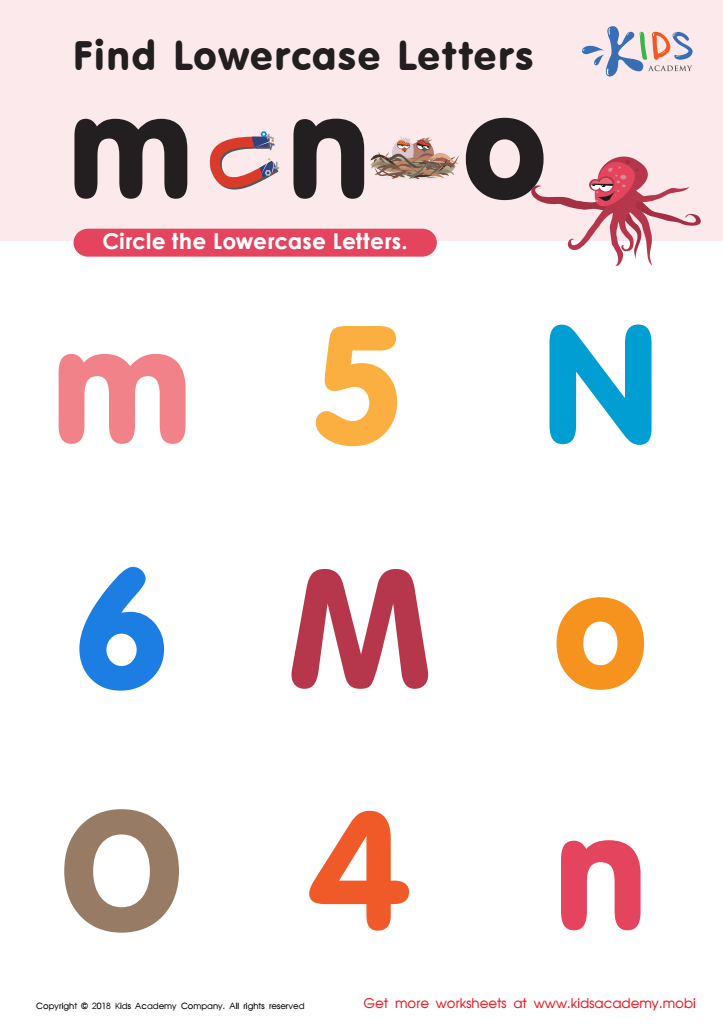
Find Lowercase Letters m n o Worksheet
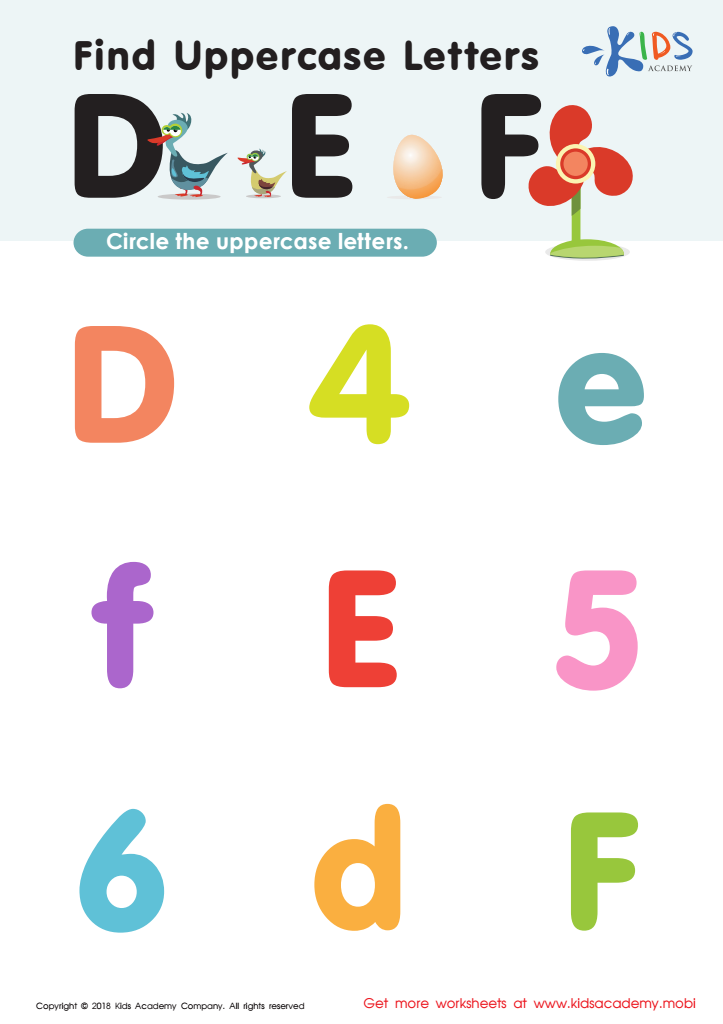
Find Uppercase Letters D, E, and F Worksheet
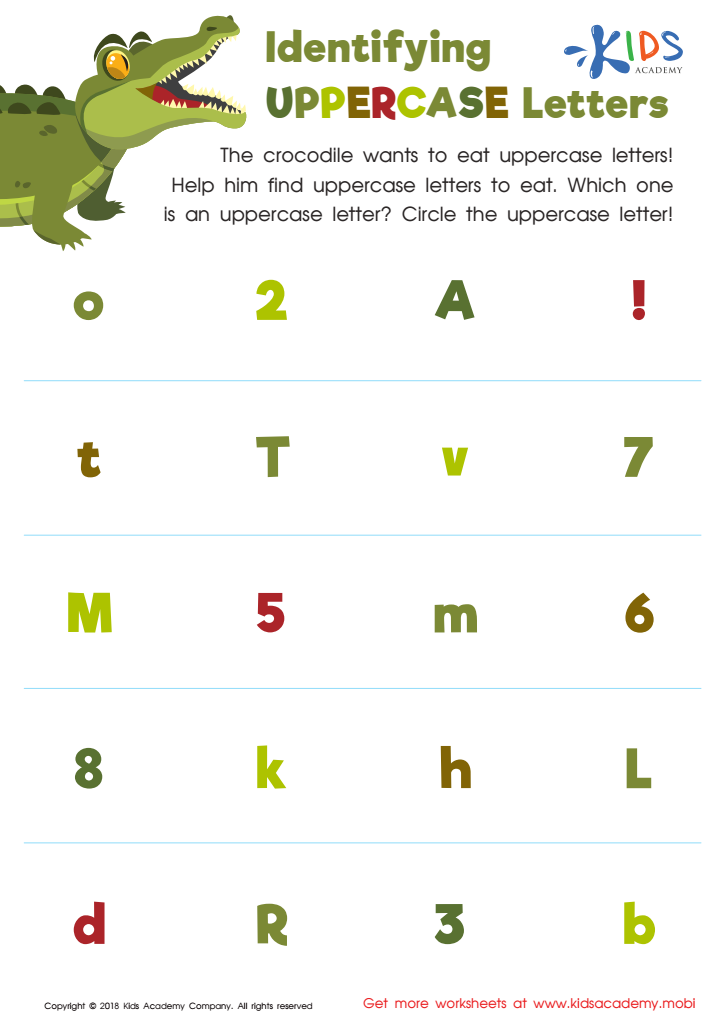
Identifying Uppercase Letters Worksheet

Find lowercase letters a b c Worksheet
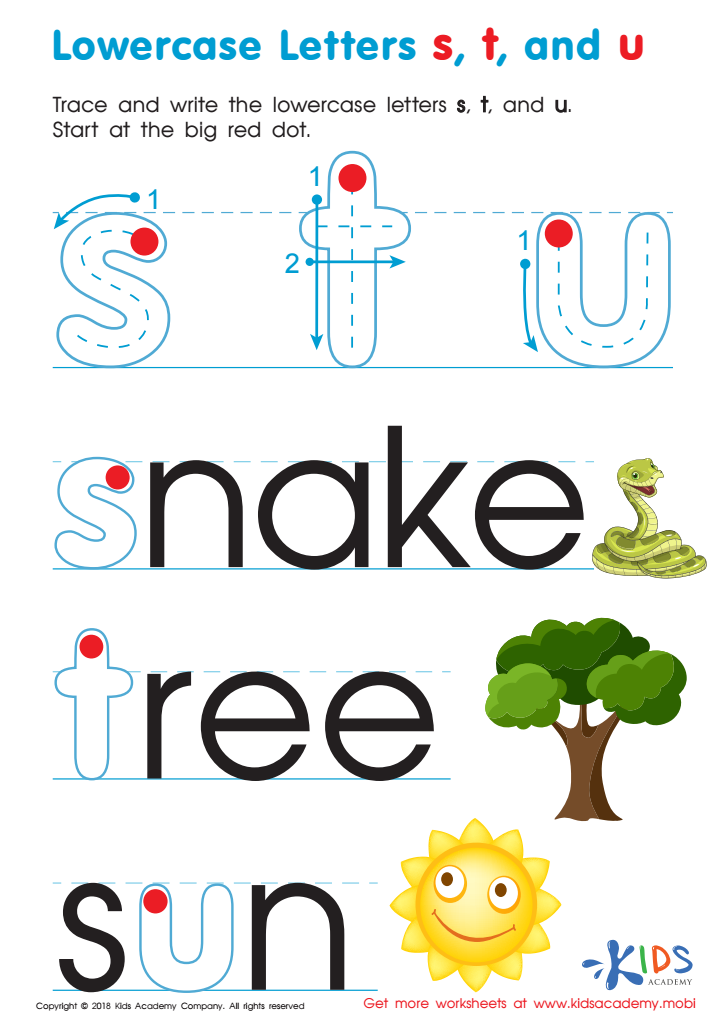
Lowercase Letters s t u Worksheet
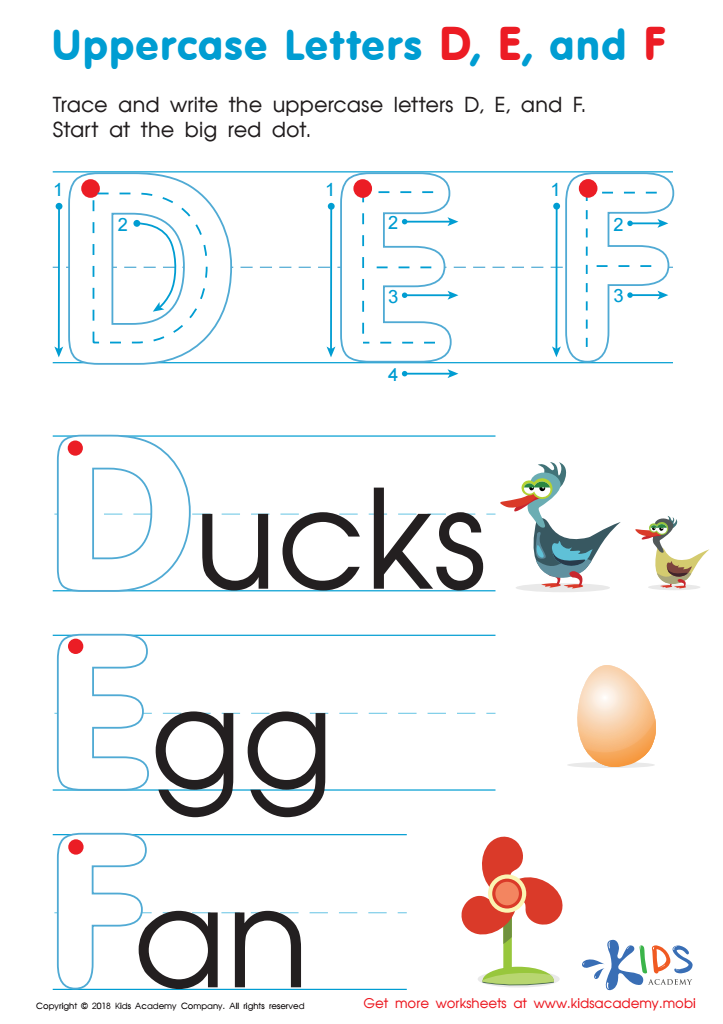
Uppercase Letters D, E, and F Worksheet

Find Lowercase Letters v w x Worksheet
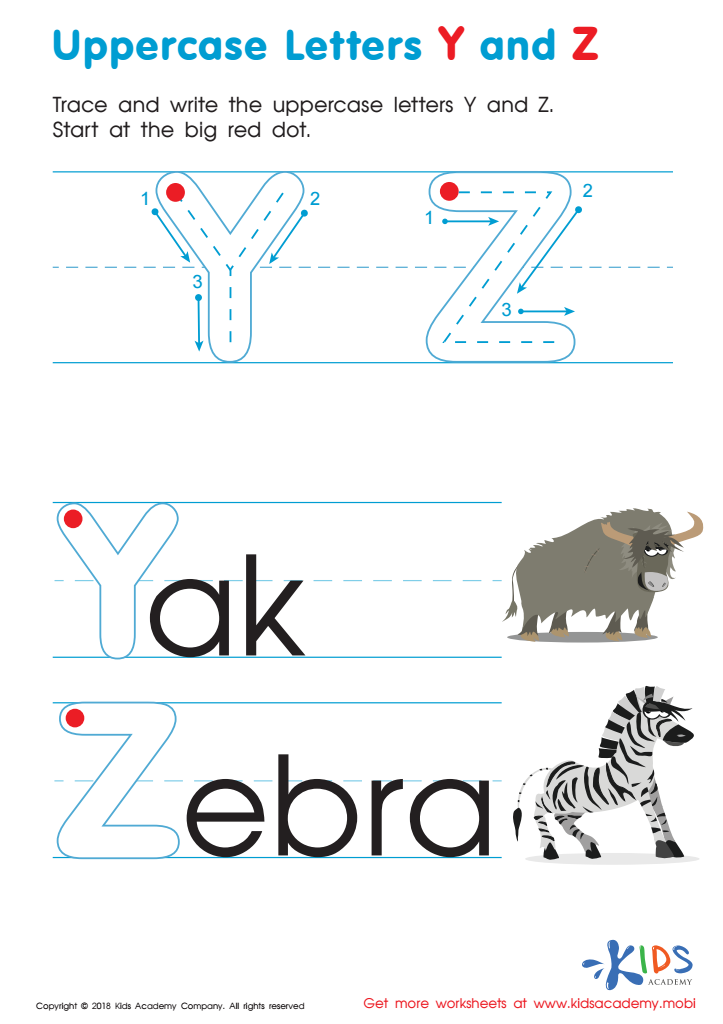
Uppercase Letters Y Z Worksheet
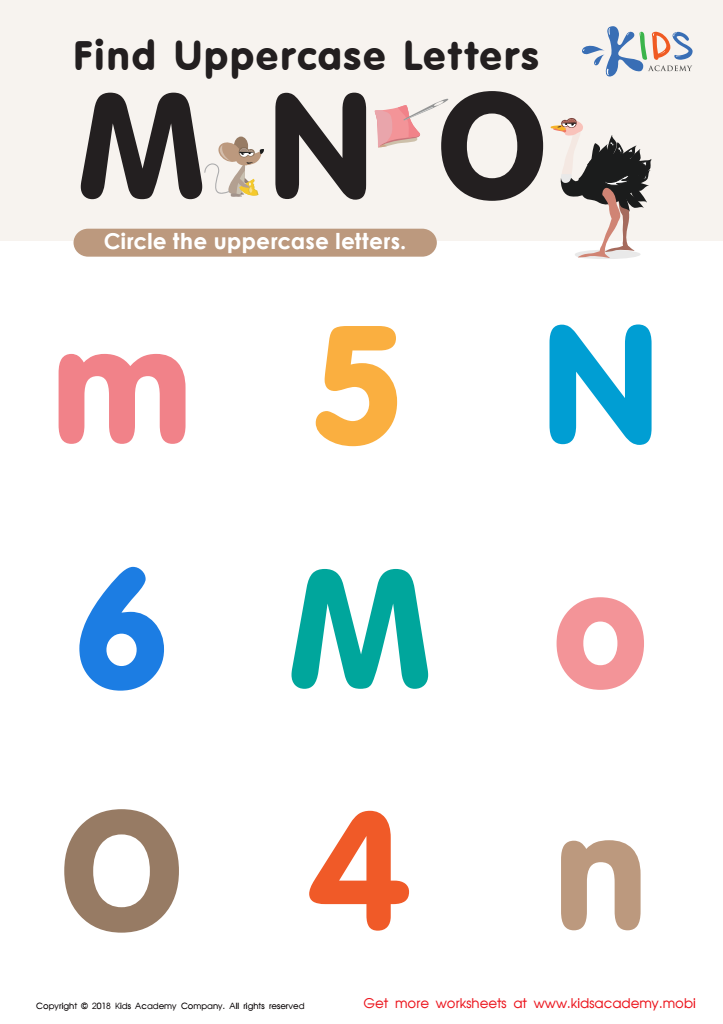
Find Uppercase Letters M, N, and O Worksheet
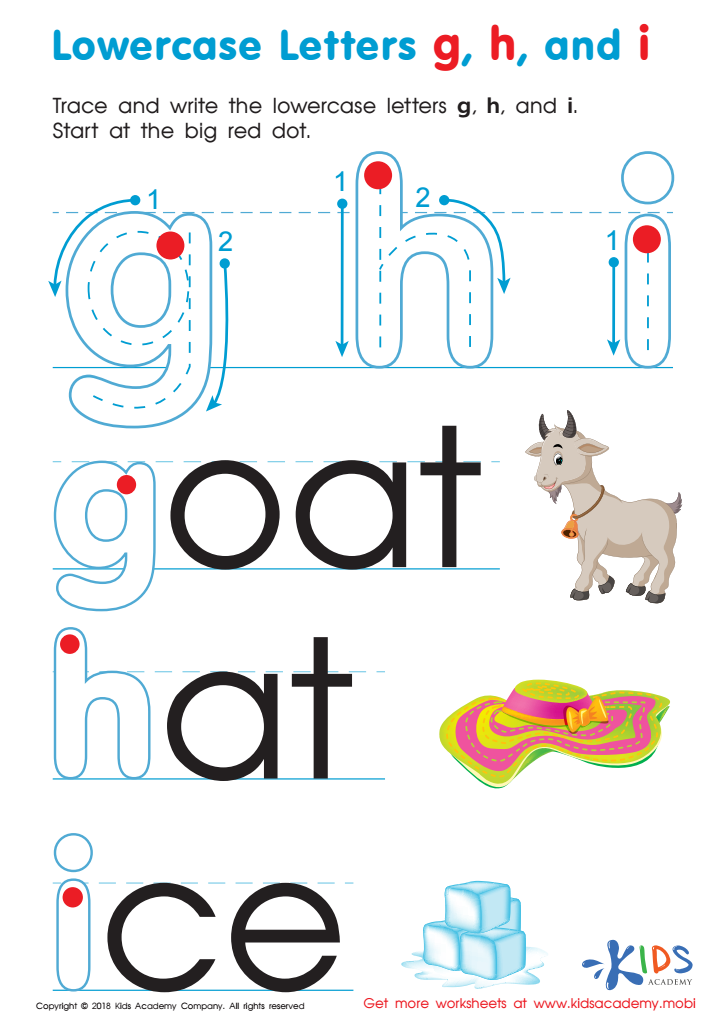
Lowercase Letters g h i Worksheet
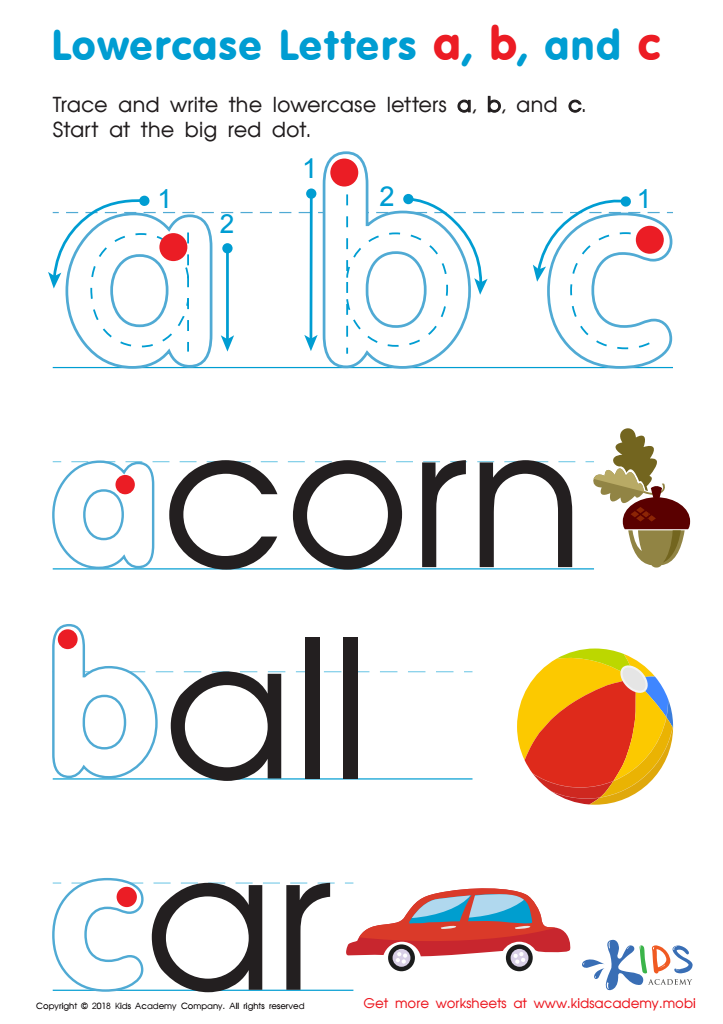
Lowercase Letters a b c Worksheet
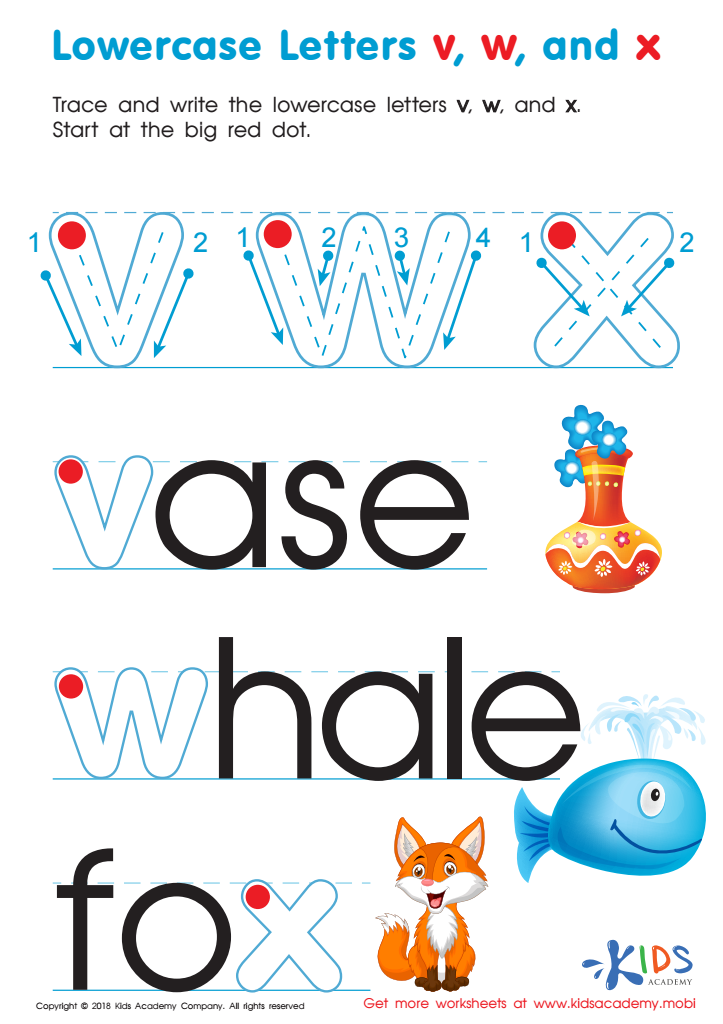
Lowercase Letters v w x Worksheet
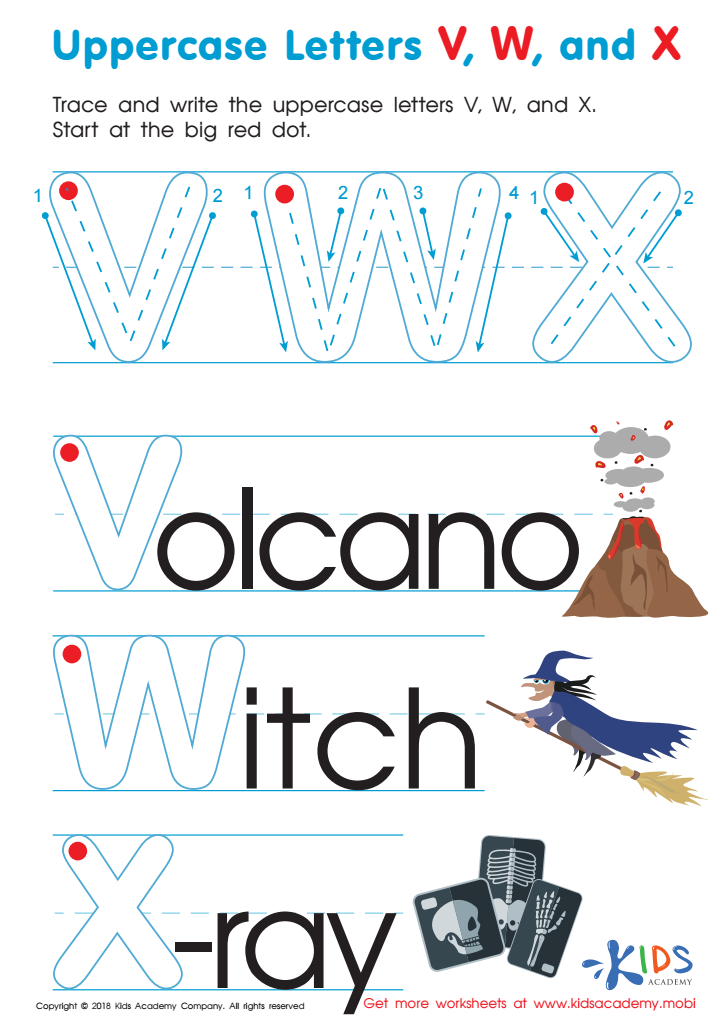
Uppercase Letters V, W, and X Worksheet






Understanding normal upper and lowercase letters is crucial for children aged 5-8, as it lays the foundation for literacy and effective communication skills. At this stage, students are beginning to develop their reading and writing abilities, making recognition of these letters essential for reading fluency and comprehension. Uppercase letters often appear at the beginning of sentences and proper nouns, while lowercase letters predominantly make up most text.
By teaching children to distinguish between these two forms, parents and teachers can enhance their phonemic awareness, helping them to decode words more effectively. This distinction also supports spelling and writing proficiency; children learn the conventions of writing, essential for clear communication. Moreover, regular practice with both uppercase and lowercase letters can boost confidence and foster a sense of achievement as children become proficient in using language.
Additionally, in a digital age where textual communication is predominant, grasping the proper use of letter cases is relevant for understanding email etiquette and online interactions. Ultimately, teaching boys and girls the significance and purpose behind normal upper and lowercase letters empowers them to express themselves articulately and ignites a passion for reading and writing in their formative years.







