Basic Math Skills Normal Worksheets for Ages 5-8 - Page 2
43 filtered results
-
From - To
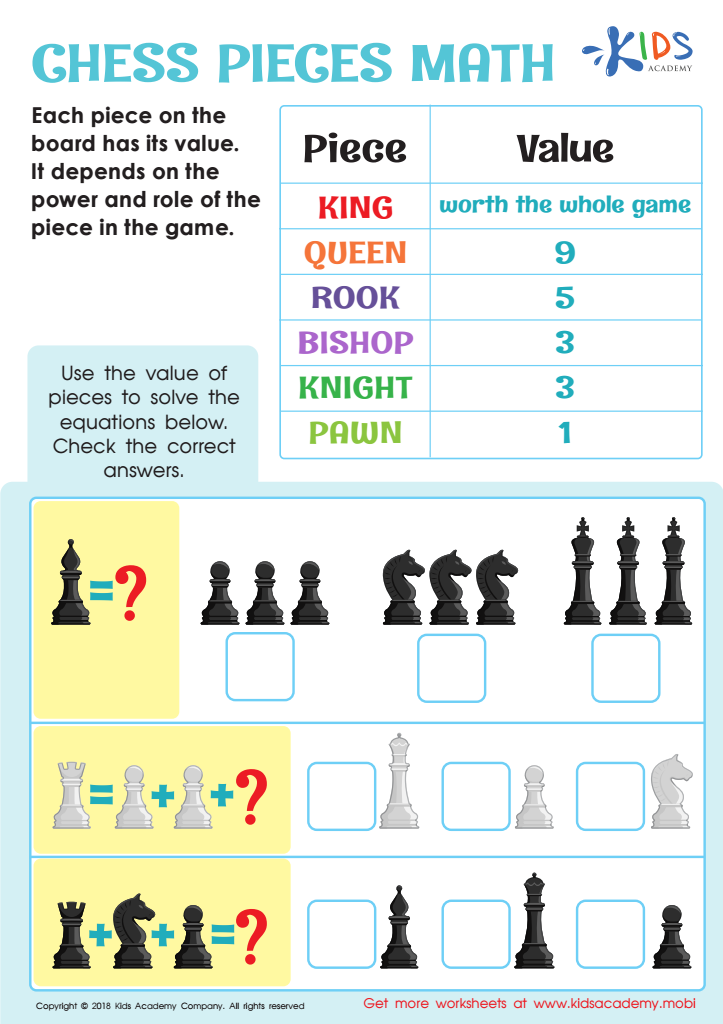
Chess Pieces Math Worksheet
 Assign to My Students
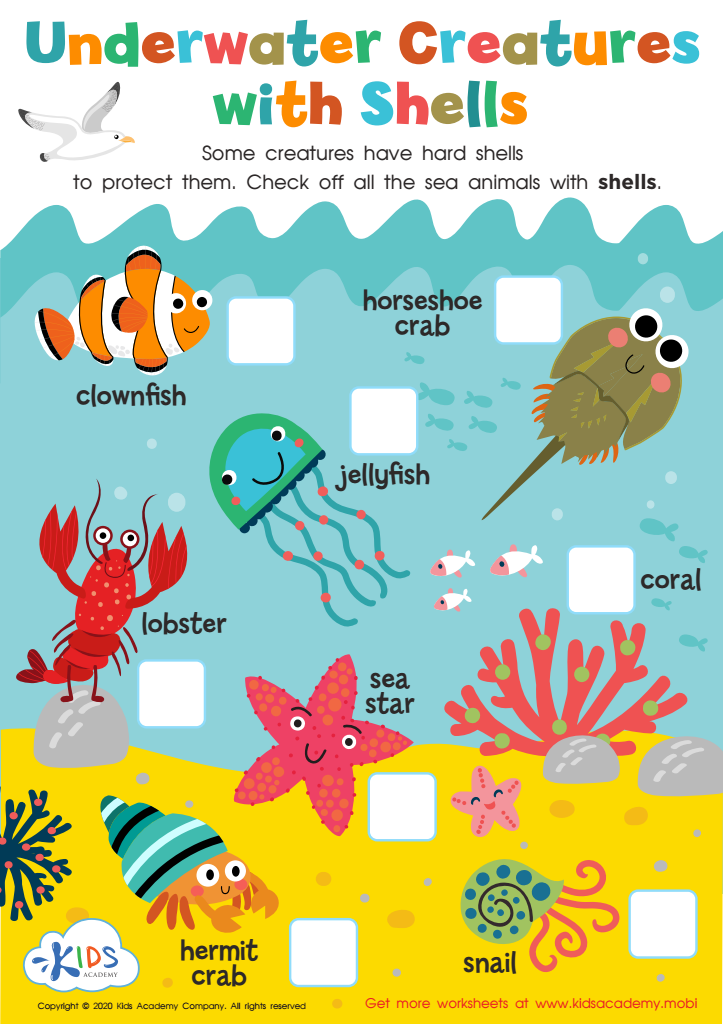
Underwater Creatures with Shells Worksheet
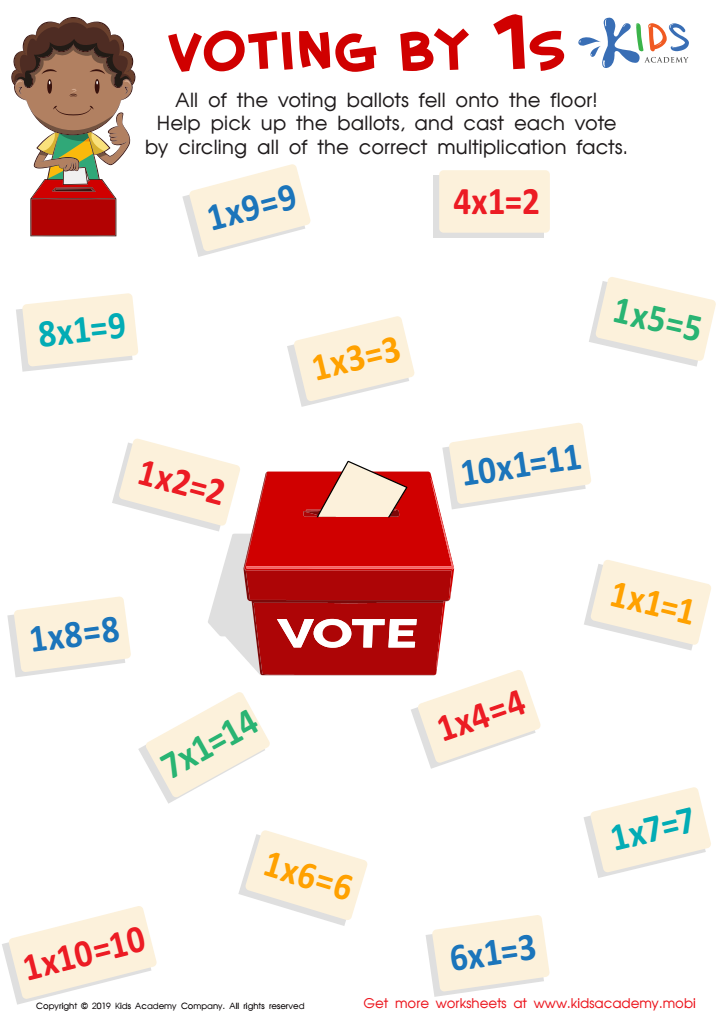
Voting by 1s Worksheet

Count and Match Vegetables and Points Math Worksheet
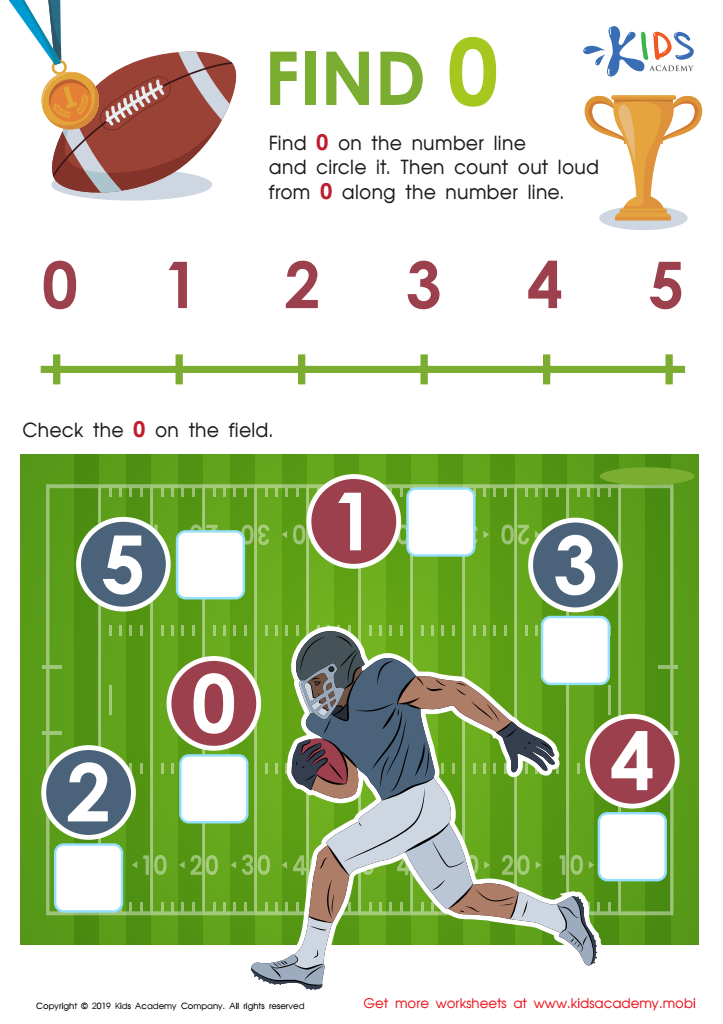
Find 0 Worksheet
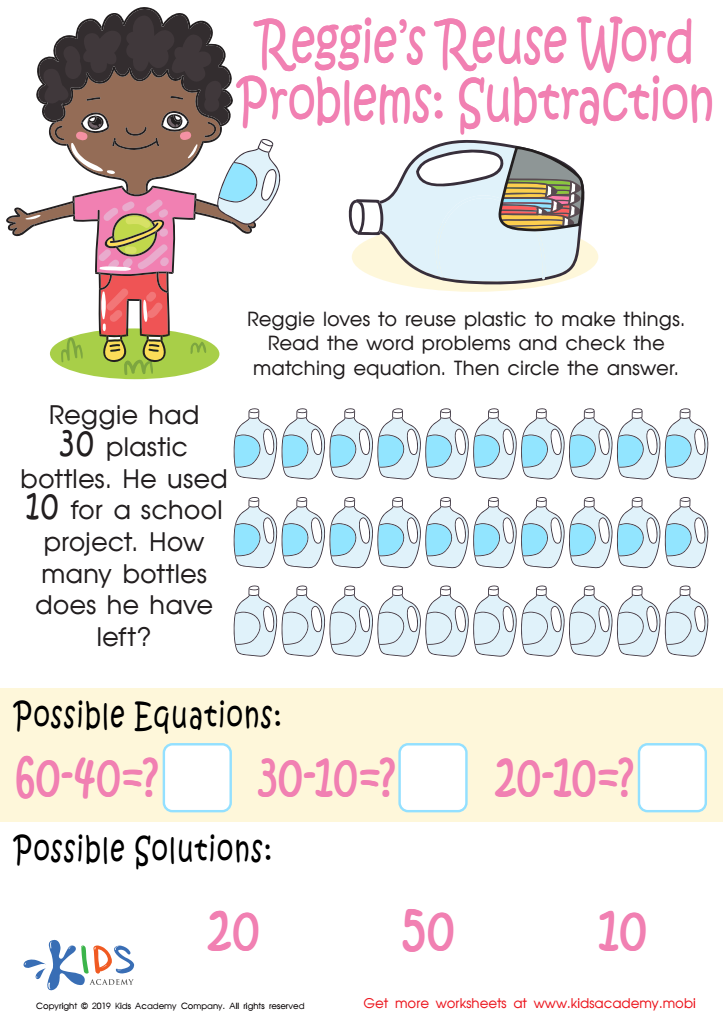
Reggie's Reuse Word Problems: Subtraction Worksheet
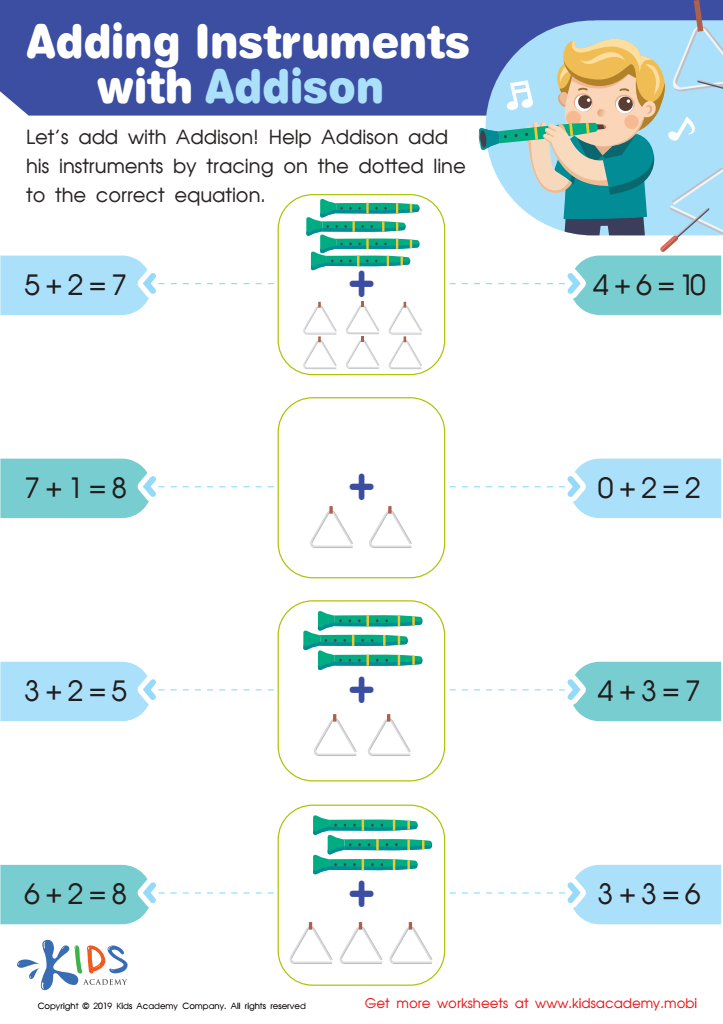
Adding Instruments with Addison Worksheet
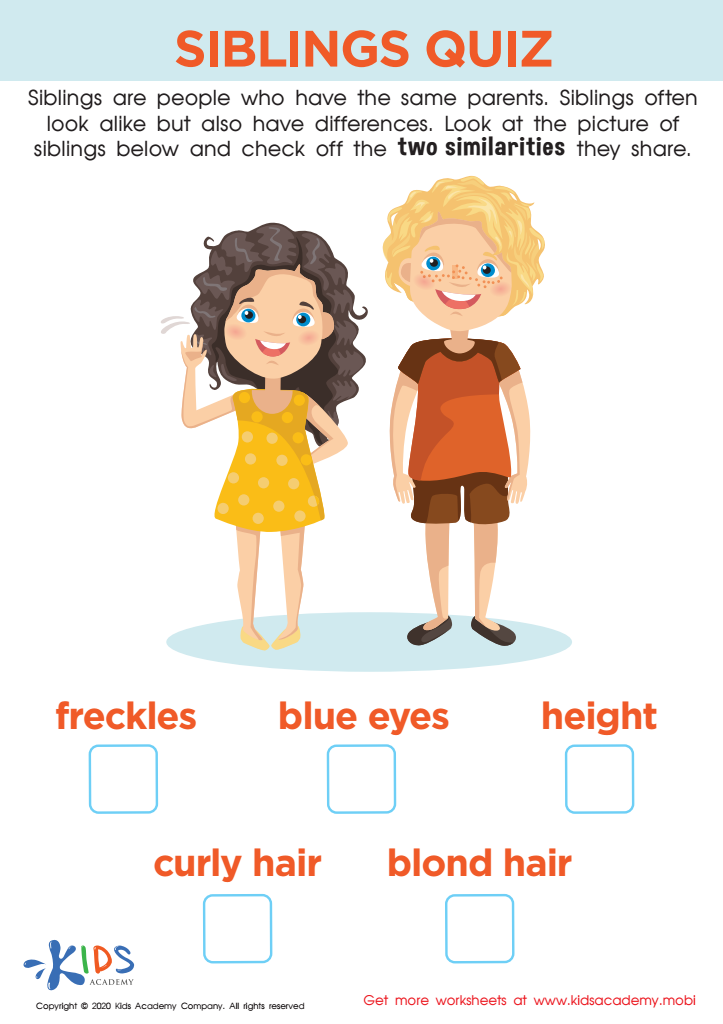
Siblings Quiz Worksheet
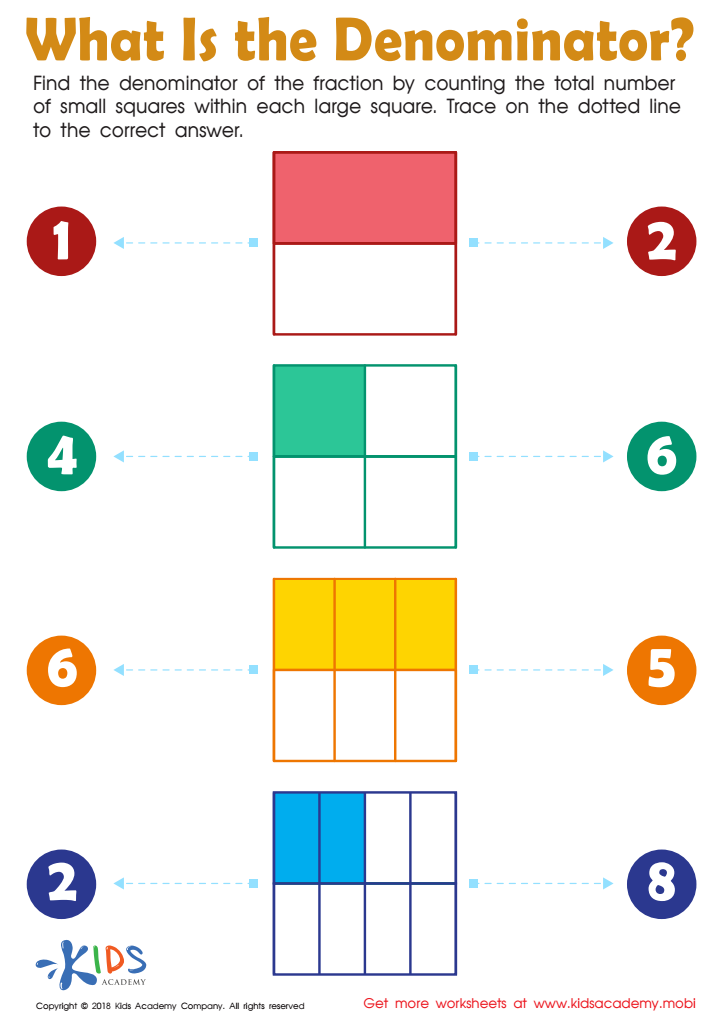
What Is the Denominator? Worksheet
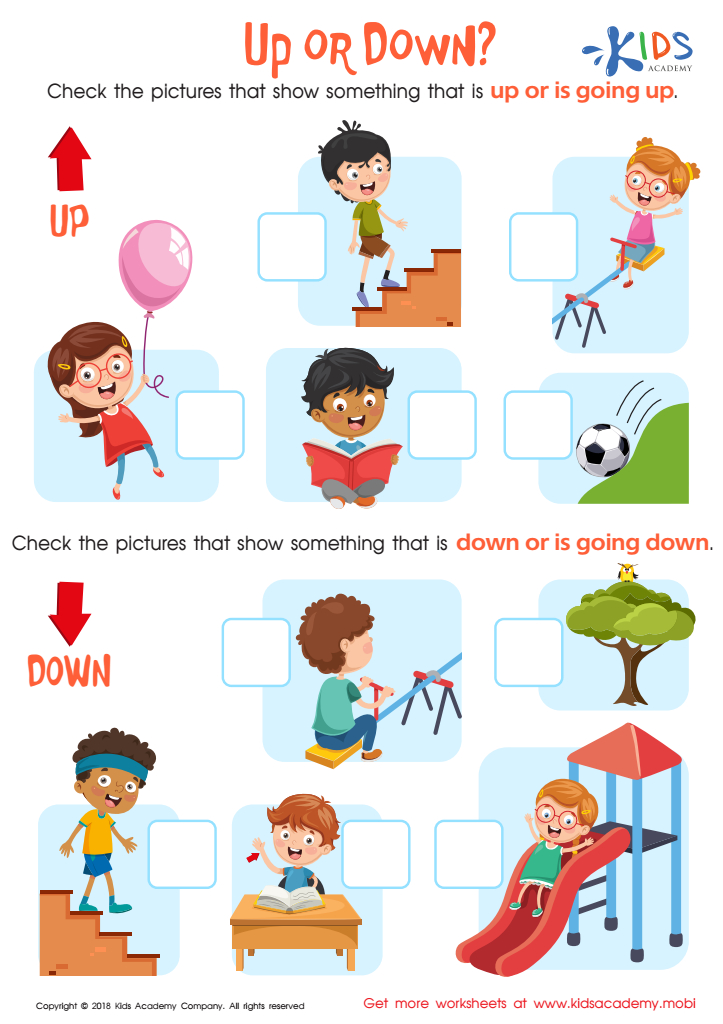
Up or Down Worksheet
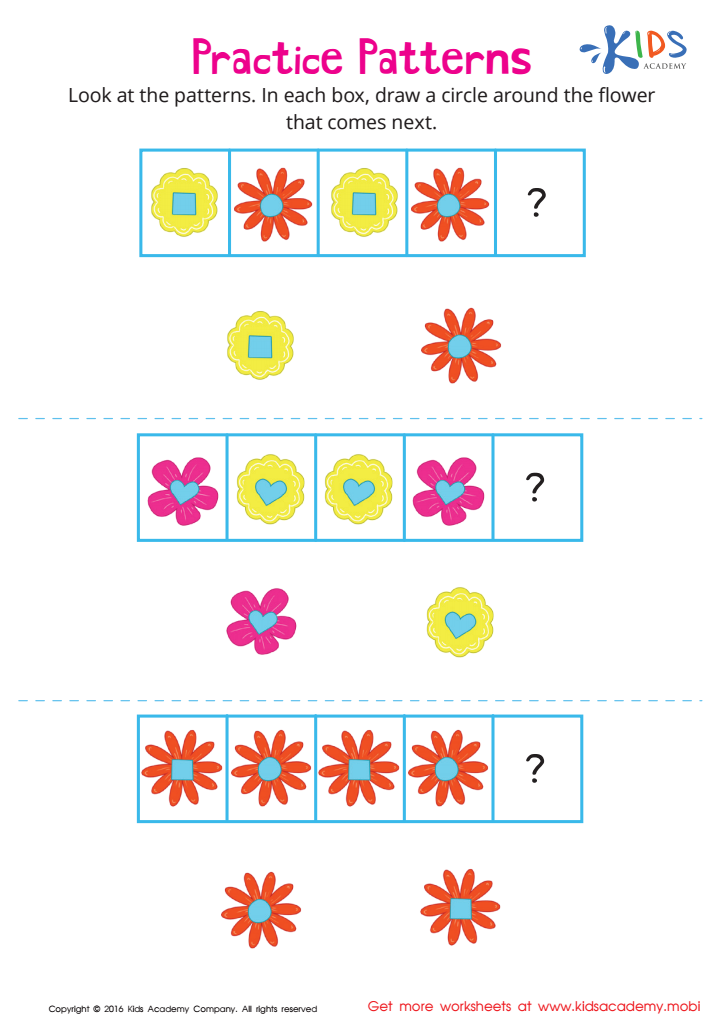

Count and Match Vegetables 1 – 5 Math Worksheet
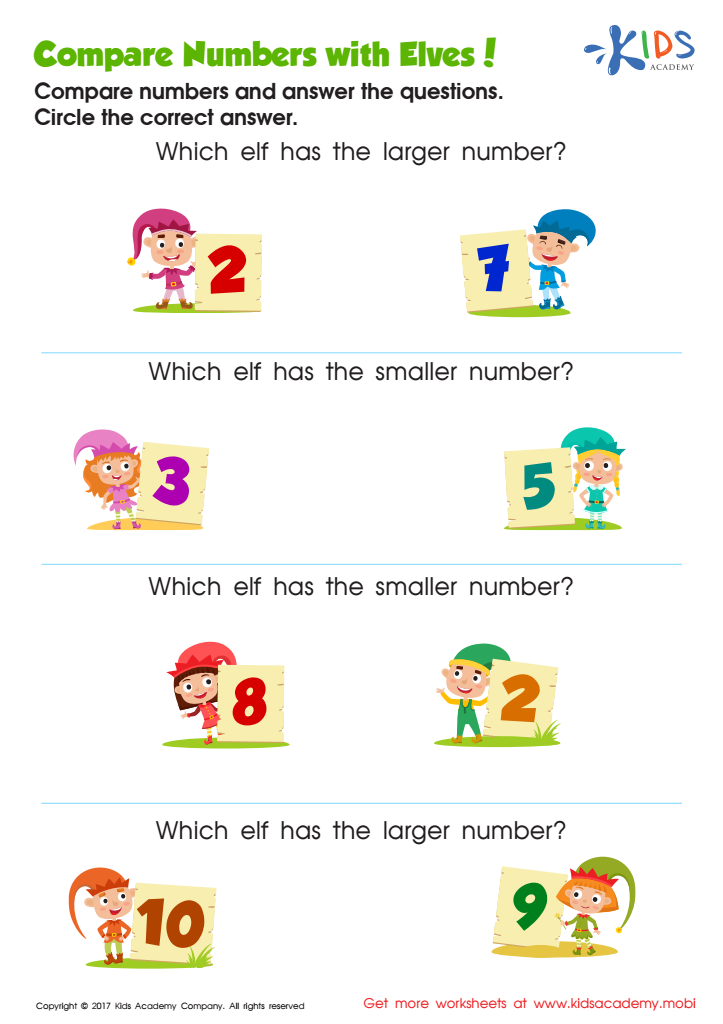
Comparing Numbers Worksheet for Kindergarten
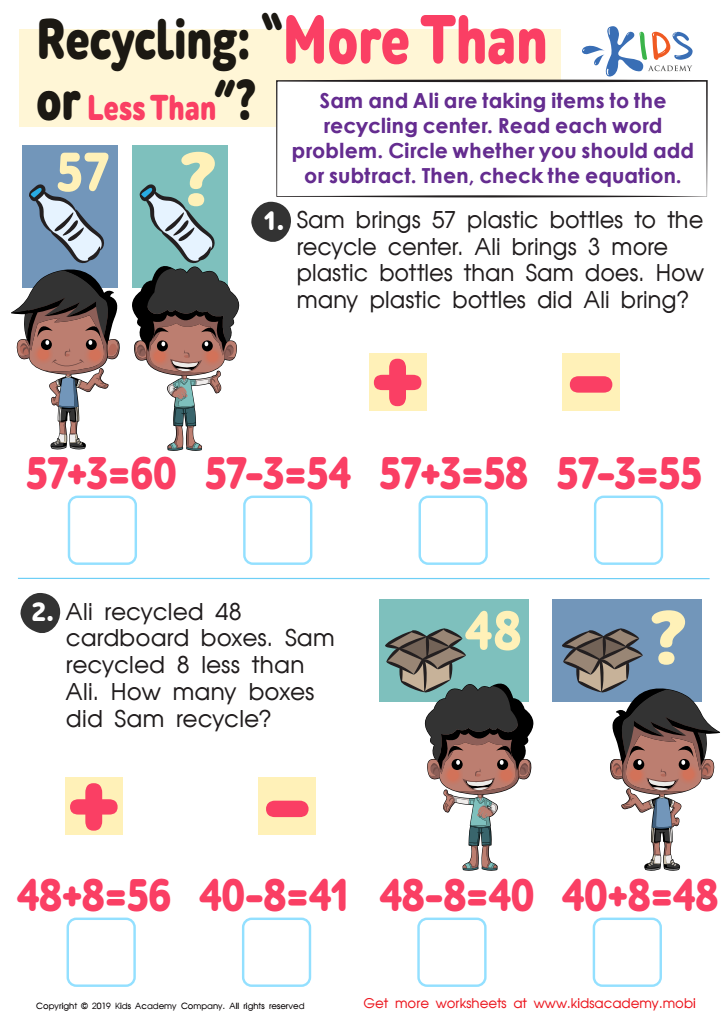
Recycling - More or Less Worksheet
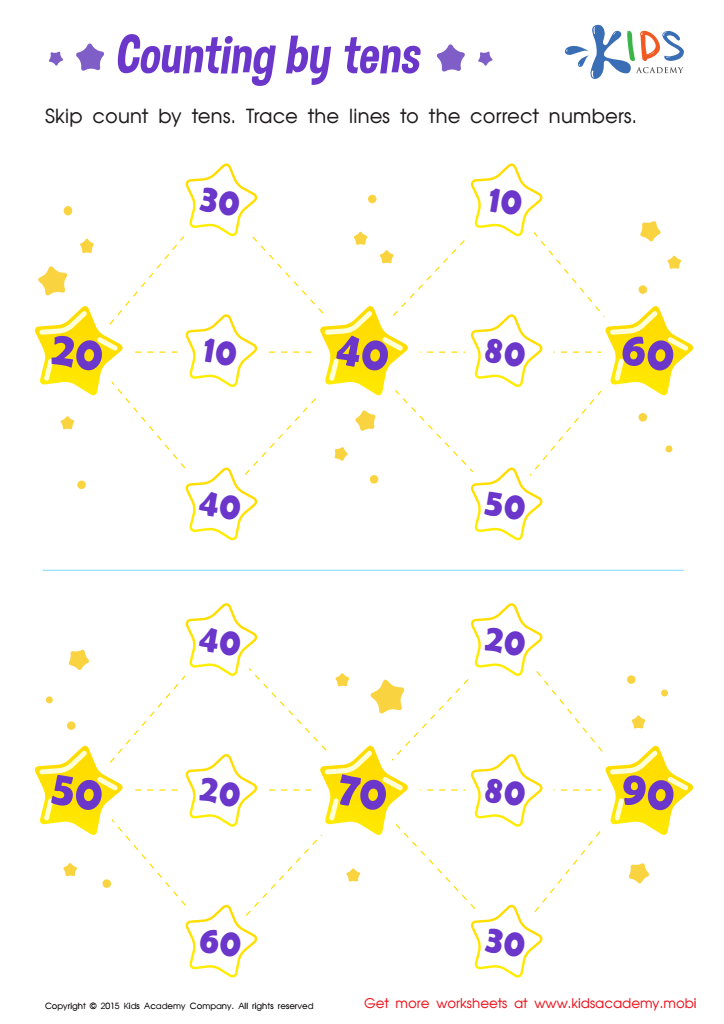
Learn Dozens: Counting by Tens Printable
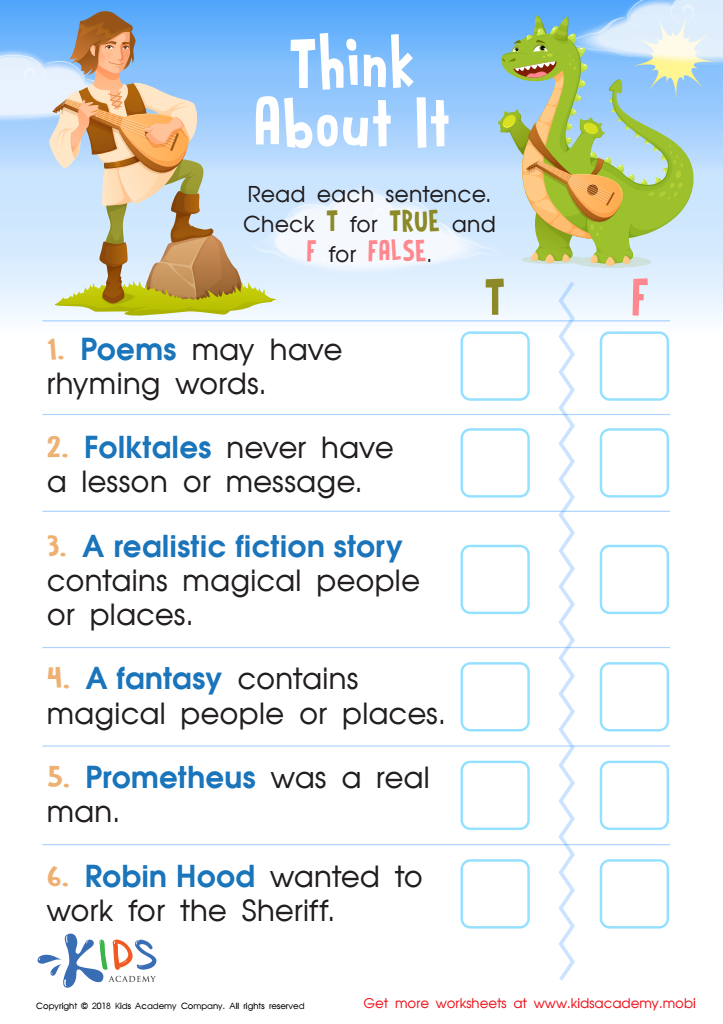
Think About It: Assessment Worksheet
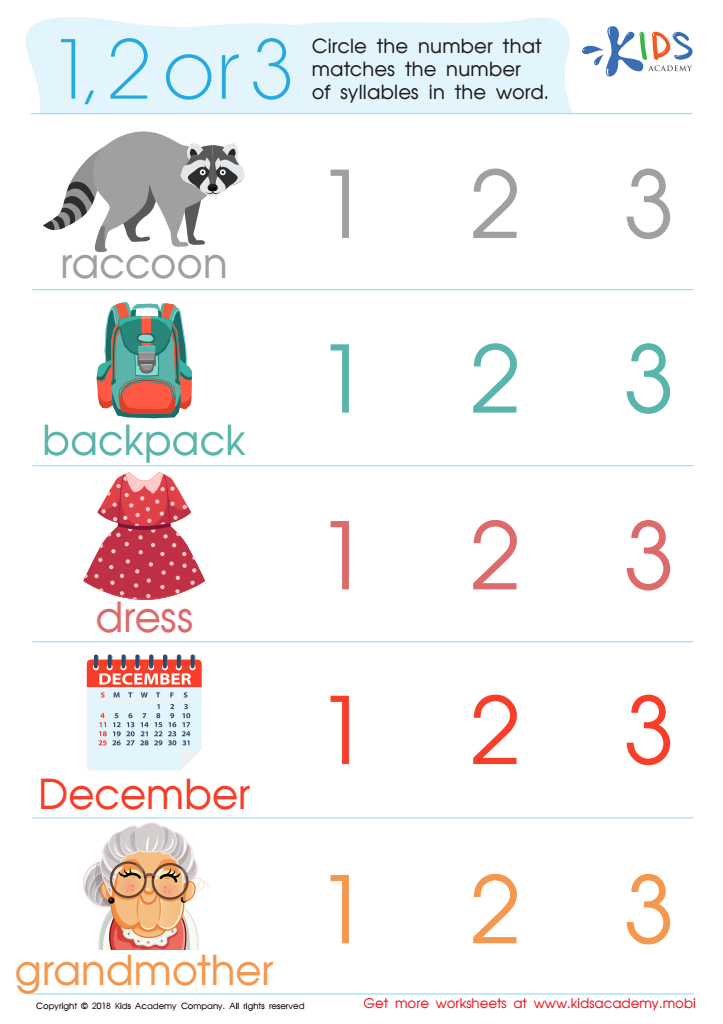
1, 2 or 3? Worksheet
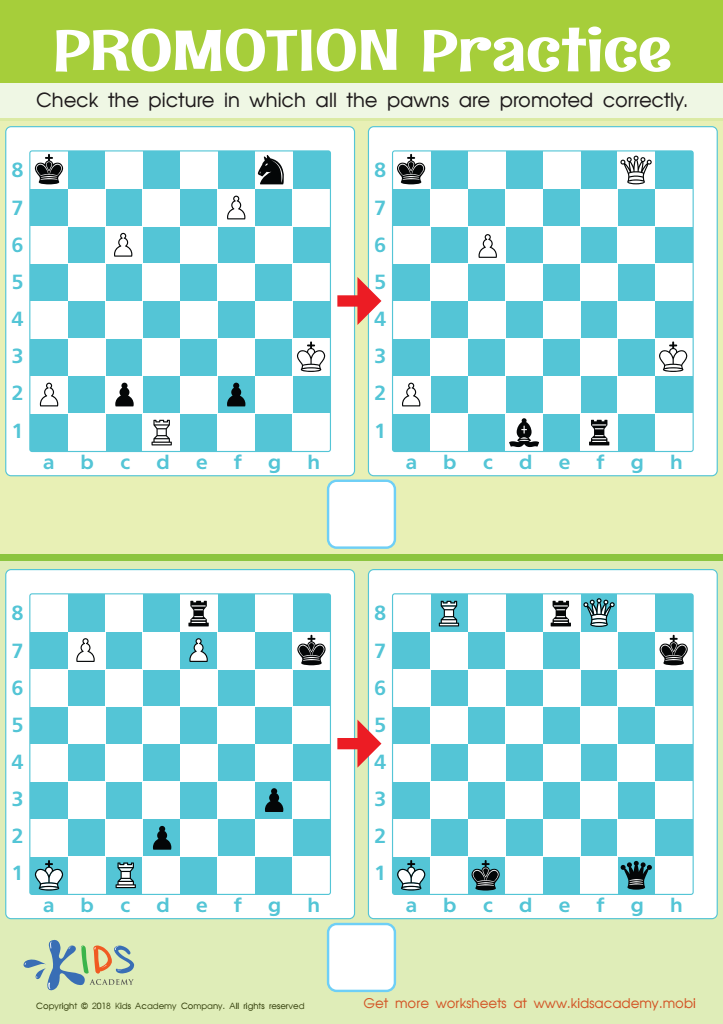
Promotion Practice Worksheet
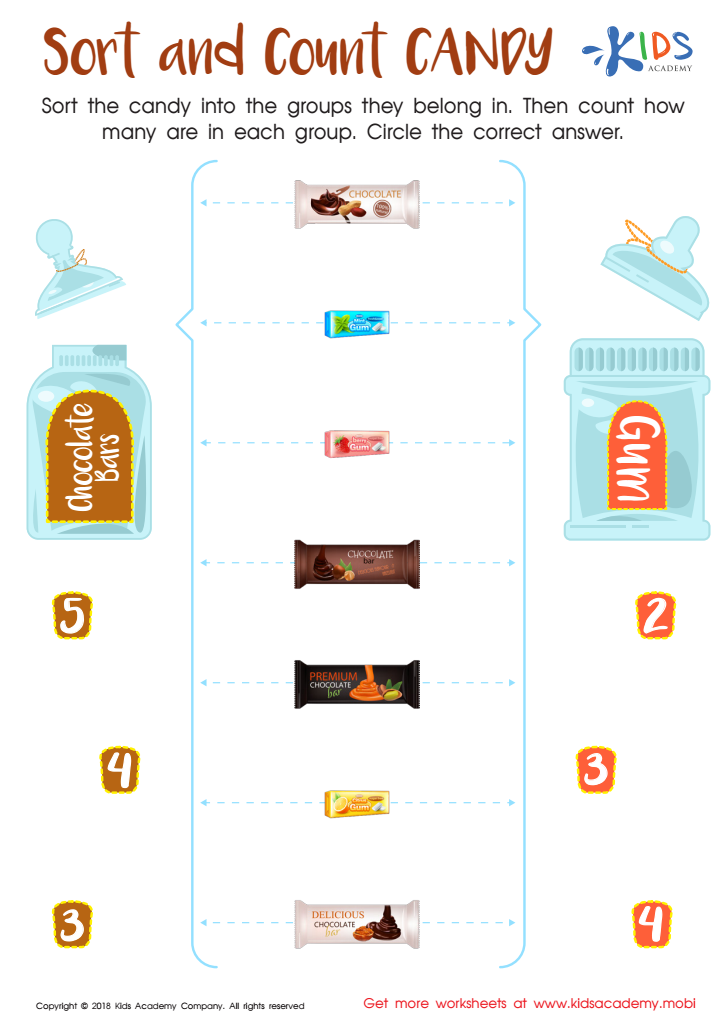
Sort and Count Candy Worksheet






Parents and teachers should deeply care about ensuring children aged 5-8 years old acquire basic math skills because these early foundations are crucial for their overall cognitive development and future academic success. At this age, children are developing essential numeracy skills through activities such as counting, recognizing numbers, simple addition, and subtraction. Mastery of these basic skills stimulates logical thinking, problem-solving, and helps build confidence in learning.
Moreover, early math skills are predictive of later achievements not only in math but across all academic subjects. Understanding basic math concepts enhances a child's ability to grasp more complex topics in later grades. Early mathematical competence affects a child's ability to think critically and to process and analyze information efficiently.
Developing these skills also supports real-world functionalities, helping children better comprehend time, manage money, and participate more fully in everyday activities. For parents, engaging with their children’s math learning can also strengthen family bonds and improve parent-child communication.
In a broader sense, ensuring children achieve competency in basic math fosters equity in education, giving every child a solid start. Identifying and addressing gaps early on prevents long-term educational disadvantages, equipping children with skills to thrive in a rapidly changing world. Hence, prioritizing basic math skills at ages 5-8 is indispensable for laying a path to lifelong learning and success.








