Color recognition Normal Worksheets for Ages 5-8 - Page 2
34 filtered results
-
From - To
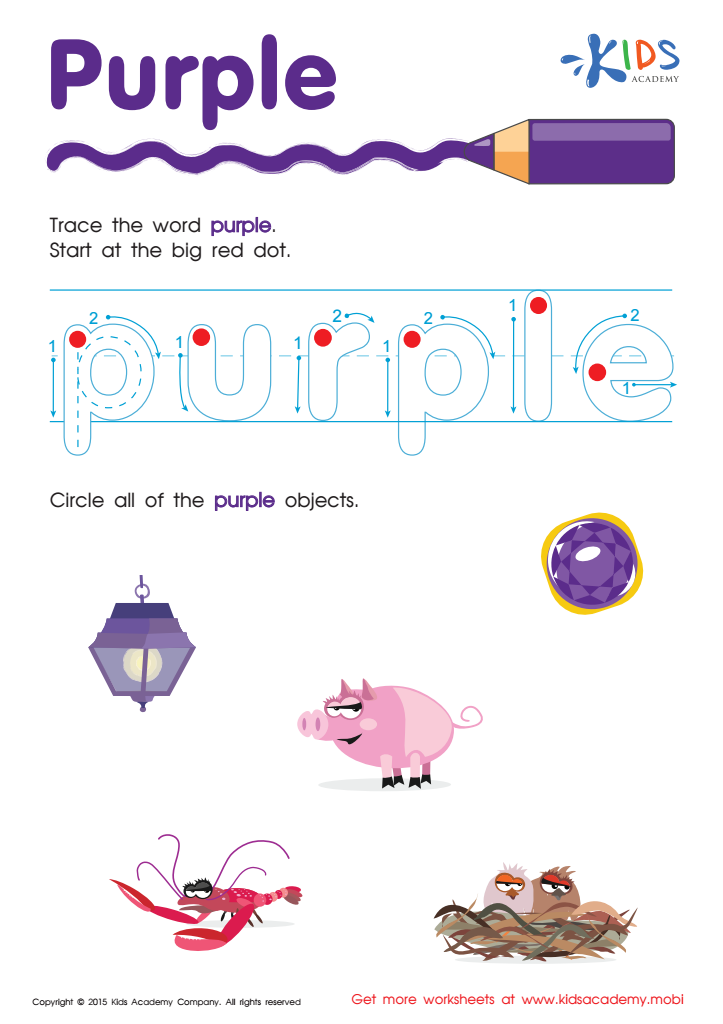
Purple Tracing Color Words Worksheet
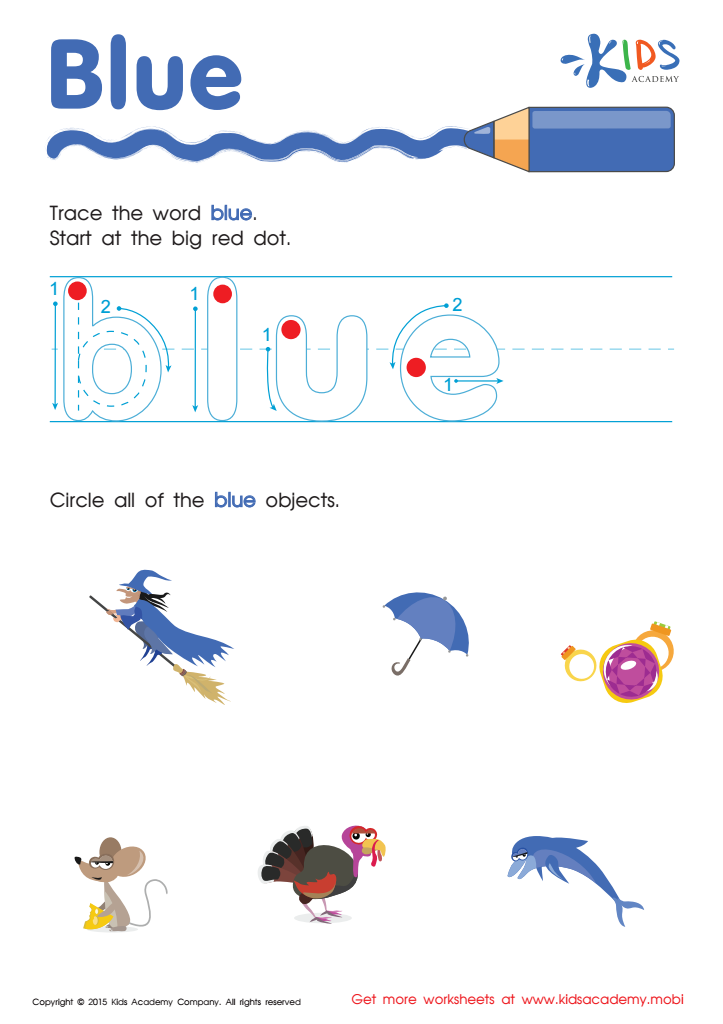
Blue Tracing Color Words Printable
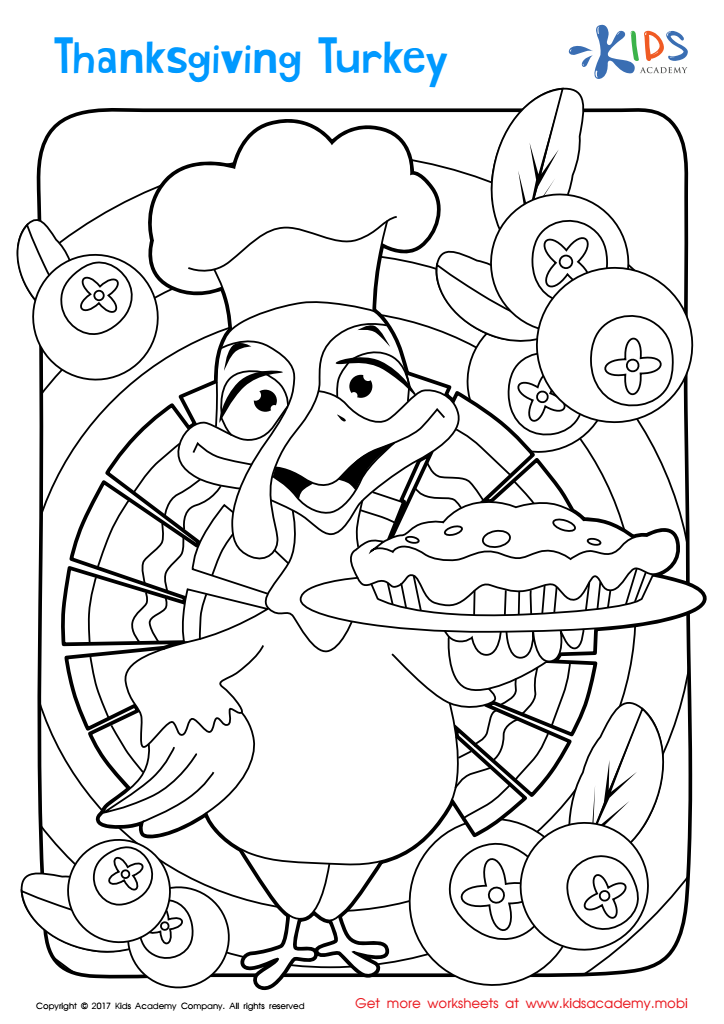
Turkey Thanksgiving Day Worksheet
 Assign to My Students
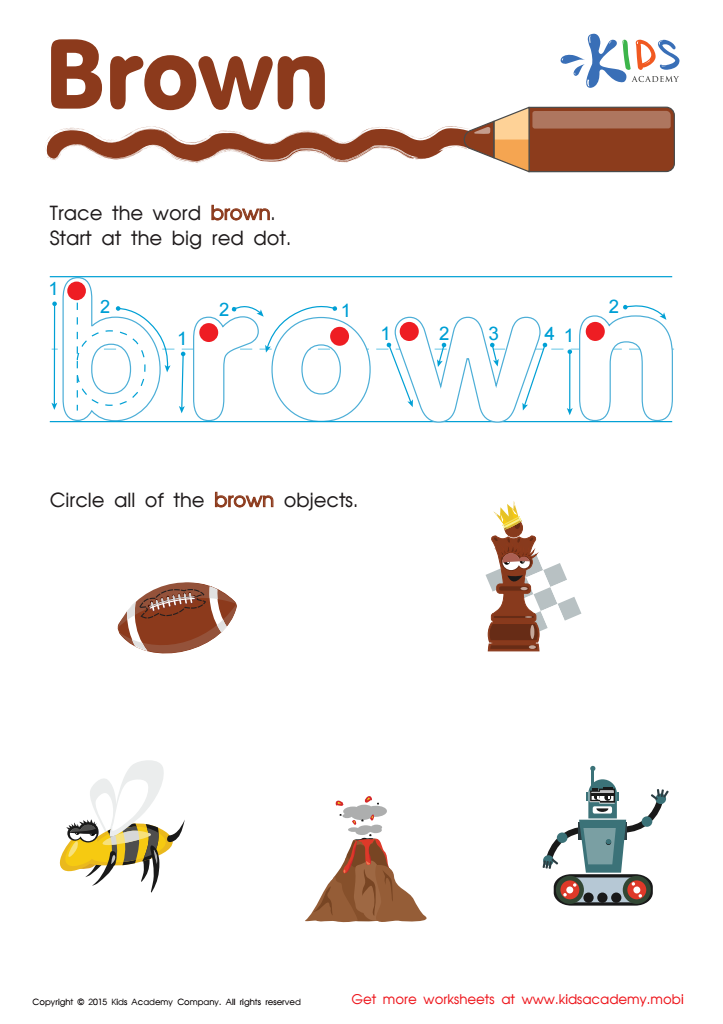
Brown Tracing Color Words Worksheet
Tower Coloring Page
Assign to My Students
Great Hornbill Worksheet
Assign to My Students
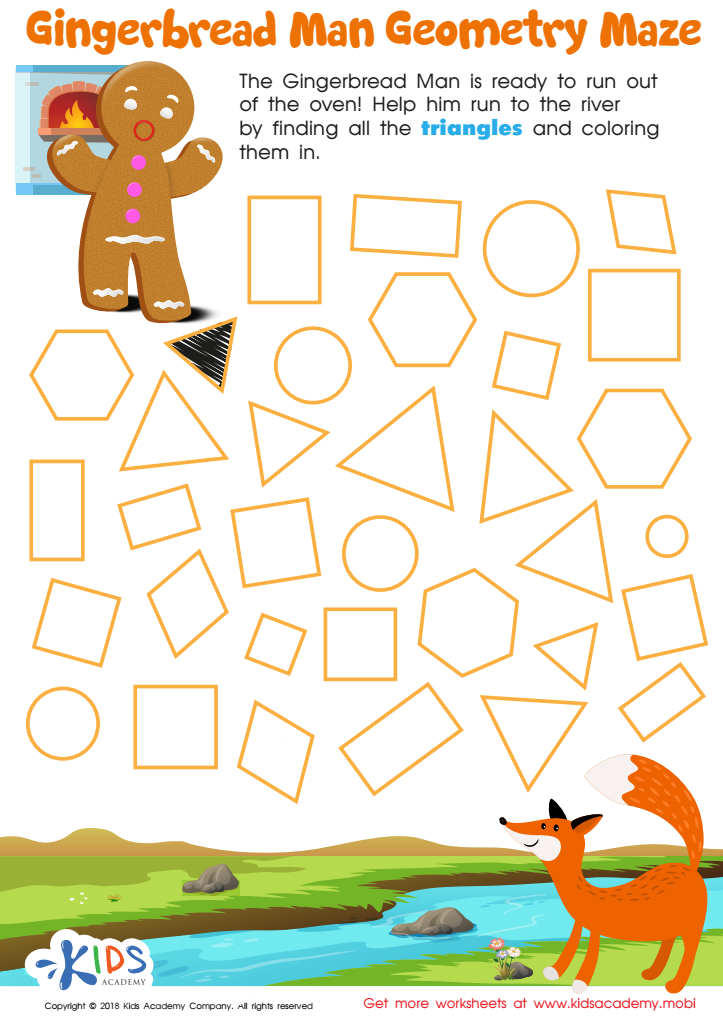
Gingerbread Man Geometry Maze Worksheet
Astronaut Coloring Page
Assign to My Students
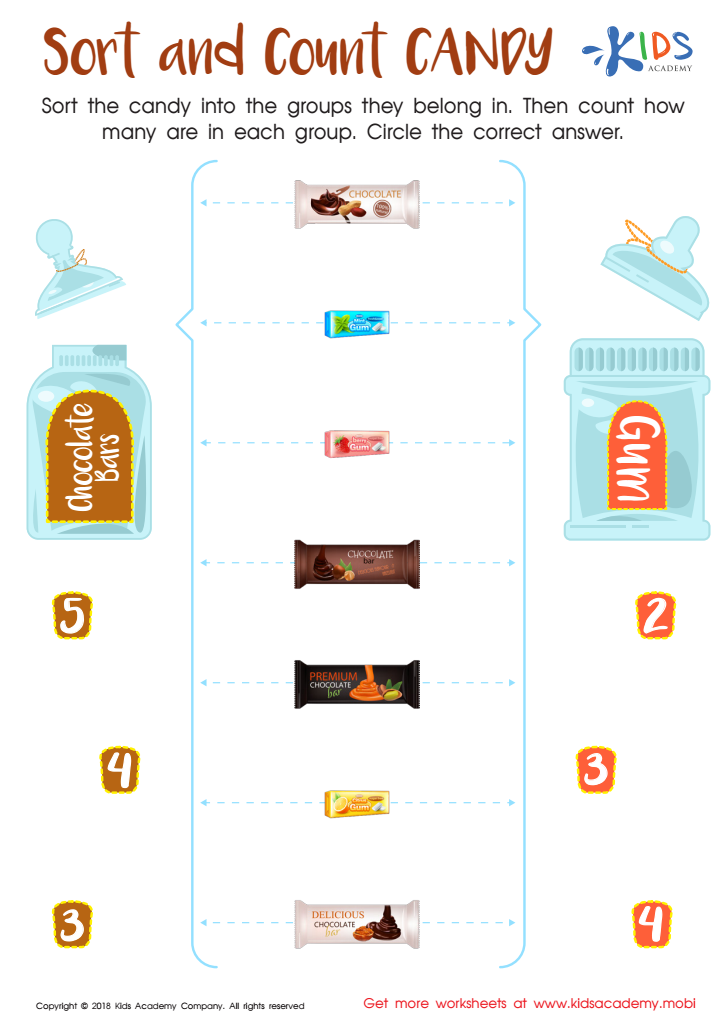
Sort and Count Candy Worksheet
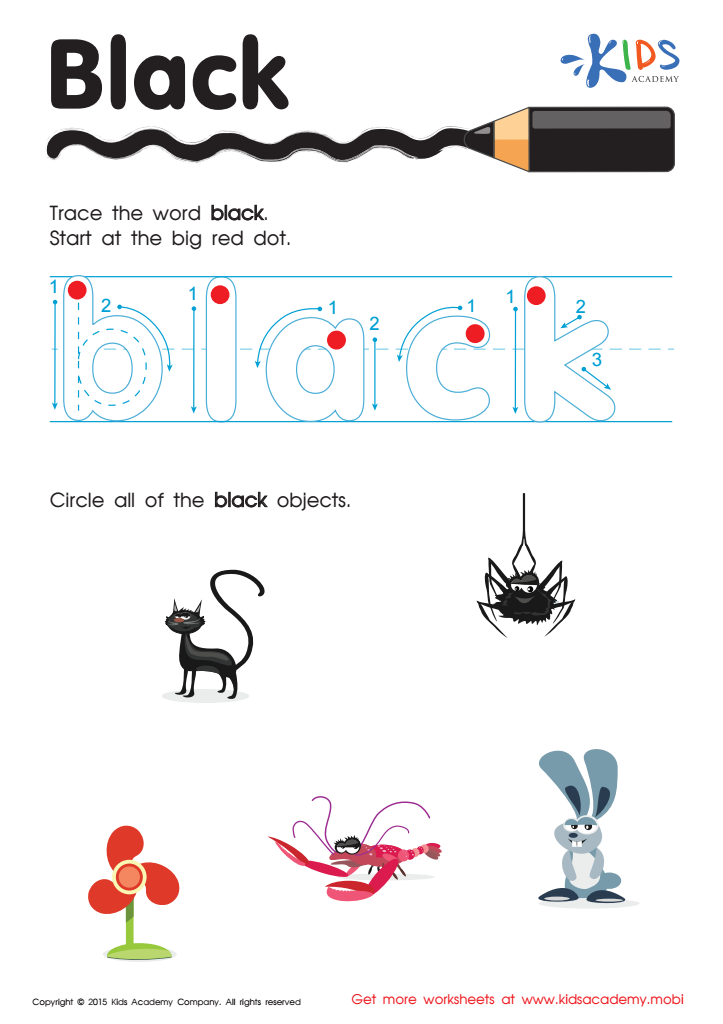
Black Tracing Color Words Printable



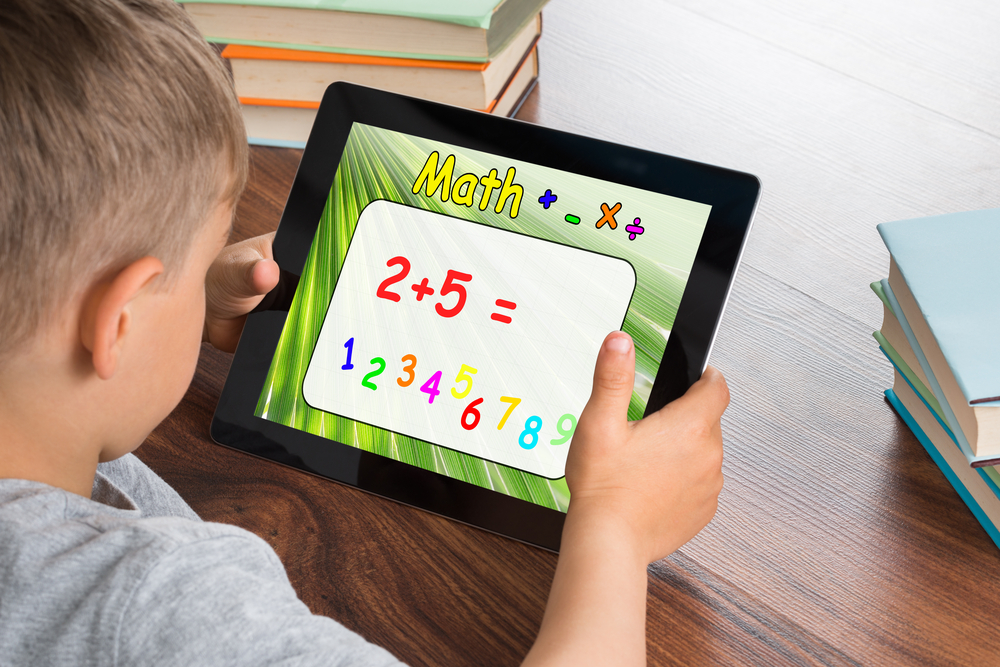




Color recognition is a fundamental skill for children aged 5-8 that plays a crucial role in their cognitive and social development. For educators and parents, understanding its importance is vital for several reasons.
First, recognizing colors enhances a child's ability to categorize and differentiate between objects, laying the groundwork for more complex skills in mathematics and critical thinking. For example, sorting objects by color can introduce concepts such as patterns and counting.
Moreover, color recognition is closely linked to language development. Children learn to associate words with colors, which expands their vocabulary and communication skills. This ties into literacy as well, where colors might be referenced in stories and activities.
Socially, colors can serve as a tool for expression and creativity. Art activities that involve color can boost self-esteem, allowing children to experiment and convey emotions, fostering emotional intelligence.
Additionally, being color-aware helps children navigate their environment safely, identifying important signs and signals—like traffic lights and warning signs—that explain societal rules.
In summary, fostering color recognition is not just about identifying hues; it's an essential skill that impacts learning, communication, creativity, and safety. Ultimately, investing in this aspect of development can significantly enhance a child’s overall growth and confidence.








