Decision making skills Normal Worksheets for Ages 5-8
7 filtered results
-
From - To
Enhance your child's decision-making skills with our engaging normal worksheets designed for ages 5-8! These worksheets provide fun and interactive activities that help young learners think critically and make informed choices. Featuring colorful illustrations and age-appropriate scenarios, each worksheet encourages children to analyze situations, weigh their options, and select the best outcomes. By practicing these essential skills, kids will boost their confidence and independence while fostering problem-solving abilities. Explore our selection today to create a foundation for effective decision-making that will benefit your child both in and out of the classroom. Start their journey towards becoming thoughtful decision-makers!
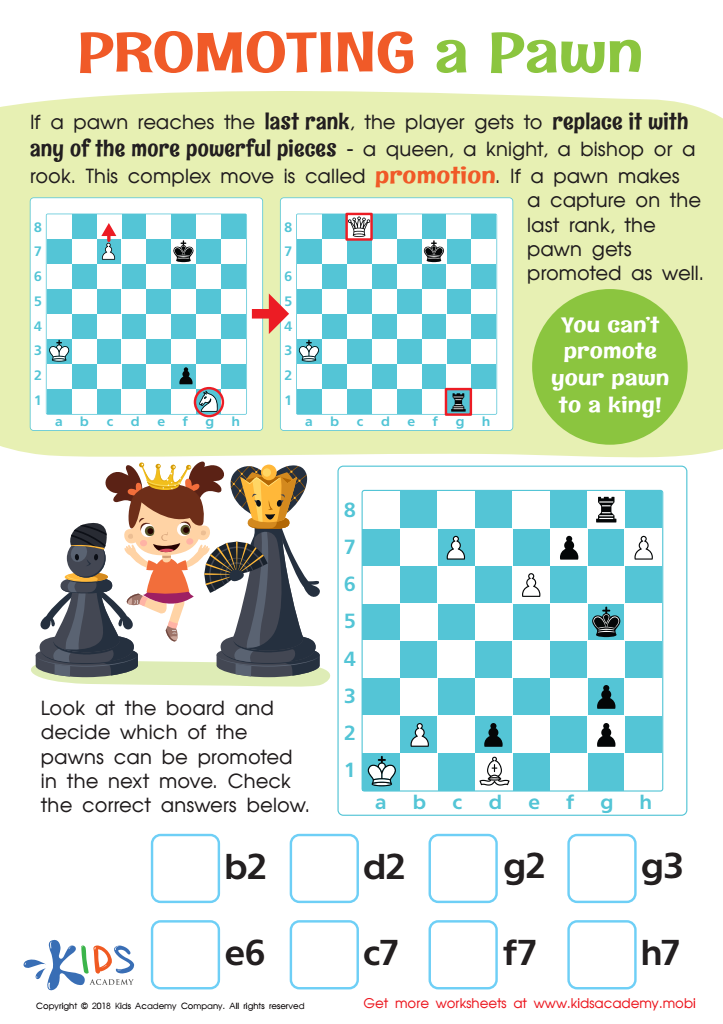
Promoting a Pawn Worksheet
 Assign to My Students
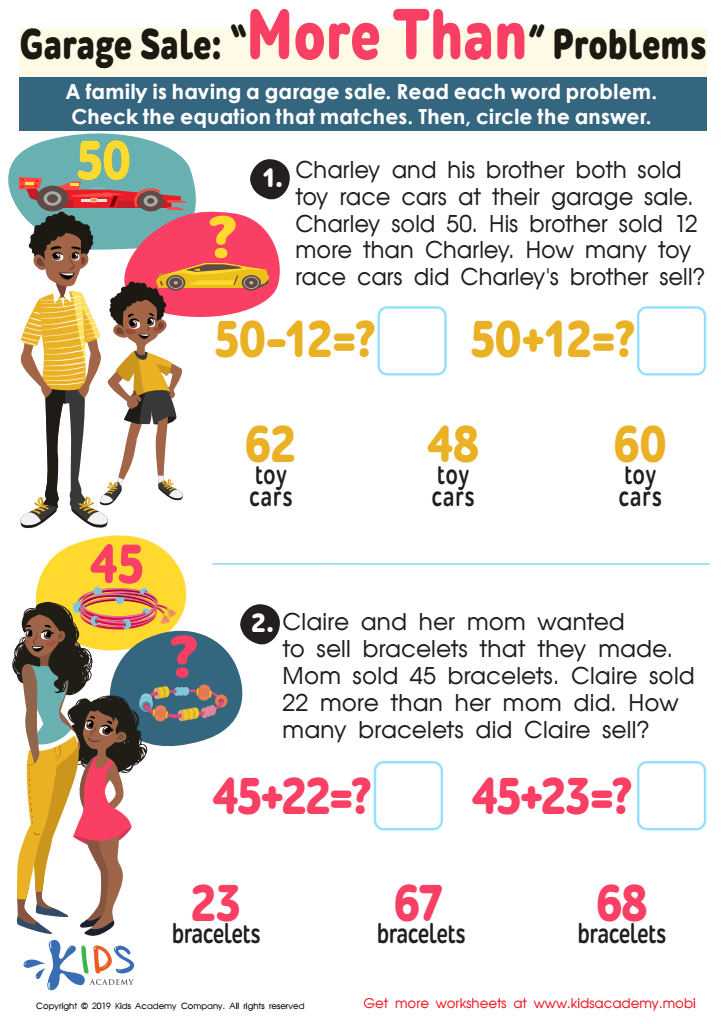
Garage Sale - More yhan Worksheet
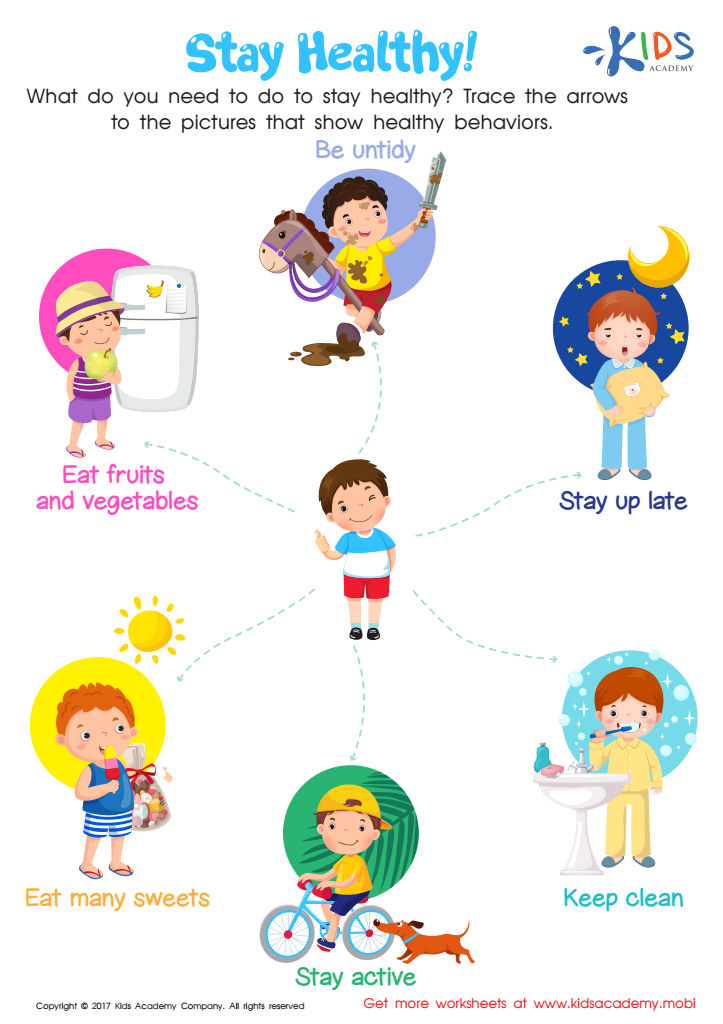
Healthy and Unhealthy Behaviors Worksheet
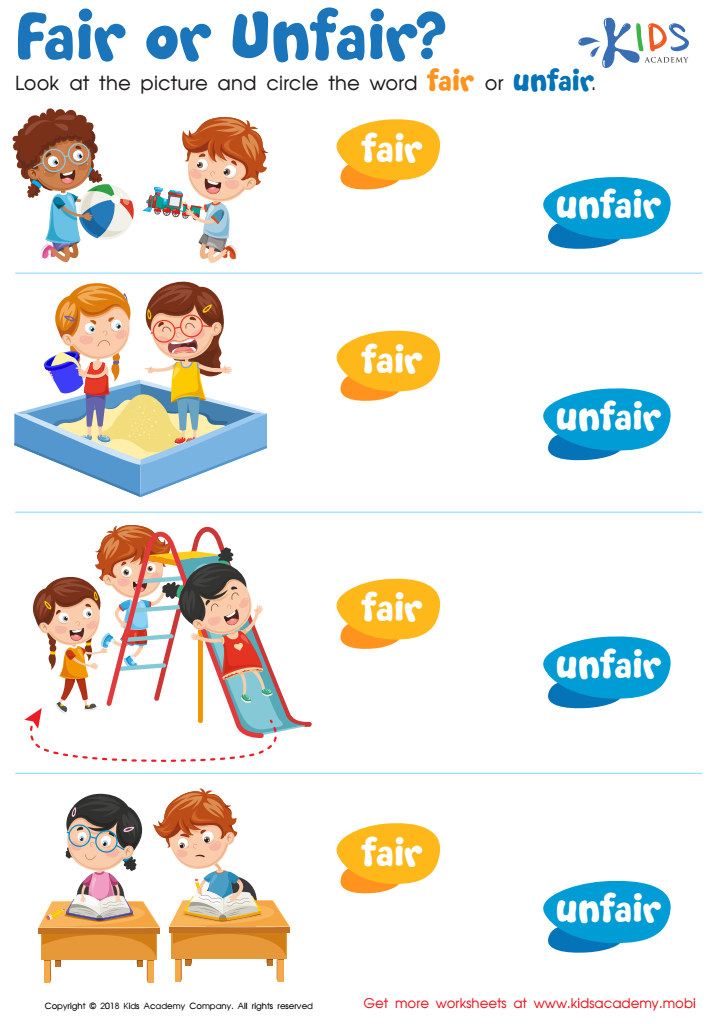
Fair or Unfair Worksheet
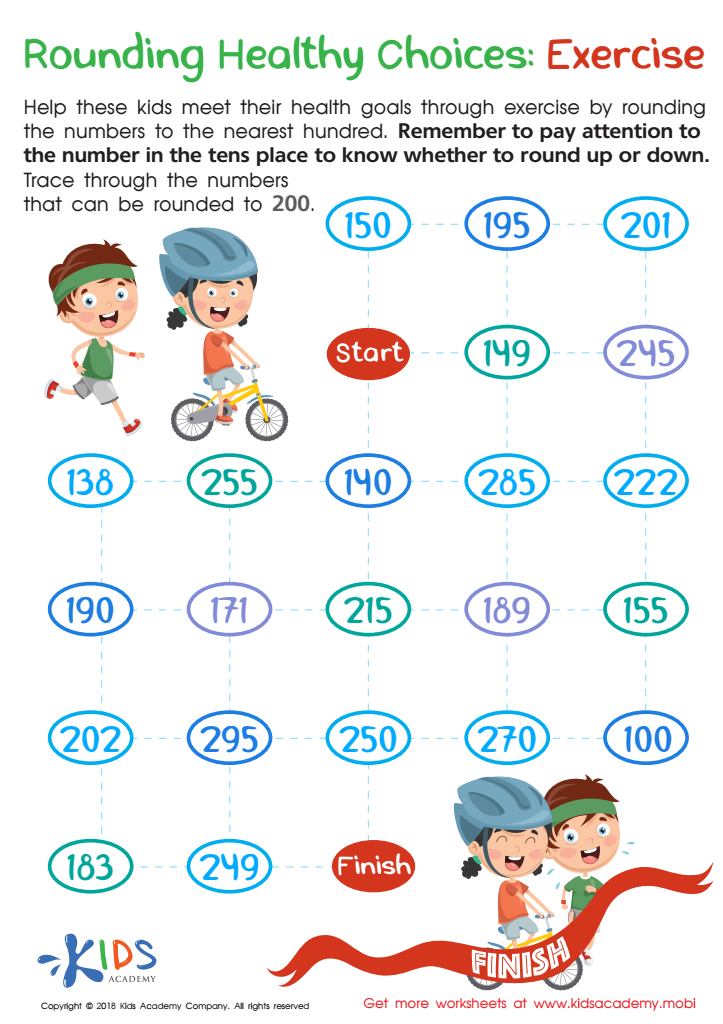
Rounding Healthy Choices Exercise Worksheet

Towns Worksheet
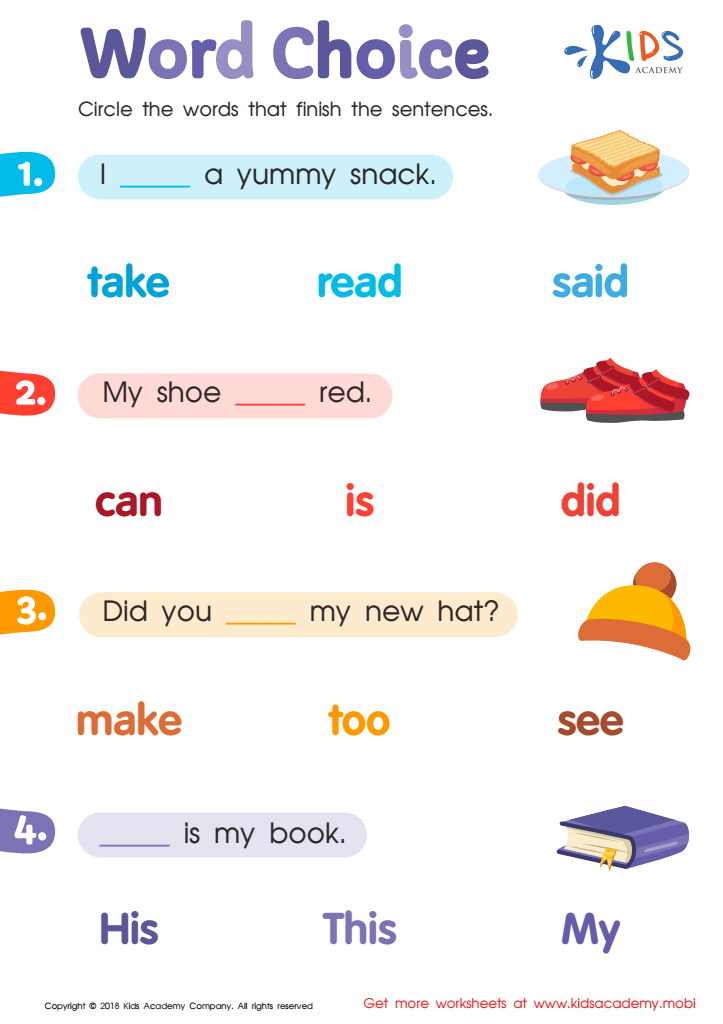
Word Choice Worksheet








Decision-making skills are crucial for children aged 5-8 as they lay the foundation for lifelong problem-solving abilities. At this developmental stage, children begin to understand the consequences of their choices, fostering a sense of responsibility and independence. Allowing children to make age-appropriate decisions helps them develop critical thinking and reasoning skills. For example, choosing between activities, snack options, or consequences for their actions encourages them to evaluate their preferences and the potential outcomes.
Moreover, effective decision-making skills enhance social interactions. Children learn to navigate relationships by considering others' feelings and perspectives, promoting empathy and cooperation in group settings. As they engage in discussions, share opinions, and negotiate with peers, they also learn valuable communication skills.
For parents and teachers, nurturing these skills means fostering environments where children can practice decision-making in safe, supportive spaces. By providing guidance and opportunities, adults can help children gain confidence in their choices and learn from their mistakes. Ultimately, cultivating decision-making skills in early learners not only enhances their academic performance but also prepares them for the complexities of daily life as they grow, leading to more successful and informed adults.








