Improving critical thinking Normal Worksheets for Ages 5-8
5 filtered results
-
From - To
Boost your child's analytical skills with our "Improving Critical Thinking Normal Worksheets" designed for ages 5-8! These engaging worksheets are tailored to foster creative problem-solving and logical reasoning, providing a fun way for young learners to enhance their critical thinking abilities. Featuring diverse activities like puzzles, reasoning games, and scenario-based questions, each worksheet encourages children to think independently and explore various solutions. Perfect for homeschoolers and classroom settings alike, our resources are aligned with educational standards, ensuring quality learning experiences. Dive into our collection and watch your child develop confidence in their critical thinking skills while enjoying the learning process!
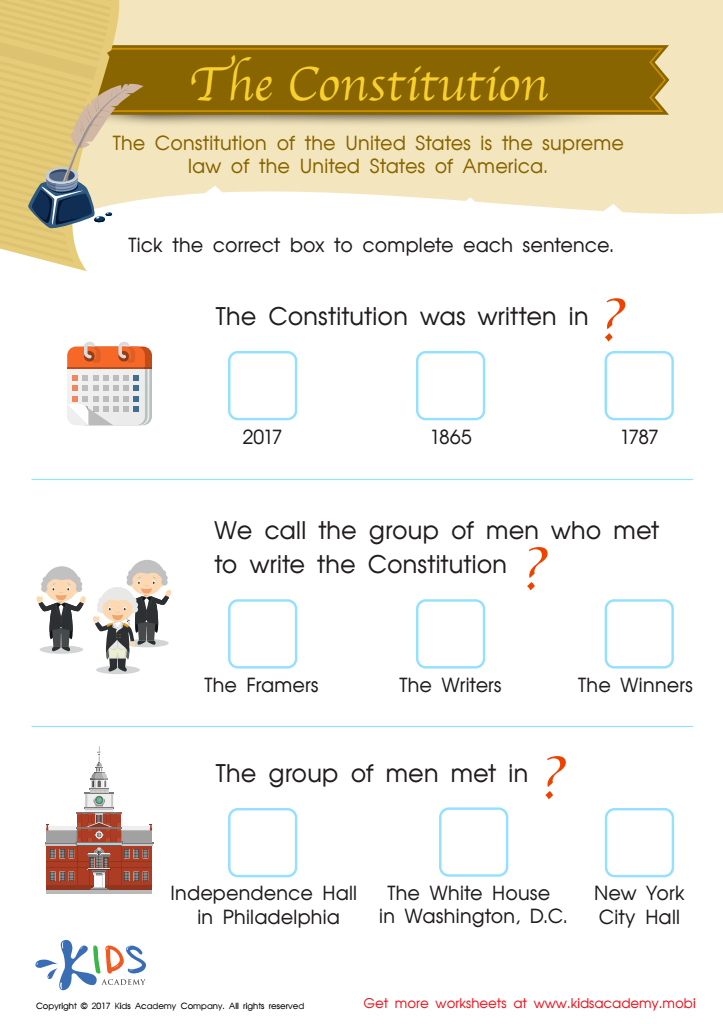
The Constitution Worksheet
 Assign to My Students
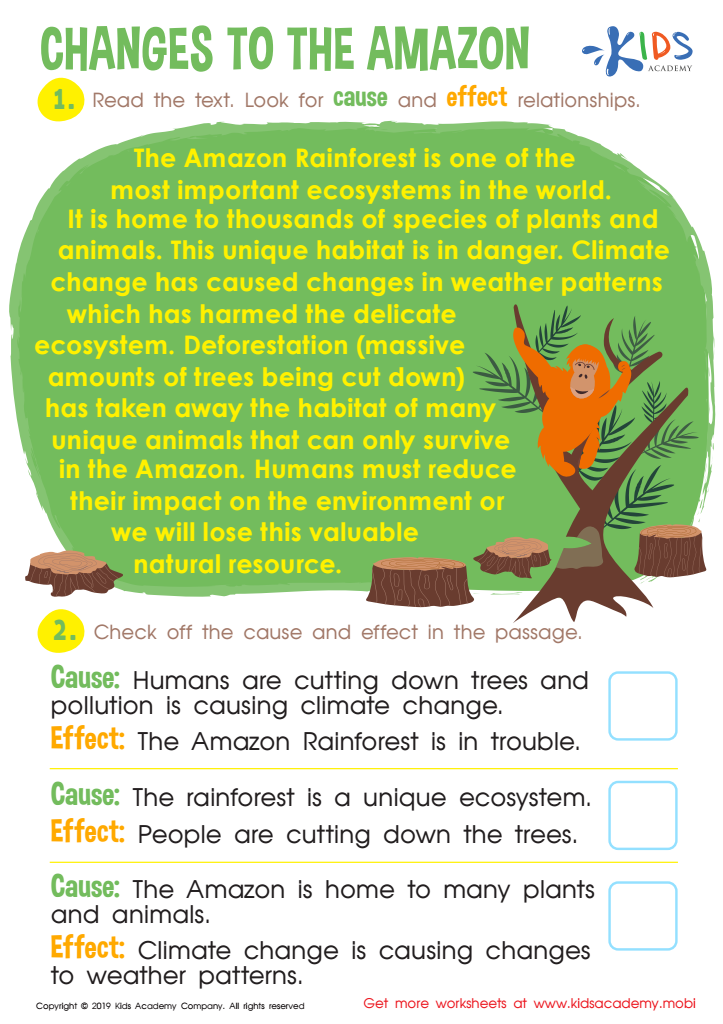
Changes to the Amazon Worksheet
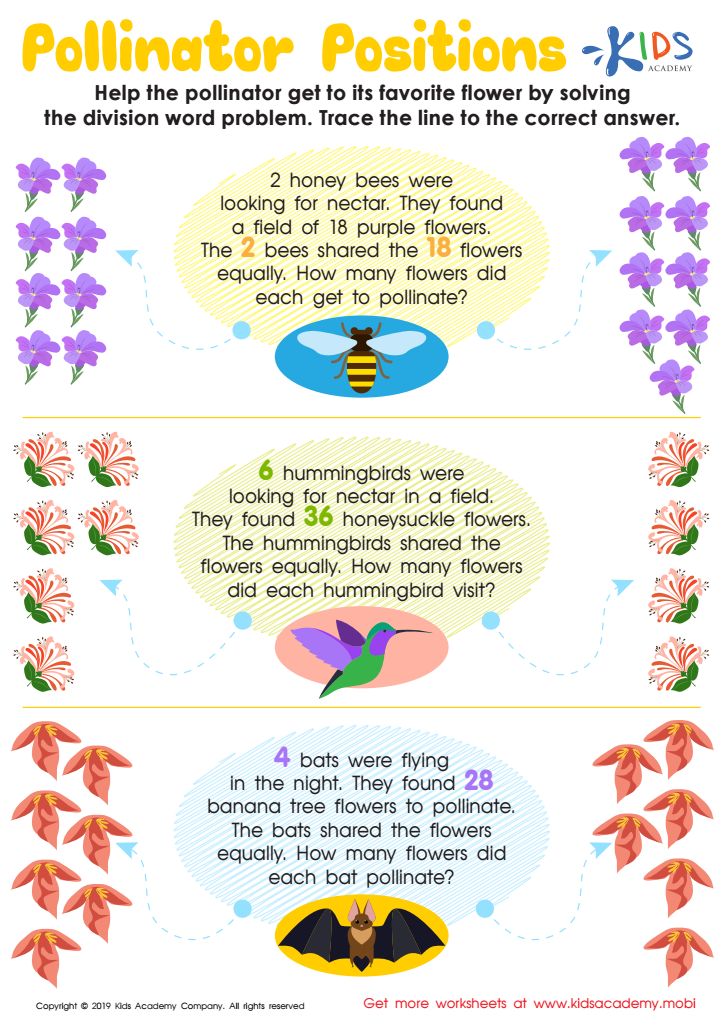
Pollinator Positions Worksheet
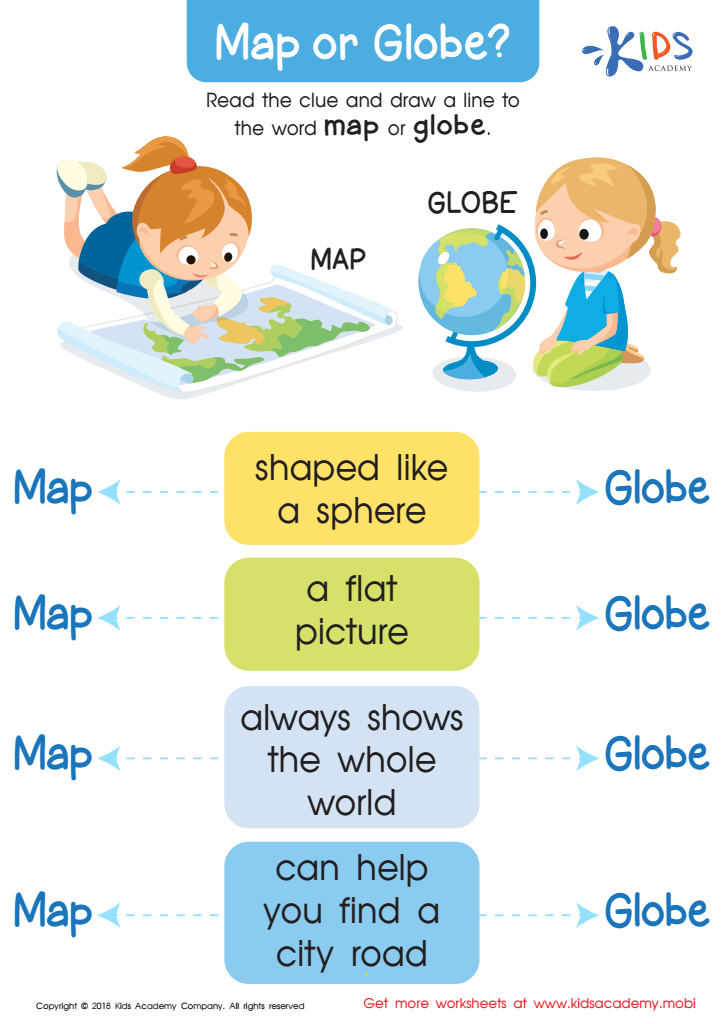
Map or Globe? Worksheet
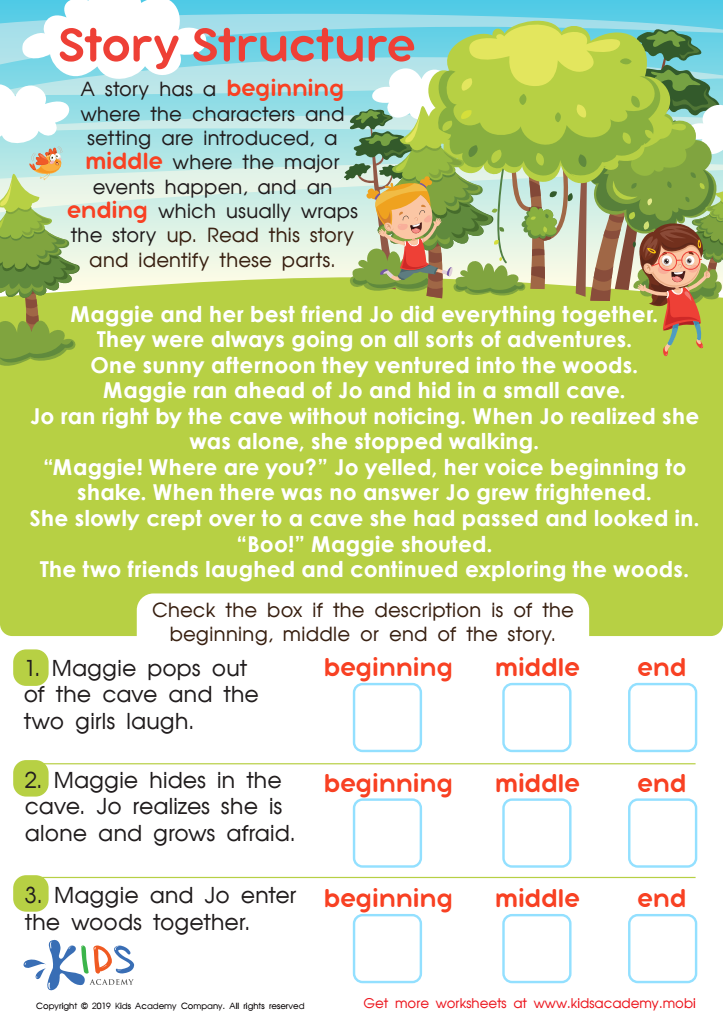
Story Structure Worksheet




.jpg)



Improving critical thinking skills in children aged 5-8 is essential for their cognitive and emotional development. At this stage, children are naturally curious, and fostering critical thinking nurtures this curiosity into a structured form of problem-solving and reasoning. When parents and teachers prioritize critical thinking, they empower children to ask questions, analyze situations, and develop their own conclusions. This not only enhances academic performance but also instills a sense of independence and confidence in their abilities.
Furthermore, critical thinking enables children to navigate through challenges and make informed decisions. In an increasingly complex world filled with information, teaching kids how to assess sources, identify biases, and differentiate between fact and opinion prepares them for future societal participation. Moreover, strong critical thinking skills contribute to emotional intelligence, allowing children to understand diverse perspectives and cultivate empathy.
Parents and teachers, by collaborating to enhance these skills, set the foundation for lifelong learning. Encouraging discussions, explorative play, and open-ended questions at home and in the classroom creates an enriching environment where critical thinking flourishes. Ultimately, prioritizing critical thinking not only nurtures individual growth but also helps shape responsible, thoughtful future citizens.








