Moral understanding Normal Worksheets for Ages 5-8
5 filtered results
-
From - To
Discover exciting Moral Understanding Normal Worksheets designed for children ages 5-8! These engaging worksheets foster empathy, compassion, and social awareness, helping young learners navigate complex emotions and relationships. Our thoughtfully crafted activities encourage kids to think critically about right and wrong, promoting discussions around kindness, sharing, and teamwork. With bright illustrations and age-appropriate scenarios, the worksheets make learning moral values fun and interactive. Perfect for classrooms or home education, these resources support educators and parents in building a strong foundation for emotional intelligence. Explore our collection to inspire meaningful conversations and instill essential life skills in your budding learners today!
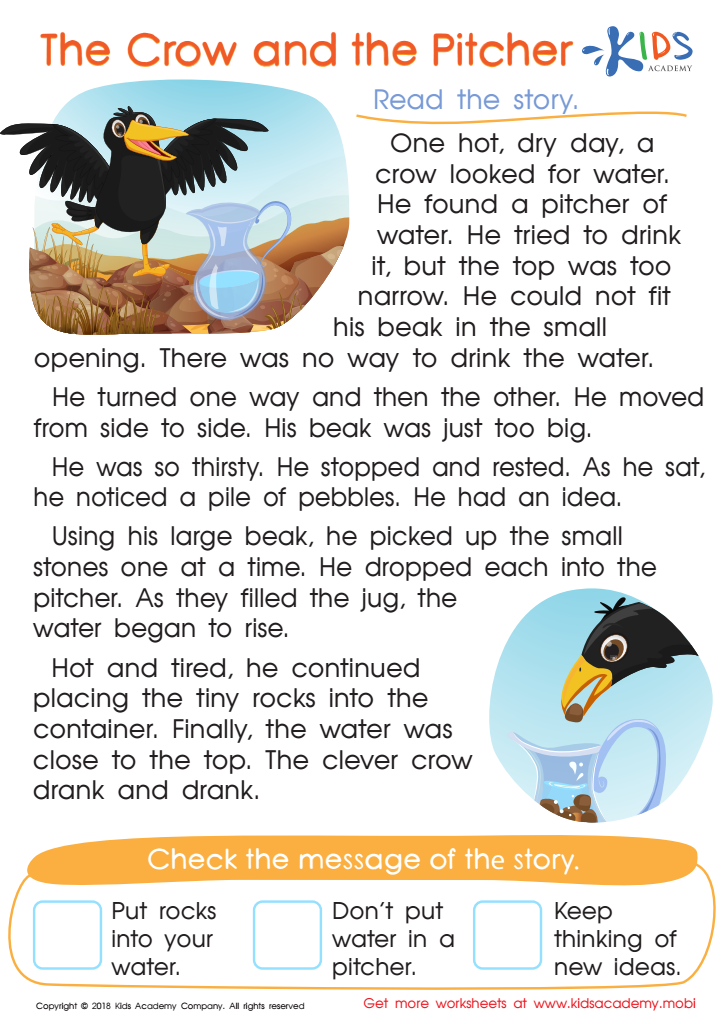
The Crow and the Pitcher Worksheet
 Assign to My Students
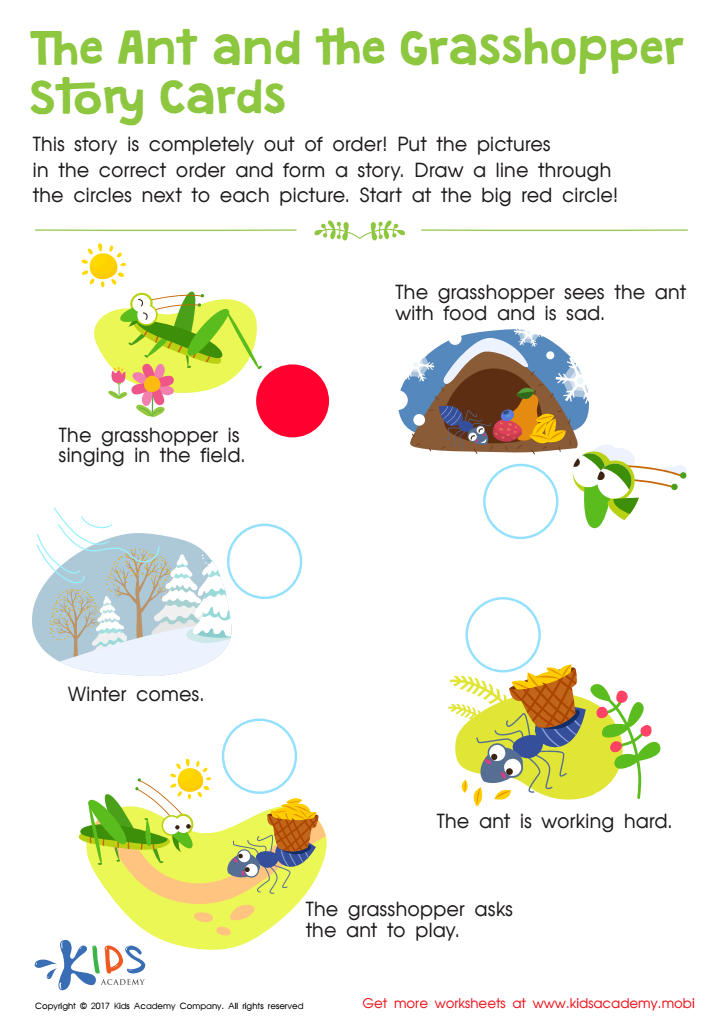
The Ant and The Grasshopper Worksheet
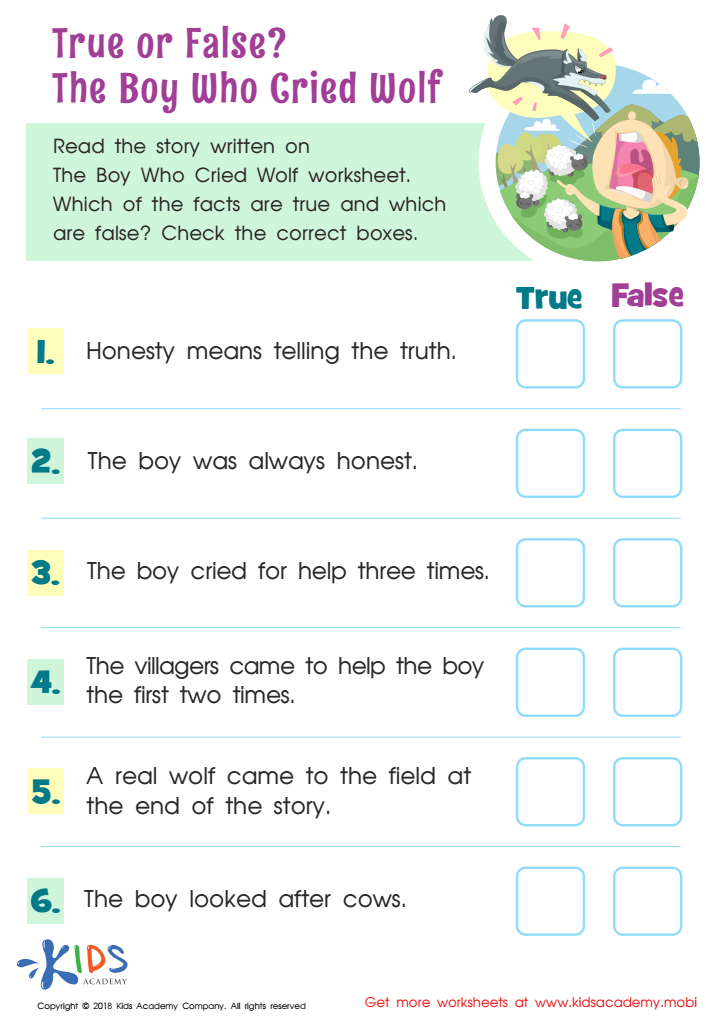
True or False? The Boy Who Cried Wolf Worksheet
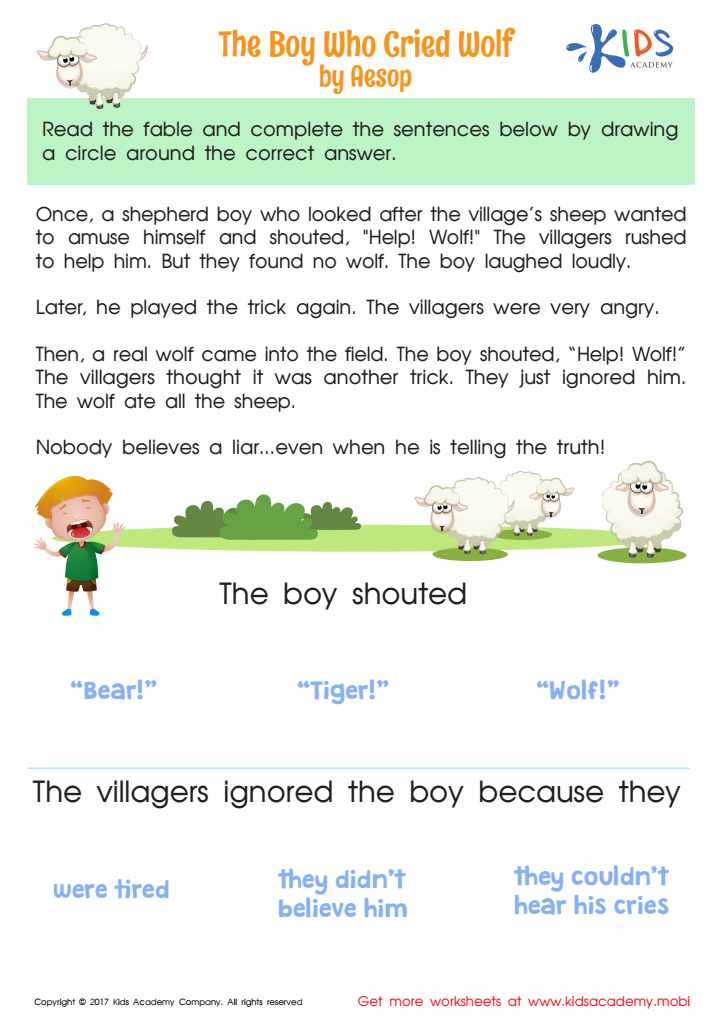
The Boy Who Cried Wolf Worksheet
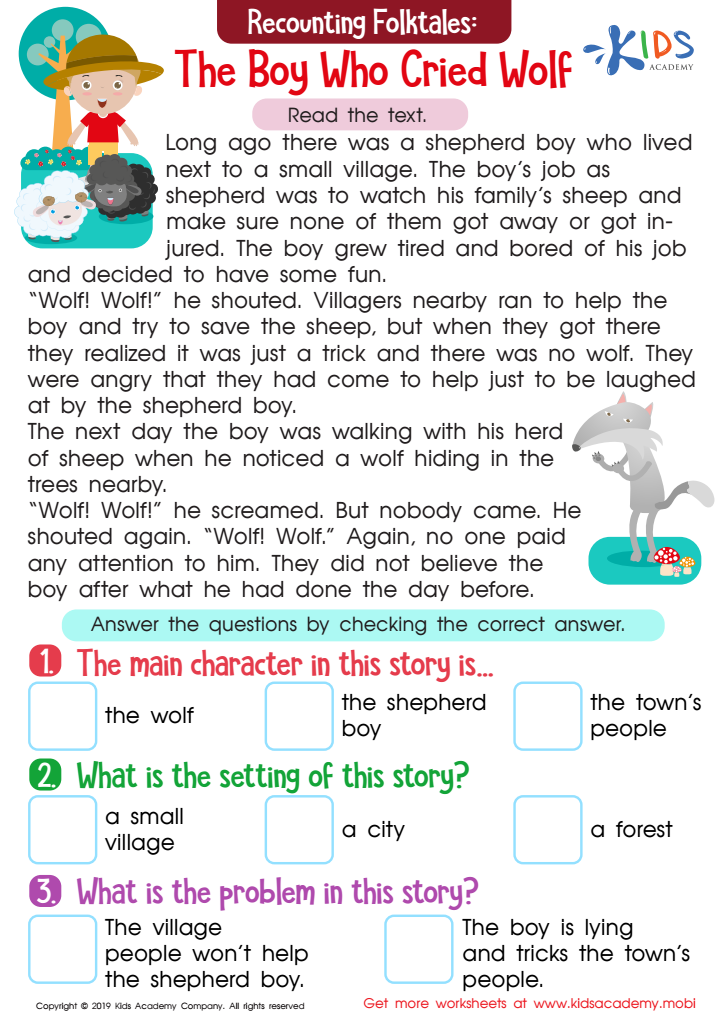
The Boy Who Cried Wolf Part 1 Worksheet






Moral understanding is crucial for children aged 5-8 as it lays the foundation for their social and emotional development. At this age, children are beginning to recognize social norms and develop empathy. Parents and teachers must prioritize this stage of moral growth because it shapes how children interact with others and perceive the world around them.
When children understand morals, they learn to distinguish right from wrong. This critical thinking is essential as they navigate relationships and conflicts in school and at home. Furthermore, fostering moral understanding teaches virtues like honesty, kindness, and fairness, which contributes to a positive classroom atmosphere and better collaboration among peers.
Engaging children in moral dilemmas and discussions helps develop their problem-solving skills and encourages reflective thinking. This not only aids in their academic growth but also nurtures a sense of community and belonging. Children with a strong moral compass are more likely to become empathetic adults, equipped with the skills to contribute positively to society.
In summary, nurturing moral understanding during these formative years is vital, as it empowers children to build meaningful relationships, make ethical choices, and grow into compassionate, responsible individuals. Parents and teachers play a pivotal role in this essential aspect of a child's development.








