Phonics development Normal Worksheets for Ages 5-8
3 filtered results
-
From - To
Enhance your child's phonics skills with our expertly designed phonics development worksheets tailored for ages 5-8. Our worksheets focus on fundamental phonics principles to improve reading fluency, comprehension, and spelling. Each activity engages young learners with fun exercises that teach letter sounds, blending, and word formation through interactive and repetitive practice. Ideal for independent learning or guided instruction, these worksheets support early literacy by building a solid foundation in phonics. Equip your child with the tools they need for reading success while boosting their confidence and love for learning. Start your journey to phonics mastery today!
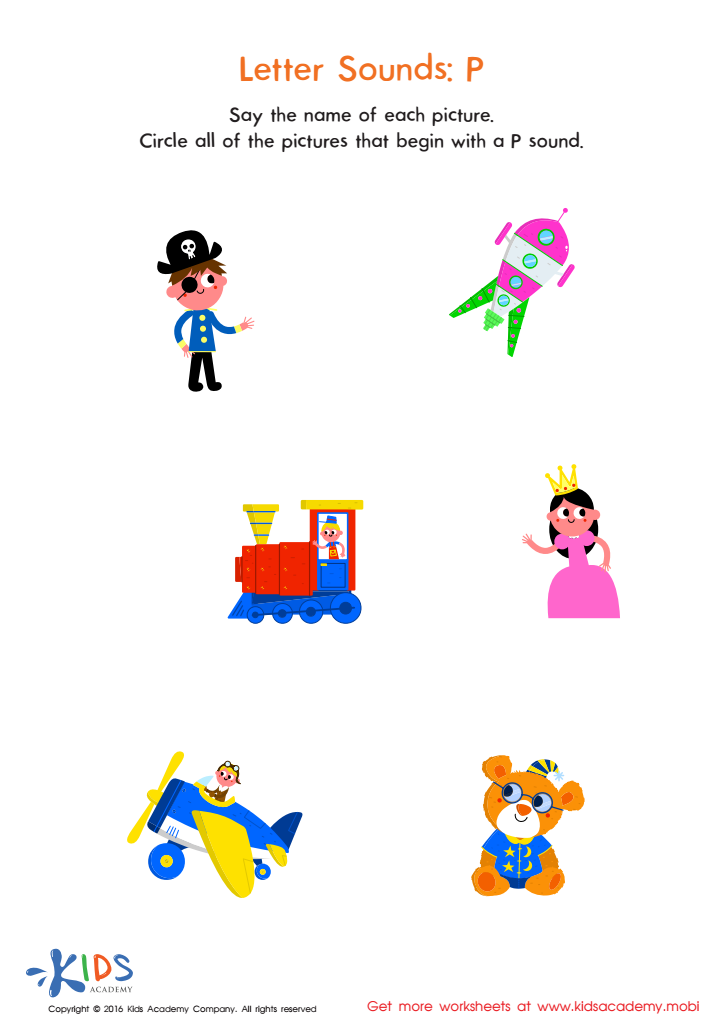
Letter P Sound Worksheet
 Assign to My Students
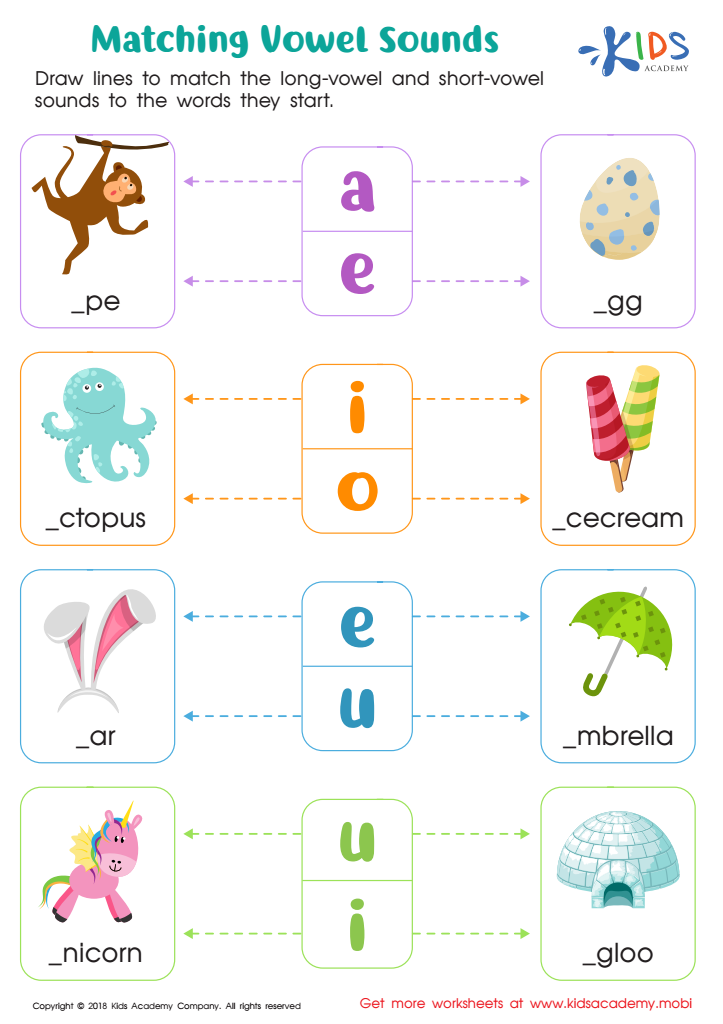
Matching Vowel Sounds Worksheet
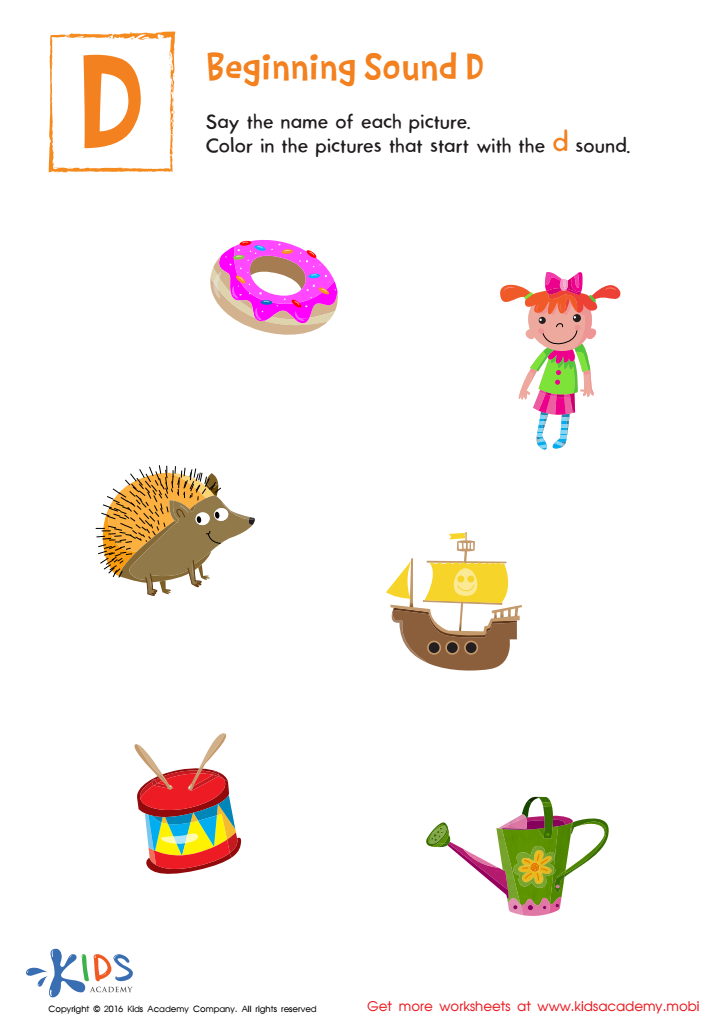
Beginning Sound D Worksheet








Phonics development is critical for children aged 5-8 as it lays the foundation for effective reading and writing skills. During these early years, children are in a prime developmental stage to absorb language patterns and phonetic rules. Understanding phonics—the relationship between letters and their sounds—enhances a child's ability to decode words, recognize familiar words quickly, and ultimately read fluently. This process is instrumental for comprehension, as fluent readers can focus on understanding the text rather than decoding it.
Phonics instruction also supports spelling skills, allowing children to predict spellings and correct mistakes, leading to better writing abilities. For parents and teachers, encouraging phonics is not just about academic success but also about boosting a child's confidence and motivation to engage with books and written material. Literacy is foundational for all subjects; poor reading skills can hinder academic achievement across the board.
Moreover, early and consistent phonics instruction can prevent reading difficulties and intervention needs later. It equips children with essential literacy tools, empowering them to become lifelong learners. Therefore, focusing on phonics development during these formative years is a smart investment in a child's future educational trajectory and overall cognitive growth.








