
Recognition skills Normal Worksheets for Ages 5-8
3 filtered results
Difficulty Level
Grade
Age
-
From - To
Subject
Activity
Standards
Unlock your child's potential with our Recognition Skills Normal Worksheets designed for ages 5-8! These engaging and interactive worksheets help young learners develop essential recognition abilities, from identifying letters and numbers to distinguishing colors and shapes. Our carefully crafted activities promote critical thinking and cognitive growth, ensuring a fun learning experience. Ideal for home or classroom use, these worksheets make it easy for parents and teachers to support early education. Encourage your child's confidence and curiosity with a variety of visually stimulating exercises that nurture newfound skills. Explore our collection today and watch your child's recognition skills flourish!
Favorites
With answer key
Interactive
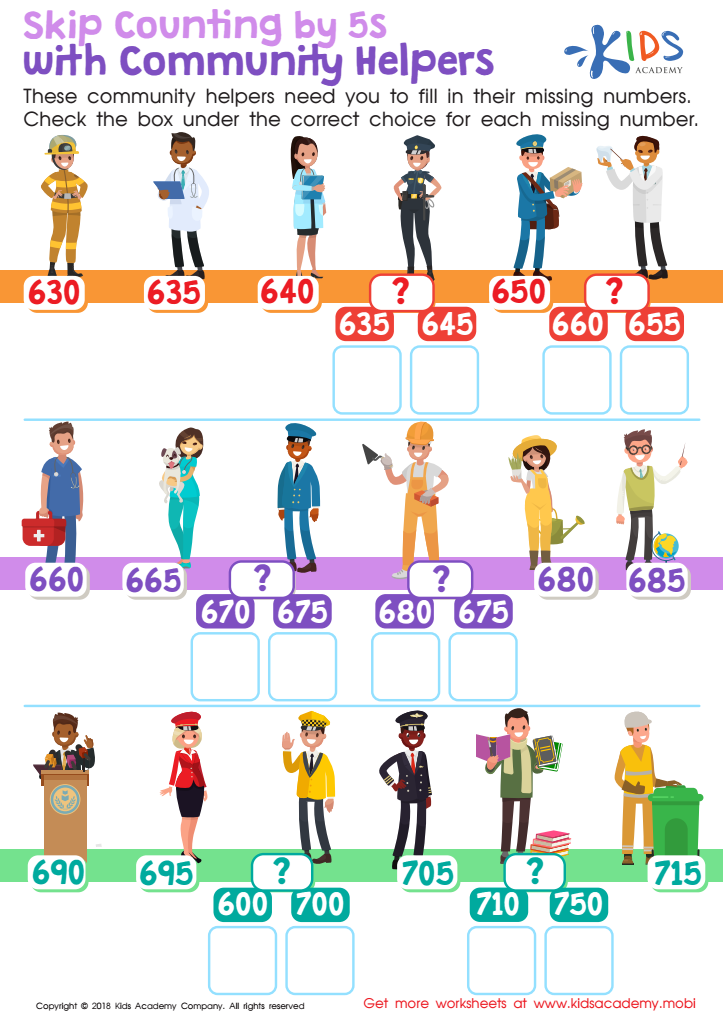
Skip Counting by 5s With Community Helpers Worksheet
This free worksheet combines social studies with math! Kids will practice counting by 5s, rounding numbers and honing their computation skills while also familiarizing themselves with community helpers. Develop your child's number sense and strengthen their math skills - all through a fun and interactive activity.
 Assign to My Students
Skip Counting by 5s With Community Helpers Worksheet
Worksheet
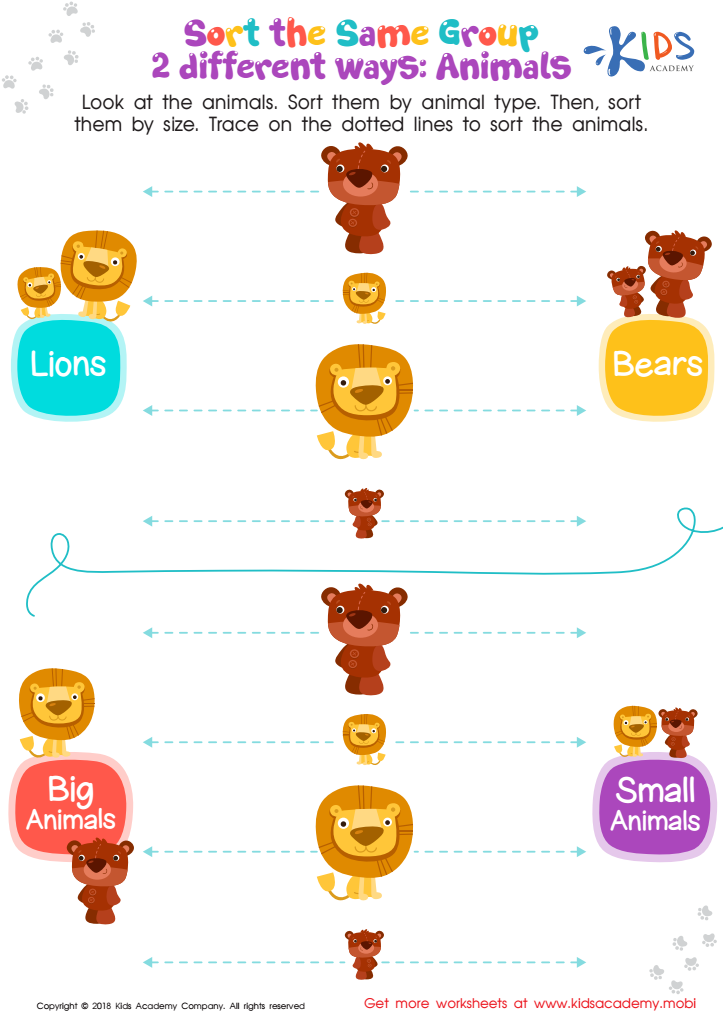
Sort the Same Group 2 Different Ways: Animals Worksheet
Look at the animals with your child. Ask them to name them, then sort them by type (e.g. lions and bears). Next, help them sort by size, tracing the dotted lines. This will teach them sorting skills.
Sort the Same Group 2 Different Ways: Animals Worksheet
Worksheet

Join Kids Academy for Free
Who is primarily going to use this learning content?



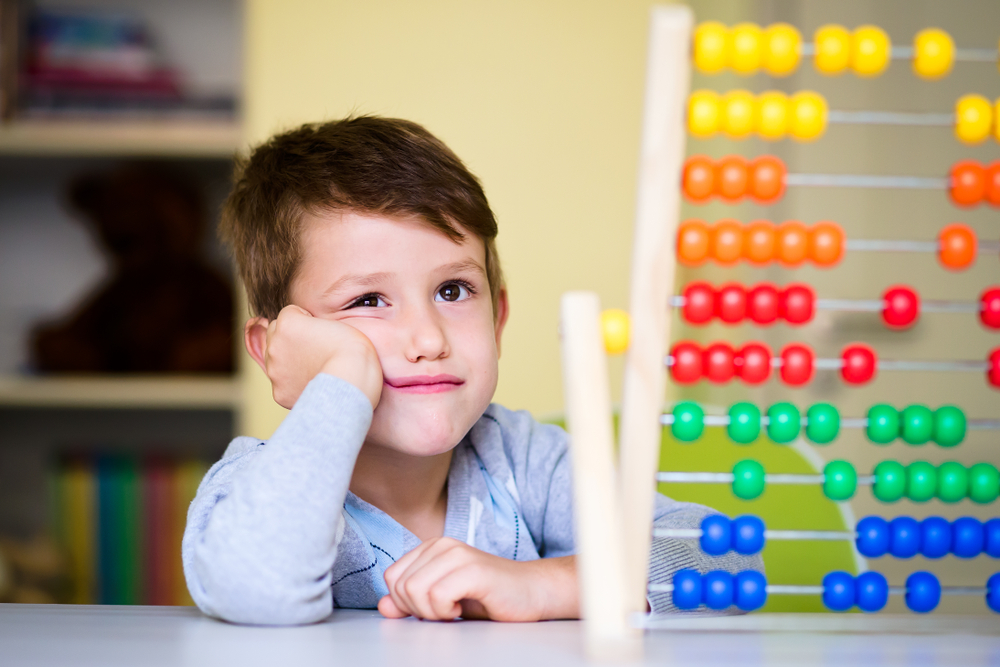


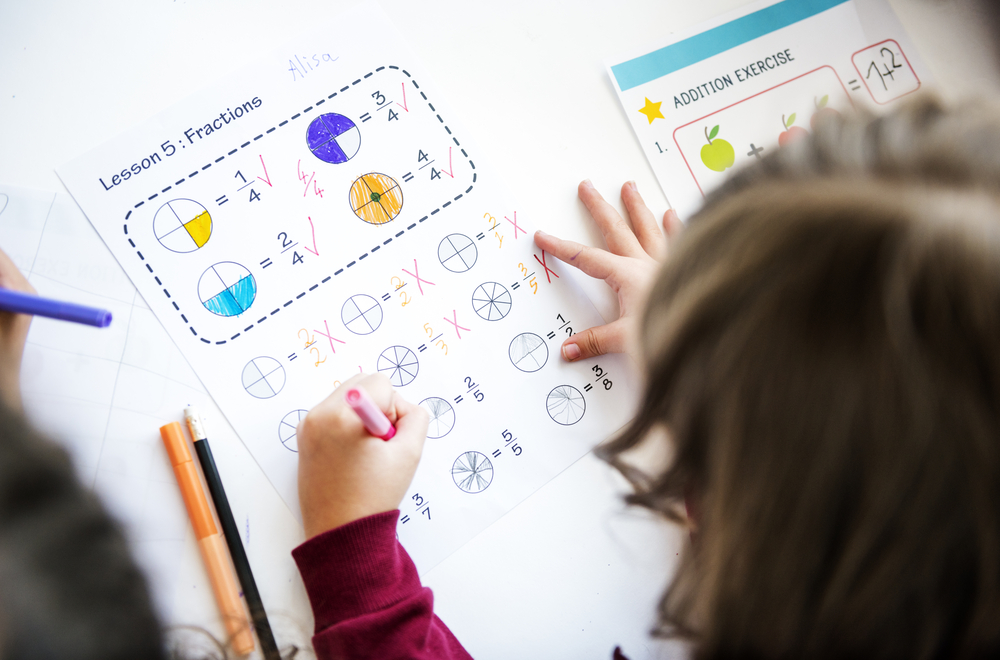

Recognition skills are crucial for children ages 5-8 as they form the foundation for effective learning and cognitive development. During these formative years, children are actively engaged in recognizing letters, numbers, shapes, and even emotions, which all play significant roles in their academic success and social interactions.
Parents and teachers should prioritize developing recognition skills because they directly impact literacy and math proficiency. For instance, recognizing letters leads to better reading skills, while recognizing numerical symbols enhances mathematical understanding. Strong recognition skills also foster confidence, enabling children to express themselves clearly and participate actively in learning activities.
Moreover, these skills contribute to a child's ability to process information in their environment, making them more adaptable to new situations. Encouraging recognition through interactive games, reading, and everyday conversations not only enhances learning but also builds a child’s self-esteem and critical thinking abilities.
Ultimately, investing time in recognizing skills cultivates a supportive educational atmosphere, equips children with essential tools for lifelong learning, and strengthens the bond between parents, teachers, and students. By valuing and promoting recognition skills, we prepare children for future academic challenges and help them navigate their social worlds more effectively.








