
Recognizing shapes Normal Worksheets for Ages 5-8
3 filtered results
Difficulty Level
Grade
Age
-
From - To
Subject
Activity
Standards
Welcome to our engaging "Recognizing Shapes Normal Worksheets" tailored for children aged 5-8! These dynamic worksheets are designed to enhance shape recognition skills through fun and interactive activities. Your little learners will explore and identify various shapes, including circles, squares, triangles, and more, while practicing essential early math skills. With vibrant illustrations and simple exercises, our worksheets make learning enjoyable and effective. Perfect for classroom use or at home, these resources help develop critical thinking and visual recognition, laying a strong foundation for future learning. Download and watch your child's confidence grow as they master the world of shapes!
Favorites
With answer key
Interactive
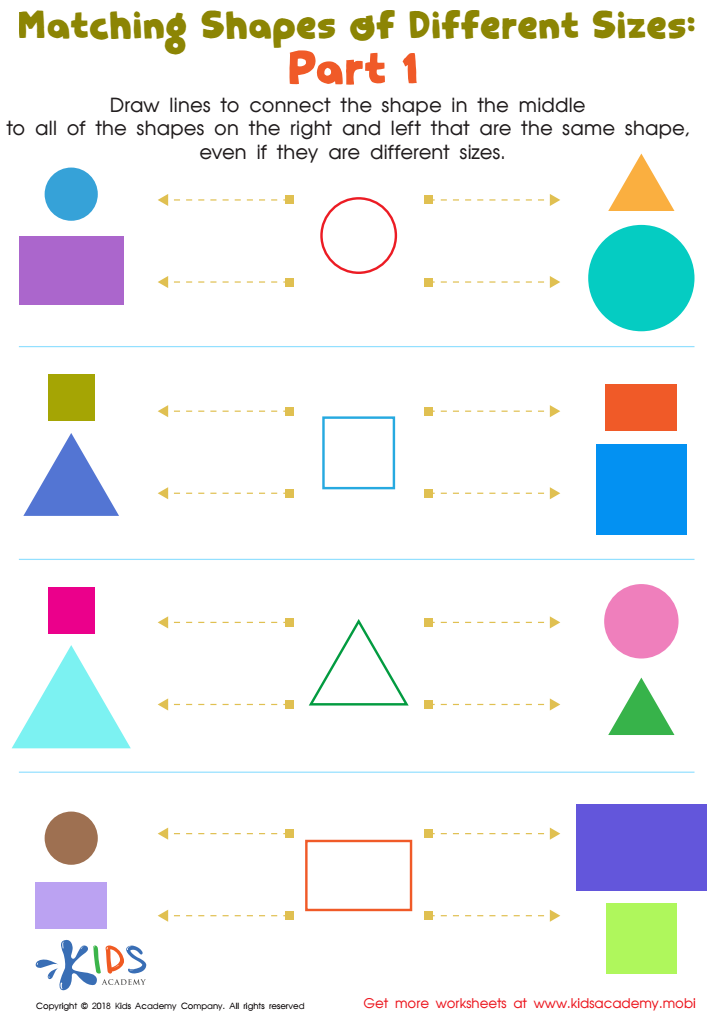
Geometry: part 1 Worksheet
Test your student's shape knowledge with this beginner-level geometry worksheet. This fun, challenging printable PDF will sharpen spacial recognition skills as they match shapes of different sizes. Get started now!
 Assign to My Students
Geometry: part 1 Worksheet
Worksheet
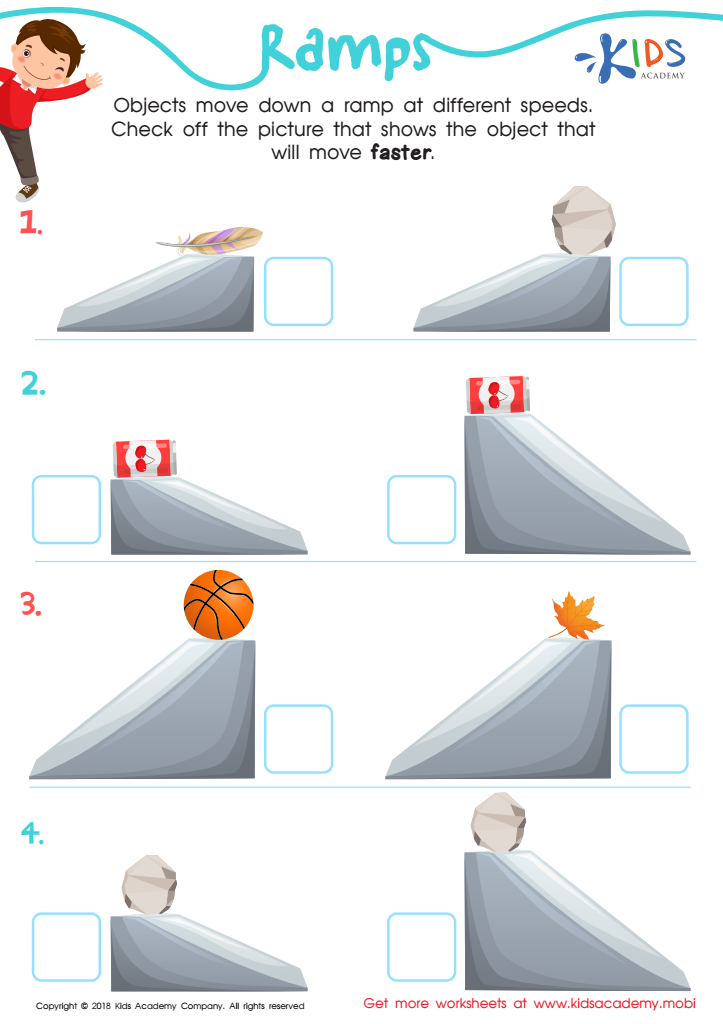
Ramps Worksheet
If your child has seen a ramp, they'll find this worksheet easy. A ramp is sloped for objects to move quickly downwards. The printout has images of objects on different ramps. Ask your child to identify which object will move faster.
Ramps Worksheet
Worksheet
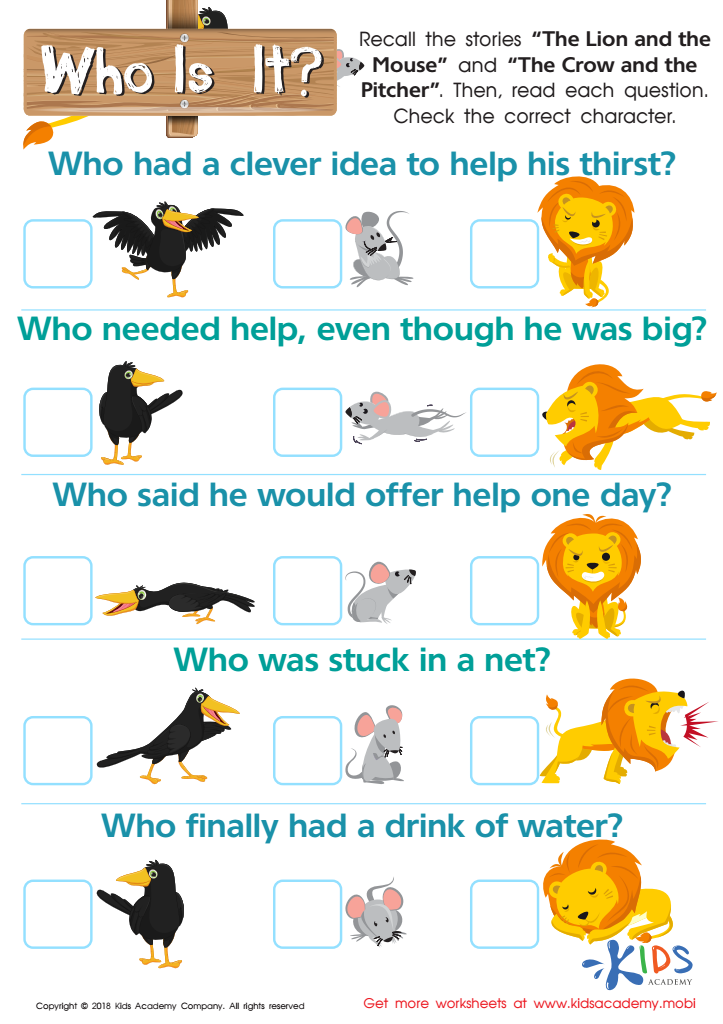
Who Is It? Worksheet
This worksheet helps students recall details from The Crow and the Pitcher and The Lion and the Mouse stories. Students will answer questions about the characters' actions. Use it to assess their understanding of both stories, as this is a key comprehension skill.
Who Is It? Worksheet
Worksheet
Join Kids Academy for Free
Who is primarily going to use this learning content?





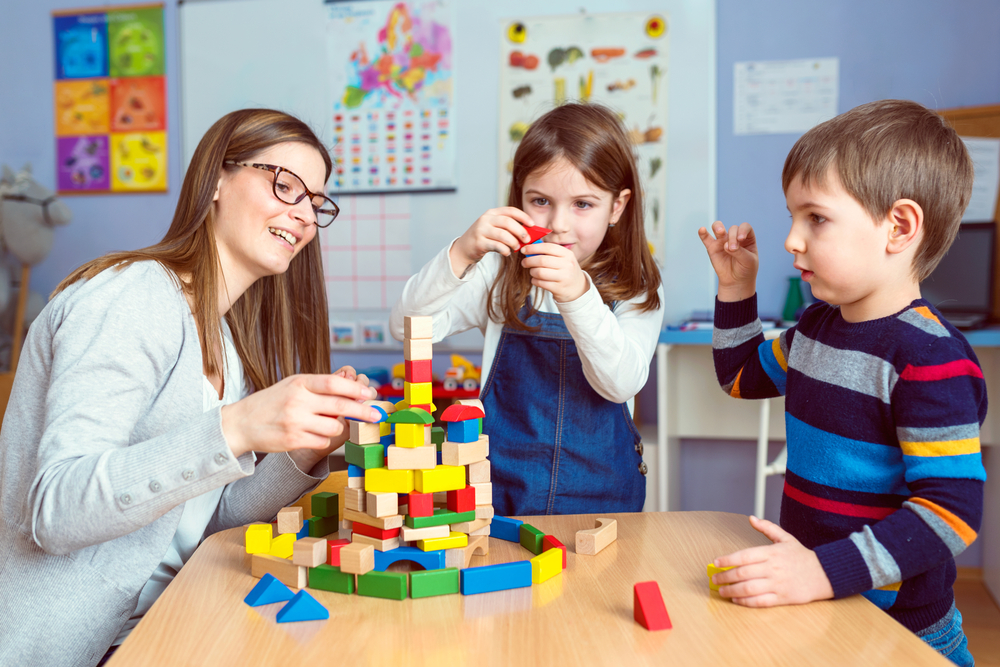

Recognizing shapes is a foundational skill for children aged 5 to 8, and its importance extends beyond mere identification. For parents and teachers, fostering this skill is crucial as it enhances early mathematical understanding and spatial awareness. Recognizing shapes helps children develop critical thinking and problem-solving abilities, key components of their cognitive development. It paves the way for more complex concepts in math, such as geometry, by enabling children to categorize and compare different objects based on their properties.
Additionally, engaging in shape recognition activities supports language development. Children learn to articulate the names of shapes and describe their characteristics, enriching their vocabulary and communication skills. These activities can also be fun and interactive, promoting social skills through collaborative play and exploration.
Furthermore, recognizing shapes is essential in everyday life. It assists children in making sense of the world around them, from understanding road signs to completing art projects. When adults emphasize this skill, they provide children with the tools to become confident learners.
In summary, recognizing shapes not only builds a strong mathematical foundation but also enriches overall learning and daily experiences, making it a vital area of focus for parents and teachers alike.








