Sequencing Skills Normal Worksheets for Ages 5-8
7 filtered results
-
From - To
Boost your child's storytelling prowess with our Sequencing Skills Normal Worksheets, perfect for kids ages 5-8. Designed to enhance essential cognitive and literacy skills, these fun and age-appropriate activities teach young learners the importance of order and narrative flow. From arranging events in a story to understanding everyday sequences, children become more confident readers and writers as they navigate through engaging exercises. Ideal for both classroom and home use, our worksheets illuminate the joy of learning and help set the stage for future academic success. Watch their sequencing skills grow as they embark on this creative journey!
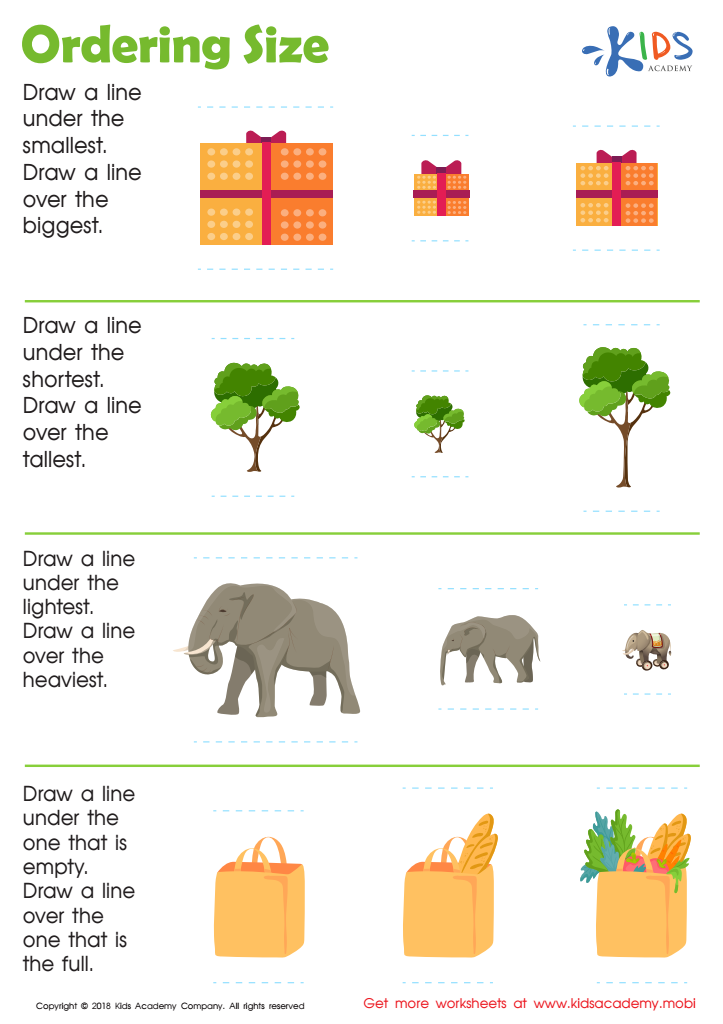
Ordering Size Worksheet
 Assign to My Students
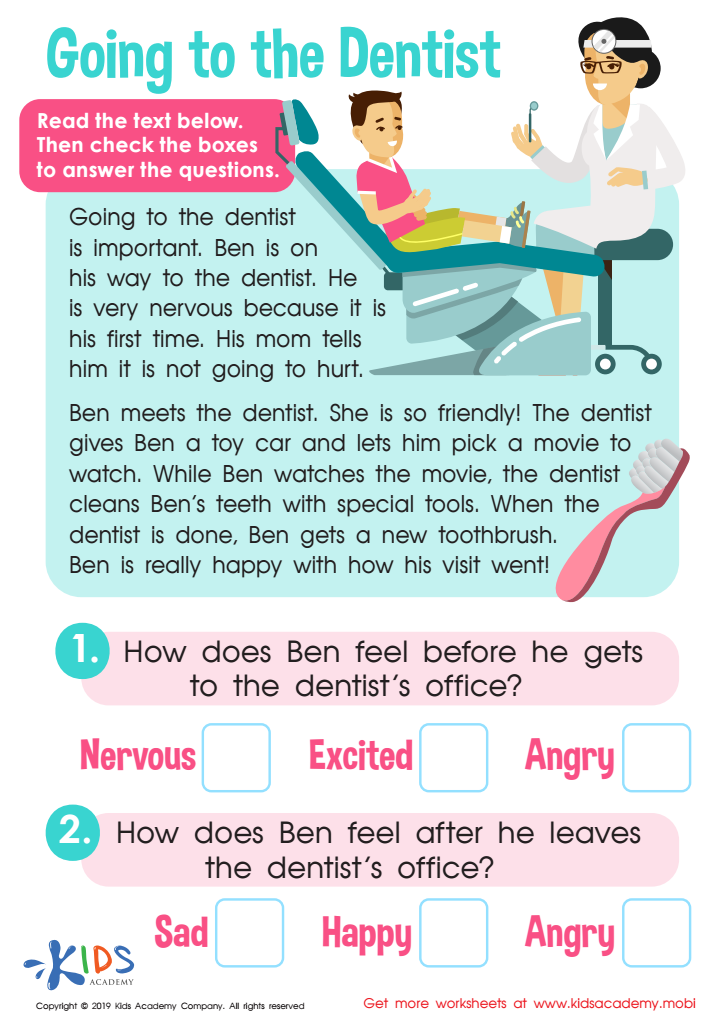
Going to the Dentist Worksheet
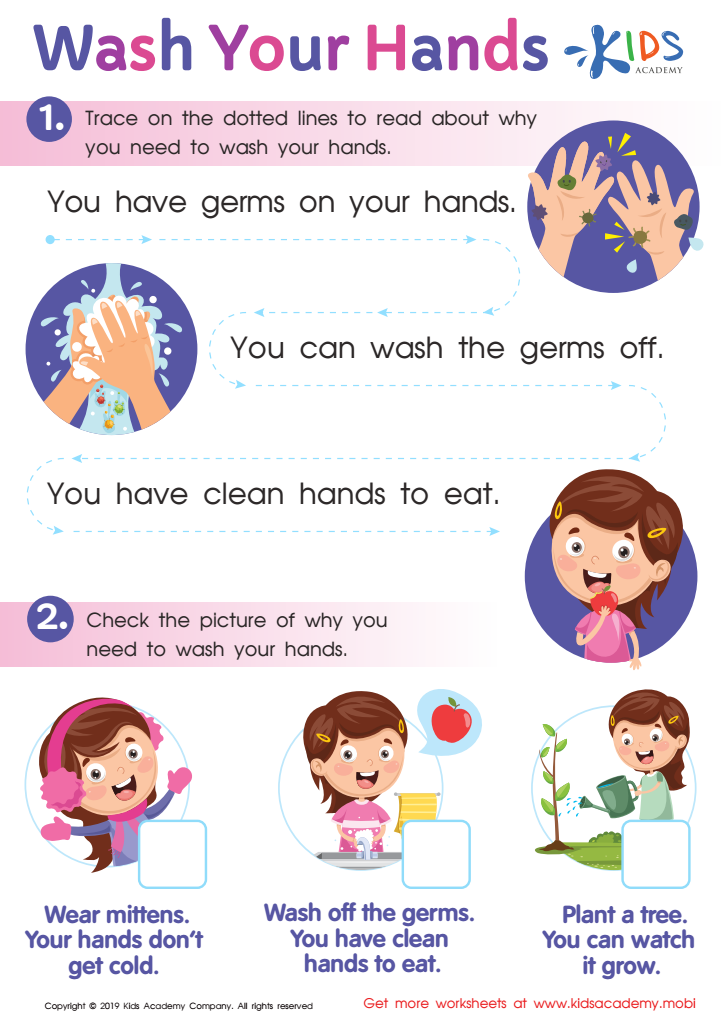
Wash Your Hands Worksheet
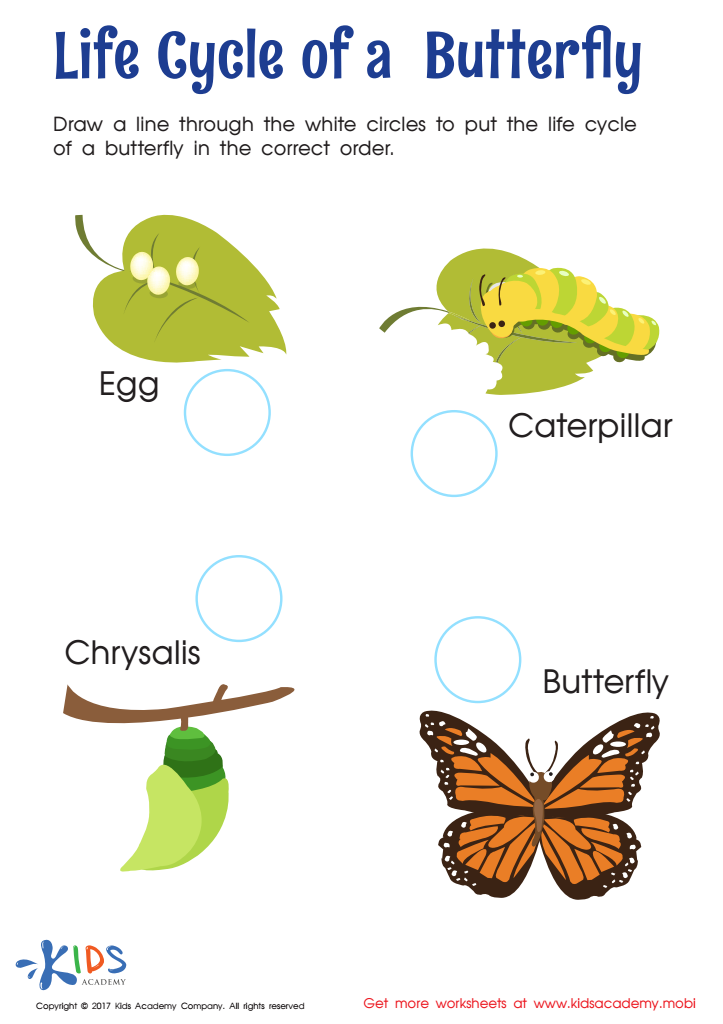
Life Cycle of Butterfly Worksheet
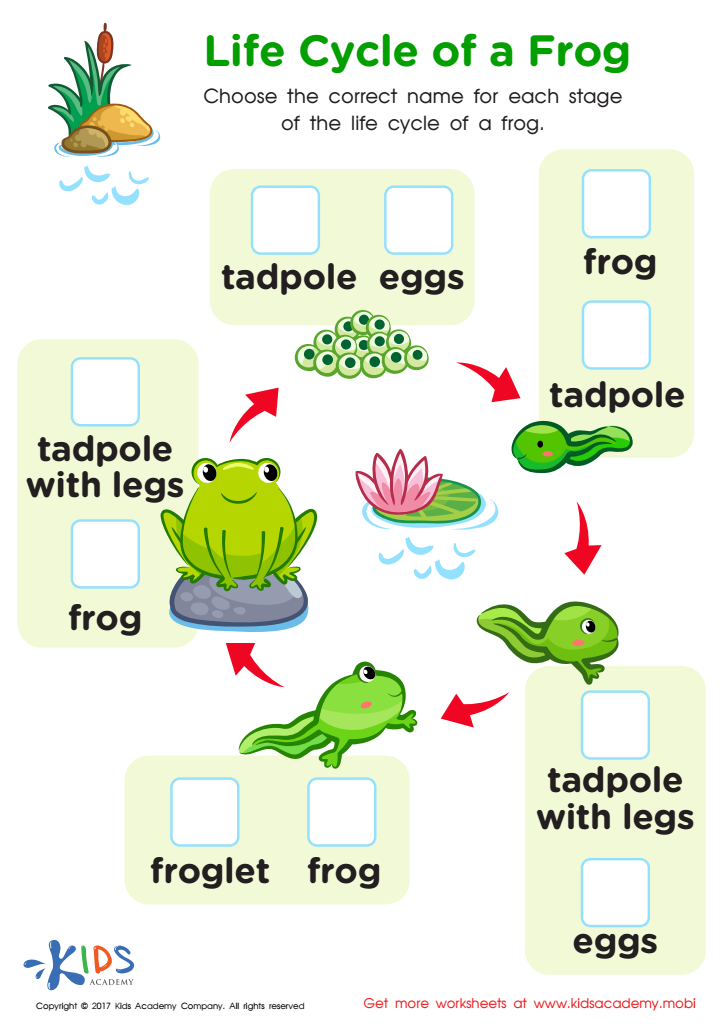
Life Cycle Frog Printable
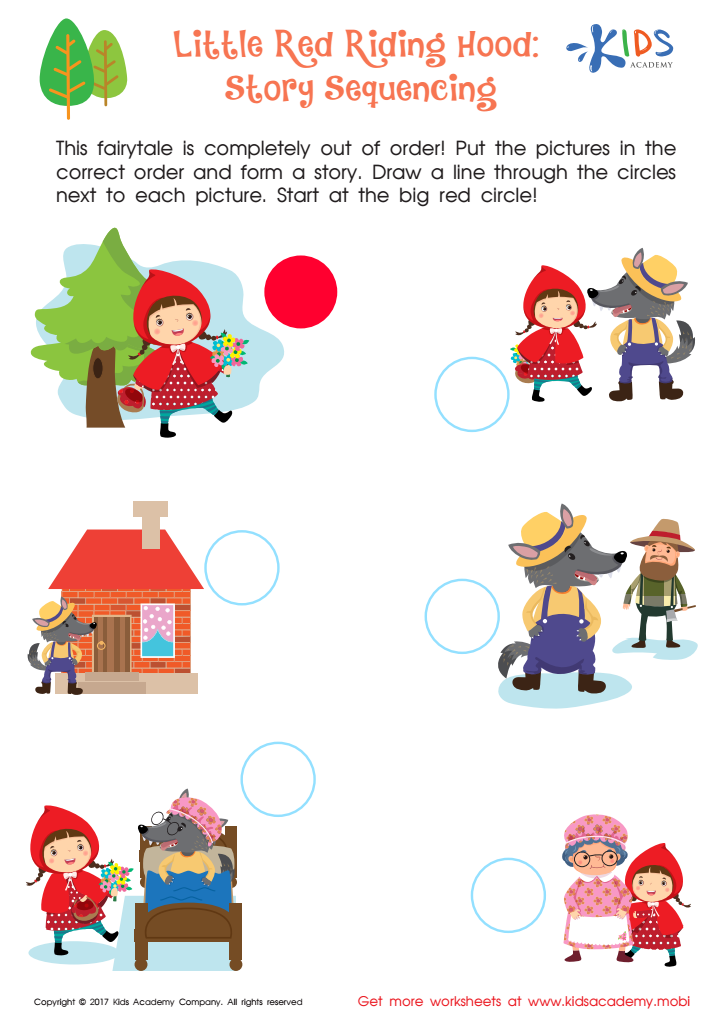
Story Sequencing Printable
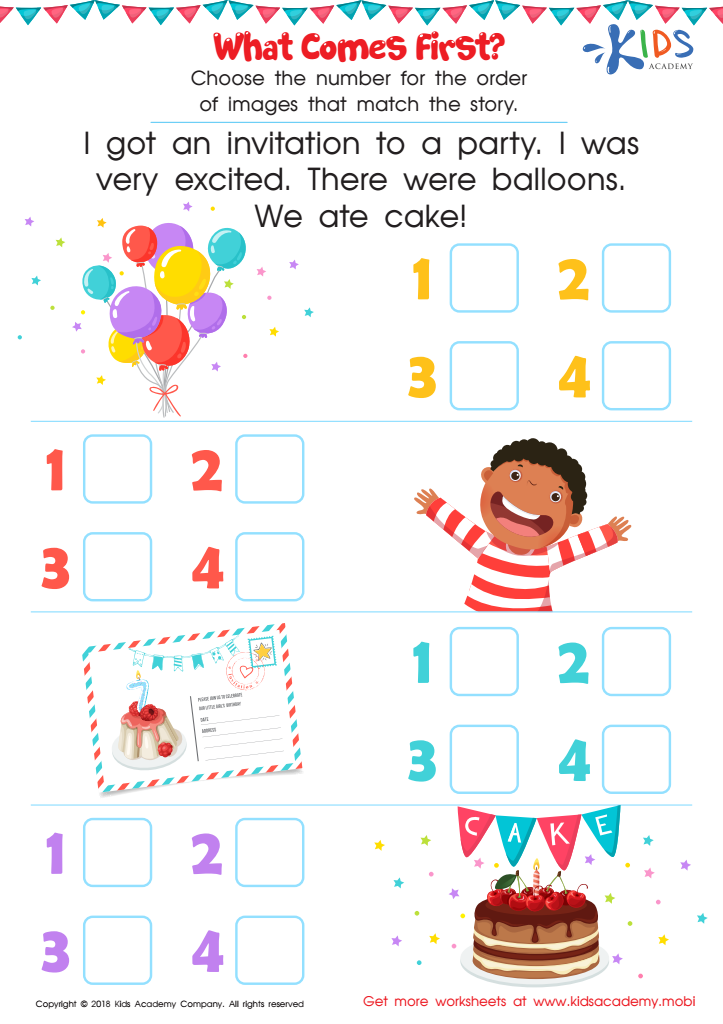
What Comes First Worksheet




.jpg)


Sequencing skills, the ability to understand and arrange events or information in a specific order, are crucial for young children aged 5-8 as they form the foundation for critical thinking, problem-solving, and academic success. Parents and teachers should prioritize the development of these skills for several reasons.
Firstly, sequencing is fundamental in reading comprehension. Young children who grasp the sequence of events can better understand and predict storylines, enhancing their overall reading experience and literacy. Good sequencing skills enable children to follow multi-step instructions, crucial for classroom learning and daily routines.
Secondly, sequencing lays the groundwork for writing proficiency. Students need to organize their thoughts logically to construct coherent sentences, paragraphs, and stories, giving their writing clarity and purpose.
Mathematical concepts, another core area of early learning, also rely heavily on sequencing. Understanding patterns, arranging numbers, and following mathematical procedures are made simpler as children strengthen their sequencing abilities, thereby improving their computational and problem-solving skills.
Moreover, sequencing skills contribute to social development. Children learn to sequence their communications logically, making their interactions more meaningful and effective.
In conclusion, nurturing sequencing skills from an early age fosters academic growth, cognitive development, and social competence, making it essential for teachers and parents to incorporate activities that improve these abilities into everyday learning. This early investment equips children with the tools they need to succeed across various domains in their future endeavors.








