
Addition Practice Normal Addition Facts Worksheets for Ages 5-8
4 filtered results
Difficulty Level
Grade
Age
-
From - To
Subject
Activity
Standards
Discover our engaging Addition Practice Normal Addition Facts Worksheets, designed specifically for children ages 5 to 8. These printable resources provide a fun and interactive way for young learners to master essential addition skills. From simple problems to progressively challenging exercises, each worksheet helps develop numerical fluency and confidence. Ideal for both classroom and home learning environments, our worksheets feature colorful illustrations and clear instructions to keep kids motivated. Foster a love for math through diverse activities that cater to different learning styles. Explore our collection today and watch your child excel in their addition skills!
Favorites
With answer key
Interactive
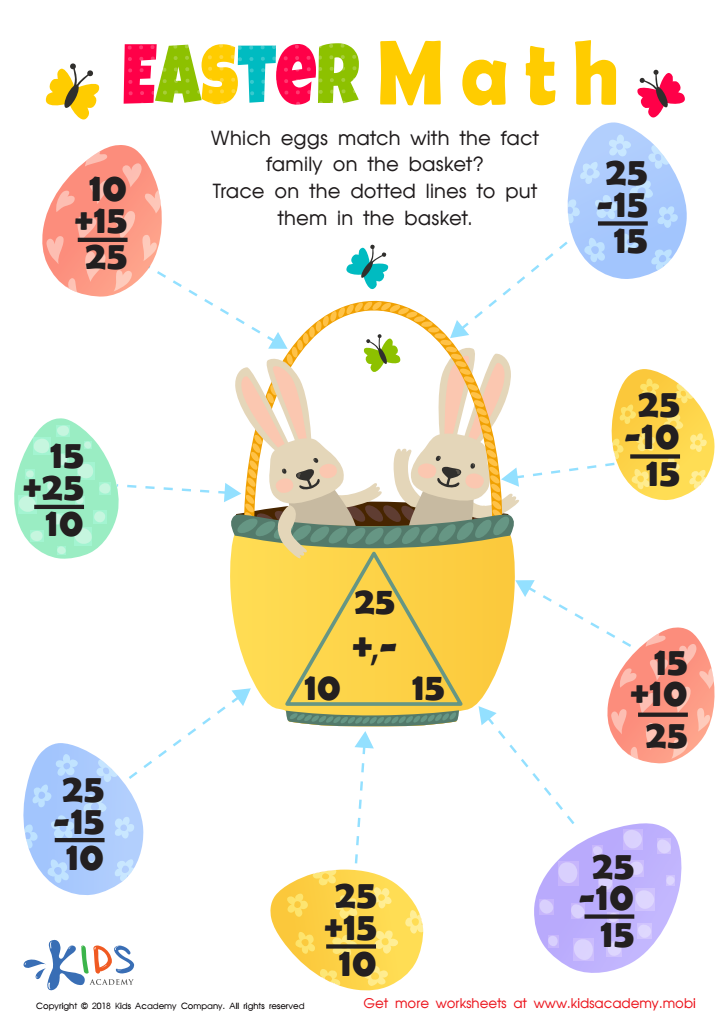
Fact Families: Easter Math Worksheet
Kids will love this vibrant PDF packed with Easter math fun! Match facts with the colorful eggs, add and subtract multiples of five to boost automaticity, and have a blast with the bunny friends!
 Assign to My Students
Fact Families: Easter Math Worksheet
Worksheet
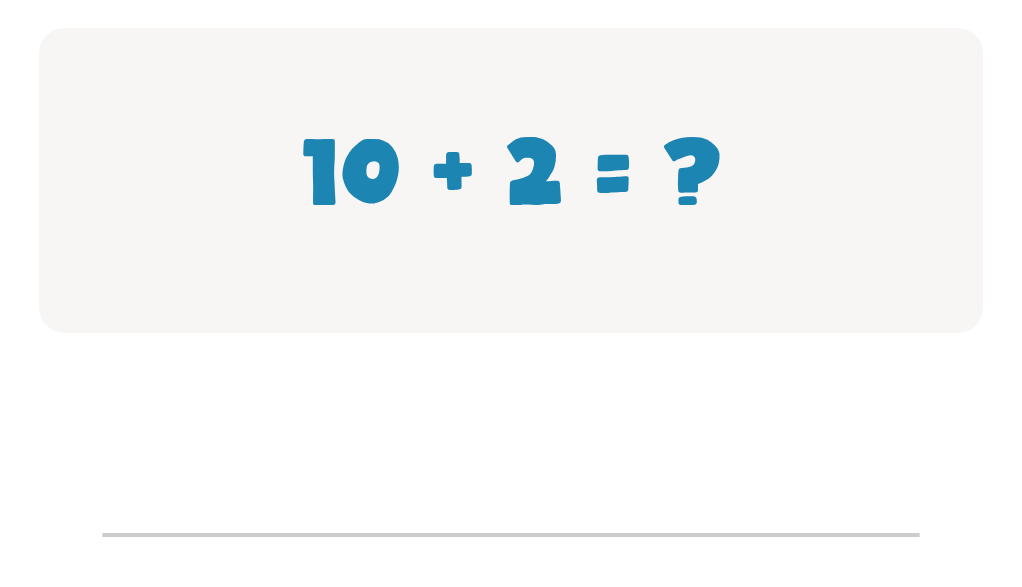

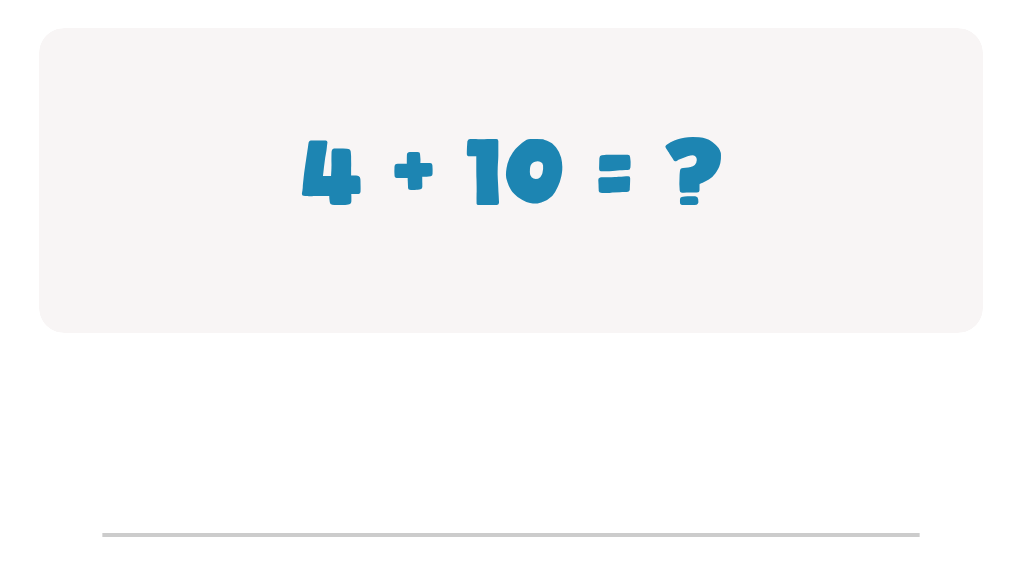
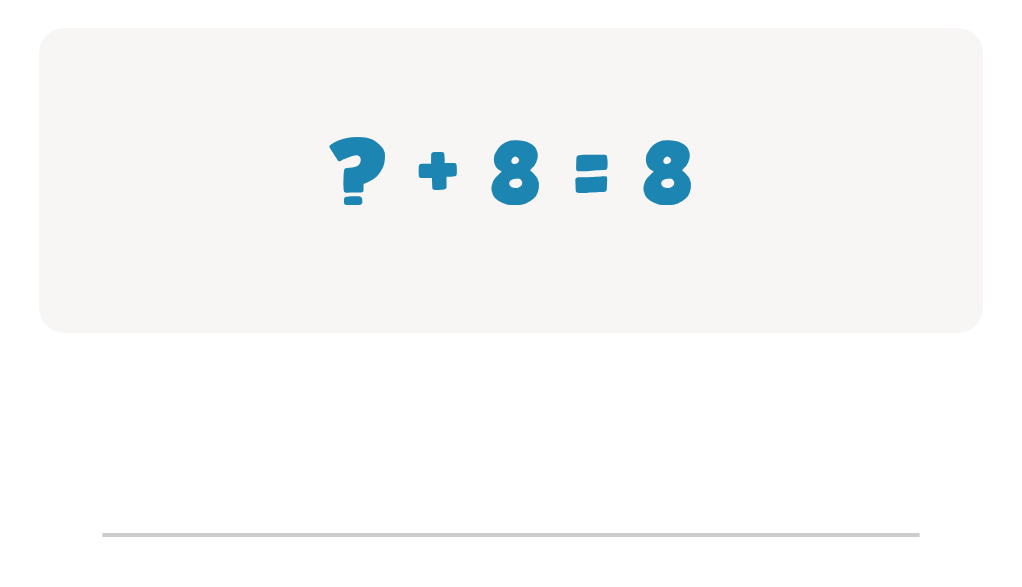

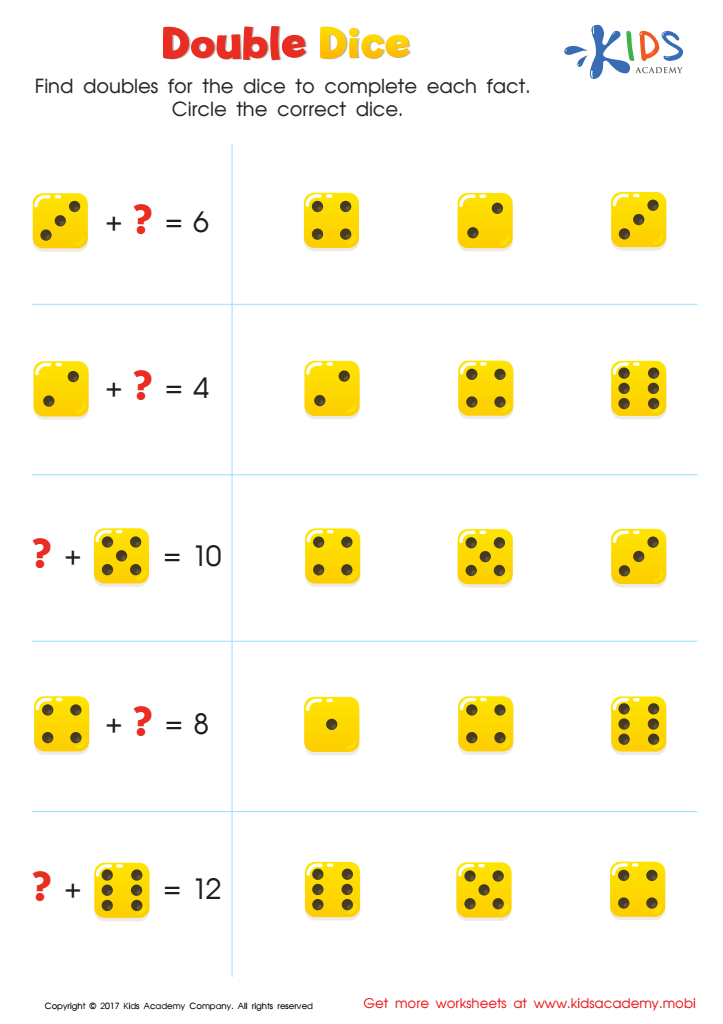
Addition Facts: Double Dice Worksheet
Are you looking for ways to make maths more engaging for kids? Maths can be a bore, but by teaching kids from an early age that it can be fun, they won't struggle with it. This worksheet is a great way to start: your child needs to identify the number on the left dice and find its double on the right. The sum of the two dice is also given.
Addition Facts: Double Dice Worksheet
Worksheet
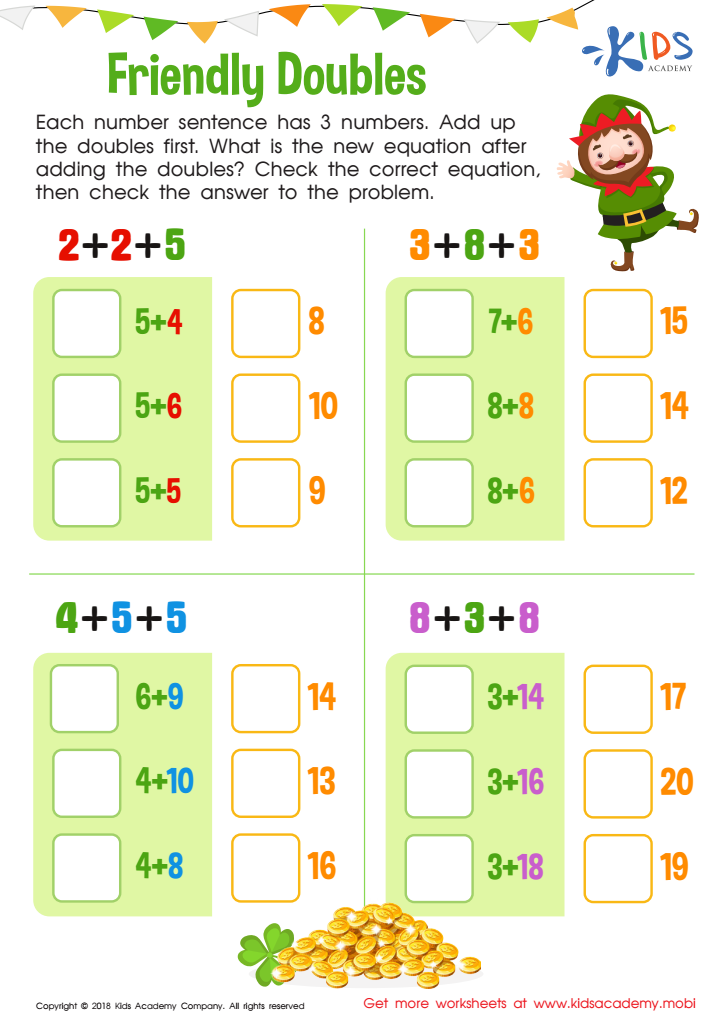
Friendly Doubles Worksheet
Kids will love this animated worksheet with bright colors! It helps them learn how to use doubles facts to answer three addend addition problems. It boosts their math skills, making computation easier, faster and more efficient. It also assists with adding and subtracting larger numbers. Let the power of doubles get them started!
Friendly Doubles Worksheet
Worksheet
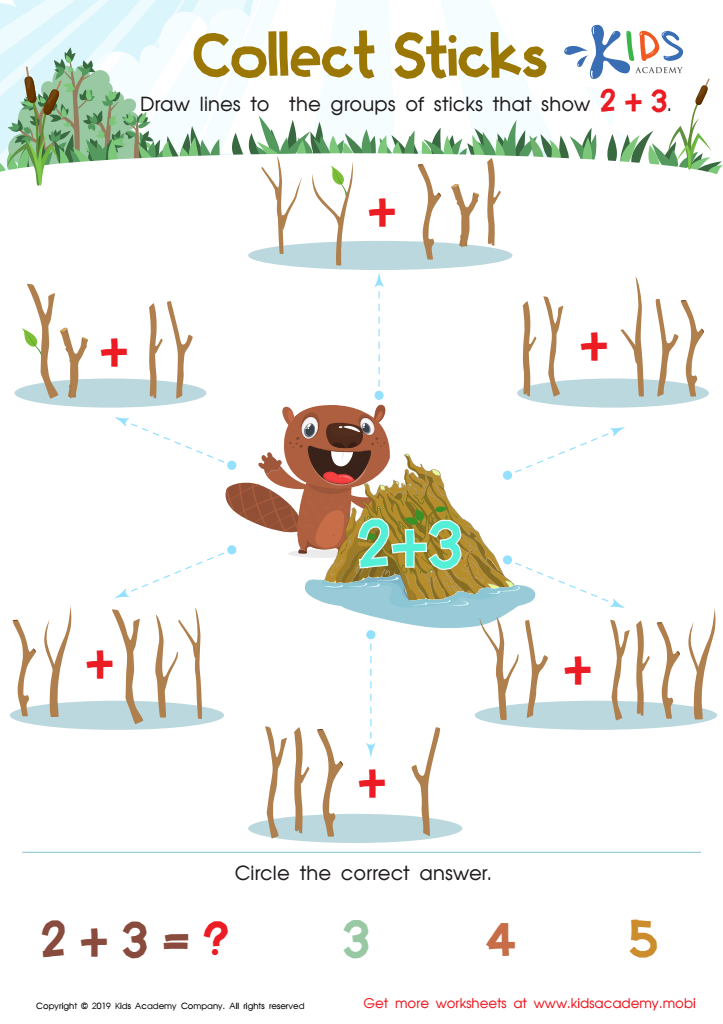
Collect Sticks Worksheet
Let math be fun for your kids with a simple and colorful worksheet exercise. Addition and subtraction can be daunting, but you can make it enjoyable with exercises like this one. Get them to draw lines to the groups of sticks that show 2+3 and watch them light up.
Collect Sticks Worksheet
Worksheet
Join Kids Academy for Free
Who is primarily going to use this learning content?








Addition practice for ages 5-8 is vital for several reasons, and parents and teachers should take note of its importance in early education. First, mastering normal addition facts lays the foundation for future math skills. At this age, children are transitioning from basic counting to more complex arithmetic, and a solid grasp of addition sets the stage for more advanced topics like subtraction, multiplication, and even fractions later on.
Second, consistent practice with addition facts boosts children's confidence in mathematics, often seen as a challenging subject. As students become more comfortable with basic addition, they will feel more empowered to tackle higher-level math, reducing anxiety and enhancing overall academic performance.
Third, addition practice can improve critical thinking and problem-solving skills. Engaging in exercises that promote mental math encourages children to think on their feet and develop strategies for solving problems efficiently.
Additionally, regular practice instills discipline and perseverance, crucial qualities for lifelong learning. When parents and teachers make a commitment to support children in mastering addition facts, they are contributing to the development of essential skills that will benefit students throughout their education and beyond. In short, prioritizing addition practice is both an investment in mathematical understanding and a boost to children's self-esteem.








