Problem-Solving Skills Normal Addition Facts Worksheets for Ages 5-8
5 filtered results
-
From - To
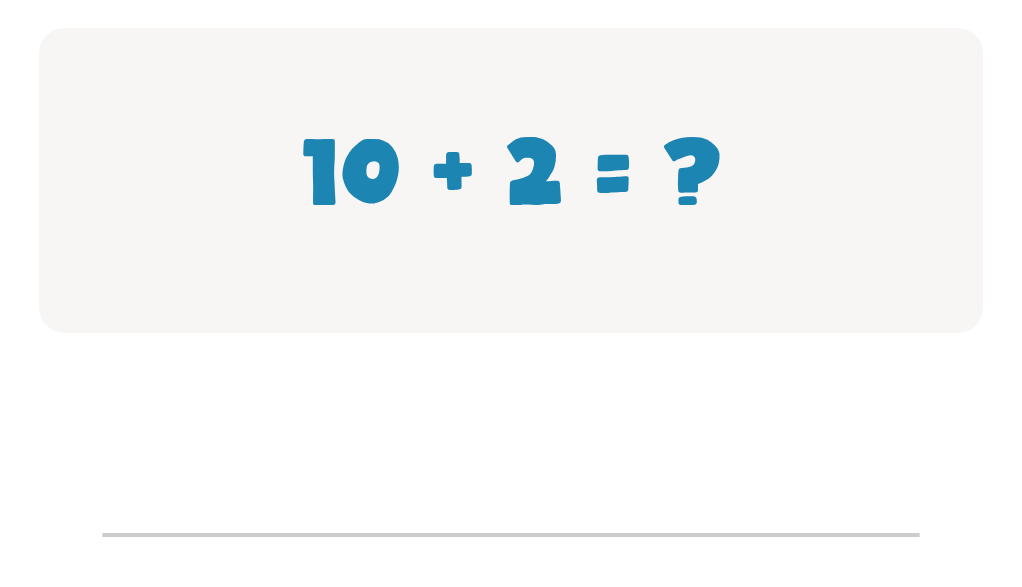
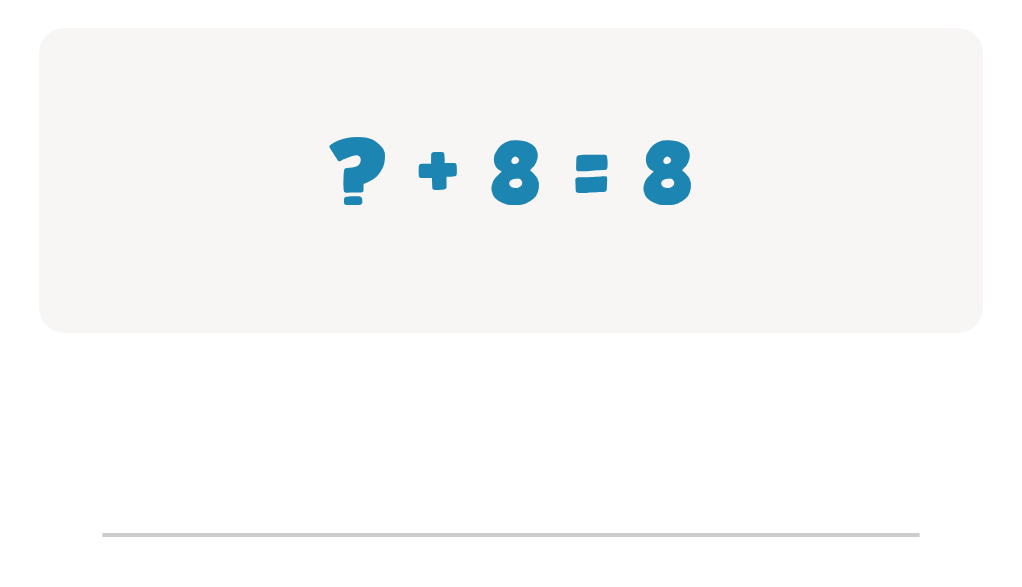
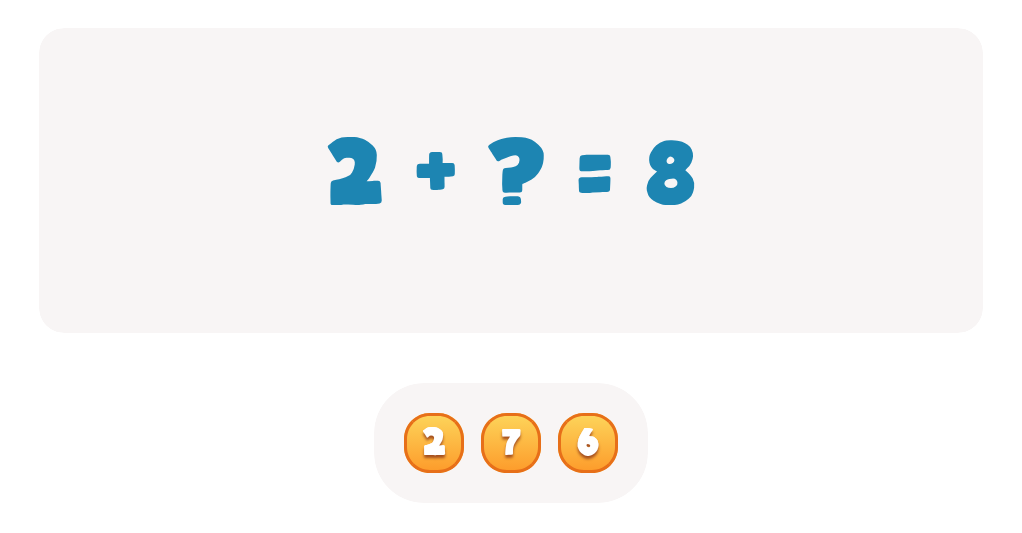
Enhance your child's problem-solving skills with our engaging Normal Addition Facts Worksheets, specifically designed for ages 5-8. These worksheets provide a fun and interactive way for young learners to master addition while developing critical thinking and reasoning abilities. Each worksheet features a variety of activities, including visual aids and real-world scenarios, encouraging children to apply addition concepts to solve problems creatively. Ideal for classroom use or at-home learning, these resources not only reinforce mathematical understanding but also promote essential cognitive skills. Start your child's journey to becoming a confident problem solver with our comprehensive and enjoyable addition worksheets today!
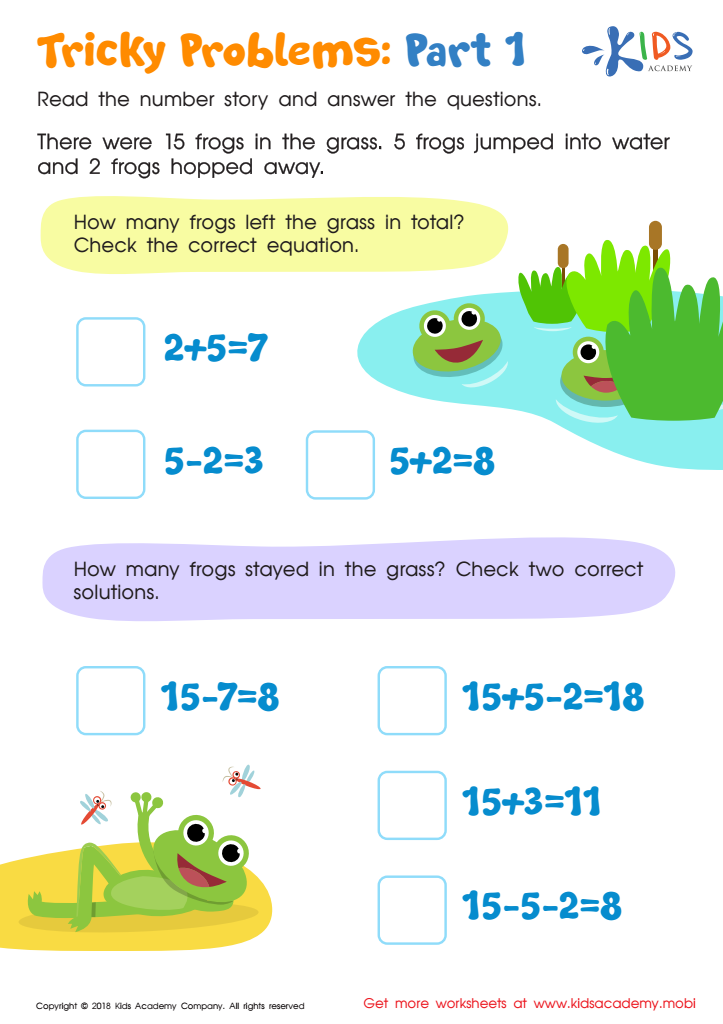
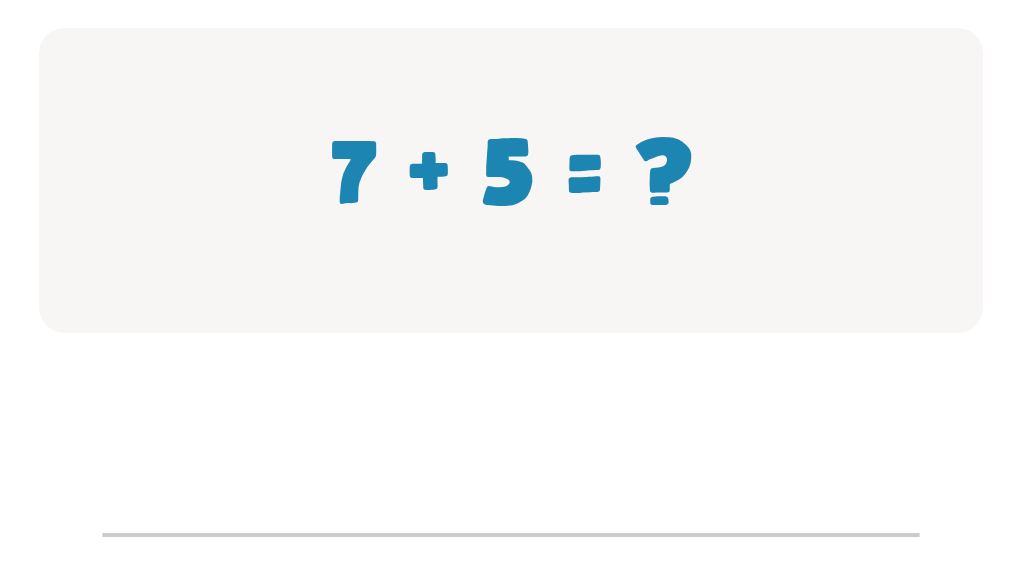
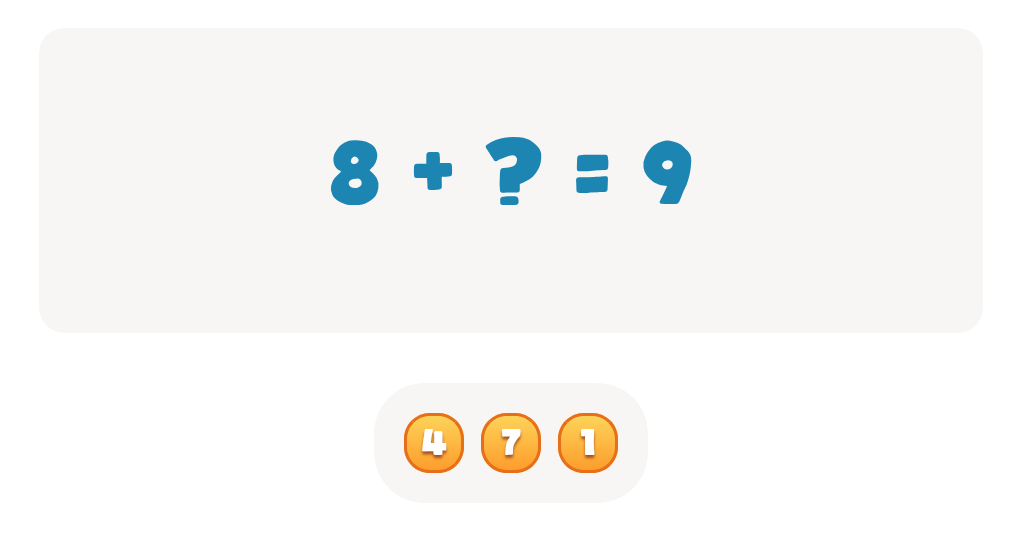
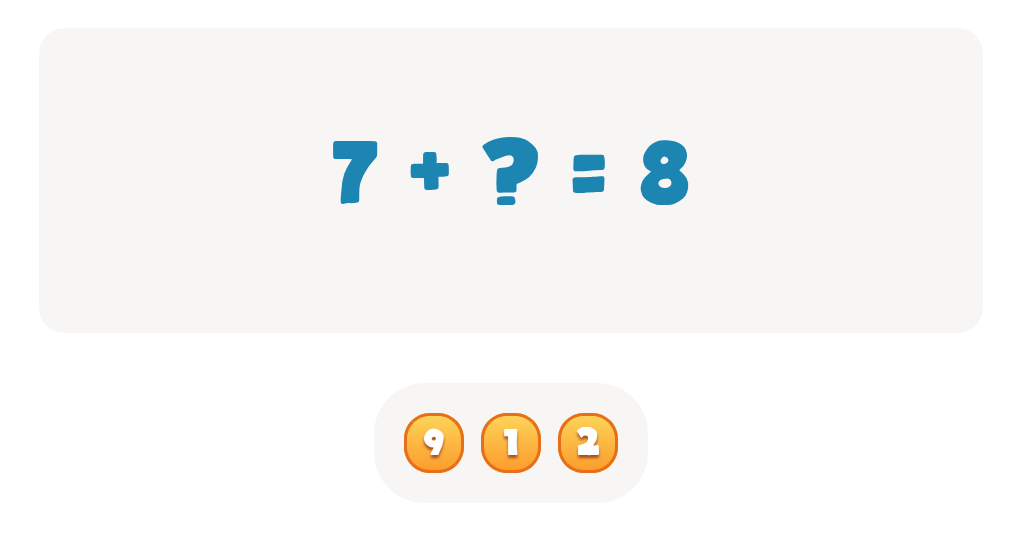
Tricky Problems Worksheet: Part 1
 Assign to My Students



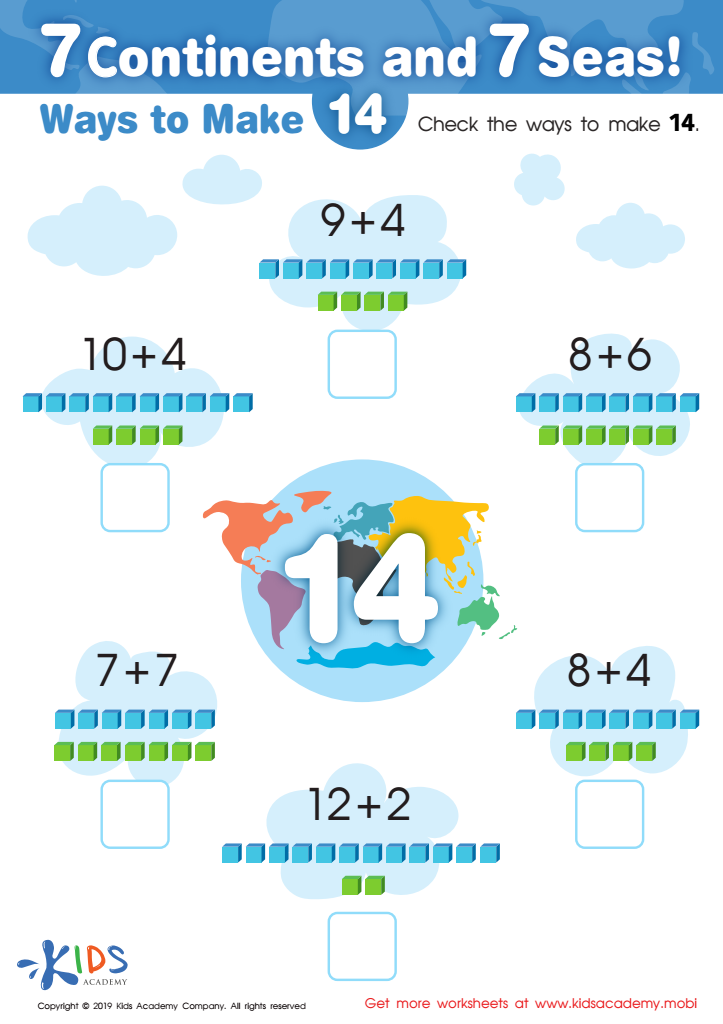
7 Continents and 7 Seas Worksheet
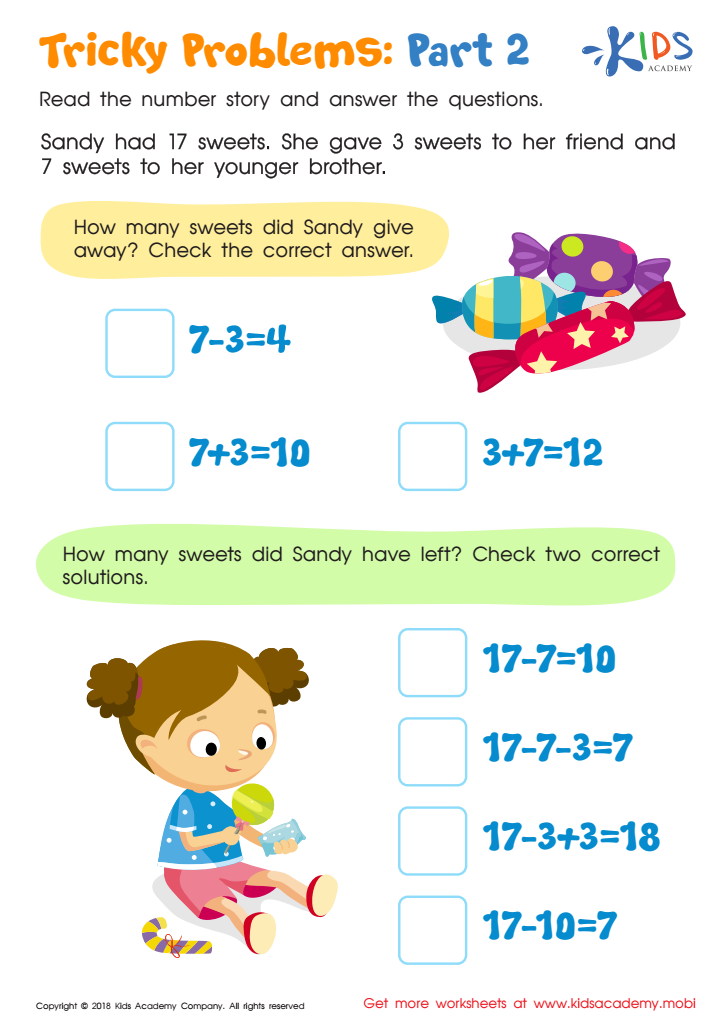
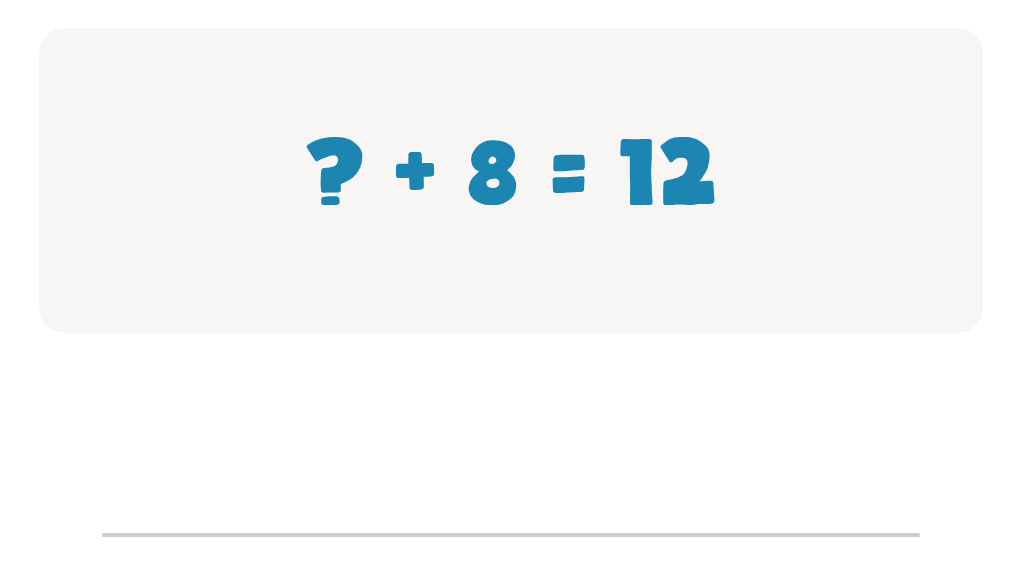
Tricky Problems Worksheet: Part 2
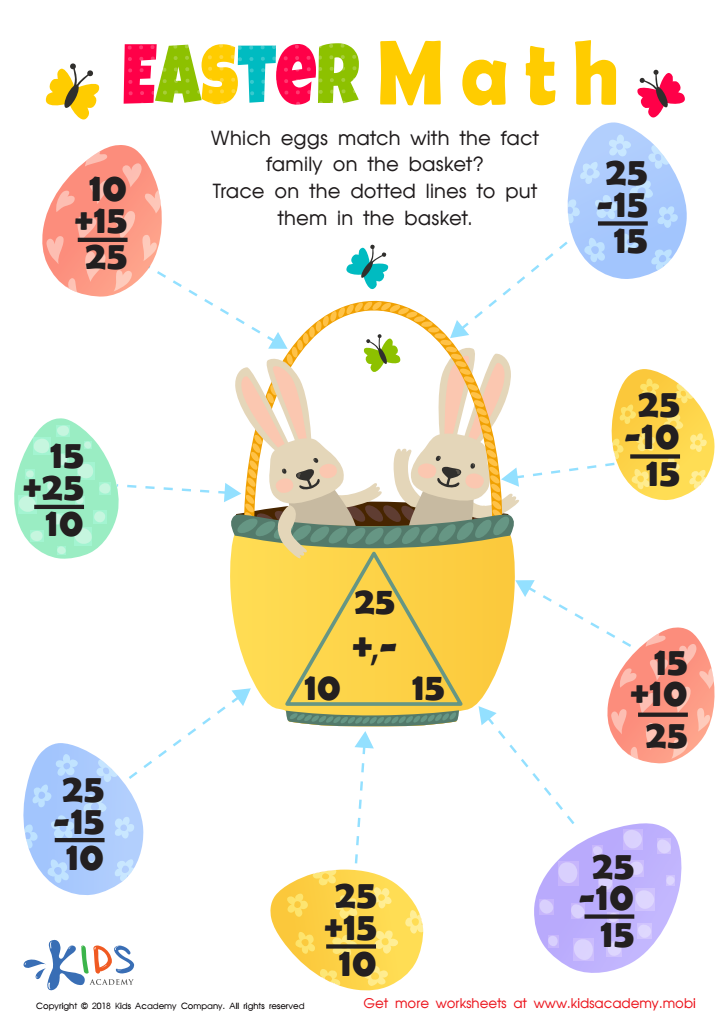
Fact Families: Easter Math Worksheet
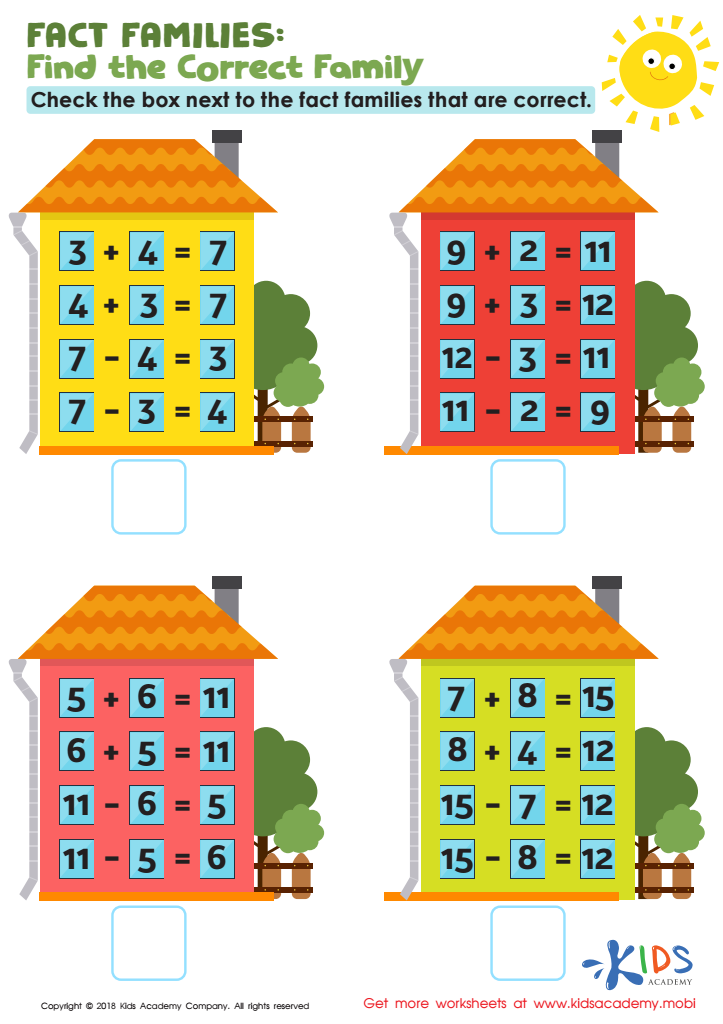
Fact Families: Find Correct Family Worksheet








Problem-solving skills and mastering normal addition facts are crucial for children aged 5-8, forming a foundational aspect of their mathematical development. At this age, children are not only learning to add numbers but are also developing their ability to think critically and strategically. These skills go beyond rote memorization of facts; they encourage children to explore different methods of arriving at solutions, thus enhancing their cognitive abilities.
For teachers and parents, fostering problem-solving skills through addition can lead to greater mathematical confidence. When children master addition facts, they can tackle more complex mathematical concepts with ease, preventing frustration and promoting a positive attitude toward learning. Additionally, the ability to solve problems reinforces perseverance and resilience, essential traits that children will carry into other areas of their education and daily life.
Moreover, these skills foster collaboration and communication, as children often work with peers to solve problems. Supporting this development at a young age lays the groundwork for success in advanced math and encourages lifelong learning habits. Ultimately, investing time and effort into improving problem-solving skills and mastering addition facts equips children with the tools they need to thrive academically and personally.








