Enhancing Counting Skills Normal Numbers Worksheets for Ages 5-8
5 filtered results
-
From - To
Boost your child's math confidence with our "Enhancing Counting Skills Normal Numbers Worksheets for Ages 5-8" on Kids Academy! Designed by educational experts, these engaging worksheets make learning numbers a fun adventure. Perfectly suited for young learners, the activities foster crucial counting skills through interactive and entertaining exercises. Children will enjoy recognizing, counting, and writing numbers, setting a solid foundation for their mathematical journey. With colorful visuals and age-appropriate challenges, kids will stay motivated and excited to learn. Visit Kids Academy to explore our free, printable resources that turn early math education into an enjoyable experience.
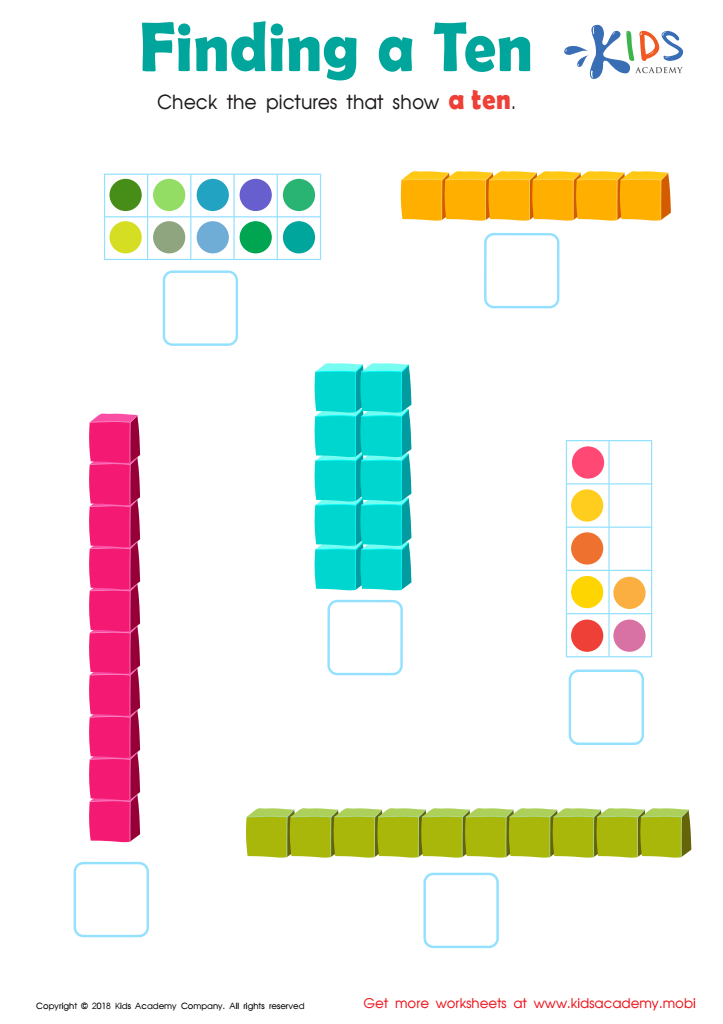
Finding a Ten Worksheet
 Assign to My Students
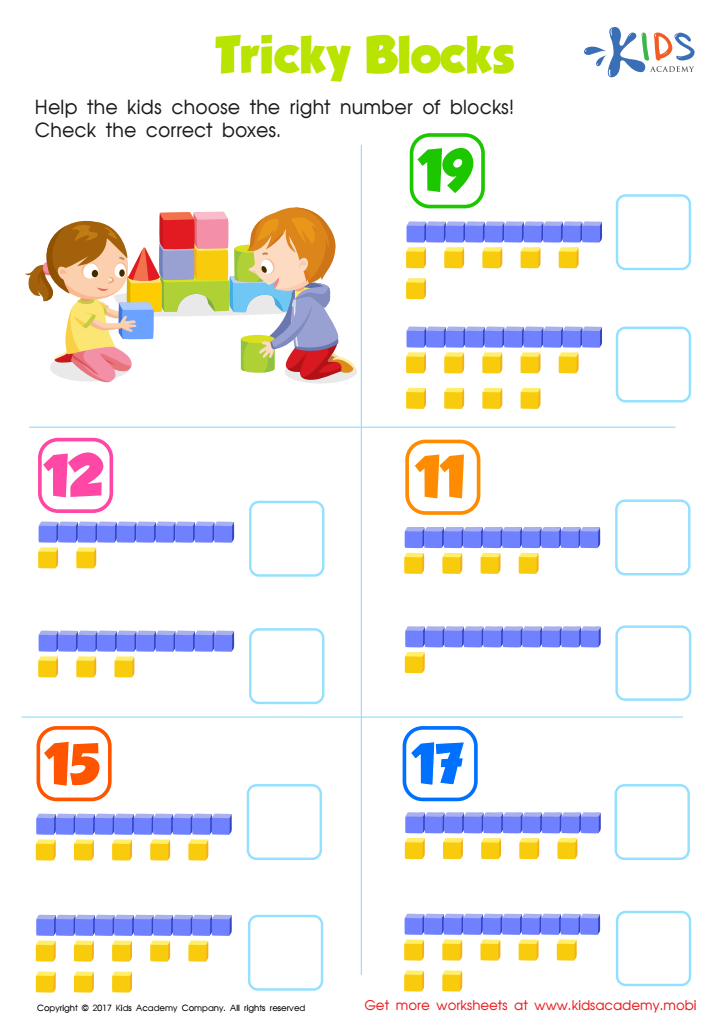
Tricky Blocks Worksheet
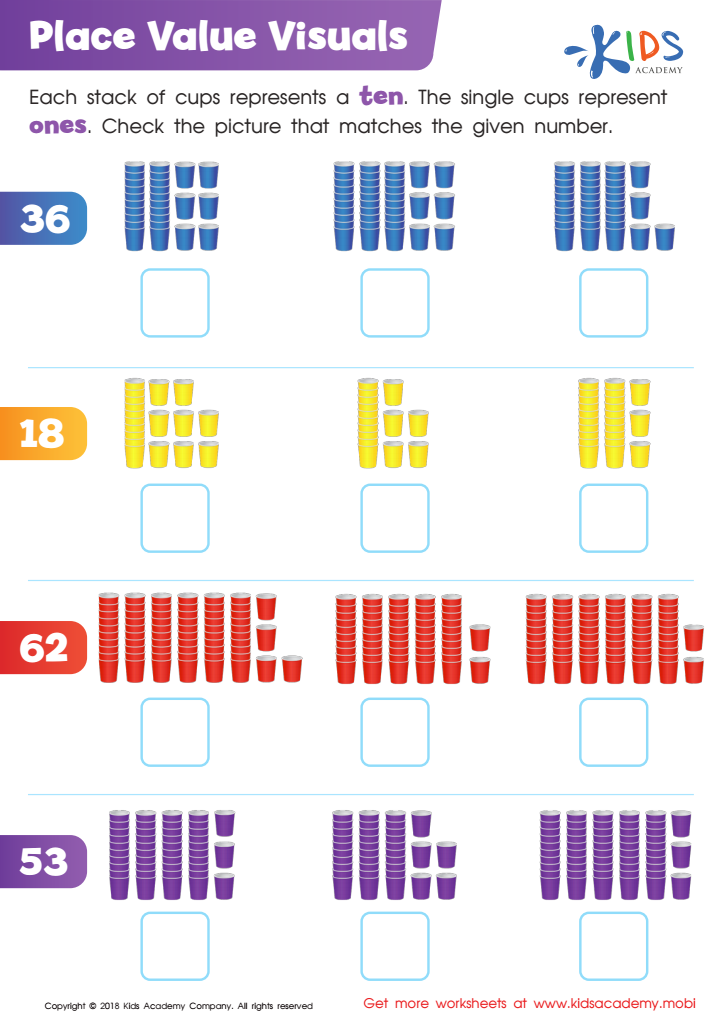
Place Value Visuals Worksheet
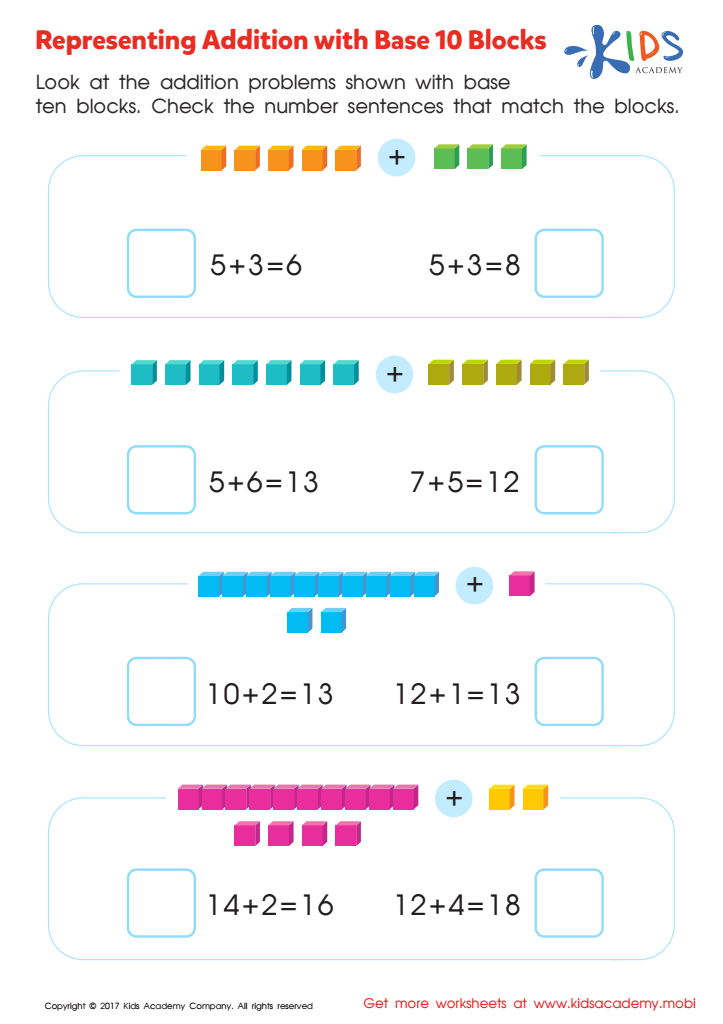
Representing Addition with Base 10 Blocks Worksheet
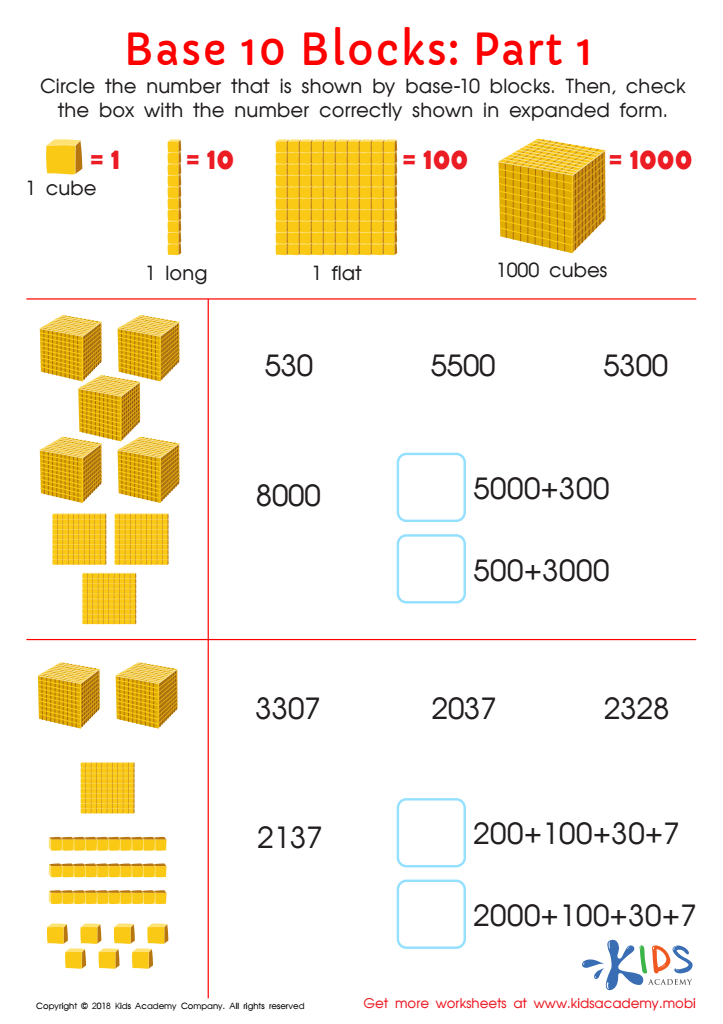
Base 10 Blocks Worksheet: Part 1



.jpg)

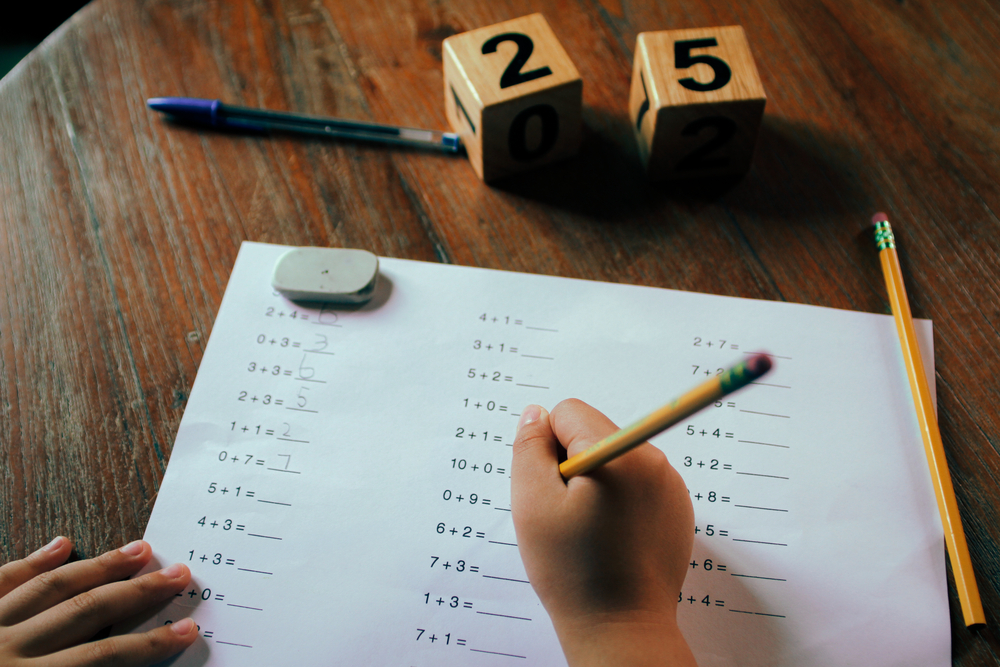

Enhancing counting skills in children aged 5-8 lays a crucial foundation for their mathematical development and overall cognitive growth. Parents and teachers should prioritize these skills for several compelling reasons.
Firstly, counting is a foundational mathematical skill that underpins more complex concepts such as addition, subtraction, and place value. By ensuring that children have a strong grasp of counting, we provide them with the essential tools they will use throughout their entire educational journey.
Secondly, counting exercises stimulate cognitive development and boost memory skills. Through counting, children learn to recognize patterns, understand one-to-one correspondence, and develop problem-solving strategies, which are valuable skills both inside and outside the classroom.
Thirdly, counting activities foster an early interest in mathematics and build confidence. When children successfully engage with counting, they experience a sense of achievement that can encourage a positive attitude toward learning mathematical concepts, helping to dispel any potential 'math anxiety.'
Finally, developing counting skills at an early age aligns with national and international education standards, ensuring that children are well-prepared for the structured learning curriculum they will face as they progress in their educational careers.
By supporting children’s counting abilities, parents and teachers pave the way for academic success and a lifelong appreciation for numeracy.








