Comparing Fractions Normal Math Worksheets for Ages 5-8
4 filtered results
-
From - To
Introducing our "Comparing Fractions Normal Math Worksheets for Ages 5-8," designed to make fraction learning fun and accessible for young learners. These engaging worksheets help kids understand and compare fractions through vibrant visuals and clear instructions. Perfect for at-home practice or supplemental classroom work, each sheet focuses on building foundational math skills in a step-by-step manner. With exercises tailored for beginner to intermediate levels, your child will confidently grasp the concepts of numerators, denominators, and fraction equivalence. Together, we make math enjoyable and easy to master! Download now to kickstart your child's fraction journey.
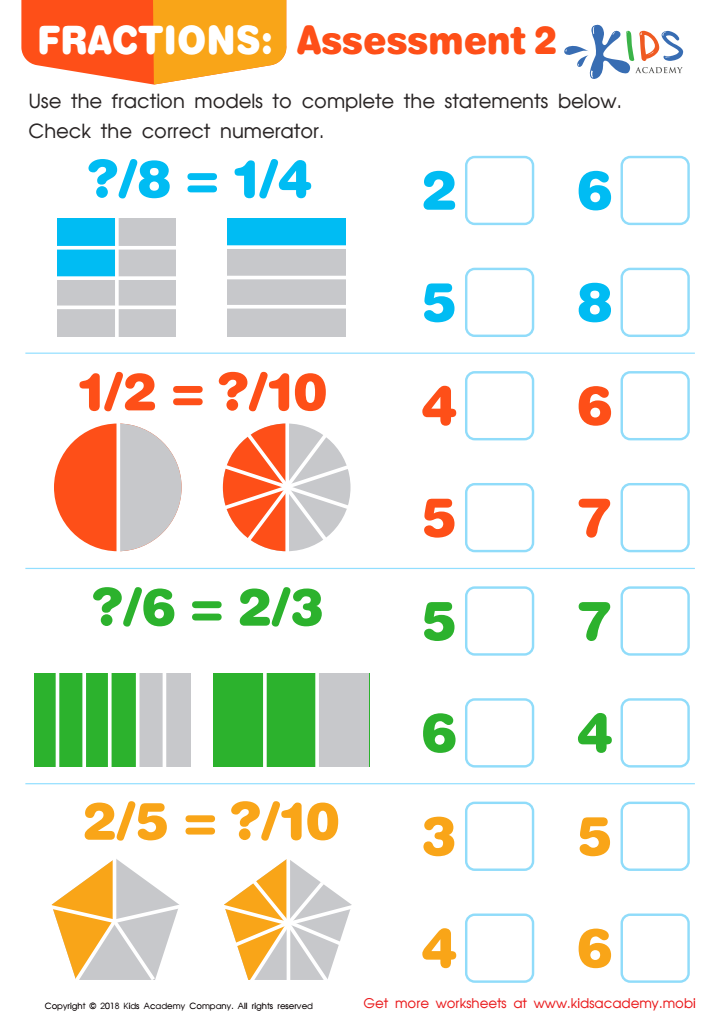
Fractions: Assessment 2 Worksheet
 Assign to My Students
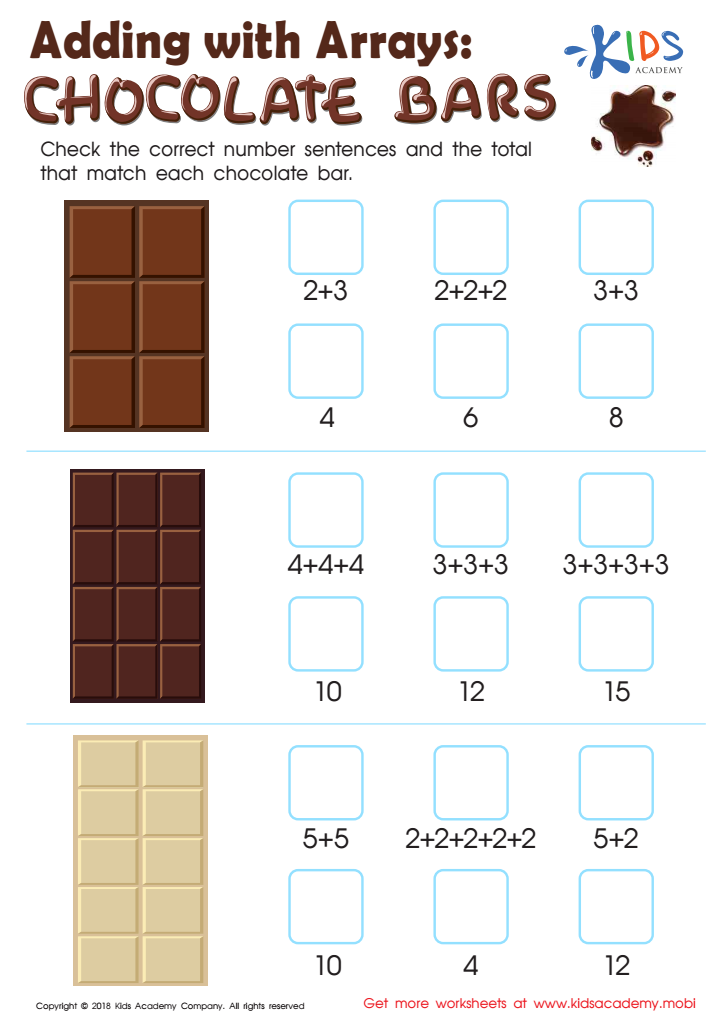
Adding with Arrays: Chocolate Bars Worksheet
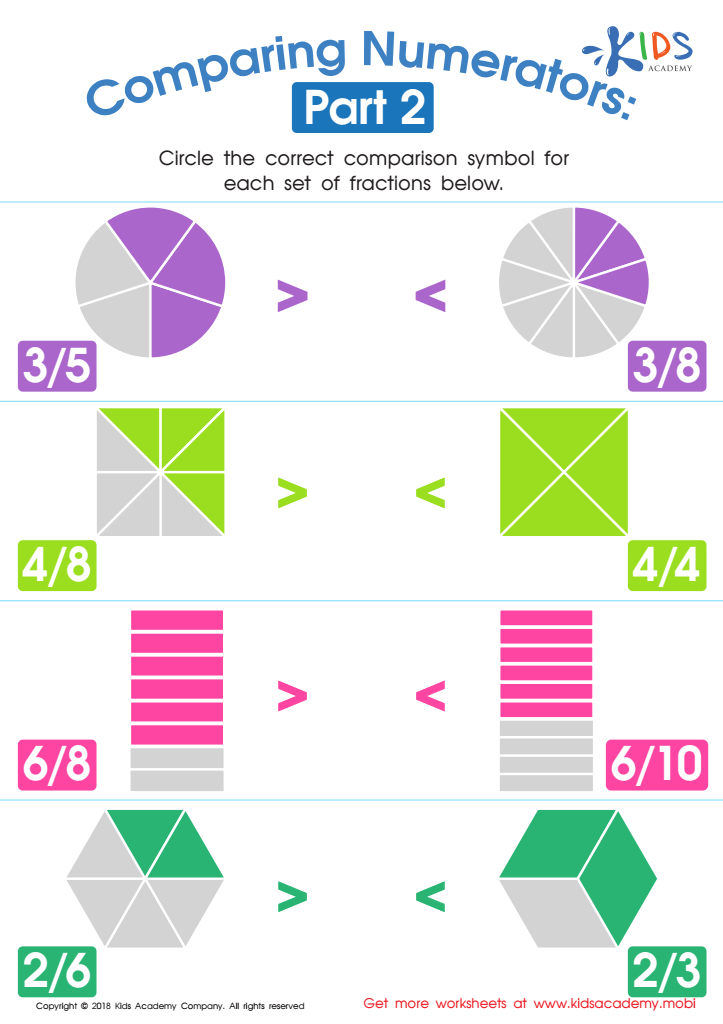
Comparing Numerators Part 2 Worksheet
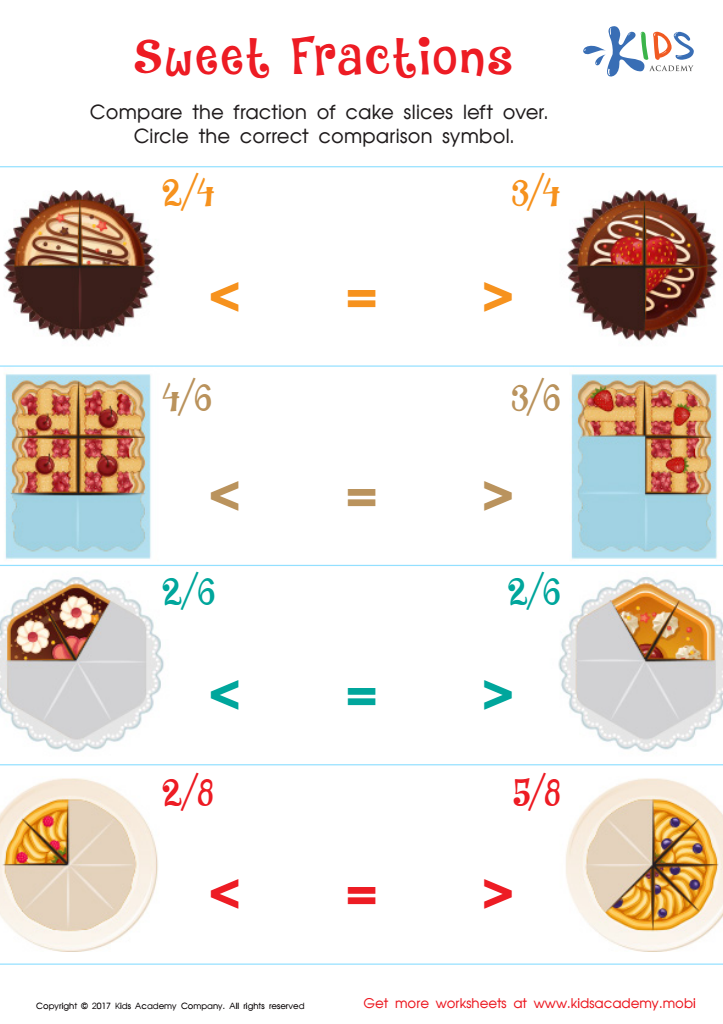
Compare Fractions Worksheet




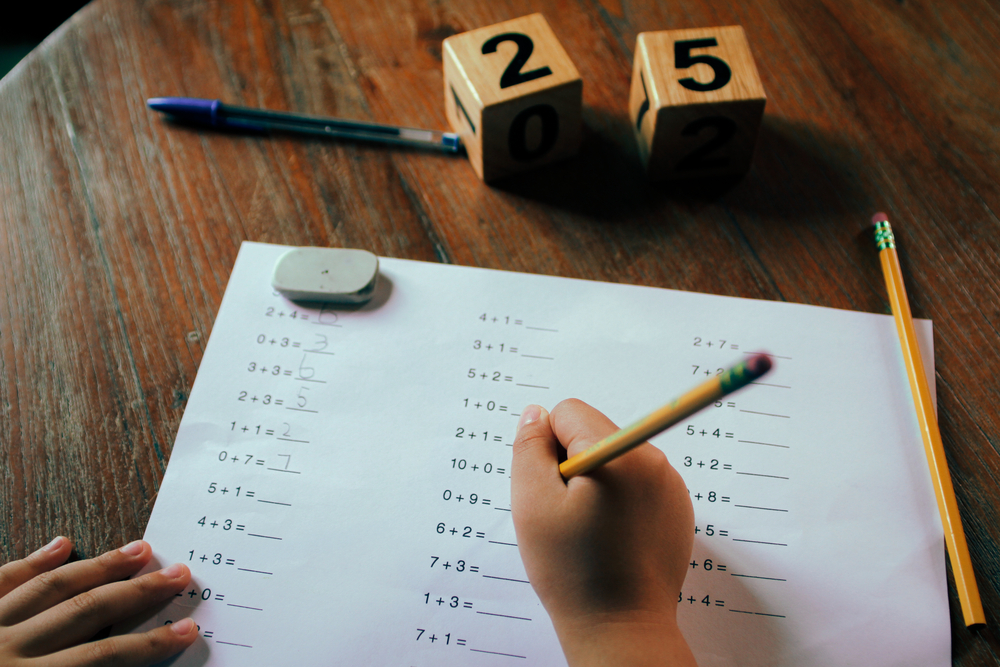
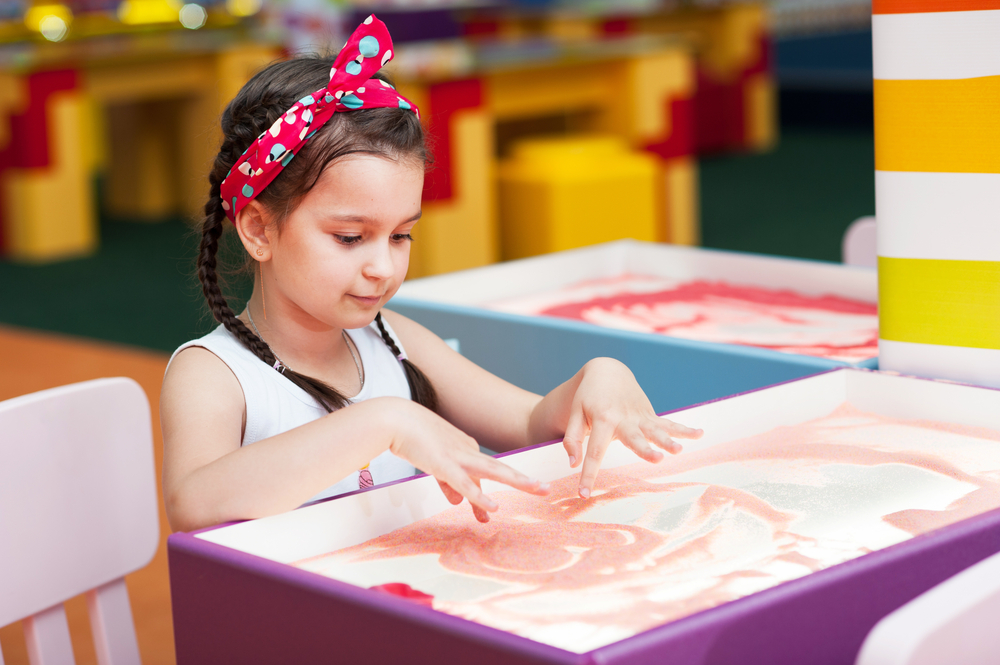

Comparing fractions is a fundamental skill in mathematics that helps establish a strong numerical foundation for young learners, ages 5-8. Teaching children to compare fractions involves more than just recognizing numbers; it encourages logical thinking, problem-solving, and spatial awareness. When parents and teachers focus on this, they help children grasp critical concepts of equality, proportion, and division, which are essential for more advanced math topics.
At this young age, children are incredibly receptive to learning through visual aids and hands-on activities. Comparing fractions using pie charts, blocks, or other manipulatives makes abstract concepts tangible. This visual approach can foster a deeper understanding of how fractions work, making it easier for children to internalize these ideas and apply them in real-life scenarios, such as measuring ingredients for a recipe or dividing items among friends.
Moreover, understanding fractions early on can bolster children's confidence in math, reducing anxiety and building a positive attitude towards the subject. This foundational knowledge promotes cognitive development and prepares young learners for future academic success, not only in math but also in science and everyday problem-solving. Hence, parents and teachers should prioritize comparing fractions to equip children with essential, long-term mathematical skills.








