Enhancing critical thinking Normal Math Worksheets for Ages 5-8
6 filtered results
-
From - To
Enhancing Critical Thinking Normal Math Worksheets for Ages 5-8
These carefully structured math worksheets prioritize developing critical thinking abilities in young learners. Targeted at children aged 5-8, each activity integrates logical reasoning and problem-solving exercises with foundational math concepts, ensuring a balanced and engaging learning experience. Crafted by educational experts, the worksheets encourage kids to explore various strategies to tackle problems, fostering a deeper understanding of math principles. Ideal for use at home or in the classroom, these worksheets help establish strong analytical thinking skills that support academic growth and future learning success. Explore our collection and watch your child’s critical thinking flourish!
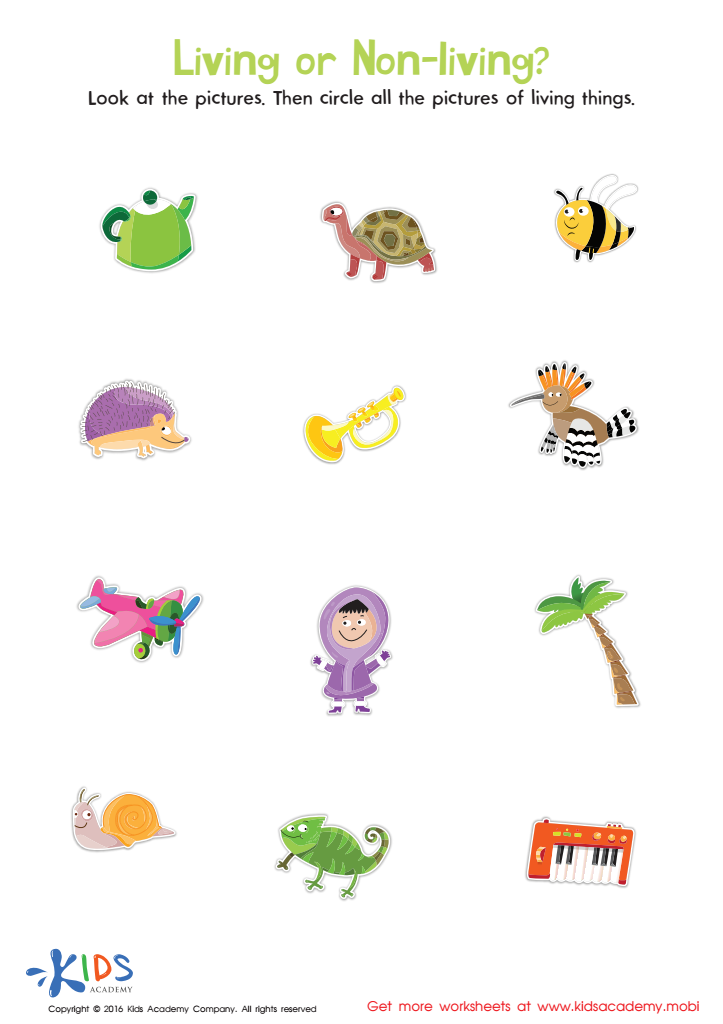
Identifying Living and Non–living Things Sorting Worksheet
 Assign to My Students
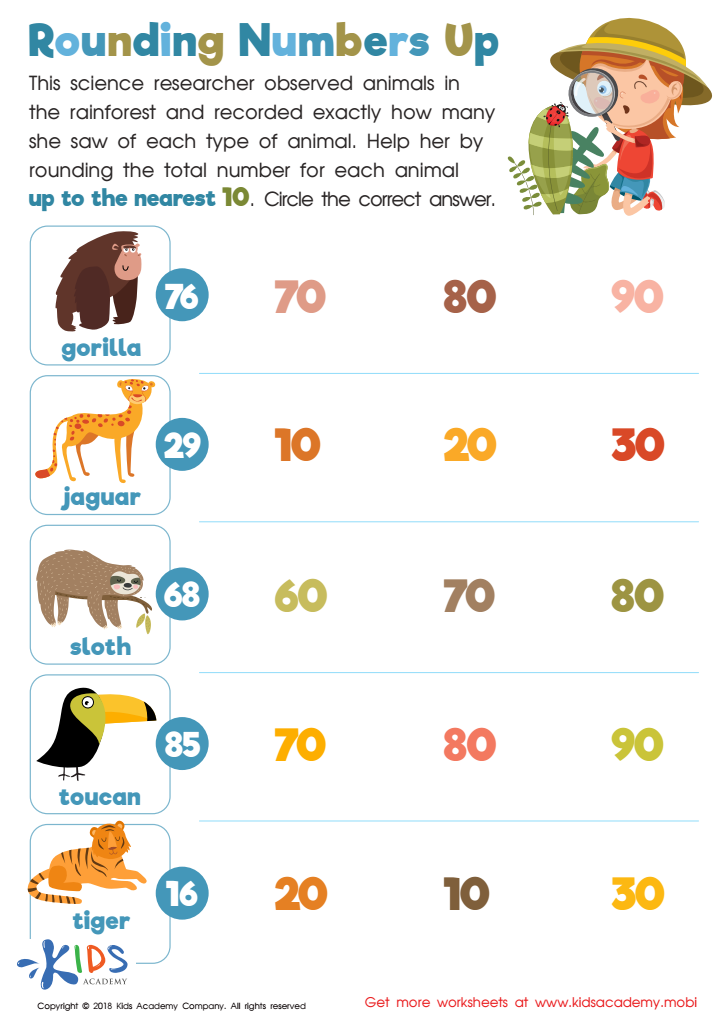
Rounding Numbers Up Worksheet
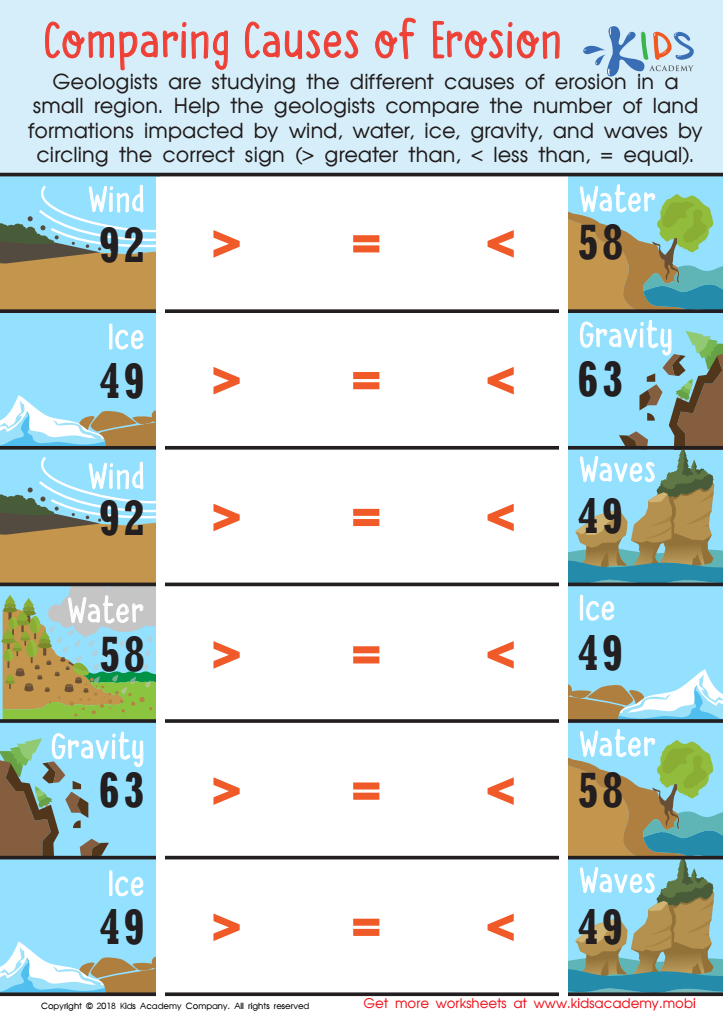
Comparing Causes of Erosion Worksheet
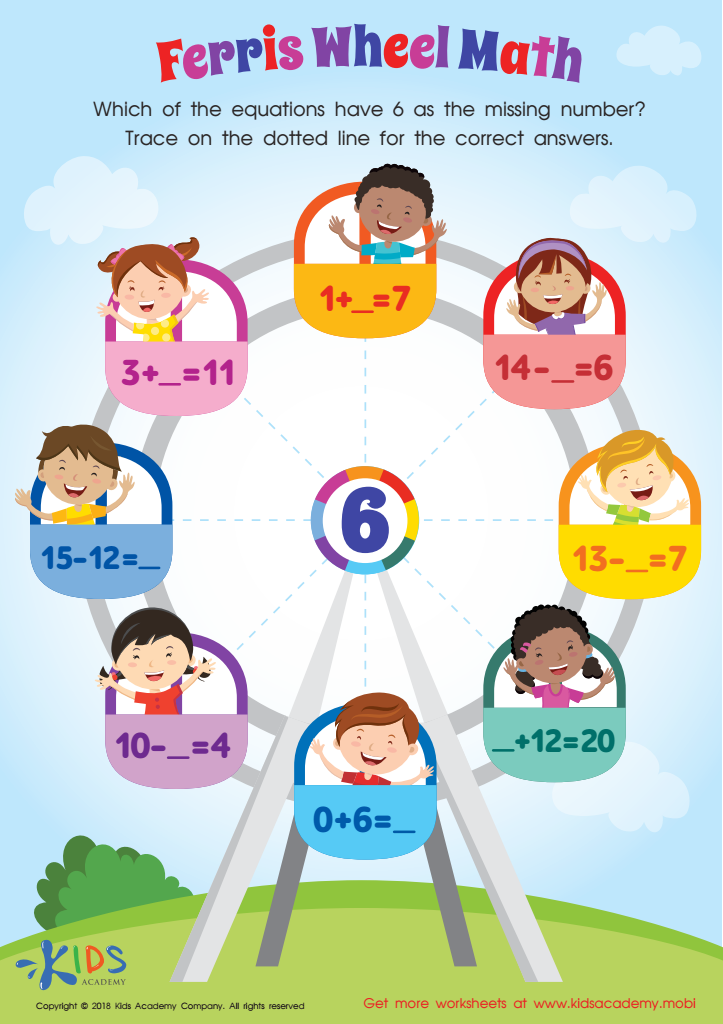
Missing Number: Ferris Wheel Math Worksheet
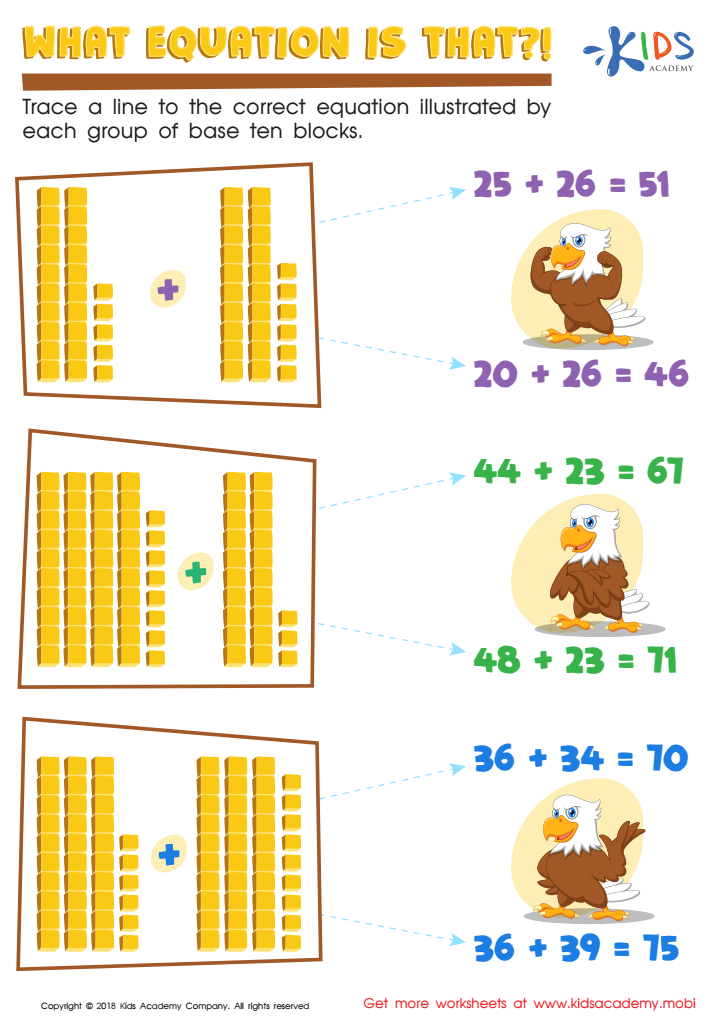
What Equation Is That? Worksheet
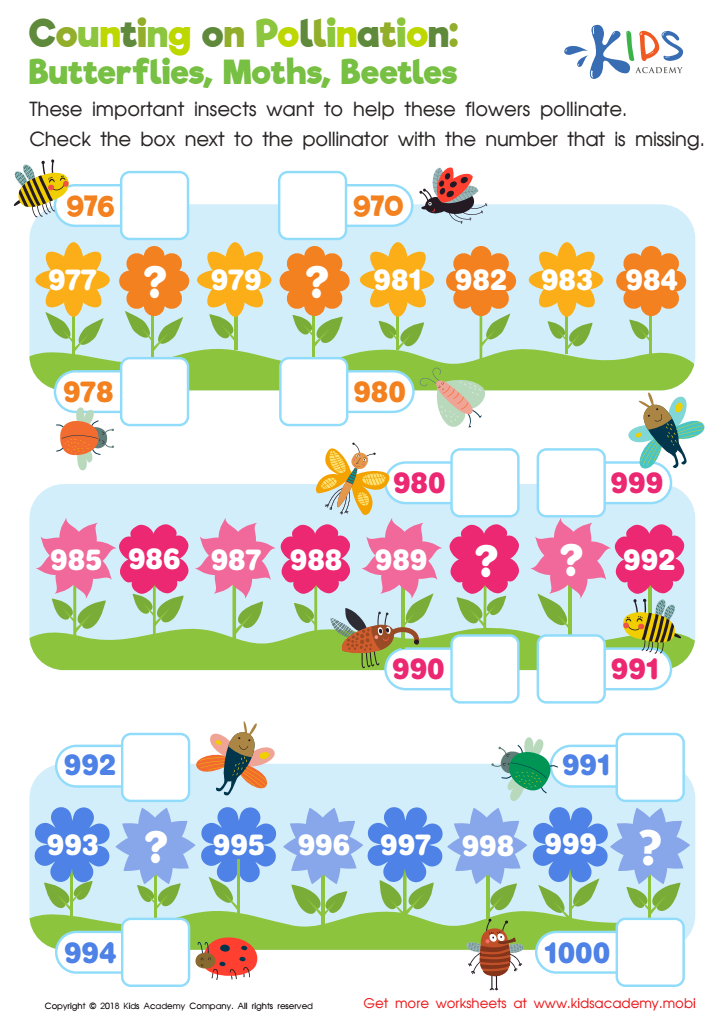
Counting on Pollination: Butterflies, Moths, Beetles Worksheet








Parents and teachers should care about enhancing critical thinking in young learners, especially in their early math education, because it builds a strong foundation for lifelong learning and problem-solving skills. At ages 5-8, children are at a prime developmental stage where their cognitive abilities are rapidly expanding. In this period, nurturing critical thinking can significantly influence their ability to analyze information, make decisions, and approach challenges with a creative mindset.
Critical thinking in math goes beyond rote memorization and formulaic computations. It involves understanding why math works the way it does and how different concepts interrelate. For instance, instead of merely learning to solve an equation, children begin to grasp why a particular solution is correct and contemplate multiple ways to arrive at an answer. This kind of analytical approach not only boosts their math proficiency but also fosters curiosity and independence.
Moreover, cultivating these skills early helps prevent the development of math anxiety—a common issue that can impede academic growth. Children who feel confident in their ability to think through problems are more likely to enjoy math and view it as a subject of exploration and discovery, rather than a source of stress. By prioritizing critical thinking in early math education, parents and teachers empower children to become effective, insightful learners throughout their academic journey and beyond.








