Mental math practice Normal Math Worksheets for Ages 5-8
5 filtered results
-
From - To
Discover our engaging Mental Math Practice worksheets designed specifically for children aged 5 to 8! These interactive resources are perfect for enhancing your child's math skills while making learning fun. Our worksheets focus on essential mental math techniques, helping young learners develop quick calculation abilities, improve their confidence, and foster a love for mathematics. With a variety of age-appropriate exercises, your child will tackle addition, subtraction, and simple problem-solving puzzles that strengthen their foundational math knowledge. Access our printable worksheets today and watch your little ones excel in math with ease and enthusiasm! Perfect for home or classroom use!
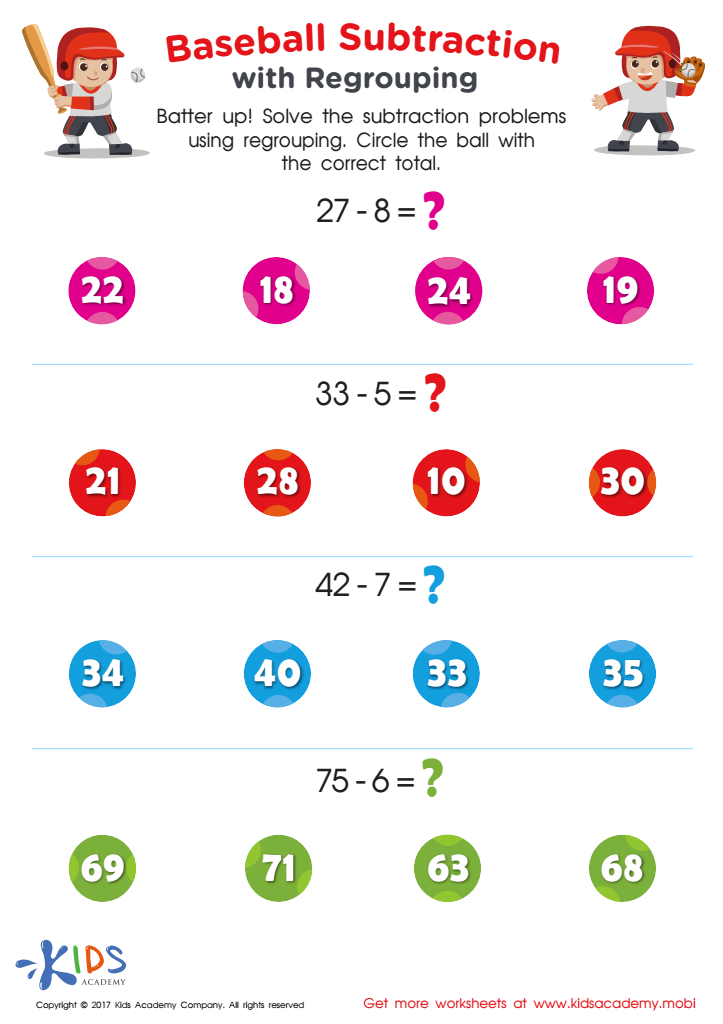
Subtraction With Regrouping for 2nd Grade Worksheet
 Assign to My Students
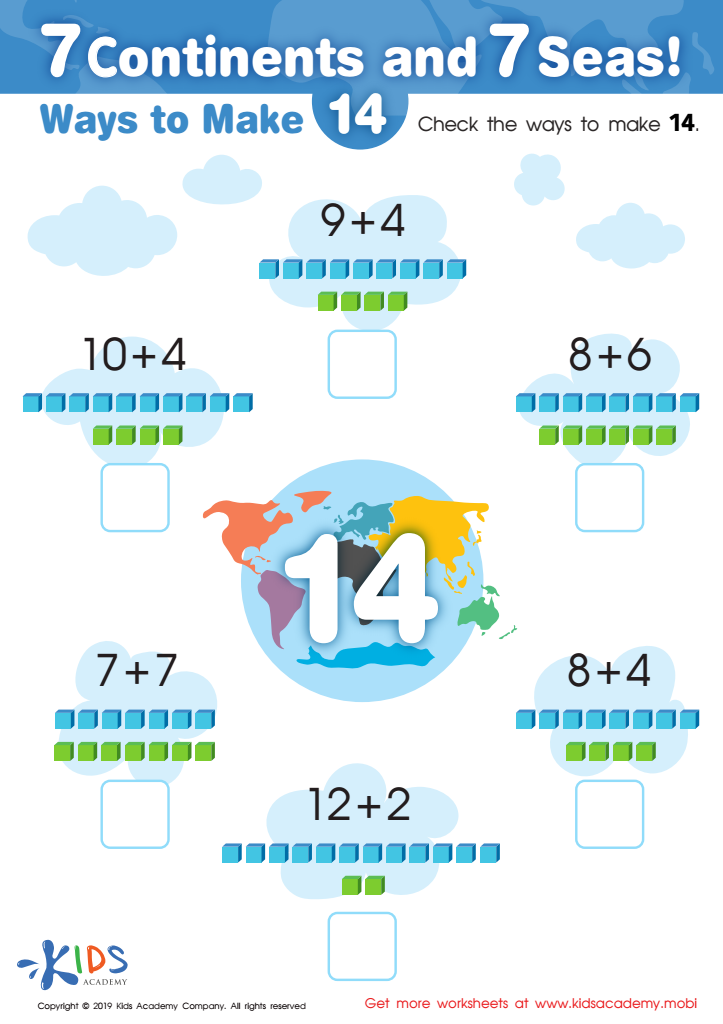
7 Continents and 7 Seas Worksheet
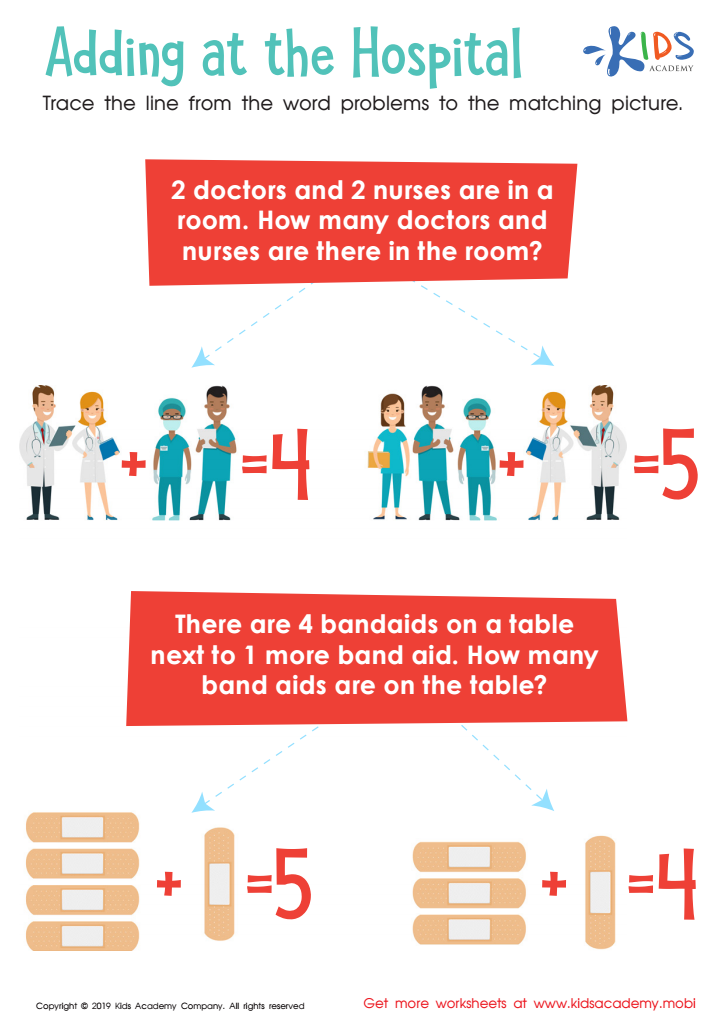
Adding at the Hospital Worksheet
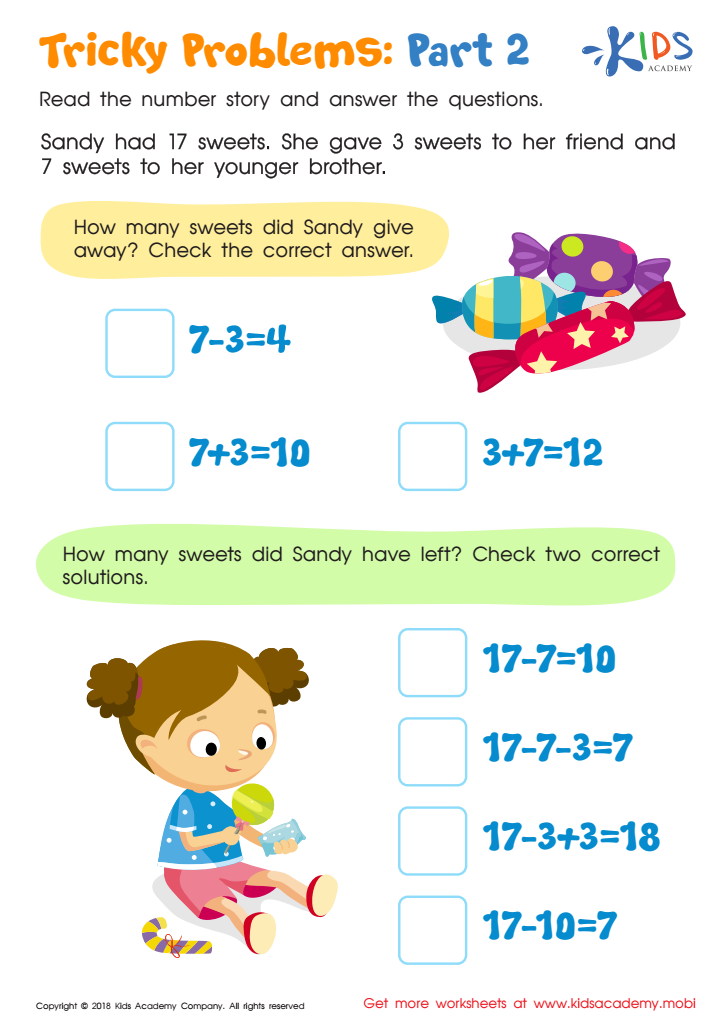
Tricky Problems Worksheet: Part 2
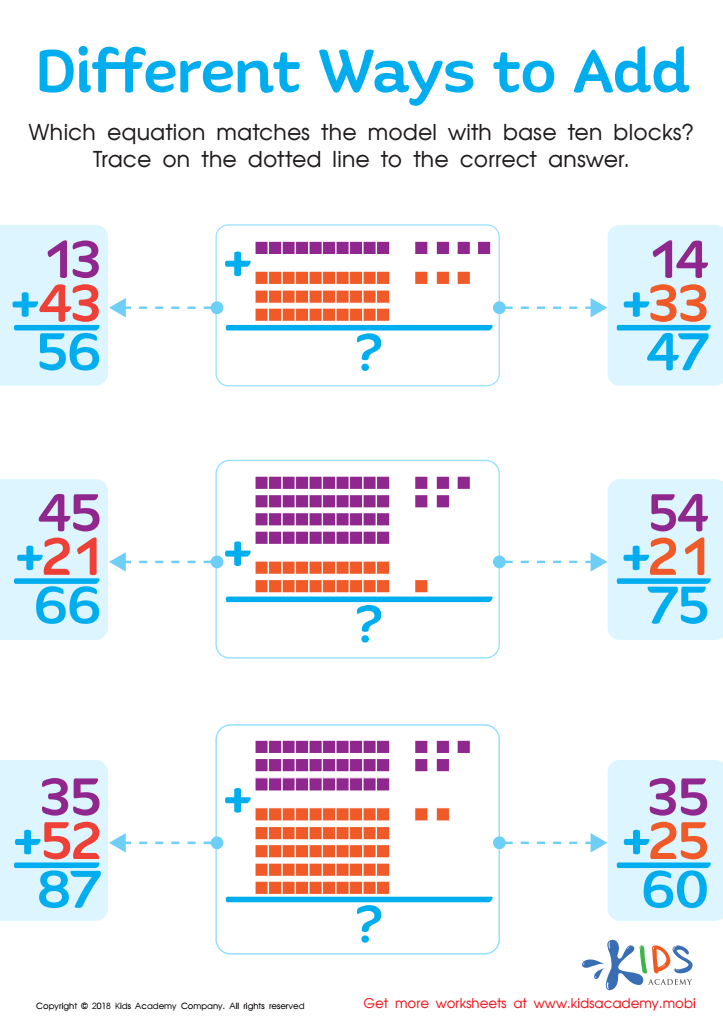
Different Ways to Add Worksheet








Mental math practice is crucial for children ages 5-8 as it lays the foundation for their overall mathematical understanding and cognitive development. This age range is pivotal in developing key numeracy skills, and fostering mental math can support this process in several ways.
Firstly, mental math enhances students’ arithmetic fluency, allowing them to perform calculations quickly and accurately. This confidence diminishes math-related anxiety, making math a more approachable subject. Practicing mental math also develops critical thinking and problem-solving skills, as students learn to visualize numbers and manipulate them in their heads.
Additionally, mental math makes math more interactive and fun. Engaging activities, like math games and challenges, can increase student motivation and participation. This enjoyment can spur a lifelong positive relationship with math.
For parents and teachers, supporting mental math practice becomes an essential part of promoting broader educational goals. It equips students with effective strategies for solving problems, aiding not only in math but also in other subjects requiring logical reasoning. Thus, investing time in mental math practice during these early years can significantly contribute to a child's academic success and confidence as they progress through their education.








