
Phonics recognition Normal Reading Worksheets for Ages 5-8
4 filtered results
Difficulty Level
Grade
Age
-
From - To
Subject
Activity
Standards
Enhance your child's reading skills with our Phonics Recognition Normal Reading Worksheets, designed specifically for ages 5-8. These engaging worksheets provide a fun, interactive way for young learners to master phonics concepts that are fundamental to reading development. With colorful illustrations and engaging activities, children will enjoy identifying sounds, blending letters, and improving vocabulary. Our worksheets cater to varying learning styles, fostering comprehension and retention. Perfect for home or classroom use, these resources support early literacy while making learning enjoyable. Help your child build a strong reading foundation today with our expertly crafted phonics worksheets!
Favorites
With answer key
Interactive
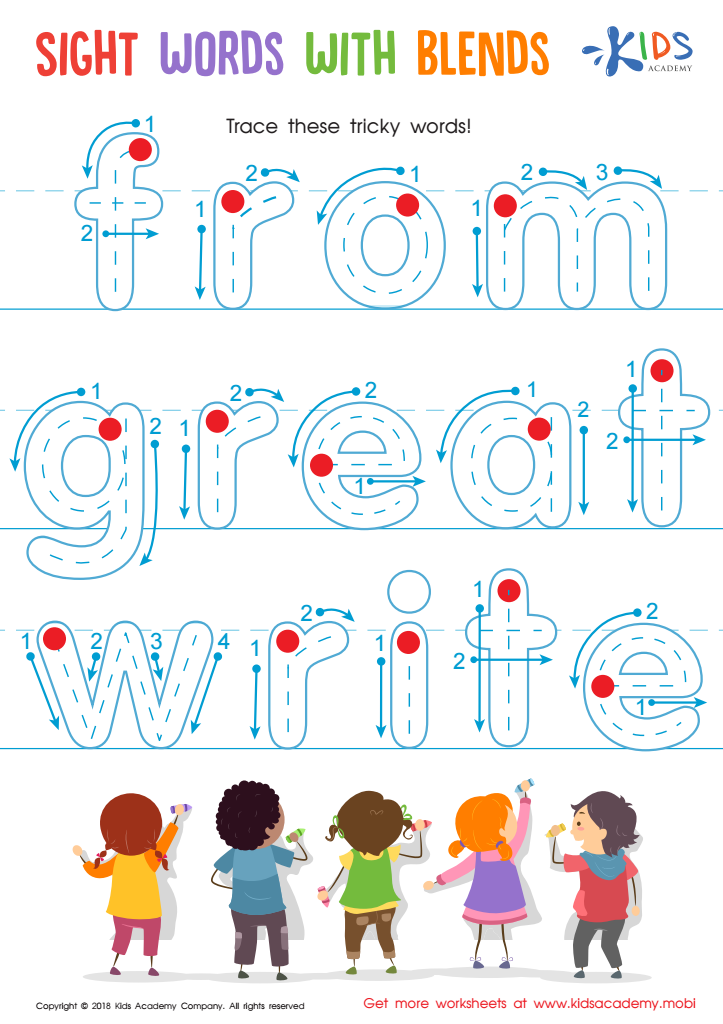
Sight Words with Blends Worksheet
This free PDF lets your children trace and write sight words with tricky blends. The guide numbers help them start from the top, building fine motor skills and enhancing sight word vocab. It's a great way to give your kids a solid foundation for reading!
 Assign to My Students
Sight Words with Blends Worksheet
Worksheet
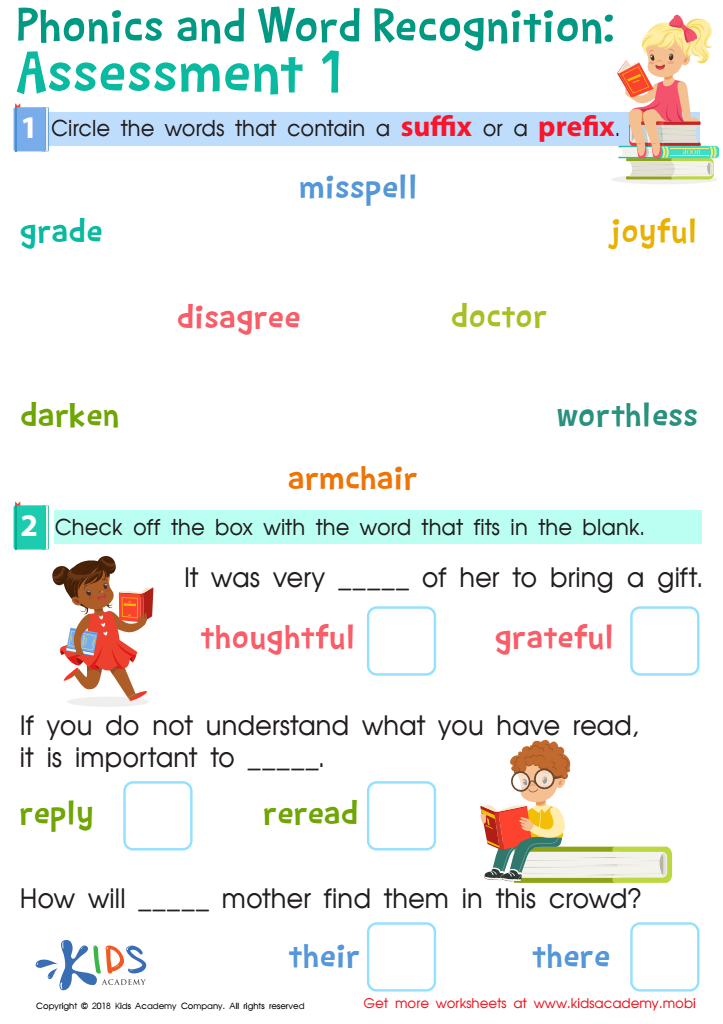
Phonics and Word Recognition: Assessment 1 Worksheet
Explain prefixes (words added to start of another word to give it a new meaning) and suffixes (added to end of word to change its meaning) to your kids with examples like 'unhappy' (prefix) and 'forgetful' (suffix). Now, help your child complete this worksheet, including circling words and checking boxes.
Phonics and Word Recognition: Assessment 1 Worksheet
Worksheet
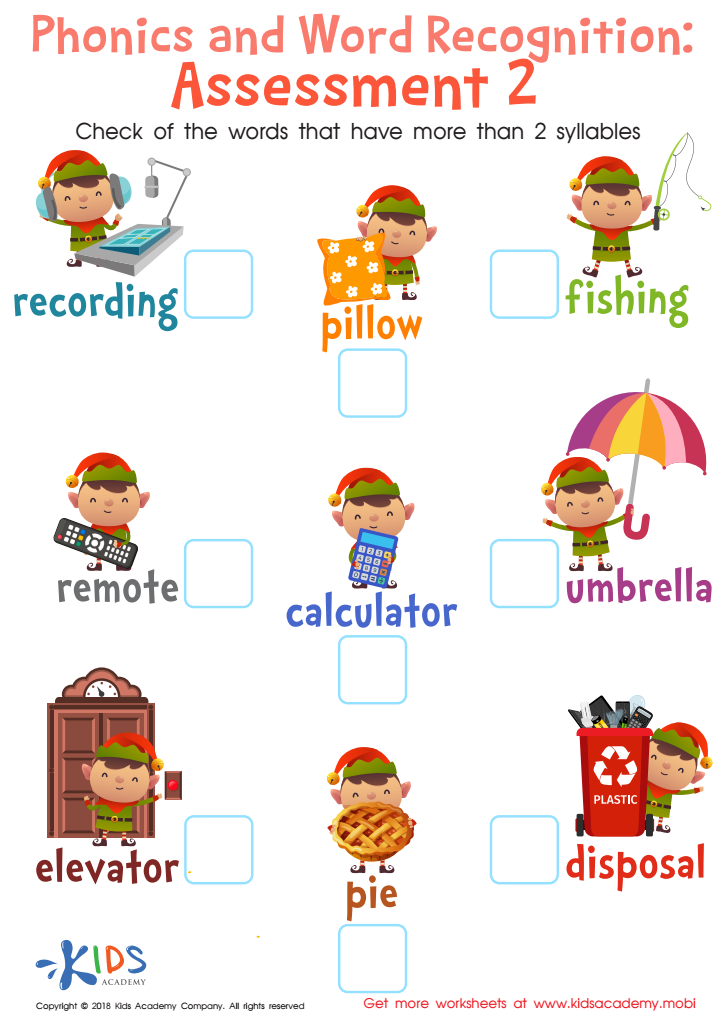
Phonics and Word Recognition: Assessment 2 Worksheet
Help your kids learn proper pronunciation by counting syllables. Most words they'll encounter have 1-3 syllables, making them simple to say. Have them repeat the words in your worksheet after you. Focus on longer words with more than two syllables.
Phonics and Word Recognition: Assessment 2 Worksheet
Worksheet
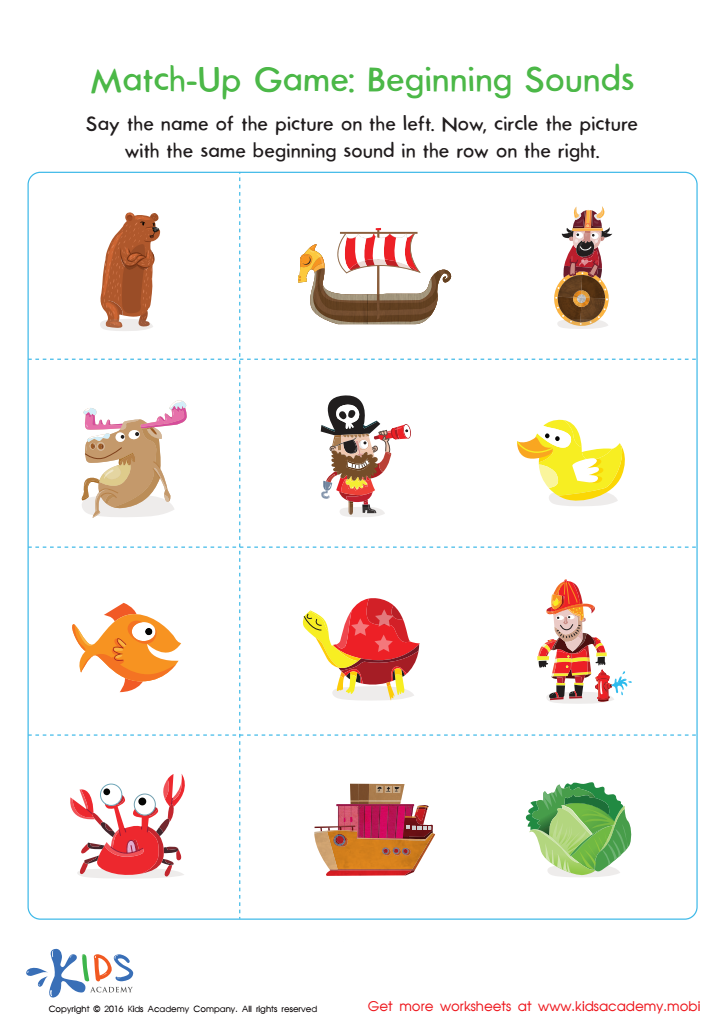
Match–Up Game: Beginning Sounds Worksheet
Start today with this beginning sounds match-up printable!
Teach your child to solve problems mentally with this beginning sounds match-up printable. They'll learn to categorize pictures based on phonics rules, developing mental stamina and focus. It's an important step for recognizing sounds and letters in print, building a foundation for reading and spelling. Start today and take your child's skills to the next level!
Match–Up Game: Beginning Sounds Worksheet
Worksheet
Join Kids Academy for Free
Who is primarily going to use this learning content?








Phonics recognition is a fundamental aspect of reading development for children aged 5-8, and it plays a crucial role in their literacy journey. Parents and teachers should care about phonics because it provides children with the skills necessary to decode words effectively. Through understanding the relationship between letters and sounds, children can figure out how to read new words independently, boosting their confidence and fostering a love for reading.
Developing phonics skills enhances vocabulary and comprehension. Early readers who master phonics tend to read more fluently, allowing them to focus on understanding the meaning of the text rather than just sounding out words. This foundational skill not only aids in wider reading proficiency but also contributes to academic success in various subjects.
Moreover, acquiring phonics skills during these formative years can prevent future reading difficulties. Engaging with phonics activities can also foster a positive learning environment, encouraging collaboration between parents and teachers. By prioritizing phonics recognition, they set the stage for lifelong learning habits, ensuring that children have the tools they need to thrive as proficient readers. In essence, phonics instruction is key to cultivating competent, eager readers who are prepared to engage fully with the world around them.








