Word Recognition Normal Reading Comprehension Worksheets for Ages 5-8
8 filtered results
-
From - To
Enhance your child's reading journey with our "Word Recognition Normal Reading Comprehension Worksheets" designed for ages 5-8. These engaging worksheets focus on building essential word recognition skills, providing a strong foundation for effective reading comprehension. Each activity is crafted to help young learners identify, understand, and use words in context, making reading both fun and educational. Our interactive approach fosters a love for learning and boosts confidence as children master new vocabulary. Perfect for classroom use or at-home practice, these worksheets will prepare your little ones for reading success! Explore our resources today and watch their skills soar!
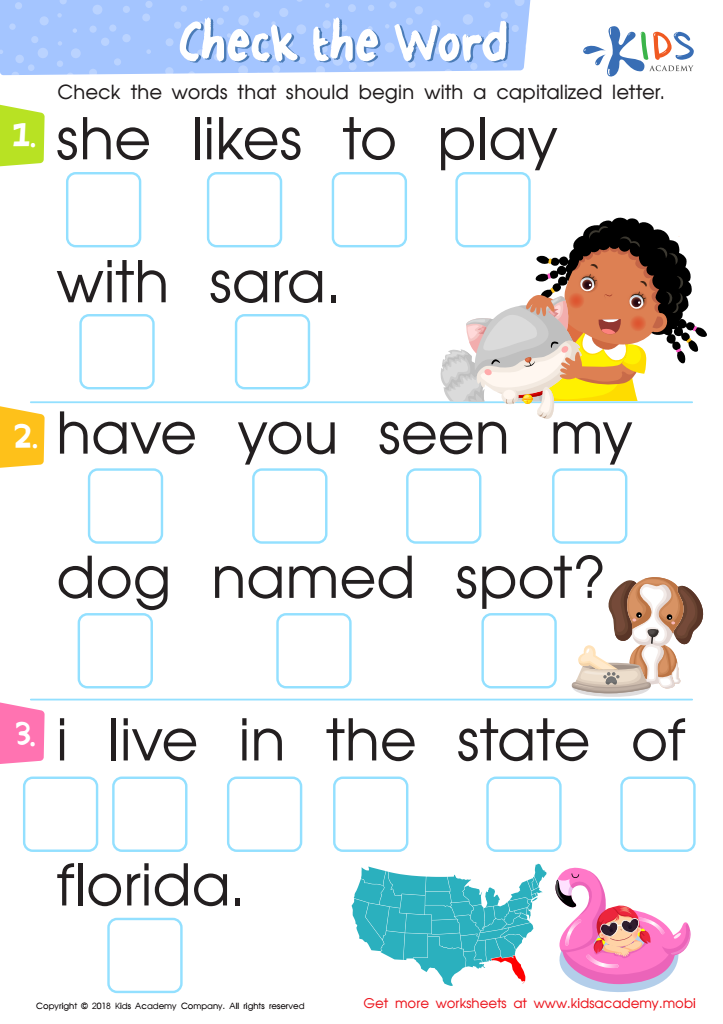
Check the Word Worksheet
 Assign to My Students
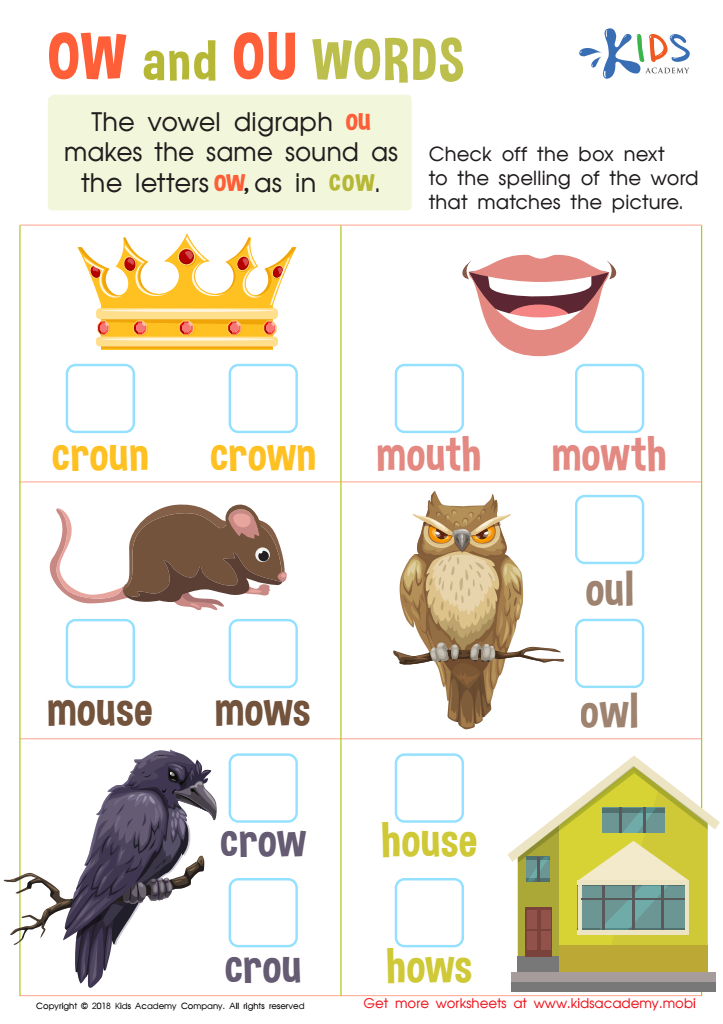
Reading: OW and OU Words Worksheet
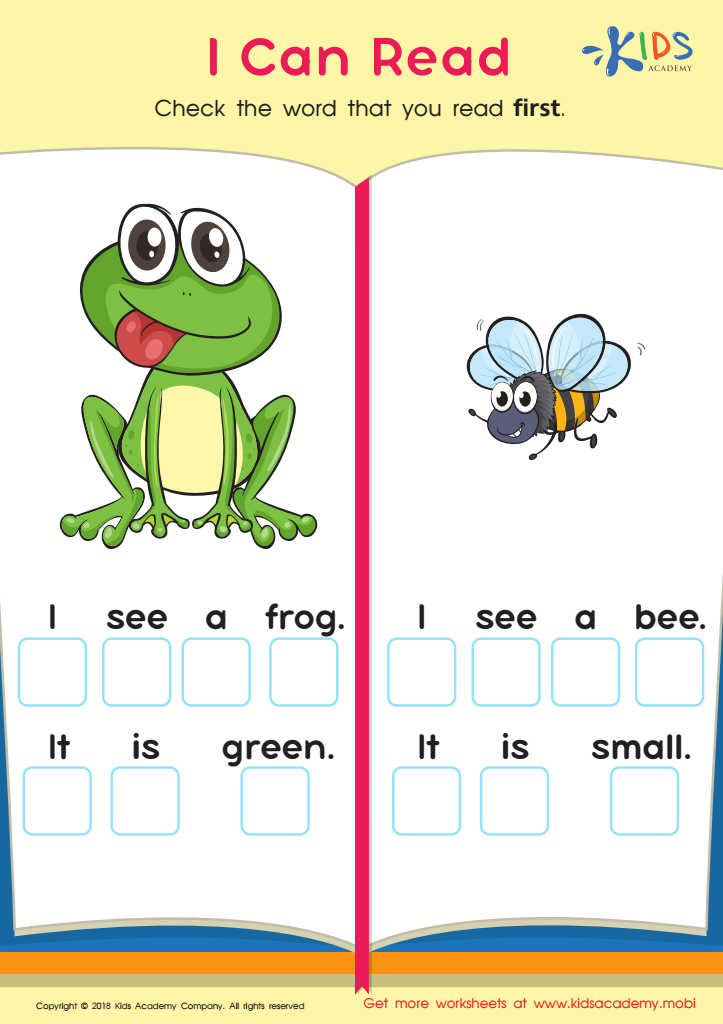
I Can Read Worksheet
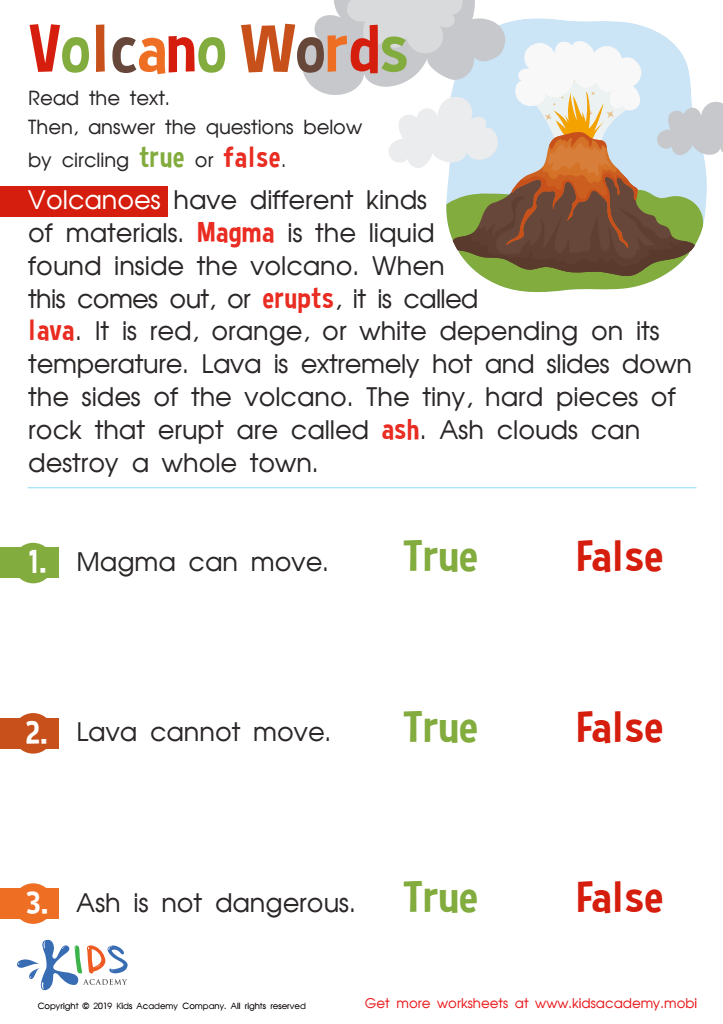
Volcano Words Worksheet
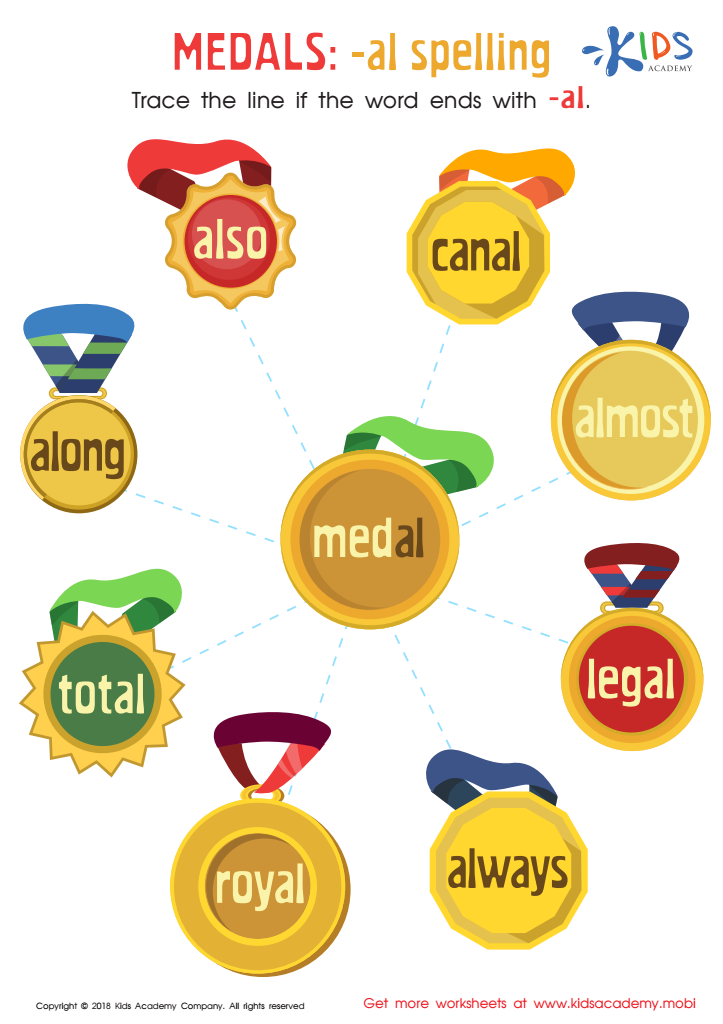
Medals: Al Spelling Worksheet
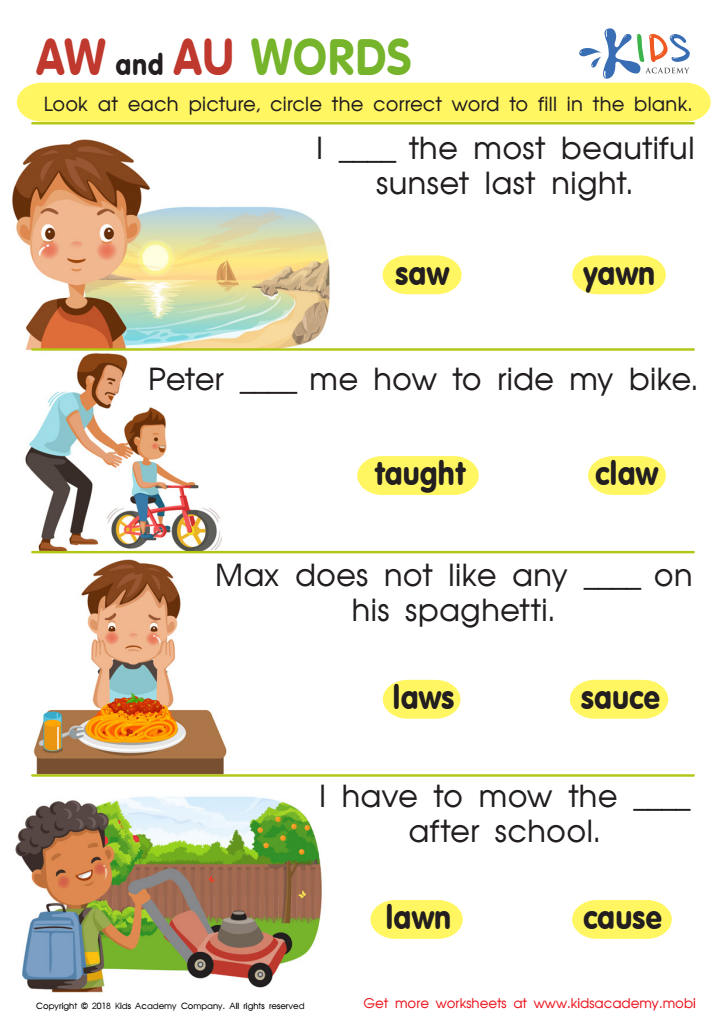
Reading: AW and AU Words Worksheet
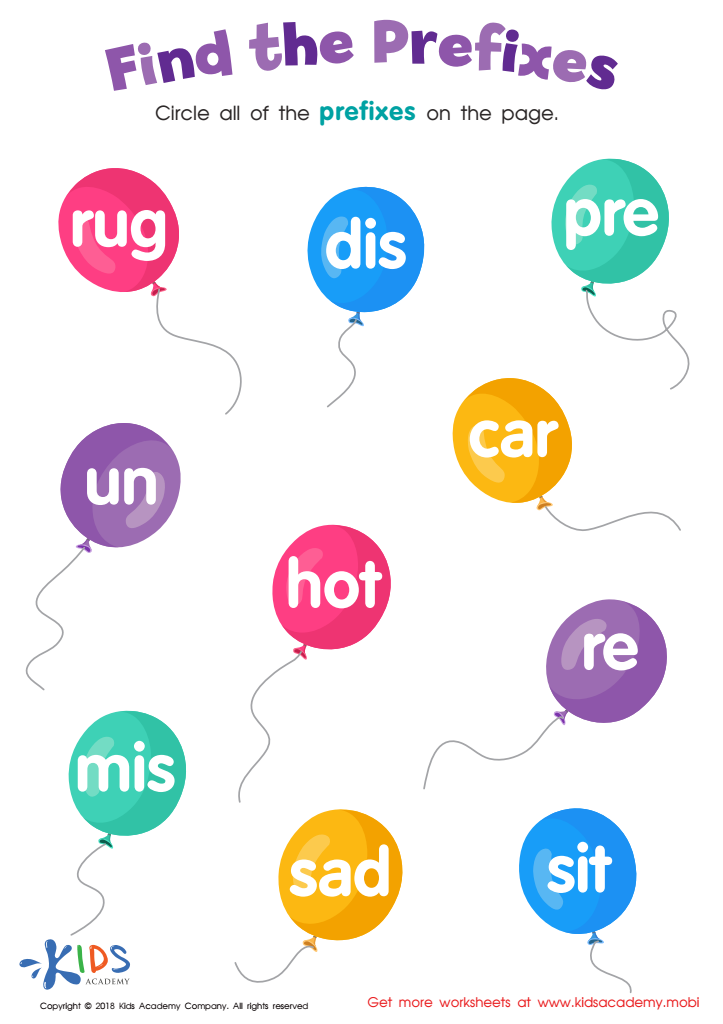
Reading: Find the Prefixes Worksheet
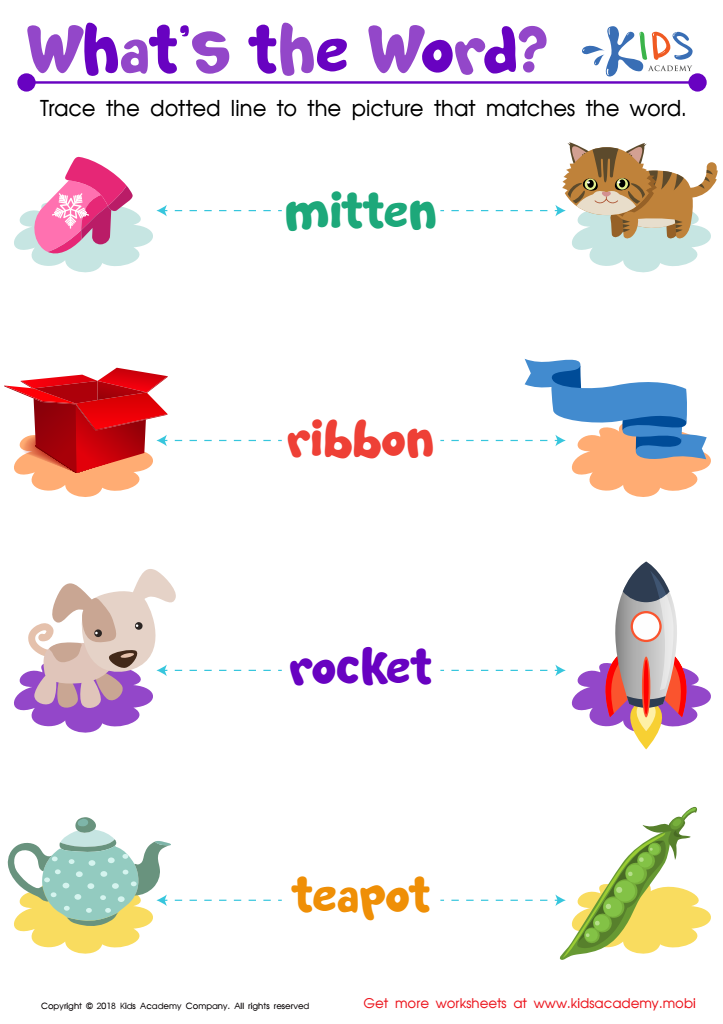
Reading: What's Word Worksheet





.jpg)

Word recognition and reading comprehension are crucial components of literacy for children ages 5-8, significantly influencing their academic success and overall development. At this formative stage, children are mastering the basics of reading, and their ability to recognize words quickly and accurately lays the foundation for further learning.
Effective word recognition allows children to focus on understanding the meaning of a text rather than deciphering each word. This transition from decoding to comprehension is essential; as they advance, fluent readers have more cognitive resources available for processing ideas, making connections, and retaining information. When parents and teachers nurture word recognition, they empower children to engage more deeply with stories, fostering a lifelong love for reading.
Moreover, reading comprehension goes hand-in-hand with vital skills such as critical thinking and vocabulary development. Children who comprehend what they read are better equipped to succeed academically and communicate effectively. Ignoring these aspects can lead to struggling readers, widened achievement gaps, and decreased self-esteem in learners.
Therefore, fostering strong word recognition and comprehension skills in young children should be a priority for educators and parents alike, as it ultimately shapes their future learning experiences and overall confidence.








